
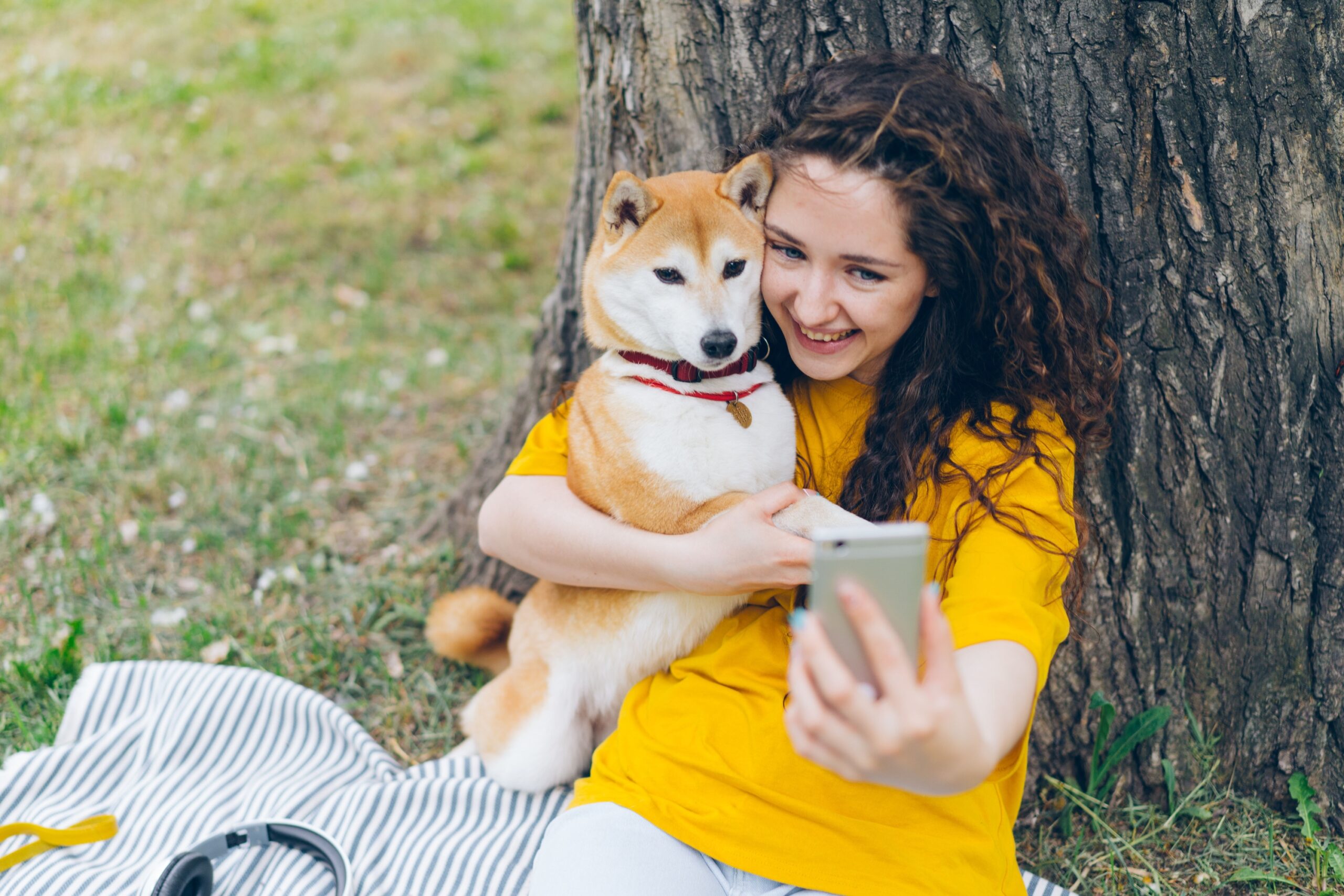
You want to believe your dog forgets you the second you walk out the door. It’s easier that way. Easier to leave for a business trip, a semester abroad, a hospital stay, and tell yourself the dog curled up on the couch has already moved on to the next treat, the next walk, the next warm lap.
But here’s the uncomfortable truth: your dog is keeping score. Not in a spreadsheet, but in scent, sound, and the specific way your hand felt on the day everything went wrong. What follows are fifteen things dogs quietly file away about the humans they love most, and some of them will make you look at your own dog a little differently tonight.
15. Your Scent Never Actually Leaves Them
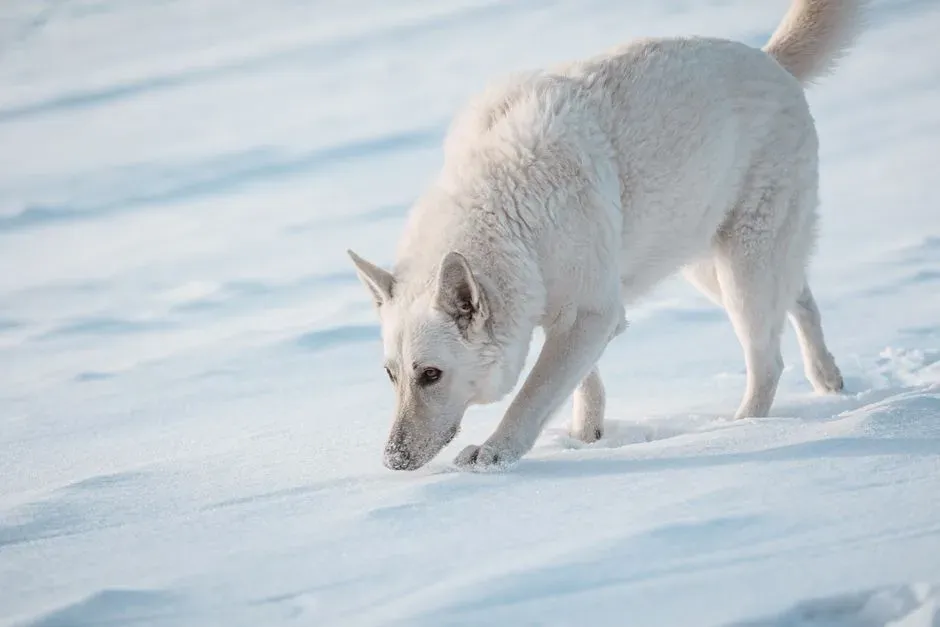
Your dog’s nose isn’t just better than yours, it’s operating on a different plane entirely. With over 300 million scent receptors doing constant work, a dog doesn’t just smell you once and file it away as “human.” They memorize the exact chemical signature of you: your skin, your shampoo, the specific stress-sweat you produce when you’re anxious.
That’s why a dog who hasn’t seen someone in years can still go wild with recognition the second that person walks through the door. It isn’t guesswork. It’s a smell they’ve been carrying around in their memory the entire time, waiting for one more chance to confirm it.
Fast Facts
- Dogs have roughly 300 million scent receptors, compared to about 6 million in humans.
- A dog’s sense of smell is estimated to be tens of thousands of times more sensitive than ours.
- The brain region devoted to analyzing smells is proportionally much larger in dogs than in people.
- A single scent memory can stay intact for years without a single reminder.
14. The Sound of Your Voice Still Means Something
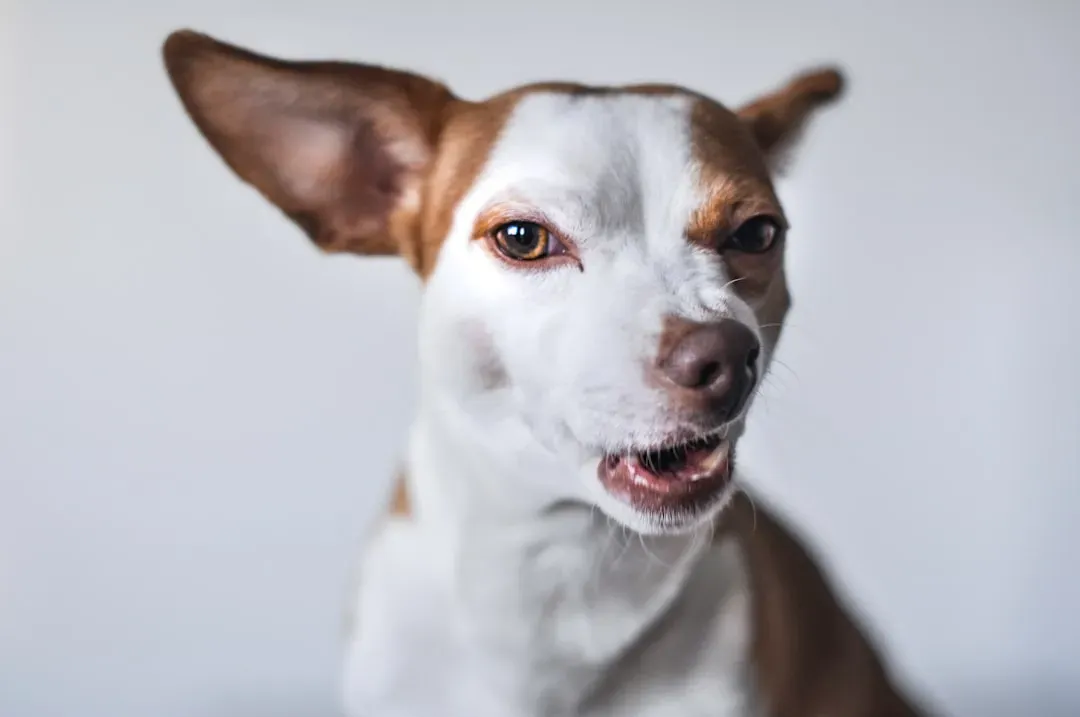
Dogs don’t just hear words, they hear you. The pitch when you’re excited, the low murmur when you’re comforting them, the specific rhythm of your laugh, all of it gets filed alongside whatever was happening emotionally in that moment.
That’s why a recorded video of you can sometimes send an older dog into a frenzy of tail-wagging confusion. The voice is right, but you’re not physically there, and that mismatch is its own small proof of how precisely they’ve mapped the sound of you onto real memories.
13. Your Face Is Burned Into Their Memory

Dogs read faces the way people read paragraphs, scanning for meaning, and they focus hardest on the eyes. Over time, they build a private library of your expressions: the face you make when you’re proud of them, the one that means trouble, the one that shows up right before you cry.
This is part of why dogs seem eerily good at knowing when something is wrong before you’ve said a word. They’re not psychic. They’ve simply studied your face longer and more carefully than almost anyone else in your life ever has.
12. Your Daily Routine Lives Rent-Free in Their Head
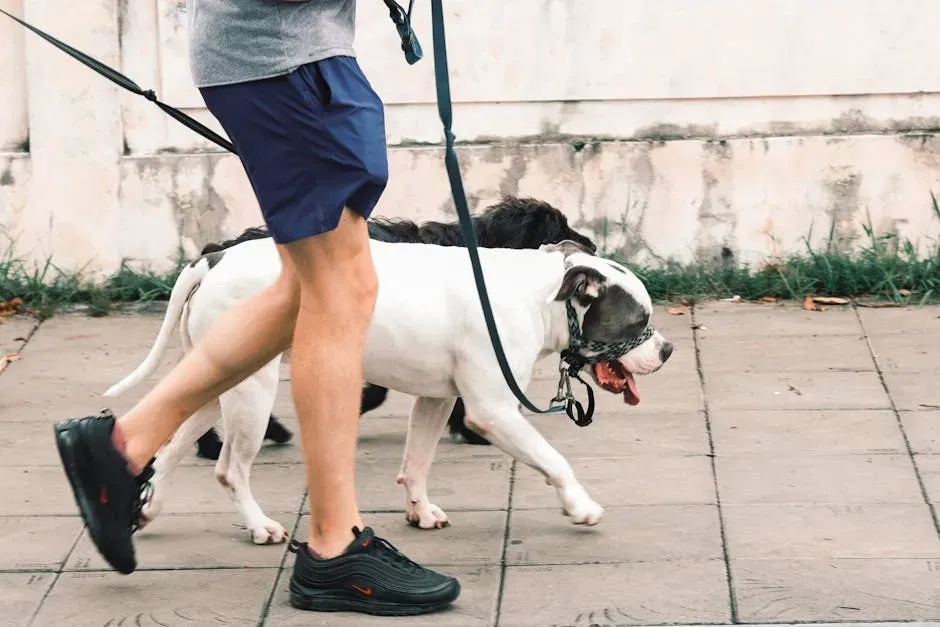
The time you usually walk in the door. The specific jingle of keys before a walk. The exact sequence of you tying your shoes that means “stay calm, we’re leaving soon.” Dogs don’t just tolerate routine, they build their entire emotional rhythm around it.
Break that rhythm, even with something as small as a new work schedule, and you’ll often see it: pacing, whining, staring at the door at the old time out of pure habit. It’s not confusion. It’s memory colliding with a present that no longer matches it.
11. They Still Remember What You Taught Them
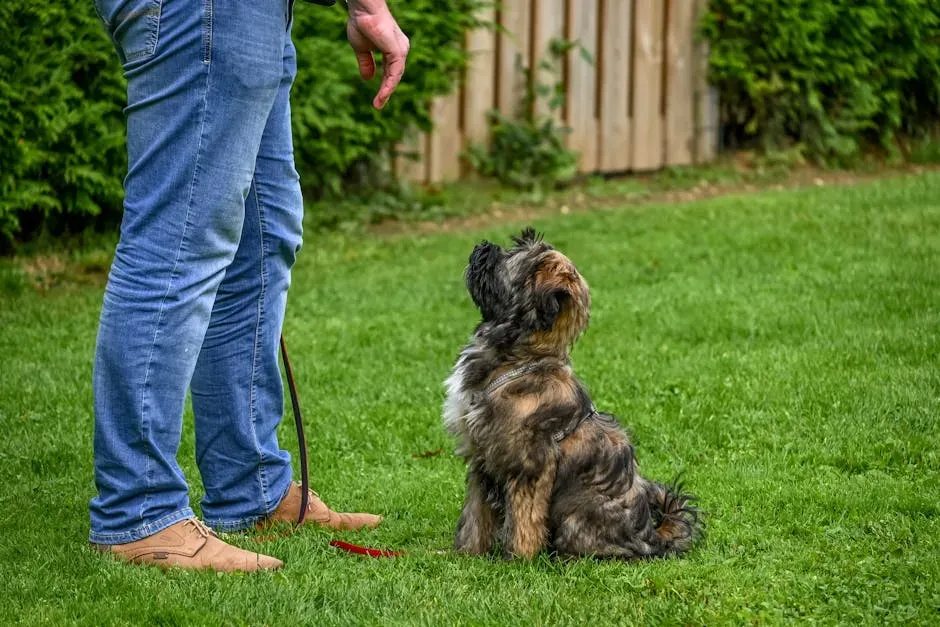
Training was never just about commands. It was two of you building a shared vocabulary, one repetition at a time, until “sit” or “stay” became less like an order and more like a conversation you both understood.
That’s why a dog can go months without practicing a trick and still perform it flawlessly the moment you ask. The lesson didn’t fade. It became part of how they relate to you specifically, which is why the same trick sometimes falls flat with a stranger giving the exact same command.
10. The Big Emotional Moments Never Fully Fade
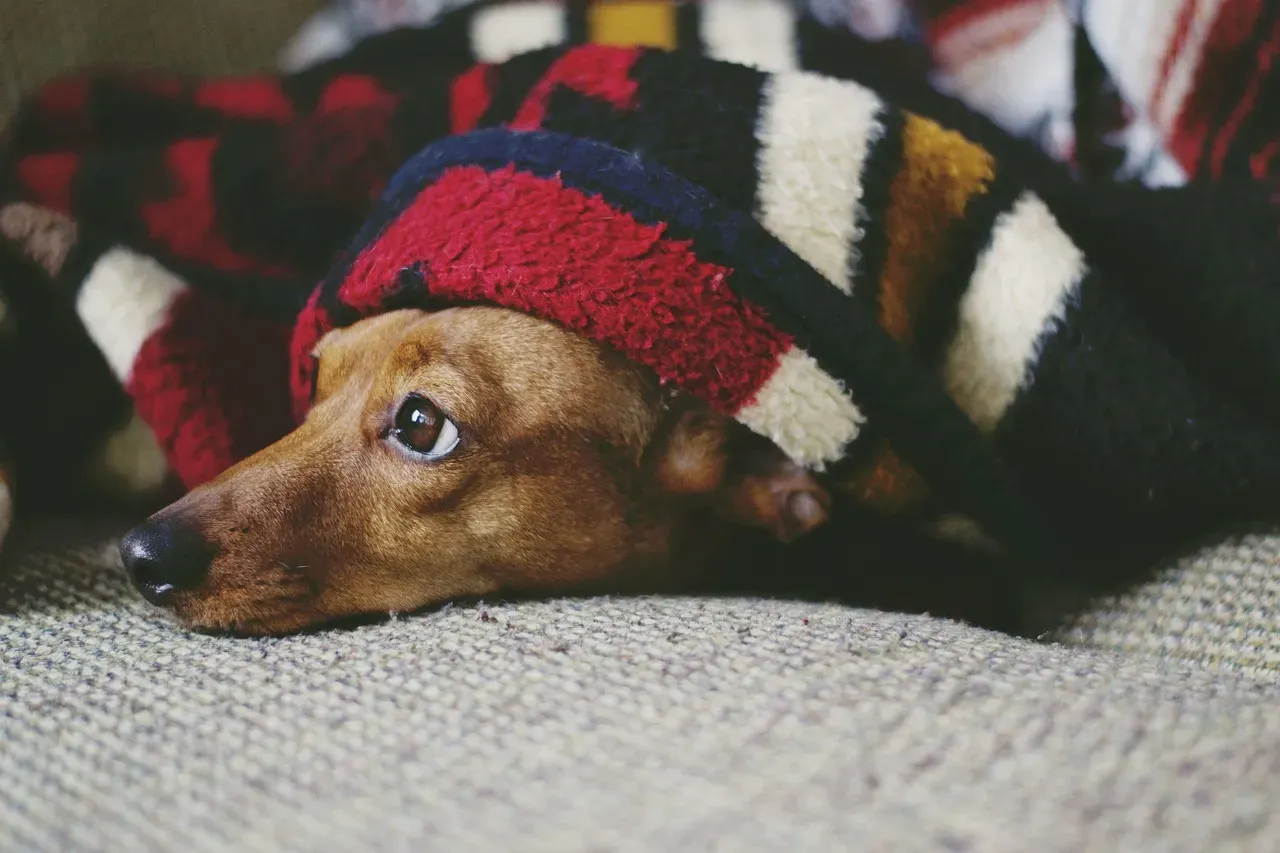
A thunderstorm where you held them shaking against your chest. A joyful, breathless play session in the backyard. Dogs don’t file these away as neutral facts, they store them as feelings, complete with your role in making the moment better or worse.
Dogs do speak, but only to those who know how to listen.
Orhan Pamuk
That emotional residue is exactly why comfort during hard moments matters so much. You’re not just soothing a dog in the present, you’re writing the memory they’ll reach for the next time they’re scared.
9. Familiar Places Bring the Past Rushing Back
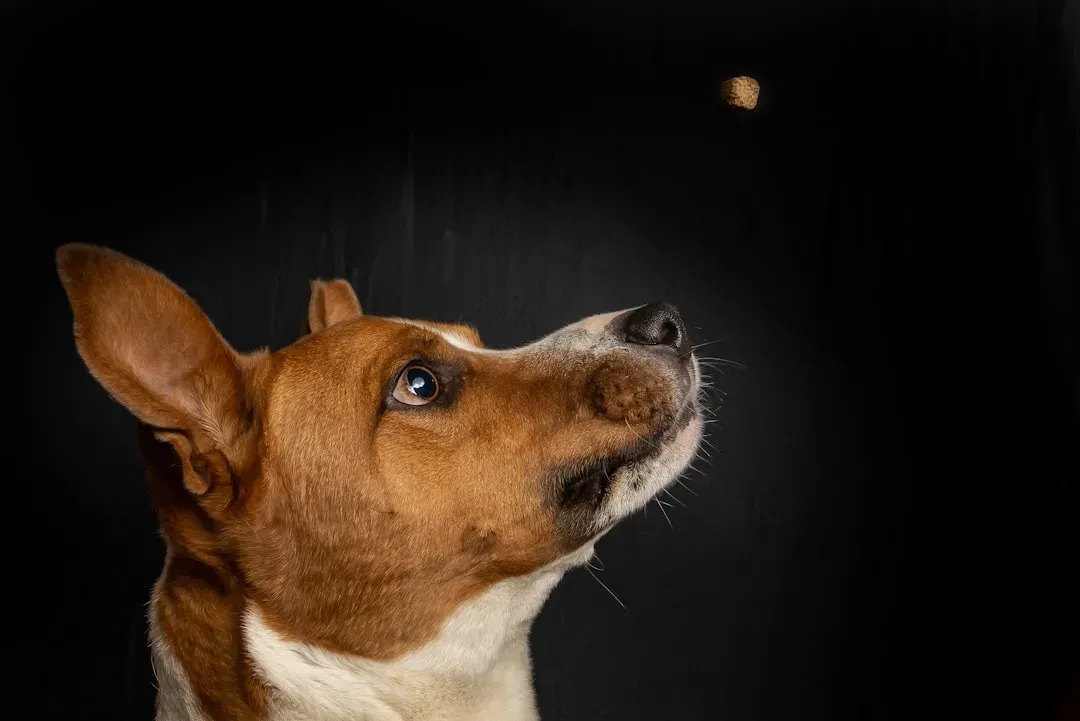
Walk your dog into a park you haven’t visited in years, and watch what happens. The nose goes down, the tail speeds up, and suddenly they’re moving with a purpose that has nothing to do with anything currently happening around them.
That’s a place-memory firing, tied directly to whatever you two did there together. The location itself becomes a kind of time machine, and every return visit reopens the same emotional file it was first stored in.
Quick Compare
- Scent memory: fires instantly, tied to your exact chemical signature.
- Sound memory: tied to emotional tone, not just the words themselves.
- Place memory: triggered by location, reopening whatever happened there together.
8. They Remember the Other Animals Who Shared Your Home
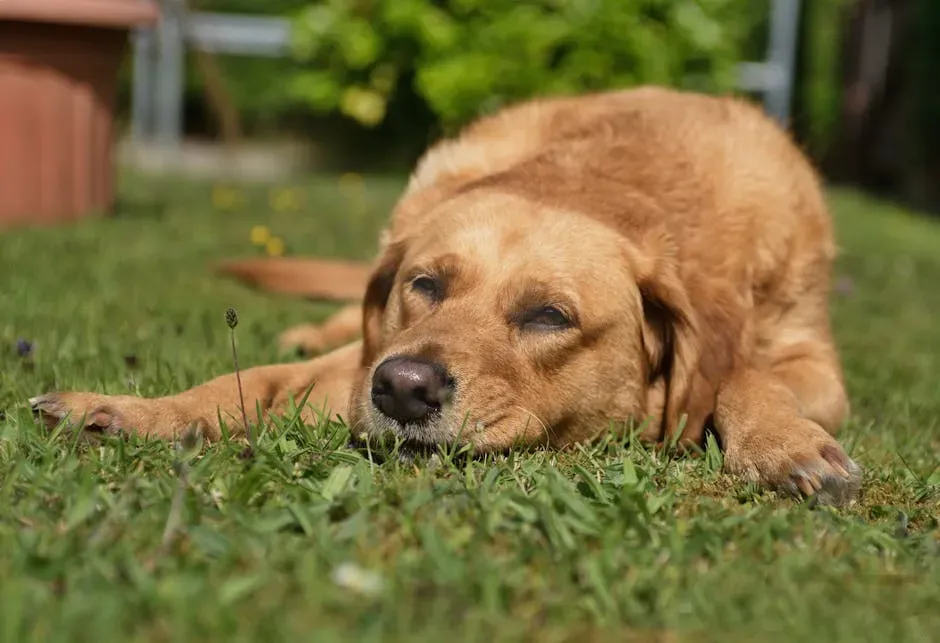
If your dog grew up alongside another pet, that bond didn’t disappear just because it wasn’t romanticized the way human relationships are. Dogs form real attachments to their animal housemates, and those memories run deeper than most owners expect.
This is part of why some dogs visibly grieve when a companion animal passes away, searching the house, losing interest in food, waiting by the door. It’s not projection on the owner’s part. It’s a memory of absence that the dog is actively, painfully aware of.
7. Even Strangers Can Leave a Permanent Mark
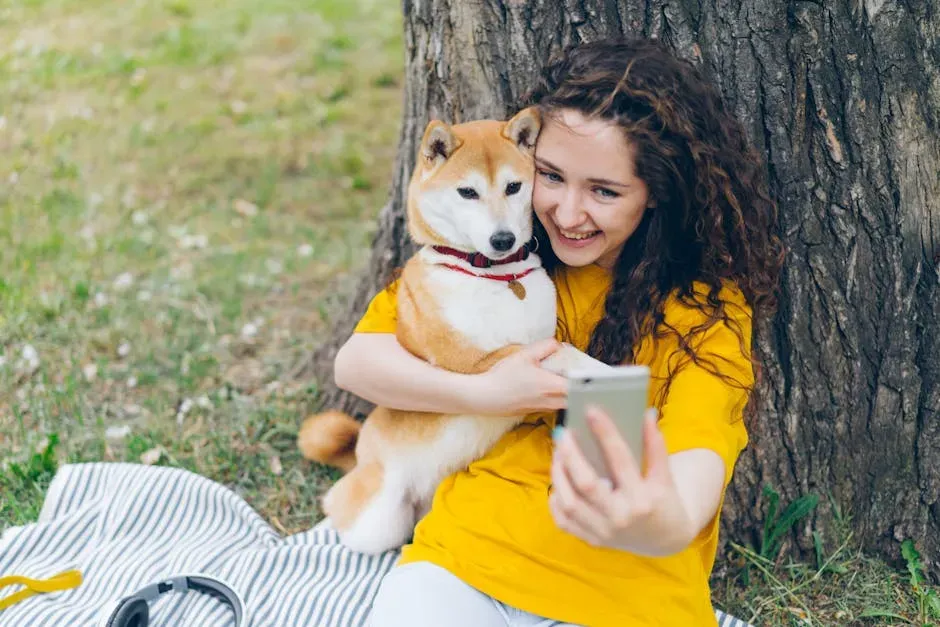
A single kind interaction, like a stranger who slipped them a treat or a vet tech who spoke gently during a scary visit, can get stored just as vividly as memories of people they see every day. Dogs don’t require repetition to remember someone; they require emotional intensity.
The reverse is true too. One frightening or painful encounter with a stranger can create wariness that lasts for years, long after the specific reason has been forgotten by everyone except the dog.
6. They Can Recall Specific Moments, Not Just General Patterns
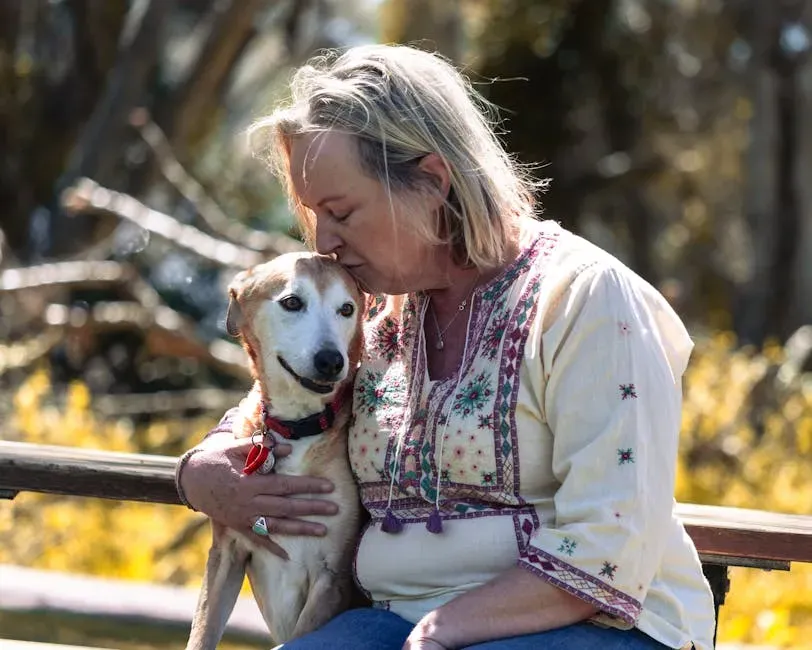
Dogs appear to have something close to episodic memory, the ability to remember a distinct event rather than just a vague sense that something happened before. That’s a different, more sophisticated kind of recall than most people give them credit for.
It means your dog isn’t just responding to general categories like “walks” or “vet visits.” In certain cases, they’re pulling from a specific memory of a specific day, which is a far more human-like form of memory than most owners realize.
Worth Knowing
- Semantic memory covers general patterns, like knowing walks usually happen after breakfast.
- Episodic memory covers one specific event, like the exact day a car backfired nearby.
- Researchers once believed episodic-like memory was unique to humans and a few other species.
- This is why one bad afternoon can shape a dog’s behavior for years afterward.
5. Past Mistakes Get Filed Away for Good
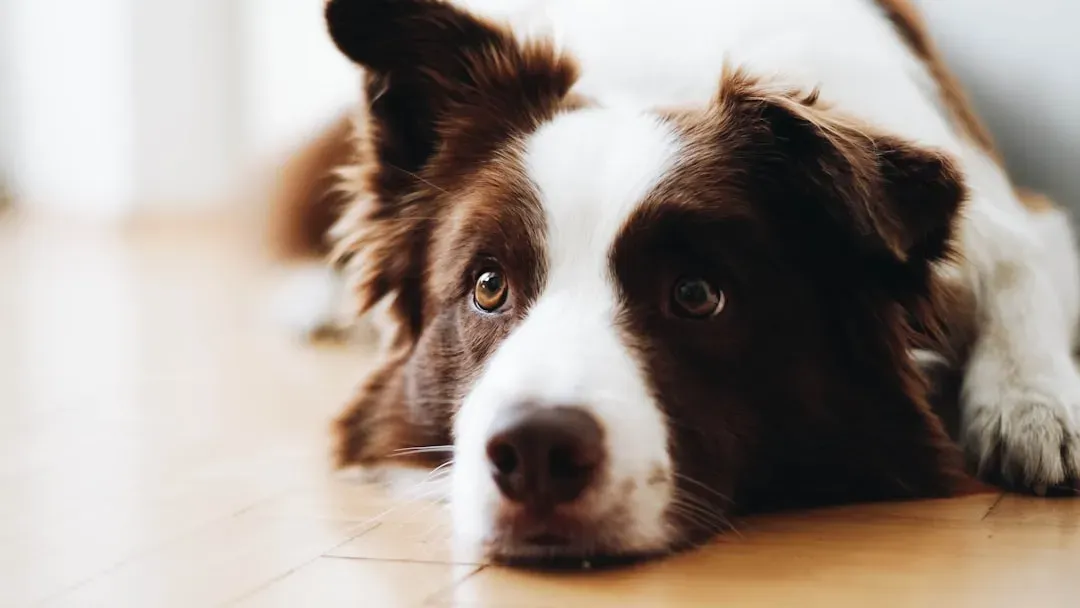
Touch a hot stove once, and a dog will avoid it forever. Get startled by an aggressive dog at the park, and that wariness can outlast the incident by years. This isn’t stubbornness, it’s a survival instinct dressed up as memory.
The tricky part is that dogs don’t always generalize correctly. Sometimes the lesson they learn isn’t the one you intended, which is why a scared reaction to something seemingly random often traces back to a single bad memory nobody else remembers but them.
4. They Never Forget Who Was Kind to Them When It Mattered
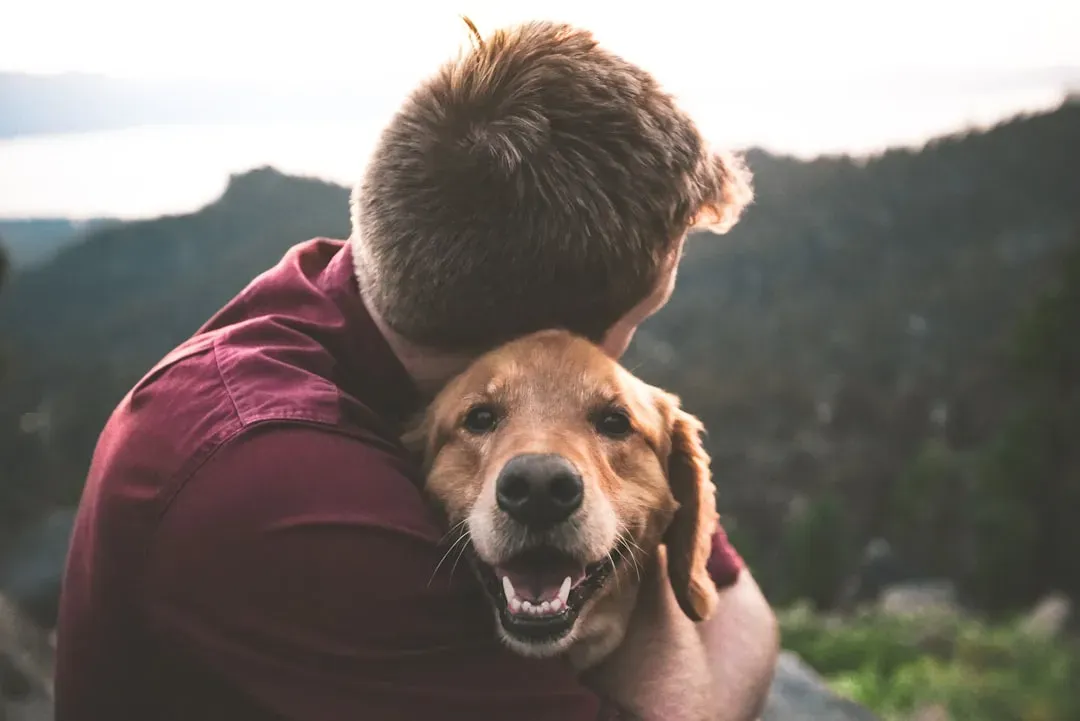
A rescue who nursed them through illness. A stranger who scooped them off the street. These acts of unearned kindness seem to lodge themselves permanently in a dog’s emotional memory, shaping how trusting or affectionate they become for the rest of their life.
This is part of why some rescue dogs form fiercely loyal bonds with the person who saved them, even years later. The memory isn’t abstract gratitude. It’s a specific, remembered moment of “this person helped me when I needed it,” replayed every time that person walks in the room.
3. Your Absence Registers More Than You’d Like to Admit
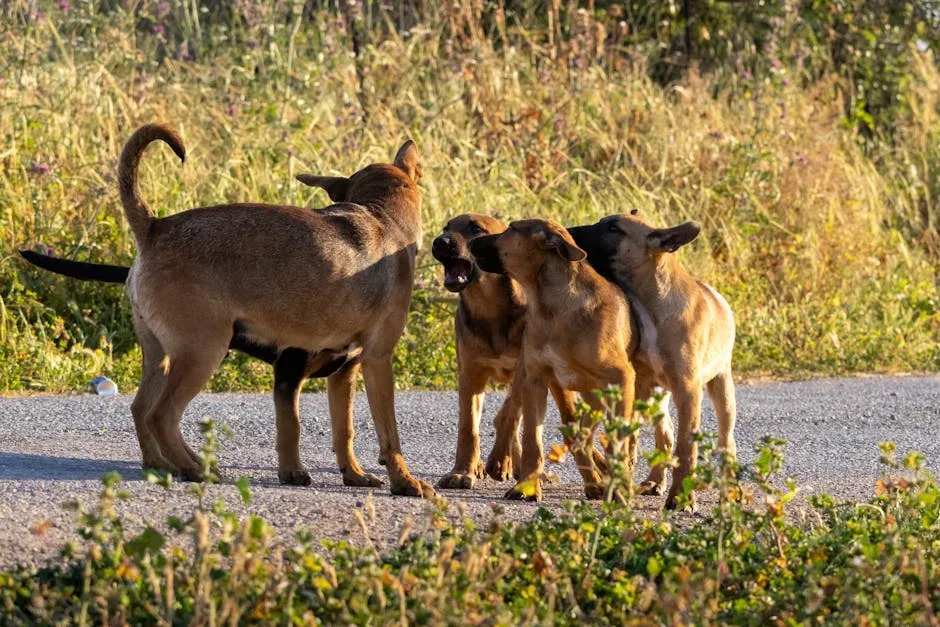
Dogs notice when you’re gone longer than usual, and it shows: less appetite, less energy, more time spent near the door or your side of the bed. This isn’t dramatics. It’s a real behavioral response to an absence they’re tracking, even if they have no concept of days or weeks.
That’s also why reunions hit so hard. The frantic tail, the whole-body wiggle, the immediate need to be touching you again, that’s not just happiness. It’s relief, built on a memory of missing you that was very real to them the whole time.
2. Your Friends and Family Aren’t Strangers to Them Either
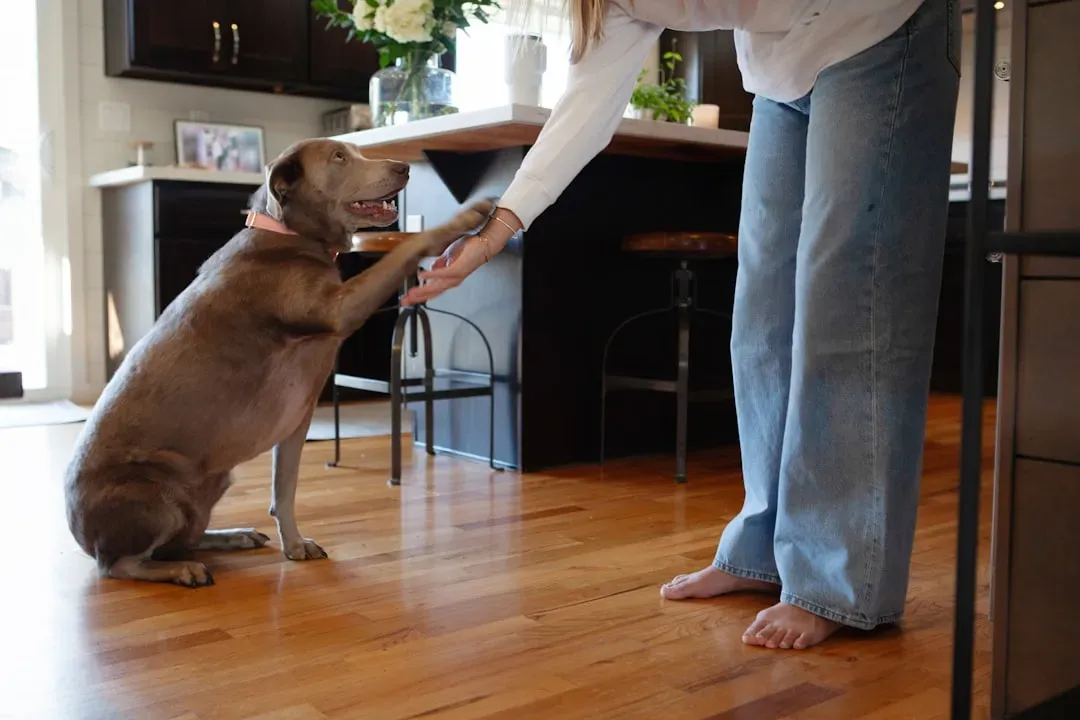
The relative who visits twice a year, the friend who always sneaks them a bite of food, these people get their own permanent folder in your dog’s memory, separate from strangers entirely. Dogs build a social map of your life, not just a bond with you alone.
That’s why some dogs greet certain visitors with an excitement that seems to come out of nowhere. It isn’t nowhere. It’s months or years of accumulated positive memory, resurfacing the instant that familiar face reappears.
At a Glance: Signs Your Dog Remembers Someone
- Immediate tail wagging or a whole-body wiggle the moment they see the person.
- Vocalizing or whining that doesn’t happen for unfamiliar visitors.
- Beelining straight to that one person in a crowded room.
- Play bows or invitations to play reserved only for known favorites.
1. They Never Forget Their First Person
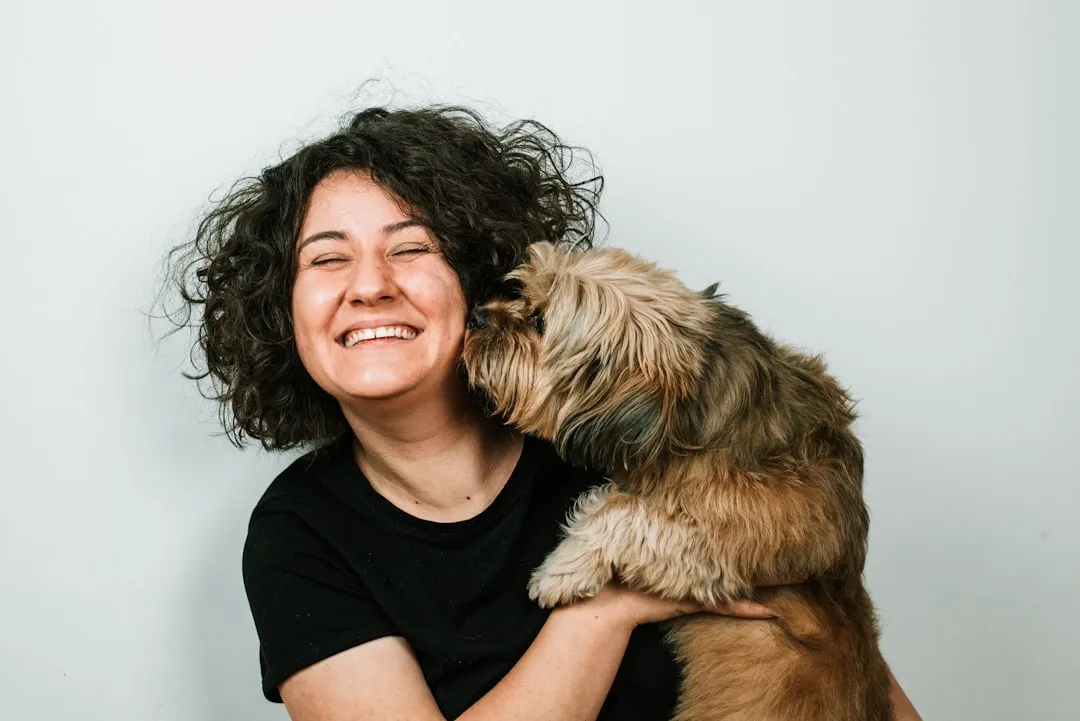
Whether it was the breeder, the shelter volunteer, or the family who raised them from a wobbly puppy, the first person who consistently cared for a dog occupies a permanent, foundational spot in their memory. This bond doesn’t just fade because time has passed or new people have entered the picture.
It’s why reunion videos between dogs and their original owners, sometimes after years apart, look the way they do: frantic, tearful, unmistakable. That’s not confusion or coincidence. That’s a dog recognizing, instantly and completely, the person who mattered first.
The Bottom Line
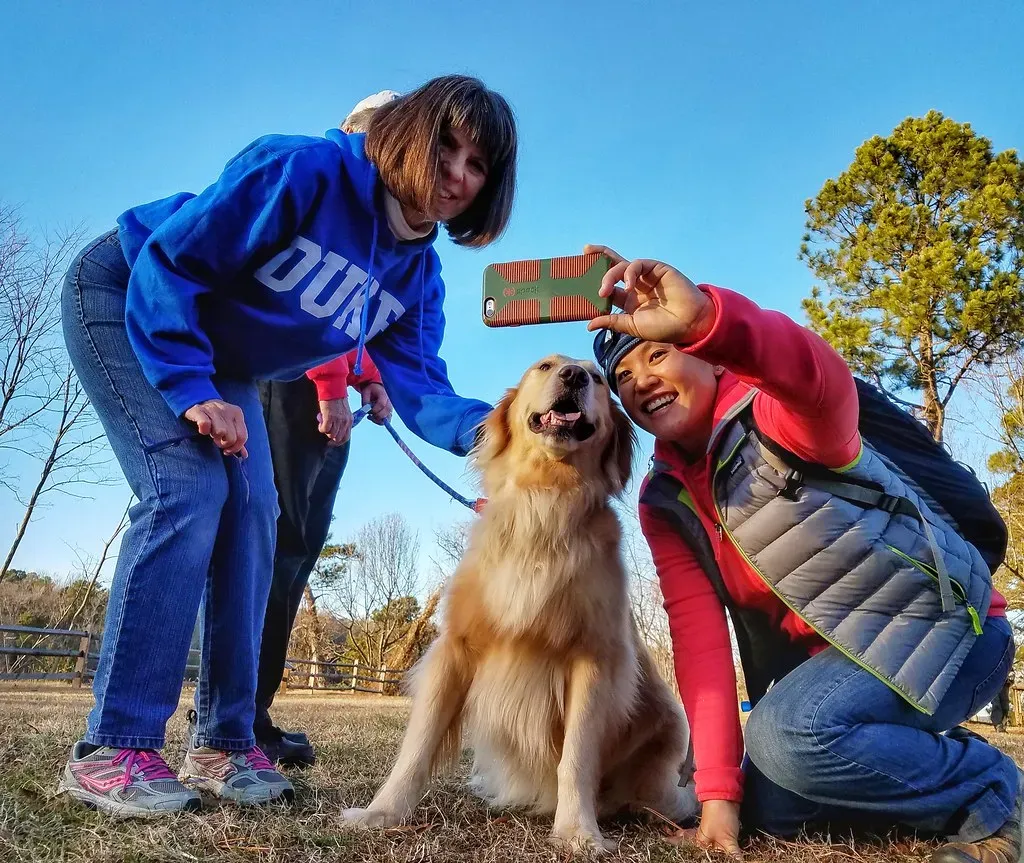
Here’s what none of this science-speak really needed to prove: your dog was never living in some foggy, forgetful present the way people like to assume. They were paying attention the entire time, cataloging your voice, your scent, your face, your absences, and your kindnesses, and holding onto all of it far longer than you gave them credit for.
That’s the part that should sit with you. Every ordinary day you spend with your dog is quietly becoming a memory they’ll carry for years, maybe for the rest of their life. If that doesn’t change how you treat the next walk, the next hard day, or the next goodbye at the door, I’m not sure what will.


