
#1. Cavalier King Charles Spaniel
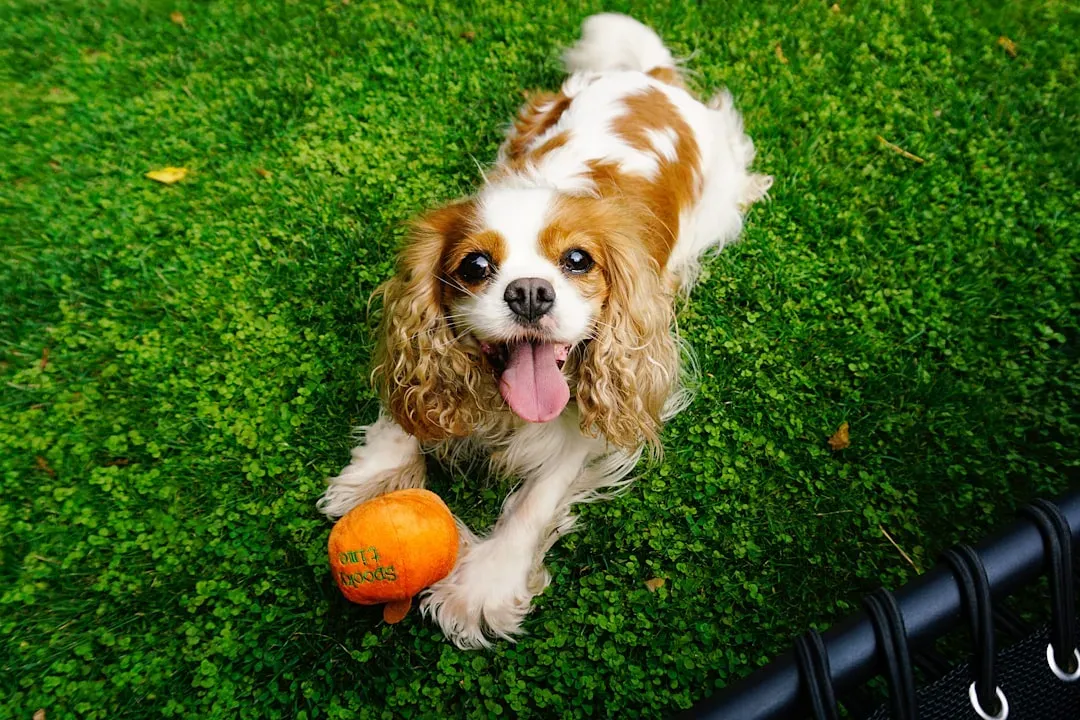
There is a reason this breed consistently tops the list when veterinarians and senior care specialists recommend dogs for retirees. The defining trait of the Cavalier King Charles Spaniel is their affectionate and people-oriented temperament. These dogs thrive on companionship and are known to bond strongly with their humans. That bond isn’t shallow. It goes somewhere deep and stays there.
Cavaliers are emotionally intuitive. They can often pick up on human moods and offer comfort, which is why they’re sometimes used as emotional support animals. Their calm demeanor, paired with a keen sensitivity to human emotions, allows them to provide comfort in settings like hospitals, nursing homes, and schools. For a retiree navigating quieter days, having a companion who senses your emotional state without needing an explanation is a rare and genuinely meaningful thing.
#2. Golden Retriever
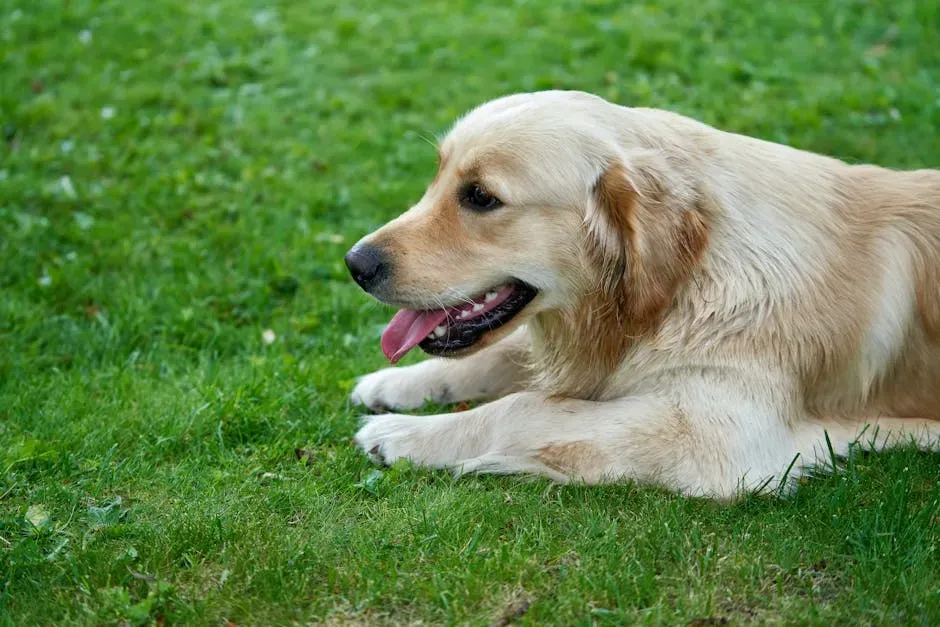
Warm-hearted, loyal, and full of joy, the Golden Retriever stands out as a truly comforting presence for older adults. Known for their gentle spirit and easygoing temperament, these affectionate dogs bring emotional balance and a sense of calm to any home. Their friendly nature allows them to form deep connections with their owners, offering unwavering companionship every day.
For genuinely active seniors aged 60 to 72 who walk regularly, are physically capable, and want a deeply bonded large companion, the Golden’s extraordinary emotional sensitivity and therapy-level temperament are unmatched. Labrador and Golden Retrievers are often chosen as therapy and service dogs for seniors, thanks to their intelligence, empathy, and ability to form strong emotional bonds. They don’t just sit beside you. They pay attention to you.
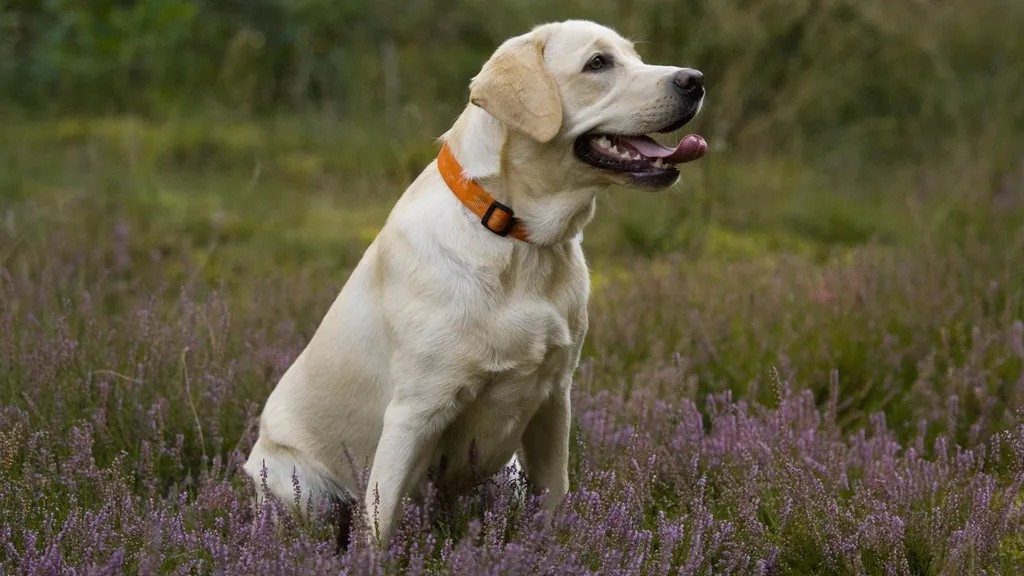
#3. Labrador Retriever
Labrador Retrievers are renowned for their incredible social intelligence and remarkable ability to learn commands quickly. Their friendly demeanor combined with high trainability makes them perfect companions for seniors seeking a dog that can provide both emotional comfort and practical support. Few breeds manage to be this easy and this emotionally generous at the same time.
One of the most remarkable qualities of Labrador Retrievers is their potential as service dogs. They possess an innate ability to understand and respond to human emotional and physical needs. Whether it is helping with mobility support, retrieving items, or providing emotional comfort, these dogs excel in various service roles. For retirees who want a reason to stay active, Labradors are a great match. Their loving and loyal personalities encourage daily walks and outdoor play.
#4. Shih Tzu

For seniors seeking a compact companion that fits perfectly into smaller living spaces, the Shih Tzu might be the ideal match. These adorable little dogs are like living teddy bears designed specifically for close companionship and indoor living. Shih Tzus are renowned for their remarkably calm and low energy temperament. They won’t demand marathon hikes. They’ll demand your lap, which is a fair trade.
The breed’s core strength lies in their deep emotional connection with their human companions. According to canine behavior experts, Shih Tzus are happiest when they are close to their owners, creating an almost symbiotic relationship. They do not demand long walks or intense play sessions but instead thrive on cuddles, soft interactions, and being near their favorite person. That quiet devotion, day after day, becomes something retirees count on.
#5. Bichon Frise
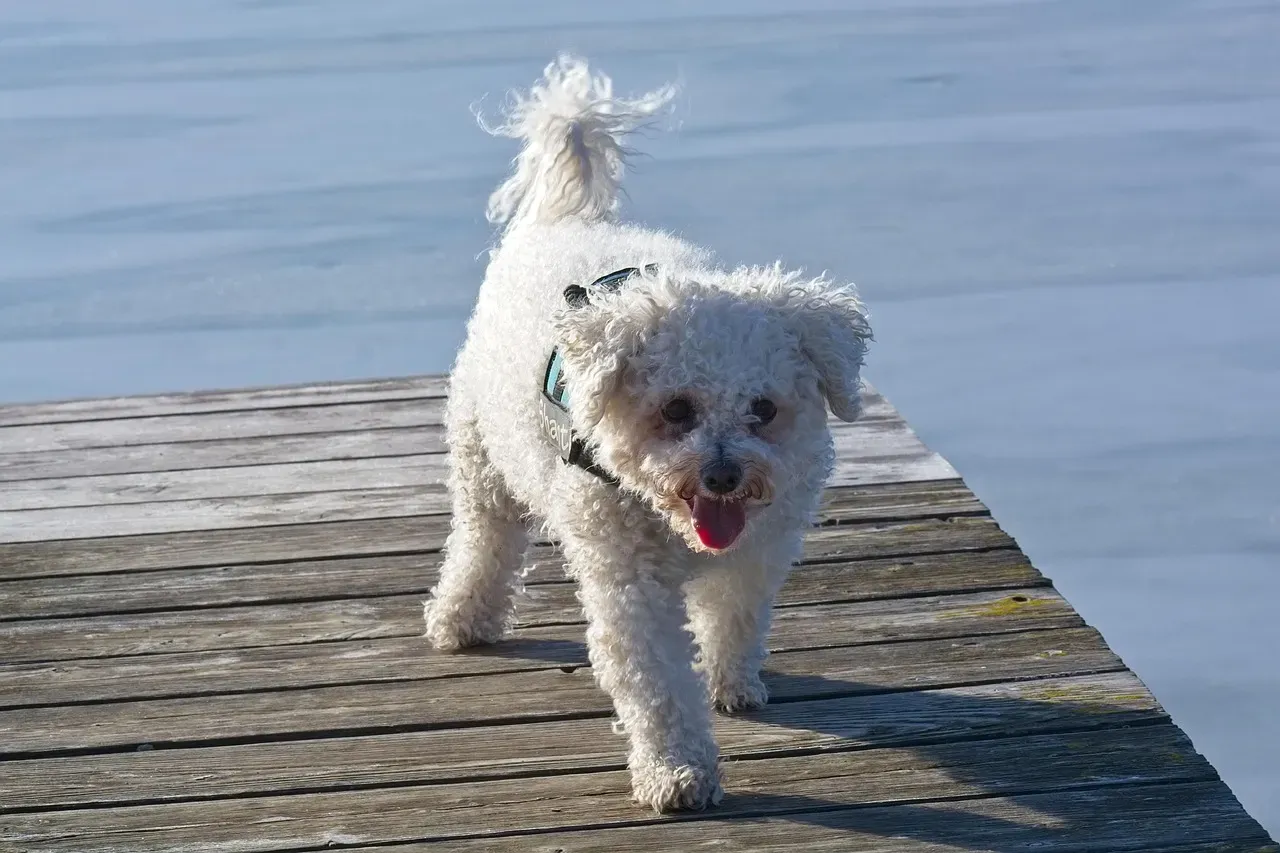
The Bichon Frise is cheerful, adaptable, and hypoallergenic. Their playful demeanor keeps spirits high, while their small size makes them easy to manage. They thrive on human interaction and quickly become part of the family. There is something reliably uplifting about a Bichon’s energy. They bring a kind of lightness into the room that is hard to manufacture by any other means.
Cheerful, low-shedding, and adaptable to any home size, the Bichon Frise thrives on human companionship and adjusts to the energy level of its owner. The Bichon Frise is also highly adaptable, doing well in both apartments and larger homes, as long as they get enough daily attention and mental stimulation. They’re intelligent, easy to train, and typically get along well with children and other pets, especially when socialized early. For retirees who love having grandchildren visit, this matters more than people realize.
#6. Maltese
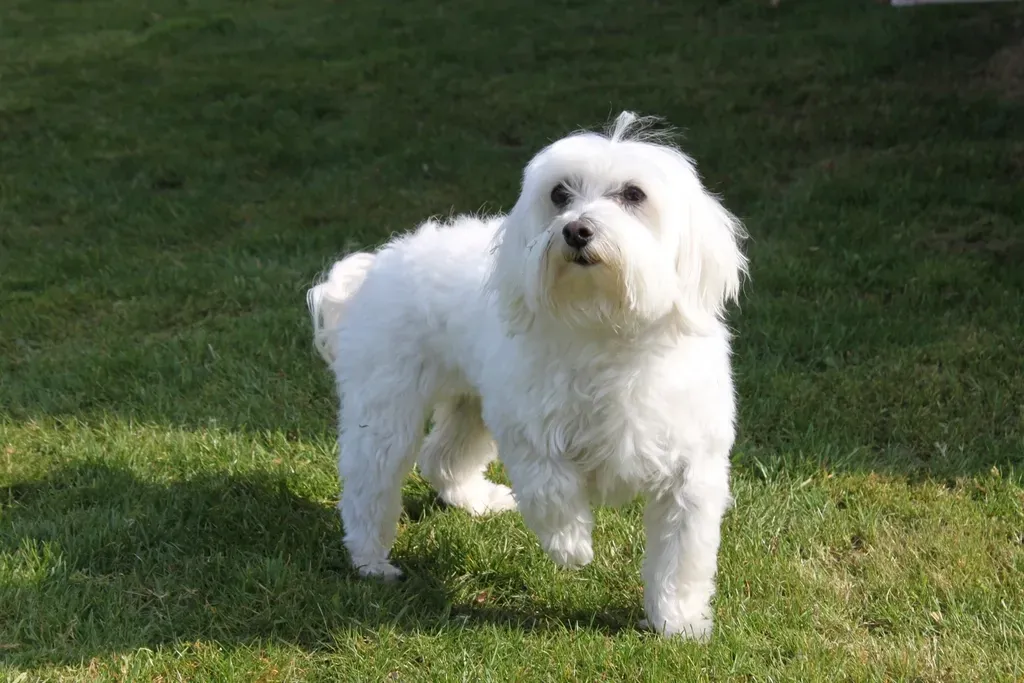
The gentle and affectionate Maltese is among the most loving small dog breeds for seniors. Weighing just four to seven pounds, these tiny pups are easy to manage and transport. They’re naturally gentle and respond well to their owner’s moods, providing comfort and emotional support. That responsiveness to mood is where the Maltese quietly earns its place as a genuine emotional anchor.
Graceful, loyal, and endlessly affectionate, the Maltese is a small dog with a big heart, well-suited for seniors seeking a loving, low-maintenance companion. Their gentle temperament and eagerness to stay close make them an ideal source of comfort and emotional support for older adults living a calm lifestyle. This charming breed doesn’t need intense workouts to stay content; a short stroll or playful indoor session is more than enough.
#7. Poodle (Miniature or Toy)
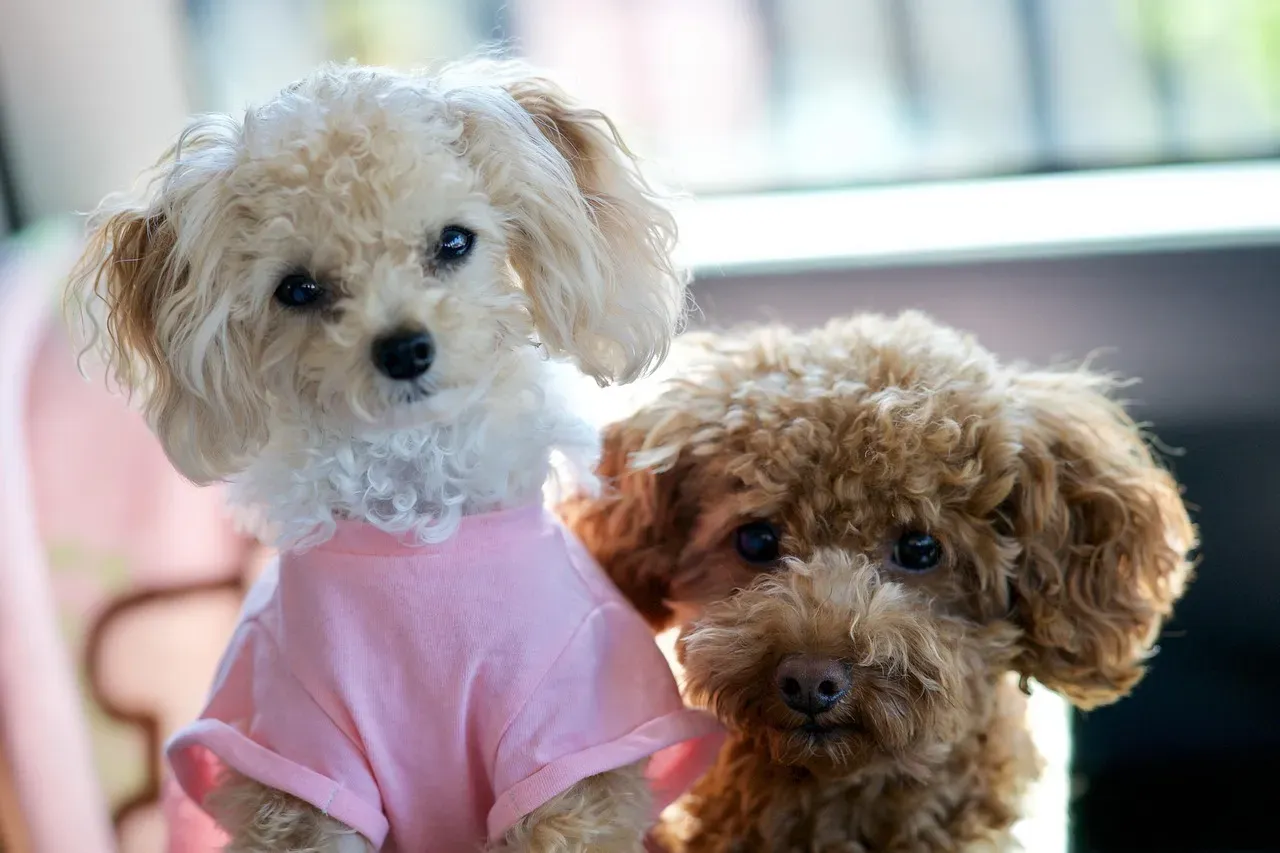
The Poodle is often admired for its intelligence, but it also possesses a deeply affectionate and social side. Poodles love human interaction and thrive when they are mentally engaged and emotionally connected with their families. Whether it is a Standard, Miniature, or Toy Poodle, this breed consistently demonstrates warmth, friendliness, and an eagerness to be close to their humans.
Toy and Miniature Poodles make fantastic companions thanks to their high intelligence, friendly demeanor, and trainability. Poodles are one of the most versatile and well-rounded small dog breeds. Their lively yet gentle nature thrives in both calm and active households. The Poodle’s low-shedding coat is a genuine practical bonus for retirees who want a clean home without giving up warmth and closeness.
#8. French Bulldog
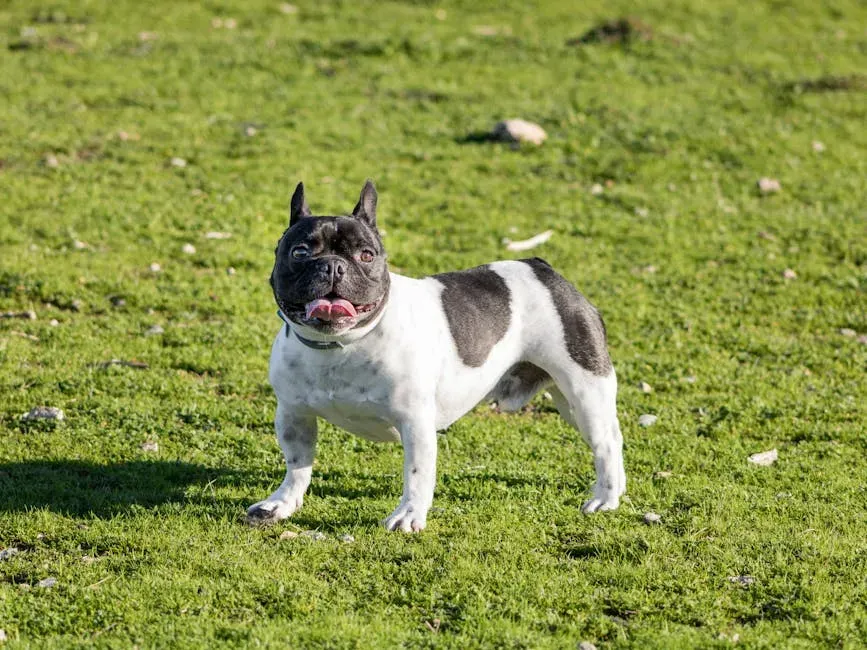
For older adults seeking a low-energy, low-maintenance dog, the French Bulldog is a perfect fit. These dogs are loyal and friendly, with a calm temperament that suits apartment living or smaller homes. French Bulldogs do not require extensive exercise and have minimal grooming needs, making them an easy breed to care for. For a retiree whose life has slowed to a comfortable pace, the French Bulldog fits that pace precisely.
Described as “well-behaved, adaptable, and comfortable companions with an even disposition,” the French Bulldog rarely barks and is ideally suited to apartment buildings. Two short daily walks is sufficient exercise. The emotional trade-off is simple: you give them your consistent presence, and they return something that looks a lot like contentment. Shared contentment, it turns out, is quietly healing.
#9. Pomeranian
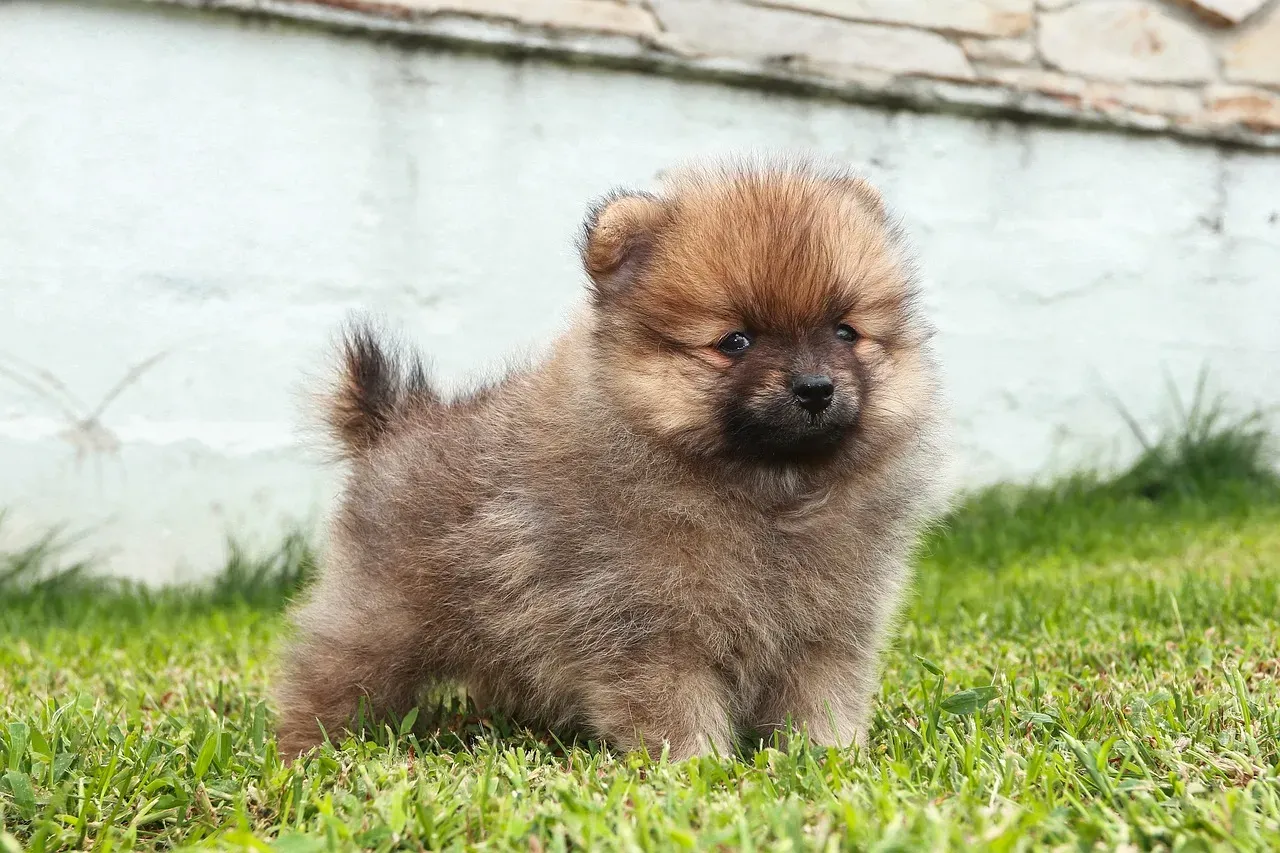
These fluffy, fox-like dogs are pint-sized bundles of personality. Their alertness makes them excellent watchdogs for solo living. They have low space needs, are playful yet content indoors, and help combat loneliness with constant companionship. For a retiree living alone, a Pomeranian’s lively energy introduces a gentle unpredictability into the day that keeps the mind engaged and the heart lighter.
Their bold psychology boosts seniors’ confidence, acting as a kind of emotional support system, while their “velcro dog” psychology provides constant emotional anchoring for solo seniors. They are small enough to manage easily, vocal enough to feel like genuine company, and affectionate enough to make the evening hours feel less isolating. Sometimes that combination is exactly what’s needed.
#10. Dachshund

Sausage-shaped and loyal, Dachshunds are bold at heart, and their short legs make them easy walkers. Owning one encourages routine, which can lower blood pressure, and research published in Frontiers in Veterinary Science in 2020 found that dog walkers show lower BMI. They are loyal and suited to short walks. A Dachshund asks for a manageable commitment and returns it multiplied in personality and warmth.
What makes the Dachshund quietly special as an emotional support breed is how intensely they focus on one person. They are famously devoted to their chosen human in a way that feels almost personal. Their determined psychology motivates subtle activity, which in turn aids joint health. That gentle push toward movement, wrapped in a surprisingly funny and lovable package, makes the Dachshund one of the more underrated companions a retiree can find.
Why the Right Breed Changes Everything
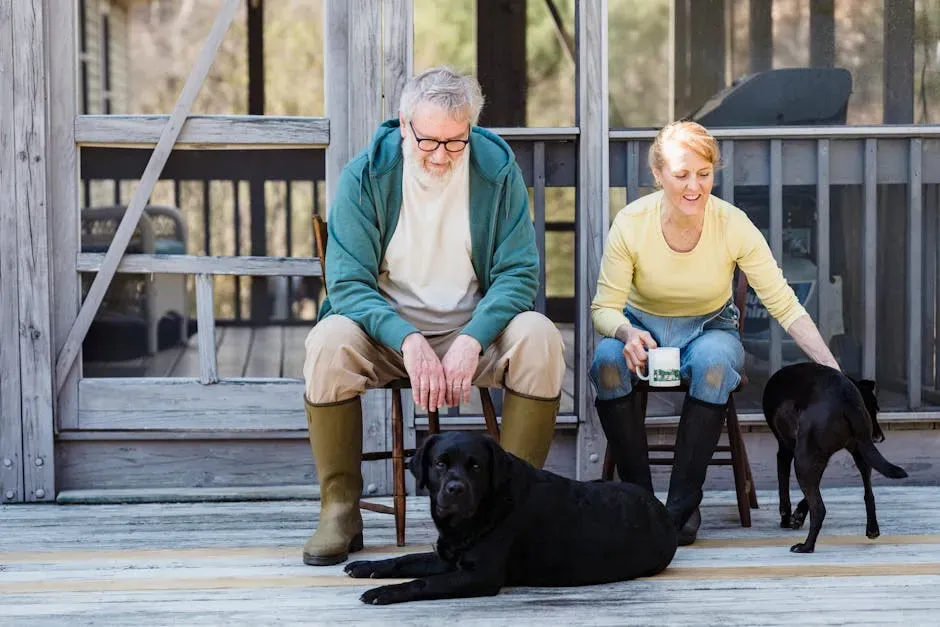
Studies have shown that animal-assisted interventions can have a profound emotional and social impact in seniors, reducing anxiety, loneliness, apathy, and depression while improving quality of life. Scientists note that contact with animals increases levels of serotonin and dopamine, substances responsible for feelings of happiness and calm, which reduces the risk of depression that often arises from isolation. These are not minor benefits. For many retirees, they are genuinely life-altering.
Research has found that socially isolated older adults who never owned a dog were more likely to report lower psychological health compared to socially isolated current or past dog owners. Findings suggest that pets, particularly dogs, can play a role in increasing opportunities for engaging in physical and social activities and providing emotional support, thereby reducing a sense of social isolation and loneliness and improving psychological health among older adults.
Companionship was the main reason older adults got a pet, and the majority believed their pets helped them enjoy life, reduce stress, and connect with others. For older adults, dog ownership can add comfort and joy to life, fostering a sense of purpose and reducing feelings of isolation. To maximize the benefits of having a dog, it’s important to choose the right breed for your lifestyle. The ten breeds above each accomplish this in slightly different ways, which is precisely why none of them is the universal answer, but one of them might be yours.
Conclusion
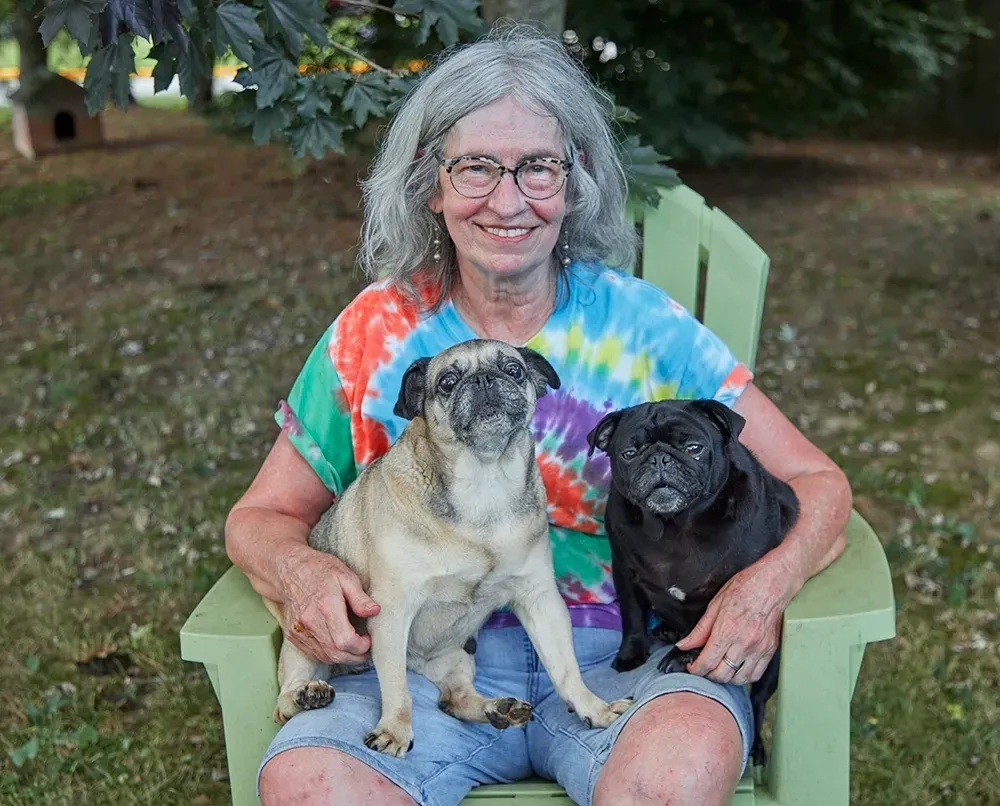
The dogs on this list don’t perform emotional support in any formal sense. They don’t show up with a title or a certificate. They show up on the couch beside you, at your feet in the kitchen, or with a nose pressed against your hand when you’ve gone quiet for too long. That’s the whole point.
Retirement deserves more than endurance. It deserves warmth, structure, and something that needs you as much as you need it. In my view, no app, hobby, or scheduled wellness program delivers that particular combination as naturally or as reliably as the right dog does. The science backs it up. So does the lived experience of every retiree who has ever sat in a quiet house and been found by a small, loyal creature who had absolutely nowhere else to be.
Choosing a dog is not a small decision. However, choosing the right one for who you are now and how you live now might be one of the most quietly significant choices this chapter of life has to offer.


