
#1. Golden Retriever
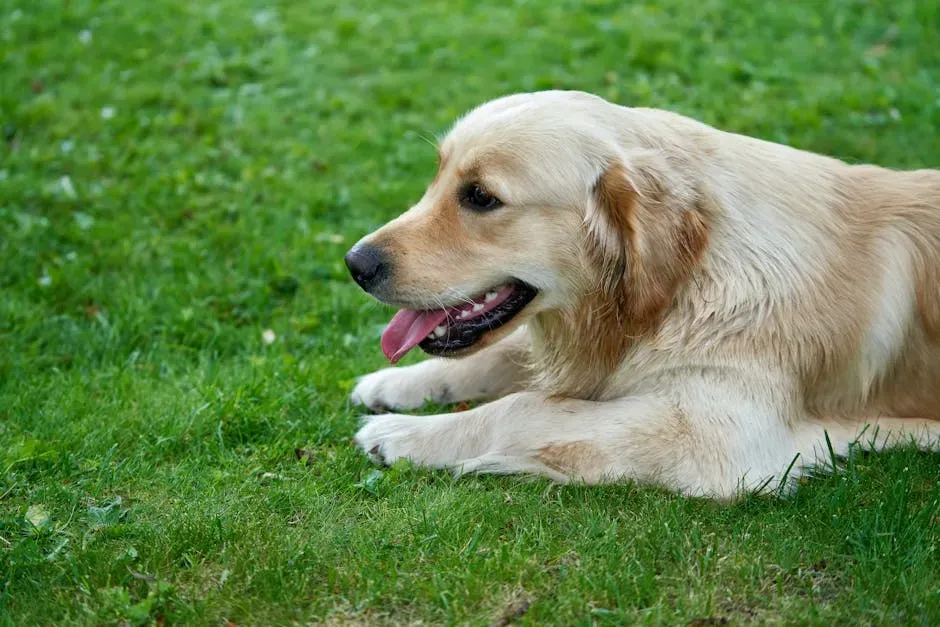
Golden Retrievers embody warmth and kindness, possessing a natural gift for empathy and compassion. Their sensitivity to human emotions allows them to excel as family pets and in therapeutic settings. What makes them genuinely special is not just their enthusiasm but their restraint. They seem to read the room without being told.
Goldens are keen observers and can often be found quietly sitting by their owner’s side during difficult times, offering silent support. Their intuitive nature enables them to adapt their behavior to the emotional state of their human companions, whether it’s engaging in playful activities to uplift spirits or providing calm companionship during moments of solitude. Research has demonstrated that spending time with Golden Retrievers can reduce feelings of anxiety and loneliness.
#2. Labrador Retriever
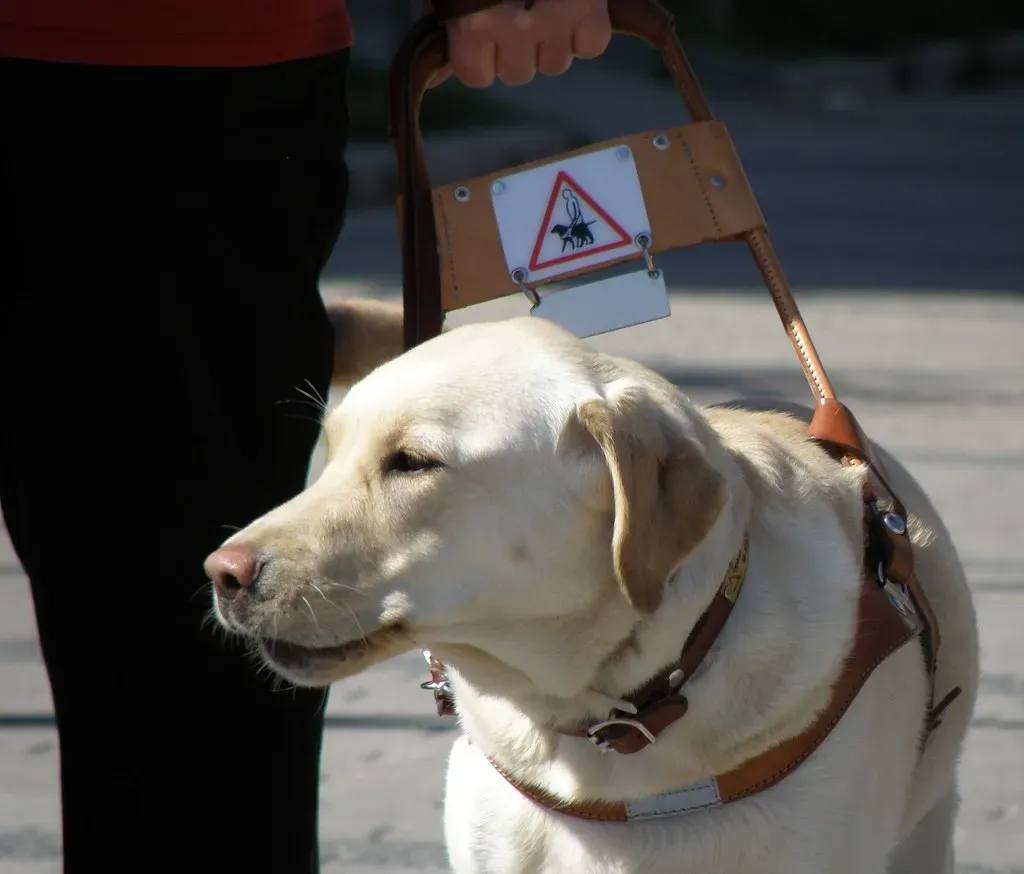
No matter where you look, Labrador Retrievers consistently top the list as the number-one emotional support dog breed. Labradors are affectionate, loyal, and highly empathetic. They sense when their owners are stressed, anxious, or lonely, providing comfort and a calming presence. There’s a groundedness to a Lab that feels almost therapeutic on its own.
Labs have a natural ability to sense their owners’ emotions and provide comfort when needed most. Their affectionate demeanor can significantly reduce feelings of loneliness and anxiety. Labradors offer non-judgmental companionship, creating a safe and secure environment for individuals dealing with emotional challenges to express themselves freely. That last quality, the absence of judgment, is worth more than people sometimes admit.
#3. Cavalier King Charles Spaniel

Cavalier King Charles Spaniels are affectionate, gentle, and highly attuned to human emotions. Their expressive eyes and intuitive nature make them exceptional at providing comfort. This breed carries a kind of quiet attentiveness that feels almost deliberate. They don’t just sit with you; they genuinely orient themselves toward you.
Known for their affectionate nature and ability to form deep emotional connections, Cavaliers are particularly sensitive to their environment and the emotional state of those around them. Their small size and gentle demeanor make them perfect companions for cuddling and comfort. These loyal companions form strong bonds with their families and thrive on closeness, offering emotional support to anyone feeling lonely, anxious, or stressed.
#4. Poodle
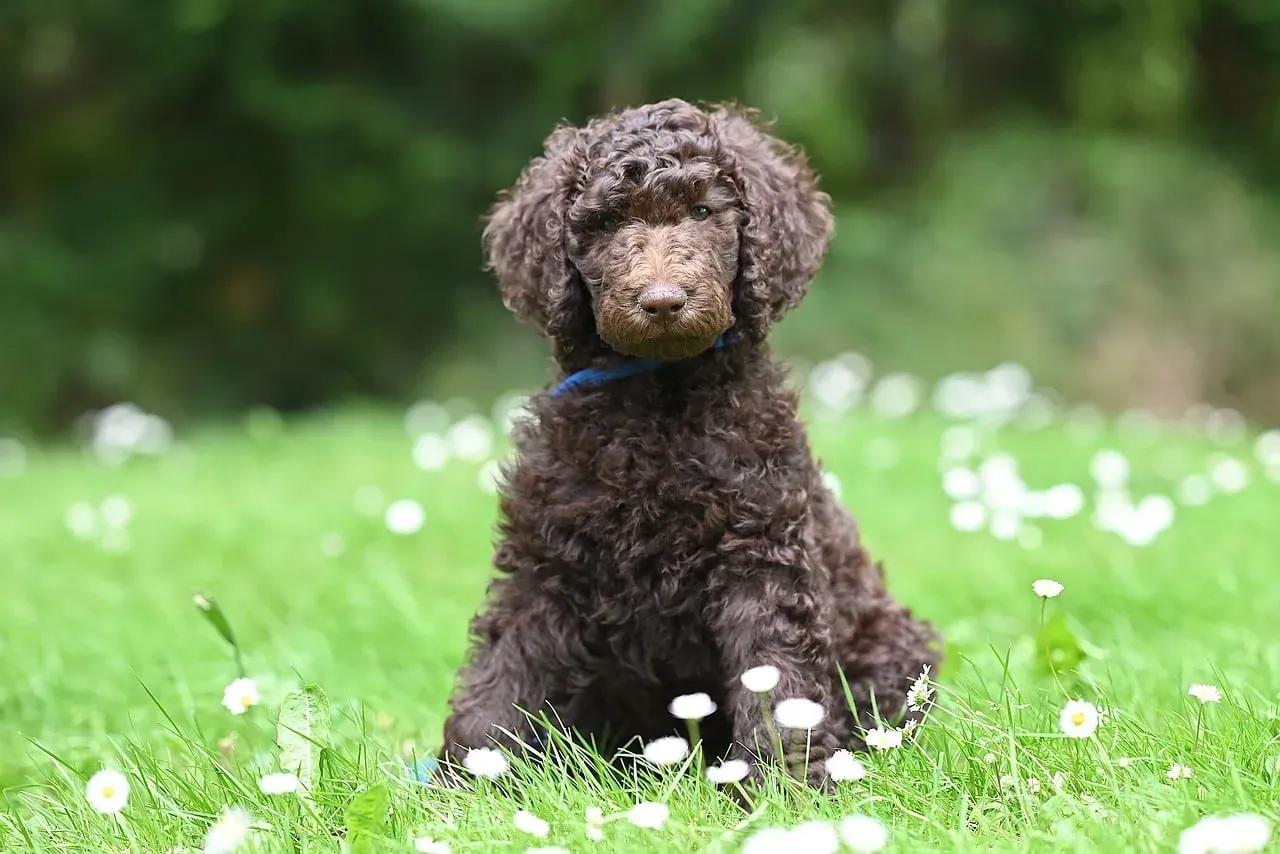
Poodles of all sizes are highly intelligent and intuitive, known for their keen sense of human emotions. Their empathetic nature is complemented by their eagerness to please, making them responsive to the needs and feelings of their owners. They excel at reading body language and can often sense distress or sadness, responding with affectionate gestures and a comforting presence.
Poodles are often used in therapy settings due to their understanding nature and calm demeanor. Their hypoallergenic coat makes them a great choice for families with allergies. Poodles are not only intelligent and hypoallergenic but also incredibly emotionally intuitive. Whether standard, miniature, or toy-sized, Poodles form tight bonds with their humans and excel at picking up emotional cues. That combination of brains and emotional sensitivity is genuinely rare.
#5. Border Collie
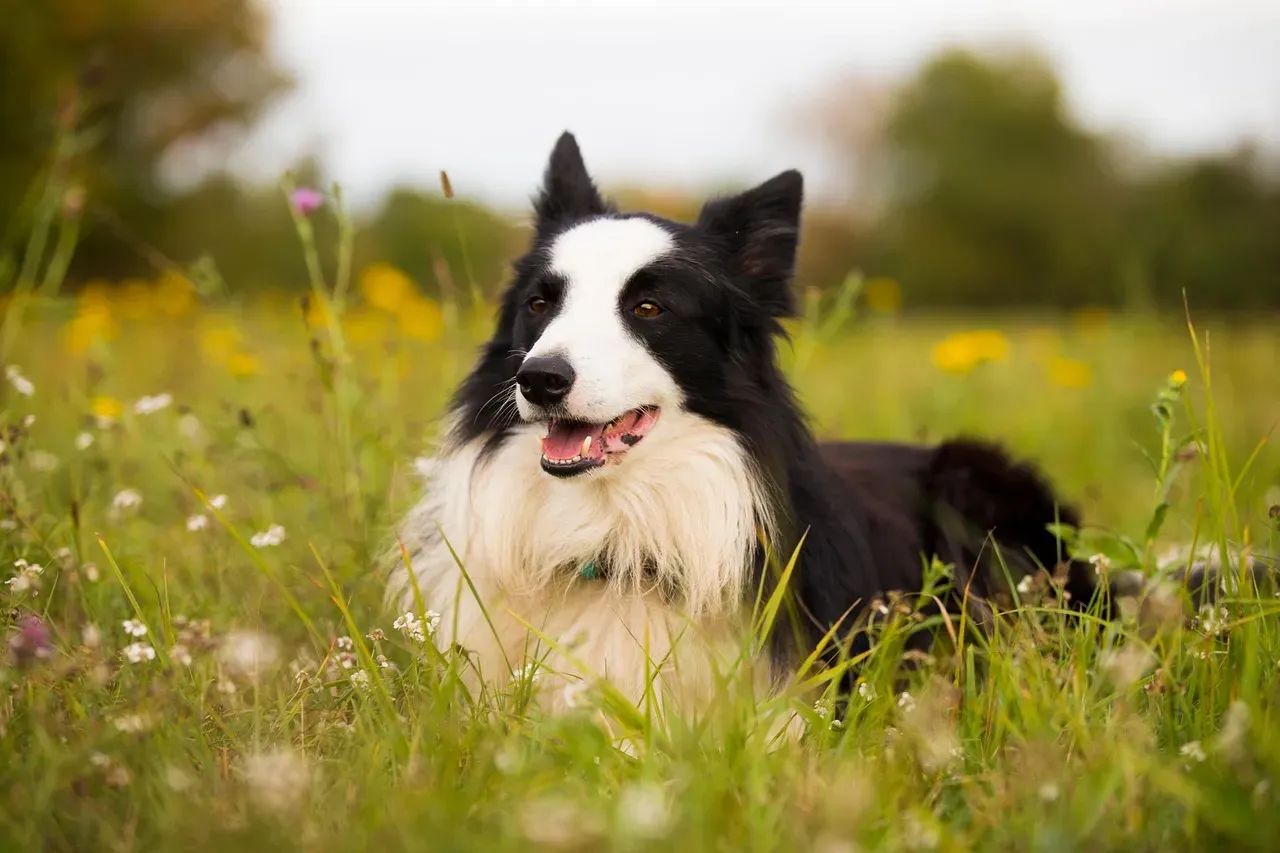
Border Collies might be known for intelligence, but their emotional intelligence is equally high. They sense tension, sadness, or excitement with ease and adapt their energy accordingly. Their combination of smarts and sensitivity makes them strong emotional communicators. It’s one of the few breeds that can genuinely match your pace, emotionally speaking.
Border Collies are brainy, affectionate, and incredibly loyal, making them wonderful emotional support animals, especially for people who appreciate activity and mental engagement. They’ll notice a shift in your mood before you do and are often the first to offer a paw or a nudge when something feels off. While they thrive on exercise, they’re also deeply connected to their people and love nothing more than being by your side, even if you’re sitting on the porch.
#6. Boxer

Boxers are a breed full of energy, love, and a zest for life. They’re playful, loyal, and have a knack for forming deep emotional bonds with their humans. These dogs are incredibly intuitive. They can pick up on subtle changes in your mood and adjust their behavior accordingly. Their muscular, boisterous exterior is something of a red herring when it comes to emotional depth.
Boxers are known for their exuberant personalities and strong protective instincts, qualities that drive them to bond deeply with their families. Their playful spirit and patience make them a great choice for active families and those with children, forming strong, lasting emotional connections. Boxers themselves thrive on the bond they share with their humans. They crave attention, affection, and emotional engagement.
#7. Havanese
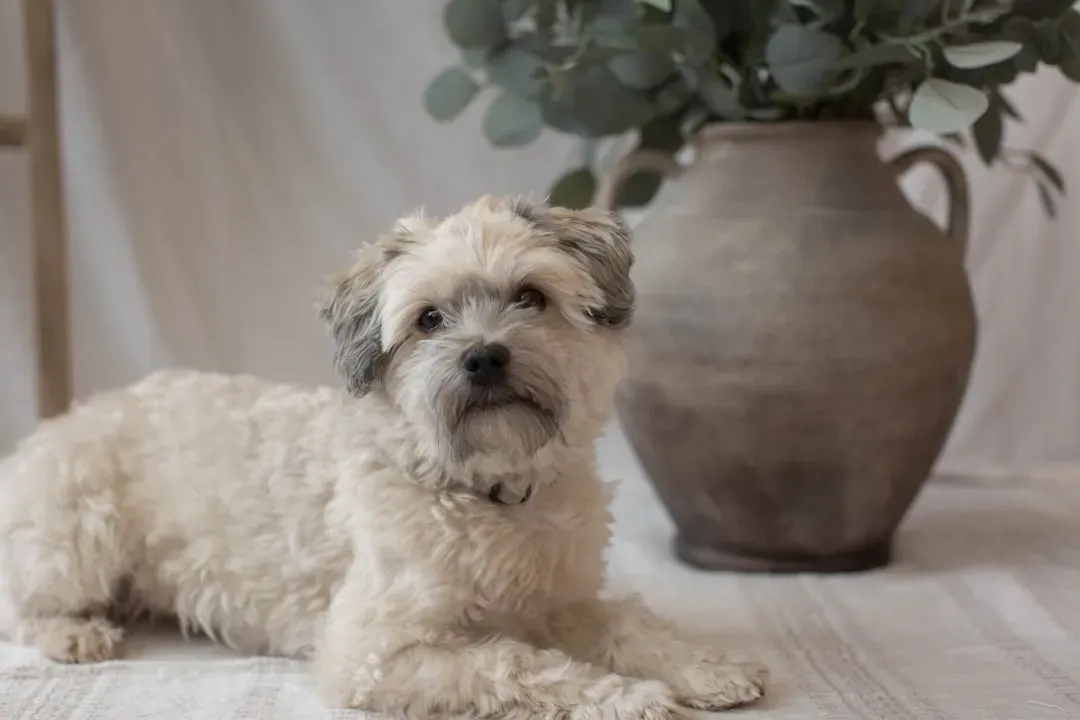
Havanese are often called “velcro dogs” because they stick to their owners like glue. This breed craves human companionship more than almost any other. These dogs are sensitive to their owner’s emotions and moods. If you’re sad, your Havanese will know and will offer comfort. If you’re happy and playful, they’ll match your energy. This emotional intelligence makes them excellent emotional support animals and therapy dogs.
The Havanese continues its centuries-old tradition of providing love and laughs in abundance to people the world over. They’re typically very affectionate, merry dogs that bring a healthy dose of good humor to their interactions, which makes the perfect combination for people feeling stressed, anxious, overwhelmed, or depressed. Havanese dogs are bubbly little bundles of joy that thrive on human connection. They’re the type to follow you from room to room, always checking in like a furry, loving assistant.
#8. Pug
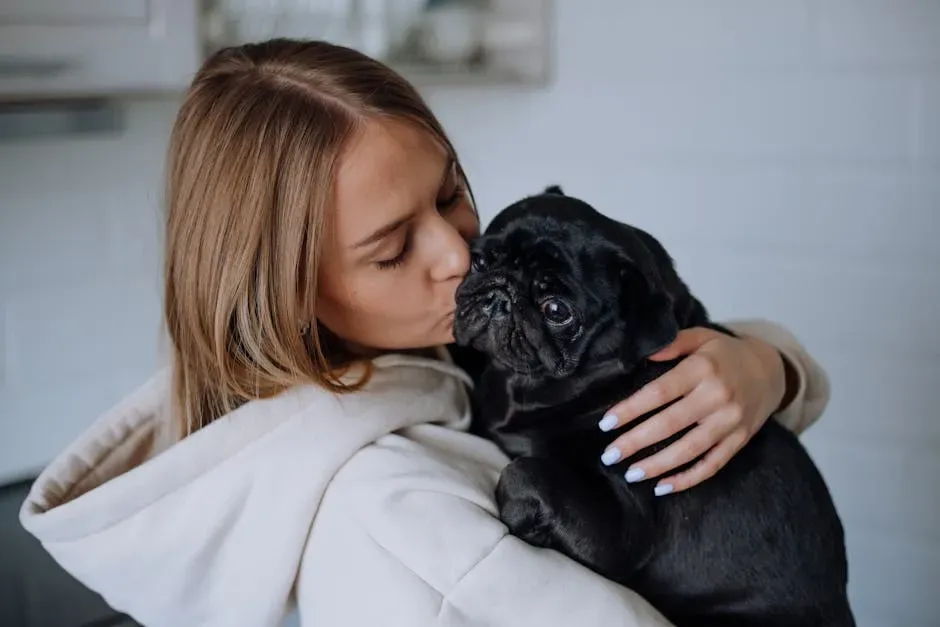
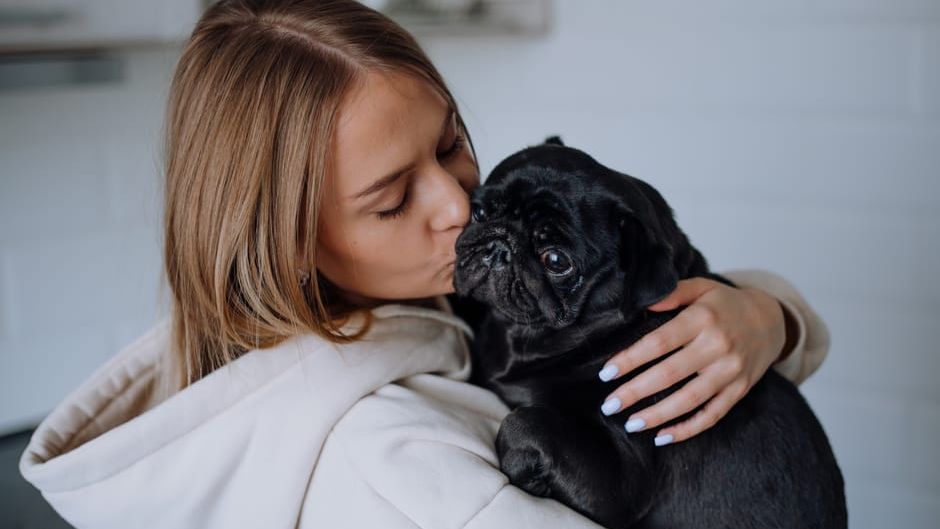
Pugs may have a comical appearance, but beneath their wrinkled faces lies an incredibly empathetic personality. Pugs are well known for their affectionate and playful nature, but they are also excellent at sensing the emotions of their family members. When they sense someone is sad, Pugs often approach them with gentle sniffs and nuzzles or simply lay beside them to offer comfort.
Their unique ability to cheer people up with their goofy antics and constant need for attention makes them wonderful emotional support dogs. Pugs are known for their charming personalities and love of human interaction. These sociable dogs enjoy being part of the family and participating in various activities. Their playful nature means they need regular companionship to prevent feelings of loneliness. The Pug’s entire personality is built around being with you, and it shows.
#9. Bichon Frisé

Bichon Frises are an ideal choice for those seeking emotional support. Their small size, cheerful disposition, and hypoallergenic coat make them perfect companions for older adults. Bichons are known for their affectionate nature and adaptability, providing comfort and companionship without demanding extensive care. They bring a lightness to a room that’s hard to manufacture artificially.
Bichon Frises are renowned for their affectionate and loving nature. They form strong bonds with their owners and are always there to provide comfort, companionship, and emotional support. Their presence can help alleviate stress, anxiety, and feelings of loneliness. They’re incredibly adaptable, alert, clever, and gentle-natured, and many love to snuggle up with their humans. For someone who lives alone, that particular combination is quietly invaluable.
#10. Greyhound
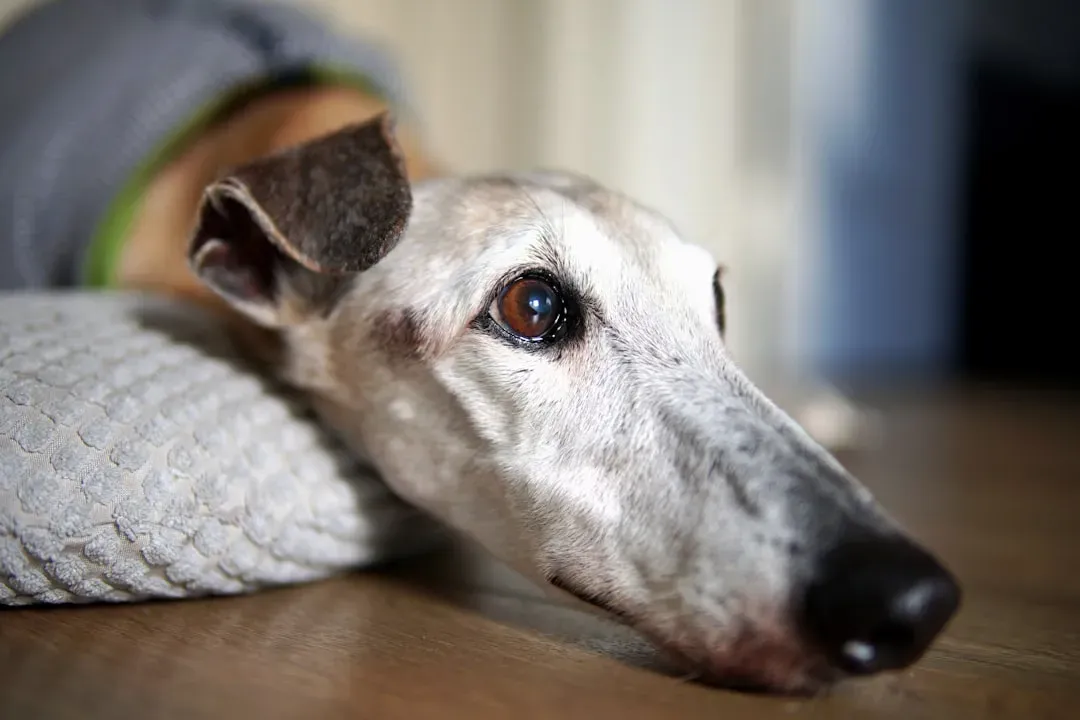
Greyhounds surprise many people. They look like athletes and they can sprint like one. Yet in daily life, many are calm, quiet, and deeply committed to lounging. If you love a peaceful home, a Greyhound can feel like a built-in quiet zone. This is a dog that matches stillness rather than disrupting it, which makes it particularly suited for those whose loneliness is rooted in overstimulation and emotional exhaustion.
They often nap for long stretches and move with a soft, careful grace. That calm presence can help your nervous system slow down. Greyhounds can also be wonderfully low-drama. Some are content with a couple of walks and a safe space to rest. Many retired racing Greyhounds come from rescue organizations, making them a genuinely meaningful adoption choice for someone who wants a quiet, devoted companion.
A Final Thought Worth Sitting With
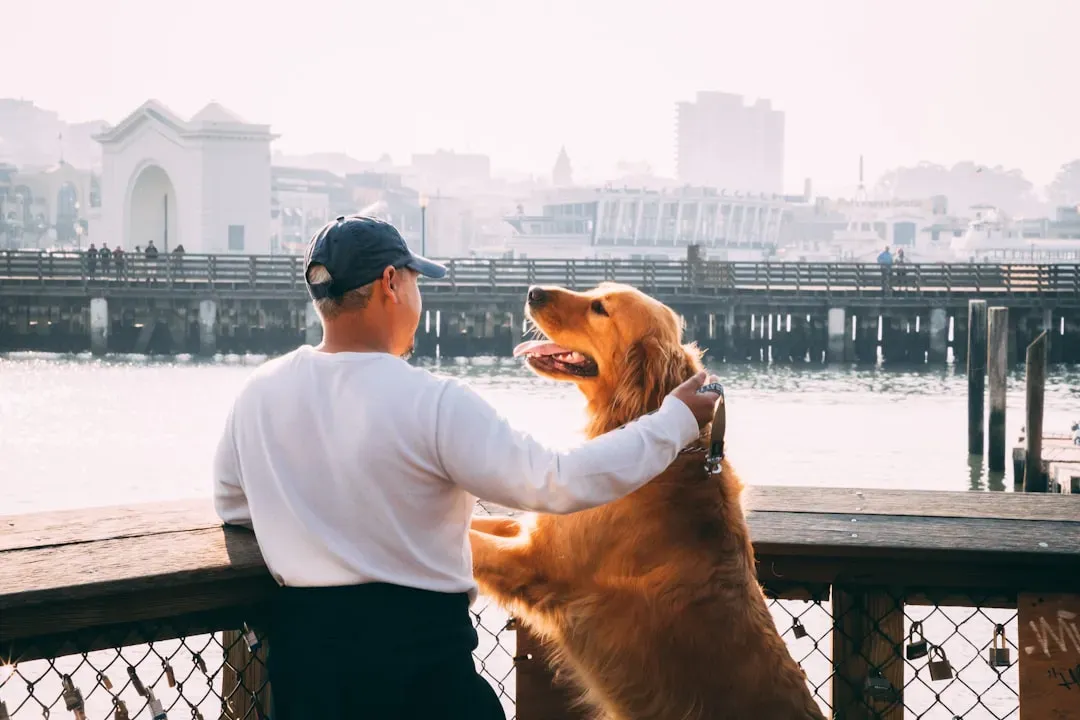
There’s a tendency to sentimentalize the bond between humans and dogs, to project emotions onto it that may or may not be earned. The evidence here, though, is real. Through facial expressions, tone of voice, body language, and even scent changes, dogs demonstrate impressive emotional awareness. This ability likely developed through domestication. Over thousands of years, dogs that could better interpret human emotional states were more likely to survive and bond with people.
Breeds historically developed for companionship and cooperative work, like Retrievers, Shepherds, and Spaniels, often show a heightened sensitivity to human cues and gestures. That’s not coincidence. It’s the product of a very long and mutual relationship. Whether you’re drawn to the quiet devotion of a Greyhound or the exuberant warmth of a Golden, the right dog doesn’t just fill the silence in a room.
In my view, what makes these breeds so extraordinary isn’t simply that they sense loneliness. It’s that they choose to stay. Not because they have to, but because being close to you is, for them, the most natural thing in the world. That kind of loyalty, written into their very instincts, is more honest than most things we encounter in daily life. That’s worth something.


