
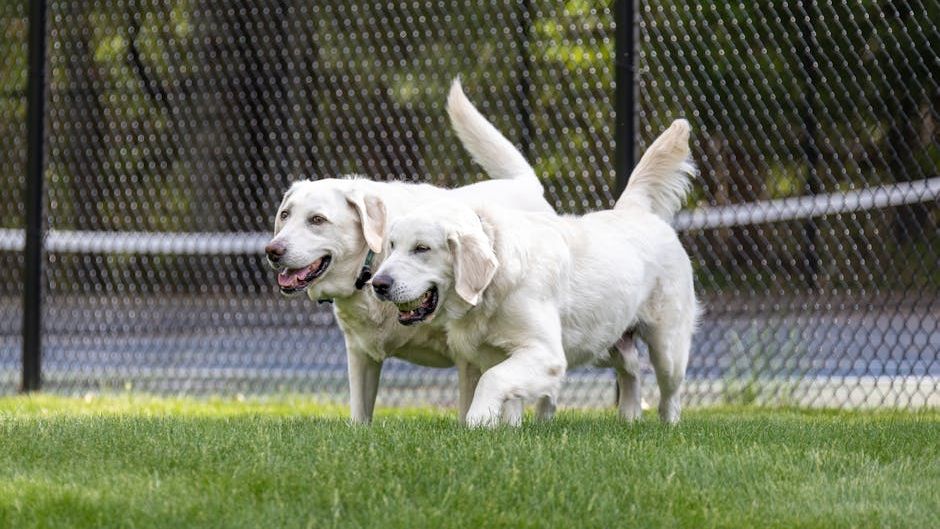
#1. The Oxytocin Loop That Mirrors Human Bonding
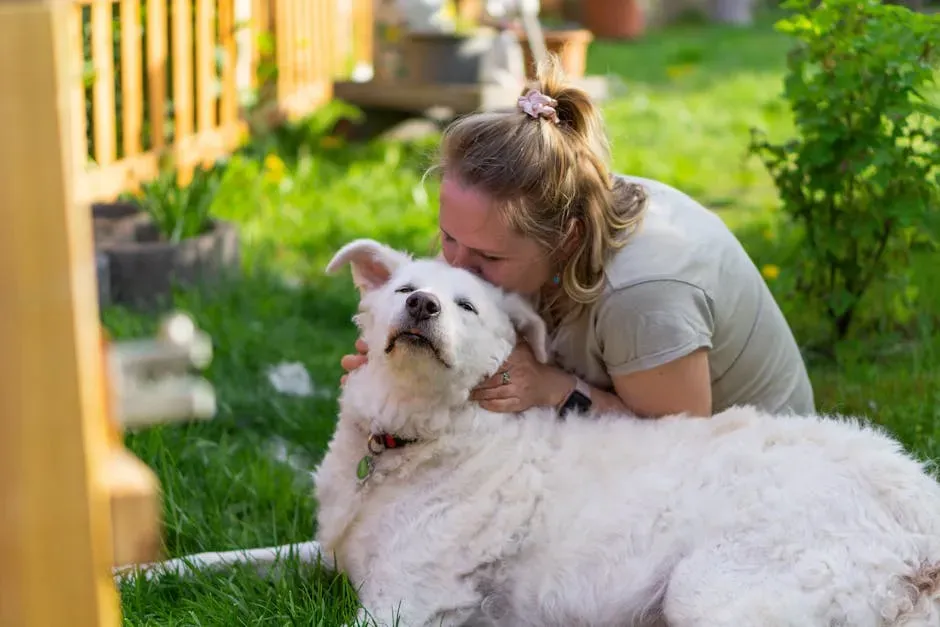
There’s a very real chemical reason why looking into your dog’s eyes feels so good. A landmark study published in Science demonstrated that when dogs and their pet parents gaze into each other’s eyes, their oxytocin levels rise significantly. This isn’t a trivial finding. Oxytocin is the same hormone that surges between a mother and her newborn, binding two beings together at a biological level.
This mutual increase in oxytocin reinforces the emotional bond, which enhances feelings of attachment and love. The fact that it works bidirectionally, meaning both the human and the dog experience the hormonal shift, makes the relationship uniquely powerful. Interacting with dogs can lower cortisol, a stress hormone, and increase oxytocin, a bonding hormone, and this hormonal shift promotes relaxation and emotional connection, helping to alleviate symptoms of anxiety.
This loop doesn’t just feel good in the moment. Over time, it creates a neurological dependency on the presence of the dog. The brain begins to associate the animal’s proximity with safety, calm, and warmth. That’s not weakness. That’s biology doing exactly what it was designed to do.
#2. Dogs Fulfill a Deep Evolutionary Need for Attachment

Dogs are part of the family, and relationships with those dog family members can be understood in terms of attachment theory. Attachment theory posits that humans have an innate need to form close emotional bonds to others because our ancestors needed protection from competing groups of people, predators, and the environment. Dogs were woven directly into that survival story.
For tens of thousands of years, dogs lived alongside those ancestors and provided added security and protection. In this context, having a dog around would have resulted in the lowering of anxiety and stress. The heart of attachment theory is anxiety and stress reduction. In other words, humans who bonded tightly with dogs may have simply survived longer.
Caring for a dog activates both the attachment and caregiving systems in humans, and dogs experience attachment to their humans as well. This reciprocal relationship can be a major source of healing. For people who’ve experienced attachment wounds earlier in life, a dog can offer something especially rare: a bond that never withdraws and never conditionally withholds love.
#3. The Sense of Purpose and Structured Meaning Caring for a Dog Provides

Purpose is one of the most powerful predictors of psychological wellbeing, and dogs hand it to you every single morning without fail. Caring for a dog provides a sense of purpose and responsibility, which can be particularly beneficial for individuals struggling with depression or anxiety. The routine of feeding, walking, and playing with a dog offers structure and a reason to engage with the world, fostering both accountability and emotional fulfillment.
Dog companionship often helps people to develop a daily routine and gives them something to look forward to each day. This might sound simple, but for someone battling depression or grief, having one reliable reason to get out of bed carries enormous weight. The dog doesn’t negotiate. It simply needs you, and that need becomes a quiet anchor.
Dogs serve not just as passive companions but as emotional stabilizers through structured care routines that provide agency and purpose. When life feels chaotic or meaningless, the daily rhythm of dog ownership quietly rebuilds a framework for living.
#4. Dogs Are Uniquely Wired to Read Human Emotions

What makes the human-dog bond different from relationships with most other animals is the extraordinary capacity dogs have developed to understand us. The human-dog relationship extends beyond companionship, with dogs adept at interpreting human emotions through body language and facial expressions. This wasn’t an accident. It was shaped over millennia of co-evolution.
Dogs are highly attuned to human emotions, often sensing when their owners are distressed and providing comfort simply by being present. This intuitive understanding can alleviate feelings of loneliness and anxiety, creating a sense of belonging and acceptance, and a safe place to retreat to after experiencing what can feel like a hostile and unwelcoming world.
This is precisely why so many people describe their dogs as “knowing.” It’s not projection. It’s a real and measurable communicative skill that dogs have uniquely developed in relationship with humans. No other species on the planet has been so deliberately shaped to orient toward us, read us, and respond to our emotional states. That’s a profound thing to come home to.
#5. The Relief from Loneliness That No App Can Replicate

Loneliness has become one of the defining mental health crises of modern life, and dogs sit squarely in the middle of the conversation about what helps. Companion animals, especially dogs, have been proposed as potential buffers against loneliness by offering routine, emotional connection, and daily interaction. The mechanism is straightforward, but the relief is real.
Dogs provide consistent companionship, which can help stabilize mood and reduce feelings of loneliness or sadness. Their playful and affectionate nature often brings joy and laughter, boosting overall well-being. There’s something genuinely irreplaceable about a living being that consistently chooses your company, day after day, without any agenda.
The attachments formed with dogs can be as strong or even stronger than human connections, and have been shown to relate to fewer physical health and mental health problems, as well as decrease isolation and loneliness. For people living alone, aging in place, or navigating social anxiety, a dog can be the quiet difference between a life that feels inhabited and one that doesn’t.
#6. Dogs Activate the Brain’s Social Reward System in Unique Ways
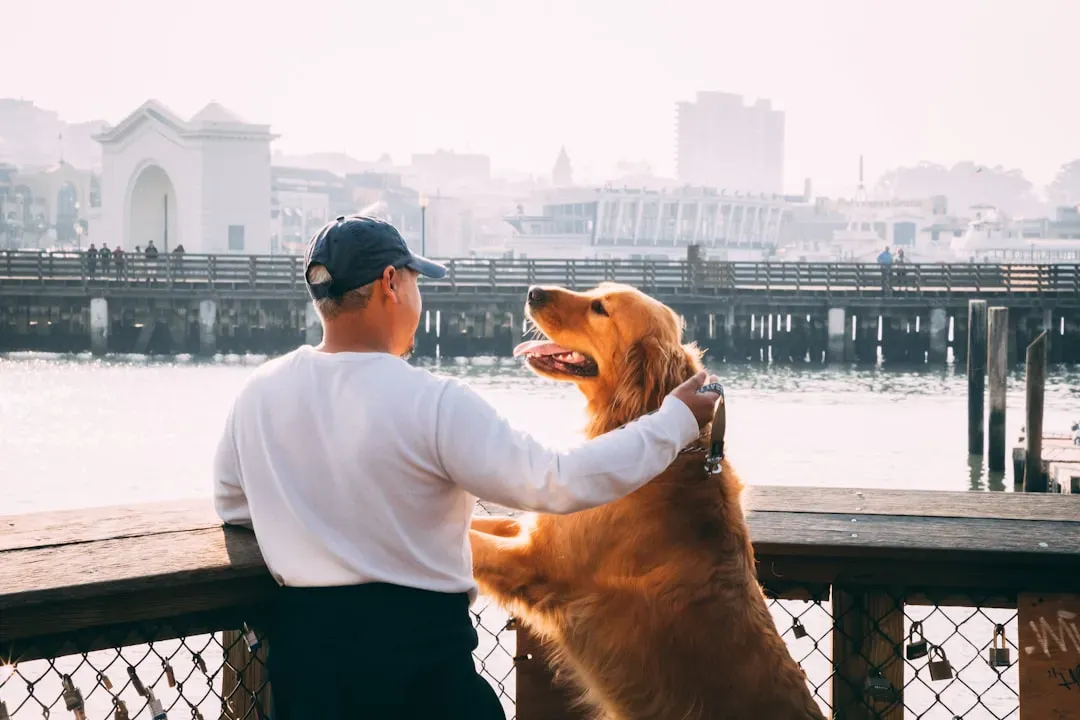
Human social circuitry was built for connection, and dogs tap into it in ways that are surprisingly direct. Research shows that dog-human relationships combine the upsides of best friend relationships and parent-child bonds, making them more supportive and positive than most relationships between humans. That’s a striking claim, but it’s backed by data, not sentiment.
A study conducted by researchers at Eötvös Loránd University in Hungary found that dog owners often rate their relationships with their dogs as more satisfying than those with their closest human companions, with dogs rated higher in areas such as companionship, affection, and support. Human relationships are complex, fragile, and frequently disappointing. A dog, by contrast, offers social reward without the usual emotional risks.
The simple act of petting a dog can lower blood pressure and heart rate, reduce stress hormone levels, and increase the production of serotonin and dopamine, both of which play pivotal roles in relaxation and happiness. The brain, in short, is rewarded for spending time with a dog in ways that feel remarkably similar to the rewards of close human friendship. Over time, that reward pathway becomes deeply ingrained.
#7. Dogs as Social Catalysts Who Strengthen Community Bonds

For a lot of people, the dog is quietly doing more social work than they realize. Dogs serve as social facilitators, fostering social interaction and community engagement. Walks become conversations. Dog parks become neighborhoods. The animal that lives in your home also becomes a bridge to the world outside it.
Owning a dog can open up opportunities for social interaction, whether it’s during a walk in the park or a conversation with fellow dog lovers. Social connections are vital for mental health, reducing feelings of loneliness and isolation. A 2015 study published in PLOS One found that pet owners reported stronger neighborhood social connections than non-pet owners, and the pet owners were also perceived to be friendlier by others.
Daily routines with a dog serve as a mechanism for social reintegration, through which new relationships are formed, enriching participants’ social lives. The companion dog appeared as a motivating force in initiating connections and even fostering the development of genuine friendships. It’s quietly extraordinary when you think about it. A dog doesn’t just fill a social void. It actively creates the conditions for humans to fill it together.
#8. The Healing Power of Unconditional Acceptance During Trauma and Grief

When life comes apart at the seams, the presence of a dog can be something profoundly difficult to articulate but impossible to dismiss. Research in psychology and mental health shows that dogs can help with trauma recovery, provide steady grief support, and create a sense of safety that makes it easier to manage overwhelming emotion. This isn’t about distraction. It’s about grounding.
For individuals with PTSD, the presence of an animal may help remind them that they are no longer in danger, elicit positive emotions and warmth, support social connection, support physiological well-being, decrease sleep disturbance, lower levels of anger, and reduce the severity of dissociation, depression, anxiety and other symptoms. The breadth of that list is striking. A dog addresses trauma along multiple psychological dimensions simultaneously.
Unlike people, dogs are nonjudgmental. They don’t ask questions or impose expectations. For someone in the thick of grief or trauma, that absence of expectation can be more healing than any words. The dog-human bond functions as a form of emotional anchoring that can supplement or substitute for traditional social support, and emotional attachment to dogs has also been shown to enhance self-esteem and self-worth, particularly during adversity.
The Verdict: It’s Not Dependence. It’s a Deeply Human Need.

There’s a tendency to dismiss intense attachment to dogs as something excessive, a sign of loneliness or a substitute for “real” relationships. The science suggests otherwise. The companionship of dogs has added meaning to human lives for thousands of years, and amid declining birth rates and a weakening of traditional support systems, that bond may now be more important than ever.
Numerous studies indicate that pet owners often report lower levels of anxiety, depression, and loneliness, which contributes positively to their mental health, even among individuals with severe mental illnesses. The evidence, across disciplines and decades, consistently points in the same direction. The benefits of our friendships with dogs are so dramatic for such a large number of people that it is in society’s best interest to support them.
In my view, the people who say they simply cannot live without a dog aren’t being dramatic. They’re being honest about something most of us are only beginning to measure. Dogs don’t just make life more pleasant. For many humans, they make it livable. That’s not a small thing. That’s everything.


