
#1. The First Few Minutes: Anxiety, Adjustment, or Both?
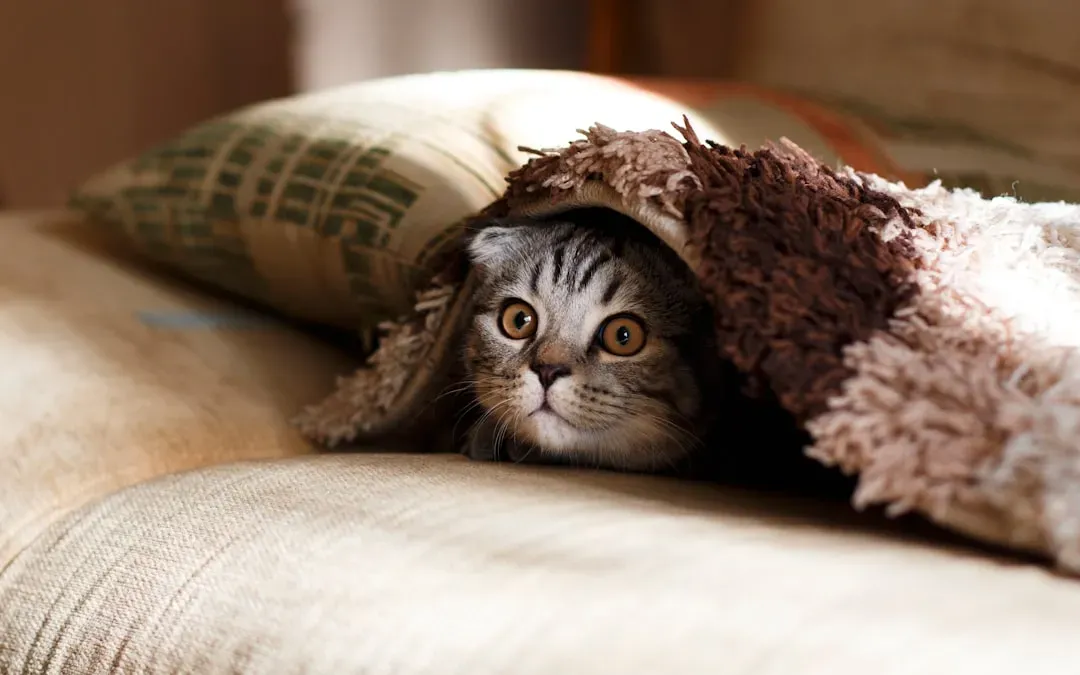
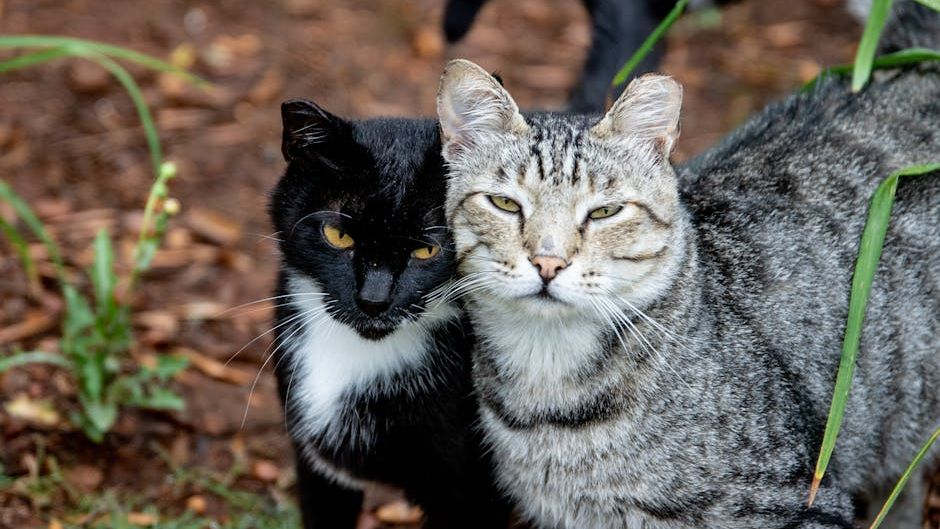
The opening act of your absence doesn’t always look peaceful. Cats with any degree of separation anxiety typically act out within the first twenty minutes or so after you’re gone. That’s the window where you’d find your cat pacing, meowing at the door, or sitting in the hallway staring at where you just stood.
According to a National Institutes of Health report, anecdotal evidence suggests that roughly one in seven cats may exhibit signs of distress when left alone. These behaviors can include vocalizing, destructive scratching, knocking over objects, or appearing withdrawn. That’s not a small number when you consider how many cats are home alone right now.
Veterinary behavior specialists note that most healthy adult cats can comfortably manage short absences, especially within a familiar and enriched home environment. So for the majority, that initial unsettled phase passes relatively quickly, giving way to something much more characteristic of feline life.
#2. The Grand Nap: Your Cat’s Most Serious Occupation
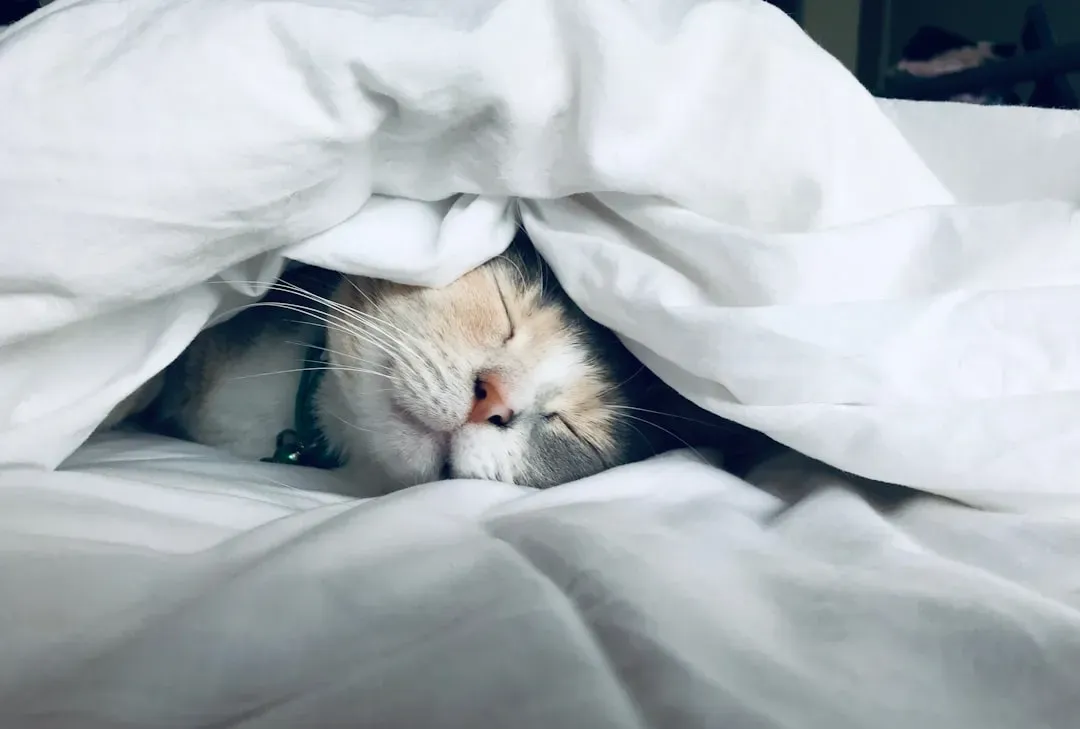
Once the initial adjustment phase winds down, most cats do exactly what you’d probably suspect. They sleep. Cats sleep an average of 15 hours a day, with some older cats sleeping up to 20 hours. Your three-hour absence fits neatly into that biology.
During longer separation periods, cats actually spend more time lying down and resting compared to shorter absences. It’s almost as if they settle more deeply into stillness the longer they have the place to themselves. A sunny windowsill is often a favorite resting spot, especially when the light warms the space.
Cats in the wild spend around four-fifths of their time sleeping and conserving energy, and domesticated cats carry that same instinct. So while it might feel anticlimactic to discover your cat spent most of your absence napping, it’s genuinely what they’re built to do. Rest is not laziness for a cat. It’s strategy.
#3. The Solo Patrol: Territorial Exploration and Scent Marking
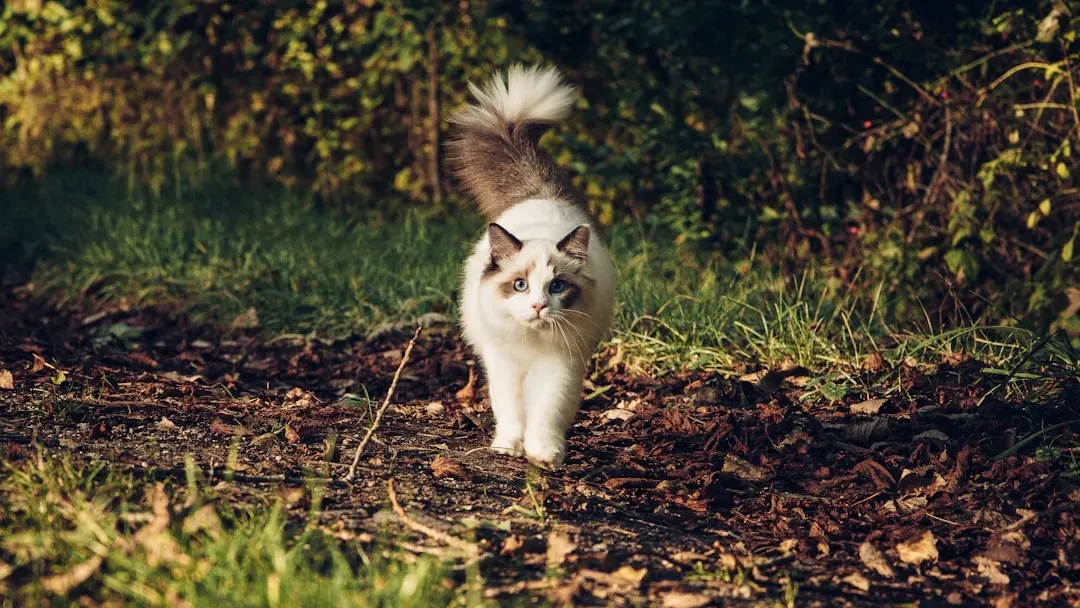
Between naps, something more purposeful happens. Spatial targets can become more interesting to cats when their owners are not home, including high places like closets or shelves, as well as nooks and crannies like drawers or boxes, which is natural behavior for a cat that wants to explore and satisfy its curiosity.
In the wild, cats explore their surroundings to establish territory and find food and shelter. Domesticated cats explore to discover new things, satisfy their hunting instincts, and keep their minds and bodies active. Your bookshelf, that forgotten cardboard box in the corner, the warm patch near the radiator: all of these are points of interest on your cat’s personal map.
Cats also groom as a self-soothing behavior, which helps them relax and feel calm. Grooming can regulate their body temperature, and cats may also groom as a way of marking their territory by spreading their scent via their saliva, helping them feel more secure in their environment. In other words, a grooming cat isn’t just being vain. It’s reinforcing a sense of home.
#4. The Hunter Awakens: Play, Stalking, and Solo Games
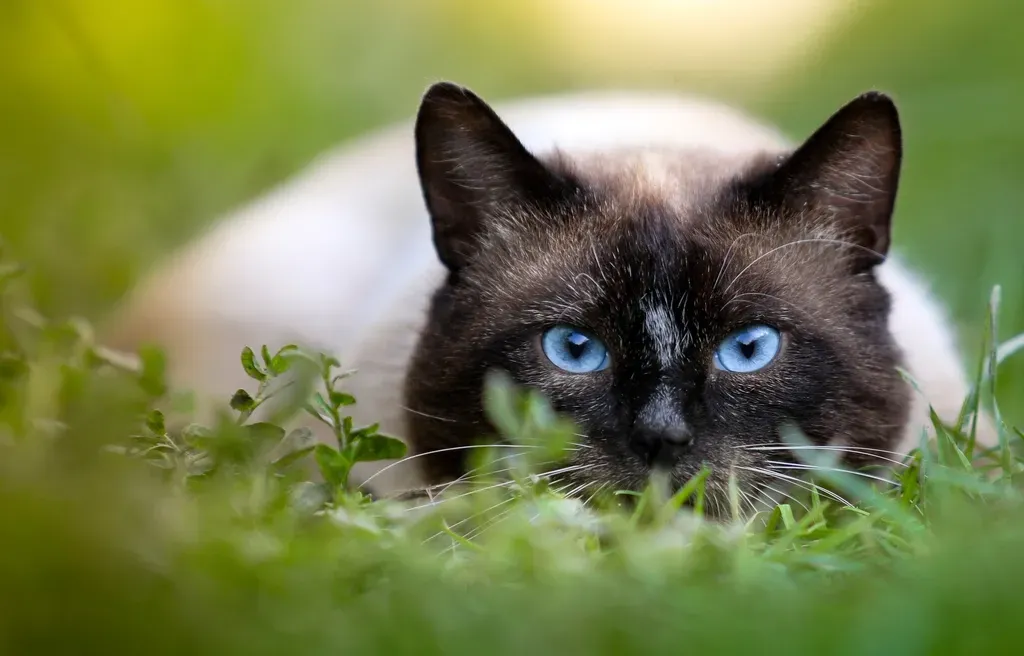
Cats have a natural instinct to hunt and they often engage in play-hunting behavior to hone their skills and amuse themselves. With no human watching, that instinct runs a little freer. A forgotten toy mouse, a piece of string, even a dust bunny drifting across the floor becomes fair prey.
For many indoor cats, sitting by a window and watching birds flutter, leaves blow, or pedestrians pass can be just as mentally engaging as a game of chase, and it offers an outlet for their natural instincts without requiring constant human interaction or physical exertion. Window time also provides a constructive way to spend long hours alone, especially for cats whose humans are away at work or school during the day.
Birds outside the window ensure the view doesn’t get boring, keeping the cat mentally stimulated for long periods, and cats that are stimulated through enrichment and play are less likely to become stressed and therefore less likely to exhibit behavior problems. It’s basically live television, and your cat has very strong opinions about the programming.
#5. The Reunion Ritual: What Your Return Actually Means
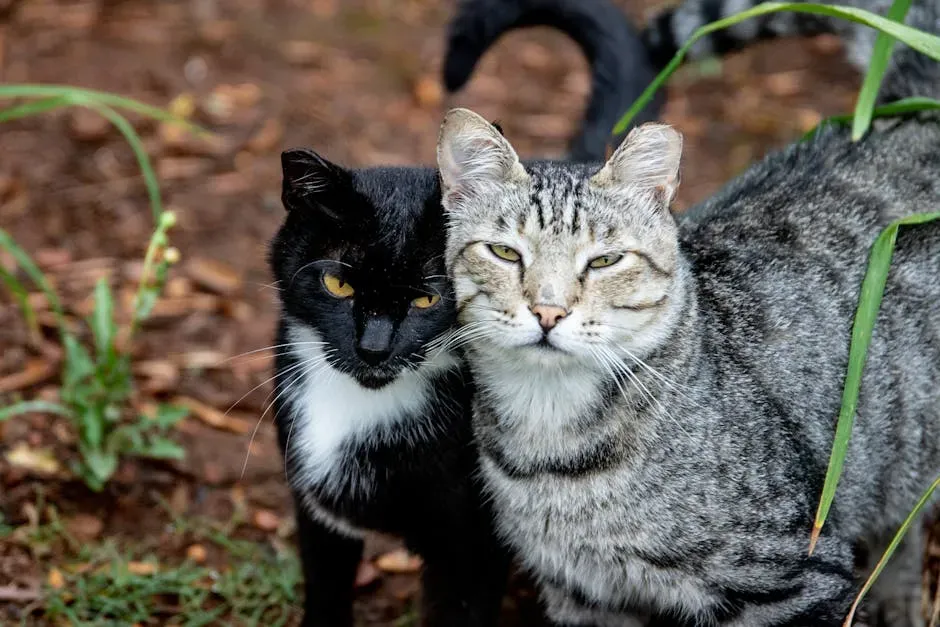
Here’s where it gets genuinely interesting. What your cat does the moment you walk back through that door tells you more about how they spent the time than anything you might see on a home camera. At reunion, cats purr more and stretch their bodies more after a longer duration of separation. The longer you’ve been gone, the bigger the welcome.
Research shows that many cats do miss their owners when they’re gone, and one study from Oregon State University even demonstrated that cats display similar attachment styles to dogs and even babies. Most cats are actually very attached to their owners, even if their version of showing it involves sitting nearby rather than leaping into your arms.
Domesticated cats have evolved to crave companionship, often forming strong bonds with humans and sometimes even other pets. So that slow blink your cat gives you when you settle onto the couch after a long day? That’s not indifference. That’s the feline equivalent of saying they’re glad you came back.
What This Means for You as a Cat Owner
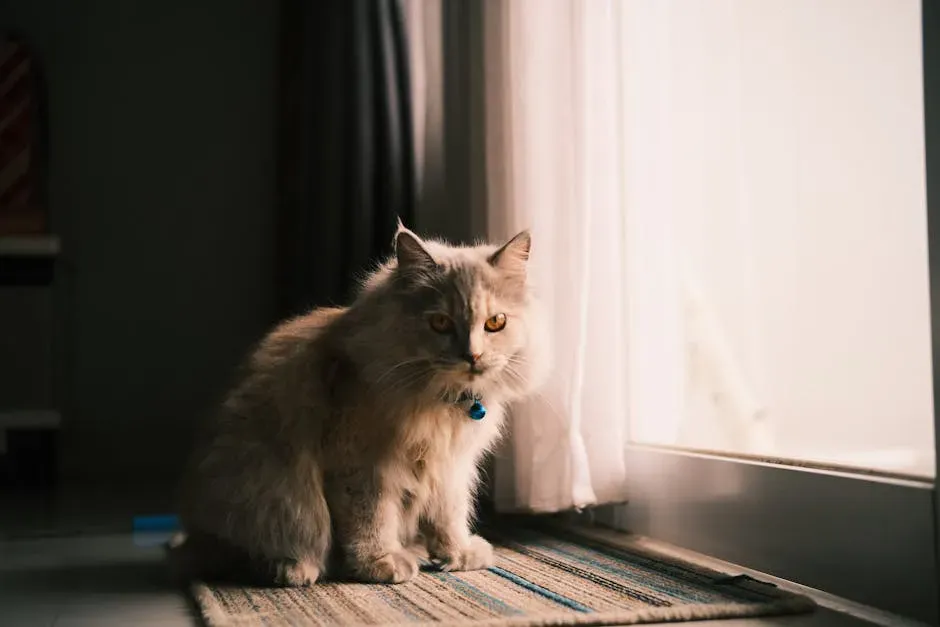
Cats are intelligent animals who love to play and explore, and if they don’t get enough mental and physical exercise, they may use that pent-up energy to fuel anxious behaviors. A cat with a rich environment, access to window views, safe toys, and comfortable resting spots tends to handle alone time with much more ease than one left in an unstimulating space.
Leaving the TV or radio on can help, as the sound of a human voice can make a cat feel less lonely. Small gestures like that carry more weight than you’d expect. Spending quality time with your cat daily can also help reduce their anxiety when you’re away.
The broader picture is this: your cat isn’t wishing you away, nor are they completely indifferent to your absence. They occupy a nuanced middle ground, one that involves genuine rest, instinct-driven exploration, solitary play, and a quiet kind of waiting. Three hours is nothing to a well-settled cat. It’s just an intermission before the main event, which, for the record, is you walking back through the door.


