

#1: The Science of Scent – Your Dog Smells Your Stress

Research has established that humans release different levels of volatile organic compounds, or VOCs, in their breath and skin when calm versus when experiencing stress. Your dog’s nose, exponentially more sensitive than your own, picks up these chemical shifts in real time. That’s one reason your dog may visibly react before you’ve consciously registered your own emotional state.
In a landmark study, dogs participated in discrimination trials where their choices were consistently performed with high accuracy. Statistically, their overall performance reached nearly ninety-four percent correct choices when identifying stress samples, almost always on first exposure. This isn’t vague animal intuition. It’s a biologically precise detection system, refined over millennia of living alongside humans.
It’s possible that a combination of verbal, visual, and olfactory cues may communicate an owner’s level of stress to their dog, but the olfactory channel appears to be the fastest and most reliable. Long before your body language fully shifts or your voice betrays fatigue, the chemistry of your breath already has.
#2: Mirrored Cortisol – When Your Stress Literally Becomes Theirs

Researchers determined stress levels over several months by measuring the concentration of cortisol in hair samples from both dogs and their owners. They found that levels of long-term cortisol were synchronized, such that owners with high cortisol levels had dogs with high cortisol levels, while owners with low cortisol levels had dogs with low levels. This isn’t a short-term spike from a single bad day. It’s a sustained physiological mirroring that accumulates across weeks and months.
This study revealed, for the first time, an interspecific synchronization in long-term stress levels. The implications are significant. Your dog isn’t just emotionally responsive to your mood in the moment. They are quietly absorbing your chronic emotional state and carrying it in their own body. It seems that owner characteristics are more influential on the dog than vice versa, which means the direction of emotional influence runs primarily from you to them.
The study also shed further light on the concept of emotional contagion, the sharing or mirroring of emotional response between animals living in a group. While it’s typically observed within the same species, it can also be observed across species, as in the case of dogs and their owners. Emotional exhaustion, it turns out, is not something you carry alone in a household that includes a dog.
#3: Reading the Room – How Dogs Process Your Body Language and Facial Cues
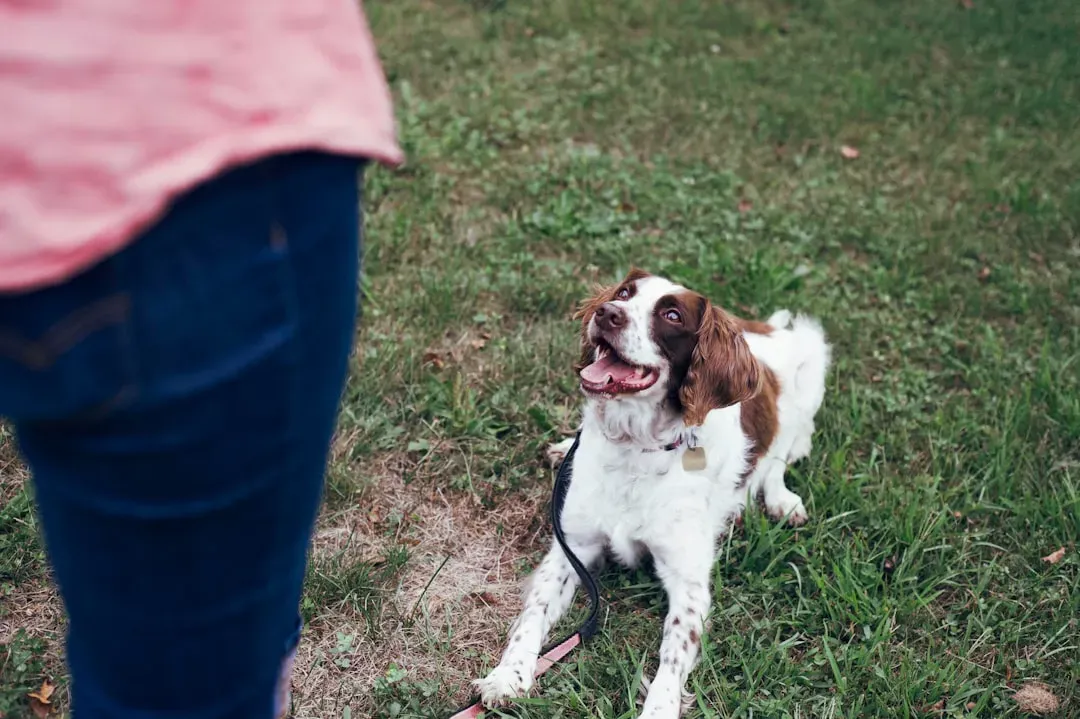
Dogs read human faces, listen to tone shifts, interpret body language, and even detect chemical changes in scent. When you’re emotionally depleted, your posture changes. Your movements slow. Your face holds tension in ways that a well-attuned dog registers before anyone else in the room does. They are, in a meaningful sense, running a continuous read on your nonverbal state.
Dogs can recognize six basic emotions, including anger, fear, happiness, sadness, surprise, and disgust, and process these in similar ways as humans, with changes to heart rate and gaze. What’s particularly striking is that this recognition extends beyond their immediate owner. The ability to form emotional representations that include more than one sensory modality suggests cognitive capacities not previously demonstrated outside of primates. The ability of dogs to extract and integrate such information from an unfamiliar human stimulus demonstrates cognitive abilities not known to exist beyond humans.
Dogs were found to behave differently depending on the owner’s emotional state: they gazed and jumped less at owners when they were sad, and their compliance with commands was also diminished. This behavioral shift is not random. It reflects something closer to a deliberate adjustment, a recalibration of engagement based on a nuanced read of where you are emotionally.
#4: The Bond Effect – Why Closeness Deepens Emotional Detection

Research measuring emotional reactions through heart rate variability found that correlation between dogs and their owners was positively correlated with the duration of dog ownership. A dog’s sex also influenced these correlations, with females showing stronger values. These results suggest that emotional contagion from owner to dog can occur especially in female dogs, and that time sharing the same environment is the key factor in inducing the efficacy of emotional contagion.
A study in Scientific Reports found that it’s the bond and life experiences between dogs and their owners that account for the release of oxytocin during interactions. A 2019 study in Frontiers in Psychology found that the extent to which emotional contagion occurs between humans and their canine companions increases along with the time spent sharing the same environment. The longer you’ve lived together, the more finely calibrated that emotional awareness becomes. A dog who has shared years with you isn’t guessing. They know your patterns with a specificity that can feel unsettling.
A dog living with a calm, emotionally stable owner is more likely to be relaxed, confident, and socially adaptable. Conversely, a dog cohabiting with high emotional tension may exhibit hyperactivity, reactivity, or withdrawal. The relationship becomes a two-way emotional ecosystem. Your wellbeing shapes theirs, and over time, their visible changes can serve as an unexpected mirror of your own internal state.
#5: Behavioral Signals – What Your Dog Is Actually Telling You

A dog that’s emotionally exhausted may become anxious or skittish in situations where they were once comfortable, and may start to avoid social interactions or become fearful of things that didn’t bother them before. When these changes show up in a dog who was previously settled and confident, it’s worth pausing to consider what they might be reflecting back. Behavioral shifts in a well-bonded dog are rarely random.
When emotionally overextended, dogs lack the energy for social niceties, much like humans becoming withdrawn during burnout. Most telling is their response to gentle invitations to engage. Emotionally healthy but physically tired dogs typically respond briefly before returning to rest. Emotionally exhausted dogs actively turn away, leave rooms when entered, or show whale eye when approached, clear signals they’re preserving what little emotional energy remains. These are specific, readable cues. Learning to interpret them as information rather than behavioral problems changes everything about how you respond.
This mirroring behavior is believed to be linked to mirror neurons, specialized cells that enable dogs to read and reflect human emotions. Whether your dog is pressing against you more than usual, becoming unusually clingy, or conversely withdrawing and acting subdued, that reaction before you consciously recognize your own stress is the signal worth taking seriously. Your dog isn’t being difficult. They may simply be the first to notice you’ve crossed a line you didn’t see coming.
Conclusion: Your Dog May Know You Better Than You Know Yourself
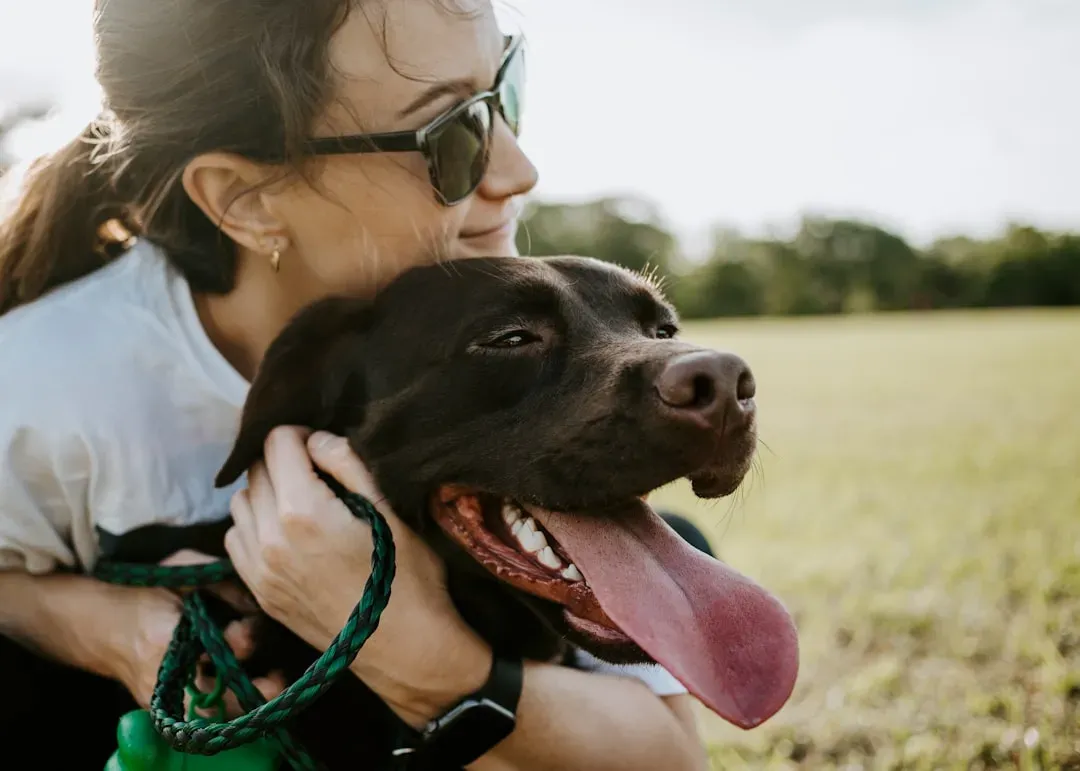
There’s something genuinely worth sitting with in all of this research. Not the feel-good version where dogs love us unconditionally and leave it at that, but the sharper, more demanding insight: your dog is a living, breathing emotional barometer, and what they reflect back is often more accurate than what you’re willing to tell yourself.
Emotional exhaustion has a way of arriving quietly. It doesn’t announce itself the way acute crisis does. It accumulates in cortisol, posture, shortened breath, and flattened tone, all the things your dog has been tracking long before you’ve stopped to check in with yourself. The science here isn’t soft or speculative. Dogs’ ability to recognize human emotions appears to exceed the ability of other taxa, including wolves and chimpanzees, and it may be the result of the domestication process having selected for dogs that most proficiently communicate with humans. That’s thousands of years of evolutionary refinement pointed directly at you.
The opinion worth defending is this: we tend to treat our dogs’ behavioral changes as something to manage rather than something to read. That’s a missed opportunity. If your dog is suddenly clingy, restless, or unusually flat, maybe the question to ask isn’t what’s wrong with them. Maybe the more honest question is what’s been building in you that you haven’t stopped long enough to name. Your dog already has an answer. It might be time to listen.


