
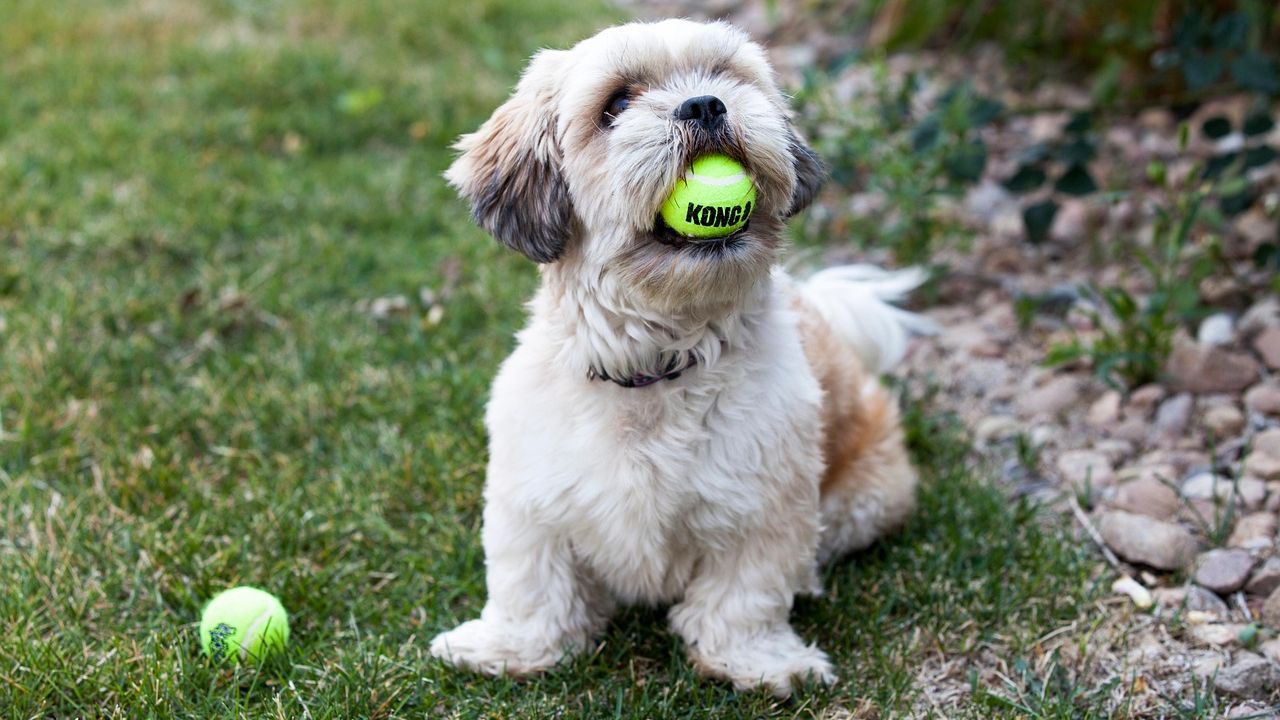
#1: The Science Behind a Dog’s Sense of Safety
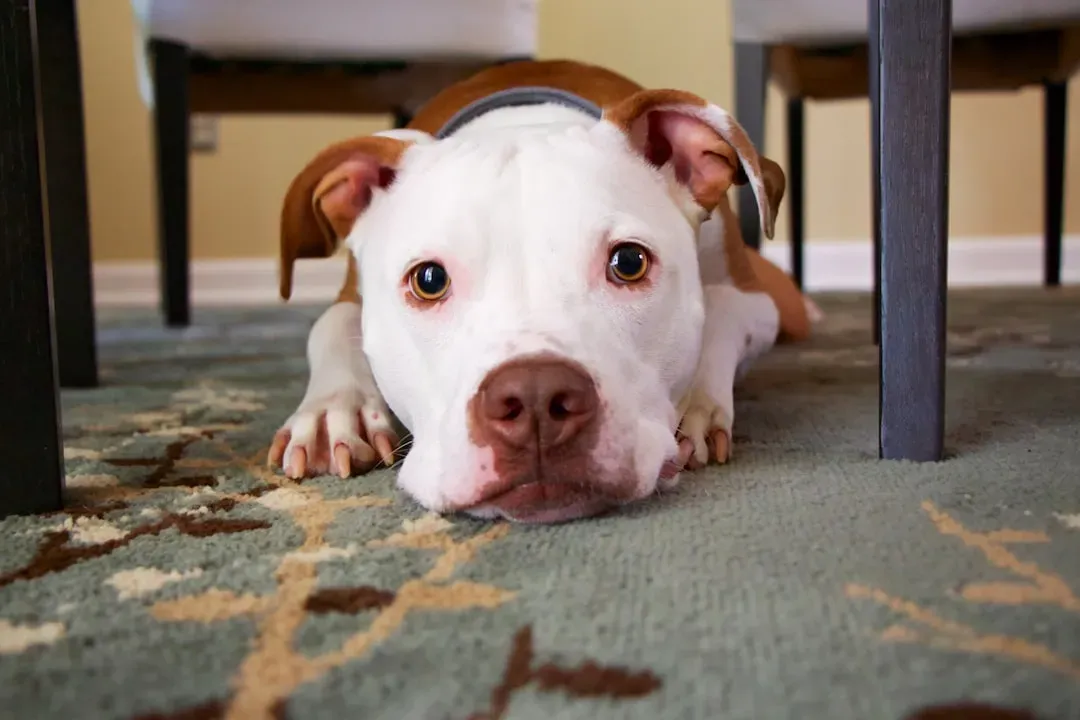
Stress in dogs is a natural physiological and neurological response to demands placed on them, and while a certain level of stress is part of normal life, a dog’s ability to cope with those demands plays a crucial role in their overall wellbeing. What makes this particularly significant is that dogs don’t experience stress in a bubble. They’re reading the room, constantly.
A growing body of research points to the surprisingly sophisticated ways dogs pick up on human stress, whether through reading facial expressions and body language or detecting actual chemical changes tied to stress hormones. This isn’t passive observation. It’s an active, continuous scan of their environment.
Exploration and play are considered crucial behaviors during mammalian development, and even though the relationship between stress hormones and exploratory behavior is well described in the literature, very little is known about their precise role in play behavior in dogs specifically. What researchers have established, however, is that cortisol levels are generally negatively associated with exploratory behavior, and cortisol, as part of the stress response in mammals, is linked to a reduced inclination to interact with new objects or spaces.
A dog’s environment can be a source of stress or comfort, or sometimes both, and the ideal external environment is one that consistently caters to a dog’s unique and changing physical, mental, and emotional needs. When that environment becomes unpredictable or threatening, the body chemistry shifts, and playfulness is often one of the first casualties.
#2: How a Disrupted Home Quietly Rewires a Dog’s Behavior

Chronic stress refers to a sustained stress response that can continue over hours, days, or longer, and it may be harder to spot because the sudden behavioral changes typical of acute stress aren’t always visible. However, clear signs do emerge, including changes in appetite, sleep, and playfulness. The tricky part is that these shifts happen gradually, which makes them easy to explain away.
Dogs under chronic stress frequently display body language signs associated with fear and anxiety, such as paw lifting, yawning when not tired, and lip licking, as well as unusual energy levels that cause them to be either chronically over-excited or lethargic and withdrawn. A dog who used to sprint to the door for playtime and now barely lifts its head isn’t being lazy. It’s surviving.
If stress continues without sufficient recovery, the body enters a state of exhaustion, leading to physical and psychological decline, and many dogs live in a constant state of chronic stress, particularly during this adaptation and exhaustion phase. This is where the loss of playfulness becomes a real warning sign rather than a quirk of personality.
An anxious dog has difficulty observing and accurately assimilating information from the environment, leading to poor choices and reactions. Playfulness requires mental availability. A dog stretched thin by stress simply doesn’t have the emotional bandwidth left to play.
#3: The Deep Connection Between Routine and Emotional Security
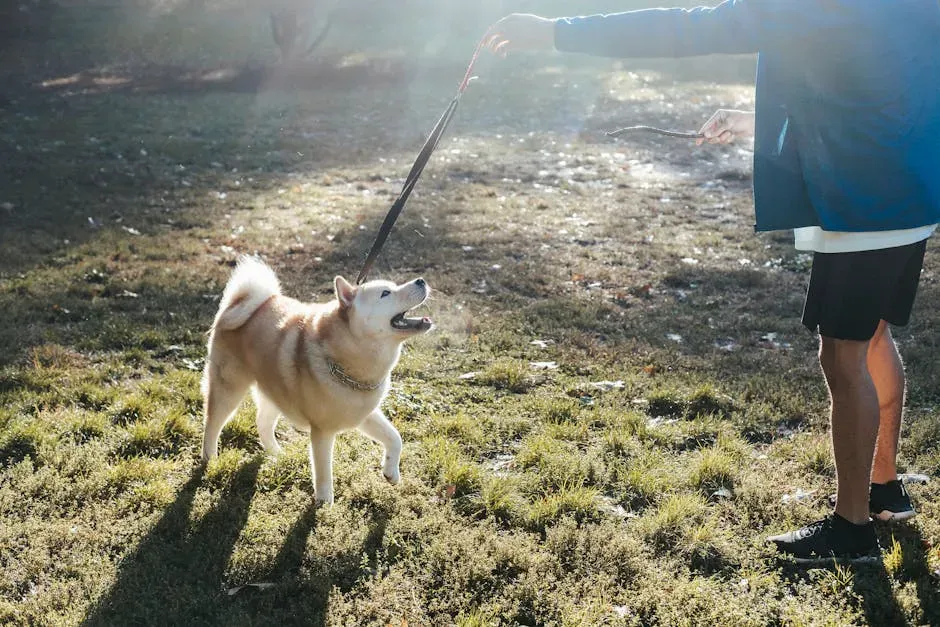
A stable environment is crucial for a dog’s emotional wellbeing, and consistency in routine, such as regular feeding times, walks, and play sessions, provides dogs with a sense of security and predictability. This isn’t about perfection or luxury. It’s about the basic cognitive scaffolding dogs need to understand their world.
Dogs thrive on structure and predictability for good reason, and routine helps them feel secure, reduces anxiety, and creates a foundation for consistent training and better behavior. Uncertainty and inconsistency elevate cortisol, and a study published in Animals found that shelter dogs on consistent schedules had significantly lower cortisol levels than those without a routine.
When rules or routines change regularly, dogs lose a sense of security, and since resilience depends on predictability, maintaining clear and calm interactions becomes essential. A dog that cannot predict what comes next is a dog that cannot truly relax, and a dog that cannot relax is a dog that cannot play freely.
Dogs develop confidence when their environment is predictable and secure, and familiar patterns encourage them to explore more, engage with their families, and respond positively to training. Take that predictability away, and what you’re left with is a dog that funnels its energy into anxiety rather than joy.
#4: The Invisible Weight of Absorbing Human Emotional Turbulence
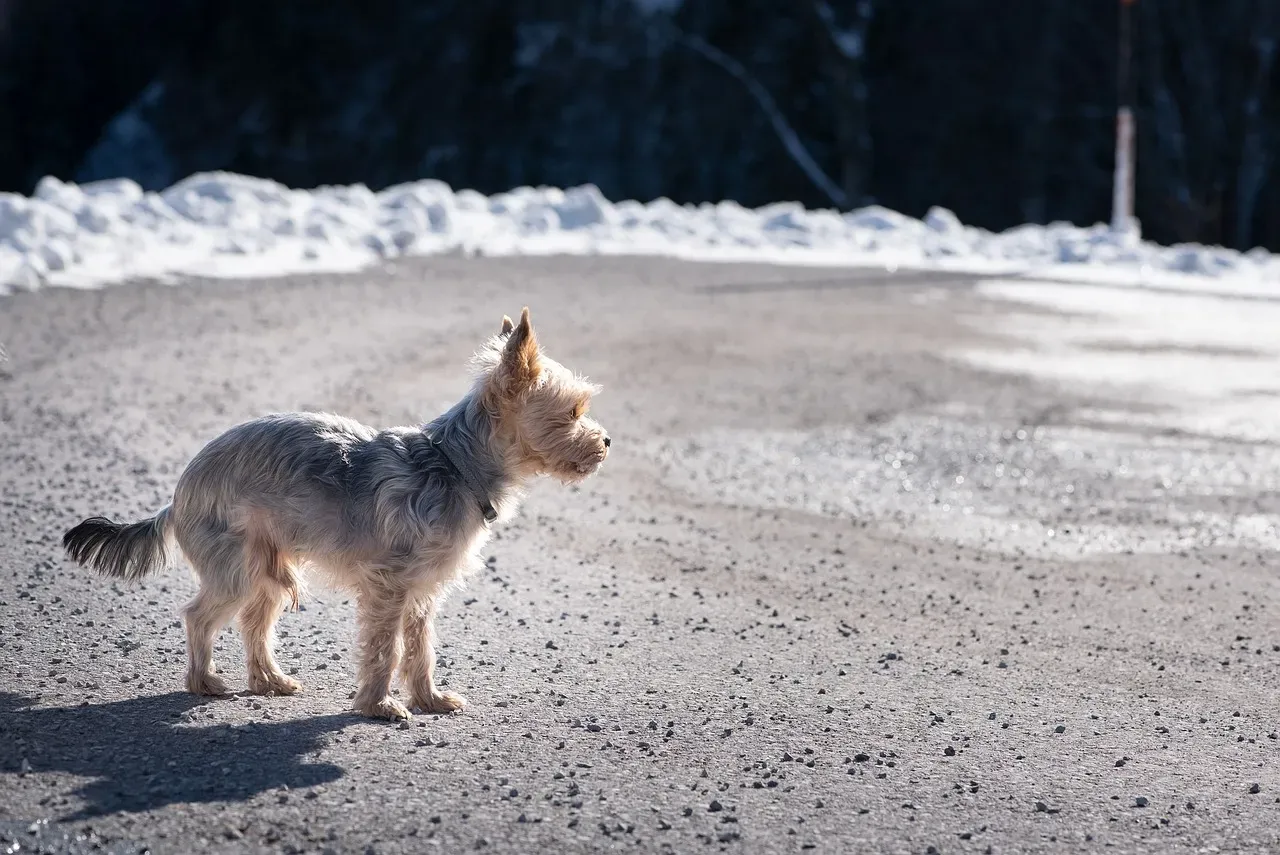
Dogs may not literally “catch” anxiety in an infectious sense, but the science suggests they experience emotional contagion right alongside their humans. This is one of the most underappreciated dynamics in dog ownership. When the household is in turmoil, the dog is in turmoil too, whether anyone acknowledges it or not.
Some dogs become noticeably more anxious when their humans are under chronic stress, and possible signs include pacing, whining, hypervigilance, clinginess, restlessness, changes in appetite, destructive behavior, difficulty settling, and increased barking or reactivity. None of these states are compatible with the loose, carefree energy that play requires.
Research has investigated whether household dogs display a fear, anxiety, or stress response to common sounds occurring within homes, and the findings are illuminating. Numerous signs of canine fear and anxiety were reported by survey respondents and observed in videos, in response to both daily and irregular but normal household noises. Raised voices, slamming doors, tense silences: all of it registers.
Dogs respond to their environment and take cues from their owner’s behaviors as well. Dogs learn best when they feel safe and supported, and corrections during fear-based behavior reinforce the belief that the environment is unsafe, which erodes resilience rather than builds it. The emotional atmosphere of a home shapes a dog’s nervous system over time, quietly and cumulatively.
#5: Rebuilding Playfulness by Restoring the Feeling of Home
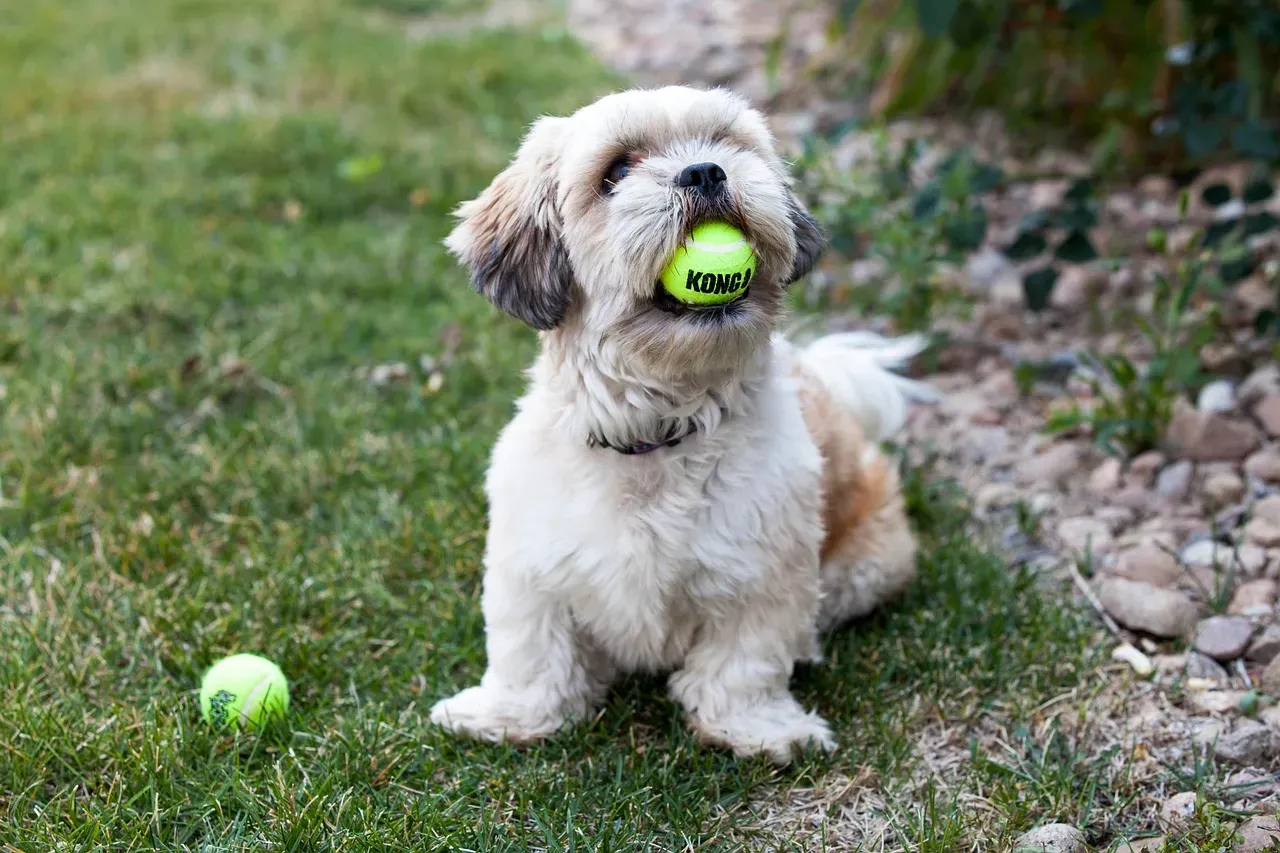
The first twelve to sixteen weeks of a puppy’s life are absolutely crucial, and positive exposure to people, dogs, sounds, surfaces, and gentle handling during this time helps create a solid foundation. Puppies who miss out on these experiences or are exposed to overwhelming stimuli may have a lower threshold for stress later in life. Healing that foundation takes time, but it is possible.
Play appears to be beneficial for dogs in measurable ways, and fecal tests showed that canine cortisol levels were lower in dogs following positive play interactions with humans. This suggests the relationship between safety and playfulness runs in both directions: a safe home allows play, and play itself reinforces a sense of safety.
Providing a quiet, comfortable area where a dog can retreat when feeling overwhelmed and maintaining consistency in daily routines can help reduce anxiety by providing predictability. These aren’t complicated interventions. They’re the quiet, repeated signals that tell a dog: this place is yours, and you are safe here.
To give a dog a happy, fulfilled life, it’s important to balance levels of comforting predictability with stimulating novelty in their environment, while also providing choice and enabling agency. Positive training builds confidence and nurtures mutual respect, strengthening the human-canine trust bond. That trust, rebuilt patiently, is often what eventually coaxes the playfulness back out.
A Final Thought Worth Sitting With
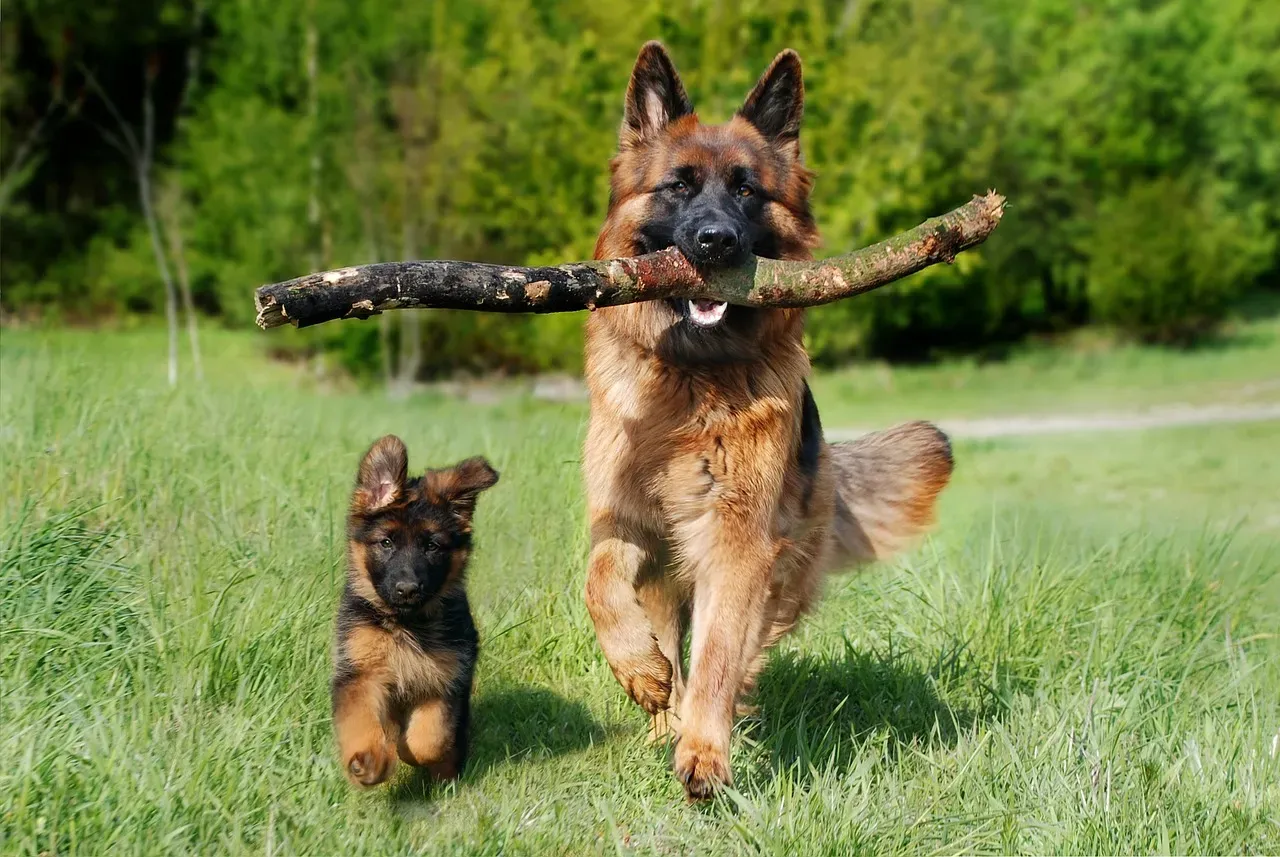
We owe our dogs more honest self-reflection than we usually give them. It’s convenient to think of a subdued dog as one that’s simply “calmed down” or “grown up.” It’s harder to consider that the home we’ve created might be the very thing dimming their spirit.
Psychology and behavioral science are increasingly clear on this: dogs don’t separate their emotional state from their environment. They live fully inside it. Dogs are not passive sources of comfort but responsive companions whose presence invites mutual attunement, routine, and emotional reciprocity, and their relationships with humans reflect the development of caregiving rituals, daily proximity, and deep emotional reliance.
That’s not a small thing. A dog who grows up in chaos, tension, or emotional unpredictability learns to survive rather than thrive. Playfulness isn’t frivolous: it’s a reliable signal of inner peace. The day a dog stops playing, it might be the most honest thing they’ve ever told you. The real question is whether we’re paying close enough attention to hear it.


