
#1. The Loyal Protector Trait – German Shepherd (ISTJ / ESTJ)
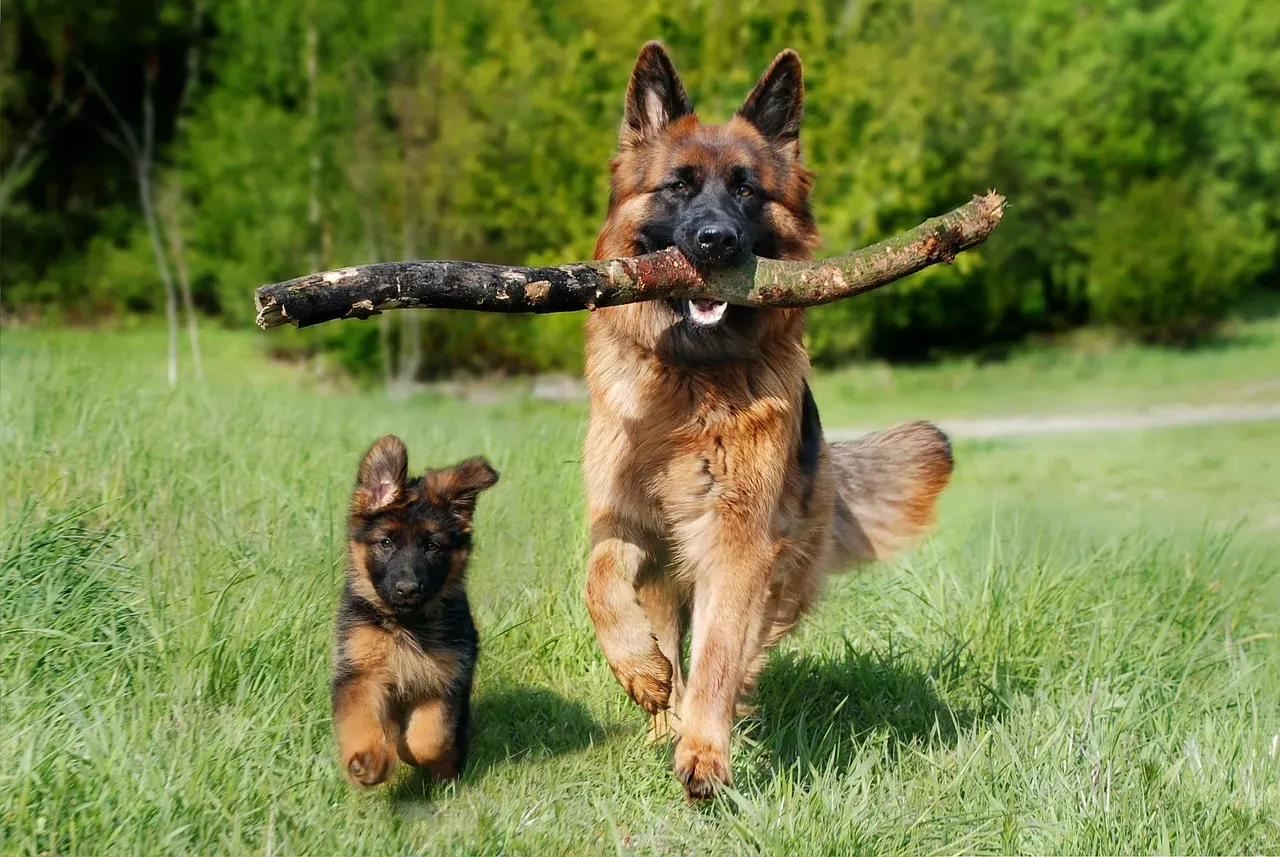
The German Shepherd was developed for protection, herding, and service. As a result, German Shepherds are highly attuned to responsibility. They are watchful, observant, and deeply bonded to their people. It’s a personality profile that maps almost perfectly onto the ISTJ and ESTJ types, both of which operate with a deep sense of duty and a preference for order over ambiguity.
When well supported, German Shepherds are calm, confident, and deeply loyal. When under-stimulated or emotionally confused, they can become anxious or overprotective. They notice everything, reading tone, posture, and emotional shifts closely. They do best in environments where leadership is calm, consistent, and fair. ISTJ and ESTJ personalities function the same way – give them a clear role, defined expectations, and mutual respect, and they’ll show up completely every single time.
#2. The Enthusiastic Connector Trait – Golden Retriever (ENFJ / ISFJ)
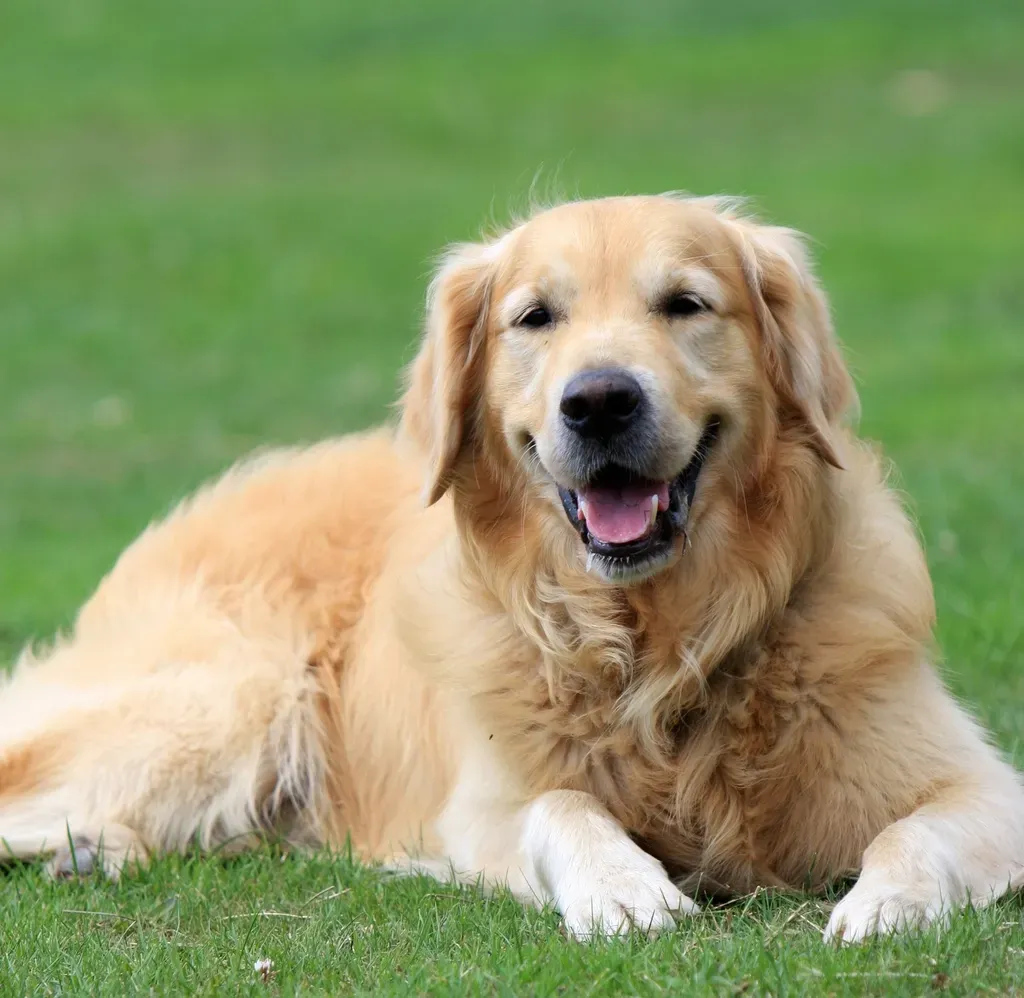
Golden Retrievers are often associated with kindness, but their deeper trait is emotional openness. They are dogs who assume goodwill. They expect positive outcomes and tend to approach the world with trust. That’s not naivety – that’s a deeply considered worldview, and it’s exactly what makes both Golden Retrievers and ENFJ or ISFJ personalities so magnetic to the people around them.
Faithful and nurturing, ISFJs embody the Golden Retriever’s warmth. Always dependable, they care deeply for loved ones and ensure everyone’s wellbeing, radiating kindness and calm. Golden Retrievers are playful, affectionate, and always eager to please, making them a loyal sidekick on all kinds of adventures. The combination of warmth and reliability is precisely what ENFJ and ISFJ types bring to every relationship they build.
#3. The Quiet Strategist Trait – Border Collie (INTJ / INFJ)
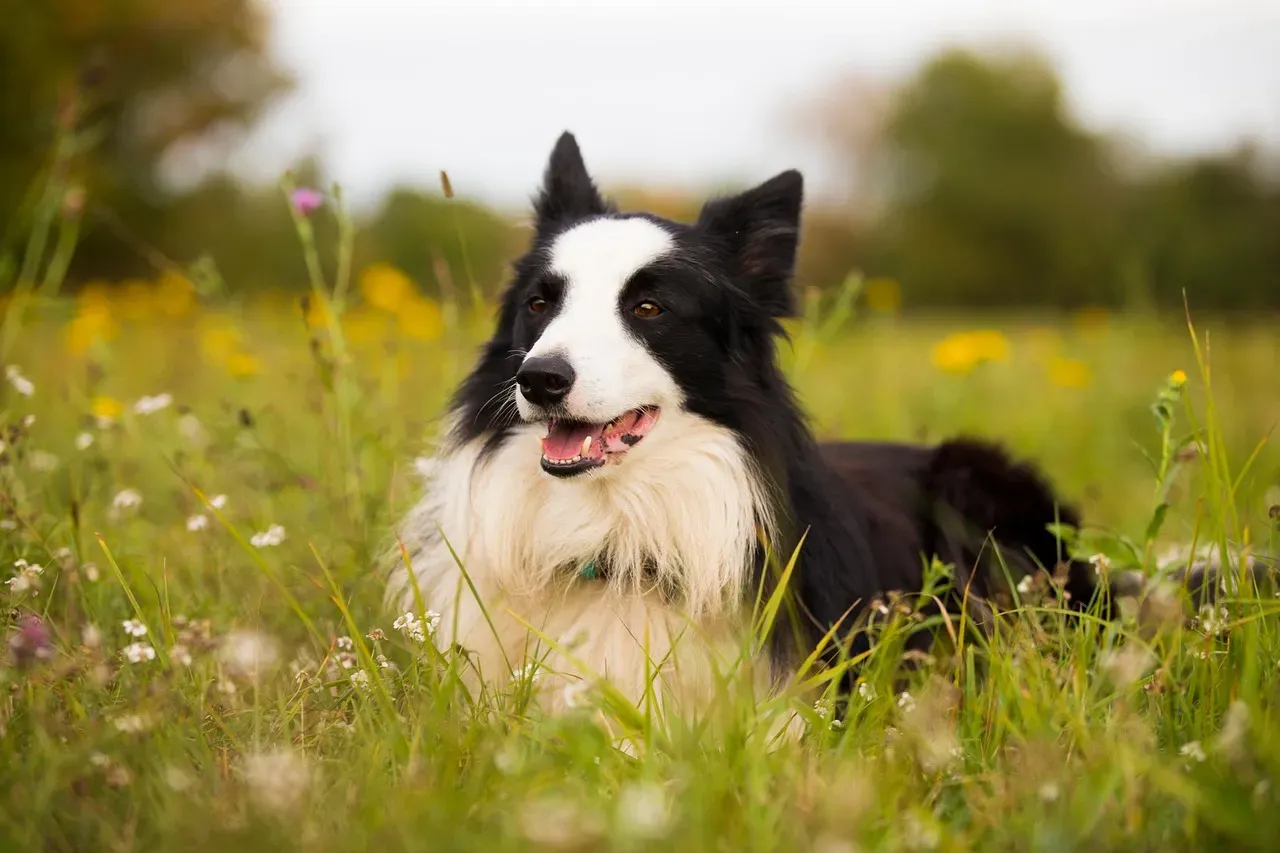
Border Collies are often called the smartest dogs in the world, but intelligence alone does not define them. What truly defines them is their need for purpose, structure, and depth of engagement – qualities that align almost identically with the INTJ and INFJ personality types, both of which are driven by long-term thinking and an almost uncomfortable level of self-awareness.
The INFJ personality type, also known as the Counselor, has deep reserves of patience that make them incredible mentors, and a breed like the Border Collie will soak up their instructions and training like a sponge. The Border Collie is one of the smartest dog breeds, understanding the balance between curiosity and focus. Originally bred to herd sheep, Border Collies are easily trainable and able to learn a remarkable range of commands. They are also goal-oriented – just like their human personality match. Both breed and type will quietly outthink almost everyone in the room.
#4. The Free-Spirited Adventurer Trait – Siberian Husky (ENFP / INFP)
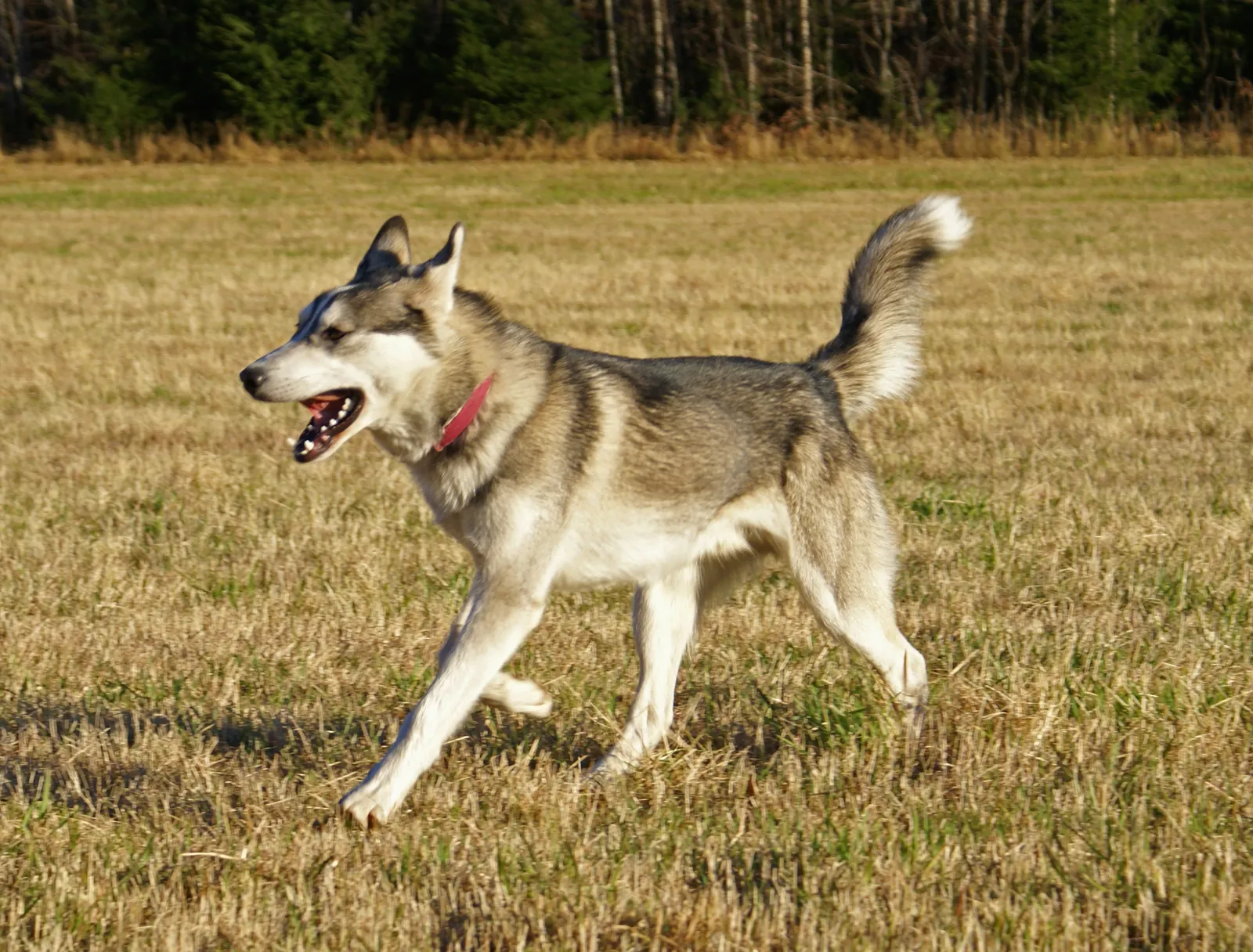
Husky owners are known for their love of adventure, independence, and resilience. These energetic dogs often mirror a strong, determined personality with a bit of a rebellious streak. They love the great outdoors and thrive in situations that challenge them. Just like their owners, Huskies are always seeking new experiences and never shy away from excitement. That restless curiosity is the defining quality of both ENFP and INFP types.
Siberian Huskies have a historical role as sled dogs. This breeding makes them pack animals that get along well with other animals and are great for families. Their breeding also gives them incredible endurance, but unlike some other working dogs, Huskies tend to be too friendly to be very effective guard dogs, although they are still quite loyal to their loved ones. The ENFP and INFP share this same contradiction – they crave connection deeply, yet they fiercely protect their inner world and personal freedom.
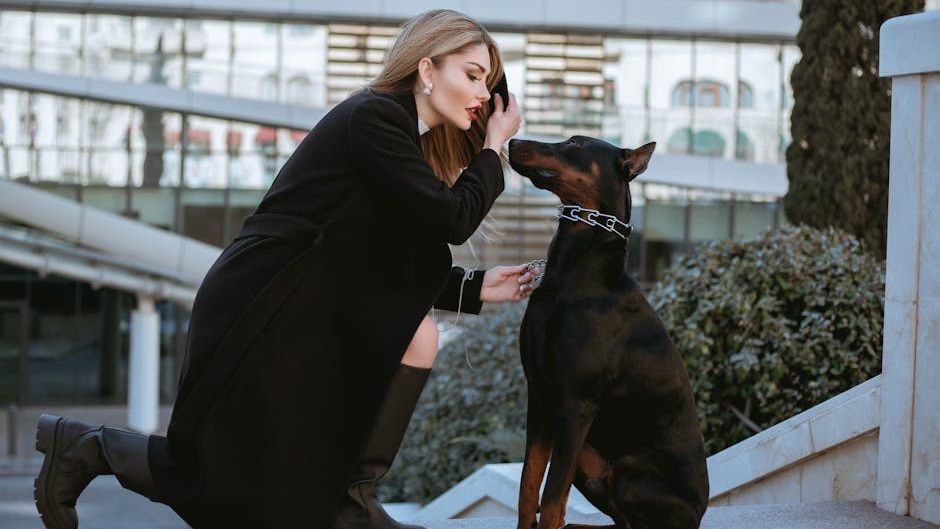
#5. The Decisive Commander Trait – Doberman Pinscher (ENTJ)
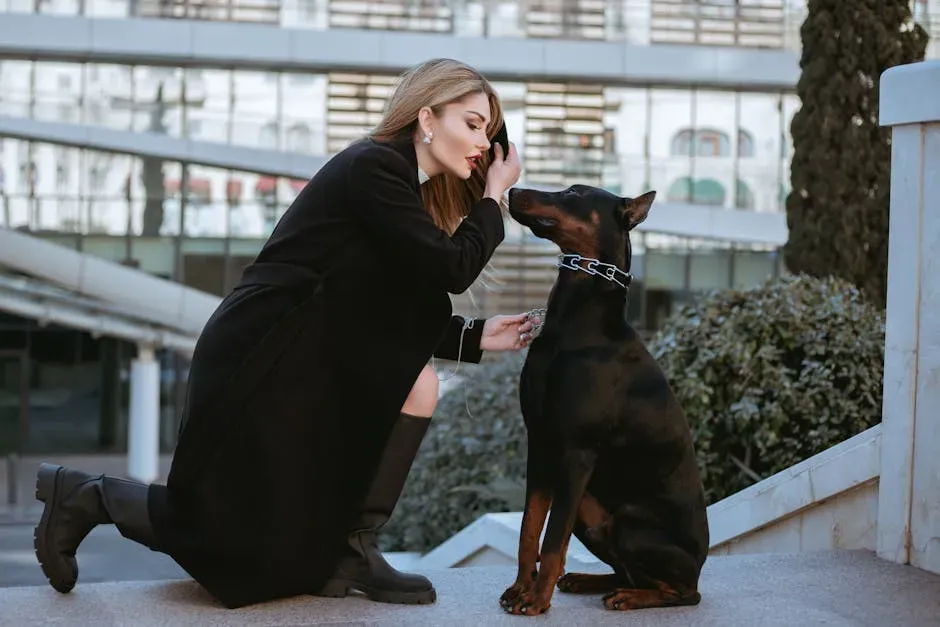
Doberman Pinschers are dependable working dogs. They are stoic and powerful, often considered the royalty of the dog world. Their reputation as protectors is well-suited to their alert and focused personalities, and their energy and muscular build makes them excellent companions for outdoor activities. The ENTJ personality type – often called “The Commander” – operates with the same kind of focused, purposeful authority.
The INTJ and ENTJ personalities are original, skeptical, and independent, taking a lot to earn their respect. They are well-organized, extremely bright types. The alert and intelligent Doberman Pinscher will have lots to learn from such a human, who will be patient, dedicated, and perfectly capable of training this breed to its peak performance. ENTJ types are quick-witted and efficient, and the Doberman’s laser-sharp focus and unswerving loyalty to its family is the canine equivalent of exactly that.
#6. The Analytical Independent Trait – Shiba Inu (INTP / ISTP)
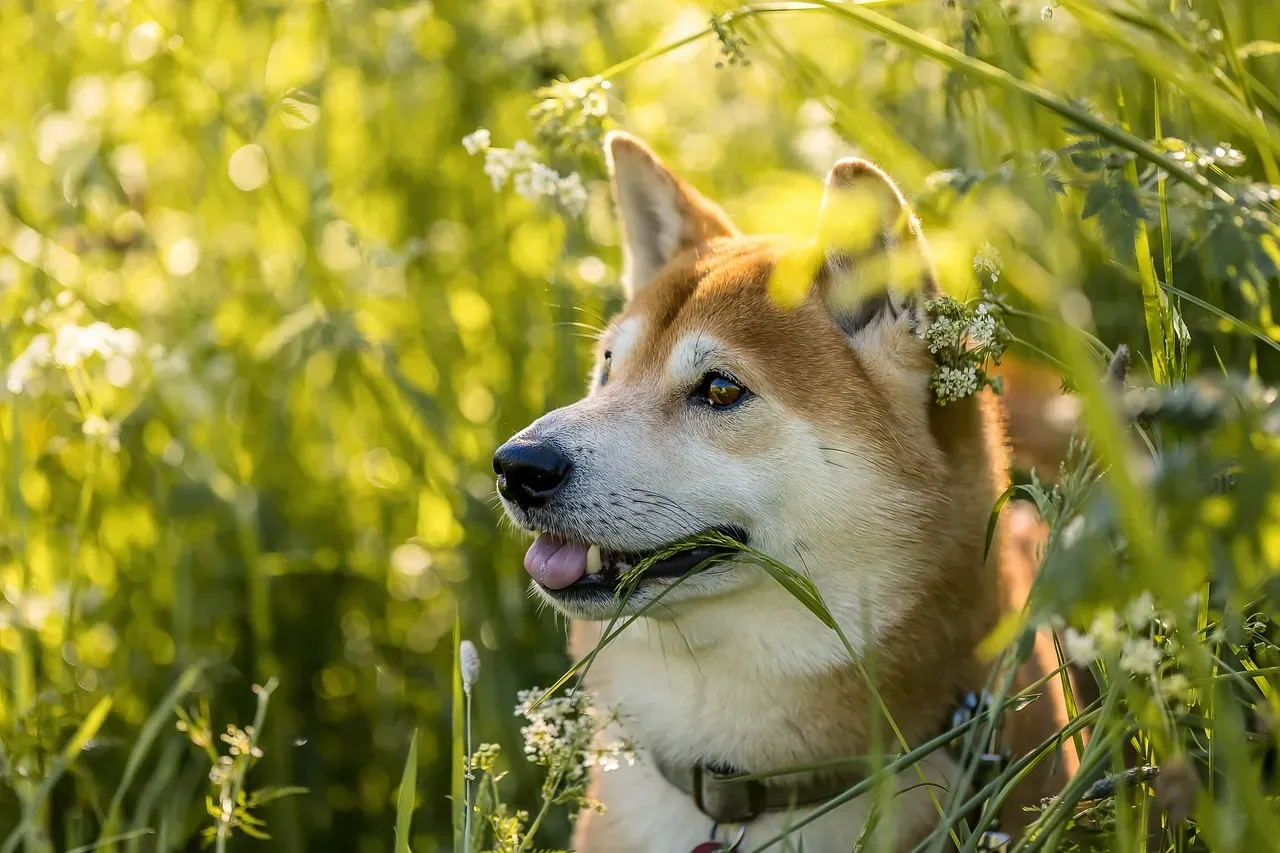
INTPs tend to be quiet, thoughtful people. Shiba Inus have big personalities that make them a little stubborn and occasionally tricky to manage, but their cat-like nature makes them ideal for introverted personality types like the INTP. There’s a dry humor to this pairing that feels right. Both the Shiba and the INTP seem to be operating on a slightly different frequency from everyone else – and both seem completely fine with that.
Shiba Inus are independent and loyal, great for introverted pet parents who value their personal space. These dogs are happy to share quiet moments and be a devoted companion. Tough, skilled, and action-oriented, ISTPs are practical problem solvers who thrive under pressure – much like the Belgian Malinois or Shiba Inu, who are precise and efficient in everything they do. The INTP and ISTP both value competence over warmth, which the Shiba Inu delivers in spades.
#7. The Warmhearted Caregiver Trait – Newfoundland (ISFJ / ESFJ)
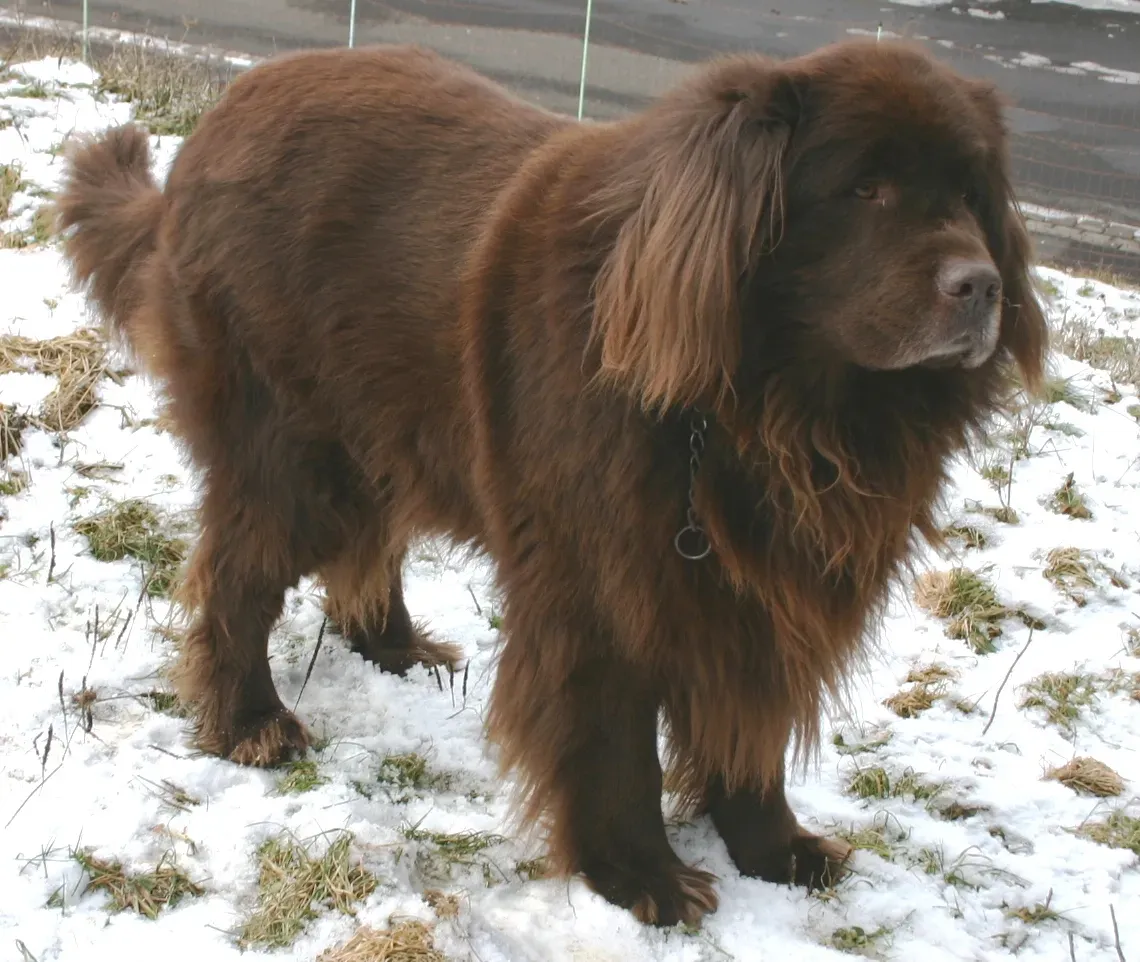
Newfoundlands are nicknamed “Nature’s Babysitter” or the “Mother Teresa of Dogs” for their love and protectiveness of children and humans alike. They may seem large and intimidating, but these gentle giants will do everything they can to protect the ones they love. The parallel to the ISFJ and ESFJ personality types is almost too perfect – both are steady, warm presences who operate quietly in the background, making sure everyone is safe and cared for.
This gentle giant is known for its sweet nature, intelligence, and strength. Newfoundlands are naturally gentle and friendly, often doting on children. They have a strong work ethic, learning quickly and using their skills to help people in distress. There are many stories of Newfoundlands rescuing people from difficult situations. They are responsible, hard-working dogs that capture a lot of traits similar to the ISFJ. Neither the Newfoundland nor the ISFJ needs the spotlight – they just quietly hold everything together.
#8. The Social Entertainer Trait – Labrador Retriever (ESFP / ESTP)
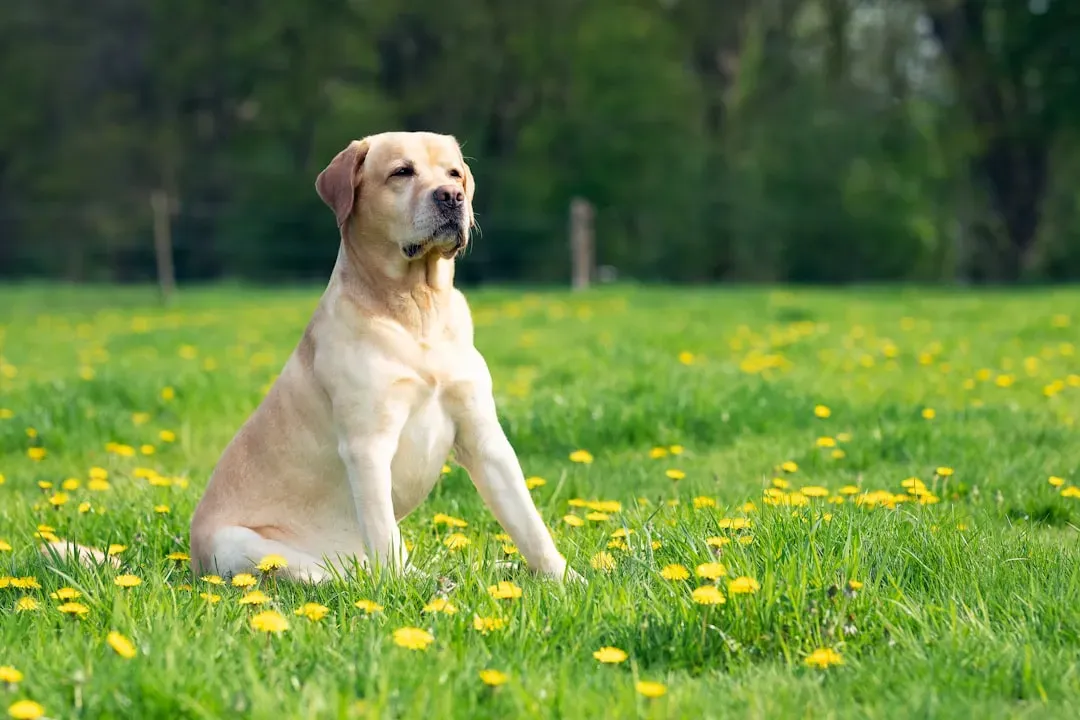
Labradors are often described as friendly, but that word barely scratches the surface. Their defining personality trait is emotional steadiness. Labradors were bred to work alongside humans, retrieving game calmly and reliably, a history that shaped a temperament that values cooperation over independence. This mirrors the ESFP and ESTP personality types beautifully – both are present, engaged, and energized by connection with others.
Labradors are fun-loving, friendly, and affectionate, but still active and energetic across a wide variety of activities. They form close bonds with family members and socialize well with other people and animals. They are highly tolerant of chaos, which is why they thrive in family environments. Loud homes do not overwhelm them easily. Change is absorbed rather than resisted. The ESFP and ESTP live the same way – adaptable, upbeat, and almost magnetically social.
#9. The Purposeful Energizer Trait – Australian Shepherd (ENFP / ENTJ)
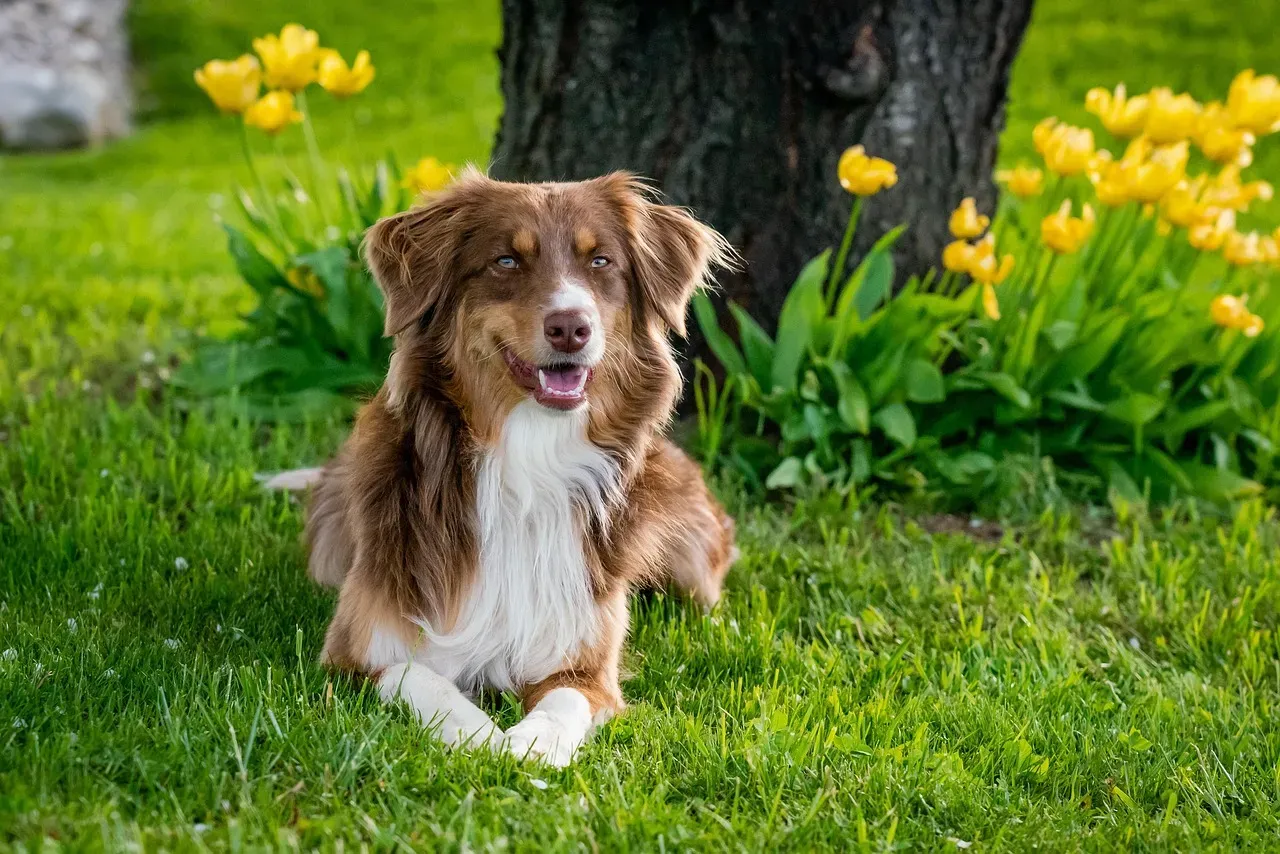
Australian Shepherds are energetic, intelligent, and deeply bonded to their people. They are driven by purpose and thrive when they have structure and engagement. Emotionally, they are loyal and attentive. Without direction, their energy can become chaotic. With clarity, they are focused and devoted. The ENFP recognizes this dynamic well – give them a meaningful purpose and they’ll run with it indefinitely.
Australian Shepherds thrive when given a job to do. These dogs are happiest when they have regular physical and mental stimulation, making them well-suited to active families or those who enjoy dog sports. Energetic and smart, Australian Shepherds match the enthusiastic and creative personality of ENFPs, who share the same drive and passion for ideas. Both the Aussie and the ENFP burn bright, feel deeply, and genuinely cannot imagine a life without forward momentum.
Final Thoughts: More Than Just a Fun Comparison
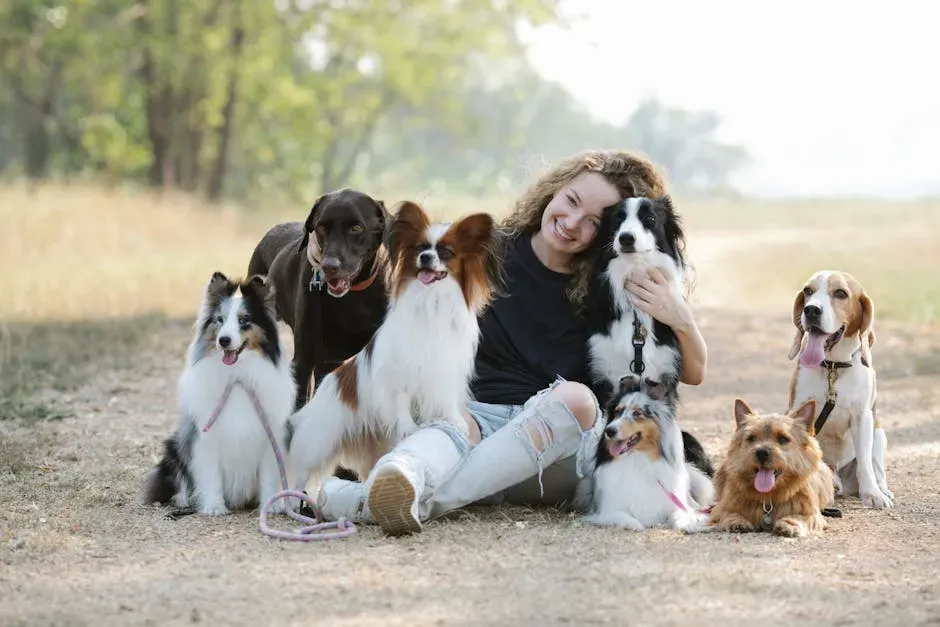
At its core, this kind of comparison is playful – nobody is suggesting you consult Myers-Briggs before adopting your next dog. Dog personality is determined by many factors, including breed, socialization, training, and significant life events. Many agree that breed history plays a role too, since what a dog has been bred to do for generations affects their instincts, tendencies, and sometimes their temperament. No two dogs are exactly alike, just as no two people fit neatly inside four letters.
Still, the patterns are undeniably there. This kind of creative comparison not only entertains but also offers a reflective way to understand how we interact with the world and how we connect with our furry friends. There’s something quietly meaningful about recognizing your own quiet determination in a Border Collie’s focused gaze, or your own social warmth in a Labrador’s easy, unguarded joy.
Dogs have always been mirrors, in their own way. They reflect back what we bring to them – structure, curiosity, warmth, independence. If the breed that best matches your personality type made you pause for a moment of recognition, that’s probably the whole point. The best relationships, human or canine, tend to begin exactly there.


