
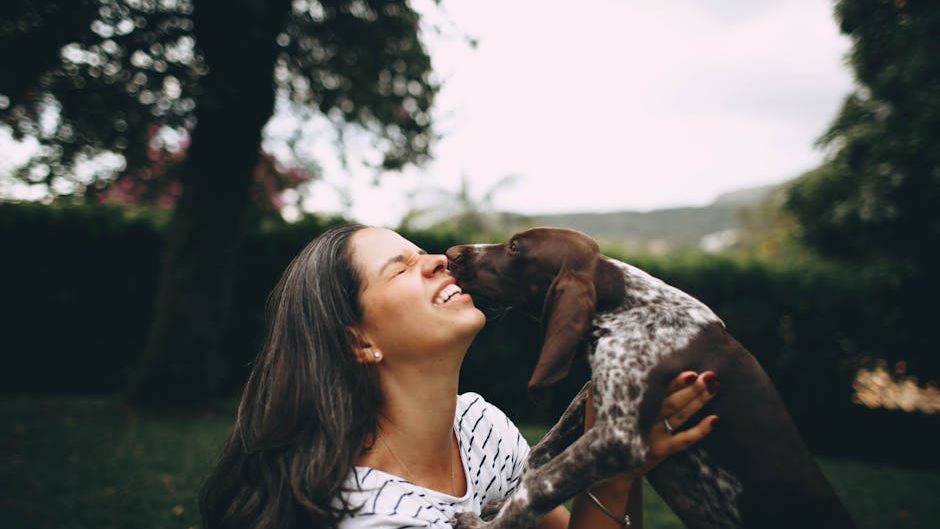
#1: The Science of Canine Attachment Is More Serious Than Most People Realize
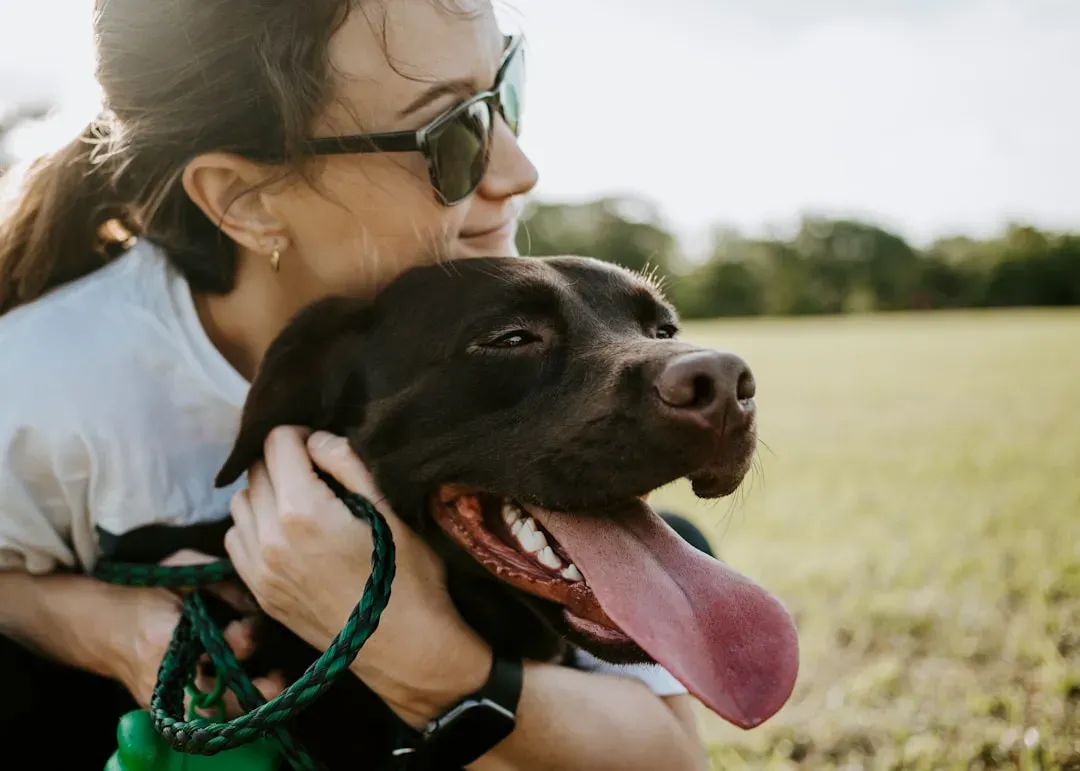
Dogs don’t just prefer their owners out of habit or routine. One of the most interesting and peculiar aspects of the dog-human relationship is dogs’ predisposition to form lasting affectional bonds with their human caretakers, which have been equated to the attachment relationship that human infants form towards their mothers. That’s a meaningful comparison, not a casual one. Researchers have tested it with formal methodology and come away impressed by how closely dog behavior mirrors infant behavior in the presence of a trusted caregiver.
The attachment bond is expressed behaviorally through a preference for one or more specific individuals who are the attachment figures. Proximity and contact-seeking behaviors toward the attachment figure, signs of distress when involuntary separations occur, and the expression of more confident behaviors when the caregiver is present are key features of attachment. In a single-person household, all of those behaviors point in one direction. There is only one attachment figure, and that person receives the full weight of what a dog is capable of feeling.
#2: When Loyalty Has Only One Target, It Deepens Over Time
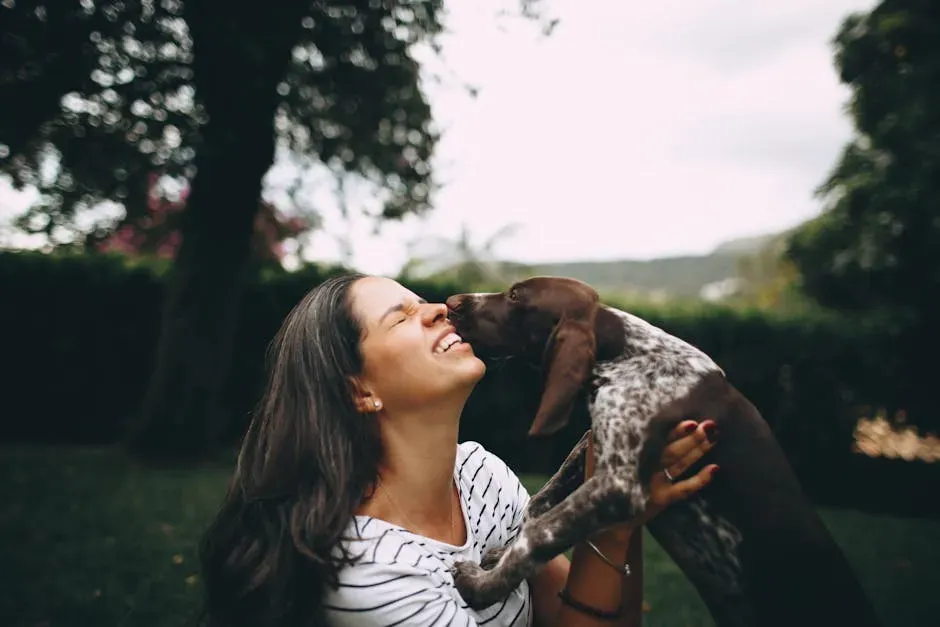
While it’s possible for dogs to form attachments to multiple individuals, research suggests that primary attachment is more intense and enduring. In a multi-person household, that primary attachment still exists, but it competes for expression alongside other social relationships. In a single-person home, there’s no competition. The dog’s entire social world is one person, and every positive experience, every meal, every walk, every quiet evening on the couch reinforces that singular bond.
Dogs form an exclusive attachment bond with their owner, which remains unchanged throughout their adulthood, as long as they live with the same owner. That kind of relational stability, when directed at a single human day after day, creates something that looks less like a casual preference and more like a deep, settled devotion. It’s not dramatic or performative in the way pop culture likes to depict it. It’s quieter than that, and in some ways more profound for being so.
#3: The Neurochemistry of the Bond Is Genuinely Mutual

The chemistry behind the dog-human bond isn’t one-sided. In a landmark study published in Science, Nagasawa et al. demonstrated that mutual eye contact between dogs and their owners increases oxytocin levels in both parties, forming a reinforcing neurochemical loop. This “oxytocin-gaze positive loop” may underlie the deep emotional connections shared by humans and dogs. In a single-person household, that loop plays out constantly, with no interruptions from other household members claiming the dog’s attention.
When dogs gazed longer at their owners, the humans’ oxytocin levels significantly increased. In response, humans tended to pet and talk to the dogs more, which in turn increased the dogs’ own oxytocin levels. This feedback loop mirrors similar attachment mechanisms seen between human mothers and infants. For a dog living with one person, every gaze is directed at the same face. Every warm moment compounds the last. The biochemical conversation between them never gets diluted by other relationships, and the result, over months and years, is a bond that feels almost biologically cemented.
#4: The Other Side of Intensity: Understanding Separation-Related Behavior

It would be incomplete to talk about the depth of single-owner bonding without acknowledging what happens at the edges of that intensity. Though it is a relationship between two adult individuals, the human-dog social bond is thought to be analogous to filial attachment. As humans provide resources to the dog, the dog is dependent on humans and motivated to stay close to its owner. This motivation manifests itself as a stress response in the absence of the owner. For a dog whose entire social world is one person, that absence lands harder.
Research published in Frontiers in Veterinary Science highlights how different emotional states combine to produce problem behaviors in dogs. Although it is first triggered by the owner’s departure, the unwanted behavior arises because of a combination of risk factors that may include elements of the dog’s temperament, the type of relationship it has with the owner, and how the two of them interact. Understanding this isn’t cause for alarm. It’s simply part of knowing your dog honestly. Intensity, in any relationship, carries weight from both sides. A dog that loves deeply may also feel departures more sharply, and that’s worth being thoughtful about.
#5: What Single-Owner Dogs Are Really Telling Us About Loyalty
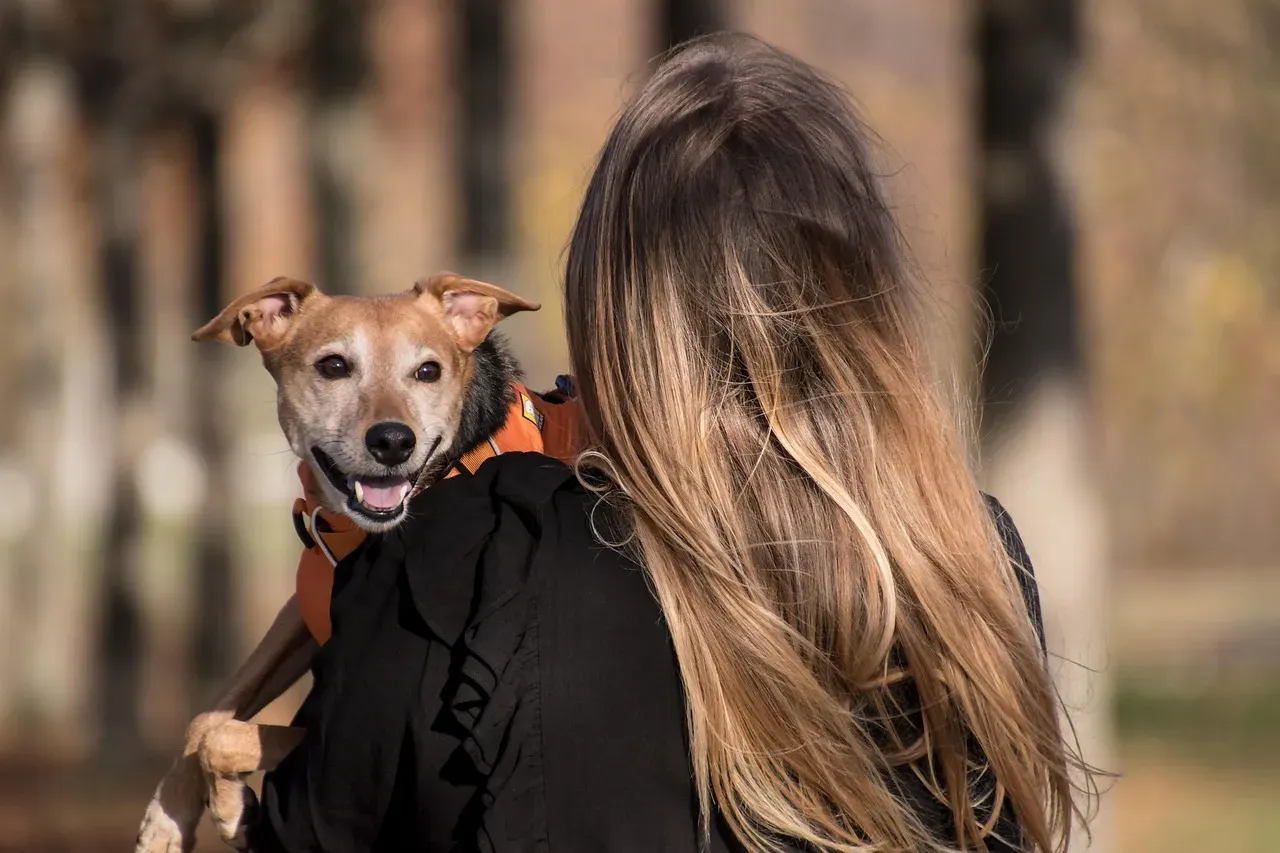
An attachment bond is a close emotional relationship between two individuals. The dog-owner relationship shows some similarities to the human caregiver-infant relationship. Dogs show similar behaviors of attachment, such as approaching, following, clinging, or vocalizing towards their owners. When all of those behaviors flow toward one person exclusively, they start to read less like trained responses and more like something that genuinely resembles devotion. That distinction matters.
One study found that new dog owners reported better general health than did non-owners, and this effect was stronger for those who were more attached to their dog. The relationship is reciprocal in ways that extend well beyond companionship. A dog in a single-person home isn’t just bonded more intensely because it has nowhere else to direct its loyalty. It’s also, in a very real sense, functioning as an anchor for the human at the center of its world. That’s not a small thing. Two creatures, quietly holding each other in place.
Conclusion: Loyalty That Has Nowhere Else to Go Is Still Loyalty
There’s a temptation to romanticize this, and maybe some of that is earned. The depth of what forms between a dog and its sole human companion is backed by real neuroscience, real behavioral research, and decades of careful observation. It’s not a myth invented by people who love dogs too much.
What psychology suggests is something more precise: when attachment has a single target, it concentrates. It doesn’t diminish for lack of outlets. Attachment and affectional bonds are close relationships that bind individuals together in time and space. They are emotionally relevant and characterized by providing care and protection and using the other as a source of security and comfort. During recent years, several studies have revealed that human-dog relationships are based on a well-established and complex bond. For dogs in single-person households, that complexity gets focused into its purest form.
The dog waiting at the door isn’t performing. It’s not being dramatic. It’s being exactly what it’s wired to be when everything it trusts lives in one place and answers to one name. That kind of loyalty doesn’t need an audience. It just needs to come home.


