
Psychology Says Dogs Secretly Grieve When Their Owner Stops Laughing as Often as They Used To
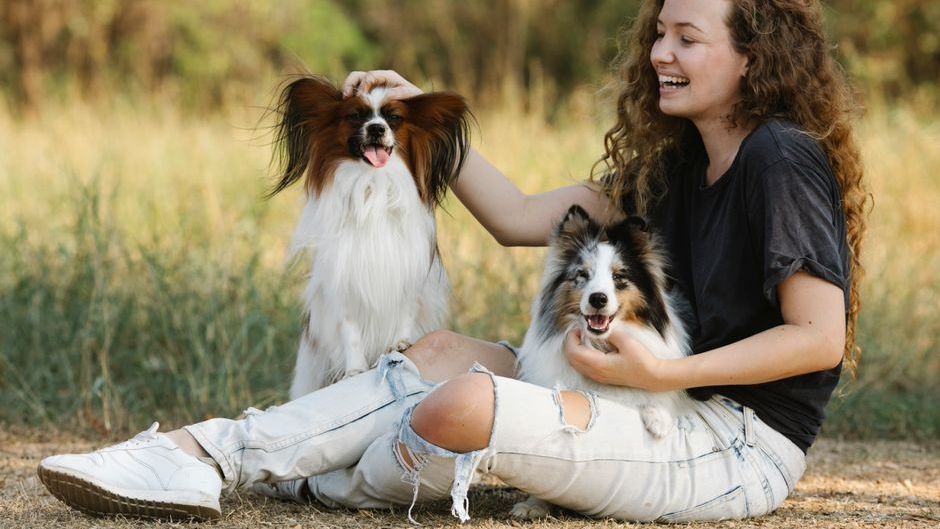
#1. Dogs Recognize the Sound of Your Laughter More Than You Realize

Most of us assume our dogs respond to commands, routines, and meal schedules. What surprises people is just how finely tuned a dog’s ear is to the emotional content of human sound. Research has found that dogs can distinguish the positive sound of laughing from the negative sound of crying, and that negative sounds upset and arouse dogs more than positive ones.
This means laughter isn’t just pleasant background noise to your dog. It is a signal. A cue that the environment is safe, warm, and worth being present in. Studies using fMRI scanning found that one area of the dogs’ brains showed more brain activity in response to a positive human sound, such as laughter, than a negative human sound, such as crying.
Overall, dogs appear to determine human emotions using only their ears, at least for happiness, fear, and sadness, using the right side of their brain for processing negative emotions and the left side for positive ones. That kind of neurological specificity tells us this isn’t a vague, general sensitivity. Dogs are wired to track our emotional states with real precision. When laughter disappears from the daily soundtrack of a home, the dog’s brain notices the absence of something it was trained by proximity and love to expect.
#2. The Science of Emotional Contagion Between Dogs and Their Owners
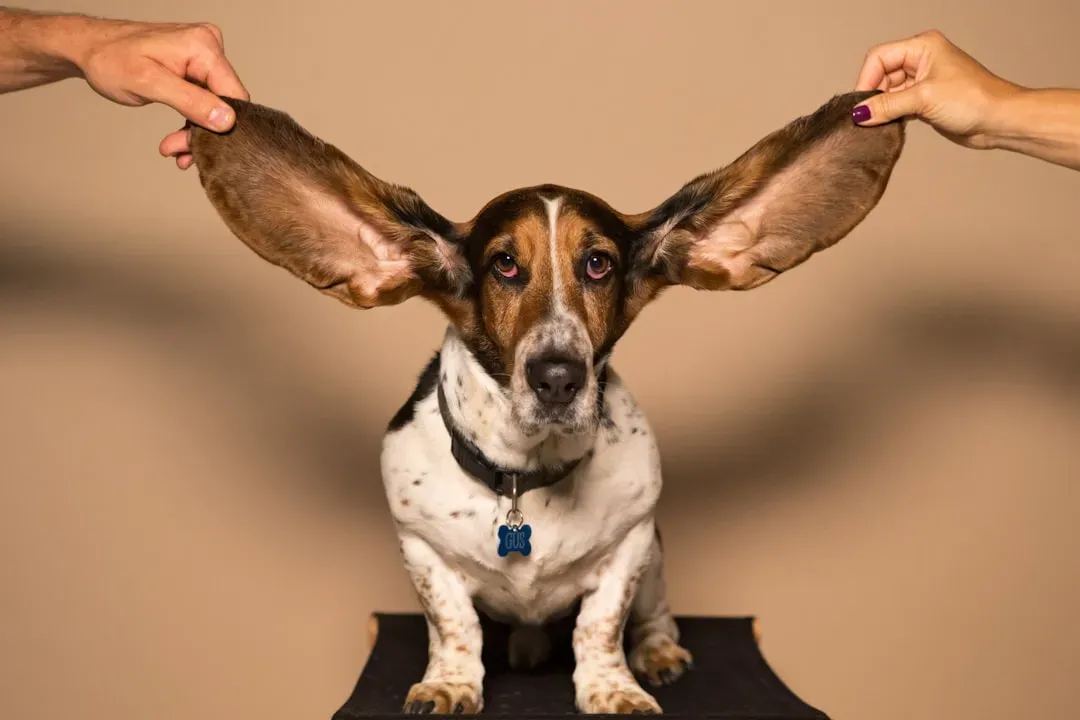
Emotional contagion is the process by which one individual’s emotional state transfers to another. We typically think of it happening between people. Science now confirms it crosses species lines with remarkable consistency. This interspecies emotional contagion has a psychological, physiological, and behavioral basis, with multiple studies showing that the transmission of emotions depends on the release of certain hormones such as oxytocin, body odor changes in humans, and the firing of key neurons in both dogs and their people.
Dogs are a particularly interesting animal model for studying this kind of interspecies emotional contagion due to their close bond with humans. During positive interactions, researchers have documented physiological and hormonal synchronization between dogs and their owners. In practical terms, this means when you’re genuinely happy and laughing, your dog’s body responds in kind, their stress hormones drop, their heart rate relaxes, and their mood lifts alongside yours.
The reverse is equally true and perhaps harder to hear. Dogs have been shown to experience increases in stress both behaviorally and physiologically when their owner experiences a rise in stress, or when hearing a human cry. So when a home shifts from frequent laughter to prolonged quiet or heaviness, the dog is not merely observing the change from a safe emotional distance. They are living inside it.
#3. How Dogs Detect Mood Shifts Through Smell, Sound, and Sight
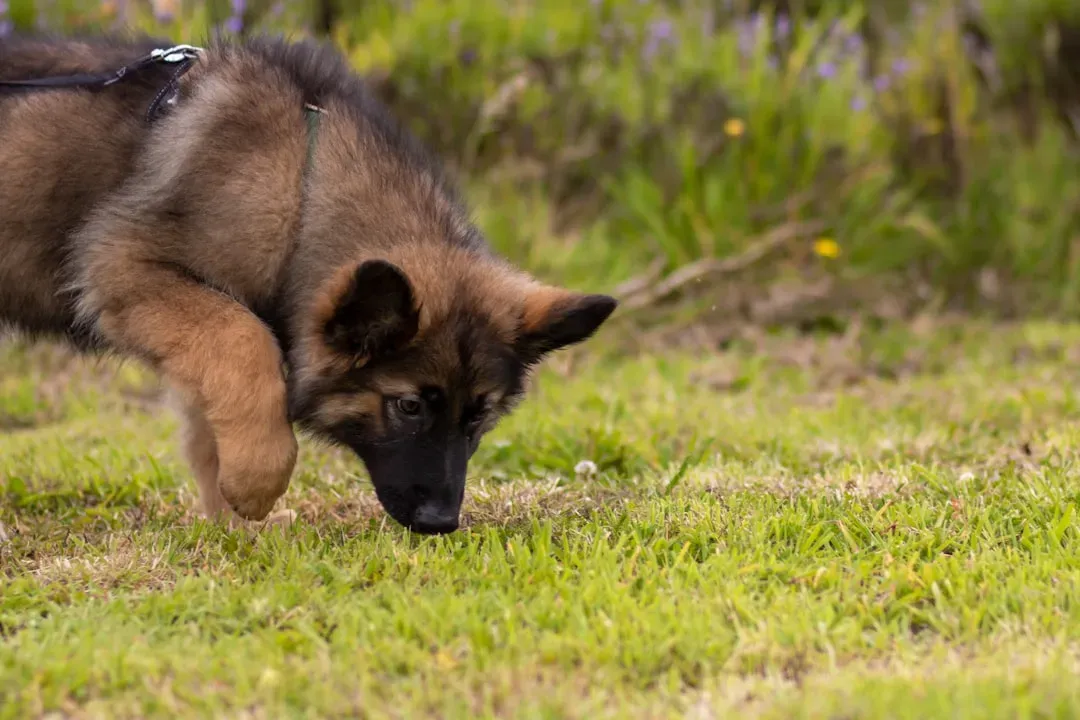
Dogs don’t rely on just one channel to read you. They’re gathering information constantly through a combination of senses that, together, build a surprisingly complete emotional picture of the people they live with. Numerous studies have found that dogs use three main senses, sight, smell, and hearing, to determine human emotions.
Dogs can recognize six basic emotions including anger, fear, happiness, sadness, surprise, and disgust. Beyond facial cues, they can also smell the chemical changes that occur when we feel different emotions such as happiness or anger, and this directly impacts their response. The fact that emotional chemistry is literally detectable through scent means your dog may register you’ve stopped feeling light and joyful before you’ve consciously registered it yourself.
Studies found that when dogs are exposed to the scent of fear, they exhibit more stressful behaviors and higher heart rates than when they were exposed to happy scents. It follows logically that the sustained absence of happy scent cues, the kind that come naturally with relaxed, laughing moments, would register as a kind of emotional deficit. Dogs can also sense household dynamics, adjusting their behavior to fit family moods, and may offer comfort to children or act more protectively during family disputes. They are not passive observers. They are active participants in the emotional life of a home.
#4. The Grief-Like Behavioral Changes That Follow

When owners change emotionally over time, dogs don’t stay the same. They adapt, often in ways that signal something is genuinely wrong from within their own emotional world. Research has reported behavioral changes in dogs that include increased attention-seeking behavior and decreased eating, playing, and general activity. These aren’t random. They are coherent responses to a perceived shift in the social and emotional environment.
The link between owner grief or prolonged sadness and dog behavioral change is now well documented. Researchers found that having a grieving owner made negative behavioral changes and fearfulness more likely in surviving dogs, suggesting that negative behavioral and emotional changes in dogs could be due to both a grief-like reaction and a reaction to the grief of their owners.
Some research owners report that their dogs are responsive to their mood, particularly to their anxiety and depression, with dogs acting as their mirrors or shadows. That image, of a dog as a mirror, carries real weight here. If what a dog reflects back is your joy when you’re laughing and your heaviness when you’re not, then a prolonged drop in laughter is not a small thing. Dogs searching for what’s missing, growing clingier, and showing altered sleep patterns all align with the growing body of evidence that dogs are capable of mourning changes in their close human companions.
#5. What Your Dog’s Memory Says About Your Happiest Moments Together

There’s one more layer to this that deserves real attention. Not only do dogs respond to your emotional state in the moment, but the emotional context of their experiences shapes which memories stick most deeply. Emotions enhance memory. There is considerable evidence that events which induce positive or negative emotions are more easily remembered than those which are emotionally neutral, which means that your dog’s strongest memories of you might be the ones when you’re laughing.
Think about what that means in practical terms. The joyful afternoons, the belly laughs during a game in the yard, the moments of genuine lightness shared between the two of you, those may be the experiences your dog holds onto most vividly. Research also shows that the extent to which dogs catch their owner’s emotions deepens over the duration of their relationship. A dog who has lived with you for years has accumulated years of emotional memory built largely around your patterns of feeling.
Human crying can transmit emotional valence to dogs, and dogs can recognize and react to human emotional changes with an increased stress response. The inverse holds too. Years of your laughter have built in your dog a kind of emotional expectation. When that laughter becomes rare, something in their deeply bonded world goes quiet in a way they cannot name but absolutely feel. Studies indicate that dogs do indeed miss their humans during absences, suggesting that they form strong emotional attachments akin to human relationships. The same depth of attachment that makes them miss your physical presence makes them sensitive to the emotional version of your absence too.
Conclusion: Your Joy Is Part of Their World
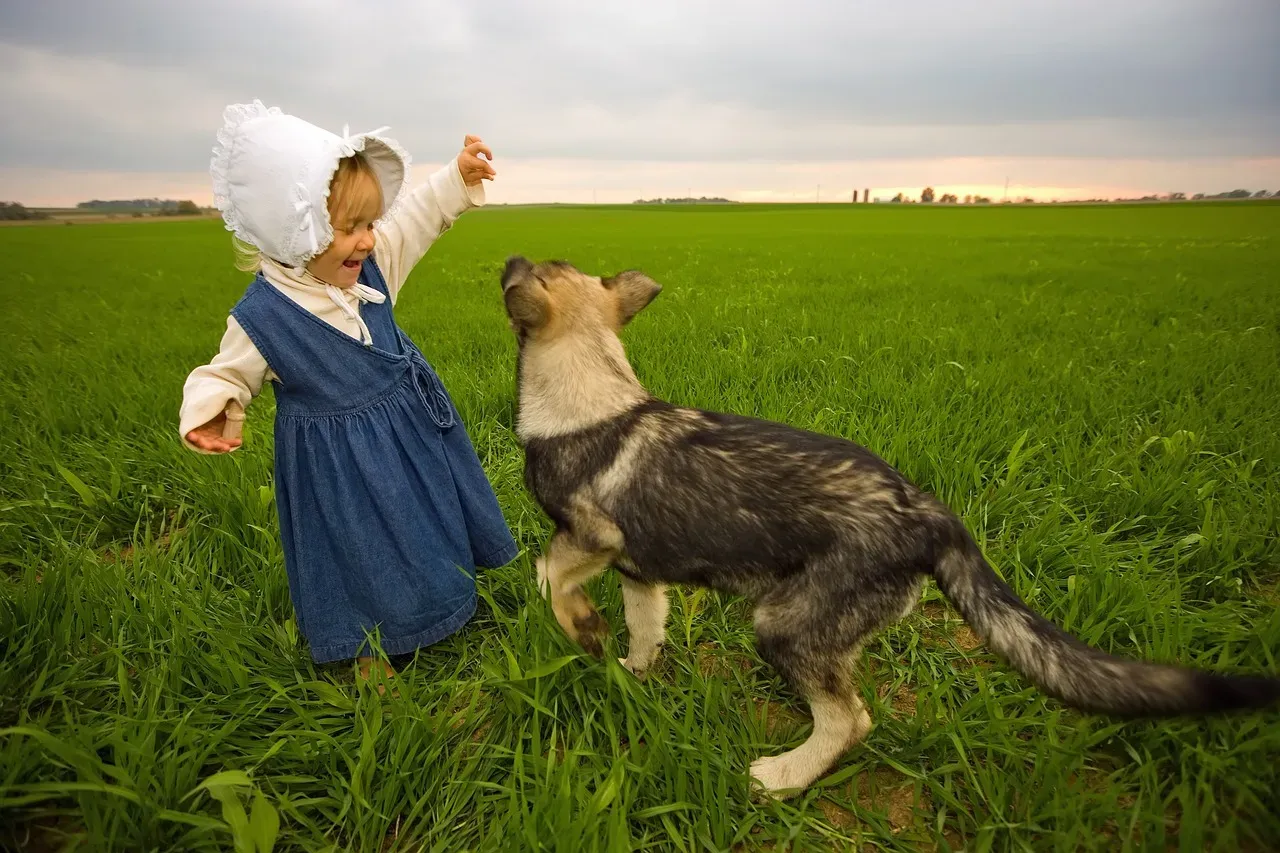
The research doesn’t require us to anthropomorphize dogs or project human complexity onto them. What it does require is honesty about what the evidence shows. Dogs are emotionally literate in ways that directly implicate us as their owners. Studies show that dogs can read facial expressions, tone of voice, and even body language, and over thousands of years of domestication, dogs have evolved to become highly attuned to human behavior. That attunement is not superficial. It runs deep.
There’s something quietly important in realizing that your laughter is not just good for you. It is part of the emotional environment your dog depends on. Although there is no concrete way of knowing exactly how a dog processes grief, there is no denying they express sadness through behavioral changes. Those changes are their only language for telling us something has shifted.
In my view, this research carries a message that goes beyond canine psychology. It’s a reminder that the people and animals who share our lives are not just witnesses to our emotional state. They inhabit it with us. Your dog isn’t waiting for you to explain why things feel heavier lately. They already know. What they’re waiting for, with that patient, unshakeable loyalty dogs are known for, is for the laughter to come back. And honestly, for both your sakes, that seems like reason enough to look for it.