
Psychology Says Dogs Who Stare at You While Sleeping Are Guarding Against a Threat Only They Can Sense
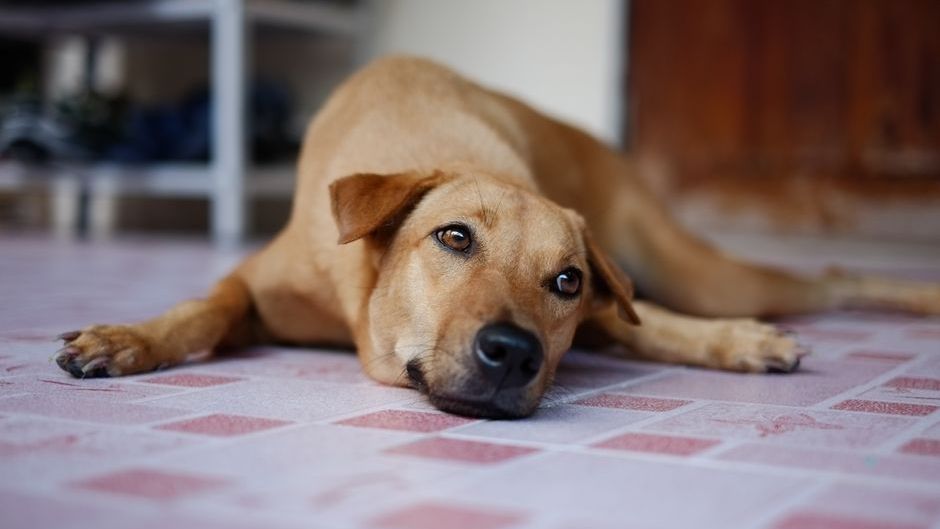
#1. The Ancient Pack Guard That Never Left
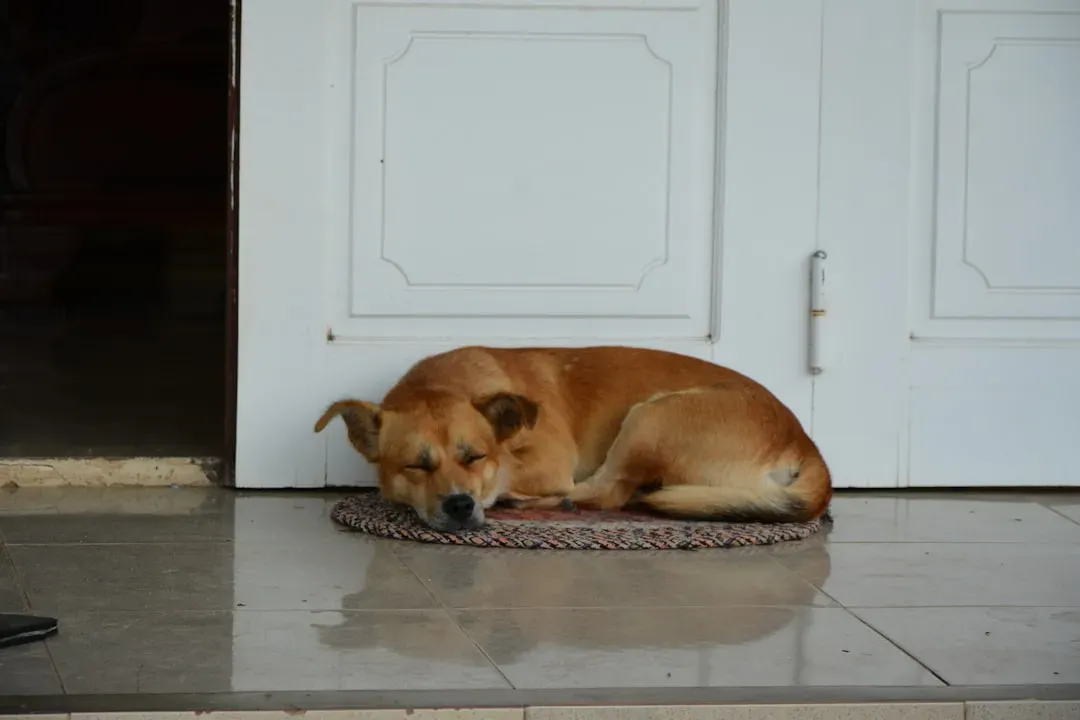
Dogs evolved as pack animals, where vigilance was essential for survival. In a wild or ancestral context, one member of the group would often remain alert while others rested. This isn’t ancient history in any abstract sense. It’s a behavioral blueprint still running in your dog’s nervous system every single night.
In the wild, pack members take turns sleeping, and one member is always awake. In your home, you are the pack leader. While you are sleeping, your dog is on “duty,” watching the door, the window, and you, to make sure there is no danger. The fact that your home is safe and suburban doesn’t override that instinct. Your dog isn’t reasoning through it. It simply responds to it.
Dogs have a long genetic lineage of living and thriving in packs, and as their owner, you are generally viewed as the pack leader. Dogs in packs will instinctively look out for and protect each other, and one of these methods of protection is standing guard while the rest of the pack is asleep. When your dog stares at you while you sleep, it’s performing a role it considers genuinely necessary. That’s not nothing.
#2. Their Senses Are Picking Up Things You Simply Cannot
The closest science has come to explaining a dog’s ability to sense danger is defining just how acute their senses of hearing and smell are. Dogs can hear frequencies up to 60 Hz, while human hearing maxes out at 20 Hz. These abilities enable them to sense things like change in barometric pressure as a tornado is forming. There’s a whole acoustic and chemical landscape out there that you’re completely blind to. Your dog isn’t.
Compared to the roughly 5 million scent receptors in human noses, dogs have about 220 million. They also have a special organ called the Jacobson’s organ, which humans lack, that detects pheromones, the chemical signals used for communication. That sensory gap is staggering, and it explains why your dog can pick up on something unusual in the environment long before you’d ever notice a thing.
Dogs are pack animals and have a natural instinct to protect their family members. When their owners are asleep, dogs may become more alert and vigilant to potential threats, such as intruders or other animals, in order to keep their owners safe. The staring, in this context, isn’t idle. It’s active monitoring, using a sensory toolkit you don’t share.
#3. They Can Literally Smell Your Stress and Danger
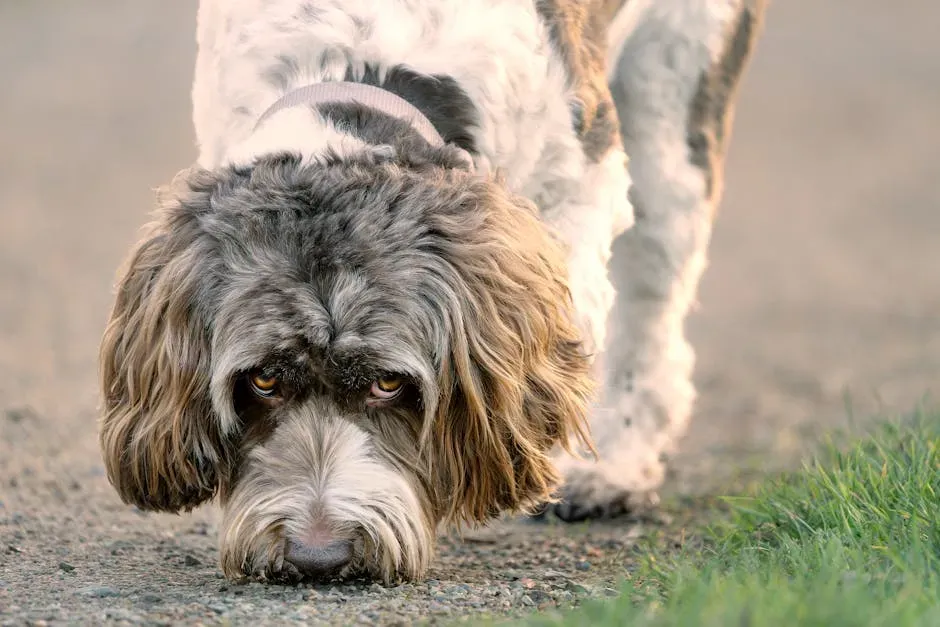
Dogs have evolved to read verbal and visual cues from their owners, and research has shown that with their acute sense of smell, they can even detect the odor of stress in human sweat. Researchers have found that not only can dogs smell stress, represented by higher levels of the hormone cortisol, they also react to it emotionally. This isn’t a metaphor. It’s measurable biochemistry.
When your brain’s fear center senses a threat, it prompts your adrenal glands to release stress hormones including adrenaline and cortisol. These changes in the human body alter the mix of chemicals in your breath and sweat, and dogs are able to pick up on this. So even during sleep, if your body is processing something stressful, whether a bad dream, an illness, or low-grade anxiety, your dog can detect it chemically before you’ve consciously registered anything yourself.
When you are sick or stressed, this guarding behavior actually increases. Your dog can read your energy and increase alertness accordingly. That intensified stare when you’re unwell isn’t coincidence. It’s your dog responding to real, detectable biological signals with everything it has.
#4. The Gaze Itself Is an Act of Love Backed by Science
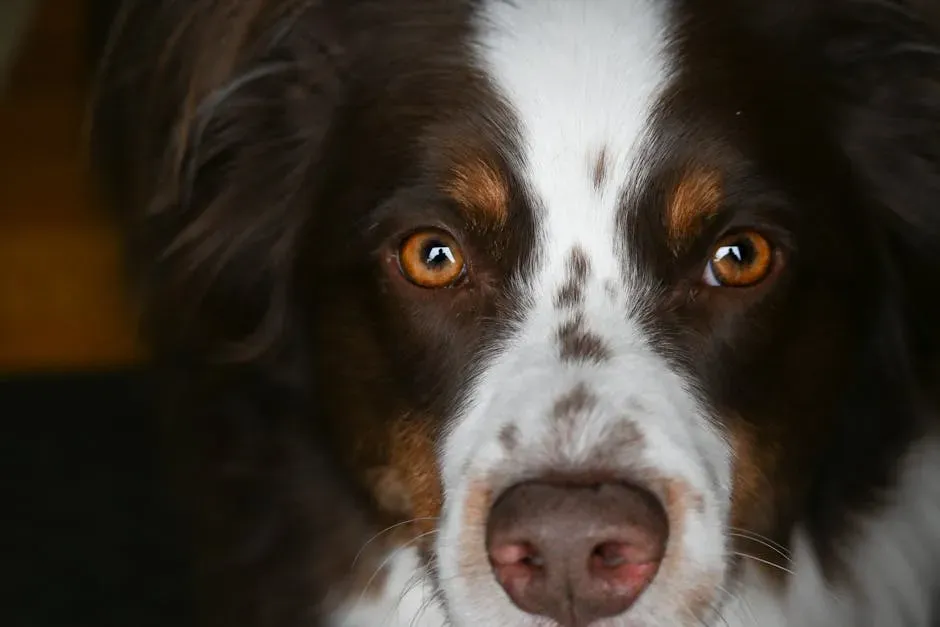
Human-like modes of communication, including mutual gaze, in dogs may have been acquired during domestication with humans. Gazing behavior from dogs, but not wolves, increased urinary oxytocin concentrations in owners, which consequently facilitated owners’ affiliation and increased oxytocin concentration in dogs. This is one of the most striking findings in the study of the human-animal bond. The gaze isn’t passive. It’s chemically active.
What’s truly remarkable is the bidirectional nature of the oxytocin loop between humans and dogs. When we lock eyes with our dogs, not only does oxytocin flood our systems, but it also has the same effect on our dogs. This reciprocal release of oxytocin forms the foundation of the special relationship, deepening feelings of love, empathy, and trust on both sides. Your sleeping body may be still and unaware, but even that one-sided gaze from your dog appears to be rooted in a deeply wired attachment response.
A dog that chooses to stare at you while you sleep is typically signaling that it feels safe and connected. Dogs who are anxious, fearful, or insecure tend to avoid prolonged eye contact or may hide altogether when their owner is inactive. In contrast, sustained, soft-eyed gazing indicates confidence in the environment and trust in the human. It’s worth pausing on that. The watchful dog isn’t afraid. It’s certain. That calm, focused stare is a quiet declaration of loyalty.
#5. How to Read What the Stare Is Actually Telling You
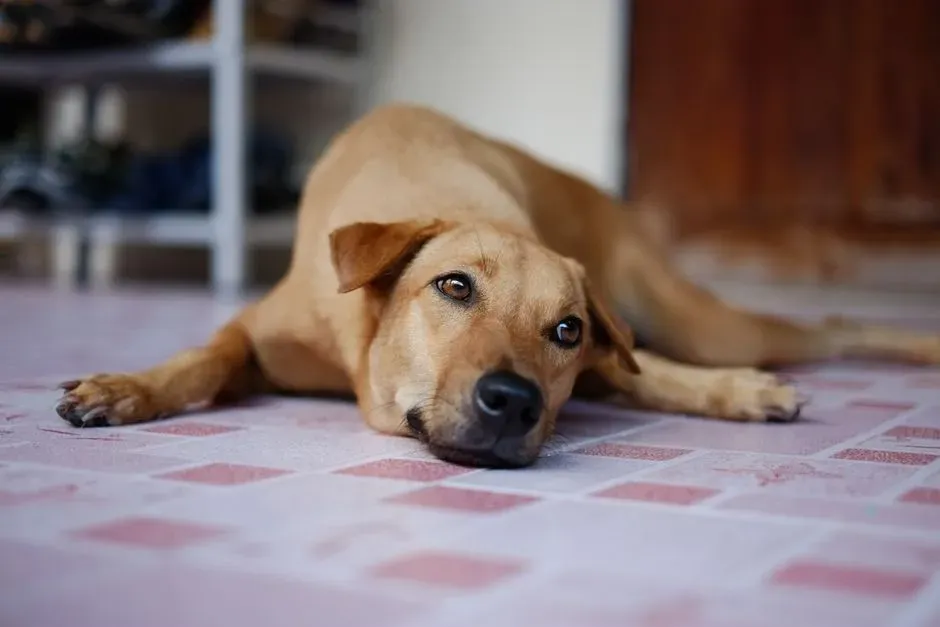
If your dog frequently stares while you sleep, observe whether the look is relaxed or tense. Soft eyes and a loose body posture usually indicate calm vigilance. Not every stare carries the same meaning, and body language is the key to telling them apart. A dog lying on its side, breathing evenly, with half-closed eyes is not alarmed. It’s simply keeping watch.
If your dog is completely still and otherwise calm, it is likely a sign of affection, protection, or routine. But if it is tense, trembling, ears are back, or showing other unusual symptoms, it could be anxiety, pain, or a neurological problem. Context matters enormously here. A sudden change in behavior, especially in an older dog, is always worth a conversation with a vet rather than a reassuring pat on the head.
Common signs that indicate a dog is aware of a potential threat include: becoming more alert, raising their ears and focusing intently on the source of perceived danger; vocalization through barking, growling, or whining to signal something is wrong; and positioning itself between you and the perceived threat, showing a desire to protect you. If your dog’s nighttime stare is accompanied by any of these signals, it’s likely responding to something real, not just a vague instinct.
Conclusion: That Stare Is One of the Most Honest Things in the Room
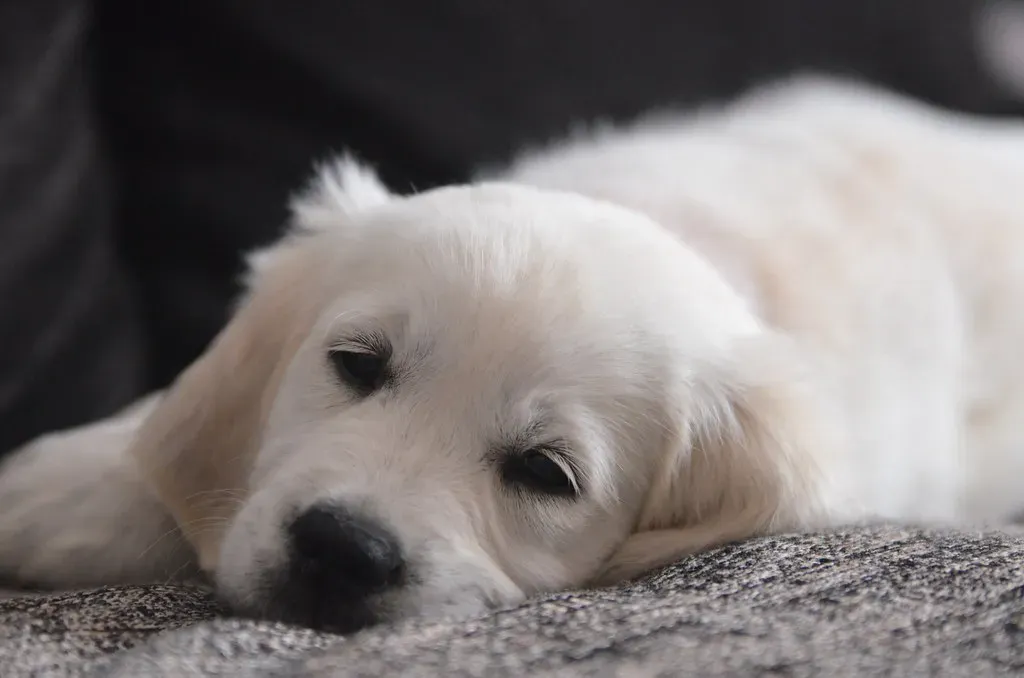
There’s something quietly profound about the fact that while you surrender to sleep and become entirely unaware of the world around you, another creature willingly steps into alertness on your behalf. Not because it was asked to. Not because it was trained to in that moment. Simply because, in the long-woven relationship between humans and dogs, protecting the vulnerable members of the group is what dogs have always done.
Psychology, evolutionary biology, and neuroscience all point toward the same conclusion: that stare in the dark is not strange. It’s a form of devotion that runs deeper than most human behavior we’d recognize as love. The next time you catch your dog watching you sleep, consider that you’re not witnessing something unsettling. You’re witnessing a loyalty that predates modern civilization by tens of thousands of years, still faithfully on duty. Some things don’t need to be improved upon. They just need to be understood.