
Psychology Says Dogs Read Human Micro-Expressions and Adjust Their Behavior Accordingly Without Any Training
Studies Reveal Dogs Distinguish Basic Emotional Faces
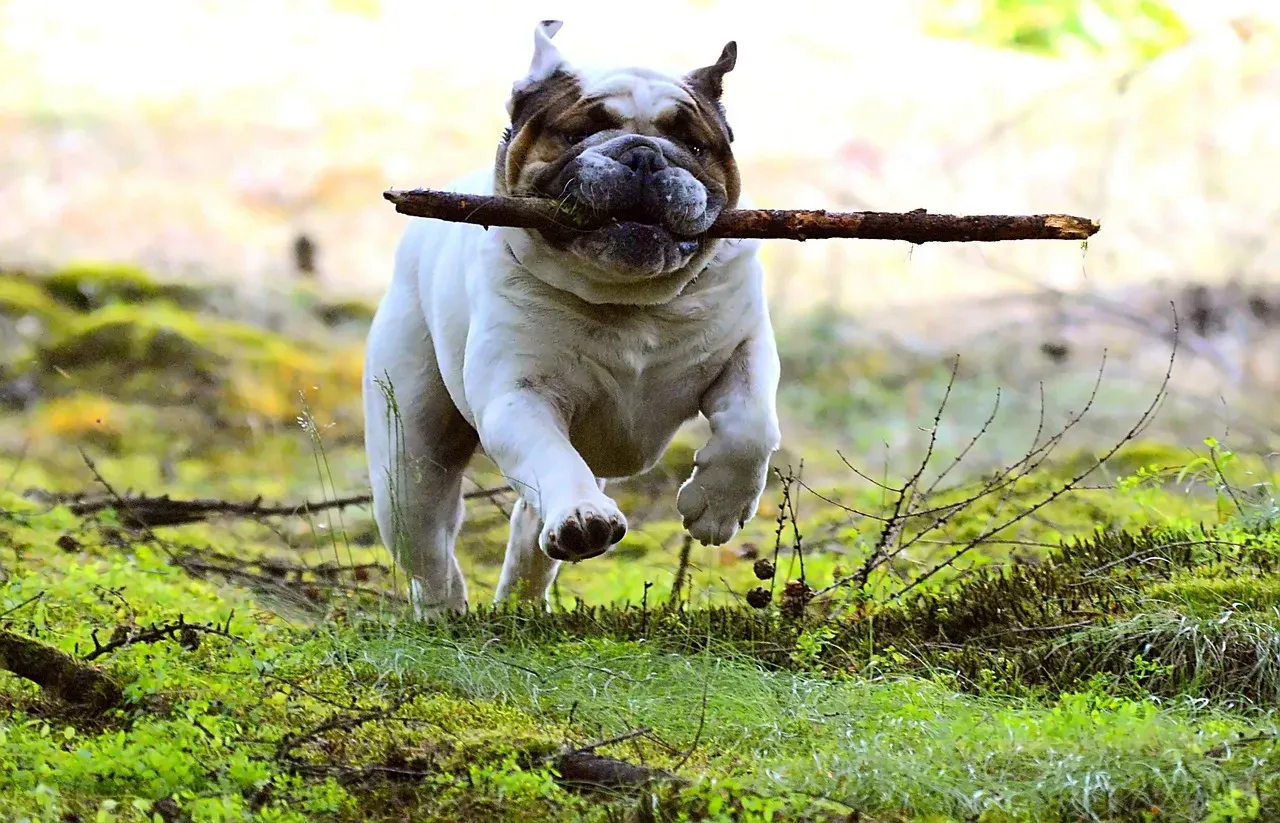
Research published in peer reviewed journals has shown that dogs can tell the difference between happy and angry human expressions when shown photographs. In one experiment dogs spent more time avoiding images of angry faces and showed signs of stress such as increased mouth licking when viewing them. These responses occurred even though the dogs had received no specific training for the task.
Another set of tests combined images with matching or mismatched sounds and found that dogs looked longer at faces whose expression aligned with the emotional tone of a voice. The pattern held for both human and dog faces suggesting an ability to integrate cues across senses. Such findings point to an innate capacity rather than learned tricks.
Subtle Facial Changes Guide Real Time Responses
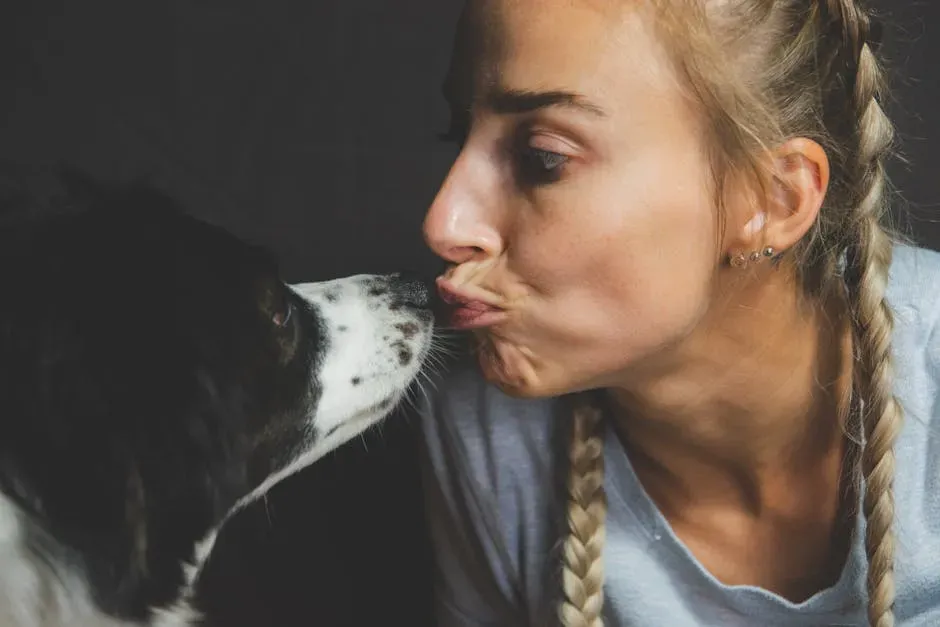
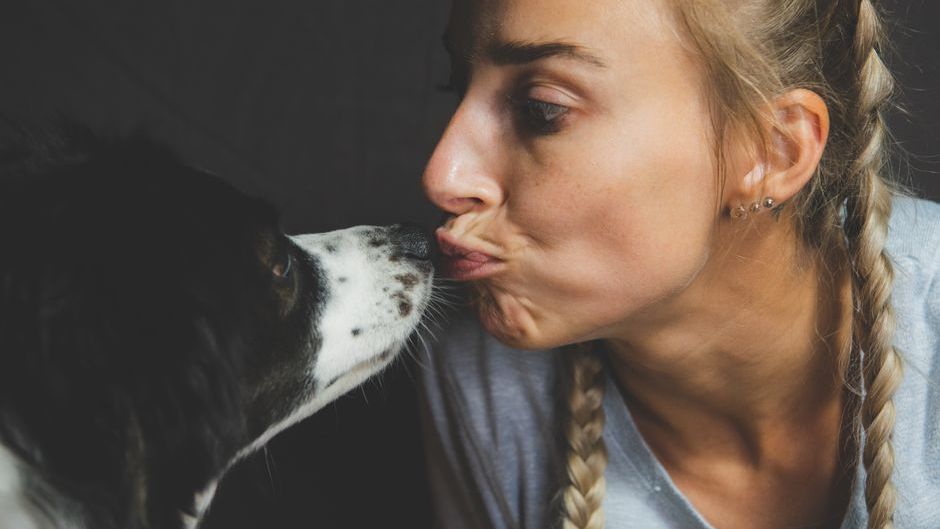
Owners frequently notice their dogs reacting to tiny shifts in expression during daily interactions. A slight lift of the eyebrows or a quick press of the lips can lead a dog to back away or lean in depending on the context. These adjustments happen smoothly without any formal cues from the person involved.
Because dogs lack tails and mobile ears like many other animals they appear to rely more heavily on visual signals from human faces. Studies tracking eye movements confirm that dogs focus first on the eye region of both human and canine faces before scanning other areas. This focused attention helps them pick up on fleeting changes that signal mood.
Domestication Likely Sharpened This Sensitivity
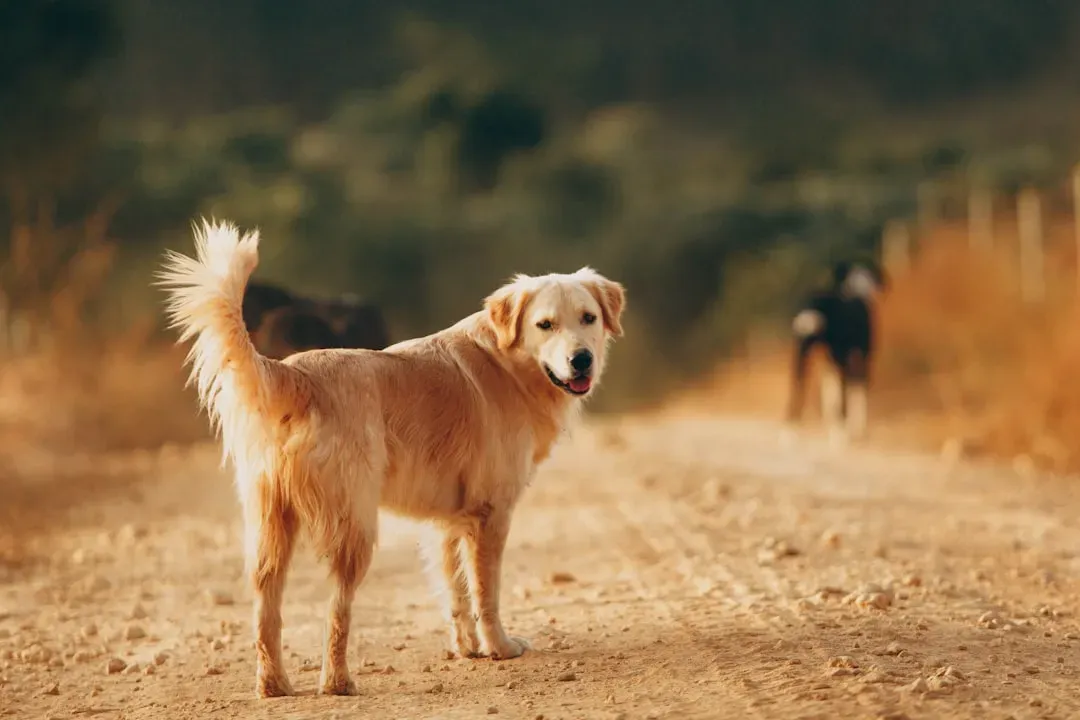
Over thousands of years living alongside people dogs evolved traits that support close social reading. Selection for cooperation with humans favored individuals who could interpret our signals quickly and accurately. The result is a species unusually attuned to our expressions compared with their wild ancestors.
Unlike wolves raised in similar conditions dogs show stronger responses to human faces even when the humans are strangers. This difference suggests the skill developed through the unique pressures of domestication rather than general canine intelligence alone. It operates as part of their natural social toolkit.
Individual Differences Shape How Clearly Dogs Read Us
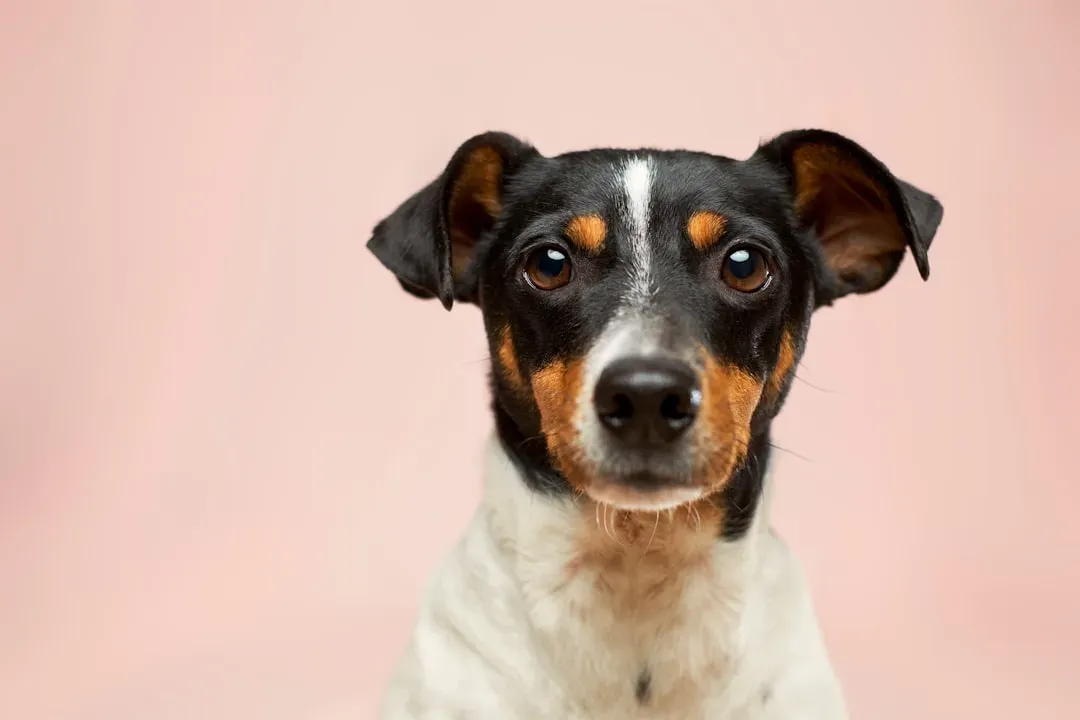
Not every dog displays the same level of sensitivity to facial cues. Breed tendencies play a role with some working lines showing quicker reactions while others rely more on scent or sound. Age and individual experience also influence performance though the core ability appears early in life.
Even within the same litter variation shows up in how readily a dog adjusts its behavior to a subtle expression. Some dogs pause and reassess while others continue their current action until stronger signals appear. These differences remind us that the skill exists on a spectrum rather than as an all or nothing trait.
Understanding This Bond Changes How We Interact

Recognizing that dogs track our micro level expressions encourages more mindful communication on our part. Small consistent signals from us can help dogs feel secure and reduce unnecessary stress during routine activities. The relationship benefits when both sides stay attuned to these quiet exchanges.
At the same time it highlights the responsibility that comes with living alongside such perceptive companions. Our faces carry more weight than we often realize so paying attention to what we project becomes part of good care. In the end this shared sensitivity deepens the quiet partnership that makes life with dogs so rewarding.