
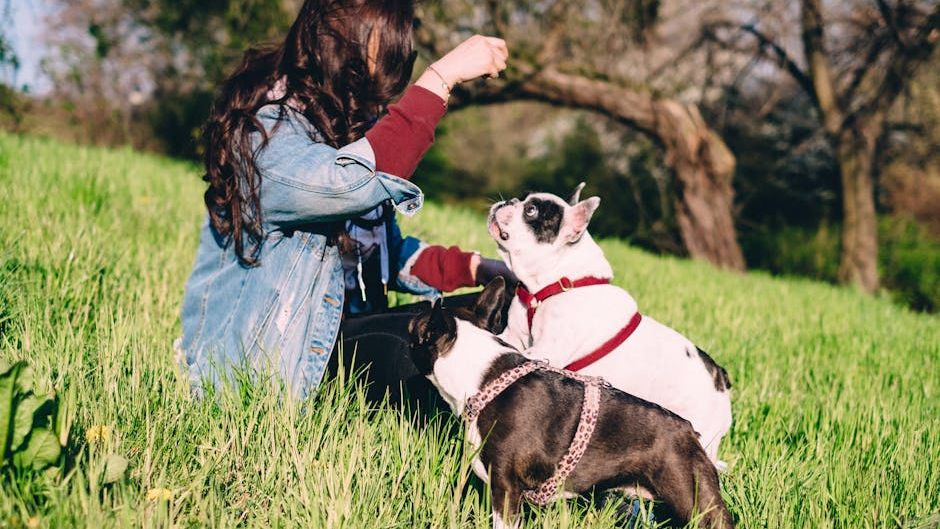
Dogs have an uncanny ability to bend human behavior without ever uttering a word. One moment you are set on finishing a task, and the next you find yourself reaching for the leash or the treat jar. Their tactics feel almost calculated, yet they stem from instincts refined over thousands of years of living alongside people.
What makes these behaviors so effective is how they tap into our emotions and routines. Owners often notice the patterns only after the fact, when another walk has been granted or an extra snack has appeared on the floor. The result is a quiet partnership where the dog usually comes out ahead.
The Power of the Puppy Dog Eyes

Dogs soften their gaze and tilt their heads just enough to trigger a surge of caregiving instincts in humans. Studies on canine facial expressions show that this look activates areas of the brain linked to empathy and bonding. Owners report feeling an immediate urge to respond, even when they had planned to hold firm on rules about treats or attention.
The effect works across breeds and ages, though younger dogs seem to master it faster through trial and reward. A single prolonged stare can turn a quick glance into a full minute of eye contact that melts resolve. Over time, dogs learn to deploy the look precisely when their person is most likely to give in.
Strategic Whining at the Right Moment
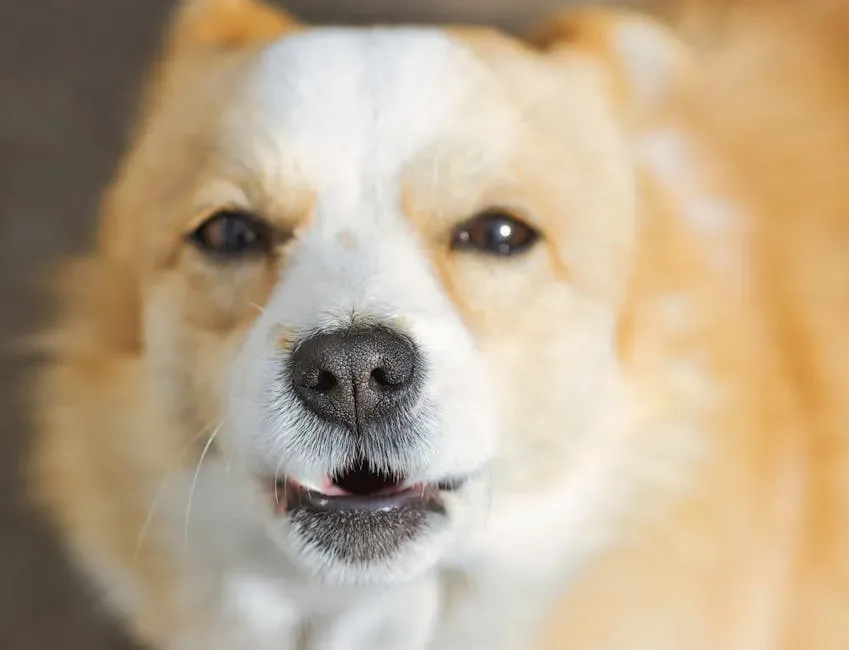
Whining carries a frequency that humans find hard to ignore, especially when it rises and falls in a pleading rhythm. Dogs time these sounds for moments of quiet or distraction, such as when an owner settles onto the couch after a long day. The noise creates a low level of discomfort that builds until action feels like the only relief.
Owners often describe the sound as more insistent than a bark, yet less aggressive, which makes it harder to dismiss outright. Dogs refine the volume and duration based on past successes, turning a simple vocalization into a reliable tool for gaining access to the yard or a toy. The behavior persists because it consistently produces results without requiring physical effort from the dog.
Bringing Toys as a Gentle Reminder
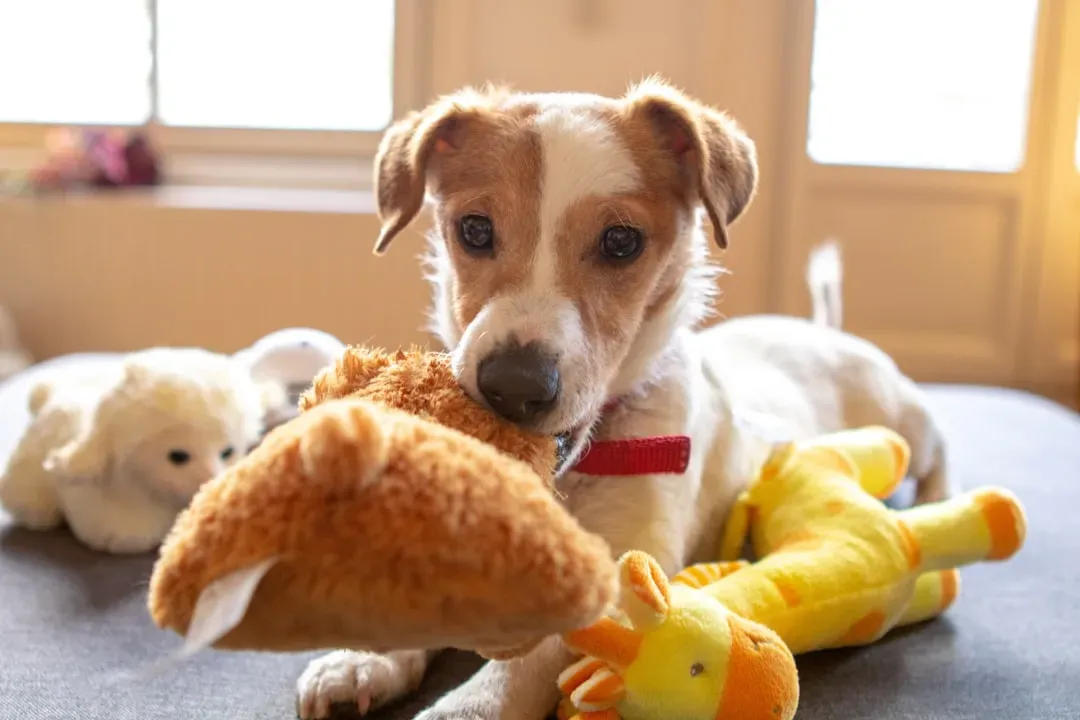
A dog that drops a favorite ball or squeaky toy at its owner’s feet is not just playing. The gesture serves as a visual cue that redirects attention away from phones or chores and toward interaction. Many owners find themselves reaching down almost automatically, completing the cycle the dog initiated.
The choice of toy often matches the desired activity, whether a tug rope for play or a leash for a walk. Dogs observe which items prompt the quickest response and repeat those selections. This simple act of offering creates a sense of shared purpose that feels cooperative rather than demanding.
Positioning by the Door or Treat Cabinet
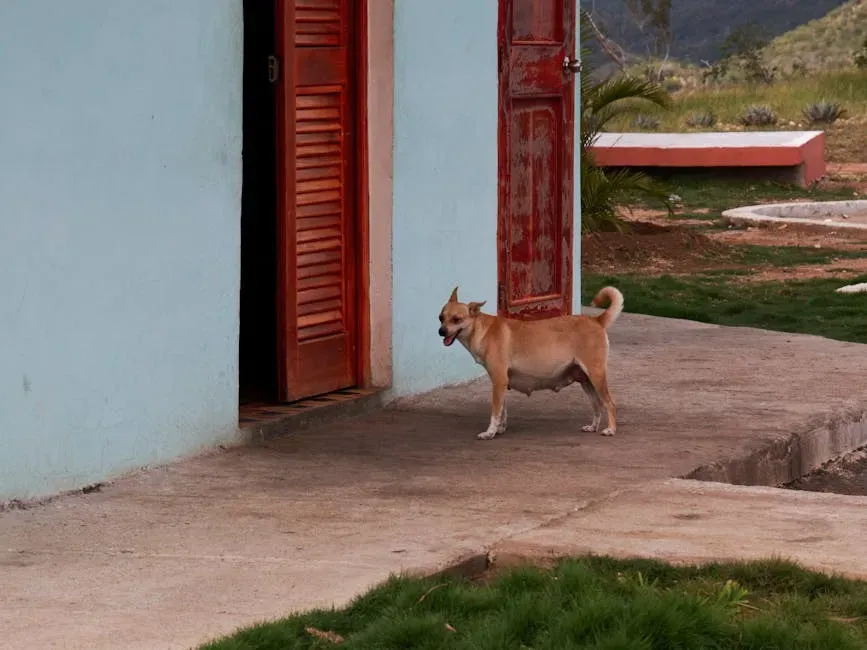
Standing or sitting in high traffic areas near doors or food storage sends a clear signal without noise. Dogs choose spots that force owners to notice them while moving through daily routines. The silent presence acts as a prompt that gradually wears down resistance over repeated exposures.
Owners frequently report adjusting their paths or schedules to accommodate the dog’s placement. The tactic gains strength through consistency, as the animal learns exactly where visibility is highest. It requires no energy beyond patience and good timing.
Selective Hearing When It Suits Them
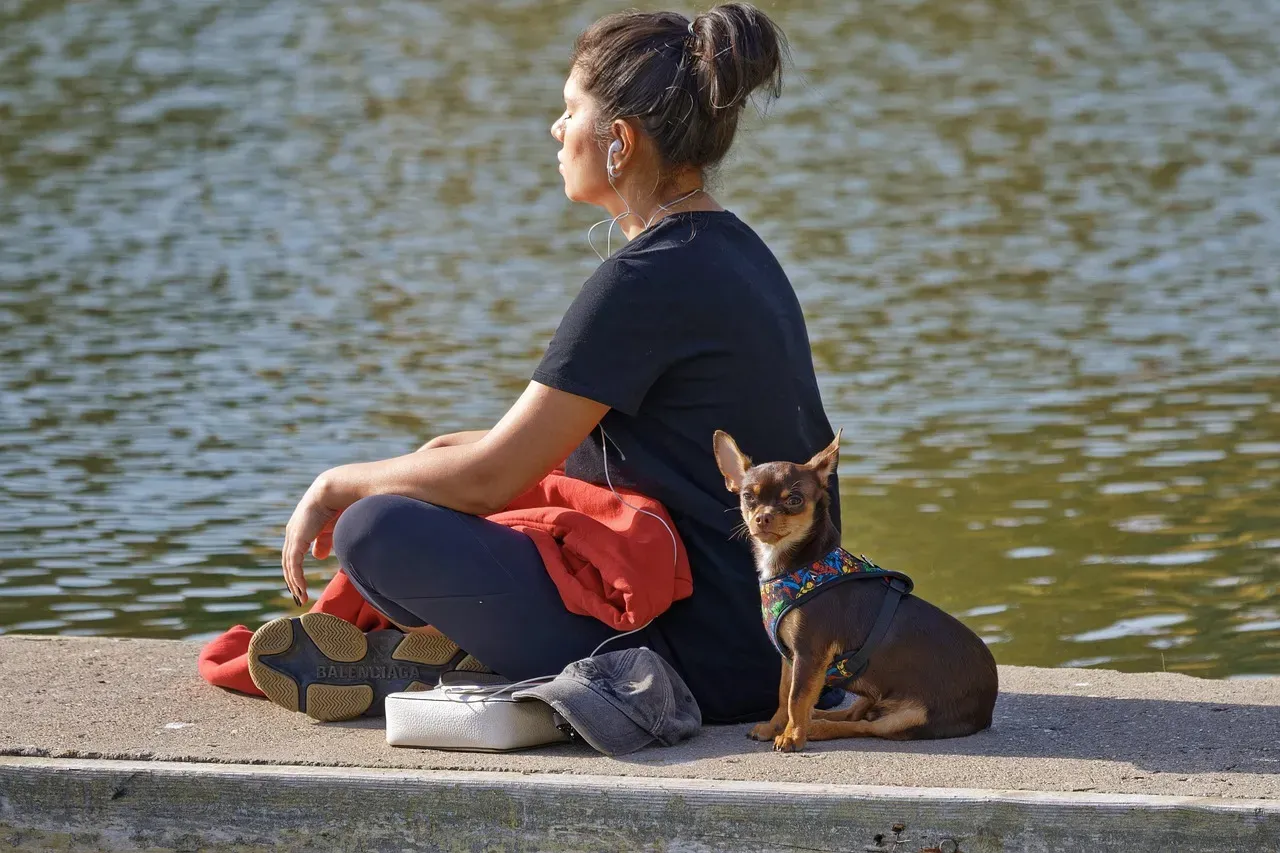
Dogs demonstrate remarkable ability to respond to certain commands while appearing deaf to others. A call to come inside during playtime may go unheeded, yet the same dog reacts instantly to the sound of a treat bag. This pattern suggests they weigh the immediate reward against the request before deciding.
Owners notice the inconsistency most during moments when compliance would end an enjoyable activity. The behavior persists because partial responses still yield enough positive outcomes to reinforce the strategy. Over months, dogs fine tune which cues they can safely overlook.
The Cuddle Ambush During Key Moments
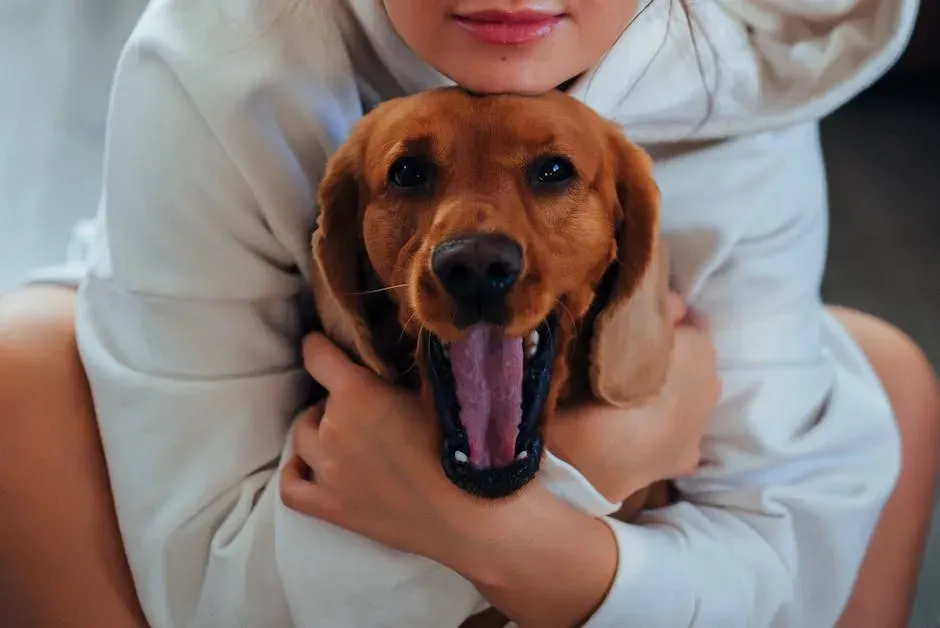
Dogs often initiate close contact right when an owner is about to leave the house or enforce a boundary. The sudden warmth and weight create a physical reminder of the bond that makes departure feel less appealing. Many people delay their plans by a few minutes to enjoy the contact.
The timing appears deliberate, as the dog watches for signs of movement toward the door or keys. Once contact begins, the dog settles in a way that requires active effort to break. This approach turns affection into a subtle barrier against separation.
Dramatic Sighing to Express Disappointment
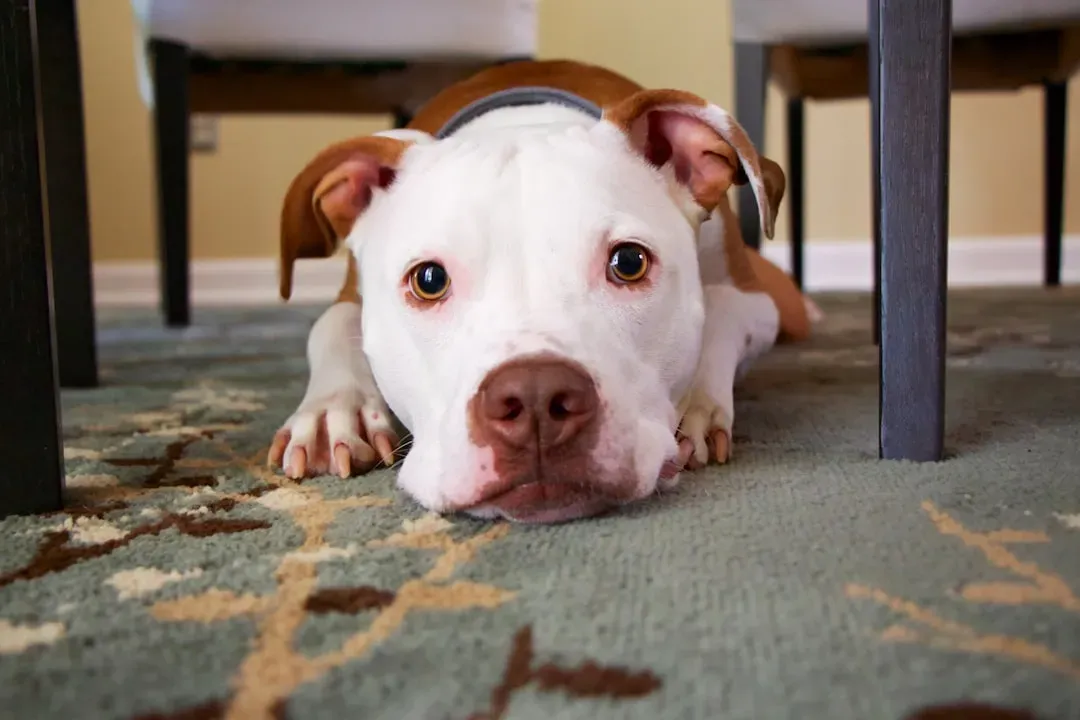
A heavy sigh from a dog can fill a room with quiet reproach that owners interpret as emotional feedback. The sound carries enough volume to register without seeming aggressive. Dogs use it after denied requests or when routines change unexpectedly.
Owners describe feeling a twinge of guilt that lingers longer than a bark would. The sigh works because it mimics human expressions of frustration, making the message easy to read. Repeated use strengthens the association between the sound and the desired change in behavior.
Following Closely to Maintain Pressure
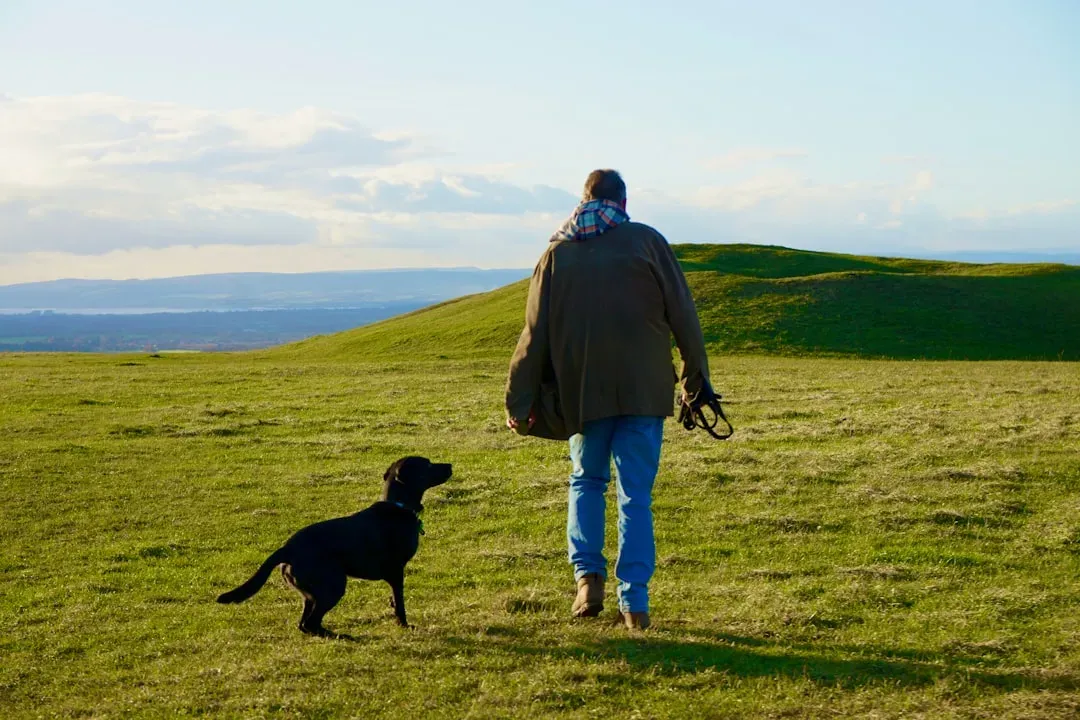
Shadowing an owner from room to room keeps the dog in constant view and serves as a persistent reminder of unmet needs. The movement requires little energy yet creates a sense of being accompanied at every turn. Owners often find themselves addressing the dog simply to break the pattern.
The tactic proves especially effective during meal preparation or work sessions when focus is already divided. Dogs adjust their distance based on how quickly the owner acknowledges them. The steady presence turns ordinary movement into a form of gentle insistence.
Timing Requests for Maximum Effect
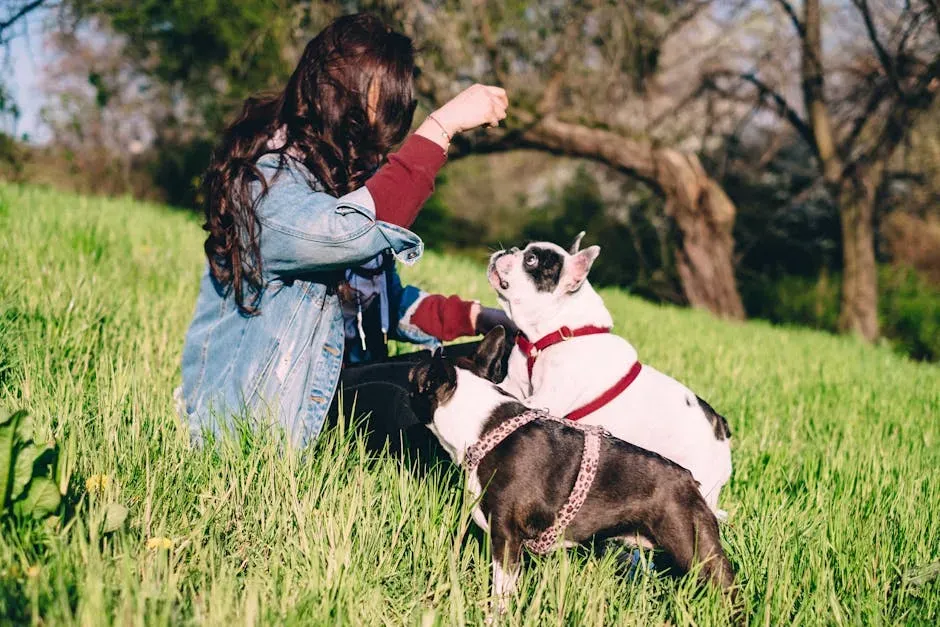
Dogs learn to approach with requests during windows when owners are relaxed or distracted by other tasks. A request for a walk lands more successfully after dinner than during a rushed morning. Observation of daily rhythms allows precise placement of these moments.
Owners report that the same request made at the wrong time receives a firmer no. Dogs refine their schedule through repeated testing until success rates improve. The strategy relies on patience rather than persistence in a single sitting.
Bringing Small Gifts or Finds
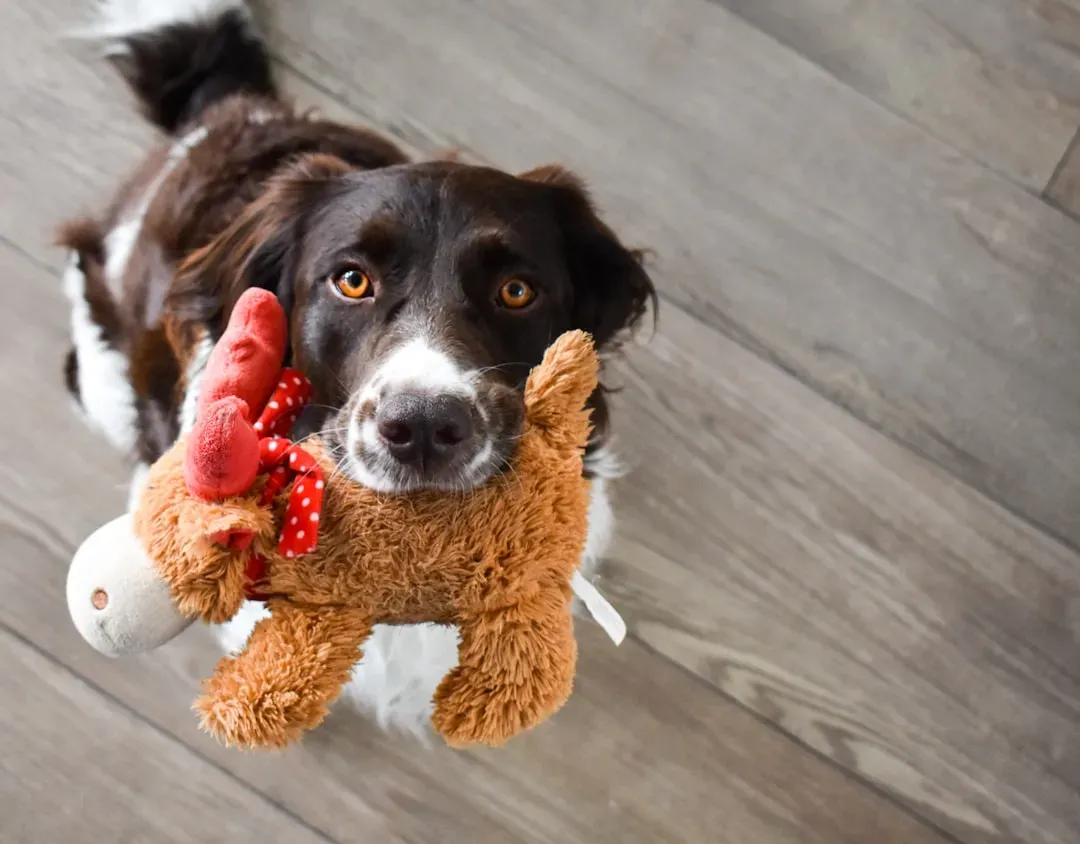
Presenting a stick, leaf, or toy from outside functions as an offering that invites engagement. The item serves as both a conversation starter and a way to extend time outdoors. Owners frequently respond by examining the gift and extending the interaction.
Dogs choose objects that have previously sparked interest or play. The act of carrying and delivering creates a sense of contribution that owners find endearing. This behavior turns a simple retrieval into a social exchange that benefits the dog’s goals.
Using Body Language to Mirror Human Mood
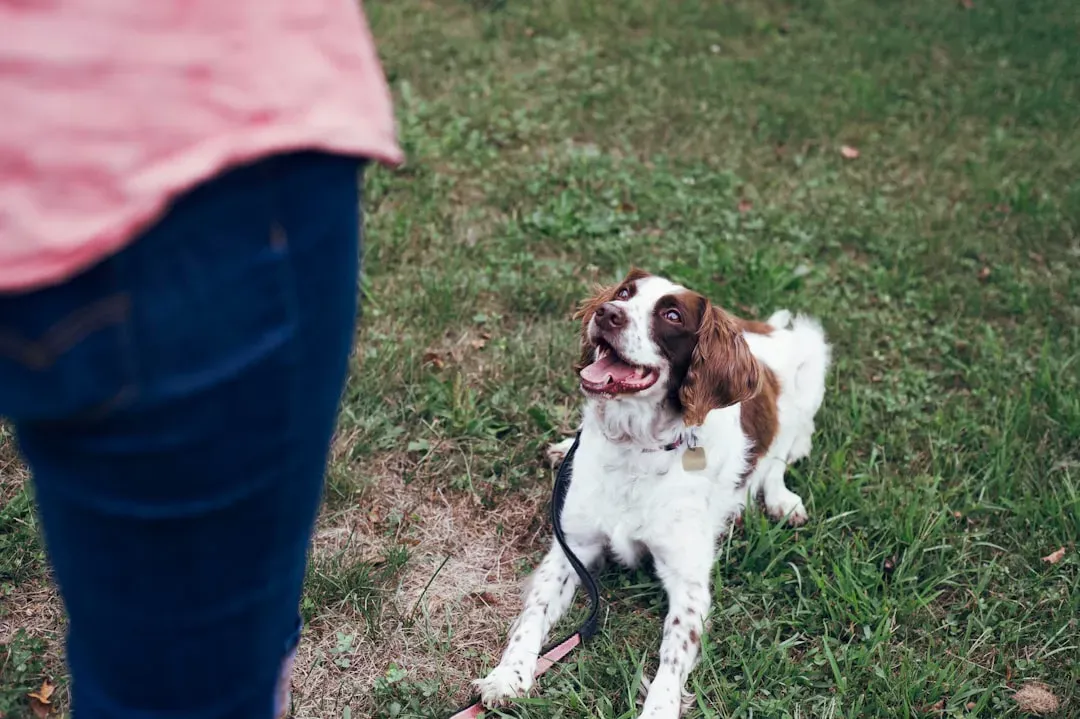
Dogs adjust their posture and energy to match or contrast an owner’s state in ways that encourage desired actions. A calm dog beside an agitated person can prompt slowing down, while an excited dog can lift a tired mood toward activity. The mirroring creates an unspoken alignment that guides behavior.
Owners notice the shift most when they feel their own tension ease or rise in response. Dogs refine these adjustments through daily exposure to household rhythms. The result is a form of emotional influence that feels mutual even when it serves the dog’s preferences.
Creating Routines That Owners Maintain
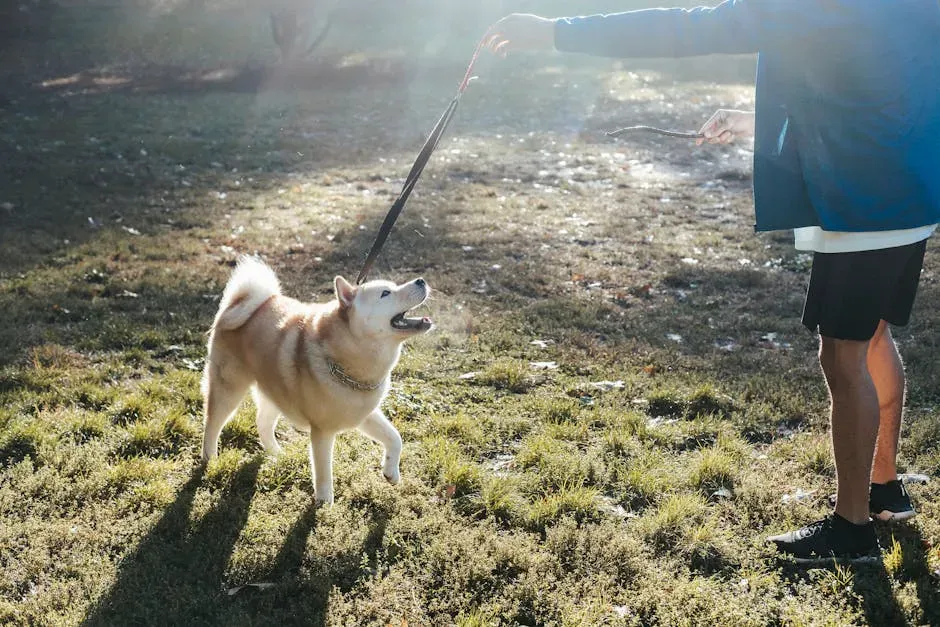
Dogs establish small habits, such as sitting at a specific spot at a certain time, that owners begin to anticipate and fulfill. The pattern becomes part of the household flow, making deviation feel like a disruption. Owners often continue the routine even when they notice the dog’s role in starting it.
The consistency of these created rituals strengthens over weeks and months. Dogs reinforce the cycle by showing clear satisfaction when the expected action occurs. What begins as a simple preference evolves into a shared schedule that the dog helps shape.
In the end, these behaviors reveal how deeply dogs have adapted to human households, turning everyday interactions into opportunities for small advantages. The cleverness lies not in deception but in an intuitive grasp of what moves people to act. Most owners accept the dynamic because the companionship outweighs the occasional loss of control. Living with a dog means participating in a quiet negotiation where both sides usually feel they have won.


