
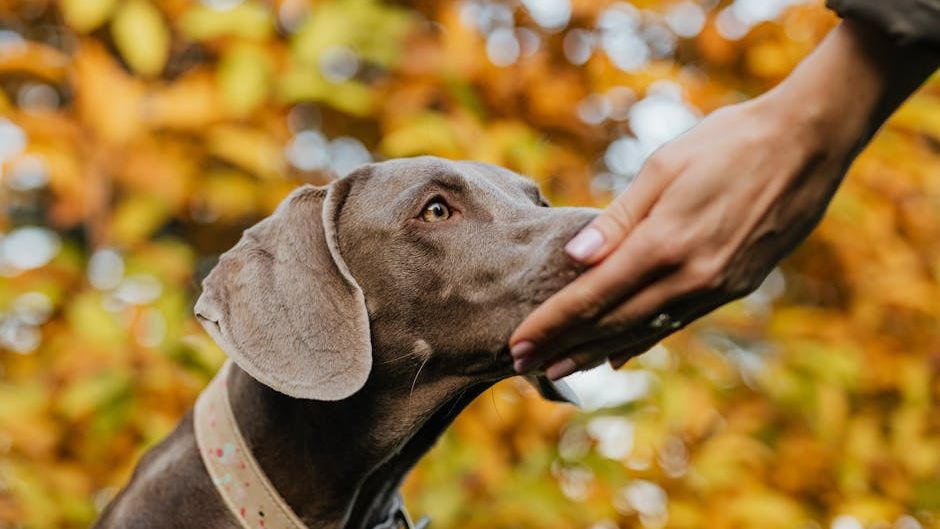
Most people assume their dogs believe every exaggerated promise or playful feint. Yet time and again, those same dogs pause, tilt their heads, or simply walk away when the story does not quite add up.
The gap between what owners think they hide and what dogs actually notice turns out to be wider than many expect. Recent experiments reveal that dogs do more than react to tone or treats. They track whether a person’s words match what that person has seen or done before.
How Dogs Read Human Knowledge States
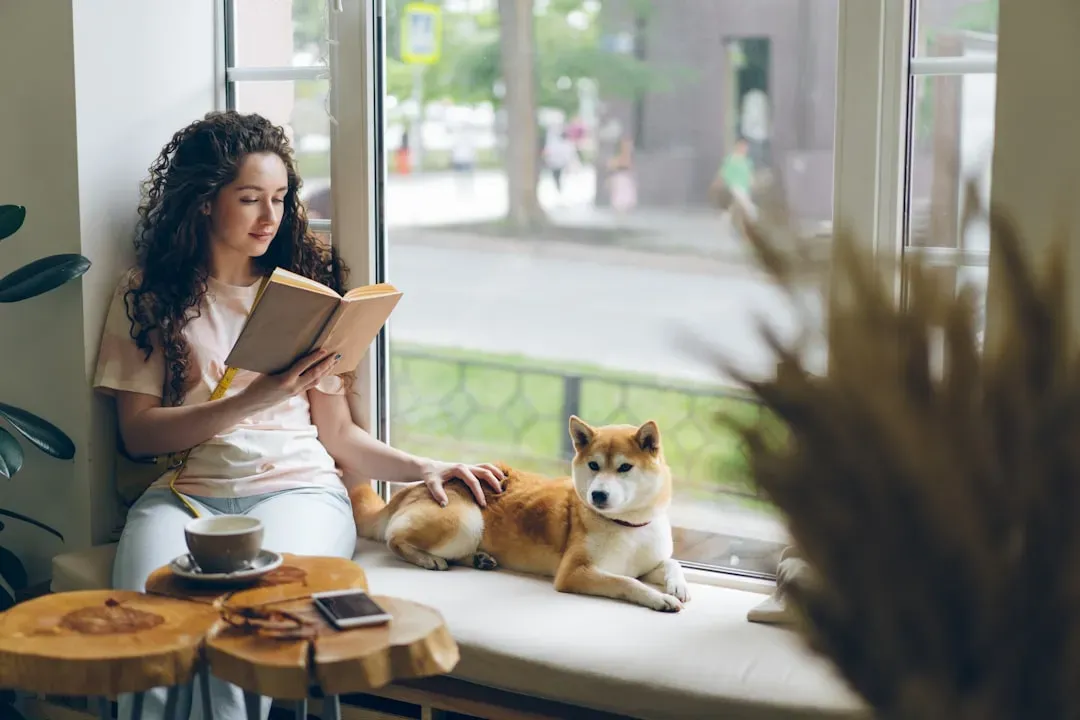
Dogs watch where a person looks and whether that person was present when something changed. In controlled tests, they follow directions from someone who clearly saw the truth. They ignore the same person when the information could only have come from a lie.
This ability goes beyond simple pattern matching. It suggests dogs form a basic picture of what another individual knows. When that picture conflicts with the spoken message, the dog treats the message as unreliable.
Body Language That Gives the Game Away
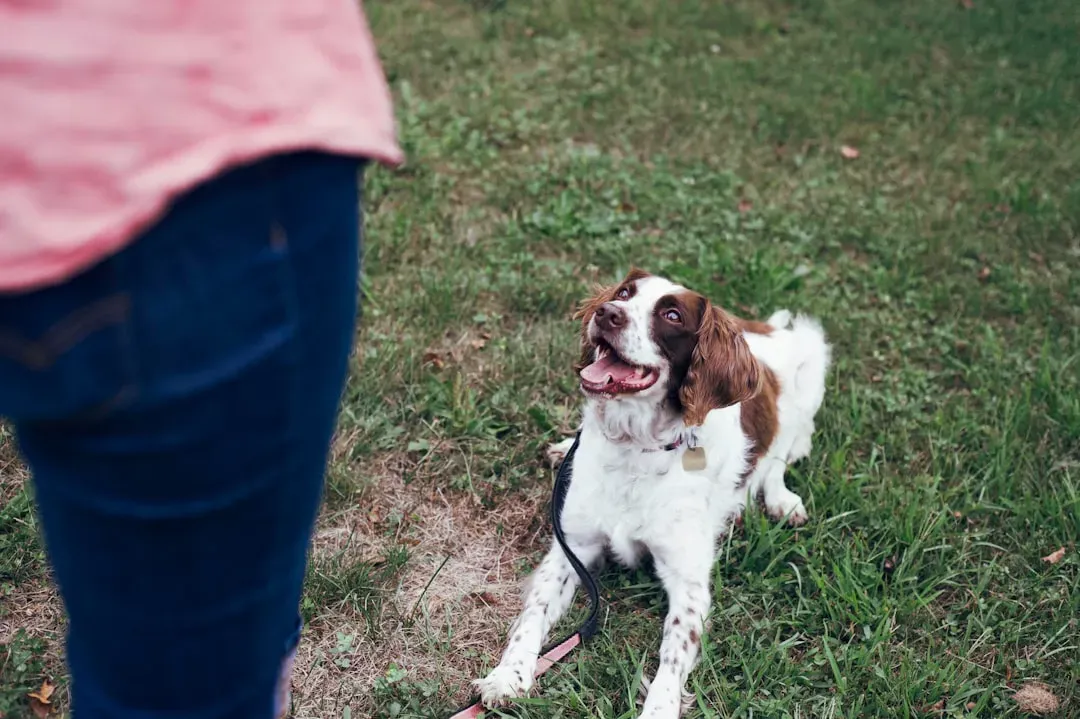
Owners often leak tension through small shifts in posture or breathing. A dog notices the slight stiffening of shoulders or the quick glance toward a hidden treat. These micro-movements happen faster than most humans can control.
Voice pitch and rhythm also change under pressure. Dogs register the difference between a relaxed invitation and a forced cheerfulness. Over repeated trials, they learn which signals predict an honest outcome and which do not.
The Role of Familiar Scents
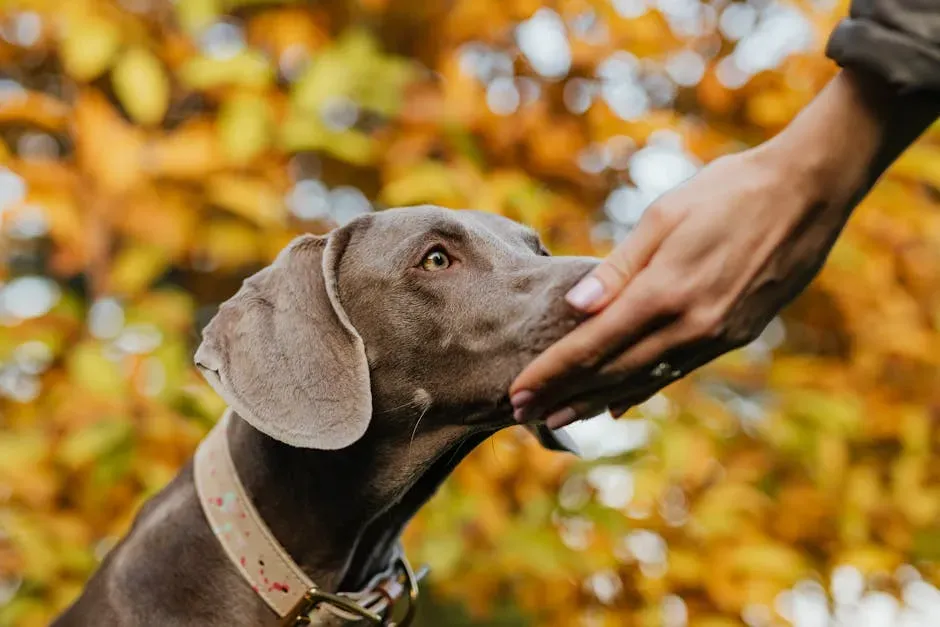
Stress triggers subtle changes in a person’s skin chemistry. Dogs, with their extraordinary sense of smell, pick up these shifts even when nothing visible occurs. The scent profile of someone about to mislead differs from the profile of someone being straightforward.
Because dogs live so closely with their people, they build a mental library of these personal scent signatures. A familiar owner who suddenly smells different raises an internal flag that something is off.
Learning From Past Disappointments

Dogs remember specific instances when a promised walk turned into a quick errand or a claimed treat never appeared. Each mismatch adds to an internal tally of trustworthiness. After enough mismatches, the dog stops investing energy in the next promise.
This memory is selective rather than blanket. A single honest interaction can reset part of the score, showing that dogs weigh evidence rather than hold grudges. The process keeps their responses flexible and practical.
Choosing to Ignore or Investigate
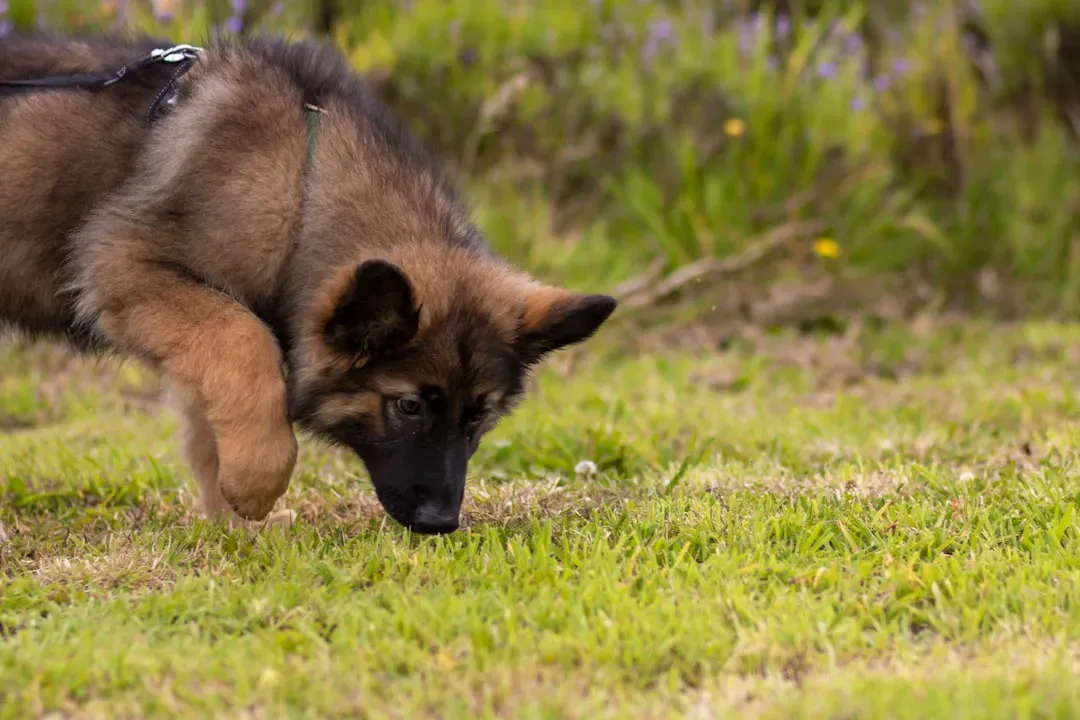
When a dog detects a mismatch, the most common response is simple withdrawal. The animal turns away, lies down elsewhere, or focuses on its own toys instead of following the questionable cue. This quiet refusal saves energy and avoids repeated letdowns.
Some dogs take a more active approach. They may sniff the area themselves or wait for a second, clearer signal before committing. Either strategy protects the dog from being led astray while preserving the relationship for moments that feel genuine.
Why Honesty Matters in Daily Life
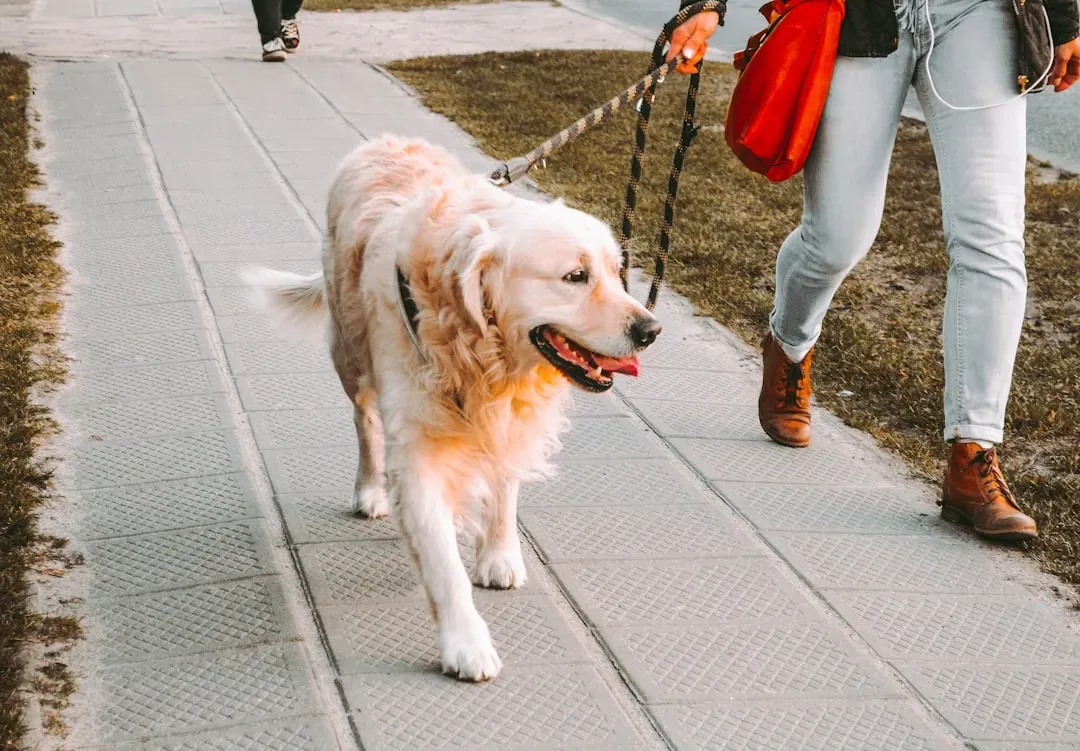
Consistent truthfulness reduces low-level stress for both sides. A dog that trusts its person’s signals moves through the day with less hesitation and more relaxed play. Owners notice fewer puzzled stares or sudden disengagements.
Small, repeated acts of reliability build a shared language that feels effortless. Dogs do not need dramatic proof of character. They accumulate quiet evidence from ordinary moments and adjust their expectations accordingly.
The Quiet Advantage of Mutual Understanding
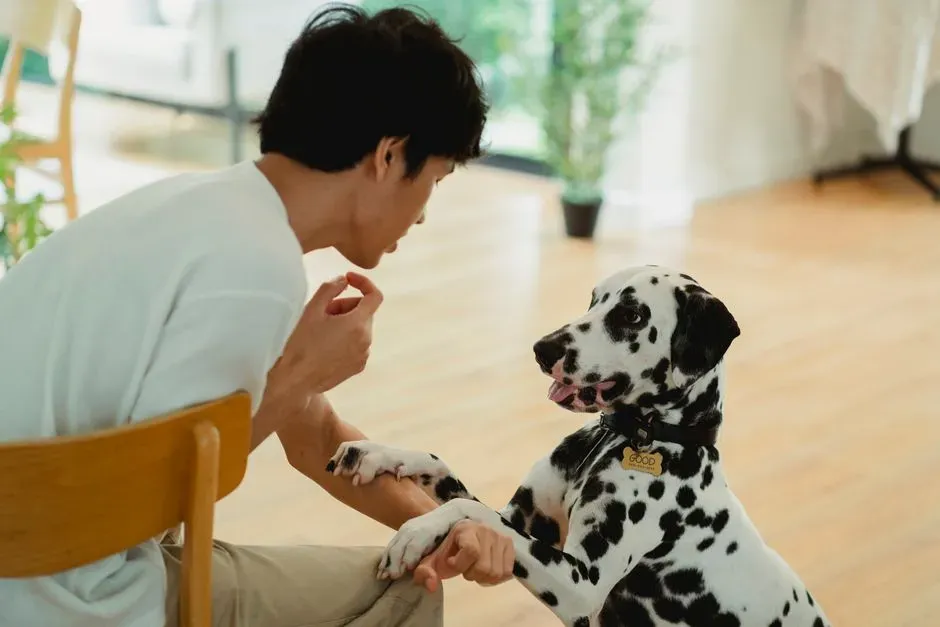
Living with a dog that reads honesty creates a feedback loop. Owners become more aware of their own signals because the dog’s reactions make inconsistencies obvious. The result is a steadier, more comfortable companionship.
In the end, the real lesson is not that dogs catch every fib. It is that they notice enough to prefer the version of us that matches our actions. That preference rewards the simpler choice of staying consistent.


