
Your Dog Thinks You’re Their Bodyguard
When a dog goes to the bathroom, their posture leaves them vulnerable. This position slows the speed of their fight or flight capabilities. In other words, squatting down to poop is, from a survival standpoint, one of the worst positions an animal can be in. They can’t sprint, they can’t pivot quickly, and their attention is naturally divided.
Most dogs consider their owners as their protectors. Making direct eye contact during this vulnerable act could be their way of ensuring you’re keeping watch and that the area is safe. This behavior harks back to their wild ancestors, who would rely on their pack for safety during such moments. So that soul-searching stare isn’t weird at all. It’s ancient, and it’s serious.
It Goes All the Way Back to Their Wild Roots
In the wild, animals are most at risk of attack when they’re relieving themselves. While your domesticated dog is far from the dangers of the wild, their instincts persist. Thousands of years of domestication haven’t erased what evolution spent much longer building into their behavior.
For a pack living out in the wild, exposing themselves in such a manner is a very dangerous situation to be in. Any number of predators could launch an attack against the dog while its attention is diverted. Therefore, a wild dog would maintain eye contact with their packmates during this vulnerable position in order to mitigate potential disaster. The key difference now is that the packmate they’re counting on is you, standing there holding a biodegradable bag.
It’s Actually One of the Highest Compliments They Can Give You
Dogs feel vulnerable when relieving themselves. It’s instinctual. In the wild, that’s when they were at greatest risk from predators. When your dog looks at you during this moment, they’re asking for protection. It means they see you as their guardian. When you reframe it that way, the stare stops feeling awkward and starts feeling like a kind of honor.
When a dog stares at you while pooping, it’s not trying to embarrass you – it’s expressing trust. In the wild, eliminating waste is a vulnerable act. Animals must let their guard down, making them easy targets for predators. By staring at you, your dog is essentially saying, “I trust you to watch my back.” That’s a level of dependence and confidence in you that most relationships take years to build.
The Oxytocin Connection Is Real and Backed by Science
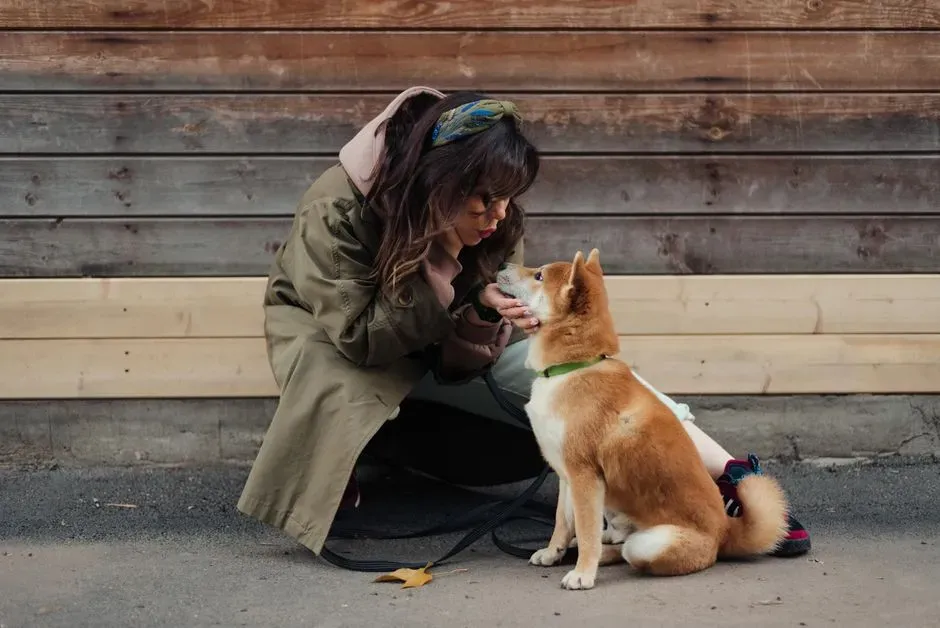
Studies have shown that when a dog and their owner have prolonged eye contact, the oxytocin levels of the owner increase. This was especially clear when these prolonged gazes were initiated by the dog. Oxytocin is the same bonding hormone released between a mother and a newborn child. The fact that a bathroom break can trigger it says a lot about how deep this connection goes.
When oxytocin levels rise, it’s an expression of attachment behavior – a behavior known to occur between mothers and their babies. So although you may feel a bit weird locking eyes with your dog when they’re pooping, you’re actually improving your bond! My vet made a similar point and added that the discomfort we feel is entirely a human construct. Dogs have no concept of the social rules we’ve attached to bathroom privacy. For them, it’s just connection.
Potty Training Left a Bigger Impression Than You Realized
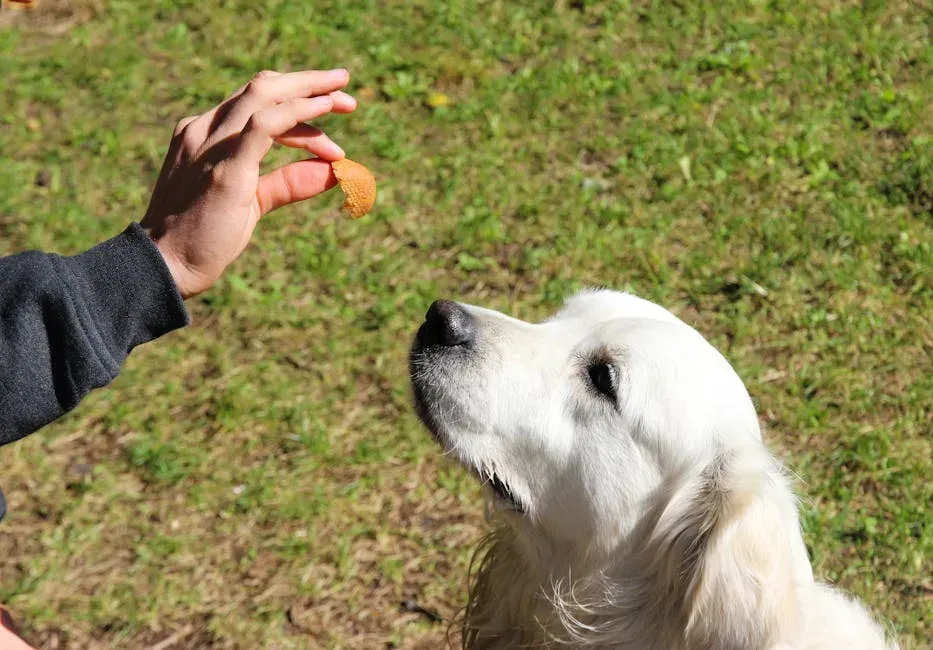
When puppies are trained to poop outside, treats are often a part of the process. Once the training is over, however, most pet owners stop rewarding their dogs with treats. But like an elephant, dogs don’t forget this positive experience of receiving a treat or verbal praise when doing their business outside. That association sticks, quietly, long after the training phase ends.
Think back to when you were potty training your puppy. You likely showered him with praise or a treat after he successfully went to the bathroom outside. Your dog remembers this! The stare can be a learned behavior where he looks to you in anticipation of that positive reinforcement, as if to say, “I’m doing the right thing, right?” So the gaze may be partly instinct and partly a very deliberate, trained expectation of something tasty coming their way.
Some Dogs Stare More Than Others, and Breed Plays a Role
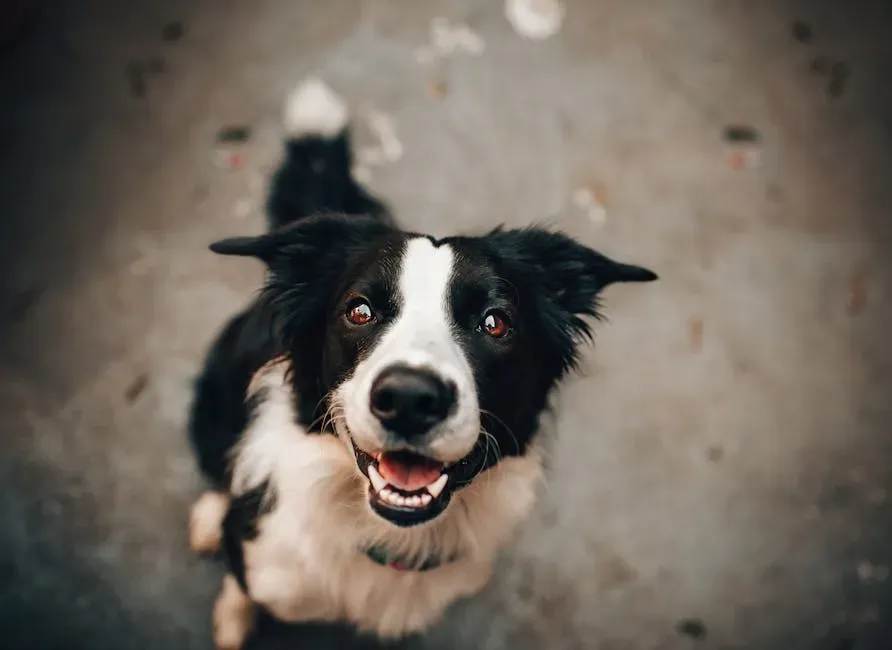
It’s not unusual for working or herding breeds – like Border Collies, German Shepherds, or Australian Cattle Dogs – to keep a constant visual check on their owner. They’re bred to watch, protect, and anticipate. So, if these breeds lock eyes during a squat, it’s often their instincts kicking in. Their drive to monitor and respond to their human’s cues is simply higher than in many other breeds.
Not all dogs exhibit this behavior to the same degree. Some may prefer privacy or feel more secure facing away from their owners. Some dogs prefer hiding behind a tree or shrub and avoid making eye contact. This just means that your dog feels safer when they’re hidden. Neither response is wrong. One dog’s trust looks like direct eye contact; another’s looks like quietly tucking behind a hedge. Both are still about managing the same primal discomfort.
What You Should Actually Do When It Happens
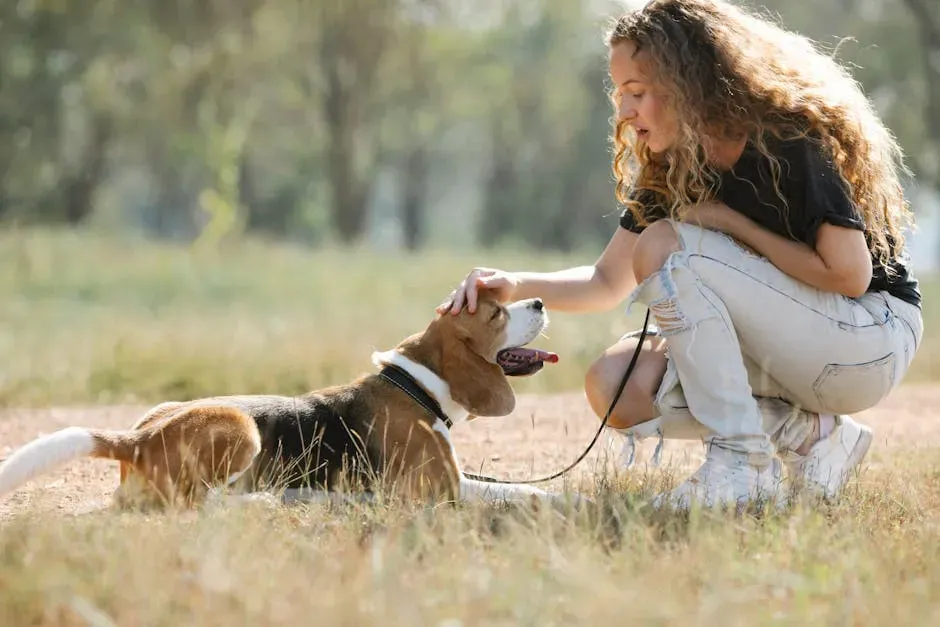
While it may feel awkward, dog trainers advise owners to stay calm and avoid reacting, especially with laughter or sudden movements. The best course of action is to remain composed. Your calm posture helps reassure them. It’s a silent signal that says, “You’re safe.” Reacting loudly or moving erratically can actually interrupt the sense of security your dog is trying to feel in that moment.
Keeping watch over your pup’s bathroom habits is a good idea. That way, it’s more likely you’ll notice any signs of discomfort – like straining, scooting, or other unusual behavior – that may mean it’s time to call the vet. Monitoring your dog’s bathroom breaks also gives you a chance to check the consistency and color of their poop, both helpful indicators of their general health and well-being. So while you’re busy being their bodyguard, you can also use that moment to genuinely look out for them in a more practical, health-conscious way.
A Quiet Conclusion Worth Sitting With
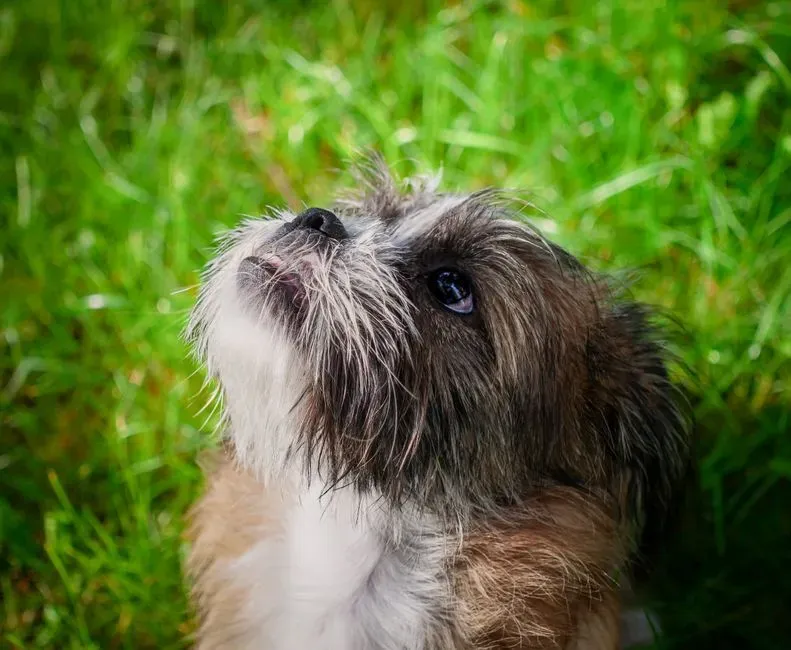
There’s something unexpectedly moving about all of this. What looks like an awkward, mildly ridiculous moment turns out to be your dog placing their complete trust in you at the exact moment they feel most exposed. That’s not weird. That’s actually quite profound, when you stop to think about it.
My vet summed it up better than I could have. Dogs don’t have the luxury of pretending vulnerability doesn’t exist. They can’t mask it or push it aside. When they feel it, they look to the one being in their world they trust most. The fact that your dog looks up at you in that moment isn’t something to feel awkward about. It’s worth taking seriously. You’re their safe place, even in the most unglamorous of circumstances. Especially then.


