
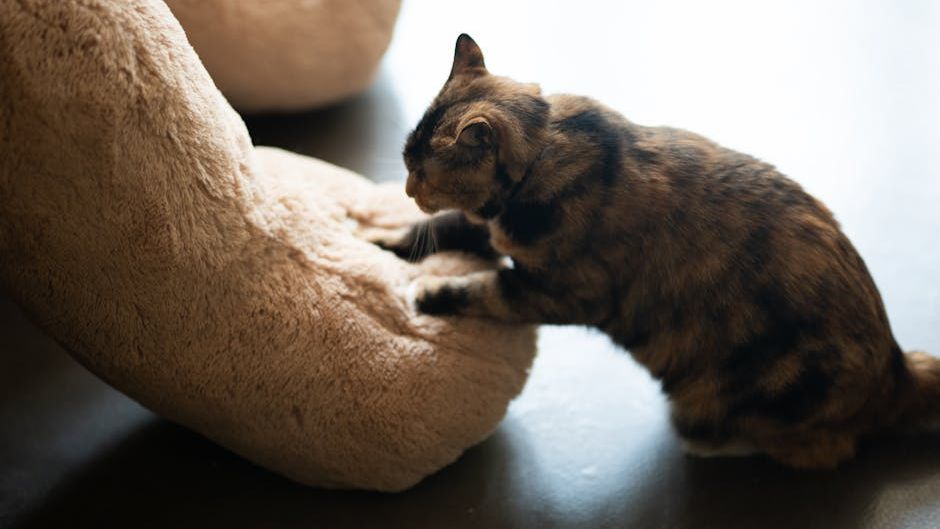
Watch a cat settle onto a soft blanket and begin that rhythmic push and pull with its paws. The motion looks soothing, almost meditative, yet it carries echoes of something far earlier in the animal’s life. Many owners notice the behavior without realizing how deeply it reaches back into a cat’s earliest days.
The action often stops people in their tracks because it seems so deliberate and personal. Beneath the surface lies an instinct shaped by survival and comfort long before the cat ever met its human family. That connection to the past adds a quiet layer of poignancy to what otherwise appears to be simple relaxation.
The Instinct Born in Kittenhood
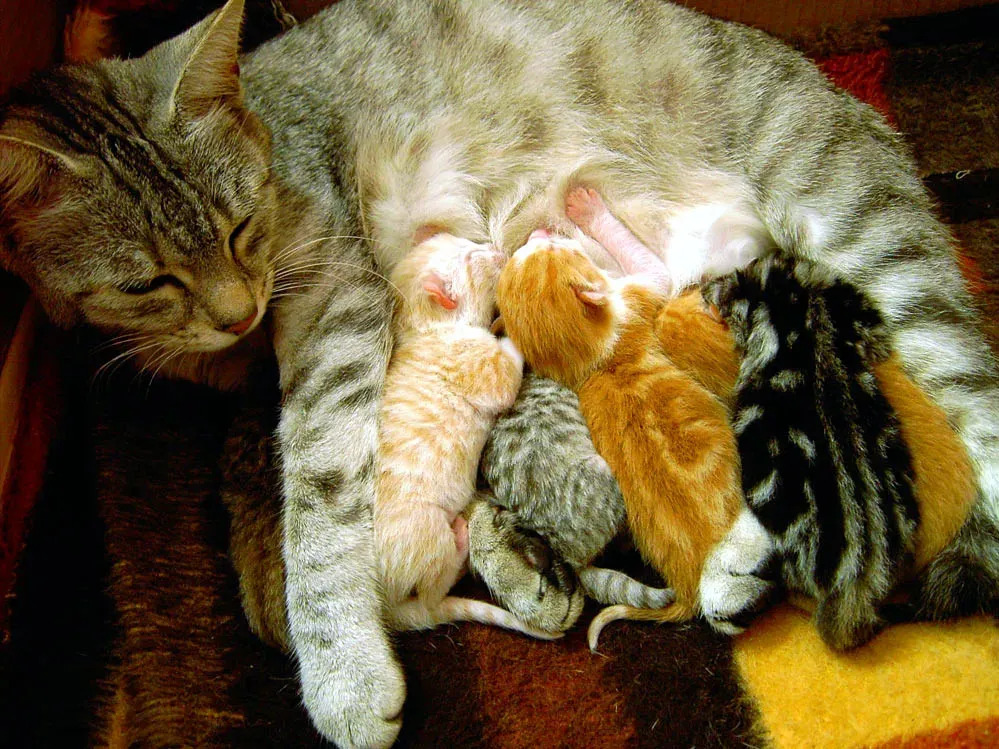
Every cat begins life blind and dependent on its mother for warmth and food. The tiny paws press against her belly in a steady rhythm that helps release milk. This motion becomes wired into the brain as one of the first successful actions a kitten learns.
Even after weaning, the pattern remains. Adult cats repeat it on blankets, pillows, or laps because the movement still triggers the same sense of security. The behavior survives because it once meant the difference between nourishment and hunger.
Why the Motion Feels Soothing Years Later
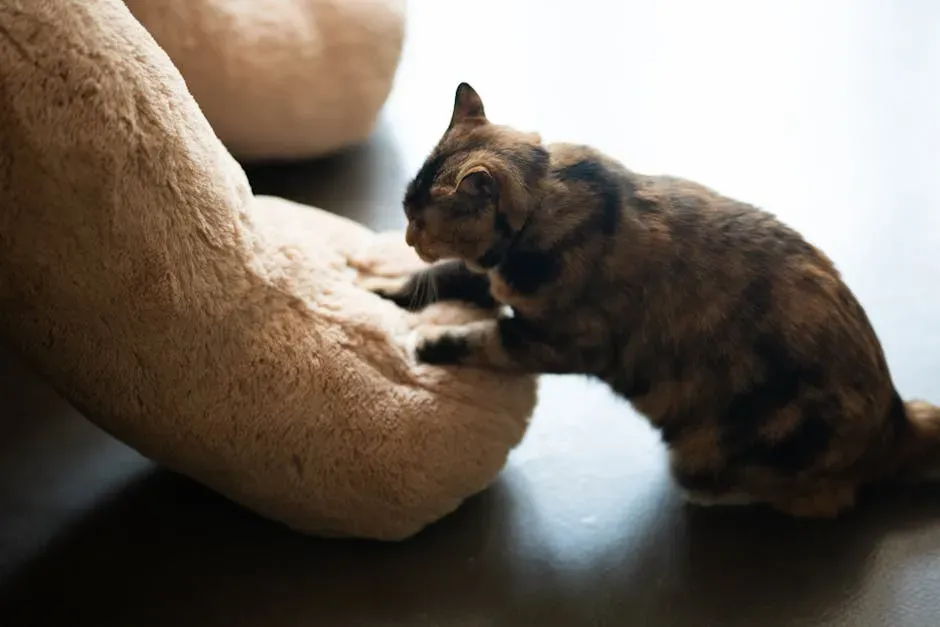
That early association with safety travels forward into adulthood. When a cat kneads, it often enters a visibly relaxed state with half-closed eyes and a gentle purr. The action recreates the calm of those first weeks when everything was provided without effort.
Owners frequently see this happen right before a long nap or during quiet evenings. The blanket becomes a stand-in for the mother’s body, offering the same steady pressure the cat once relied upon. Over time the habit turns into a reliable way to self-soothe after stressful moments.
The Quiet Link to a Mother No Longer Present
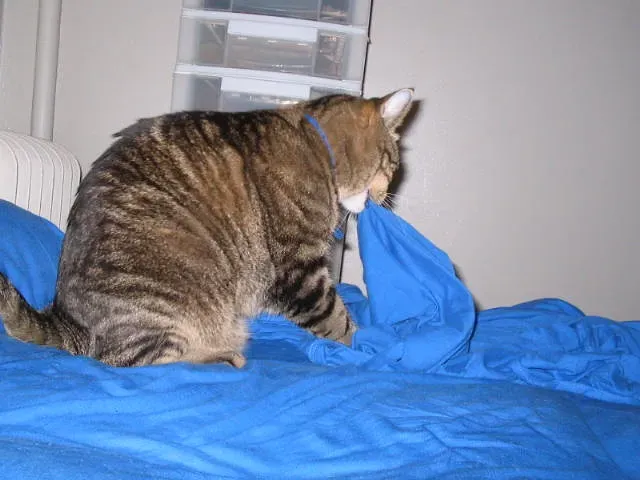
Most house cats leave their mothers at eight to twelve weeks old. The kneading continues long after that separation, carrying a trace of the bond that ended too soon for the cat’s instincts. It is a small, repeated reminder of a relationship the animal can never fully reclaim.
Some cats knead more vigorously when they feel unsettled, as if reaching back for the reassurance that once came automatically. The motion does not erase the early loss, yet it provides a private comfort rooted in that original connection. Observers sometimes sense a gentle melancholy in the ritual.
How Scent Marking Adds Another Layer
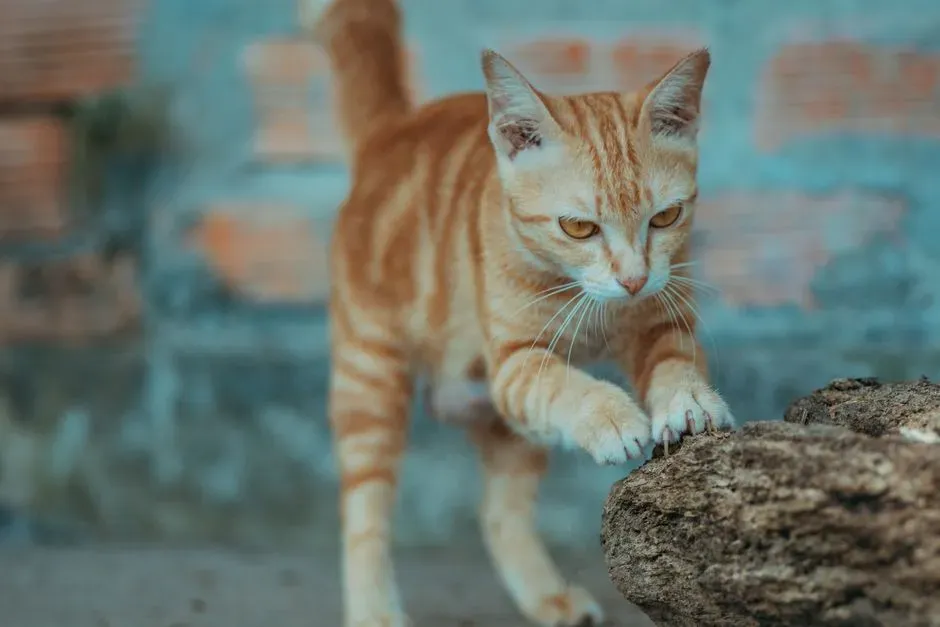
Cats carry scent glands in their paw pads that release a personal signature with each press. Kneading therefore doubles as a way to claim the blanket or the person beneath it. The familiar smell reinforces the feeling of belonging that began in the nest.
This territorial aspect blends with the comfort motive. A cat may knead the same spot daily, gradually building a stronger olfactory map of its safe places. The two drives work together without the cat needing to choose between them.
Variations That Reveal Individual Histories
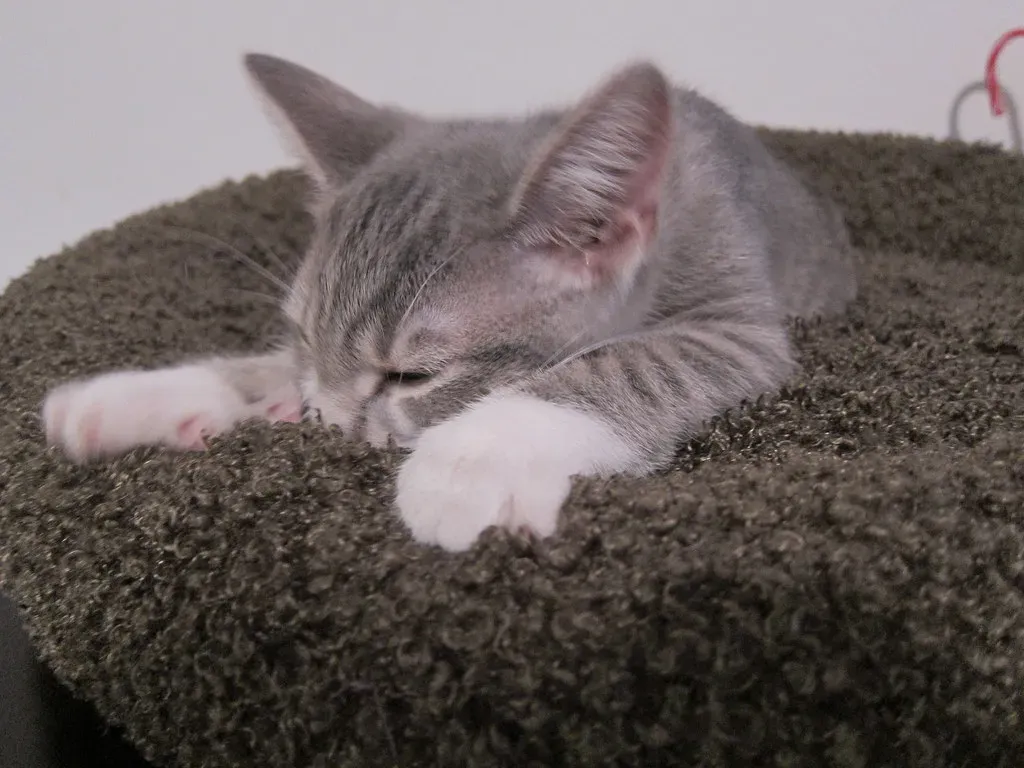
Not every cat kneads with the same intensity or frequency. Some extend their claws fully while others keep them retracted, reflecting different levels of trust or past experiences. Cats raised with siblings may knead more socially, pressing against another animal or person for added contact.
Rescue cats sometimes show stronger or more persistent kneading, perhaps because early uncertainty made the comforting motion even more valuable. Breed tendencies appear too, with some lines displaying the behavior more openly than others. These differences hint at the unique path each cat took from kitten to companion.
When the Behavior Signals Deeper Needs
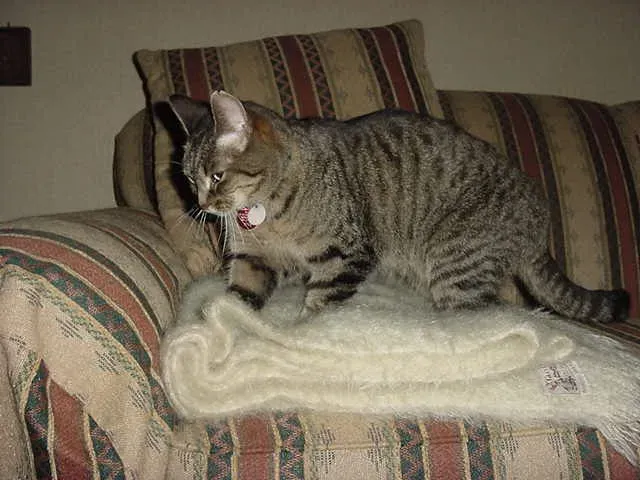
Occasional kneading is normal and harmless. Persistent or frantic kneading paired with other changes can point to stress, pain, or medical issues that deserve attention. A sudden increase might follow a move, new pet, or loss in the household.
Veterinarians often ask about kneading patterns during checkups because the habit can serve as an early indicator of emotional or physical shifts. Tracking when and where the cat kneads helps owners notice patterns that might otherwise go overlooked. The same motion that brings comfort can also flag when comfort is missing.
Honoring the Behavior Without Changing It
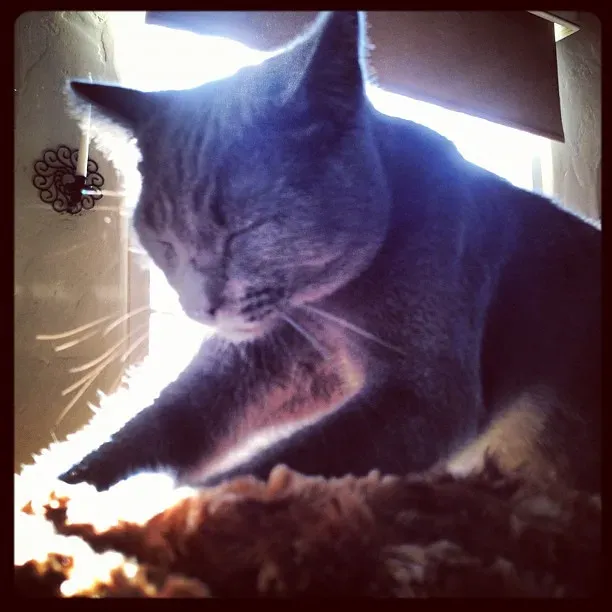
Most experts agree that kneading should be allowed rather than discouraged. Providing soft surfaces gives the cat an appropriate outlet while protecting furniture. Trimming nails regularly reduces damage without interrupting the instinct itself.
Some owners place a dedicated blanket in favorite spots so the cat has a consistent place to return to. The ritual remains a private expression of the cat’s history, best observed with quiet appreciation rather than interference. Respecting the behavior keeps the connection to the past intact and positive.
In the end, the rhythmic press of paws on fabric is less about the present moment and more about an ancient reassurance that still works. It reminds us that even the most independent companions carry their earliest needs forward in small, repeated gestures. Watching the motion with that understanding turns an ordinary habit into a window on a life that began long before the blanket ever appeared.


