
A Clearer View of Your Face
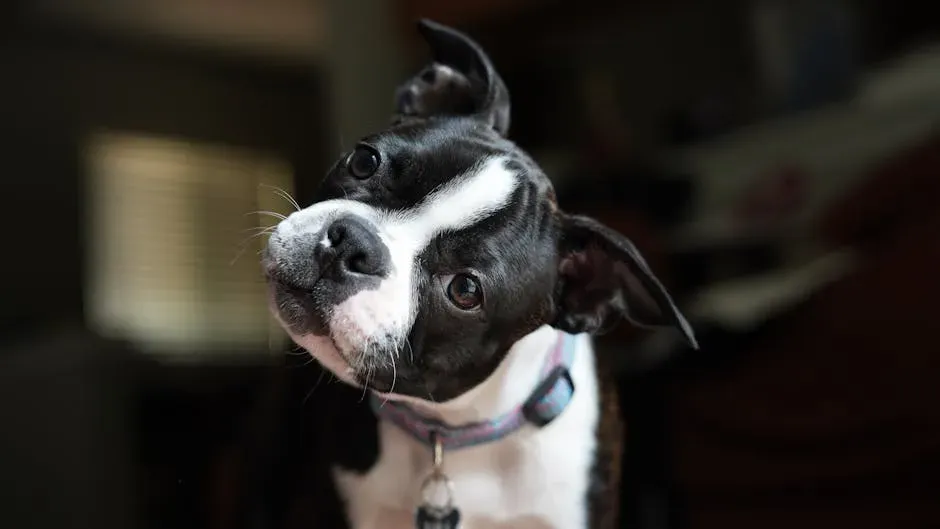
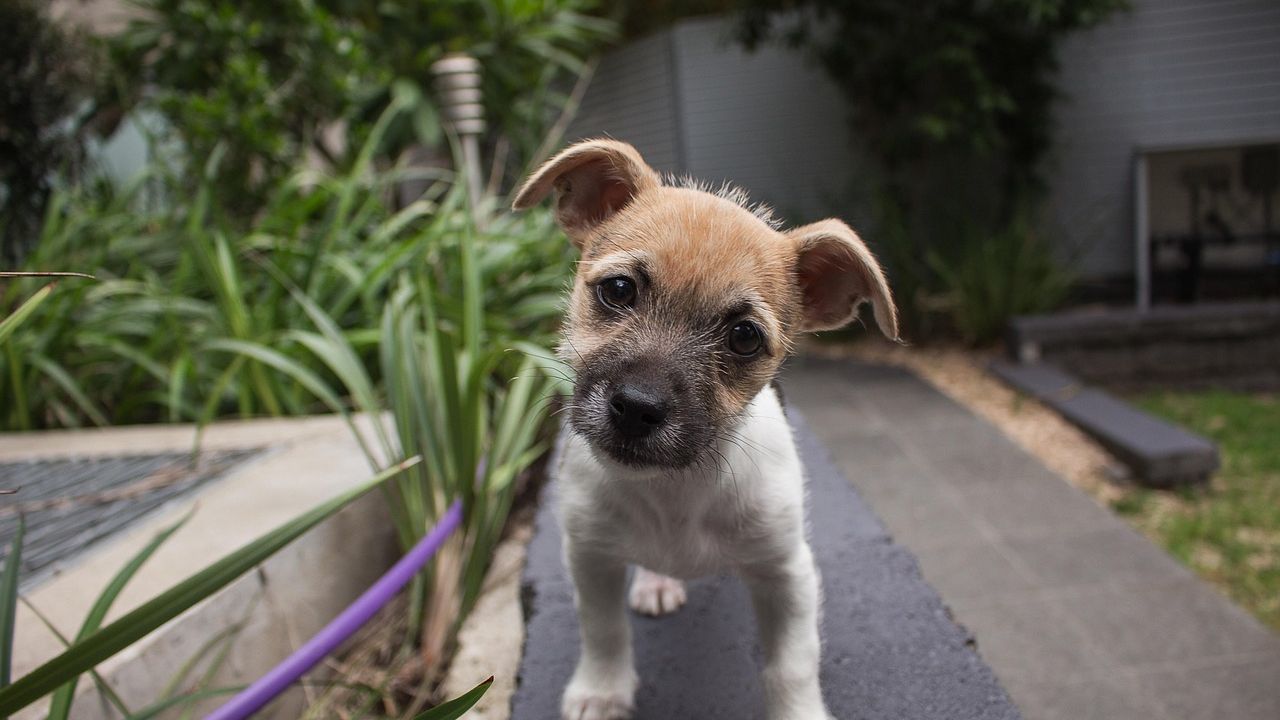
Dogs with longer muzzles often find their own noses partially blocking the view straight ahead. Tilting the head shifts their line of sight just enough to see your mouth and expressions more fully. This adjustment helps them read the subtle movements that accompany speech.
Researchers who surveyed hundreds of owners noticed the pattern holds stronger in breeds with pronounced snouts. Flatter faced dogs tilt less often under the same conditions. The behavior therefore serves a practical visual purpose rather than an auditory one.
Signs of Focused Mental Effort
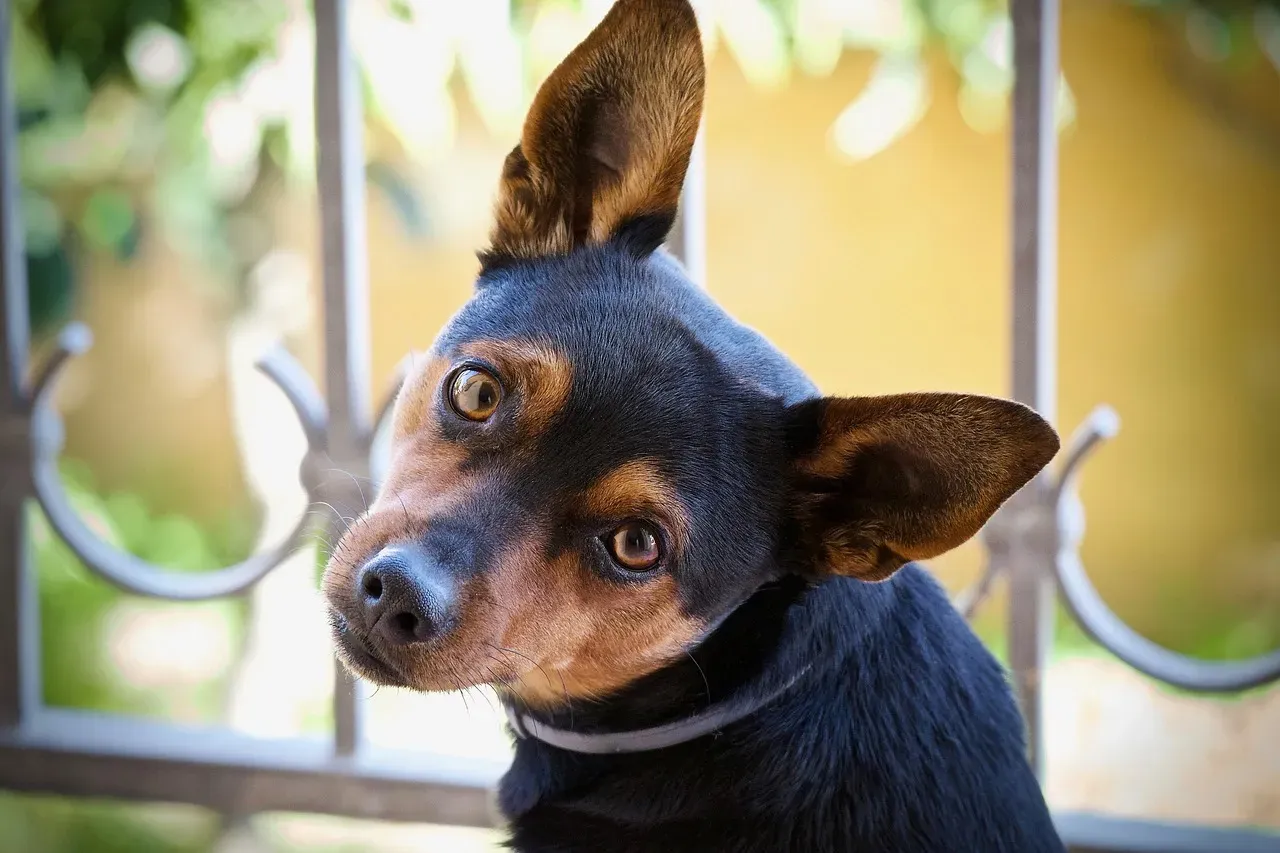
When a dog tilts during speech, the motion frequently coincides with moments of deeper concentration. A detailed study of border collies showed that only those who had learned specific toy names tilted reliably when those names were spoken. The others rarely responded the same way.
The consistent direction of the tilt, regardless of where the speaker stood, pointed away from sound location. Instead it appeared tied to internal matching of word to memory. That link suggests the tilt marks active cognitive work.
Connecting Words to Stored Images
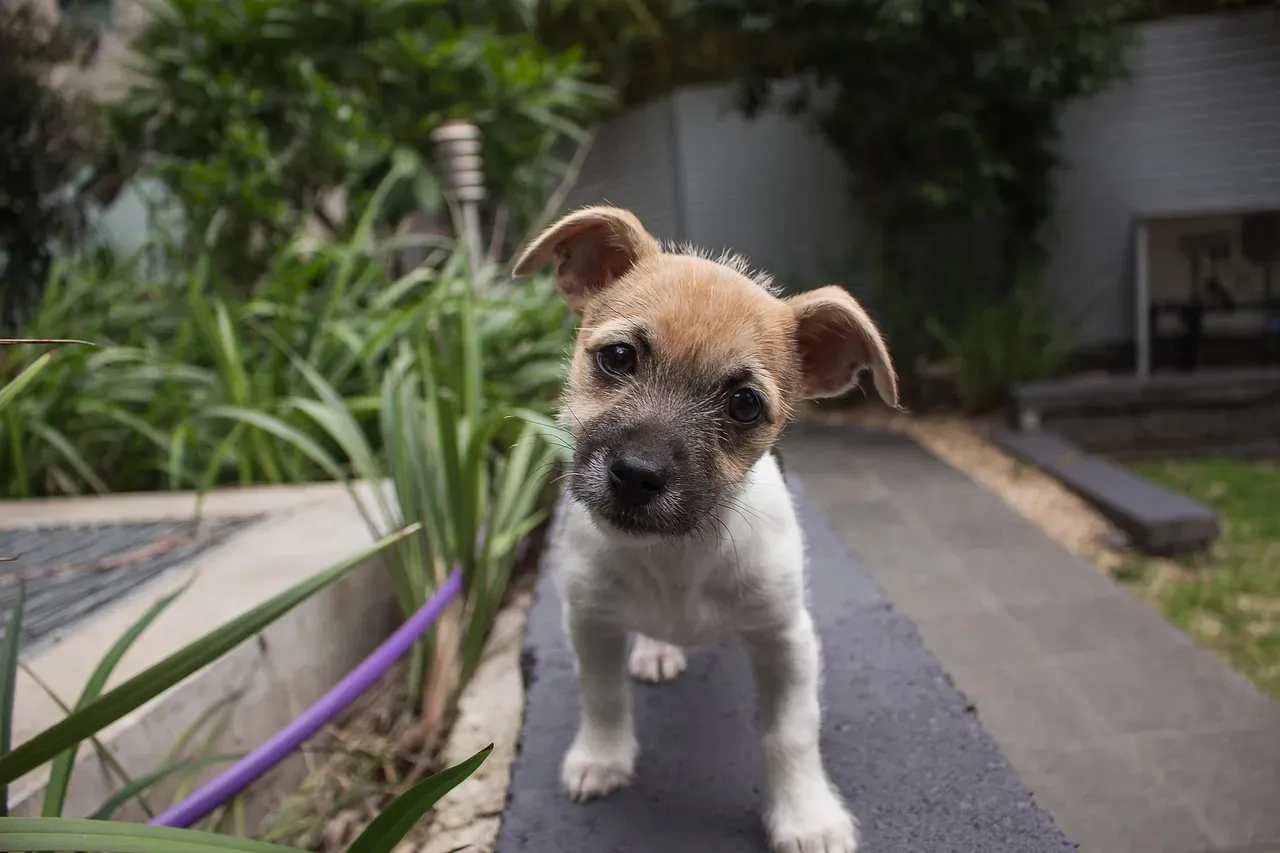
Gifted dogs in the same research demonstrated the tilt most clearly when asked to fetch a familiar toy by name. The gesture seemed to accompany the mental step of recalling the object’s appearance. Ordinary dogs showed far lower rates of tilting during identical tests.
This pattern implies the head movement supports cross modal processing. The dog hears a label and simultaneously retrieves a visual picture. The tilt may simply reflect that dual effort in action.
Individual Personalities at Play
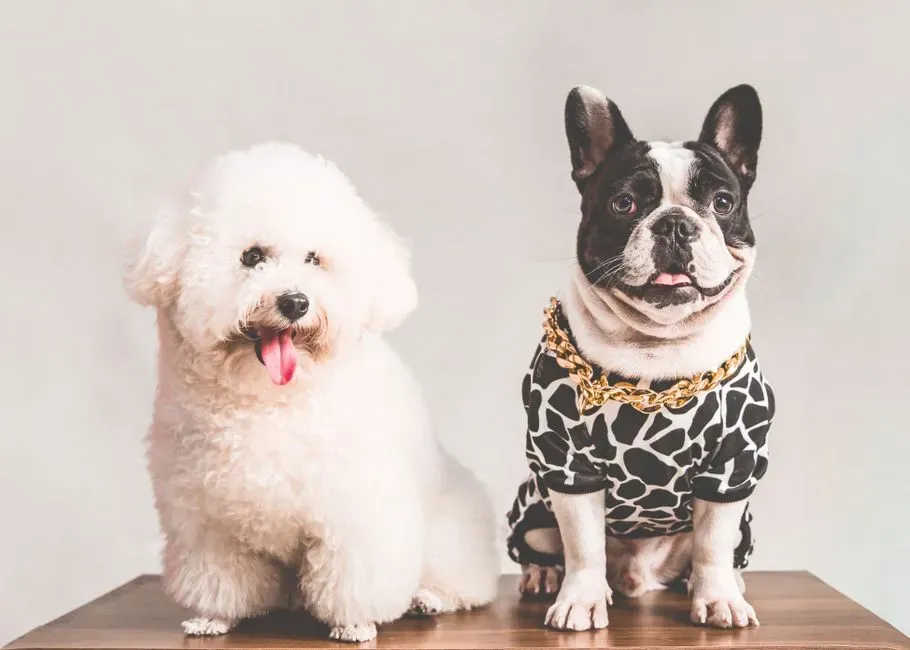
Not every dog tilts with equal frequency or in the same direction. Some stay consistent left tilters across different situations while others favor the right. The preference often remains stable over time for a given animal.
Breed tendencies and early experiences likely shape these habits. Dogs that receive frequent verbal interaction may develop the response more readily. The variation reminds us that each dog brings its own cognitive style to the exchange.
A Marker of Attentiveness and Recall
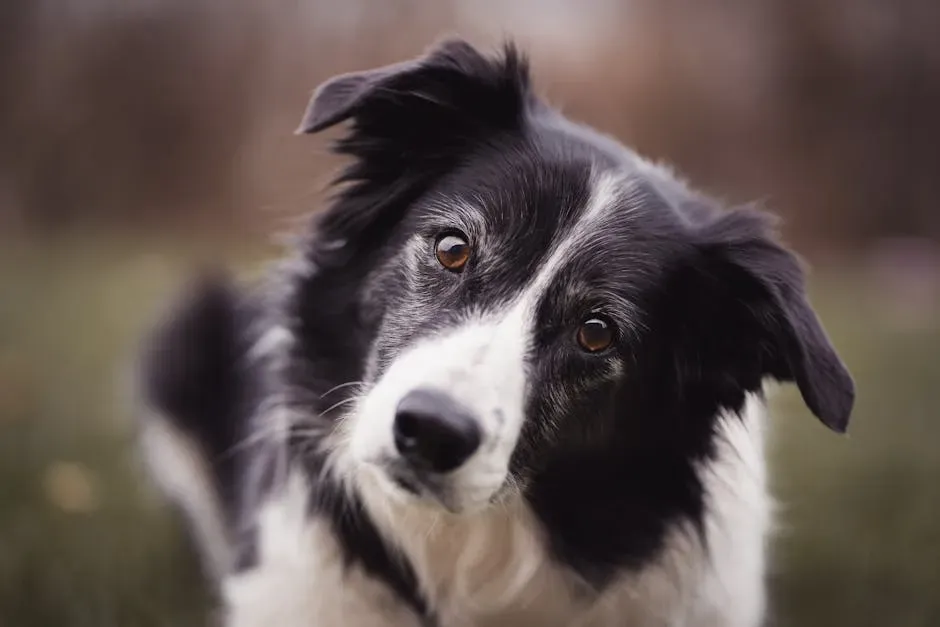
The 2021 findings framed the tilt as an outward sign of heightened attention rather than confusion. Dogs performed the movement most when the spoken word carried clear meaning for them. In that sense it functions like a visible pause for thought.
Owners often reward the cute posture with extra praise or play. That positive feedback can strengthen the behavior over repeated interactions. The tilt therefore becomes both a natural response and a reinforced signal of engagement.
What Owners Can Learn from the Gesture
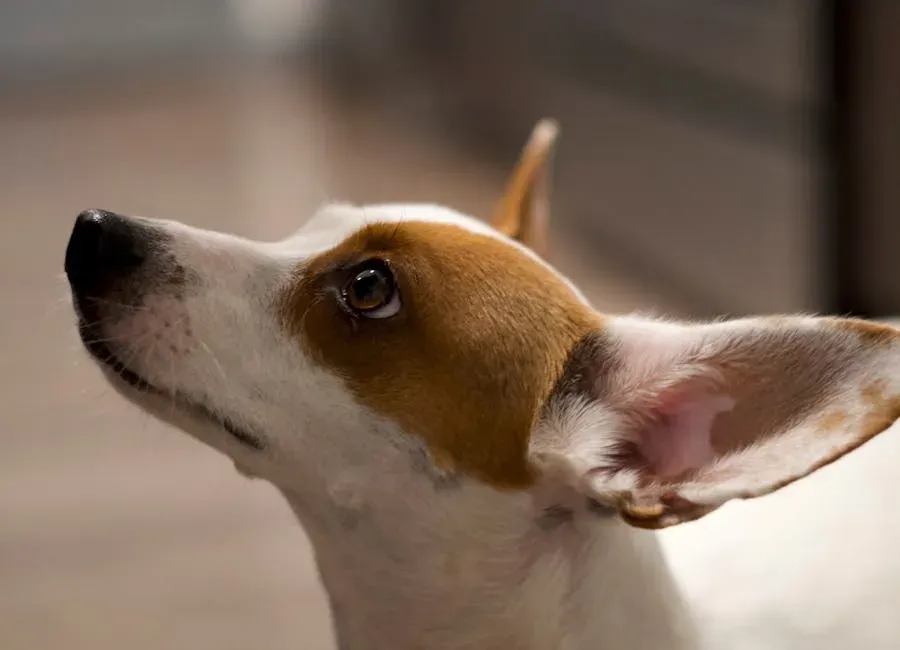
Watching for the tilt offers a simple window into which words or phrases resonate most with your dog. Consistent tilting during certain commands or names suggests those terms have become meaningful. You can use that insight to refine training or enrich daily conversation.
The behavior also highlights how dogs integrate sight and sound when communicating with people. Paying attention to it deepens the everyday bond without any special equipment or effort. Small observations like this turn routine moments into shared understanding.
Appreciating the Quiet Intelligence Behind the Tilt
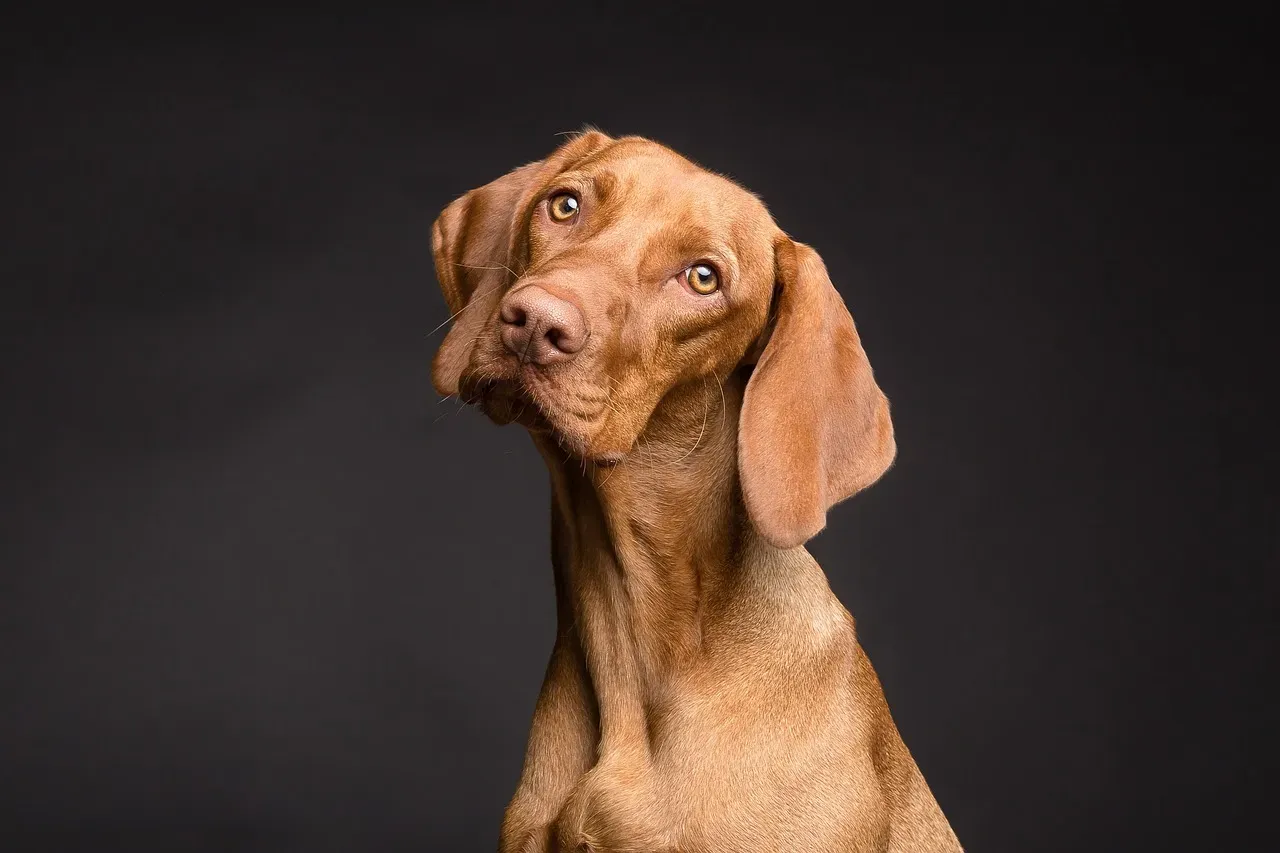
Ultimately the head tilt stands as quiet evidence of a dog’s capacity to process human language in sophisticated ways. It shows up most reliably when real mental work is underway. That makes the gesture less about cuteness and more about capability.
Recognizing this side of the behavior invites a fresh respect for what dogs accomplish during ordinary chats. The next time the head tips, you might see not just charm but a brief glimpse of focused thought at work. Such moments quietly affirm the depth of the human dog connection.


