
Watching a longtime companion slow down can stir up a quiet mix of gratitude and uncertainty. Small shifts in daily routines often prompt owners to wonder what their dog might be trying to communicate in those final stretches.
Many people notice patterns that suggest a pet is lingering for one reason or another. Understanding those patterns can help frame the time that remains.
Turning Away From Favorite Meals
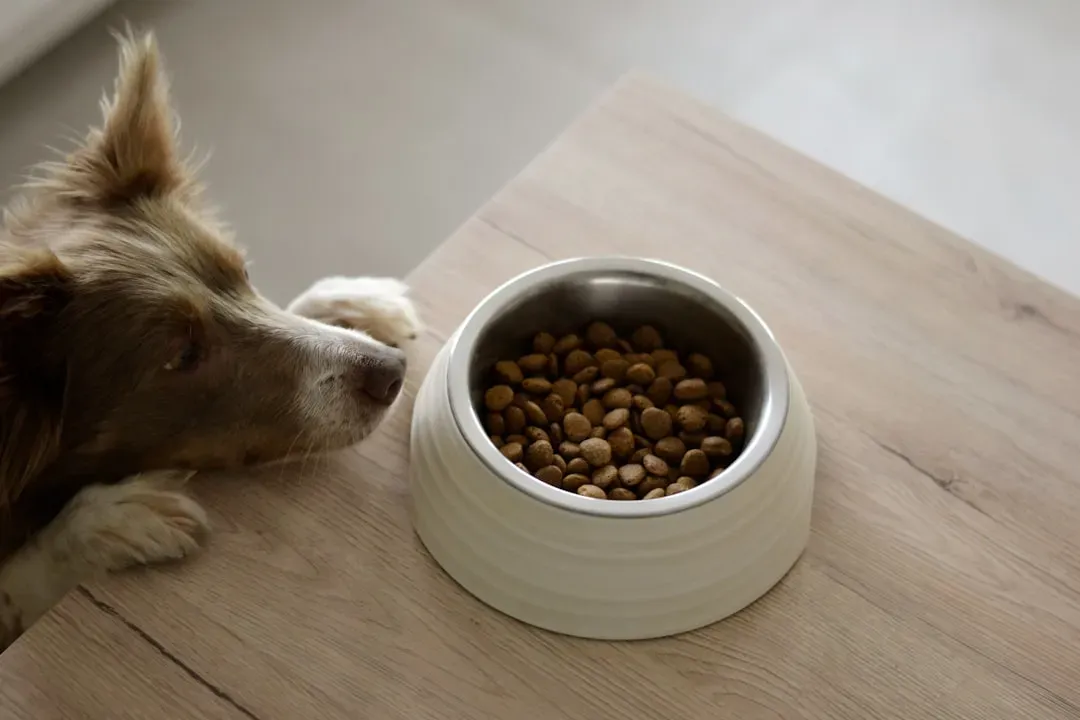
Dogs that once raced to their bowl may begin picking at food or ignoring it altogether. This change often appears gradually at first, then becomes more consistent over days or weeks. Owners sometimes try offering special treats only to see the same lack of interest.
The shift can stem from reduced energy needs or discomfort that makes eating feel like too much effort. It rarely happens overnight, which gives families a chance to notice the pattern early. Tracking what gets eaten and what gets left behind helps put the change in context.
Spending More Time Asleep Than Awake

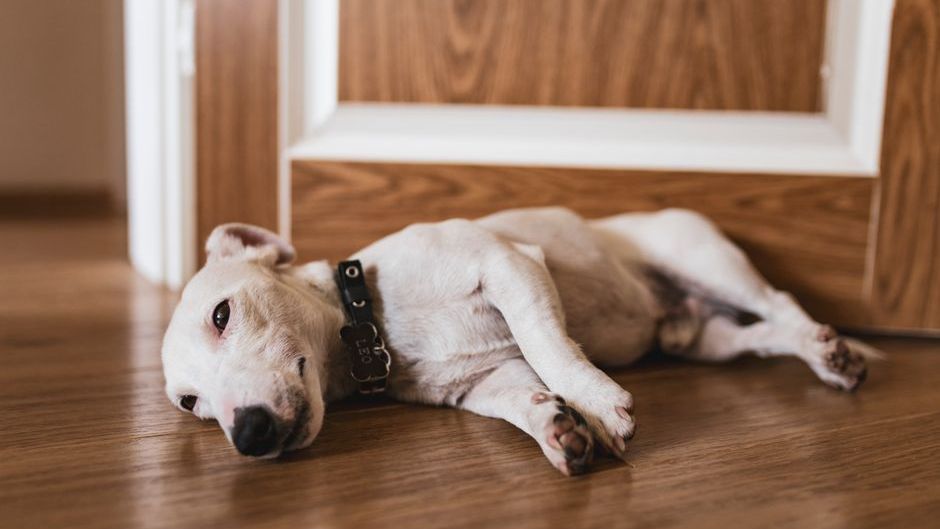
Long naps stretch into most of the day, and even favorite activities fail to rouse the same enthusiasm. A dog may still respond to a gentle voice yet drift back to sleep quickly afterward. The rest feels deeper than ordinary tiredness.
This extended downtime often pairs with slower movements when the dog does get up. Joint stiffness or overall weakness can make staying awake less appealing. Families frequently describe the change as their pet seeming content to simply rest nearby.
Choosing Solitude Over Company
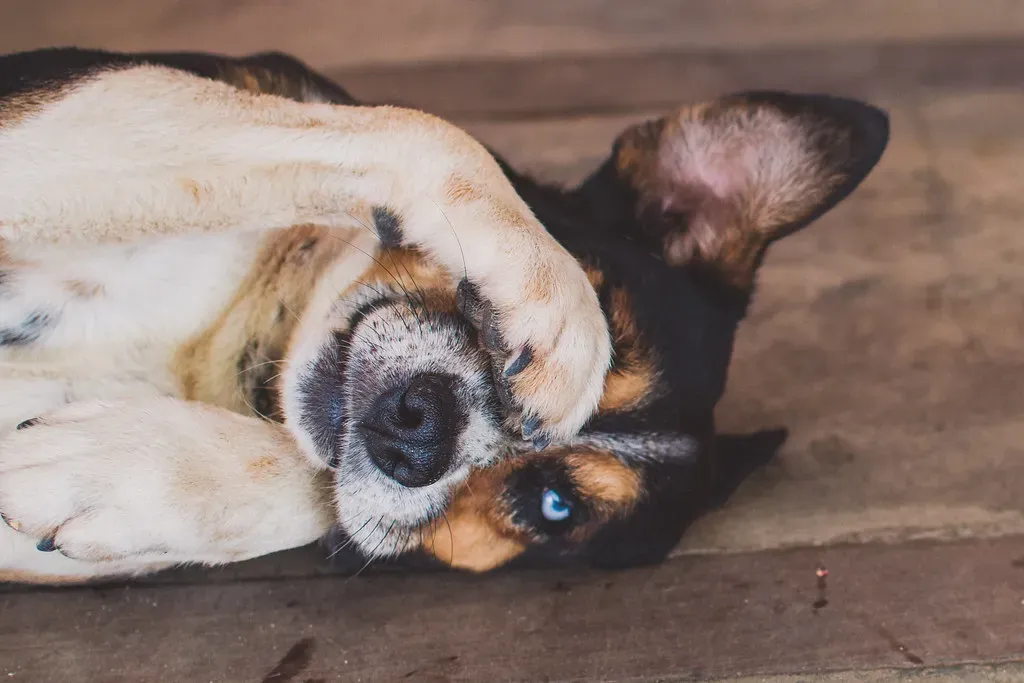
Some dogs start retreating to quiet corners or under furniture instead of staying in the middle of household activity. They may still greet family members but then move away again soon after. The preference for distance can feel sudden or build over time.
Other dogs show the opposite pattern and become unusually clingy, following their person from room to room. Either extreme represents a departure from the dog’s normal social habits. Both behaviors can signal that the animal is conserving energy or seeking comfort in its own way.
Struggling With Everyday Movement
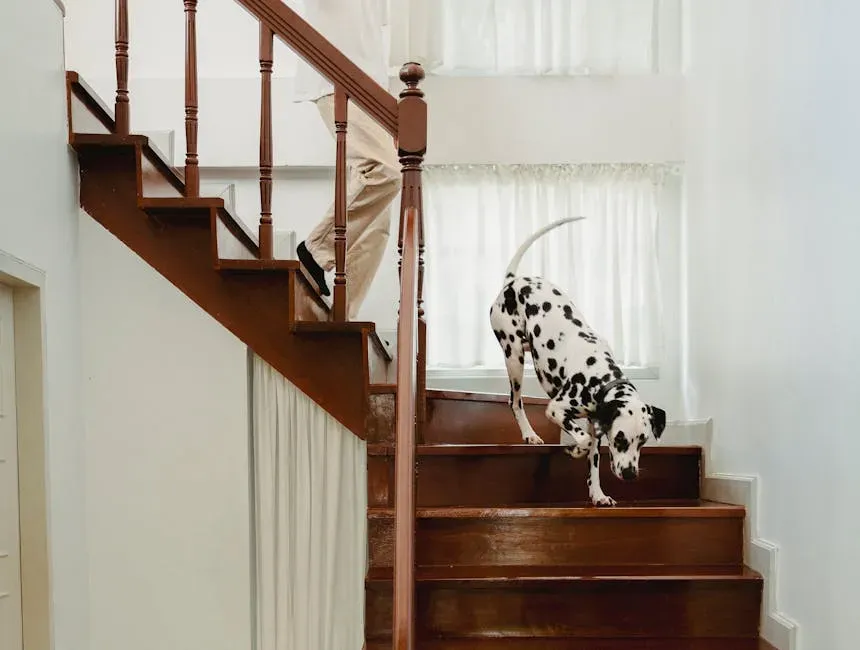
Stairs that once posed no problem now require pauses or assistance. A dog might hesitate before jumping onto a familiar couch or bed. These small hesitations add up and change the rhythm of daily life.
Weakness in the hind legs often shows first, making rising from a lying position slower and more deliberate. Owners notice the dog choosing flatter paths or avoiding certain surfaces. The physical effort required for simple actions becomes visible in posture and pace.
Breathing That Sounds Different
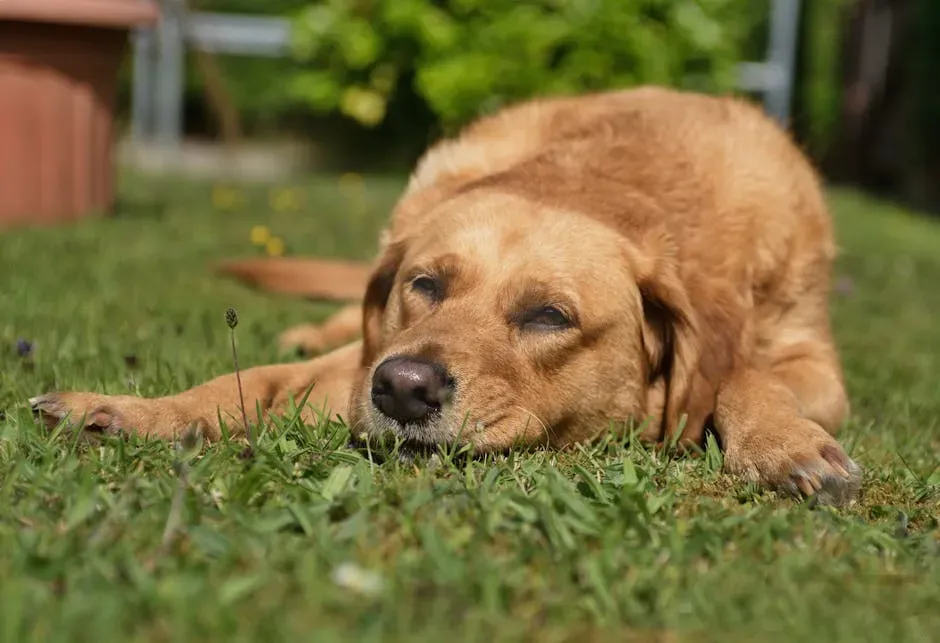
Breaths may grow shallower or come with occasional pauses that were not present before. Some dogs develop a soft wheeze or labored sound during rest. The change tends to appear during sleep first, then shows up while awake as well.
Owners who listen closely often pick up on the new rhythm within a few days. It rarely causes obvious distress at the outset yet marks a shift in how the body is functioning. Noting whether the pattern stays steady or worsens helps track progression.
Accidents That Were Never an Issue
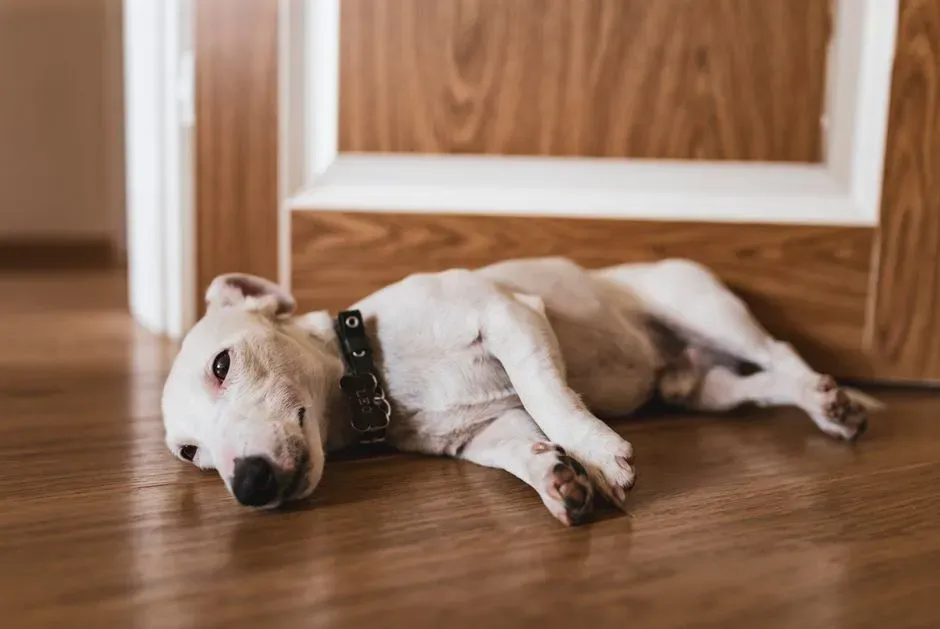
House trained dogs sometimes lose control without seeming to notice right away. The incidents occur both indoors and during short outdoor trips. Cleanup becomes more frequent and the dog may appear confused afterward.
Muscle tone around the bladder and bowels can weaken as overall strength declines. Some dogs show visible discomfort or try to hide after an accident. The change usually appears alongside other physical shifts rather than in isolation.
Restlessness That Prevents Settling
A dog may pace in small circles or shift positions repeatedly without finding comfort. The behavior can happen at any hour and interrupts what used to be solid sleep. Owners often describe the dog as unable to relax fully.
Attempts to help with extra bedding or a different spot sometimes bring only temporary relief. The restlessness tends to increase as other signs accumulate. It reflects an underlying discomfort that simple adjustments no longer ease.
A Brief Return of Energy
Some dogs experience a short period of renewed interest in food or play right before a steeper decline. They may eat a full meal or wag their tail with more vigor than they have in weeks. The improvement can last a day or two and then fade.
Families often feel hopeful during this window only to see the earlier patterns return. The rally does not signal recovery so much as a final surge of reserves. Recognizing it as temporary helps set realistic expectations for the days ahead.
Changes in the Eyes and Expression
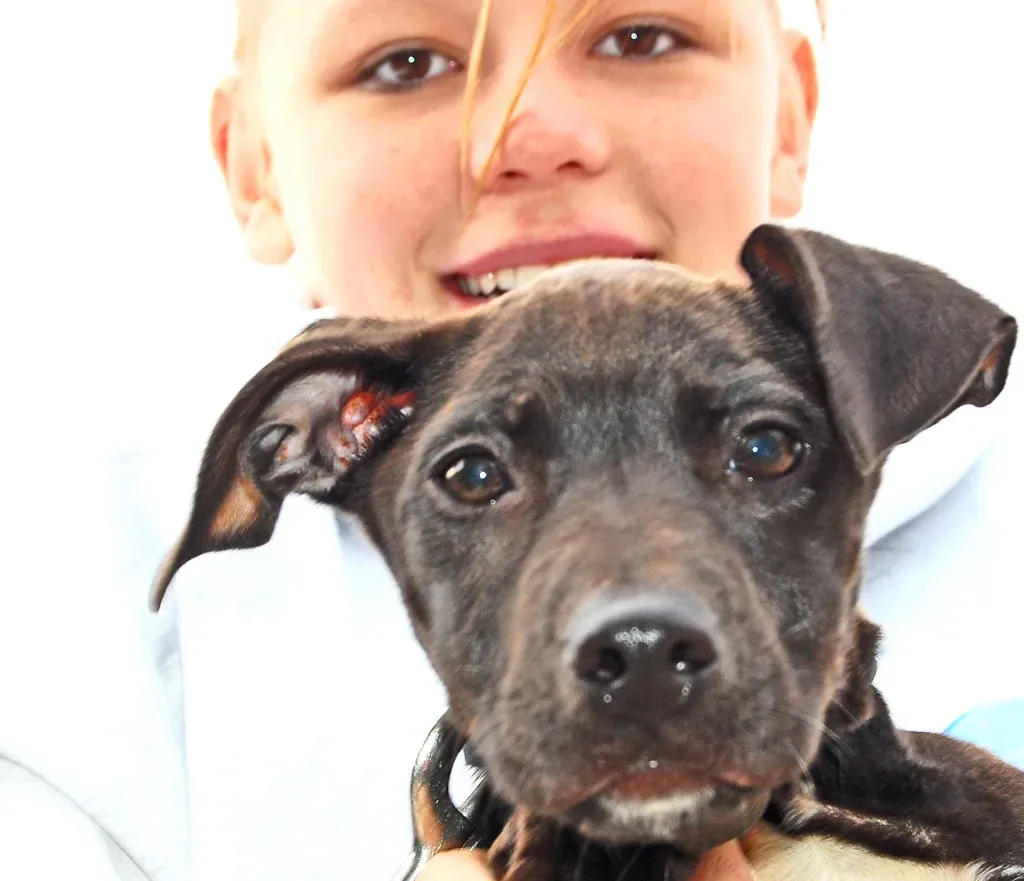
The bright, alert look that once greeted visitors may soften into a distant or cloudy gaze. Some dogs keep their eyes partially closed even when awake. The overall expression appears less engaged with surroundings.
Owners who spend quiet time close by often notice the difference most clearly. The change can coincide with reduced responsiveness to sounds or movement nearby. It reflects a gradual withdrawal from the immediate environment.
Altered Sounds or Silence
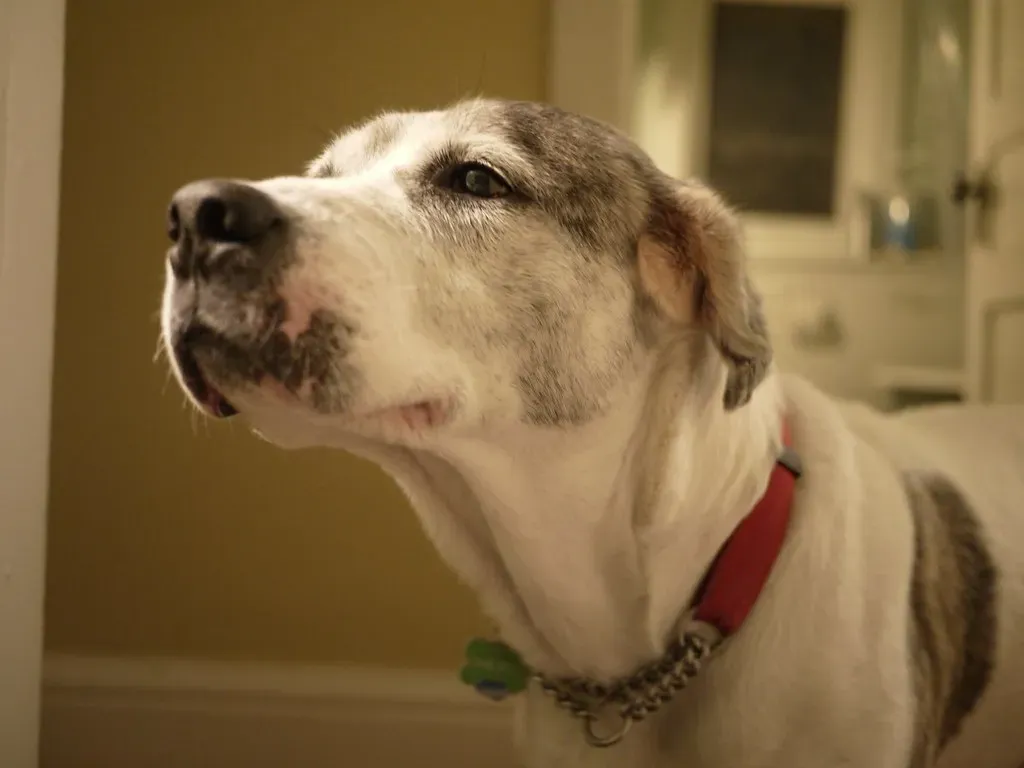
Whines or soft vocalizations may increase, especially when the dog tries to move or settle. Other dogs grow quieter than usual and stop offering their normal range of barks or sighs. Either shift stands out against the dog’s established habits.
The vocal changes rarely seem tied to obvious pain at first yet mark a departure from routine communication. Families learn to interpret the new sounds as part of the larger picture rather than isolated events. Paying attention to context helps distinguish them from everyday noises.
Paying attention to these patterns gives families a clearer sense of when comfort measures matter most. Many owners find that small adjustments in routine bring meaningful relief during this stage.
Ultimately, the kindest choice often involves balancing a dog’s comfort against the natural desire to keep them close a little longer. Letting go at the right moment honors the bond more than extending time at any cost.


