
Recognizing the Root Cause
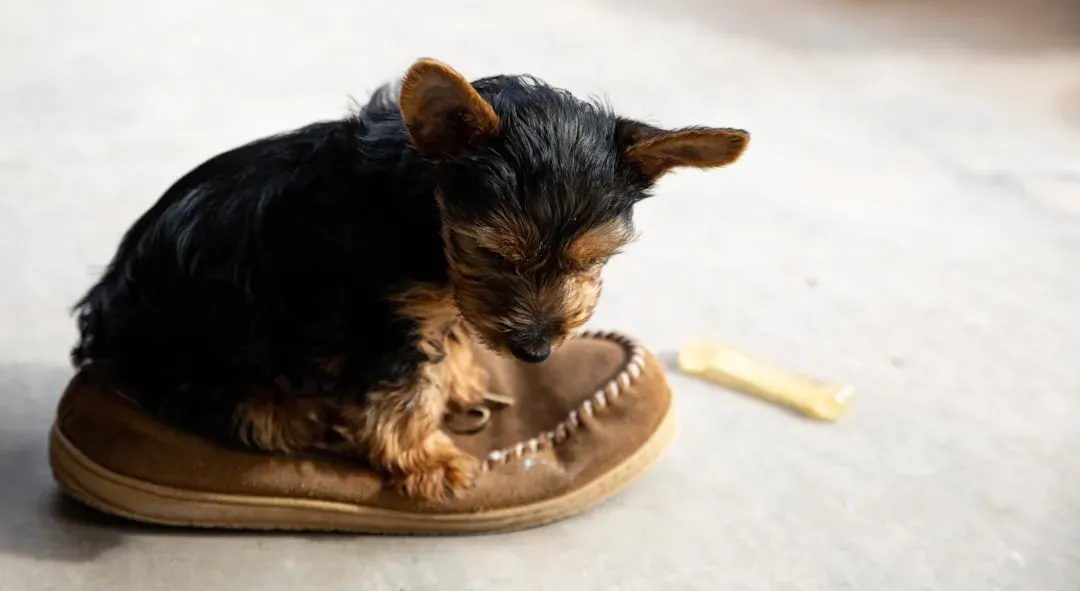
Dogs chew shoes for reasons that go beyond simple mischief. Puppies explore the world with their mouths, while older dogs might chew out of boredom or anxiety when left alone. My own dog seemed drawn to the scent and texture, especially after long days at work when the house felt empty.
Paying attention to timing helped me see the pattern clearly. Chewing happened most often right after I left or during quiet afternoons. Once I understood it was not defiance but a need for comfort or stimulation, the path forward became much easier to map.
Creating a Chew Proof Space
The first practical step involved limiting access to tempting items. I started by keeping shoes in closed closets or on high shelves where curious paws could not reach them. A simple baby gate also turned one room into a safe zone during the early weeks of training.
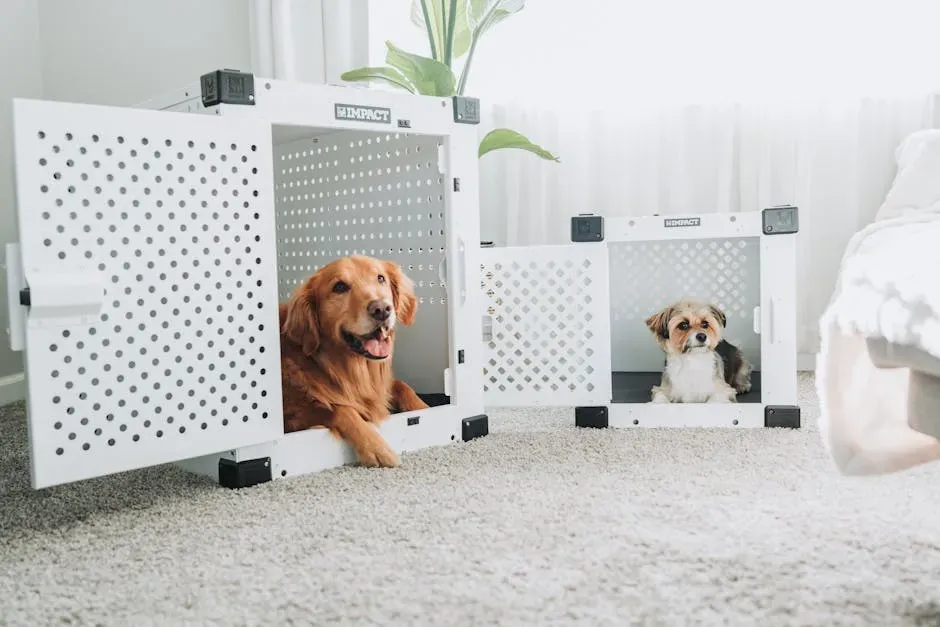
Adding a comfortable crate with soft bedding gave my dog a personal retreat. This space felt secure rather than punishing, and it reduced opportunities for destructive chewing while I was away. Over time the crate became a favorite spot instead of a last resort.
Introducing Better Alternatives
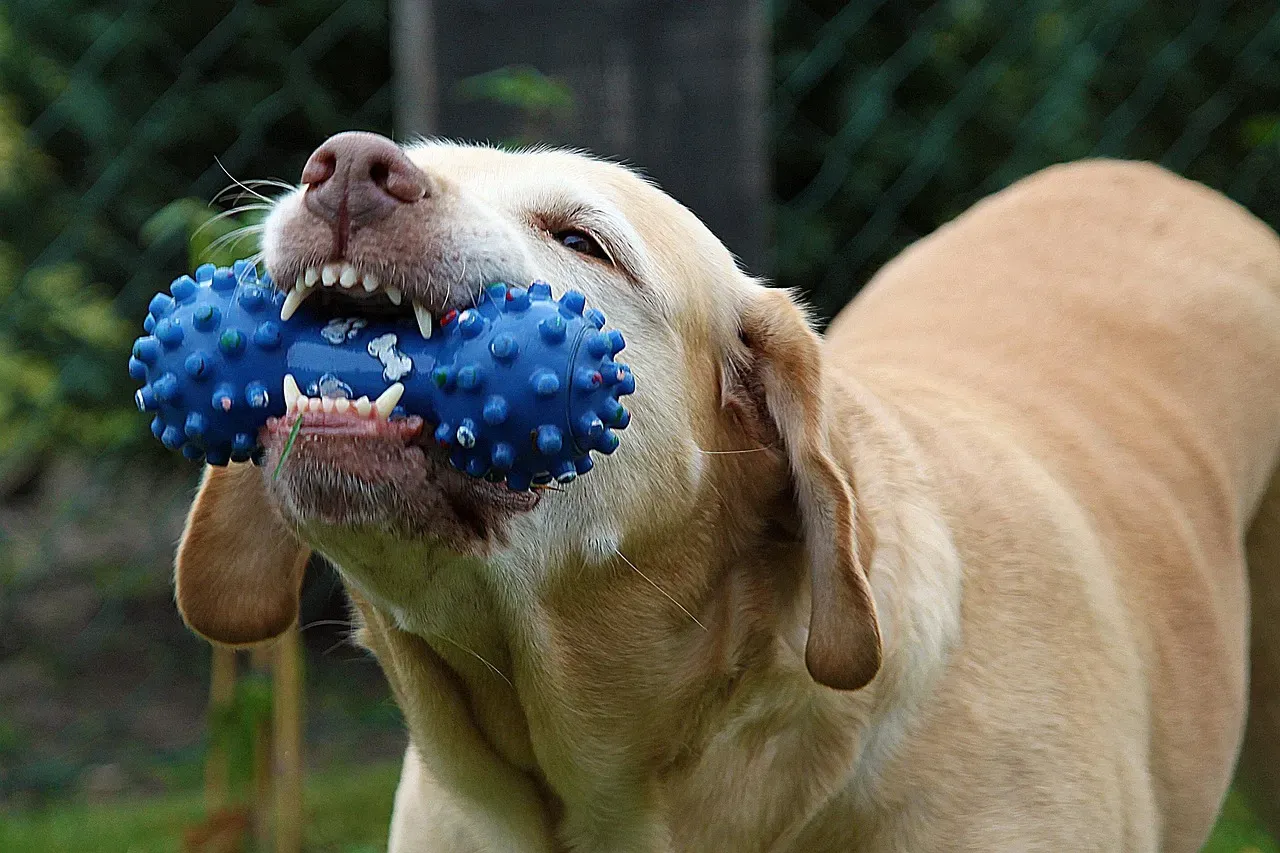
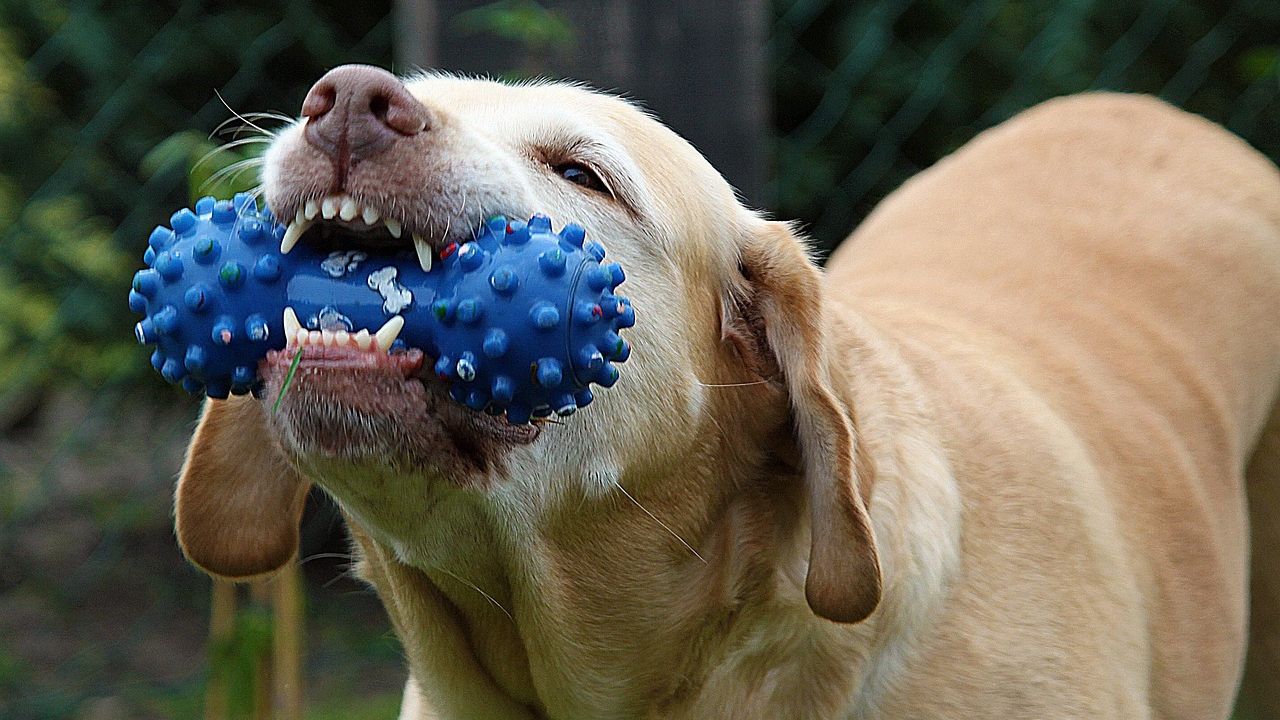
Replacing the forbidden item with something approved made a noticeable difference. I gathered a collection of durable rubber toys and frozen Kongs stuffed with peanut butter. These kept my dog occupied for longer stretches and satisfied the urge to chew without damaging anything valuable.
Rotating the toys every few days kept interest high. What worked best was matching the texture to what my dog already liked about shoes, such as firm yet flexible materials. The key was making the new options more rewarding than the old ones.
Using Positive Reinforcement Effectively
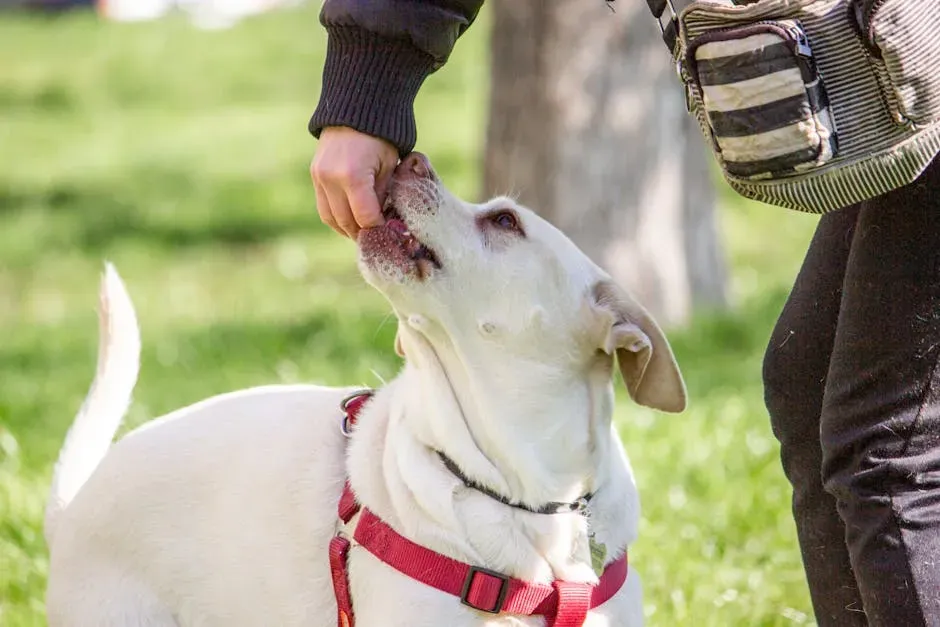
Rewarding good behavior proved far more powerful than scolding. Every time my dog chose a toy instead of a shoe, a treat or enthusiastic praise followed right away. This quick connection helped the preferred action stick in memory.
Timing mattered more than the size of the reward. Short, clear verbal cues like a cheerful “good choice” paired with a small snack built steady progress. Sessions stayed brief so neither of us grew frustrated, and the positive mood carried over into other parts of the day.
Building a Daily Training Routine
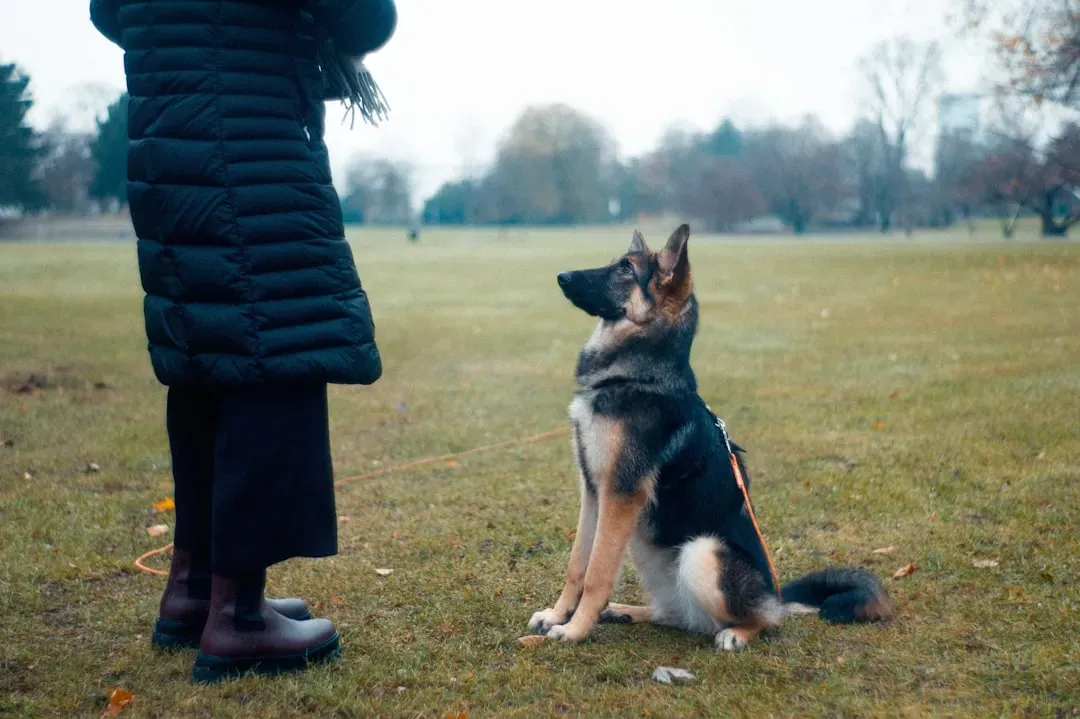
Consistency came from weaving short exercises into ordinary moments. Morning walks included a quick game of fetch with a chew toy before leaving the house. Evening wind downs featured a few minutes of gentle tug of war to release energy.
Tracking small wins in a notebook helped me stay motivated on tougher days. After two weeks the incidents dropped sharply, and by the end of a month they had nearly disappeared. The routine felt natural rather than forced once it became part of our shared schedule.
Handling Setbacks Gracefully
Progress was not perfectly linear. One rainy weekend brought a single slip when an old pair of sneakers was left out by mistake. Instead of overreacting, I simply removed the item and redirected attention to a favorite toy without drama.
Staying calm prevented the setback from turning into a bigger issue. Reviewing what led to the moment, such as extra stress from the weather, allowed me to adjust the environment ahead of time. Patience during these bumps kept the overall strategy on track.
Reflecting on the Journey
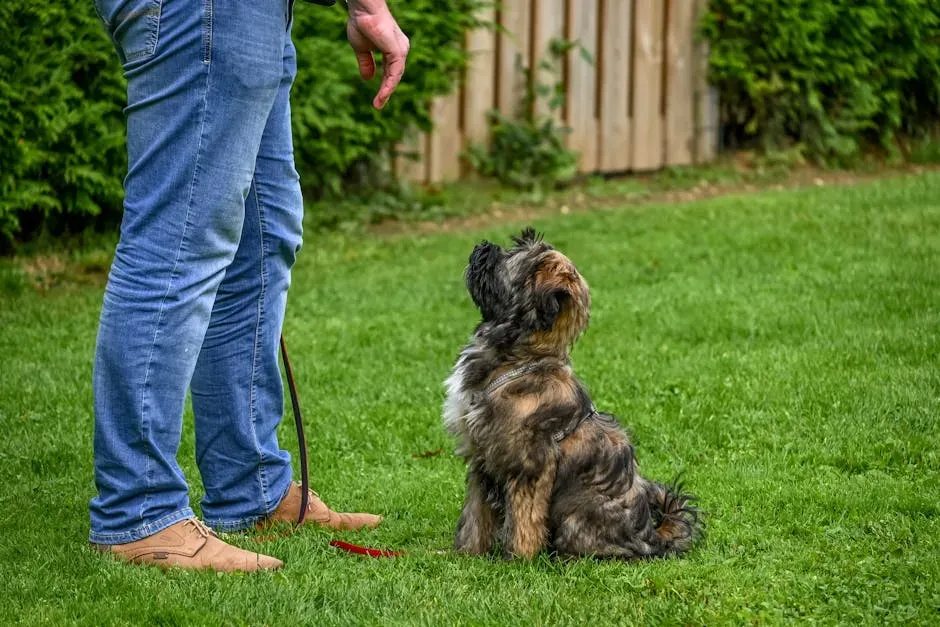
Looking back, the real victory was not just intact shoes but a calmer household for both of us. My dog learned boundaries while I learned to read subtle signals of boredom or restlessness earlier. The process strengthened our bond in ways I had not expected at the start.
Every dog is different, yet the core idea of meeting needs with structure and kindness travels well. If you are facing similar challenges, start small and stay steady. The shoes stay safe, and the relationship grows stronger along the way.


