
Psychology Says Dogs Feel Abandoned Every Single Time You Check Your Phone Instead Of Them
The Deep Roots of Canine Connection
Dogs evolved alongside humans in ways that made them experts at reading our cues. Their ability to notice when our eyes move away from them comes from generations of living closely with people who provided food, safety, and companionship.
This history means they treat our gaze as a signal of engagement. When that signal fades even briefly, it registers as a change in the social environment they rely on.
How Attention Shapes Their Sense of Security
Consistent eye contact and presence help dogs feel part of the daily rhythm. Short breaks in that connection can leave them scanning for reassurance that the bond remains steady.
Over repeated instances, these small interruptions add up in their experience of the relationship. They learn patterns quickly and adjust their behavior to seek the interaction they expect.
The Role of Gaze in Everyday Moments
Research shows dogs respond more actively when a person’s face stays visible and directed toward them. Hidden or diverted attention reduces their willingness to engage in simple shared activities.
This sensitivity appears early, even in young puppies who prefer interacting with attentive humans. It suggests the preference for focused connection is built into how they navigate the world with us.
Signs That Distraction Registers With Them
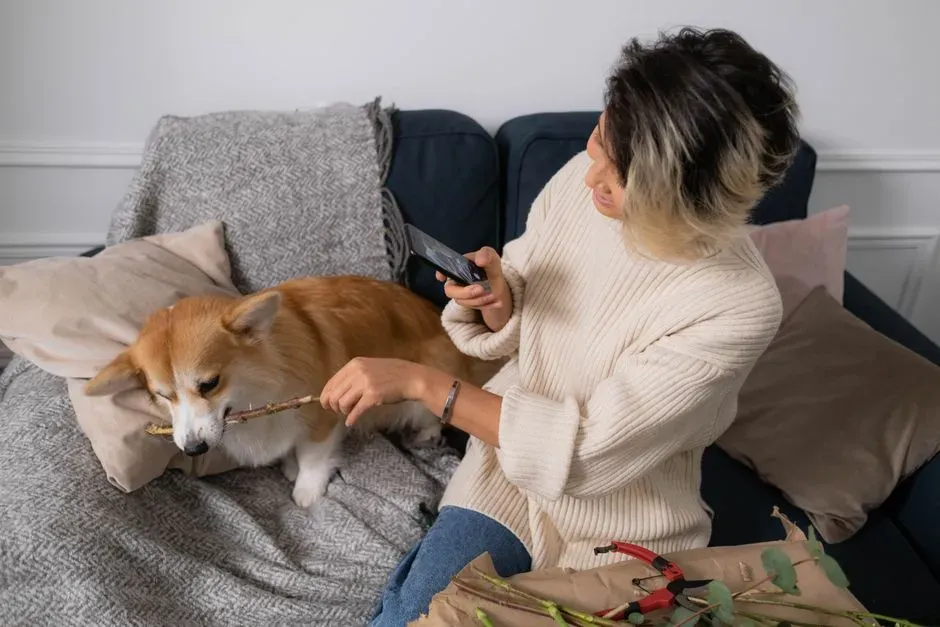
Many dogs show subtle shifts like moving closer, offering a paw, or changing their posture when an owner looks at a phone. These actions often serve as gentle bids for renewed contact.
Others may settle into a quieter state or redirect their energy elsewhere. Either response reflects an attempt to restore the balance they sense has tilted.
Modern Life and Its Quiet Interruptions
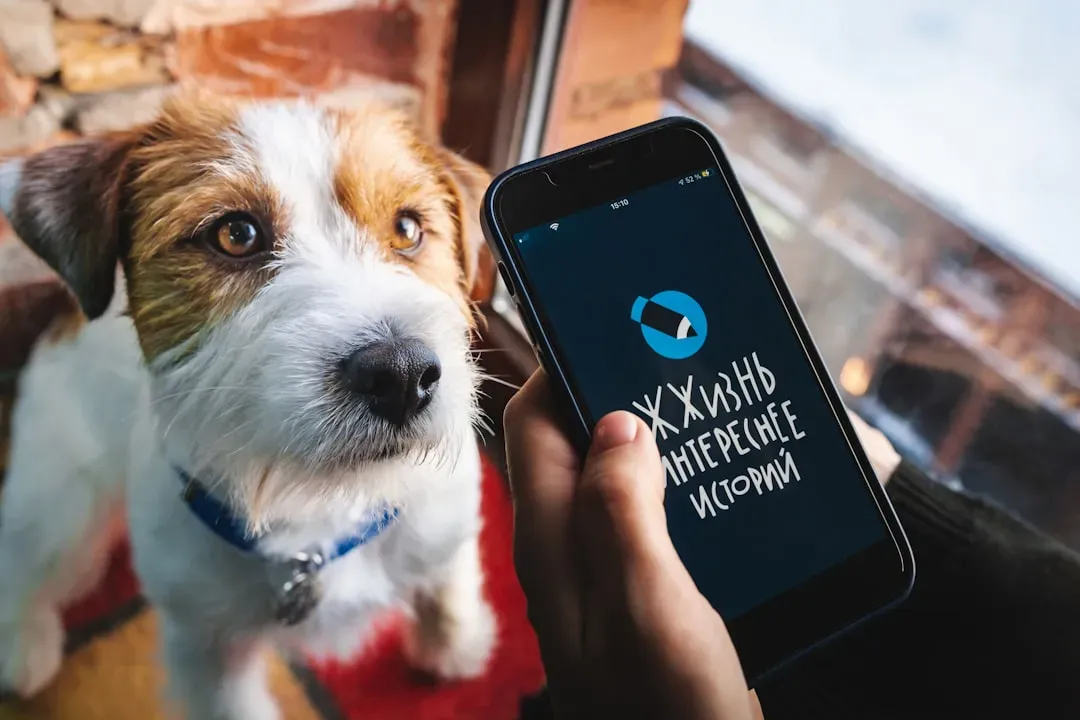
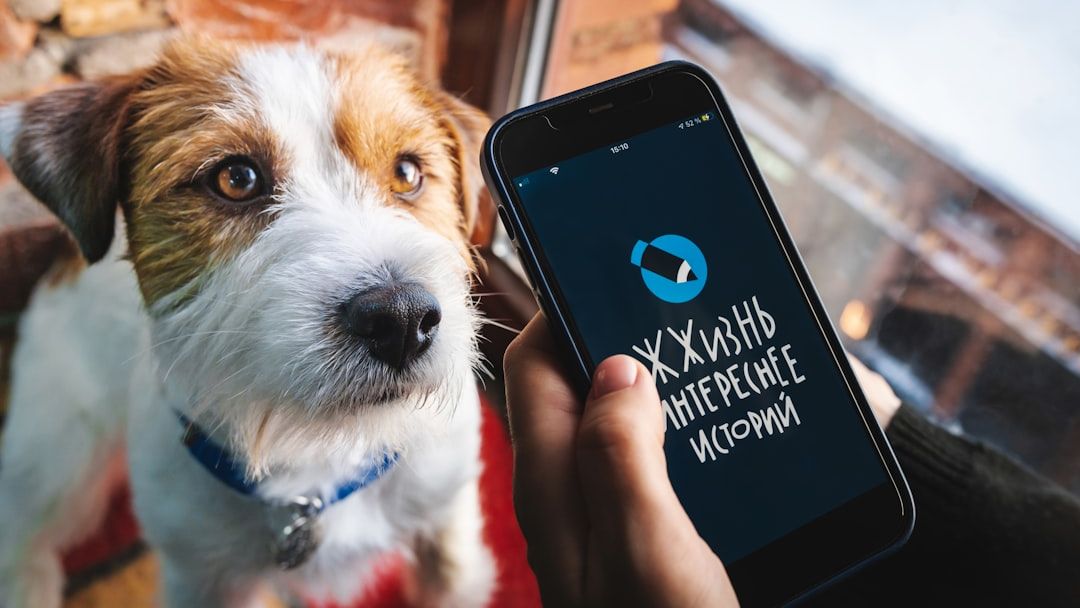
Smartphones travel with us through walks, meals, and quiet evenings at home. Each check pulls attention away in a way that feels seamless to us but stands out to a dog waiting for the next shared glance.
The constant availability of screens creates more opportunities for these brief separations than earlier generations of pet owners faced. Dogs simply adapt to the new normal we create.
Ways to Keep the Bond Steady
Setting aside short periods without devices allows for uninterrupted play or simple presence. Even a few minutes of focused time can reinforce the sense of connection dogs value.
Simple habits like leaving the phone aside during meals or evening routines make room for the small interactions that matter. These choices add up without requiring major changes to daily life.
Looking Ahead With Our Four Legged Friends
Our devices will likely remain part of the landscape, yet the quality of time we offer dogs can still stay high. Paying attention to their responses helps guide better choices about when to stay present.
In the end, the relationship benefits when we treat their need for connection as real rather than optional. Small adjustments protect the trust that makes life with a dog so rewarding.