
They Follow You From Room to Room
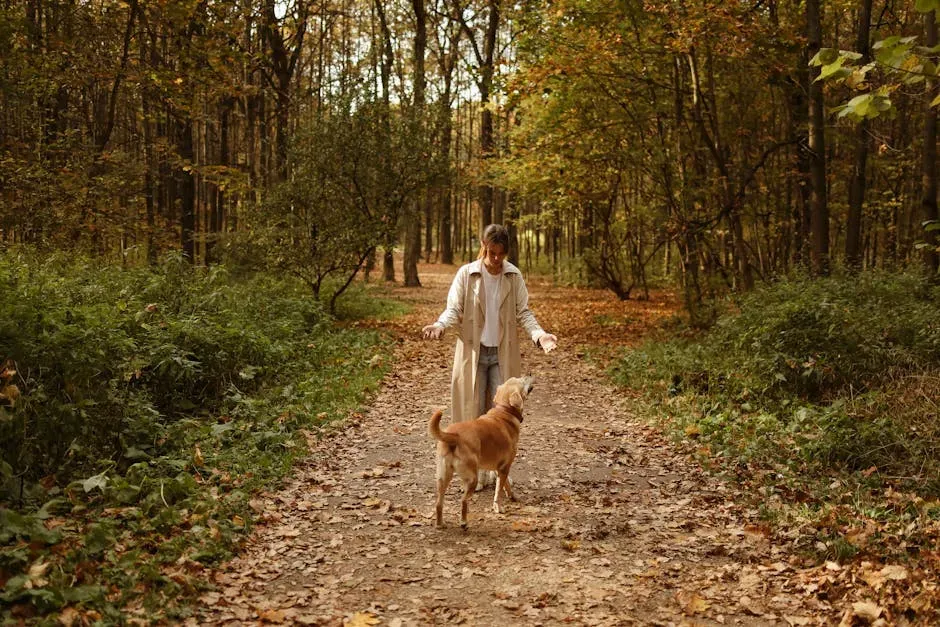
Dogs that trail their favorite person through the house are not simply bored or restless. They treat your movement as the center of their day, adjusting their pace to match yours without complaint. This quiet shadowing shows up most clearly during routine tasks like cooking or folding laundry, where the dog settles nearby rather than seeking a more exciting spot.
Over time the habit becomes a reliable signal of attachment. The dog learns your patterns and chooses to stay within reach even when nothing exciting is happening. It is a low key form of loyalty that does not demand attention yet never fades.
They Hold Your Gaze With Soft Eyes
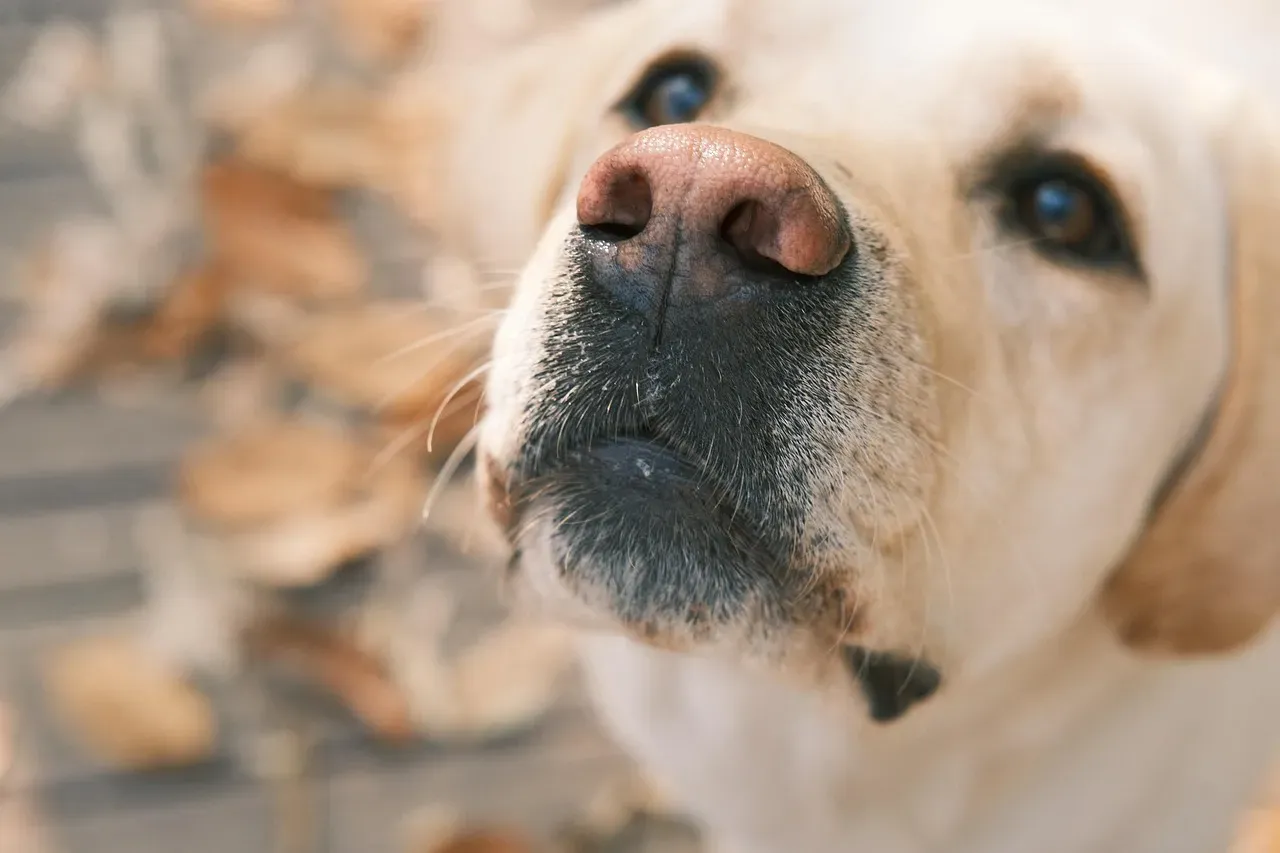
Long, relaxed eye contact from a dog carries a different weight than a quick glance. The eyes soften, the body stays loose, and the moment lingers without tension. Many owners notice this look during calm evenings when the house is quiet and distractions are few.
That steady connection builds a private language between the two of you. The dog learns to read your mood through small shifts in expression and responds with the same calm attention. It becomes one of the clearest ways they single you out from everyone else.
They Bring You Their Favorite Toys
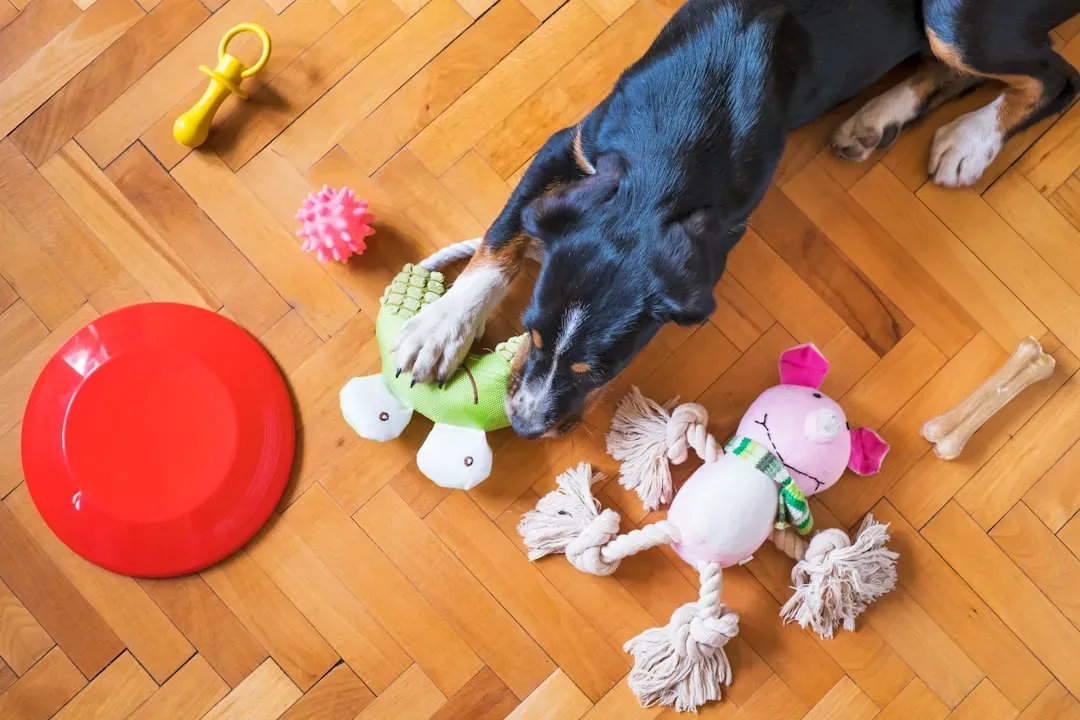
When a dog drops a well chewed toy at your feet, the gesture is rarely random. The toy carries scent and memories of play, and offering it to you turns a personal treasure into a shared one. Some dogs repeat the action daily, selecting the same item each time.
The choice of recipient matters. The dog could carry the toy elsewhere or keep it to themselves, yet they consistently return to you. That repetition turns a simple object into a repeated invitation to connect.
They Lean Their Weight Against You
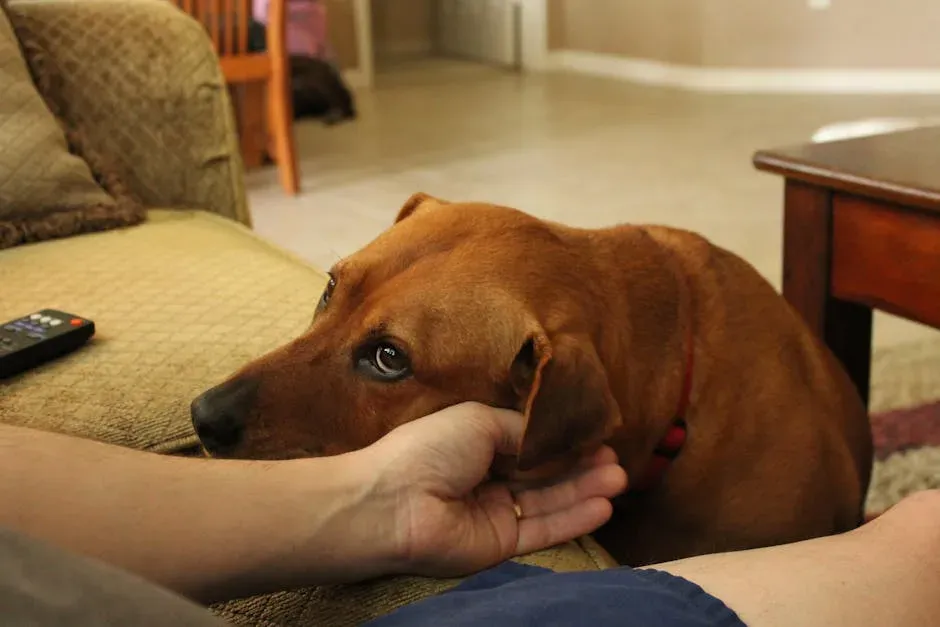
Leaning is a physical vote of confidence. The dog presses its side or back into your leg or hip, transferring its balance to you for a few seconds or longer. The pressure feels deliberate rather than accidental, especially when it happens during moments of uncertainty like loud noises or new visitors.
Over months the lean becomes a familiar comfort for both sides. The dog seeks that contact when it needs reassurance, and you learn to recognize the subtle shift in posture that precedes it. The behavior stays consistent even as the dog ages.
They Match Your Energy Levels
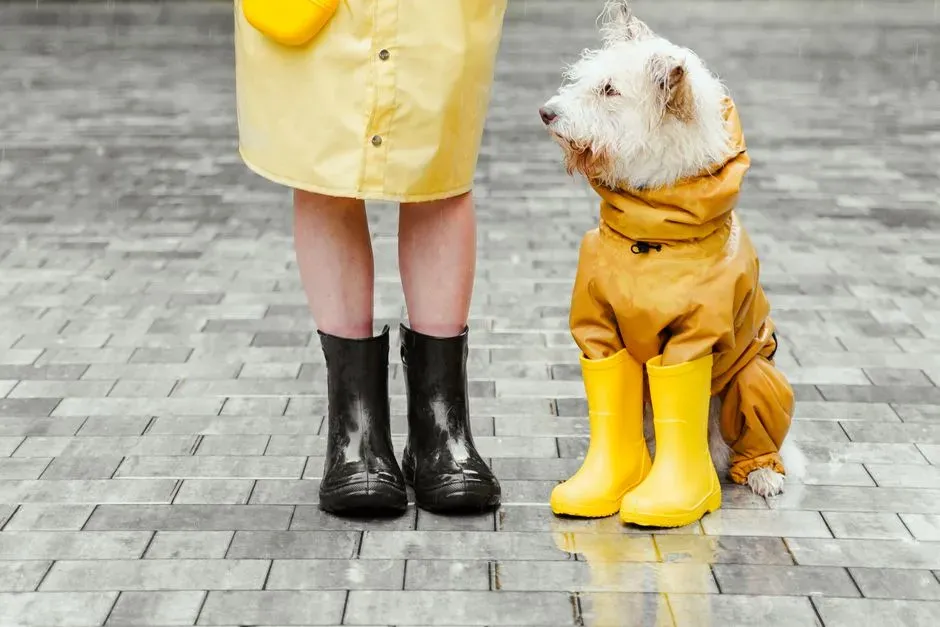
A dog that settles when you settle and perks up when you move demonstrates careful observation. It watches your posture and tone, then adjusts its own activity without prompting. This mirroring appears most clearly on weekends when schedules relax and the household pace slows.
The adjustment is not perfect every day, yet the pattern holds across different moods and seasons. The dog treats your rhythm as its own reference point. That alignment turns daily life into a shared tempo rather than separate routines.
They Wait by the Door When You Leave
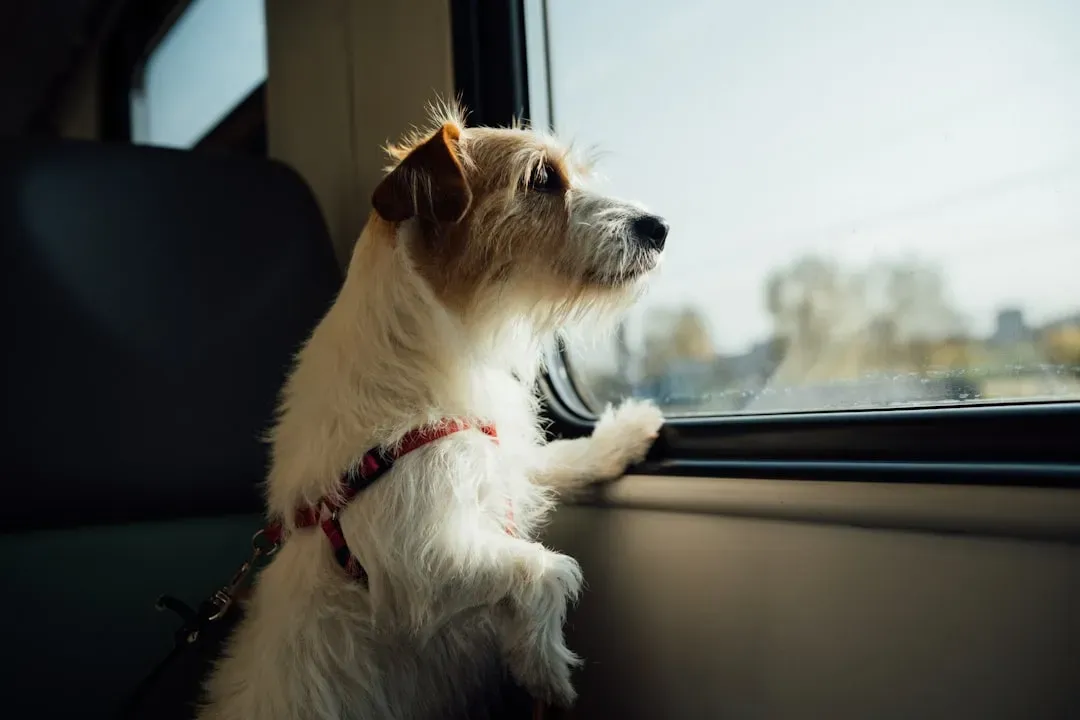
Positioning near the exit after you step out shows the dog tracks your departures. It does not always involve barking or pacing. Often the dog simply sits or lies in the same spot, facing the door until sounds or scents signal your return.
The wait can last minutes or hours depending on the length of your absence. What stays constant is the choice to remain oriented toward your return rather than wandering to another part of the home. That orientation marks you as the focal point of its day.
They Seek You Out During Storms or Stress
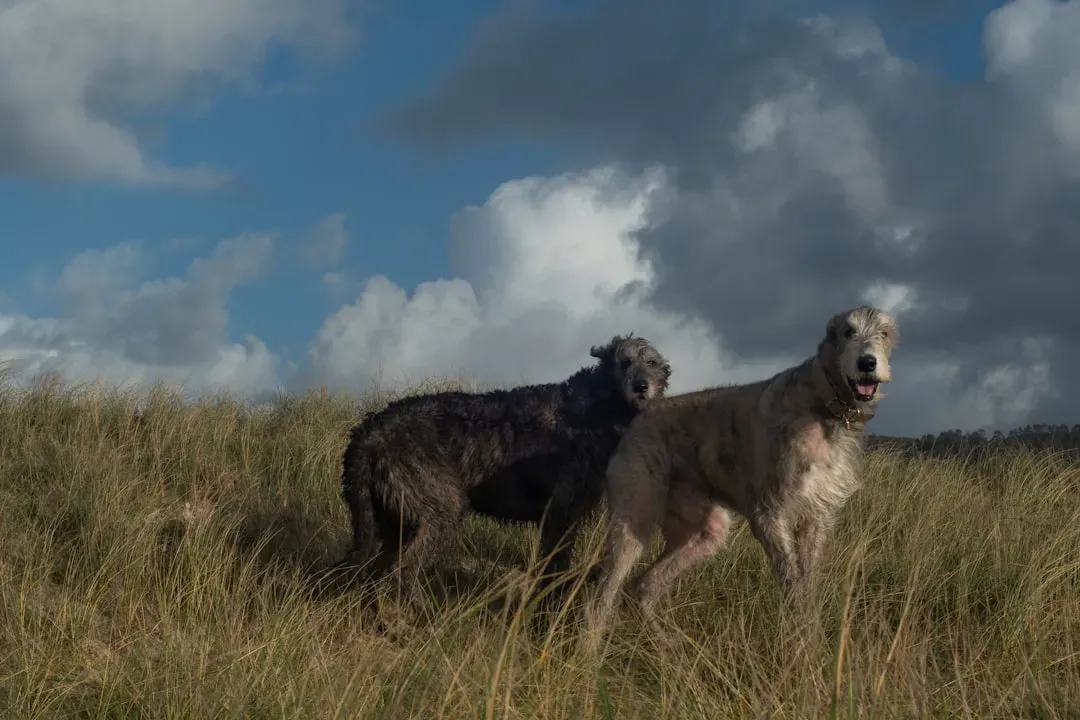
Thunder, fireworks, or sudden changes in the household often send dogs looking for their chosen person. They may press close, rest a paw on your foot, or simply stay within sight until the noise passes. The preference for one specific individual becomes obvious when other family members are present.
The dog learns which presence brings the quickest sense of safety. Over repeated events the pattern solidifies into a clear preference. That reliance during difficult moments reveals a deeper trust that goes beyond casual companionship.
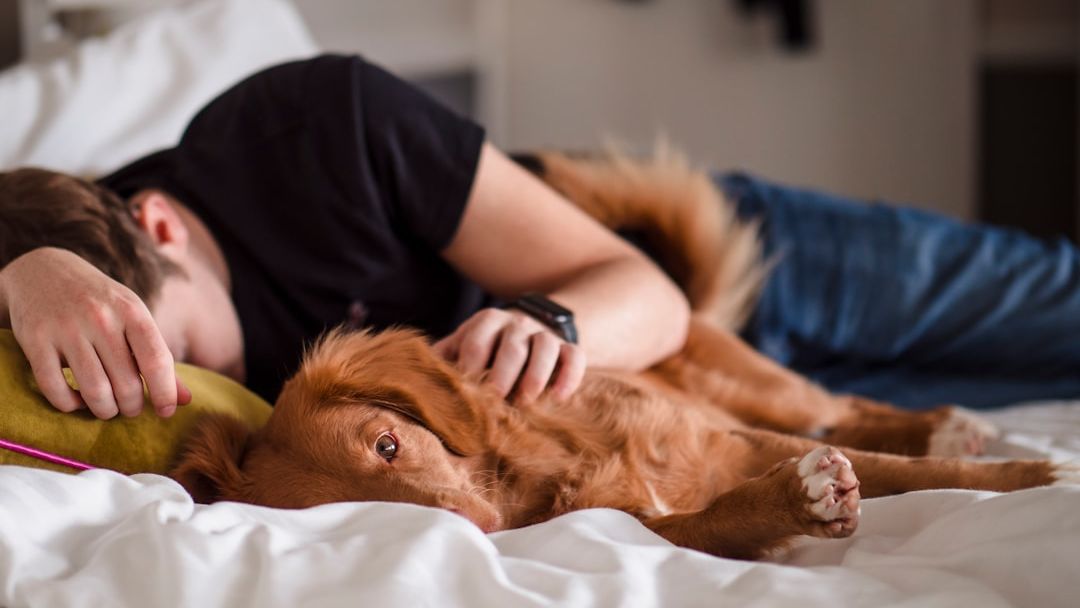
They Sleep Facing or Touching You
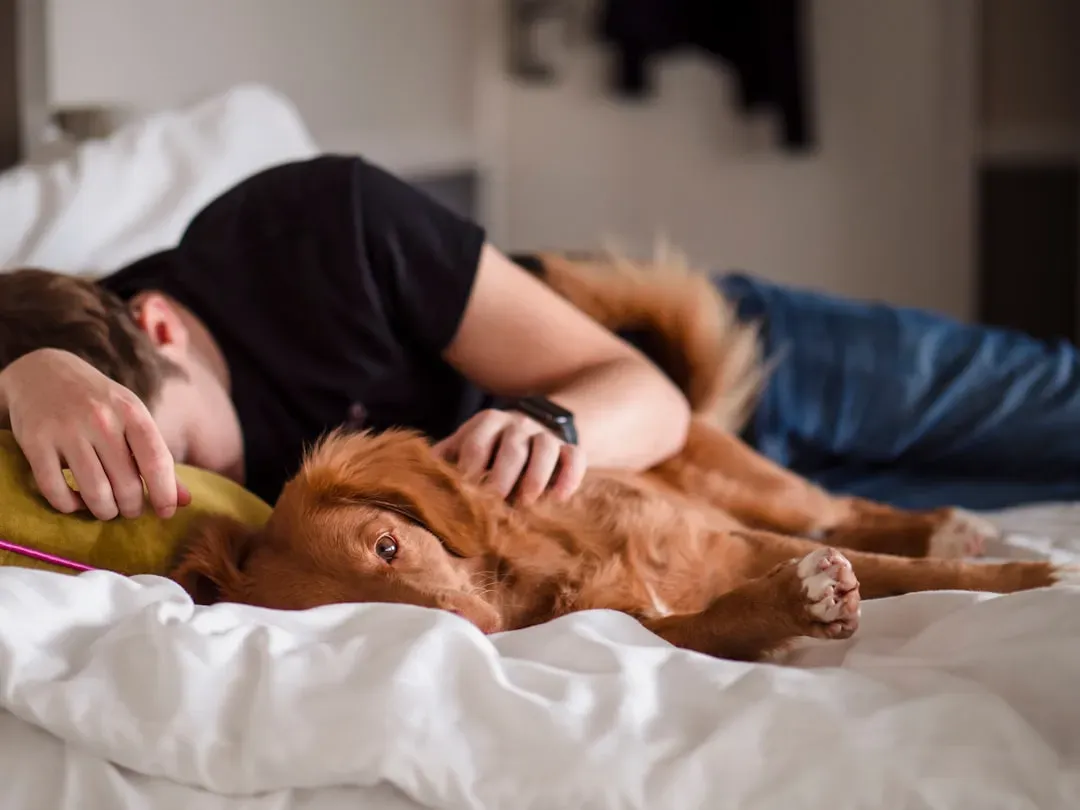
Choosing a sleeping spot that keeps you in view or in contact reflects a lasting sense of security. The dog may curl at the foot of the bed, rest its head on your leg, or stretch out along your side. The position changes with temperature or comfort yet the orientation toward you remains steady.
Night after night the choice repeats without training or reward. The dog could select a cooler floor or a different room, yet it returns to the same arrangement. That consistency turns rest into another expression of attachment.
They Respond Faster to Your Voice
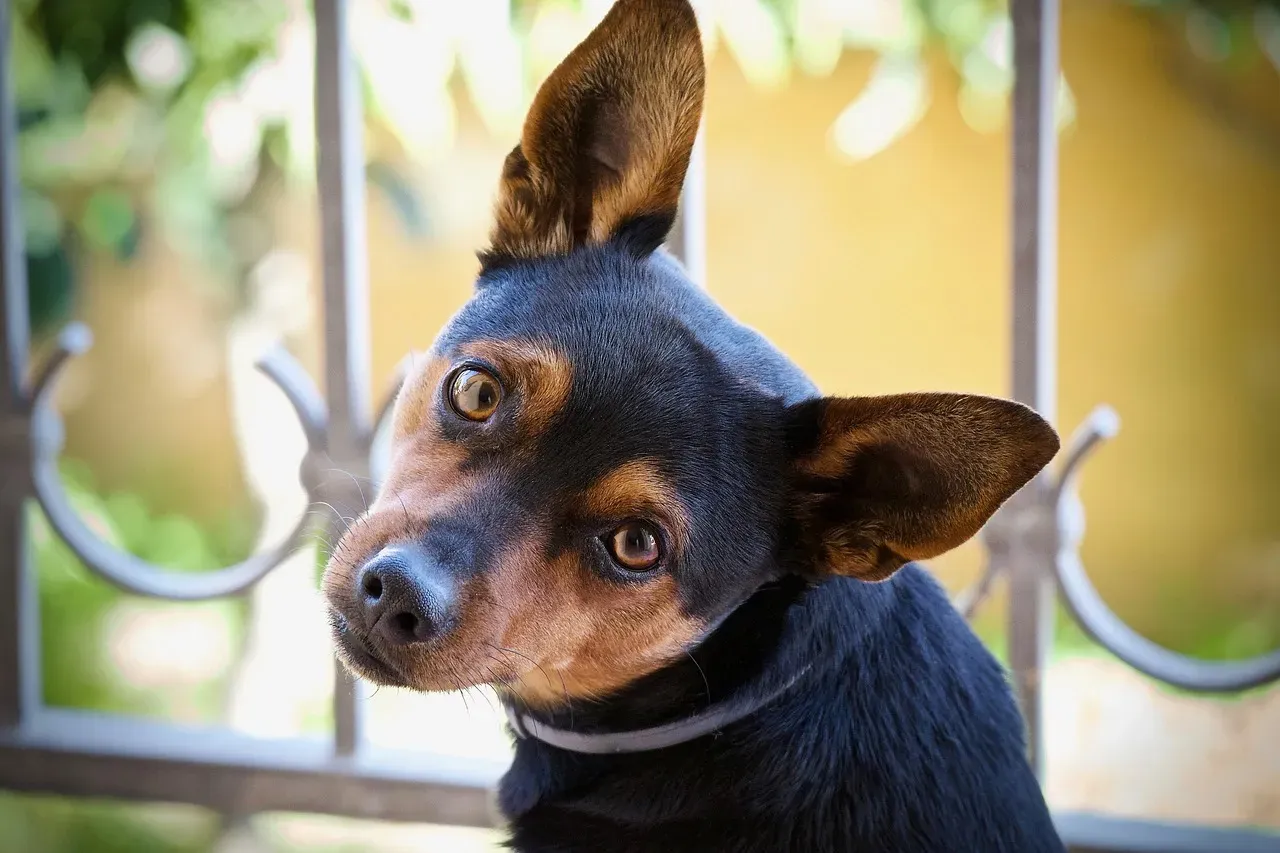
Even in a room full of people, many dogs react first to their chosen person’s tone or call. The ears flick, the head turns, and movement follows more readily than with other voices. The difference shows up during casual conversations as well as direct commands.
The quicker response is not about volume or novelty. It reflects repeated positive associations built over time. The dog has learned that your voice most often leads to something pleasant or familiar, so it prioritizes that sound above others.
They Groom You With Gentle Licks
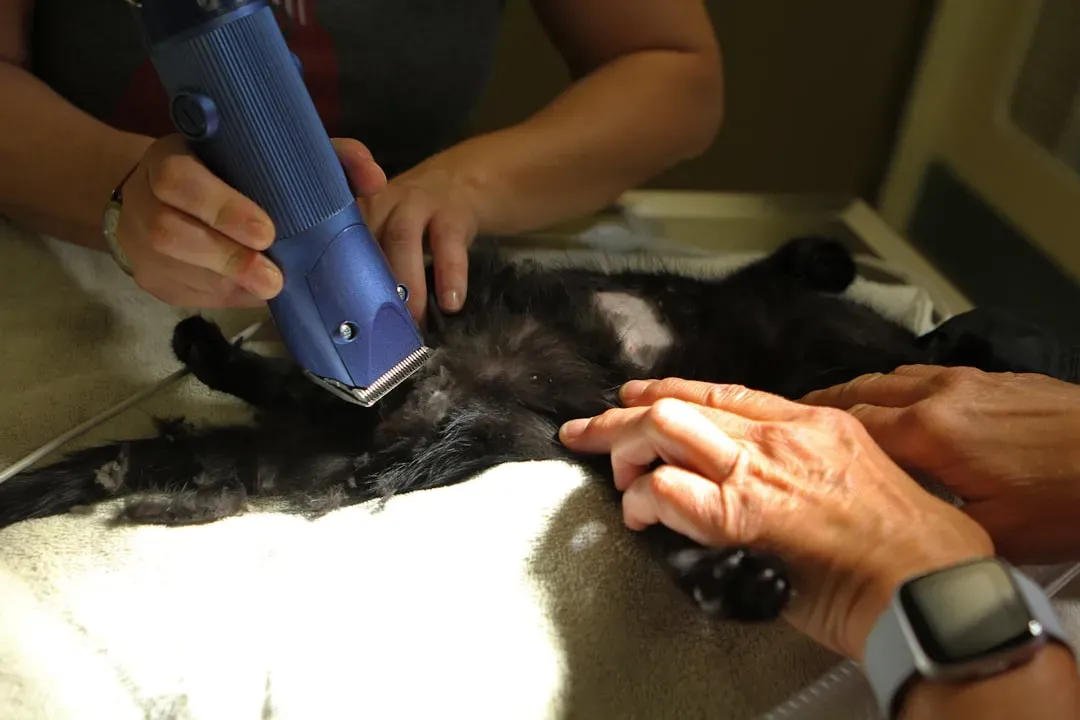
Light licking on hands or arms serves as a social behavior that dogs reserve for those they consider close. The action stays brief and relaxed rather than frantic or demanding. It often occurs during quiet moments when the dog is already settled nearby.
The choice of target is telling. The dog could direct the same attention to another household member or to itself, yet it returns to you. That selective grooming reinforces the bond through a simple, repeated ritual.
They Protect Your Space Without Prompting
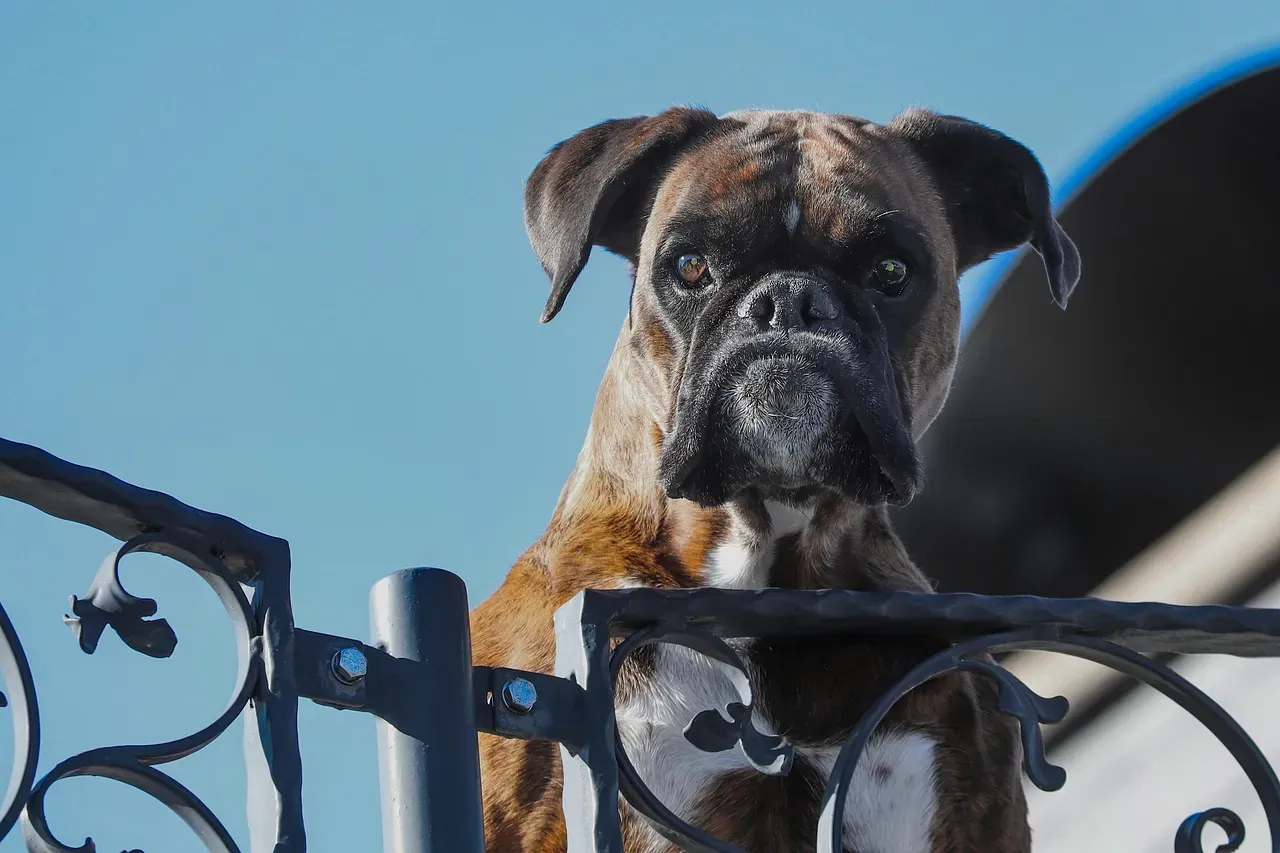
Standing between you and an unfamiliar visitor or barking at unusual sounds near your location shows protective instinct directed at one person. The dog does not need to be aggressive. A simple shift in posture or alert stare often suffices to mark the boundary.
The behavior appears consistently across different situations and locations. The dog treats your immediate area as worth monitoring even when you seem unaware of any change. That vigilance becomes another quiet way of choosing you daily.
They Celebrate Your Return With Full Body Joy
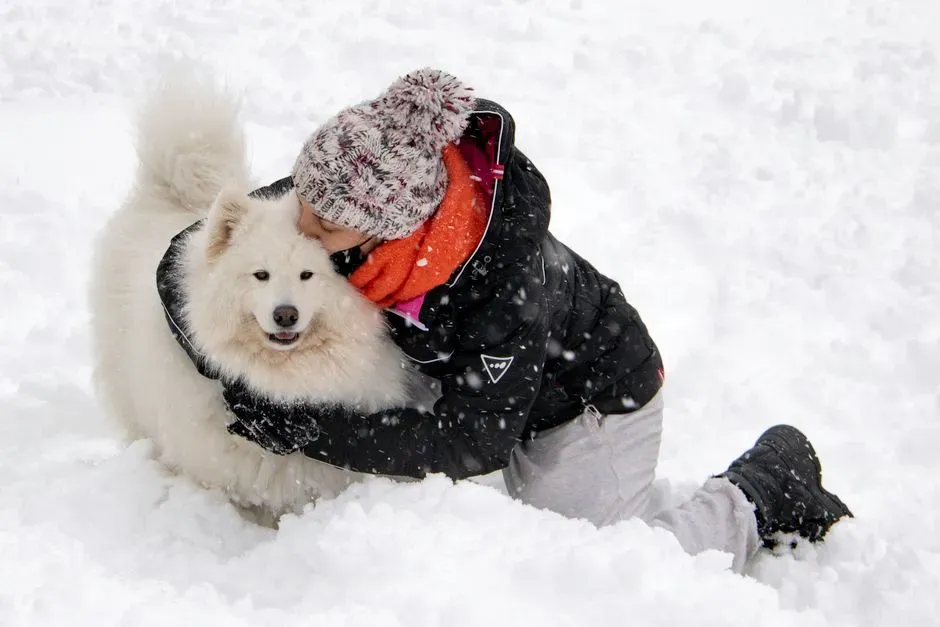
The greeting that involves spinning, vocalizing, or pressing close upon your arrival stands out from milder welcomes given to others. The dog saves the most animated version for you, even after short separations. The intensity may vary with age or energy, yet the preference remains clear.
Over years the greeting stays tied to your specific presence rather than the general act of someone entering the home. The dog learns the difference in footsteps, scent, and timing. That distinction turns every return into a small reaffirmation of the bond.
Dogs do not speak in grand declarations, yet their steady choices add up to something unmistakable. The small, repeated gestures create a quiet certainty that feels like a promise kept across ordinary days. In the end, that consistent preference is what makes the idea of choosing you again feel entirely believable.


