
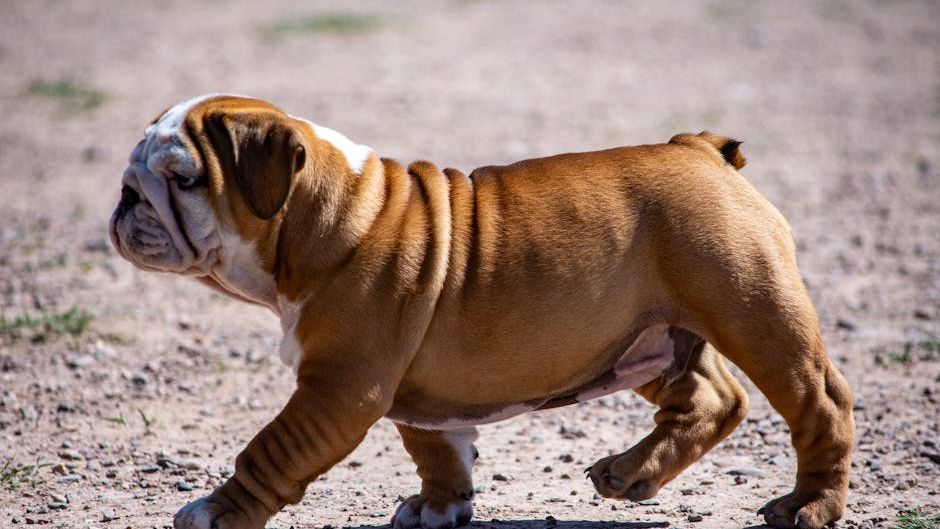
Dogs form intense bonds with their people, and the loss of an owner can leave a lasting mark on their daily routines and moods. Stories of loyal companions waiting by doors or refusing food have circulated for generations, sparking curiosity about whether certain breeds handle such heartbreak differently than others.
While individual personality and the strength of the bond play the biggest roles, some patterns in how dogs respond have caught the attention of owners and observers over time. This raises questions about which breeds might linger in their sorrow and which seem to adapt with surprising speed.
Akita
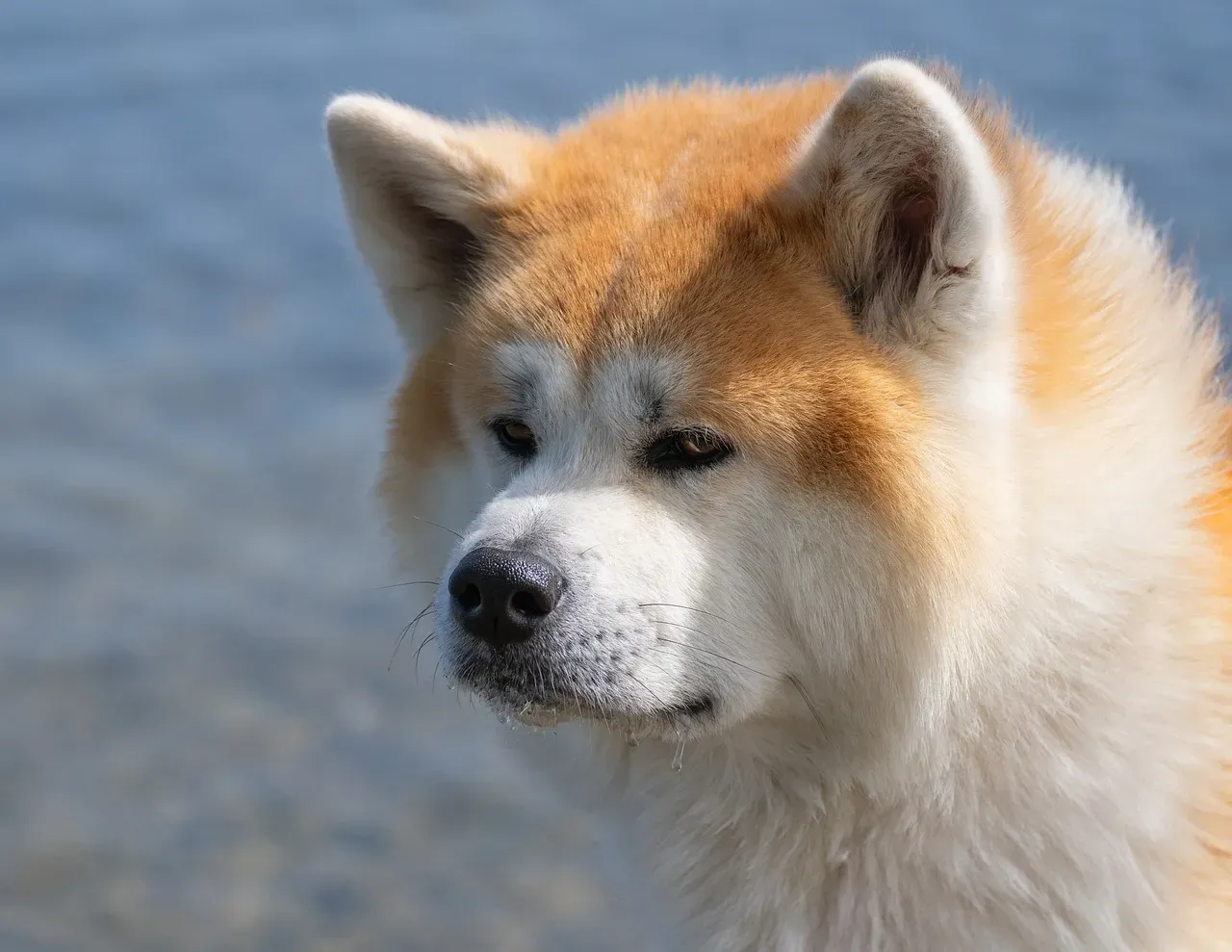
The Akita carries a reputation for steadfast loyalty that often shows in how it responds to major changes in its household. Owners frequently describe these dogs as deeply attached to one primary person, which can make the absence of that individual feel especially profound. They may spend extra time in familiar spots or show reduced interest in play for weeks or longer.
Historical accounts highlight Akitas maintaining routines tied to their person long after that person is gone. This breed tends to form selective but intense connections, so the adjustment period can stretch out noticeably. Support from remaining family members helps many Akitas regain their footing over time.
German Shepherd
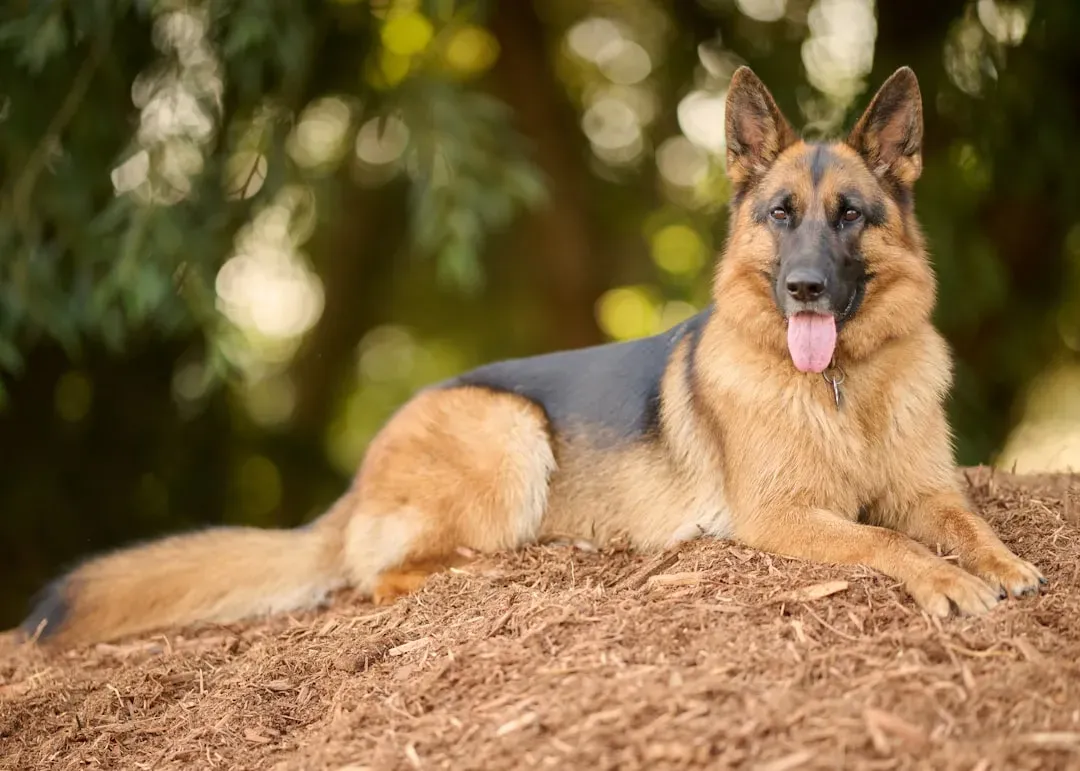
German Shepherds often build working partnerships with their owners that extend well beyond simple companionship. When that partnership ends suddenly, some of these dogs display clear signs of searching behavior or withdrawal from normal activities. Their intelligence and sensitivity to routine make the disruption particularly noticeable in the early weeks.
Many accounts mention German Shepherds staying close to items or spaces associated with their lost person. The breed’s protective instincts can shift toward guarding memories in their own quiet way. With consistent care and new structure, they usually find ways to reengage with daily life.
Labrador Retriever
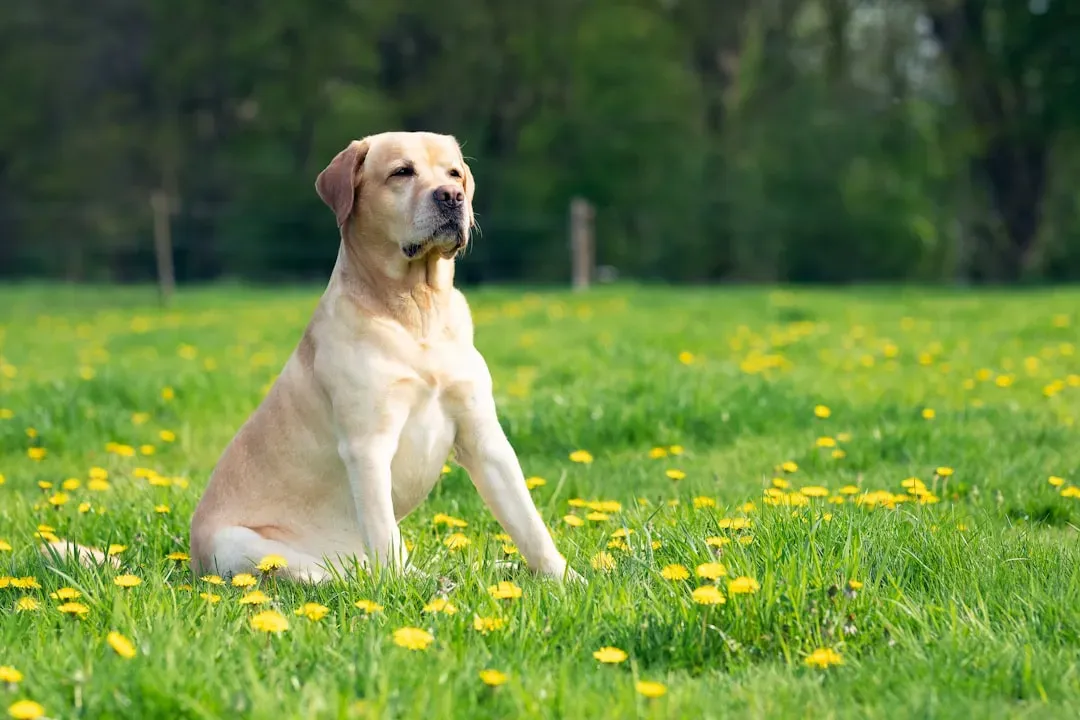
Labrador Retrievers thrive on human interaction and often treat their owner as the center of their world. The sudden lack of that presence can lead to changes in appetite or energy levels that stand out to those around them. Their friendly nature sometimes masks the depth of the adjustment they are navigating.
These dogs may seek out extra reassurance from other household members while still showing moments of hesitation or sadness. Labs generally respond well to gentle encouragement and new activities that rebuild confidence. Their adaptable temperament helps many move forward, though the initial period can feel heavy.
Golden Retriever
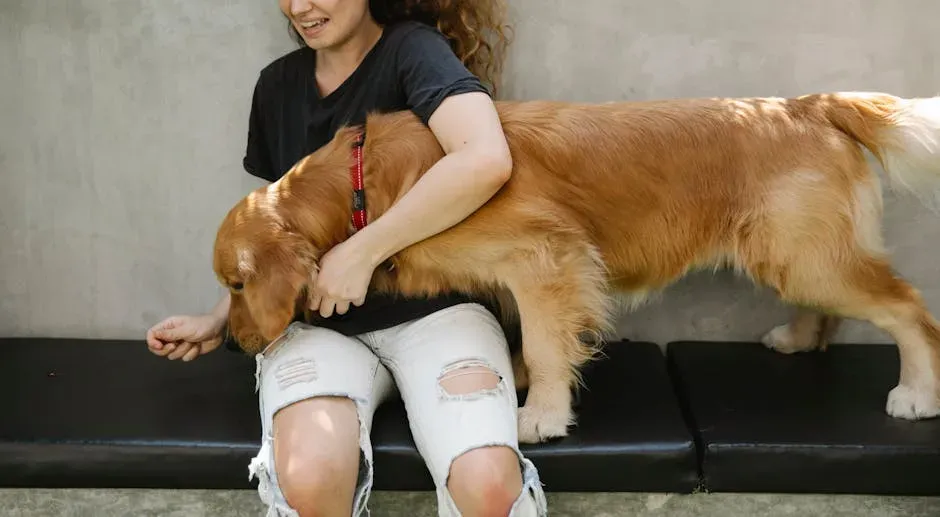
Golden Retrievers form warm, people-focused bonds that make them especially attuned to their owner’s presence. Loss can bring about periods of quiet reflection or reduced enthusiasm for favorite games. Owners often notice these dogs lingering near doorways or favorite chairs for extended stretches.
The breed’s gentle disposition means they may accept comfort from others more readily than some more independent types. Still, the emotional weight of the change shows in subtle shifts in behavior that last beyond the first few days. Time and steady companionship usually ease the transition.
Border Collie
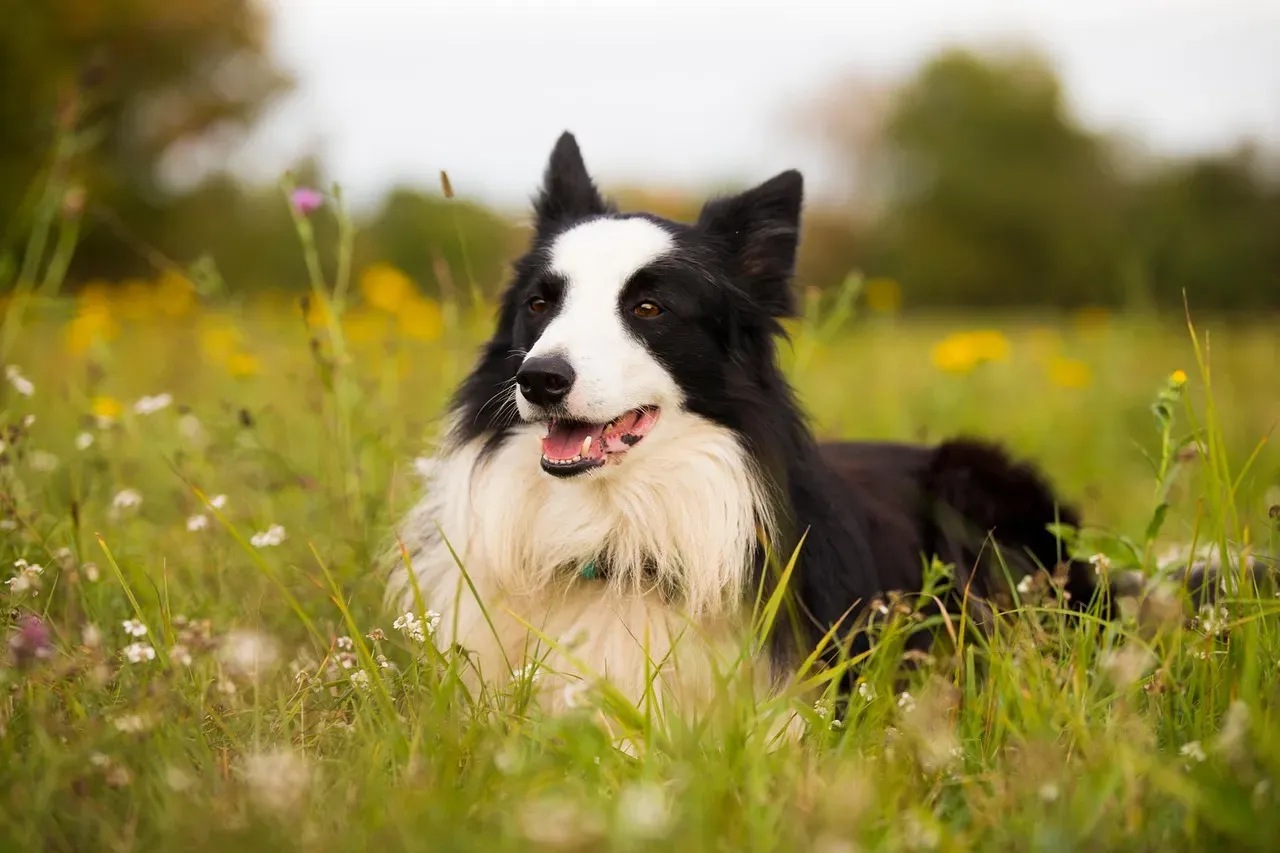
Border Collies channel their energy into tasks and relationships with their people, creating tight daily rhythms. When an owner is no longer there to share those rhythms, some dogs exhibit restlessness or a drop in their usual drive. Their high intelligence can make the absence feel like an unfinished job.
These collies sometimes redirect their focus toward other family members or new routines once stability returns. The breed’s need for mental engagement means providing outlets helps them process the change. Many recover their spark once they settle into a revised schedule.
Australian Shepherd
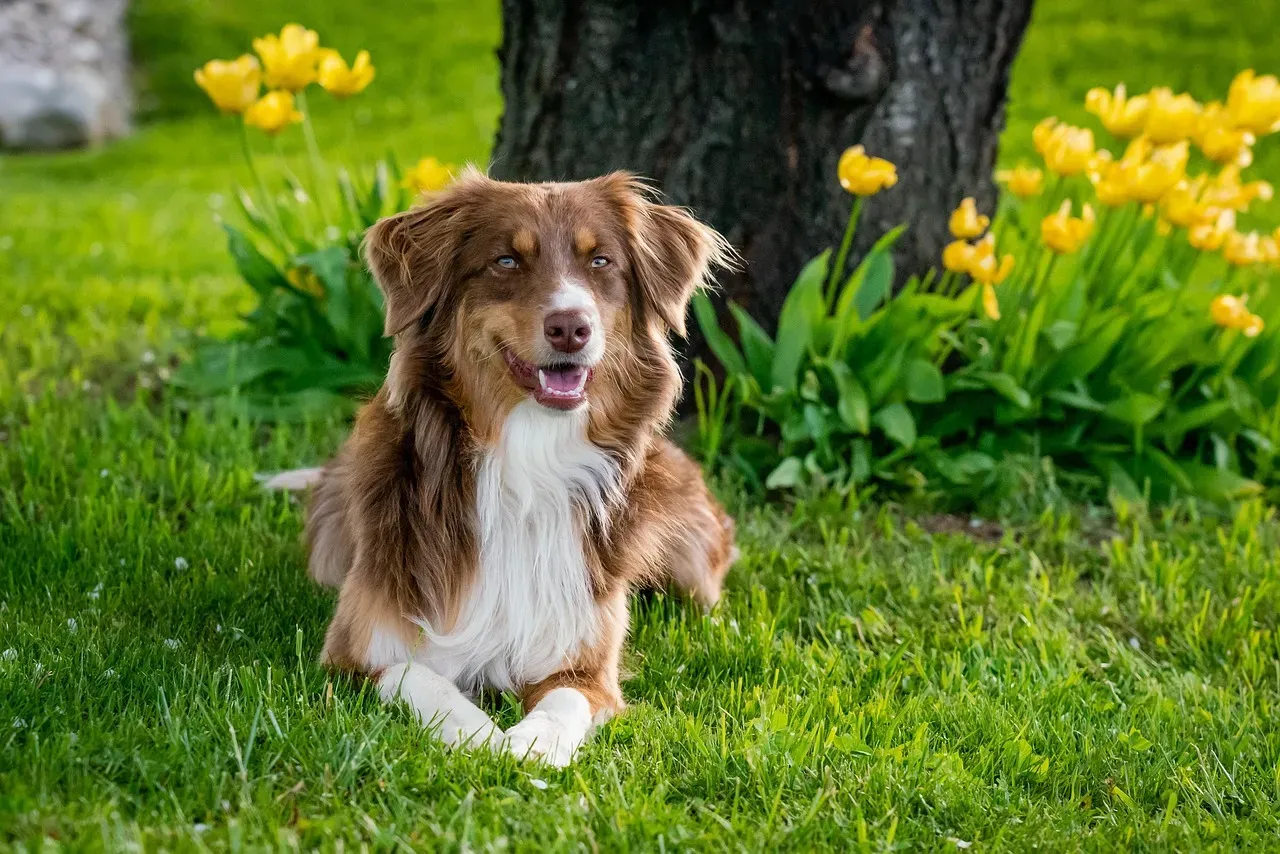
Australian Shepherds build strong herding instincts around their household, including the central role of their owner. Grief can appear as increased vigilance or a temporary pullback from group activities. Their alert nature keeps them tuned in to shifts in the home environment.
Owners report these dogs sometimes carrying toys or items linked to the lost person as a form of connection. The breed’s loyalty supports deep bonds that take time to rebalance. Consistent interaction with remaining caregivers aids their recovery process.
Rottweiler
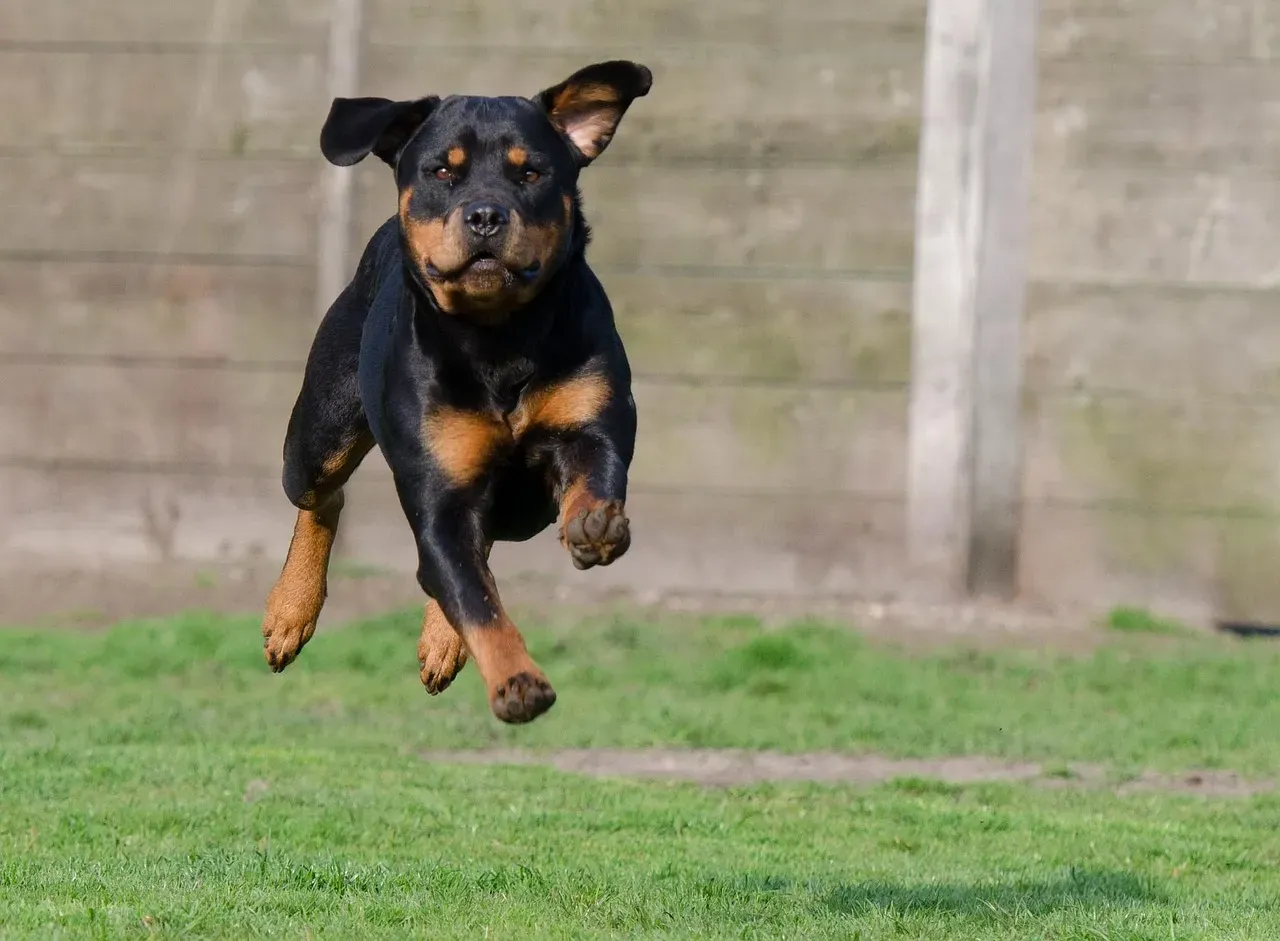
Rottweilers develop protective attachments that often center on one key person in the family. The loss of that person can lead to a more reserved demeanor or extra time spent in quiet observation. Their calm strength sometimes hides the internal adjustment happening beneath the surface.
These dogs may show renewed interest in familiar scents or spaces tied to their owner. With patient handling, Rottweilers tend to accept new leadership within the household. Their steady character helps them regain equilibrium over several weeks or months.
Doberman Pinscher
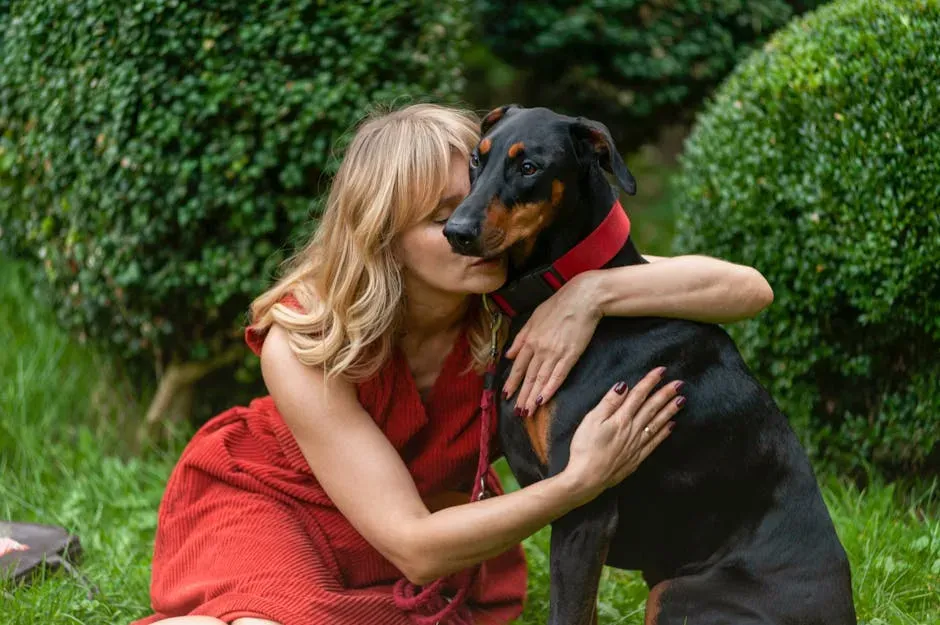
Doberman Pinschers form close, velcro-style bonds with their chosen person. Absence can trigger periods of searching or reduced playfulness that owners find striking. The breed’s sensitivity to its surroundings amplifies the impact of such a significant change.
Many Dobermans respond positively to extra physical contact and structured activities once the initial shock passes. Their intelligence allows them to adapt when given clear new patterns. Supportive environments help them rebuild confidence steadily.
Siberian Husky
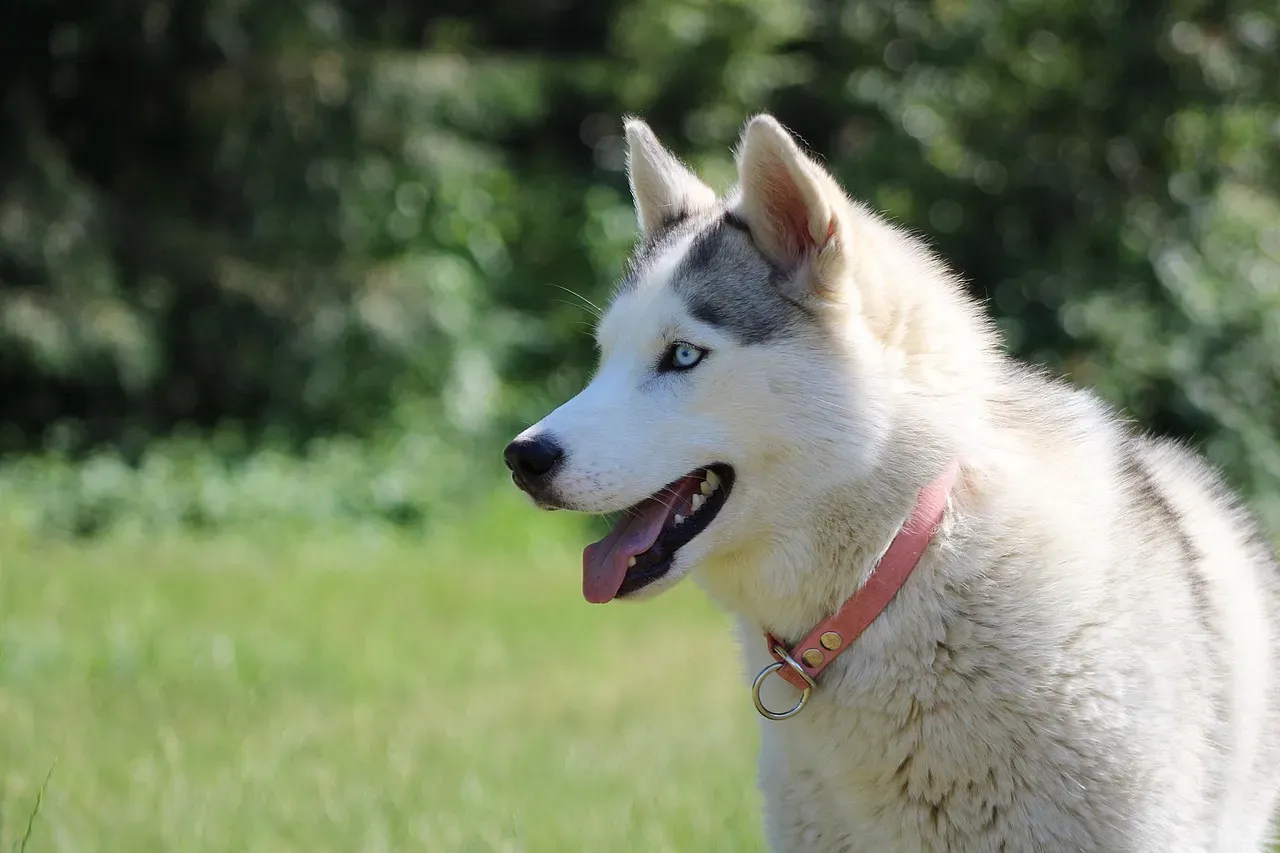
Siberian Huskies balance independence with strong pack loyalty that includes their human. Grief may surface as vocal expressions or a temporary dip in their usual high energy. Their endurance sometimes carries them through the early stages with quiet resilience.
These dogs often benefit from continued exercise and social outlets that honor their active nature. The breed’s adaptability supports a return to normal behaviors as new routines take hold. Owners note that Huskies frequently regain their playful side with time and care.
Beagle
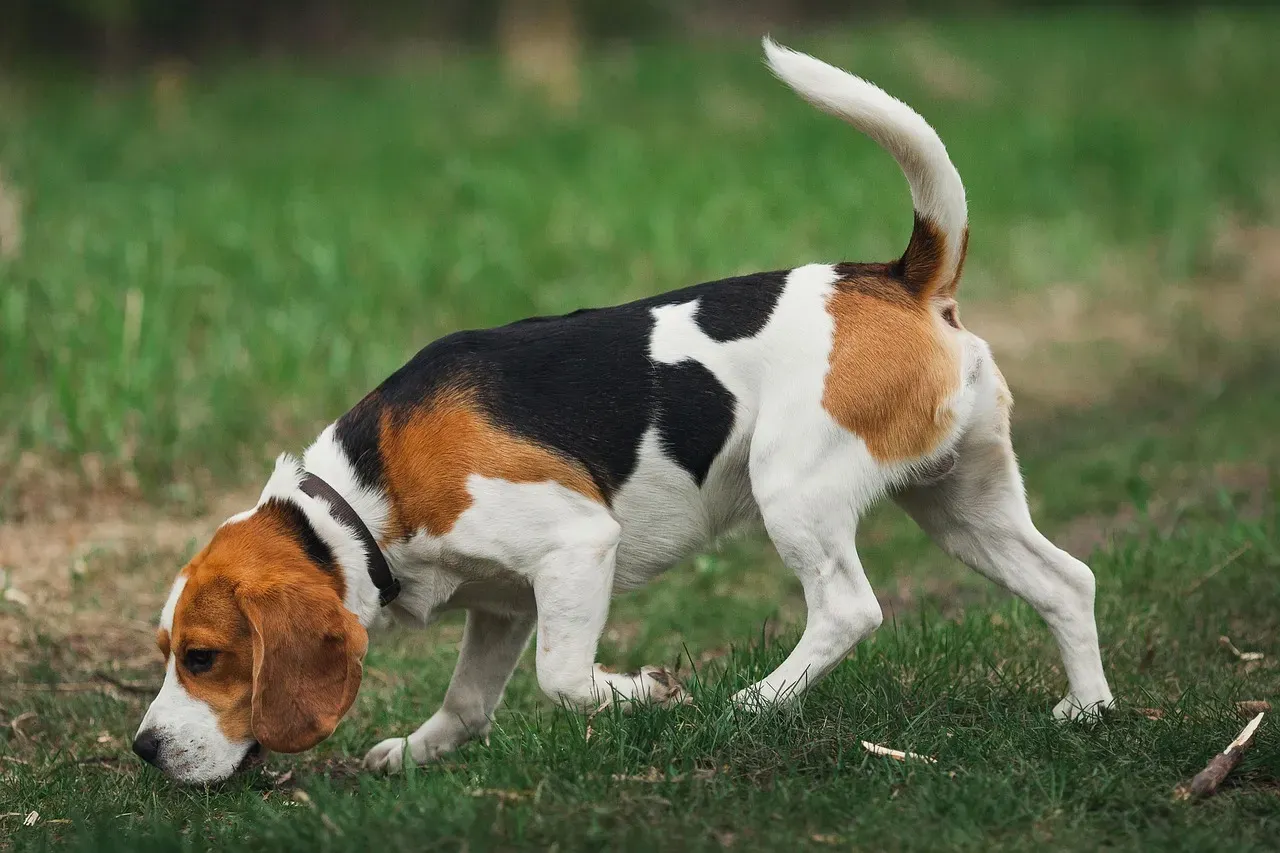
Beagles bring a scent-driven curiosity to their relationships, often centering on their owner’s daily movements. Loss can lead to more time spent sniffing familiar areas or showing less interest in food. Their pack-oriented side makes the missing presence feel significant.
These hounds may warm up to other family members while still displaying moments of hesitation. Gentle encouragement through walks and play helps ease the transition. The breed’s sociable traits generally aid recovery once stability is restored.
Dachshund
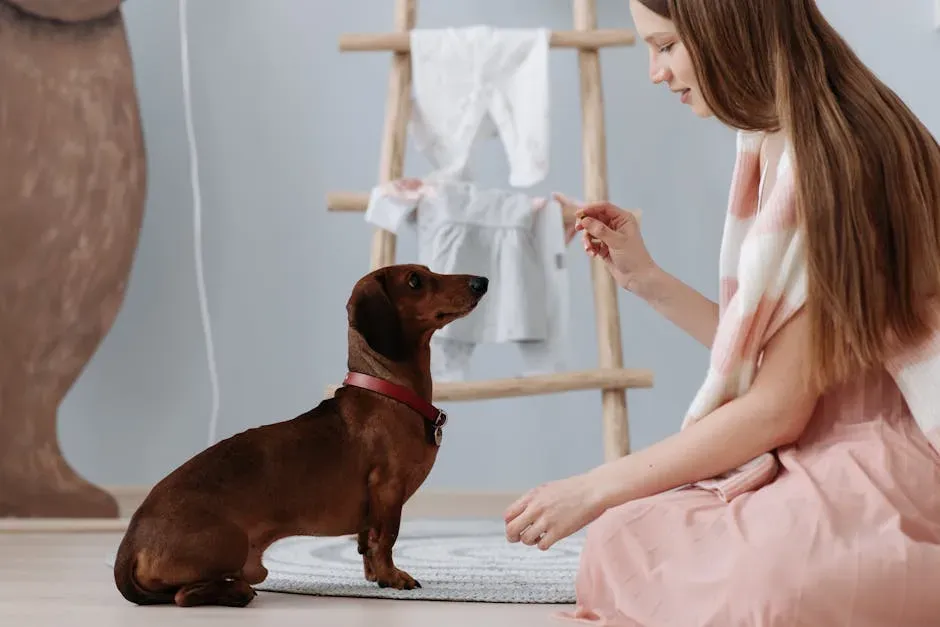
Dachshunds form tenacious attachments despite their small size, often treating their owner as their main companion. The change can bring about increased clinginess or periods of withdrawal from usual spots. Their bold personality sometimes contrasts with the quiet sadness they carry.
Owners observe these dogs lingering near personal items or showing extra need for reassurance. With consistent affection from others in the home, Dachshunds typically adjust and reengage. Their determination supports a gradual return to their spirited selves.
Poodle
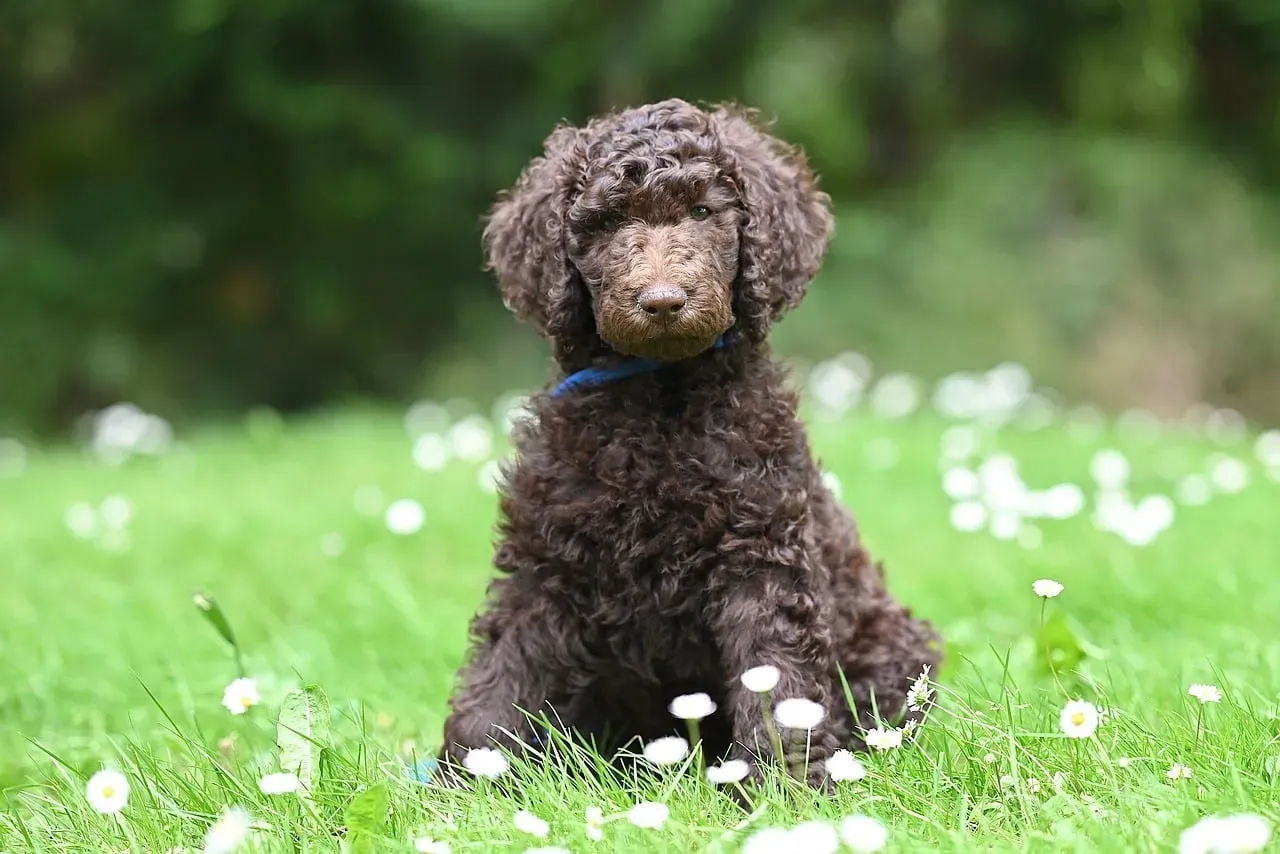
Poodles combine intelligence with a people-pleasing streak that deepens their household bonds. Grief can manifest in changes to grooming tolerance or activity levels that stand out to attentive owners. Their alert minds pick up on the altered atmosphere quickly.
These dogs often accept comfort and new engagement once offered in familiar ways. The breed’s versatility helps many Poodles find renewed joy through updated routines. Steady interaction supports their emotional recovery over time.
Bulldog
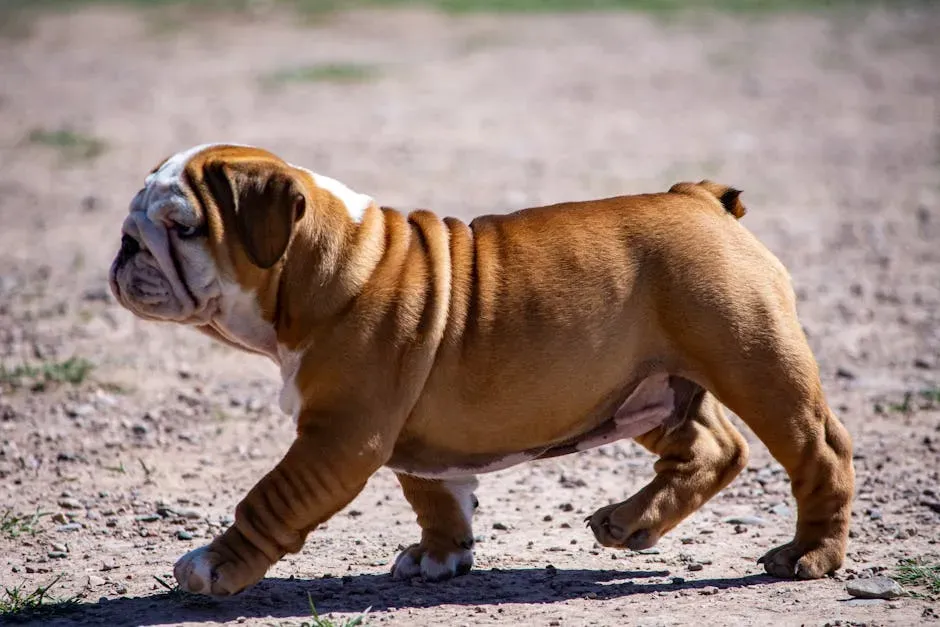
Bulldogs develop steady, affectionate ties that make their owner’s presence a source of comfort. Loss may appear as extra napping or reduced interest in short walks they once enjoyed. Their calm presence sometimes masks the depth of the adjustment.
These dogs respond well to gentle routines and physical closeness from remaining caregivers. The breed’s laid-back nature aids a measured return to normal habits. Many Bulldogs settle into new patterns with patient support.
Boxer
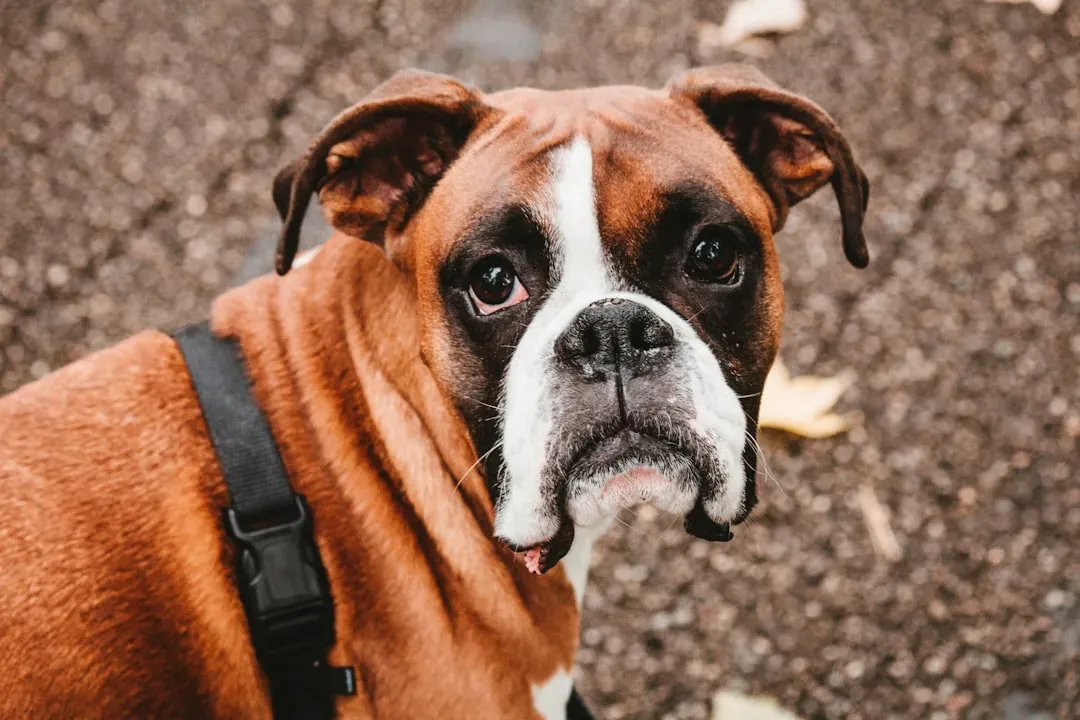
Boxers bring playful energy and strong loyalty to their primary relationships. The absence of their person can lead to quieter moments or a temporary slowdown in their usual antics. Their expressive faces often reflect the shift in household mood.
Owners note these dogs seeking out familiar scents or spaces while gradually accepting new interactions. The breed’s resilience helps many Boxers bounce back with encouragement and activity. Consistent care supports their return to joyful engagement.
Grief in dogs remains a deeply personal experience shaped more by the individual bond than by breed alone. Observers sometimes point to certain independent types, such as the Chow Chow, Afghan Hound, Basenji, and Shar Pei, as appearing to adapt with less visible disruption, though this varies widely by circumstance and personality. The focus stays on providing steady support regardless of how any dog responds.
Ultimately, the strongest takeaway is the value of patience and presence when helping a dog through loss. Every companion deserves time to find its new normal, and the quiet resilience many show reminds us of the simple power of consistent care.


