
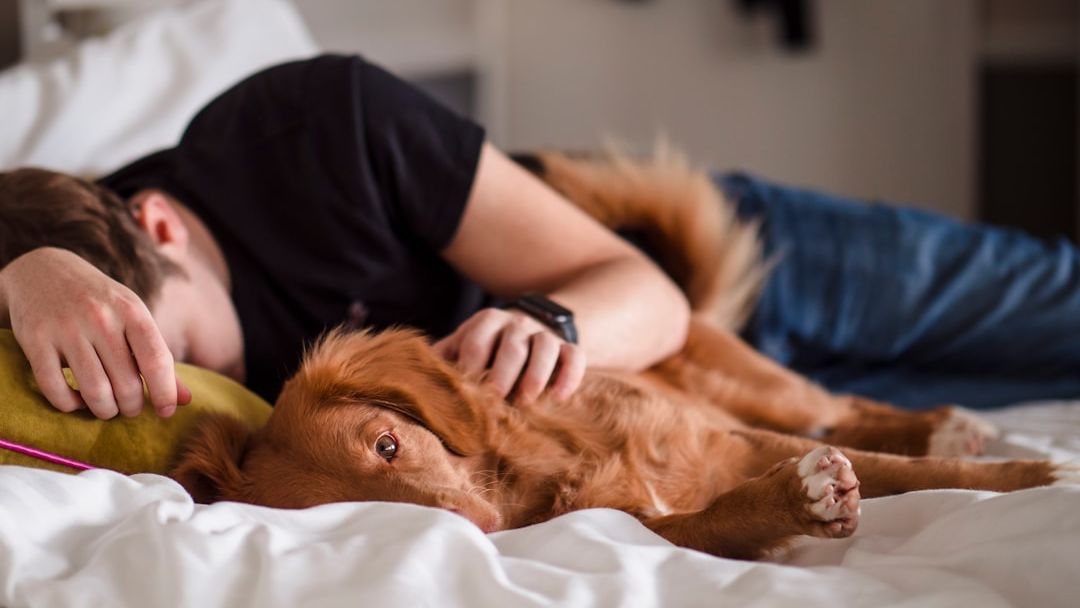
Dogs have an extraordinary sense of smell that picks up on chemical shifts in the human body long before most people notice anything amiss. Their ability to read subtle cues in scent, posture, and routine often leads owners to wonder just how much their pets understand about serious health changes.
Stories from families and caregivers frequently describe quiet shifts in a dog’s behavior during a loved one’s final weeks or months. These moments stand out because they happen without fanfare, yet they feel deeply intentional.
Shadowing Every Step Without a Sound
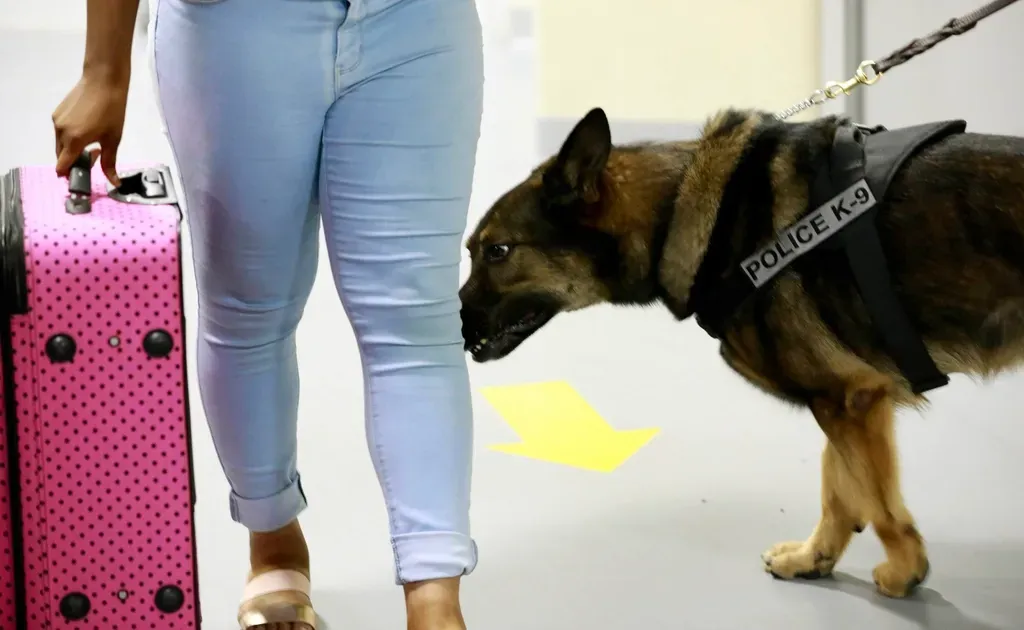
Many owners notice their dog begins to follow them from room to room with unusual persistence. The dog stays just a few feet behind, matching pace without any playful nudges or barks to announce its presence.
This quiet shadowing often intensifies as the person’s energy dips. It creates a steady, almost protective presence that feels different from normal companionship. The behavior stands out because it lacks the usual excitement or demands for attention that dogs typically show during daily routines.
Long, Unblinking Stares That Hold Your Gaze

A dog may settle into a spot and watch its person for extended periods with a calm, focused expression. These looks lack the usual tail wags or head tilts that signal curiosity or a request for play.
The staring often happens during quiet moments, such as when the person rests or sits still. Caregivers describe it as a watchful quality that feels more observant than demanding. It can last several minutes at a time and repeats throughout the day without any vocal interruption.
Seeking Constant Physical Closeness on the Bed or Lap
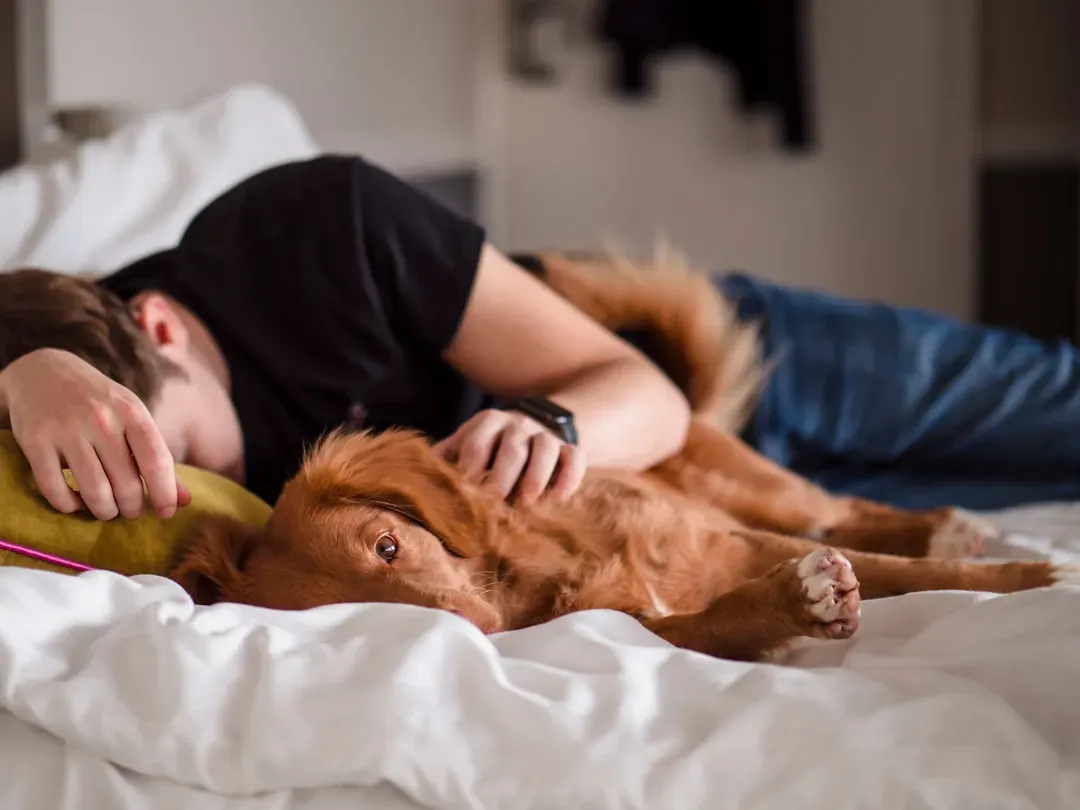
Dogs sometimes start pressing their bodies against their person more often, whether on the couch, bed, or even the floor nearby. They choose spots that maintain direct contact without any restless shifting or pawing for treats.
This closeness tends to occur during times when the person feels most fatigued. The dog remains still and relaxed in these positions, offering a steady warmth that feels deliberate. Families note how the dog adjusts its own resting spots to stay near without creating any disturbance.
Subtle Sniffing Focused on Specific Areas Like Breath or Hands
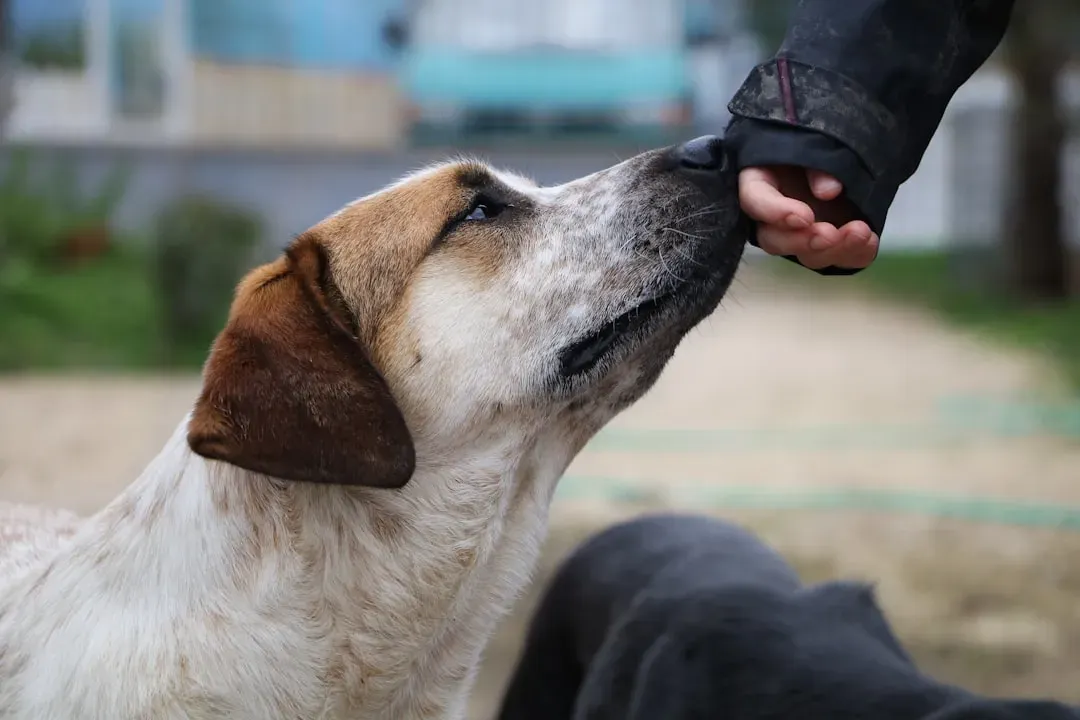
Some dogs develop a habit of gently sniffing around the person’s face, hands, or clothing in a repeated, methodical way. These checks happen quietly during everyday interactions rather than as part of excited greetings.
The sniffing often targets areas where body chemistry might shift first. It occurs without any accompanying excitement or licking that would normally follow such investigation. Owners report these moments feel more like quiet assessments than casual curiosity.
Matching Lower Energy Levels With Reduced Movement
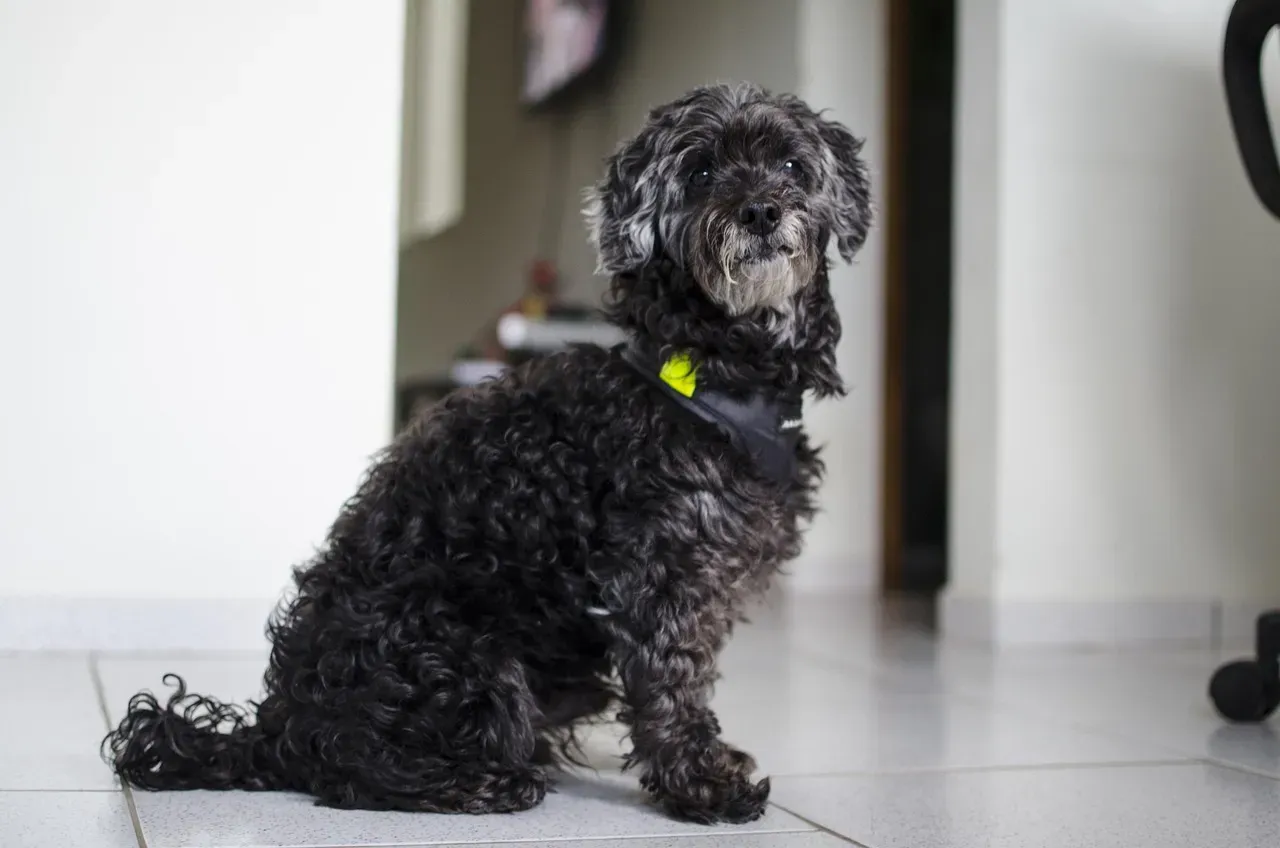
A normally active dog may begin to slow its own pace and spend more time resting when its person does the same. Play sessions shorten naturally, and the dog shows less interest in toys or outdoor time without any signs of illness in itself.
This mirroring happens gradually and stays consistent over days or weeks. The dog still responds to basic needs like meals but initiates fewer activities on its own. It creates a shared rhythm that feels attuned rather than coincidental.
Positioning as a Quiet Guard Near Doorways or Beds
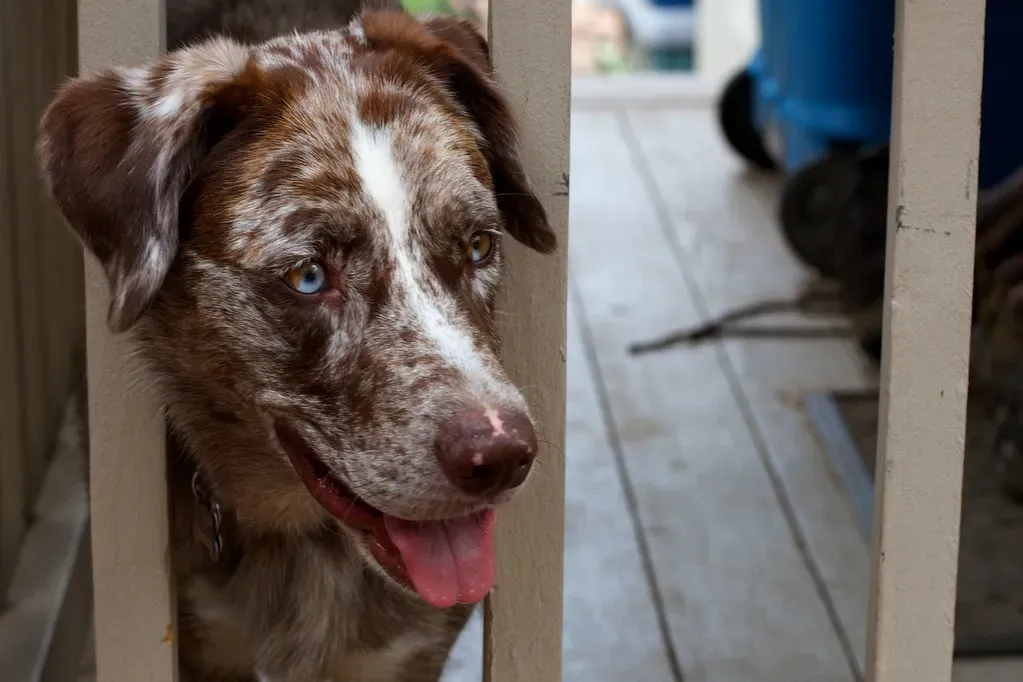
Dogs sometimes choose spots just outside the person’s room or beside the bed, staying alert without moving around or making noise. They maintain this post for long stretches, adjusting only when the person shifts position.
The placement feels strategic, as if the dog is keeping watch over the space. It differs from usual resting spots because the dog remains oriented toward the person even during its own downtime. This silent vigilance repeats across multiple days.
Altered Sleeping Patterns With Frequent Gentle Checks
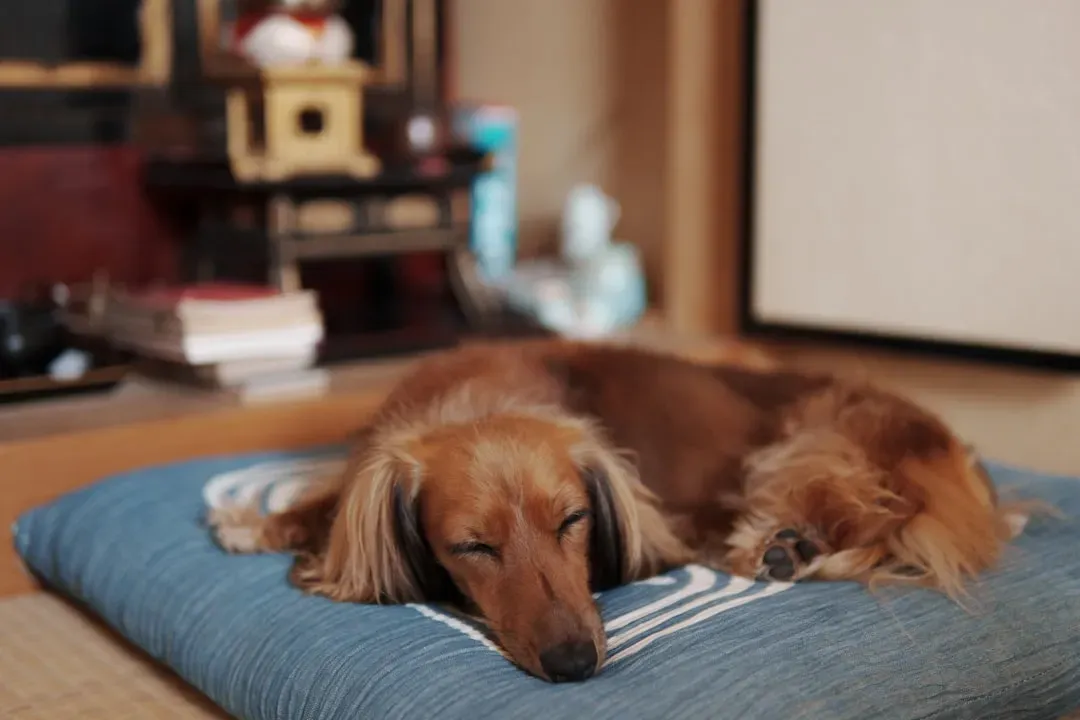
A dog may wake more often during the night and reposition itself closer to the person before settling again. These adjustments happen without any whining or pacing that would wake others in the house.
The pattern includes shorter sleep cycles interrupted by quiet movements toward the person’s location. It stands out because the dog returns to rest quickly once near its person. Families describe it as a protective rhythm that aligns with the person’s own rest times.
These quiet signals remind us how deeply dogs tune into the people they live with. Their responses highlight a bond built on senses and observation that often goes beyond what we can easily explain. In the end, paying attention to these moments can deepen the connection during the time that remains.


