
Dogs carry their histories in quiet ways. A rescue pup who flinches at sudden sounds or hesitates before settling down often leaves owners wondering what shaped those reactions long before they arrived in a safe home.
One subtle window into those experiences sits right in front of us every night. The way a dog arranges its body during sleep can hint at lingering feelings of vulnerability or the slow process of learning to trust again.
The Tight Curl That Signals Lingering Caution
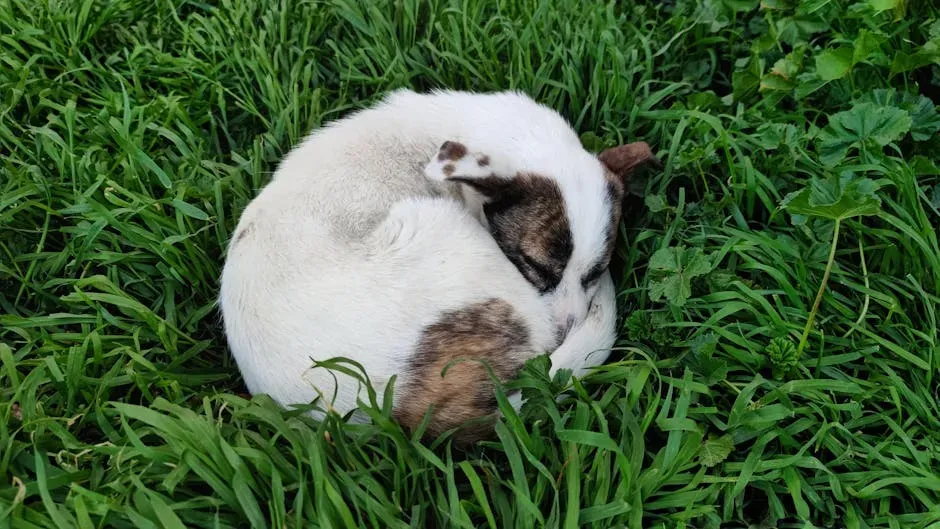
Many dogs who spent early months in unstable environments curl tightly into a ball at night. This compact shape protects vital organs and conserves warmth while keeping the body ready to move quickly if needed.
Over time the posture can soften as the dog feels more secure, yet some rescues retain the habit even years later. It serves as a quiet reminder that safety takes consistent reinforcement rather than a single moment of rescue.
Exposed Belly as a Gradual Step Toward Trust
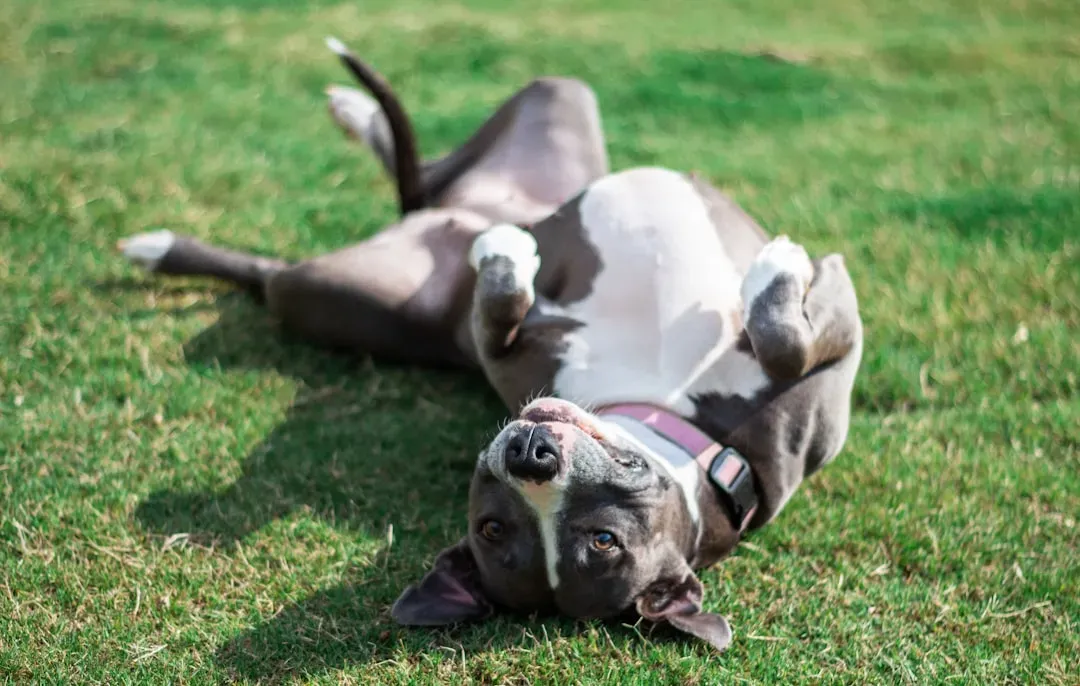
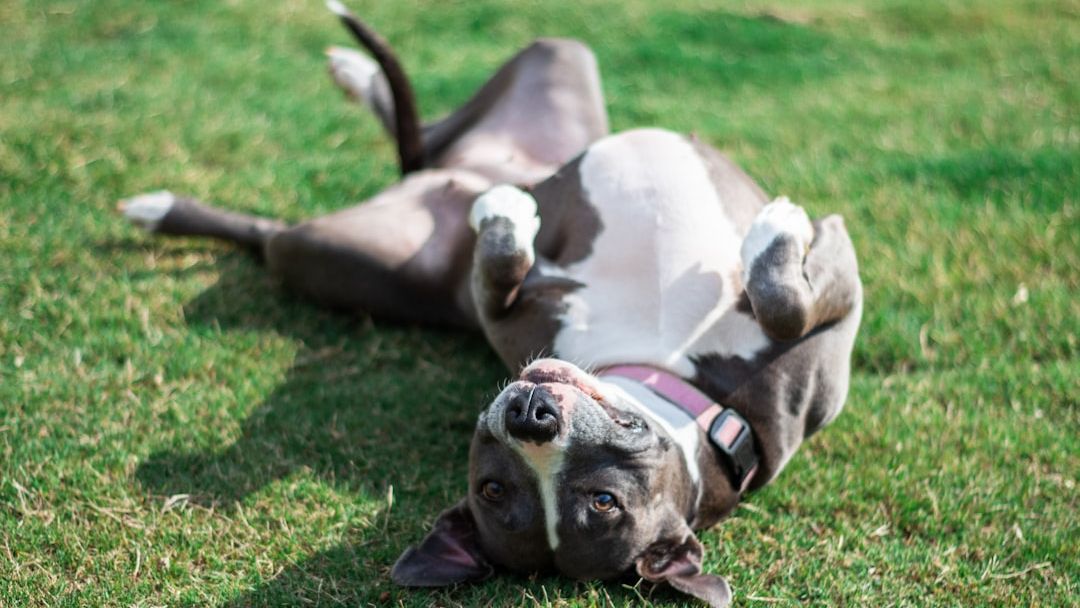
Rolling onto the back with limbs splayed leaves a dog completely vulnerable. In homes where affection replaced fear, this position often emerges after months of patient care and predictable routines.
Still, the shift does not happen overnight for every dog. Some alternate between belly up and more guarded poses depending on the day or even the presence of certain noises that echo past stressors.
Side Sleeping and the Comfort of Familiar Surroundings

Lying on one side with legs extended usually points to deeper relaxation. The posture allows for easier breathing and full muscle release, something dogs achieve more readily once they associate their resting spot with safety.
Rescues who once slept lightly in crates or on hard floors may take longer to adopt this relaxed form. When they do, it often coincides with other positive changes like increased playfulness during the day.
The Donut Pose and Heightened Alertness
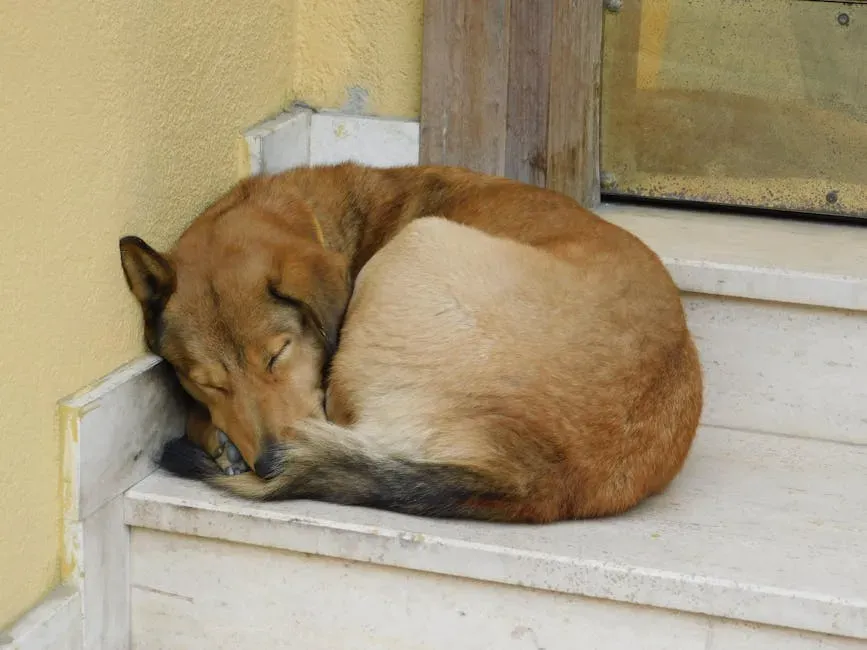
Tucking nose to tail in a neat circle keeps a dog compact and prepared. This arrangement appears frequently in animals that learned to stay vigilant through unpredictable days or nights.
While temperature regulation plays a role, the choice can also reflect an internal state that has not fully released old patterns. Gentle encouragement through calming beds or consistent bedtime rituals sometimes helps ease the tightness.
Burrowing Under Blankets for Extra Security
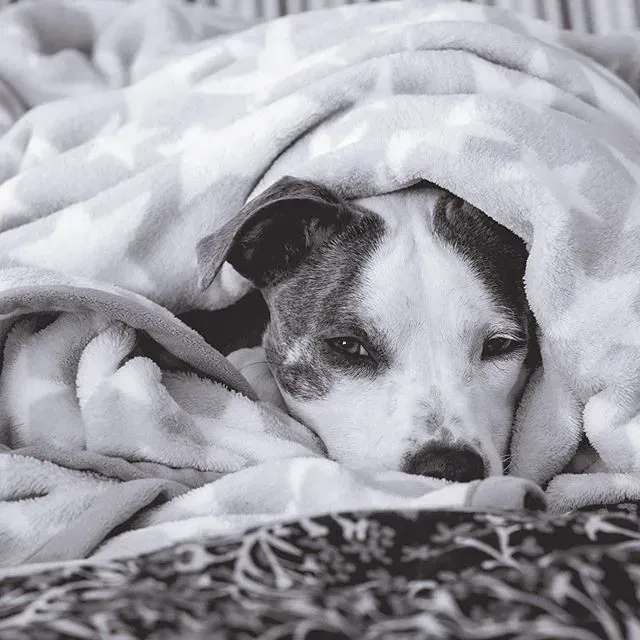
Digging beneath covers creates a den like environment that blocks out light and sound. Dogs with difficult backgrounds sometimes seek this extra layer of enclosure even when the room itself feels safe.
The behavior can persist as a self soothing mechanism long after the original need has passed. Owners who notice it often find that providing a dedicated cozy spot reduces the urge to hide while still honoring the dog’s preference.
Stretched Out Positions and Emerging Confidence
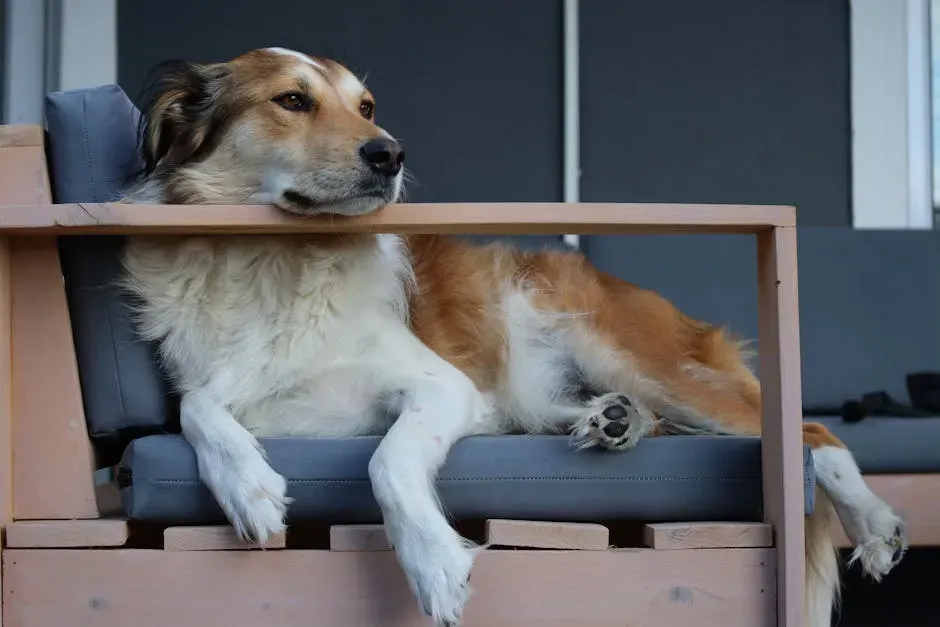
Extending fully on the stomach or back with limbs reaching outward shows a willingness to occupy space. This open posture tends to appear more often once a dog has experienced steady kindness and clear boundaries.
Progress shows in small increments. A dog that once slept only in corners may gradually claim the center of the bed or stretch beside a trusted person without tensing at every movement nearby.
Watching for Shifts That Point to Healing
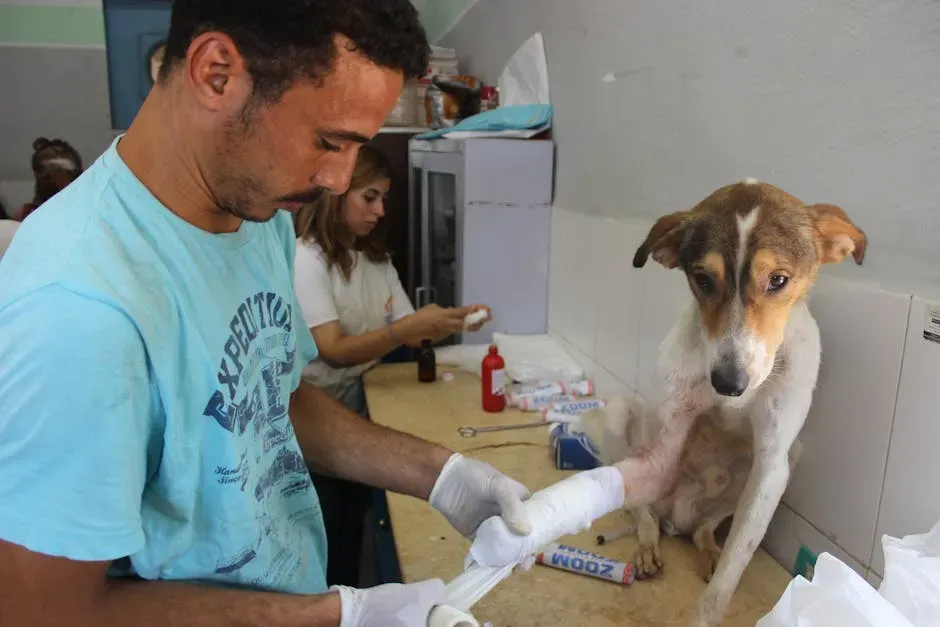
Changes in sleeping habits over weeks or months can mark real emotional progress. A once tightly curled dog that begins to sprawl occasionally offers visible evidence that its sense of security is growing.
These observations remain one piece of a larger picture. Professional guidance from a certified behaviorist helps interpret individual patterns and supports the steady work of building lasting comfort.
Ultimately the positions a dog chooses at night remind us that recovery unfolds on its own timeline. Patience paired with steady care lets those quiet signals evolve into clearer signs of peace.


