
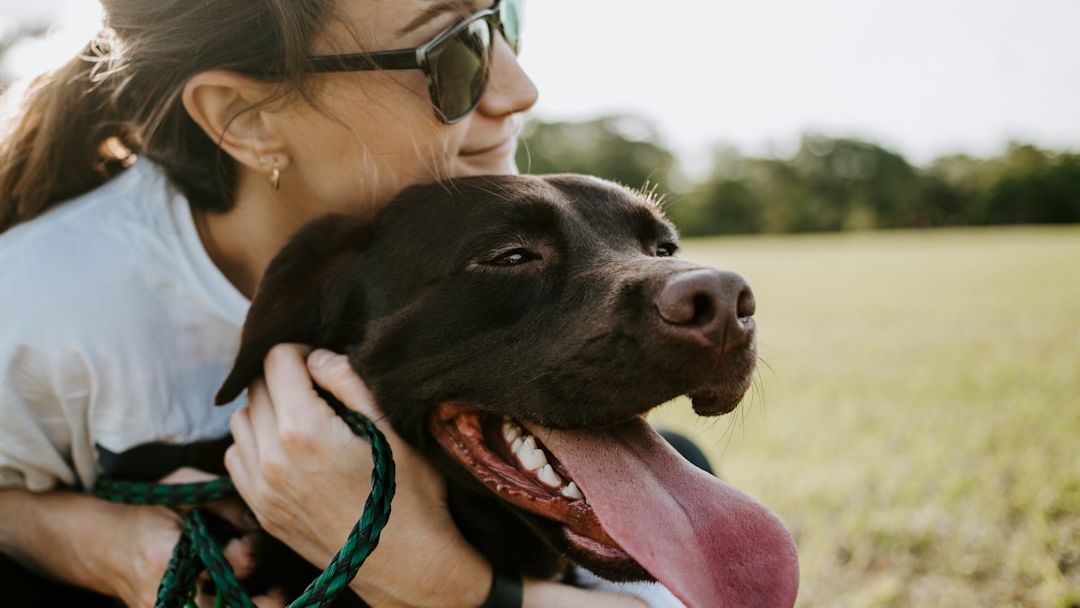
Picture this. You are sitting alone on the couch after a long day, and the tears start to fall without warning. Out of nowhere, your dog pads over and does something small yet unmistakable. That quiet moment can feel surprisingly powerful, almost as if your pet understands something deeper than the immediate sadness.
Many dog owners notice this pattern and wonder what it means. Research into canine responses to human distress offers some clues, though the full picture remains a mix of observable behavior and personal interpretation.
How Dogs Detect Human Distress
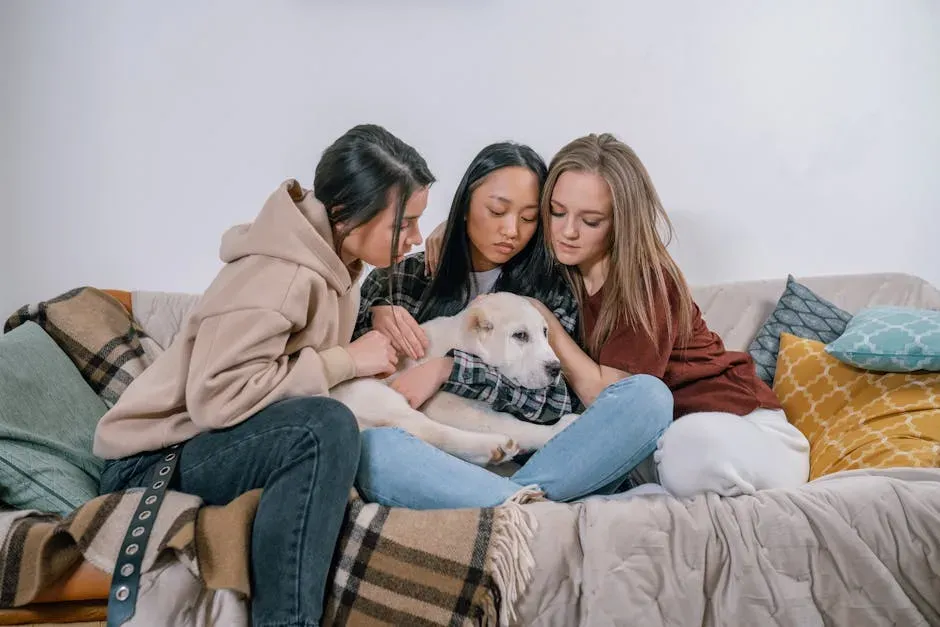
Dogs have an impressive ability to read human cues, from tone of voice to body language. Studies show they often react differently to crying sounds compared with neutral or positive vocalizations. Their responses can include increased alertness paired with submissive postures.
This sensitivity likely stems from thousands of years of living alongside people. Dogs pick up on subtle changes in our breathing or facial expressions that signal upset. The result is a form of cross species awareness that feels intuitive to anyone who has shared a home with one.
The One Behavior That Often Stands Out
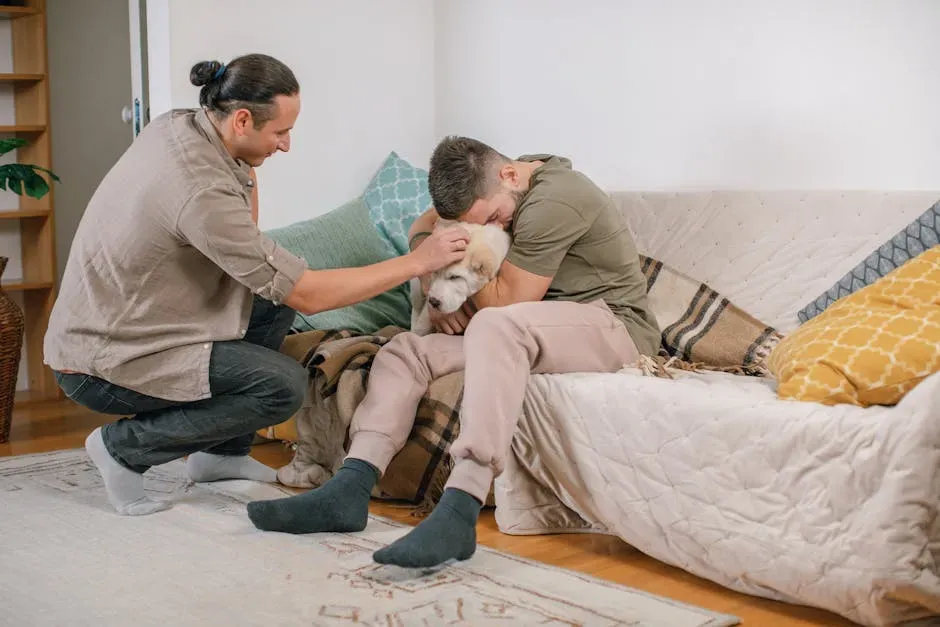
When owners cry, a frequent reaction involves the dog approaching closely and offering gentle physical contact. This might look like nuzzling a hand or face, or even light licking around the eyes or cheeks. Such actions appear aimed at closing the distance rather than seeking attention for themselves.
Owners describe the gesture as comforting in the moment. It differs from excited play or demand behaviors because it tends to happen quietly and persistently until the person calms. The consistency across many households suggests a shared pattern rather than coincidence.
What Research Reveals About These Responses
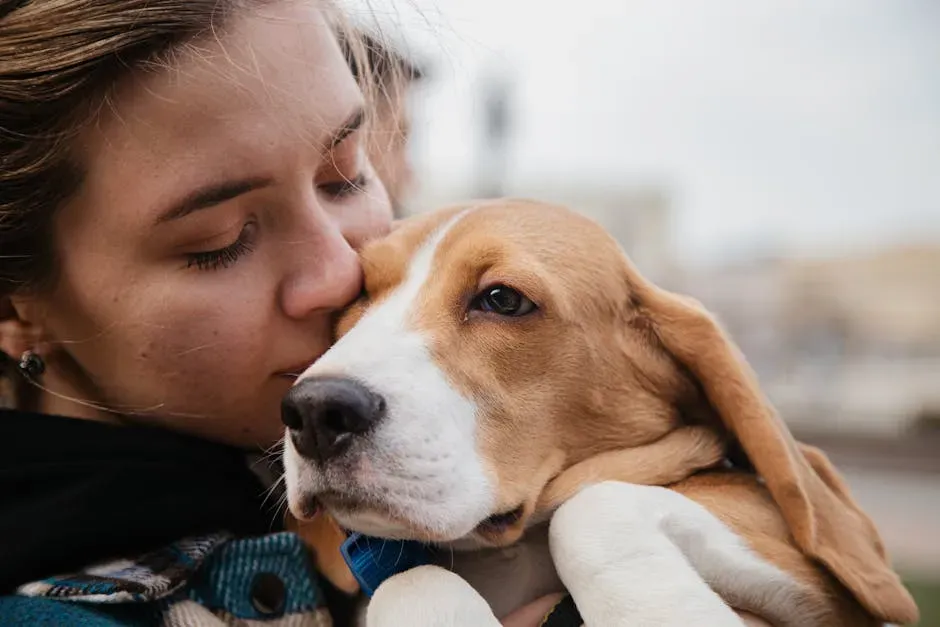
Experiments with recorded crying have measured physiological changes in dogs, including rises in cortisol levels similar to those seen in humans hearing the same sounds. Behavioral observations note that dogs spend more time oriented toward a crying person than toward someone humming or talking normally.
Some dogs even work to reach a distressed owner by pushing through barriers. These findings point to a basic form of emotional sharing, though experts stop short of claiming full understanding of human sadness. The responses seem rooted in empathy like processes rather than learned tricks.
Connections to Early Human Experiences
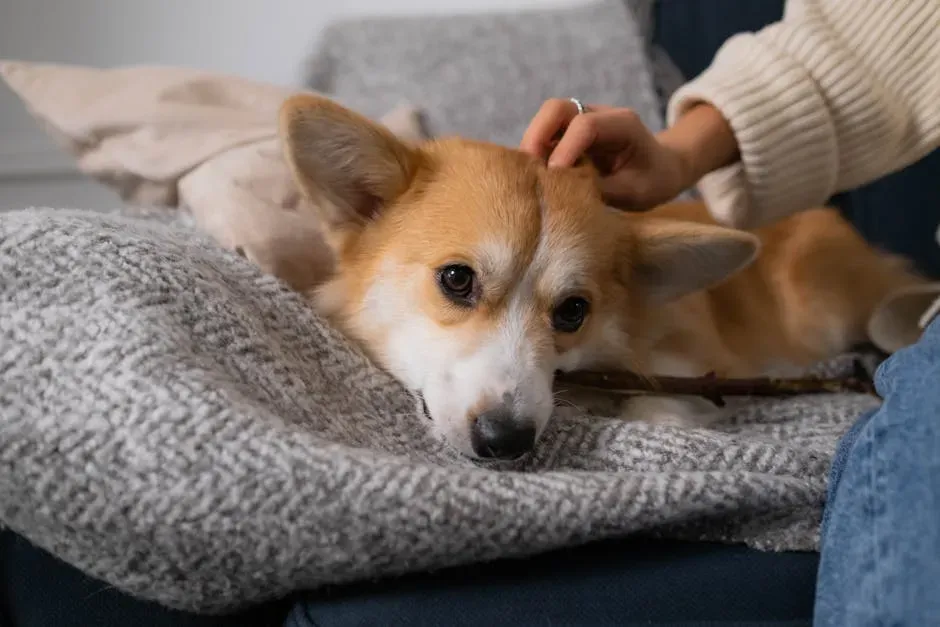
Childhood shapes how people form attachments and seek comfort later in life. A dog that consistently offers presence during vulnerable moments can echo the steady support some missed or needed growing up. The unconditional nature of the interaction provides a safe outlet without judgment or expectation.
Over time, these small acts may help regulate emotions in ways that feel restorative. They do not replace professional support or personal work, yet they add a layer of reliable companionship that many find grounding. The effect builds gradually through repeated daily encounters.
The Limits of What We Can Say With Certainty
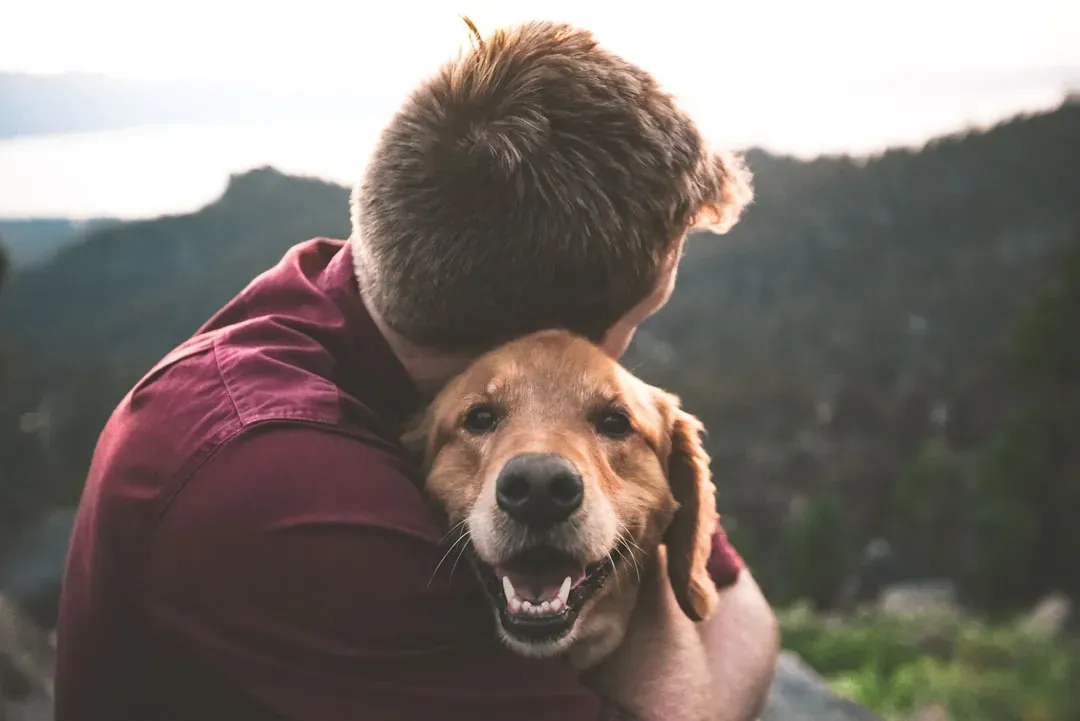
While the behaviors are well documented, linking them directly to healing specific past wounds stays interpretive. Science confirms dogs respond to distress signals and often act in affiliative ways. Claims about targeted emotional repair go beyond current evidence into the realm of personal meaning.
Individual dogs vary in their reactions based on breed tendencies, training, and their own history. What feels profound to one person might register differently to another. Keeping expectations realistic helps maintain the genuine bond without overinterpreting every action.
Strengthening the Everyday Connection
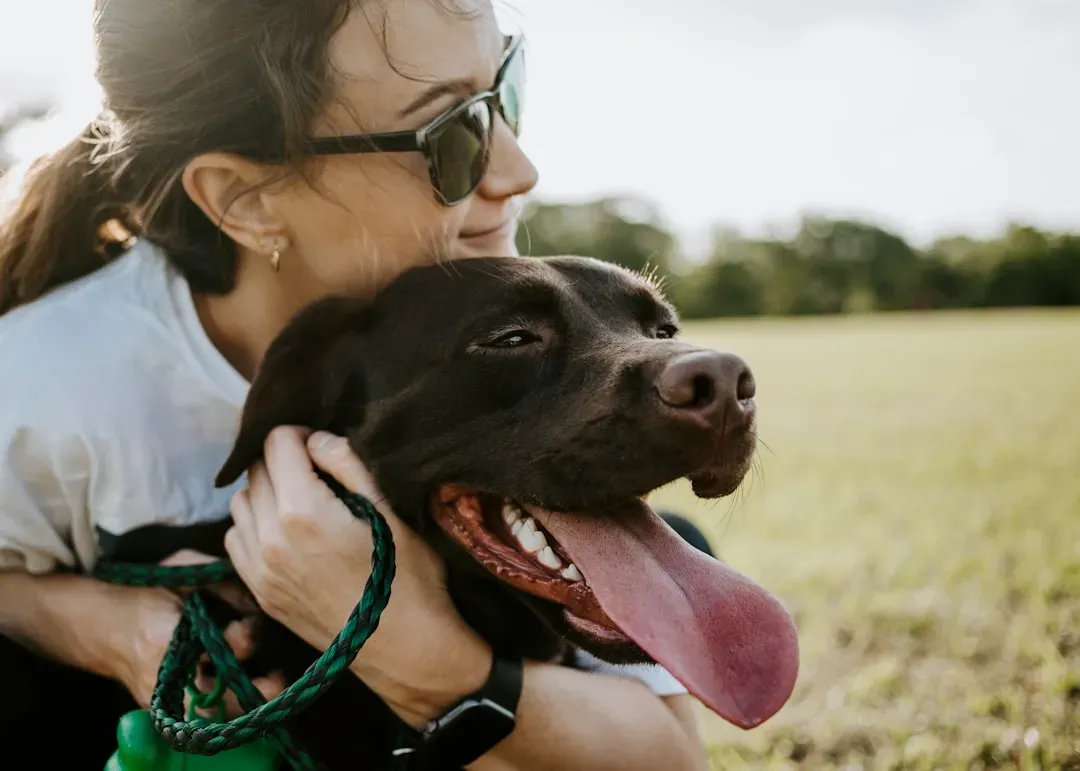
Paying attention to your dog’s signals during quiet times can deepen mutual understanding. Simple routines like calm petting sessions or shared relaxation periods reinforce the trust already present. Consistency matters more than dramatic gestures.
Owners who respond positively to these moments often report a stronger sense of partnership. The relationship grows through small, repeated exchanges rather than single events. Over months and years, those patterns create a reliable source of calm for both sides.
Looking Ahead With Your Pet
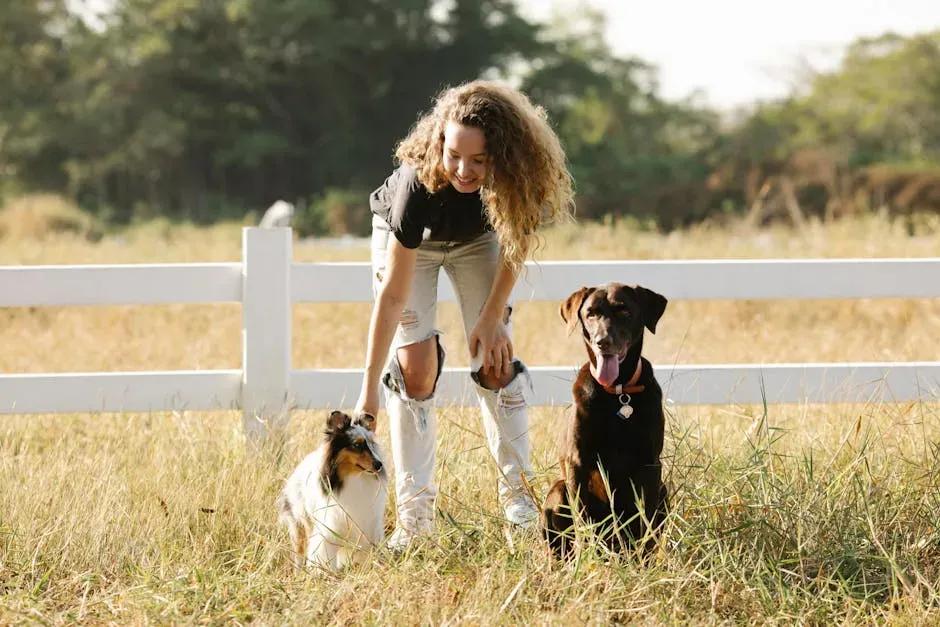
Dogs continue to surprise people with their attunement long after the initial bond forms. Noticing when they choose closeness during tough times adds appreciation for their presence. The dynamic evolves naturally as both age and circumstances shift.
Ultimately, the value lies in the shared experience itself. A dog that shows up consistently offers companionship that feels steady and real, whatever deeper layers one chooses to assign to it.


