

The Remarkable Reach of a Dog’s Sense of Smell
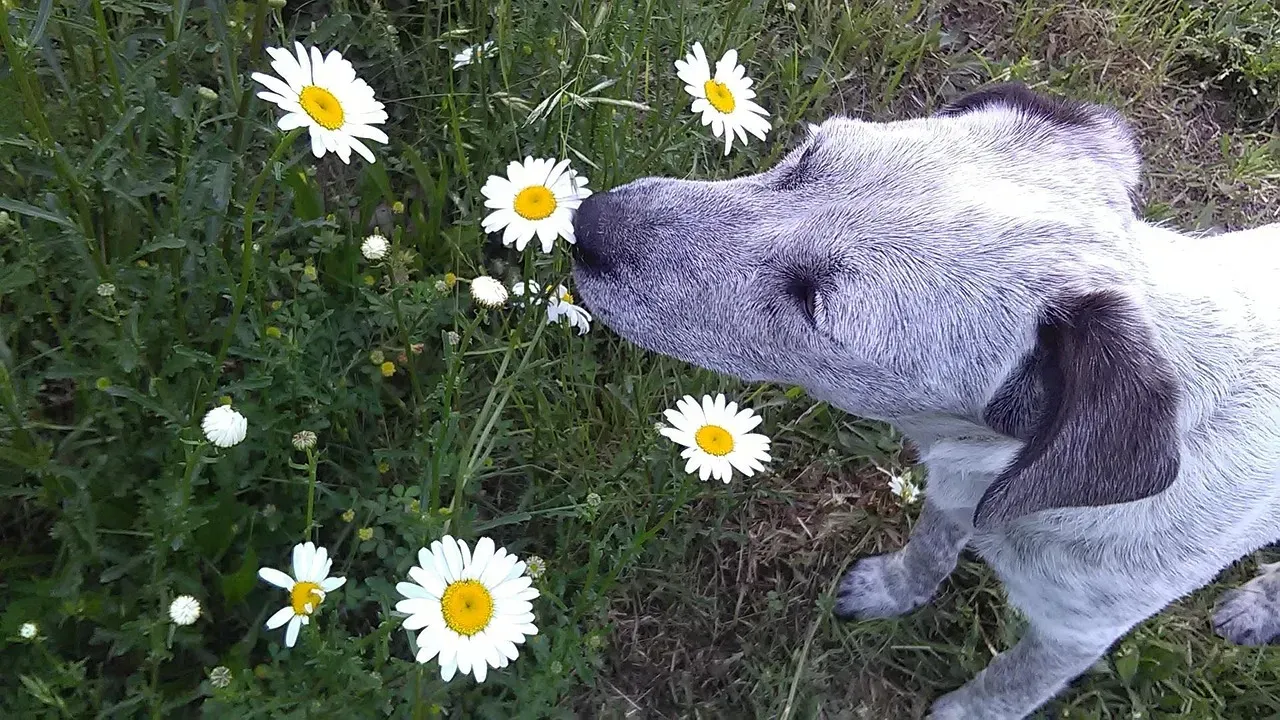
A dog’s nose holds roughly 300 million scent receptors, far outpacing the few million humans possess. This hardware lets them pick up on tiny shifts in the air around us that we never register. Everyday movements and breathing release chemical traces that change with our internal state.
Those traces travel through sweat and breath in ways that create distinct signatures. A dog can sort through a room full of overlapping smells and lock onto one that stands out. The process happens in seconds and requires no training for many pets.
Stress Chemistry That Leaves a Trace

When tension rises, the body releases cortisol along with other compounds that alter body odor. These molecules become part of the air we exhale and the moisture on our skin. Dogs register the difference between a calm baseline and an elevated stress profile with surprising consistency.
Research shows untrained dogs can tell stressed samples from relaxed ones at rates above 90 percent in controlled tests. The change is not dramatic to us, yet it registers clearly to them. This chemical shift operates below the level of conscious human perception.
Detection That Bypasses Sight and Sound

Experiments have isolated scent alone by presenting dogs with sweat samples collected during stressful tasks like public speaking or math challenges. Without seeing faces or hearing voices, the dogs still responded differently to the stressed odors. Their choices in follow up tests shifted toward more cautious behavior.
This points to an olfactory channel that works independently of the usual cues we rely on. A dog does not need visible signs of distress to notice something is off. The nose provides the information directly and privately.
Why One Person Draws the Dog In
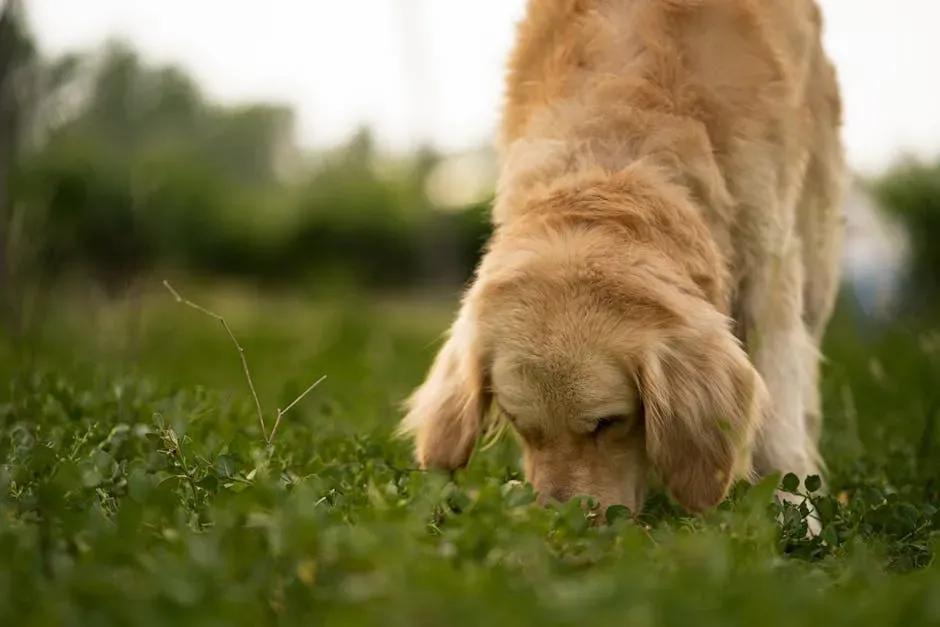
Within a shared home, stress levels rarely stay uniform across everyone. One individual may carry a stronger or more persistent chemical signal on a given day. The dog follows that signal because it stands out against the background of calmer scents.
Over time the pattern becomes familiar. The animal learns which odor profile matches the person who needs extra presence. This is not a choice based on personality traits but on the immediate chemical information available.
Observable Behaviors That Follow the Scent

Owners often notice the dog settling nearby, resting a head on a lap, or simply staying close during quiet moments. These actions can appear without any spoken request or obvious trigger. The dog responds to the scent cue and offers quiet company.
Such responses do not require the dog to understand the full story behind the stress. They reflect a basic reaction to the detected change. The result feels supportive even though the mechanism stays rooted in biology rather than conscious empathy.
Insights From Controlled Studies on Canine Reactions

Recent work at institutions like the University of Bristol has shown that stress odors can influence a dog’s own mood and decision making. Dogs exposed to stressed human samples approached uncertain situations more hesitantly than when exposed to relaxed samples. This suggests the detection carries an emotional ripple effect for the dog as well.
Earlier findings confirmed that dogs distinguish baseline from stressed odors collected from the same people. The consistency across different studies strengthens the case that scent based detection is reliable. It operates in real households just as it does in labs.
Practical Takeaways for Everyday Life With Dogs

Recognizing this ability can shift how people interpret their dog’s actions. What looks like random attachment may actually reflect accurate reading of the room. Paying attention to those moments offers a quiet window into household dynamics.
Dogs do not judge or analyze the source of stress. They simply register the chemistry and respond in the moment. That straightforward response can become a steady presence during difficult stretches.
Dogs remind us that connection sometimes travels through channels we cannot access ourselves. Their steady presence near the person carrying the heaviest load speaks to a form of awareness that stays grounded in the present. Over time this quiet partnership can ease isolation in ways words rarely match.


