

The Threat of Harmful Bacteria
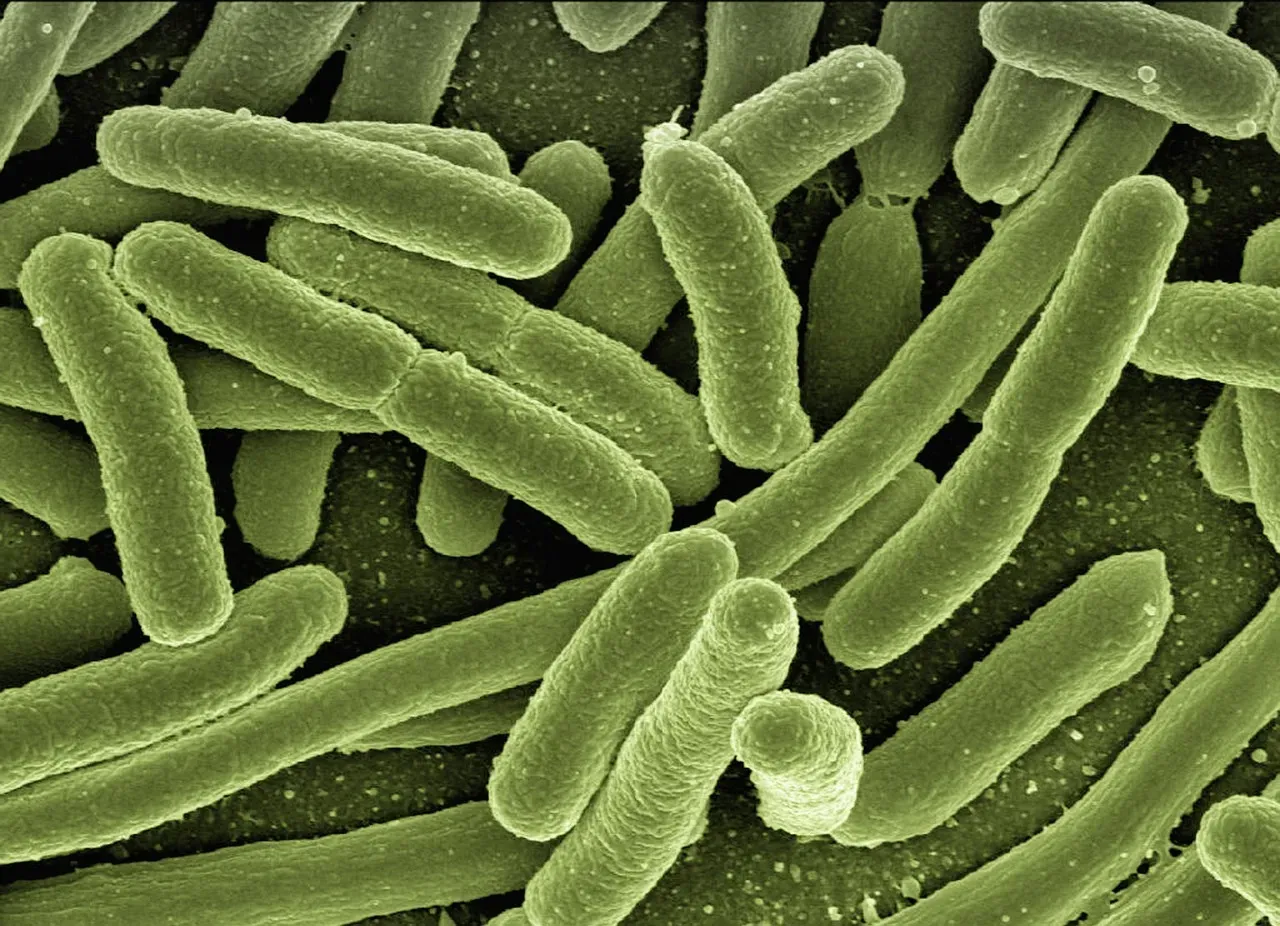
Raw meat and organs can carry bacteria such as salmonella and E. coli. These pathogens survive without cooking and may linger on surfaces throughout the kitchen. Dogs sometimes show no symptoms while shedding the germs in their stool.
Owners who handle the food daily face repeated exposure. Even careful cleaning does not always eliminate every trace. Small children or older family members remain especially vulnerable in these households.
Parasites That Lurk in Raw Meat
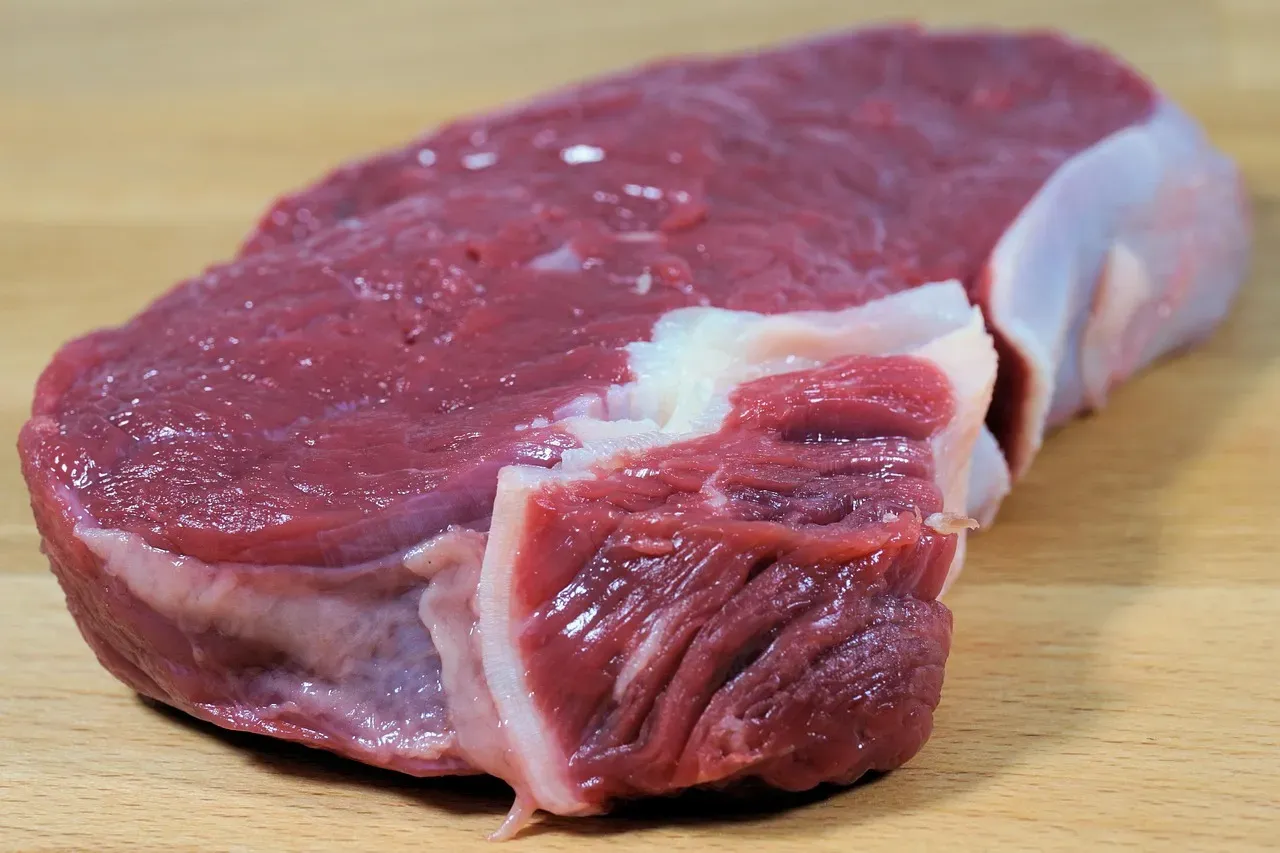
Raw diets often include muscle meat or offal that has not undergone freezing or inspection for parasites. Roundworms and other organisms can transfer directly to the dog. Some parasites survive standard freezing methods used at home.
Regular deworming helps in many cases. Still, the cycle of reinfection becomes harder to break when the source stays constant. Veterinary checks become more frequent for dogs on these plans.
Nutritional Shortfalls That Can Harm Your Pet

Creating a complete raw recipe requires precise balancing of vitamins and minerals. Many homemade versions fall short on calcium or certain trace elements over time. Commercial raw products vary widely in formulation quality.
Deficiencies may appear gradually as dull coats or joint stiffness. Bloodwork often reveals the gaps only after months have passed. Switching back to balanced commercial food can reverse some effects if caught early.
Risks to Household Members

Cross contamination spreads easily from cutting boards to counters and even to other pets. Family members who prepare meals for everyone share the same space. Immunocompromised individuals face higher chances of serious illness.
Public health agencies have issued warnings about raw pet food for years. Outbreaks linked to specific brands appear from time to time. The shared environment makes separation difficult in most homes.
Bone and Dental Complications

Raw bones provide chewing satisfaction yet carry fracture risks for some dogs. Splintered pieces can lodge in the throat or damage the digestive tract. Dental benefits exist for certain chew styles but do not apply universally.
Supervision during mealtime reduces accidents. Even then, individual jaw strength and chewing habits differ. Emergency vet visits for bone obstructions remain a documented concern.
Lack of Oversight in the Industry
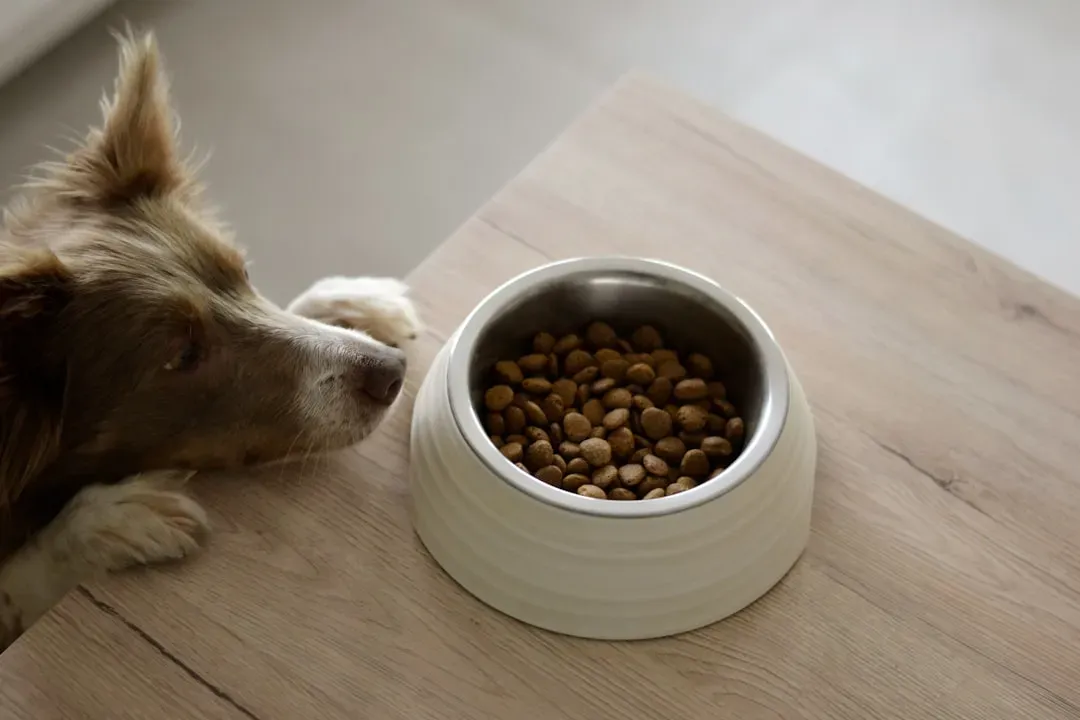
Raw pet food production faces fewer mandatory cooking standards than kibble or canned options. Testing for pathogens occurs on a voluntary basis in many facilities. Recalls happen when problems surface after distribution.
Labels may list ingredients without guaranteeing nutrient profiles. Smaller producers operate with limited third party verification. Owners must research suppliers carefully to understand these gaps.
Weighing the Evidence and Making Informed Choices
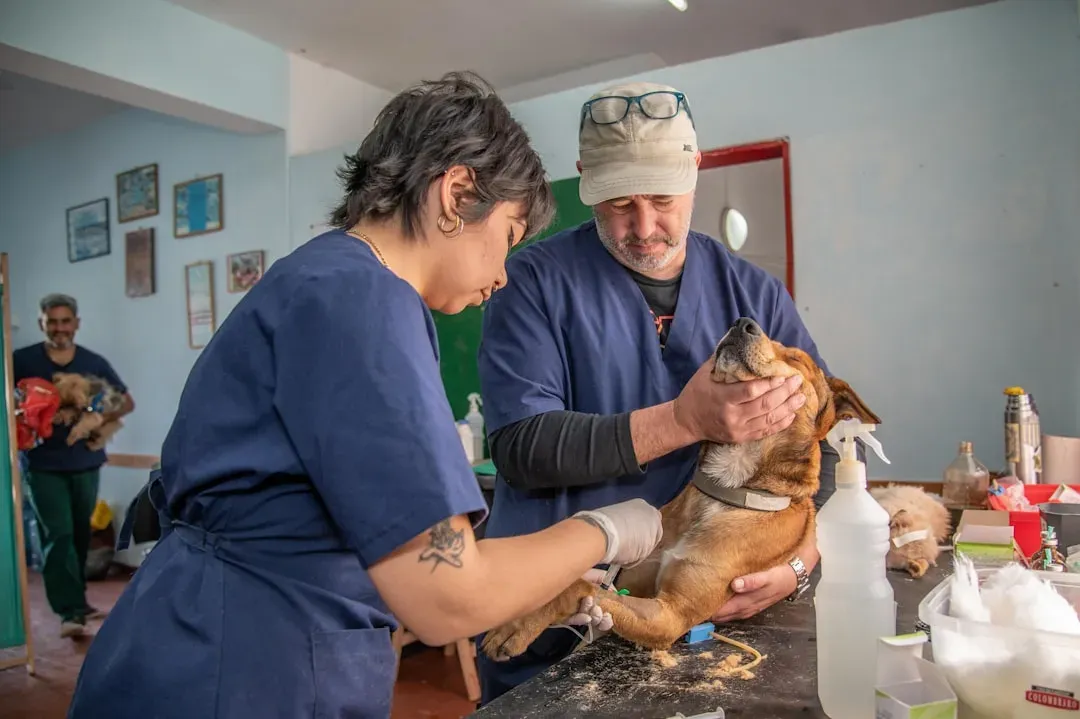
Some dogs thrive on carefully managed raw diets under veterinary guidance. Others experience repeated digestive or health setbacks. Individual results depend on the dog, the recipe, and consistent monitoring.
Many owners ultimately blend approaches or return to cooked commercial foods. The decision rests on personal tolerance for risk versus perceived benefits. Regular checkups help track any changes over time.
The choice between raw and conventional feeding ultimately comes down to how much uncertainty each household can accept. Thoughtful preparation and ongoing observation matter more than any single trend. In the end, a healthy dog often reflects steady care rather than any one diet style.


