
Psychology Says Dogs Recognize the Sound of Their Owner’s Car and Begin Releasing Oxytocin Before the Door Opens
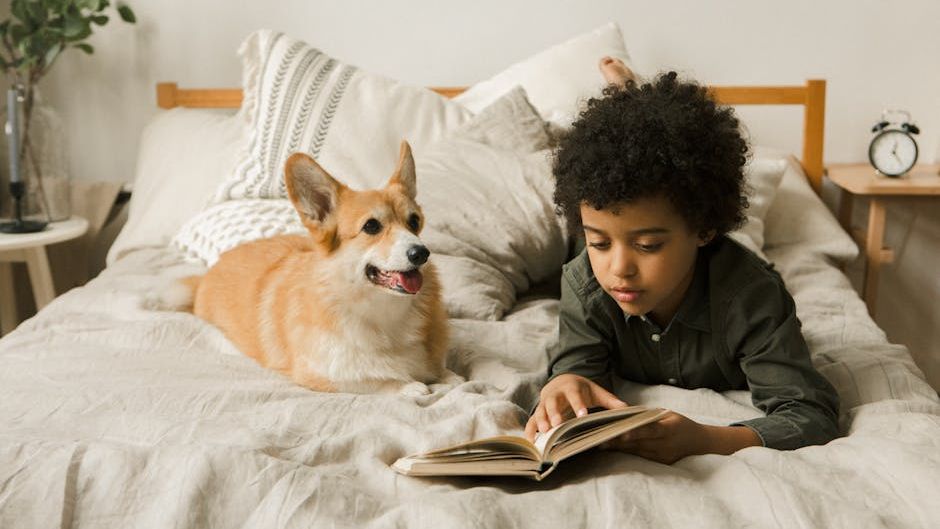
Picture this. You are still a few blocks away, engine humming along the familiar route home after a long day. Inside the house your dog suddenly perks up, tail starting that slow wag that builds into full excitement. It feels almost magical how they seem to know you are coming long before any footsteps reach the door.
That timing often traces back to something simpler than magic. Dogs pick up on subtle cues in their environment, and one of the most reliable turns out to be the distinctive sound of a particular vehicle. The idea that this triggers a rush of the bonding hormone oxytocin adds an intriguing layer to the everyday reunion.
Dogs Have Remarkable Auditory Abilities
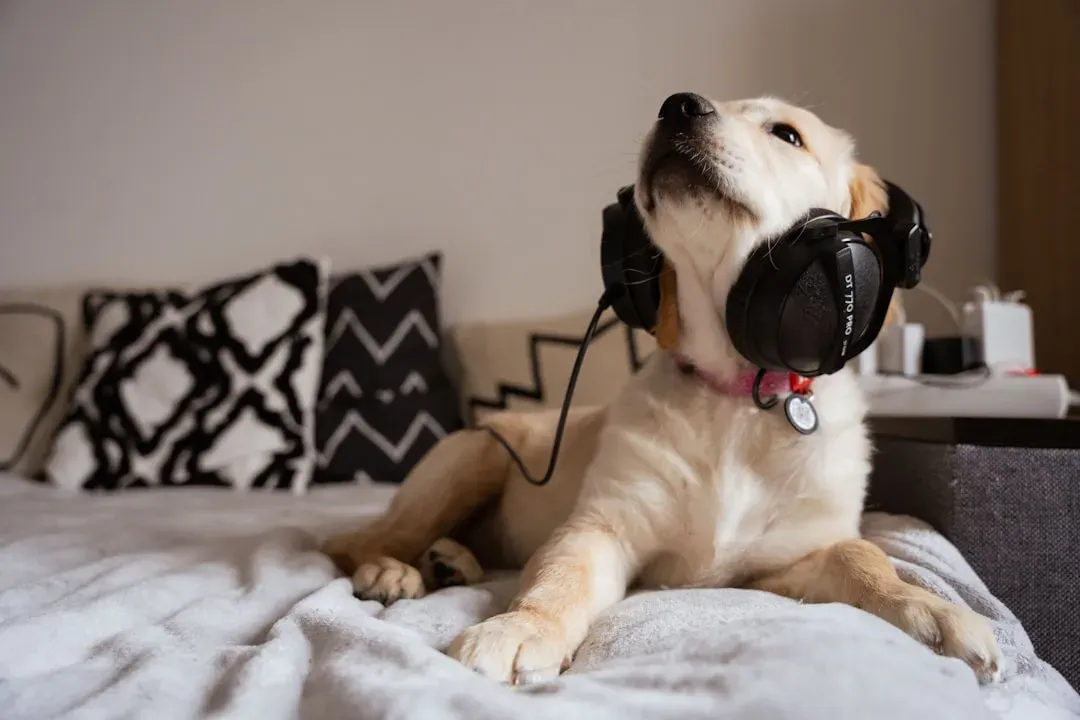
Dogs hear a wider range of frequencies than humans do, which helps them notice small differences in engine tones or tire sounds on the pavement. Their ears swivel to pinpoint direction and distance with precision that often surprises owners. Over time this sensitivity turns ordinary noises into meaningful signals.
Many households notice the pattern during daily routines. A dog might ignore most passing cars yet react instantly to one specific rumble. This selective attention shows how their hearing serves practical purposes in daily life.
Associative Learning Shapes Their Responses
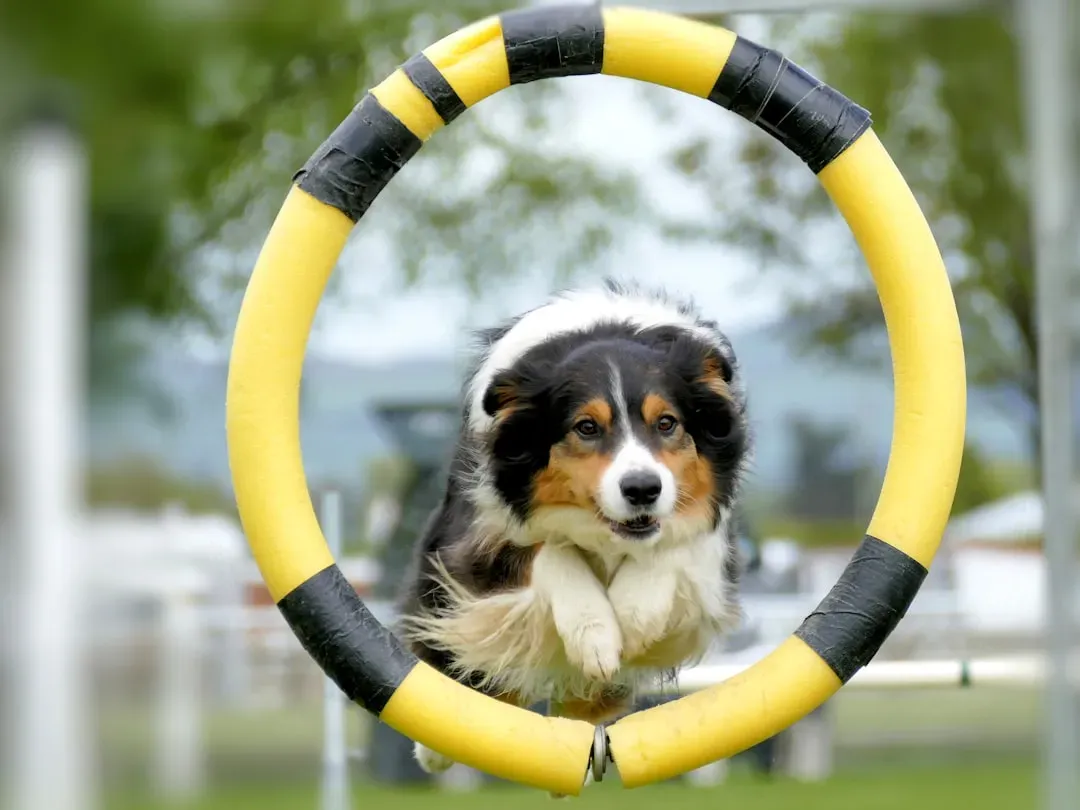
Dogs connect sounds with outcomes through repeated experience. When the same car noise consistently leads to an owner walking through the door, the brain links the two events. That connection forms without any formal training.
The process relies on basic conditioning rather than complex reasoning. A dog learns that certain vibrations or pitches mean good things are about to happen. This explains why the reaction appears even when the vehicle stays out of sight.
The Bonding Hormone Plays a Key Role
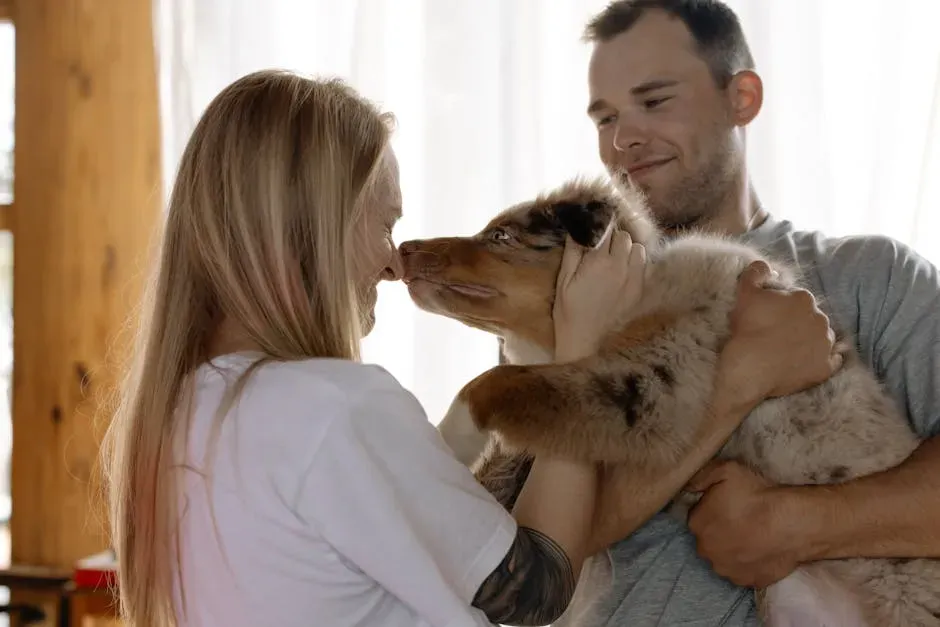
Oxytocin rises in dogs and their people during positive interactions like eye contact or gentle petting. Research has documented these increases in controlled settings where pairs spend time together. The hormone supports feelings of trust and attachment on both sides.
Anticipation of a reunion can activate similar pathways. While direct measurements during car arrivals remain limited, the broader pattern of oxytocin involvement in dog human bonds suggests the hormone participates in those excited moments before the door opens.
Anticipation Enhances the Welcome Home
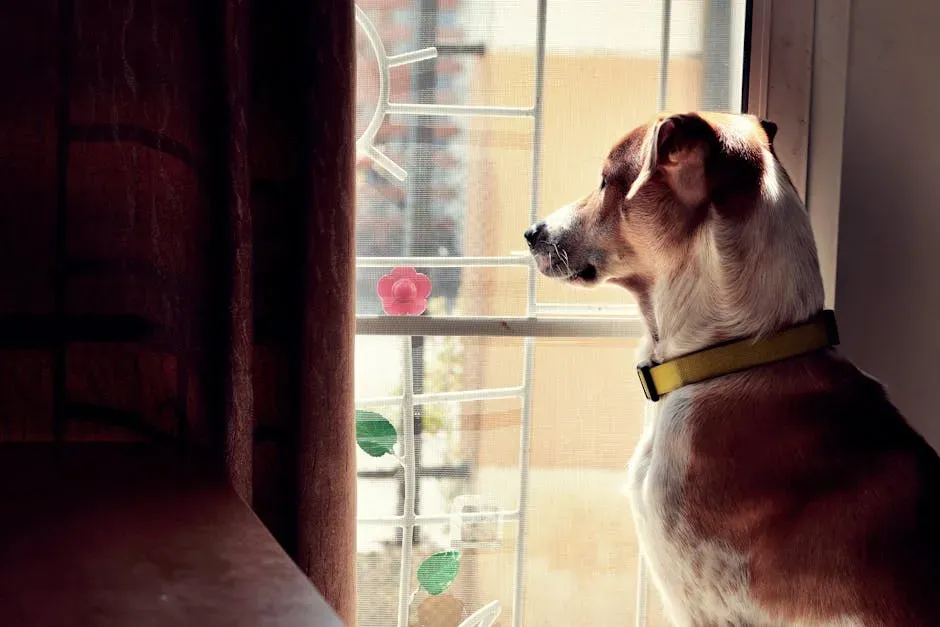
Waiting dogs often show physical signs of excitement well before anyone arrives. Their posture changes, breathing quickens, and focus shifts toward the entryway. These behaviors point to an internal state of readiness.
The buildup makes the actual greeting more intense. Owners frequently describe the moment the door opens as especially joyful because the dog has already started the emotional process. That pre arrival phase turns an ordinary return into something more meaningful.
Real Life Experiences Confirm the Pattern
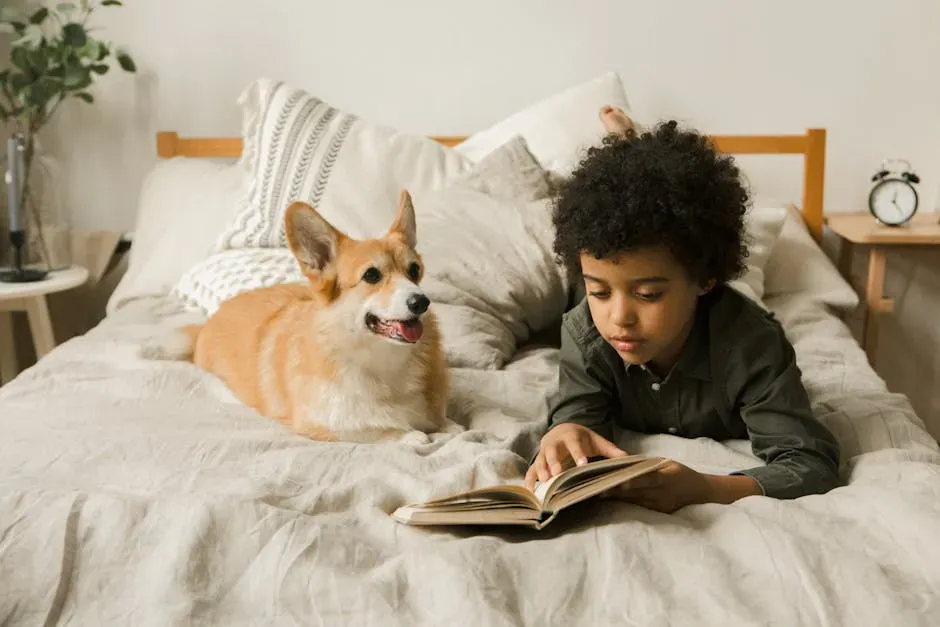
Countless owners share stories of dogs reacting to the car from inside the house or even down the street. The response happens reliably enough that some people test it by driving different vehicles to see the difference. Familiar sounds stand out clearly against background noise.
These observations align with what trainers and behaviorists note in everyday settings. Dogs use multiple senses, yet sound often serves as the earliest alert. The consistency across different breeds and living situations adds weight to the reports.
Broader Insights from Animal Behavior Studies
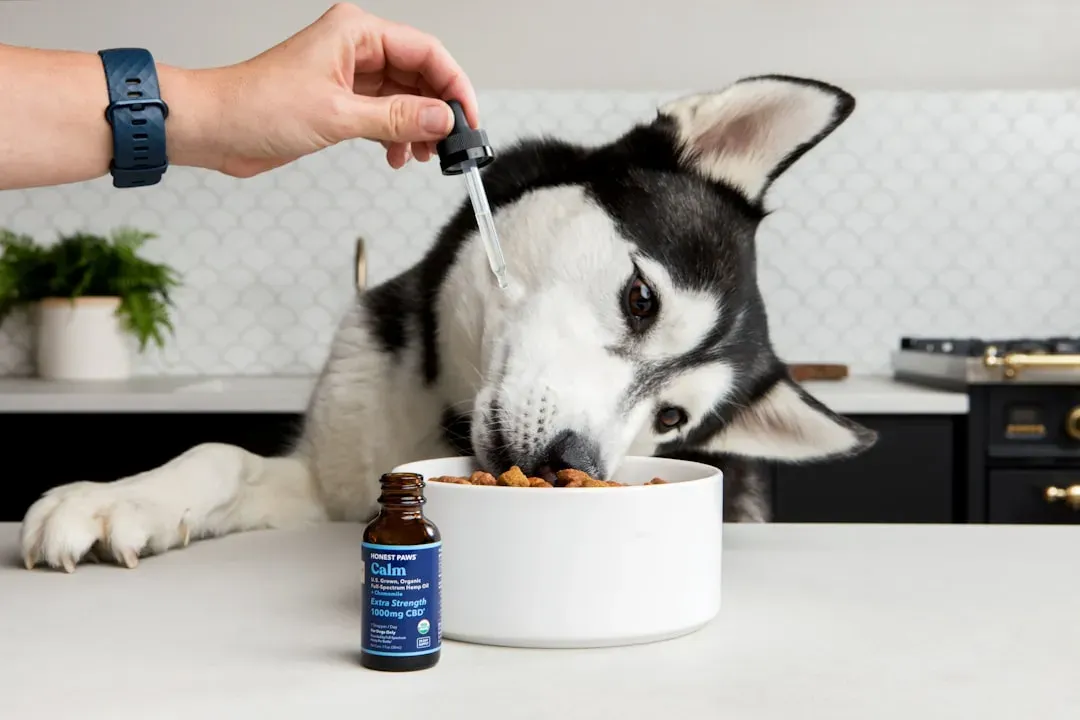
Studies on canine cognition highlight how dogs excel at reading human routines and environmental cues. They track schedules and associate specific stimuli with predictable results. This skill helps them navigate life alongside people.
Oxytocin research focuses mainly on direct contact, yet the hormone system supports a range of social predictions. When a dog prepares for an owner arrival, the same bonding mechanisms likely contribute to the positive state. Continued exploration of these links could reveal more about interspecies communication.
What This Means for the Human Canine Connection
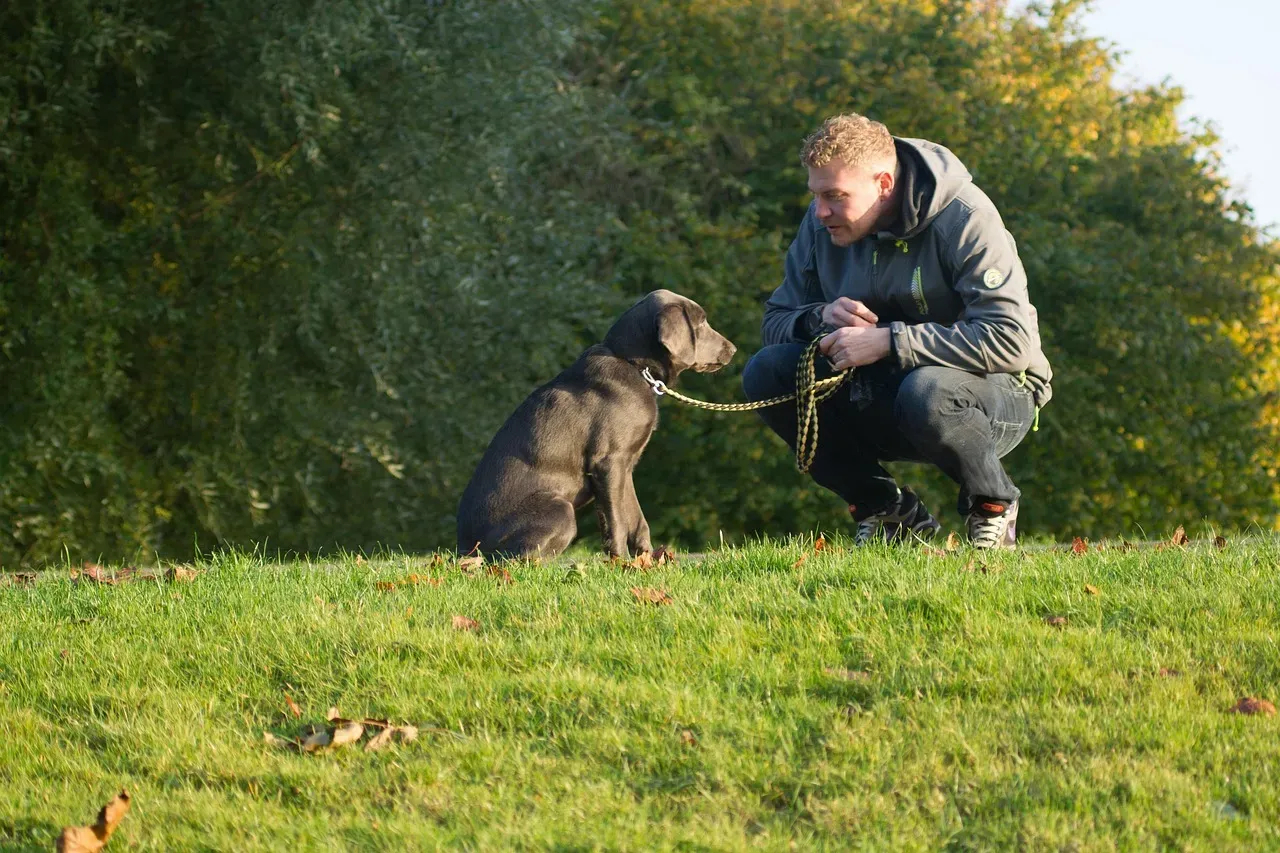
Recognizing these small moments deepens appreciation for the relationship. A dog that reacts to the car sound demonstrates attentiveness and attachment that goes beyond simple habit. It reflects a shared history built one arrival at a time.
Paying attention to such details encourages more mindful interactions. Owners who notice the early signs can respond with extra patience or affection once inside. In the end the bond grows stronger when both sides feel truly seen and welcomed.