
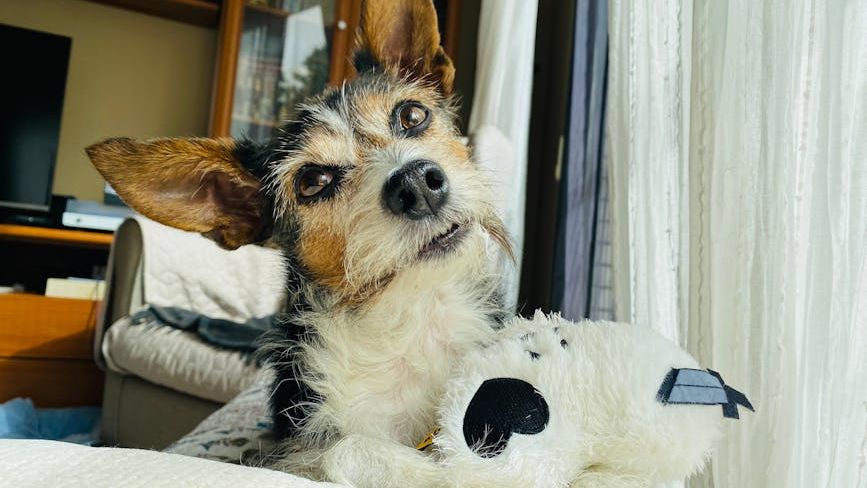
They Hold Steady Eye Contact Without Demanding Anything
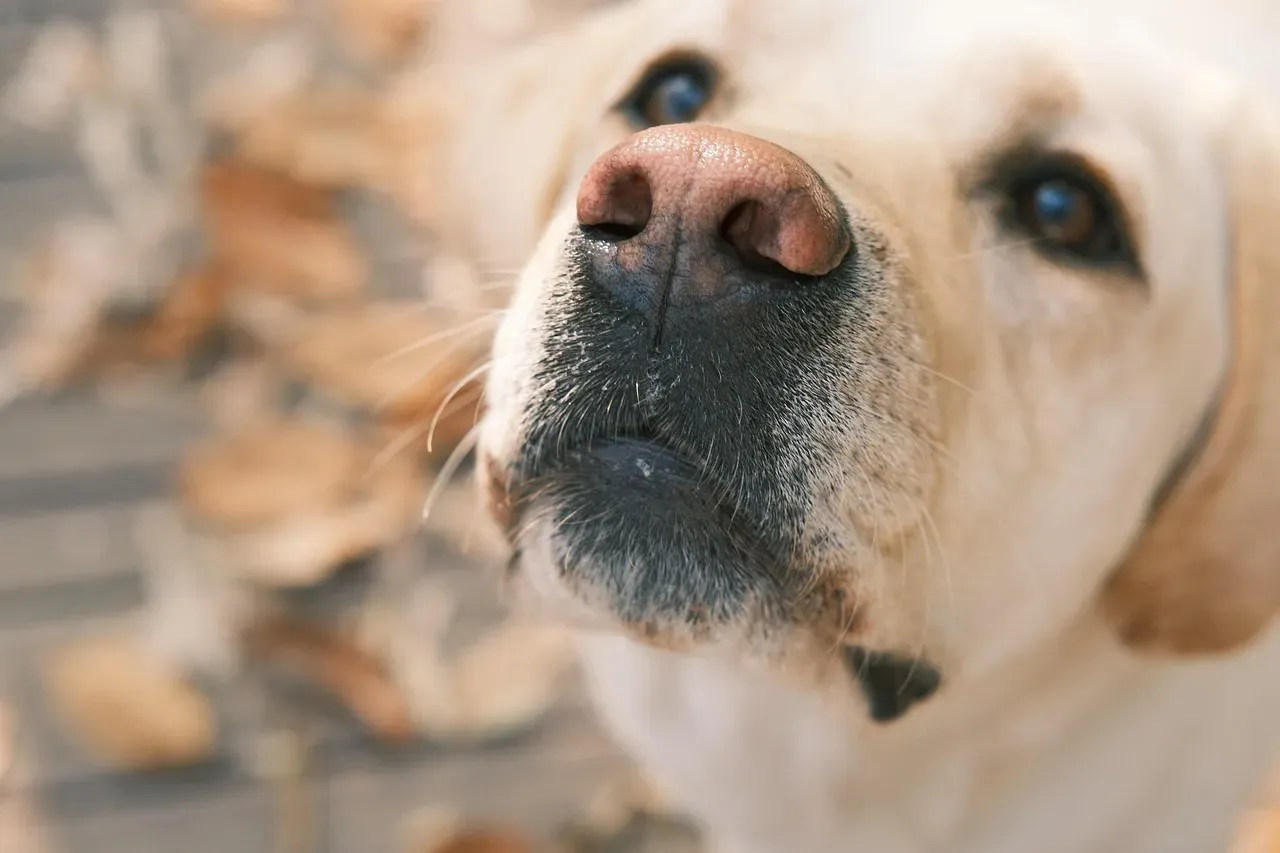
Your dog might settle across the room and simply watch you for a few extra moments. The gaze feels soft rather than intense, almost like they are checking in without words. This quiet connection can ease the sense of isolation that creeps in during tough stretches.
Over repeated days the pattern becomes familiar. They choose moments when you seem most withdrawn and offer that steady look as a reminder you are not alone. Many owners later realize these glances coincide with their own lowest points, creating an unspoken thread of support.
They Lean In With Just Enough Weight to Ground You
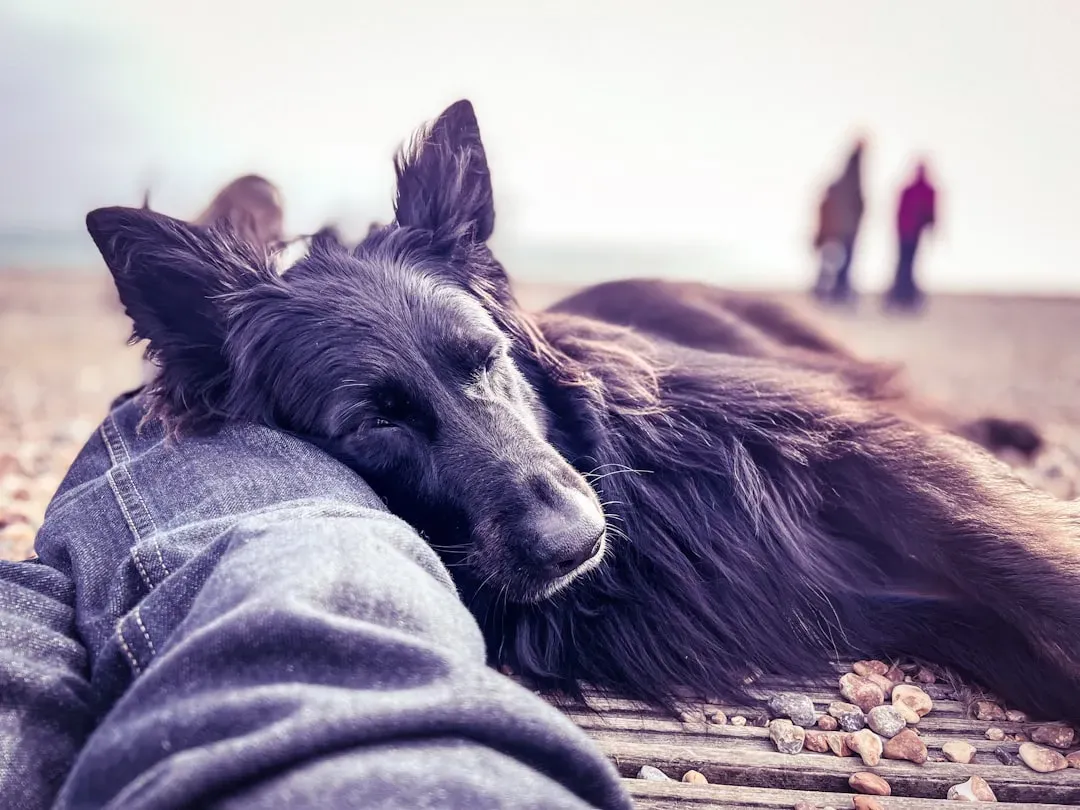
A gentle press against your leg or side happens at unexpected times. The contact stays light, never overwhelming, yet it anchors you in the present. This subtle pressure often arrives right after a sigh or a long pause in your movements.
The timing feels deliberate once you track it across several weeks. Your dog adjusts their position to match your posture, offering a physical reminder of presence. Owners frequently describe the sensation as calming, like a living weight that steadies scattered thoughts without requiring any response in return.
They Bring Familiar Objects and Leave Them Nearby
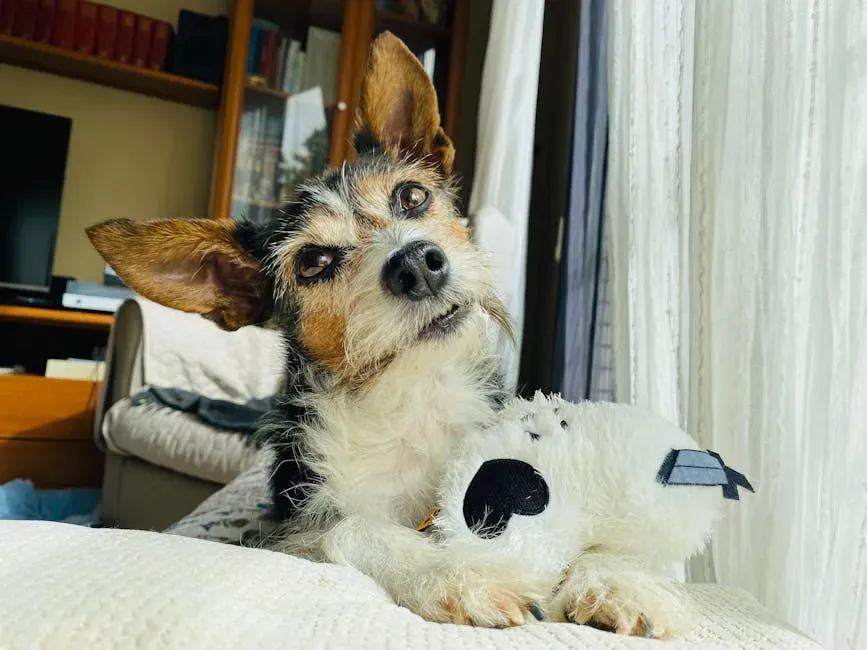
A favorite toy or blanket appears beside your chair or bed without fanfare. Your dog drops it and then steps back, watching for any reaction. The gesture repeats on days when your routine feels disrupted or your energy runs low.
These offerings rarely involve play requests at first. Instead they serve as small tokens placed within reach, almost as if extending a shared comfort item. The pattern stands out when you notice the same items reappearing during periods of emotional strain rather than random moments.
They Adjust Their Energy to Mirror Your Slower Pace
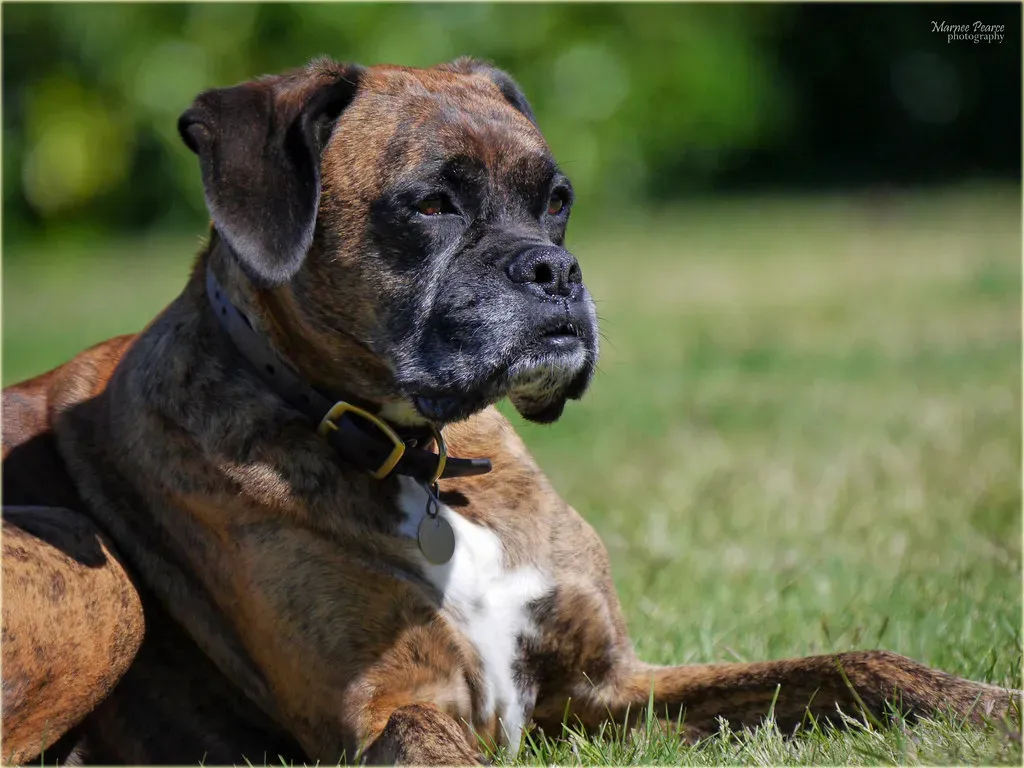
Instead of their usual bounce, your dog moves with measured steps around the house. They pause when you pause and settle nearby when you linger in one spot. This shift happens without any command or cue from you.
The change registers most clearly on days filled with heavy thoughts. Your dog seems to read the room and dial back their own enthusiasm accordingly. Over time this matching rhythm creates a shared stillness that feels easier to inhabit than forced cheer.
They Choose Quiet Proximity During Restless Nights
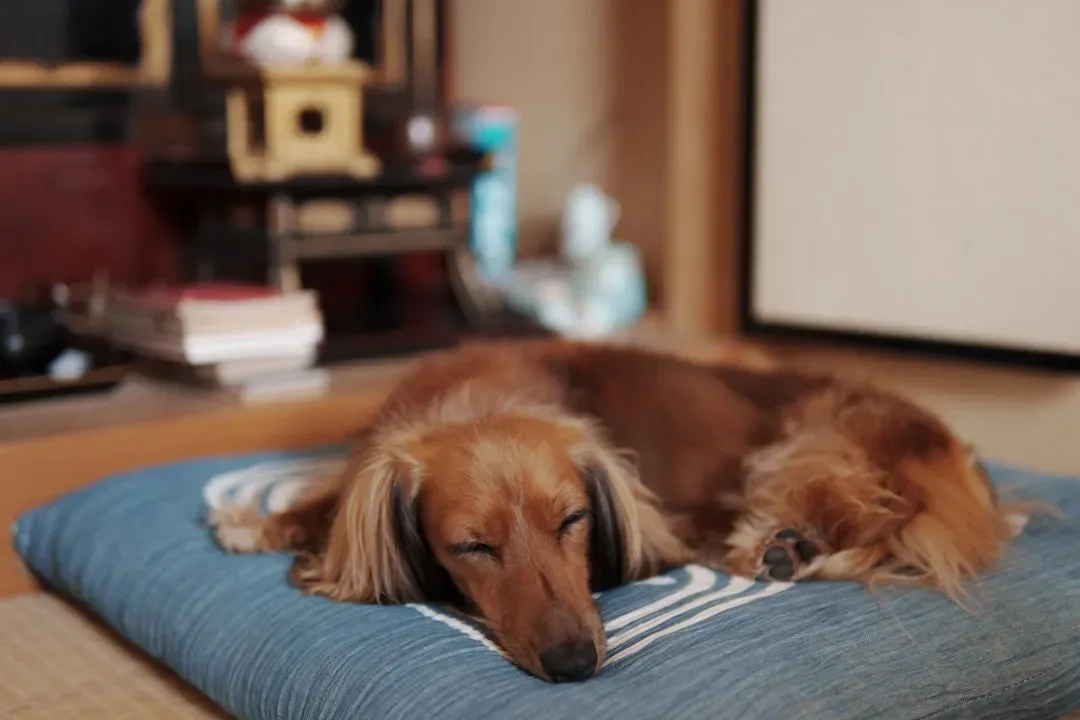
At bedtime your dog curls up closer than usual, sometimes resting a paw or chin within reach. The position stays consistent across multiple evenings when sleep proves difficult. No barking or shifting disrupts the calm they help maintain.
This nighttime presence often aligns with periods of heightened worry. Your dog remains still even if you toss or turn, providing a steady point of reference in the dark. Many people later connect these nights to the times they most needed that silent company.
They Notice Small Changes in Your Breathing or Posture
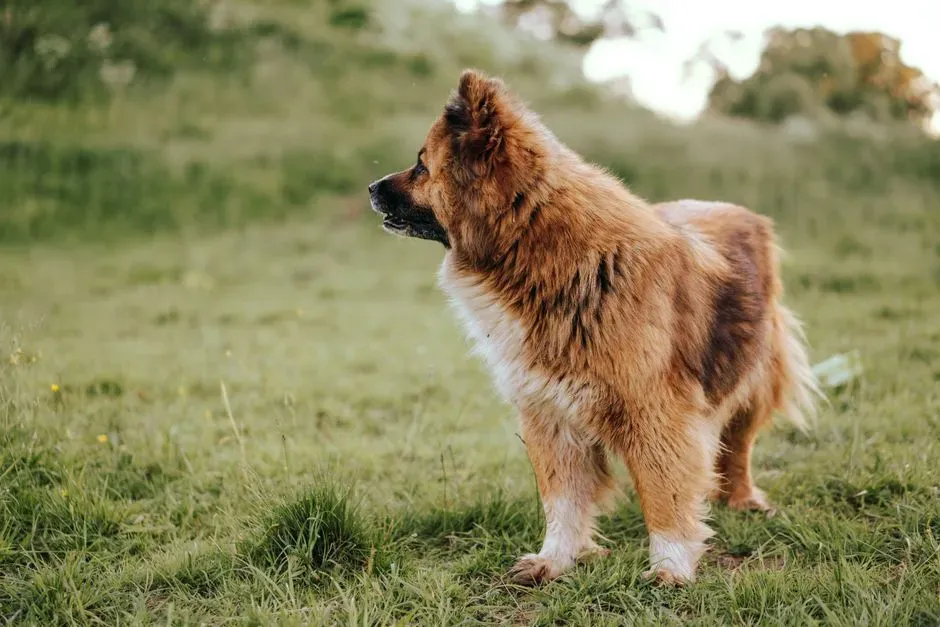
A quick glance or soft whine follows a sudden deep breath or hunched shoulder. Your dog reacts before you consciously register the tension yourself. The response stays brief yet consistent enough to mark a pattern.
These micro adjustments build across ordinary afternoons and evenings. Your dog seems attuned to the physical signs that accompany emotional dips. The awareness shows up as a gentle check rather than alarm, offering a quiet form of attunement that accumulates into real support.
They Extend Gentle Invitations to Simple Movement
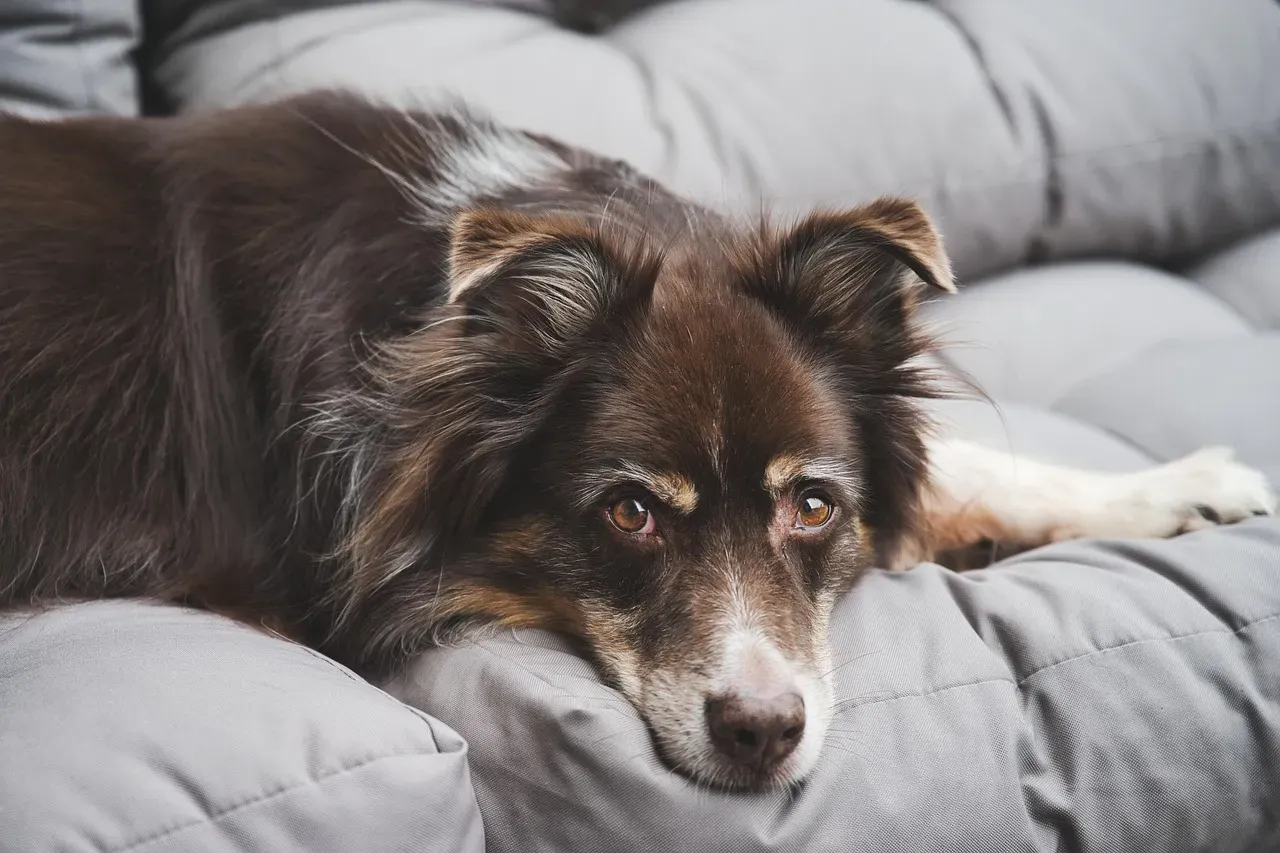
A soft nudge toward the door or a toy appears when you have sat motionless for too long. The invitation carries no insistence, just a repeated presence until you respond or decline. Your dog accepts either outcome without frustration.
The timing often follows stretches of rumination or withdrawal. By offering an easy exit from stillness, they create space for small shifts in mood. Owners who track these moments notice how the invitations arrive precisely when inertia feels strongest.
They Remain Close Even After You Signal Distance
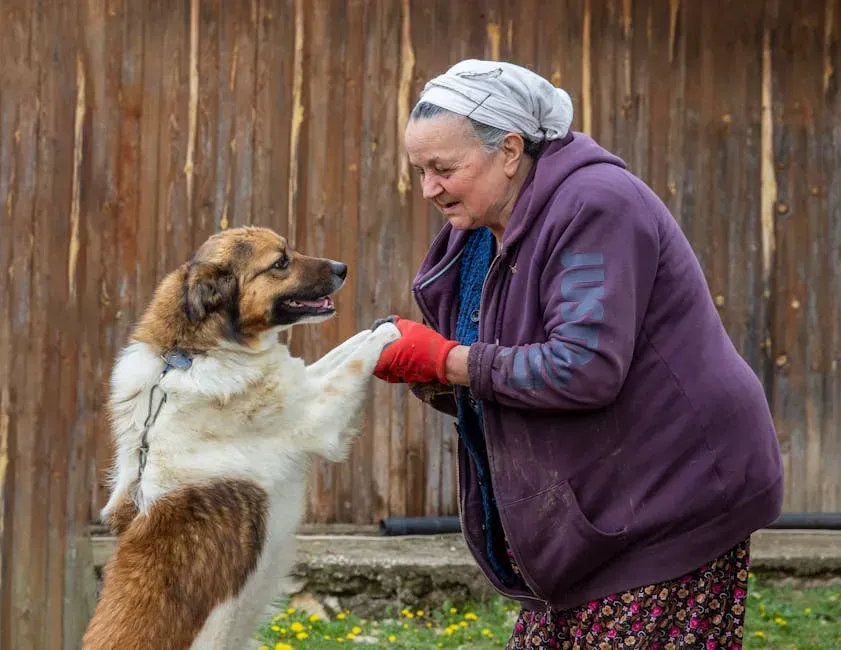
When you turn away or create space, your dog lingers at the edge of the room rather than leaving entirely. They respect the boundary yet stay within sight or hearing. This persistence shows up most during extended periods of emotional distance.
The choice to remain available without pushing feels deliberate once observed. Your dog waits for natural openings instead of forcing interaction. Over repeated instances this steady availability reinforces a sense of unconditional presence that outlasts temporary withdrawal. The quiet ways dogs respond to our inner states remind us that healing rarely arrives in grand gestures. Small, repeated acts of attention build a foundation that feels reliable when everything else shifts. Noticing them deepens the connection and turns ordinary days into something steadier.


