
Psychology Says Dogs Who Sleep at Your Feet Instead of Beside You Are Trying to Tell You Something About Your Health
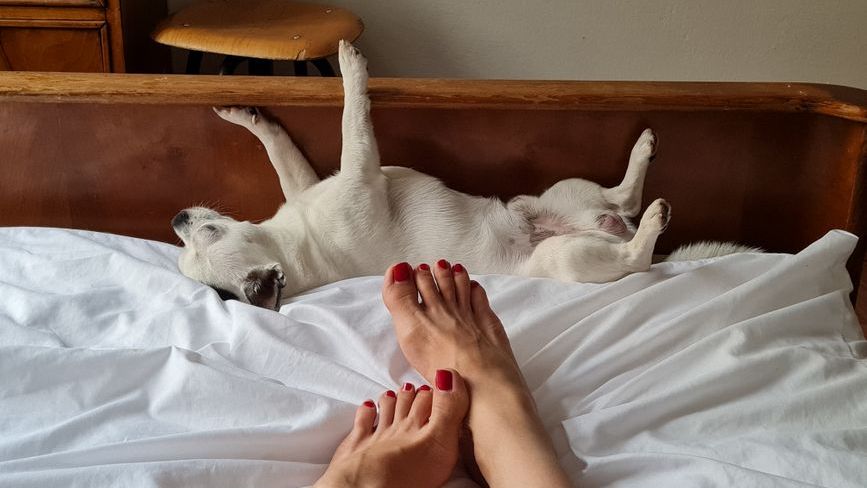
The Protective Instinct at Play
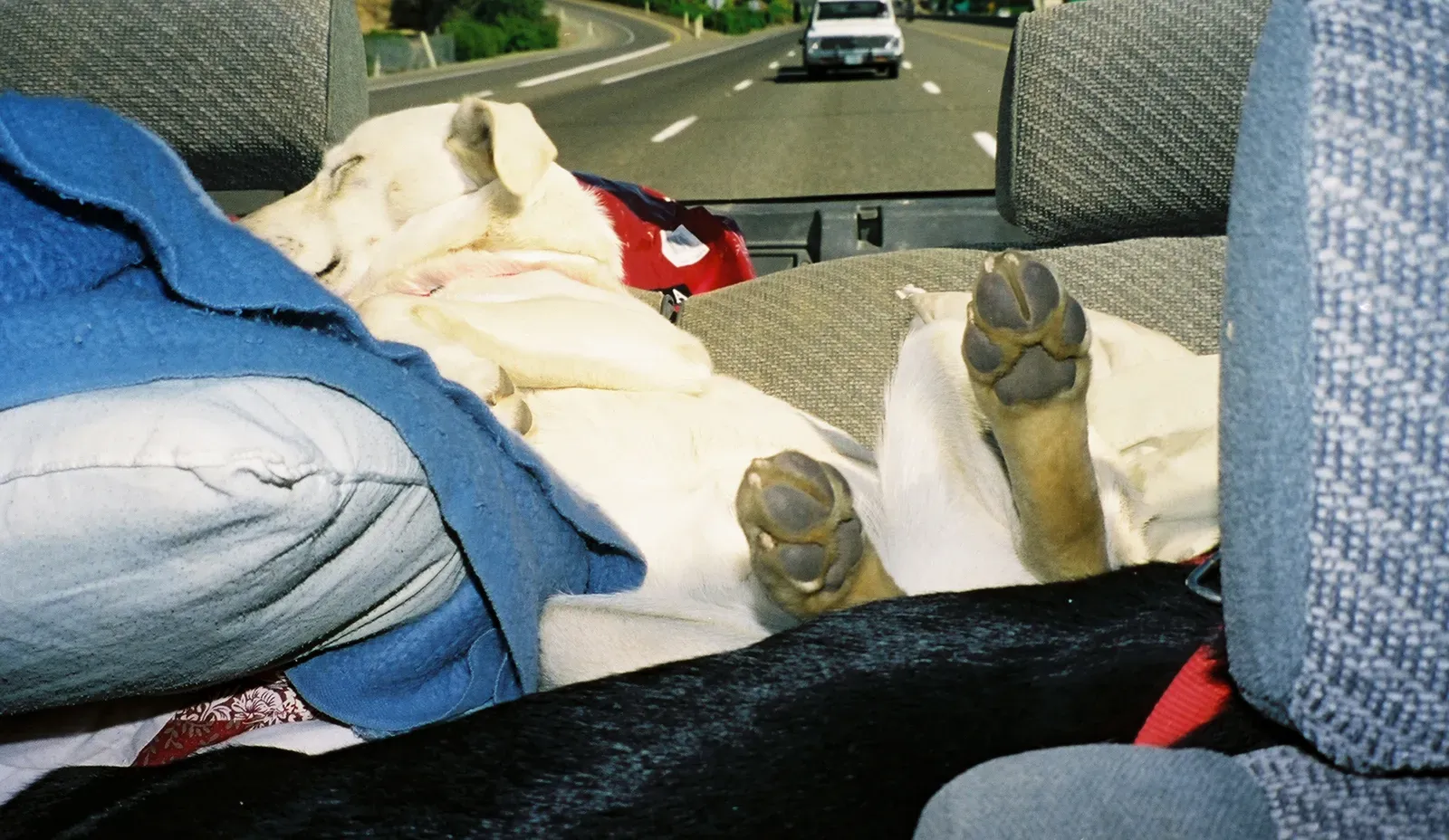
Dogs carry deep rooted instincts from their wild ancestors, where staying near the pack leader helped ensure survival for everyone involved. Sleeping at your feet places them in a position to watch over movements in the room while remaining close enough to offer quick support if needed. This choice often reflects a desire to guard rather than simply seek warmth or closeness.
Over time, such positioning can signal a steady sense of responsibility toward the household. It suggests the dog views their role as one of quiet vigilance, which in turn can ease some of the mental load owners carry during stressful periods. The result is a subtle boost to overall household calm that supports better rest for everyone.
Respecting the Pack Leader Dynamic

Many dogs see their human as the central figure in the family unit, and choosing the feet demonstrates a form of respect for that structure. This behavior echoes how subordinate members in a group often position themselves slightly apart yet attentive. It avoids direct competition for the most central spot while still maintaining connection.
Such respect can translate into smoother daily interactions and fewer conflicts over space or resources. When this pattern holds steady, it often points to a balanced relationship that reduces tension for the owner. That kind of harmony contributes to lower everyday stress levels over months and years.
Seeking Comfort Through Familiar Scents

Feet carry strong personal scents that dogs find reassuring and grounding. By settling there, a dog surrounds itself with familiar smells that reinforce feelings of safety without needing constant physical contact. This preference appears especially common in homes where routines stay consistent.
The comfort gained from these scents helps the dog relax more fully during sleep. In return, owners often notice their own evenings feel more settled when the dog seems content nearby. This mutual ease can support steadier sleep patterns that benefit physical recovery and mood regulation alike.
Regulating Body Temperature Together
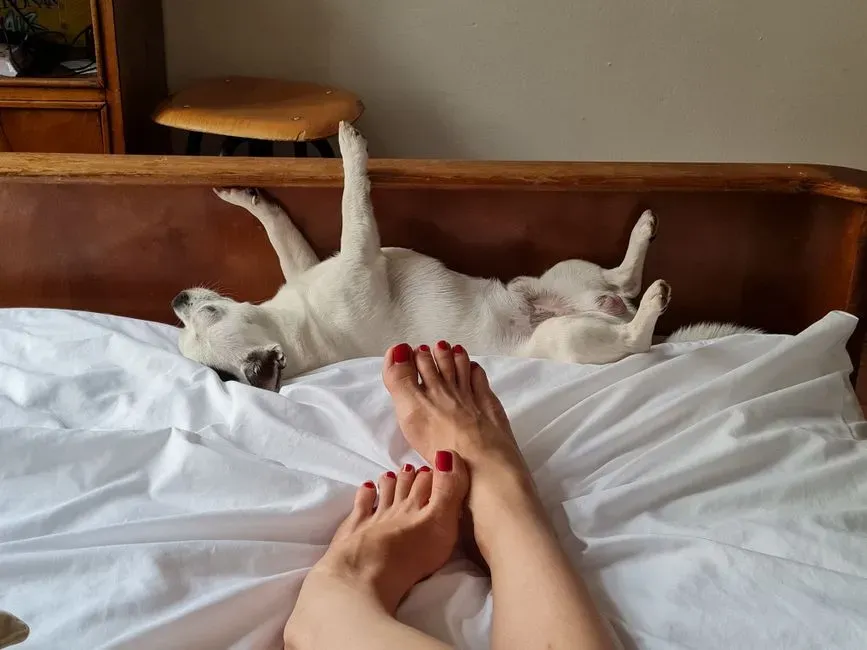
Dogs sometimes choose the foot of the bed to manage heat more effectively, especially during warmer months or after activity. The position allows them to stay near without absorbing as much body heat from the torso area. It represents a practical adjustment rather than a rejection of closeness.
When temperature preferences align this way, both dog and owner tend to experience fewer nighttime disturbances. Better sleep quality follows naturally, which supports immune function and emotional balance for the person sharing the space. Small environmental tweaks like this add up across seasons.
Strengthening Emotional Bonds Over Time
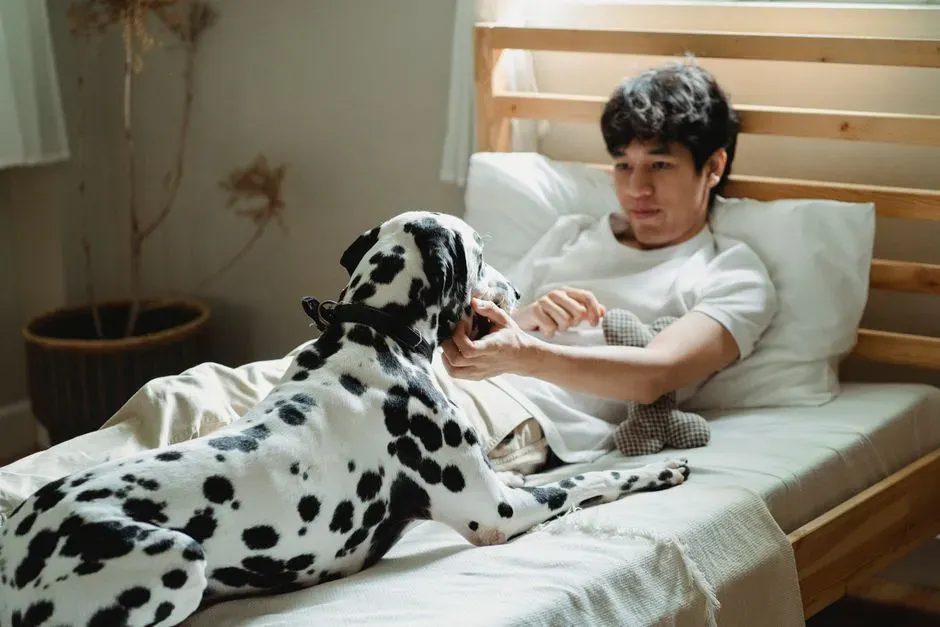
Proximity at the feet still counts as meaningful closeness that builds attachment between dog and owner. Research on canine behavior highlights how shared sleeping spaces, even in varied positions, release bonding hormones in both species. The choice of feet simply offers a different expression of that connection.
Owners who recognize this pattern often report feeling more attuned to their pet’s needs. That awareness encourages gentle routines around bedtime that deepen trust. Stronger bonds like these frequently correlate with improved mental well-being for people who live with dogs.
Monitoring for Subtle Shifts in Routine

A sudden move to the feet after years of sleeping beside you can reflect the dog’s sensitivity to changes in the home environment. Dogs notice shifts in scent, movement, or energy that humans might overlook at first. This attentiveness sometimes serves as an early cue worth observing.
Paying attention to such adjustments helps owners stay mindful of their own habits and surroundings. It encourages small check ins with health or stress levels that might otherwise go unaddressed. The dog’s behavior becomes a quiet prompt toward greater self awareness rather than a direct diagnosis.
Supporting Overall Household Well Being
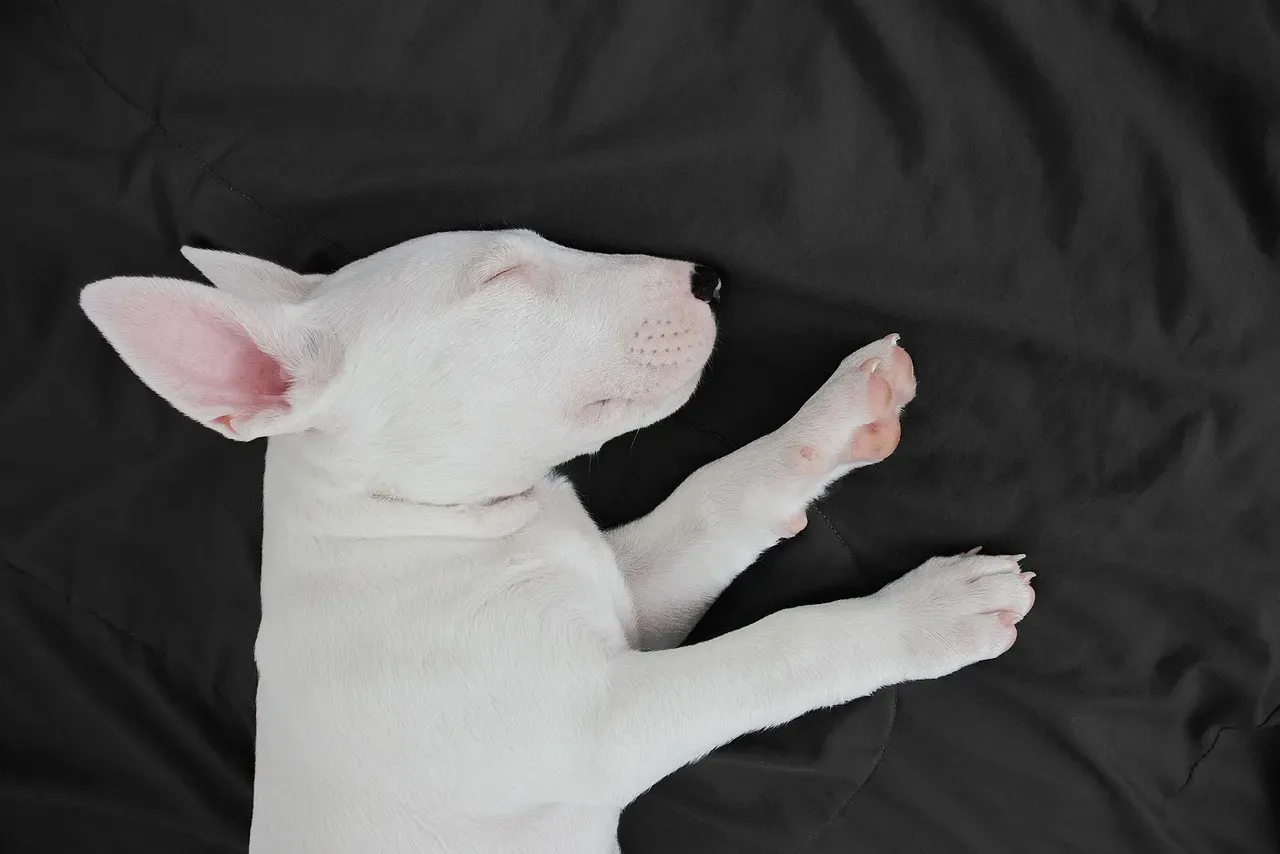
Ultimately, the feet position often points to a dog that feels secure enough to choose independence within the relationship. This balance allows both parties space while preserving the core connection. It mirrors healthy dynamics seen in many long term human animal pairings.
When viewed through this lens, the habit becomes less about mystery and more about everyday partnership. Owners who appreciate these nuances tend to cultivate environments where rest and connection coexist comfortably. That foundation quietly sustains better daily health for everyone involved.
In the end, a dog’s choice of sleeping spot reminds us that well being often shows up in quiet, consistent ways rather than dramatic declarations. Paying attention to these small signals can deepen the everyday partnership without overthinking every detail.