

The Remarkable Olfactory Abilities of Dogs
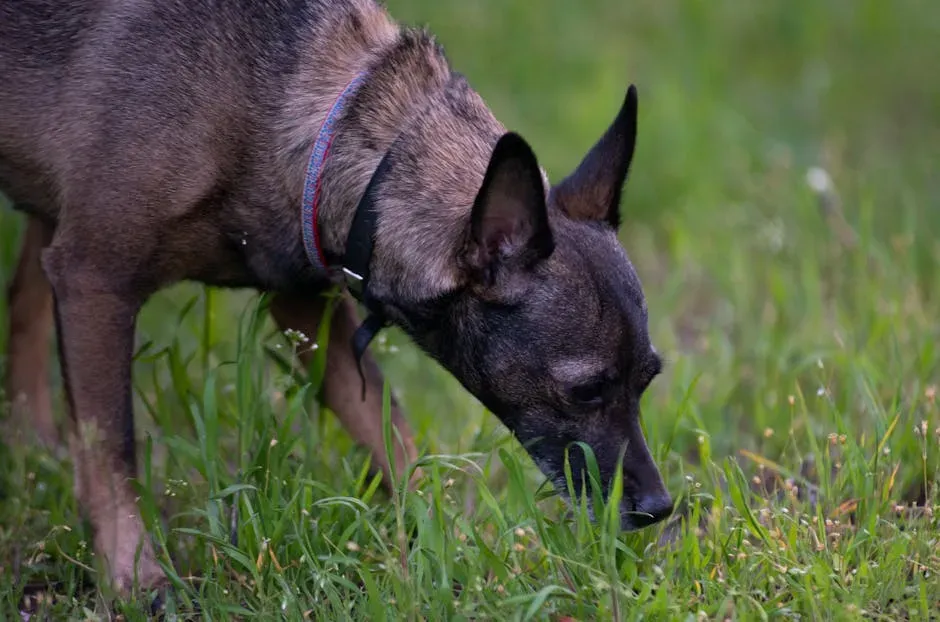
Dogs possess up to 300 million scent receptors in their noses compared with the roughly 6 million in humans. This difference allows them to pick up chemical traces that drift through the air long before any outward display of feeling. Their olfactory bulb also takes up a much larger portion of the brain, giving smell a central role in how they interpret the world around them.
These physical traits mean even faint changes in body chemistry register clearly. A dog can sort through layers of scent in seconds and isolate what stands out from the usual household mix. The result is an early alert system that operates without any need for sound or sight.
Hormones That Signal Emotional Shifts

When stress or sadness begins to build, the body releases hormones such as cortisol and adrenaline into the bloodstream. These compounds alter the scent of sweat and breath in ways that are undetectable to people but obvious to a dog. Research shows dogs can distinguish between baseline odors and those produced under emotional pressure.
The timing matters here. Hormonal shifts often start minutes before tears form or breathing grows ragged. A dog therefore registers the internal state first and responds with attention or closeness while the person is still holding it together on the surface.
Early Warning Signs in Breathing Patterns
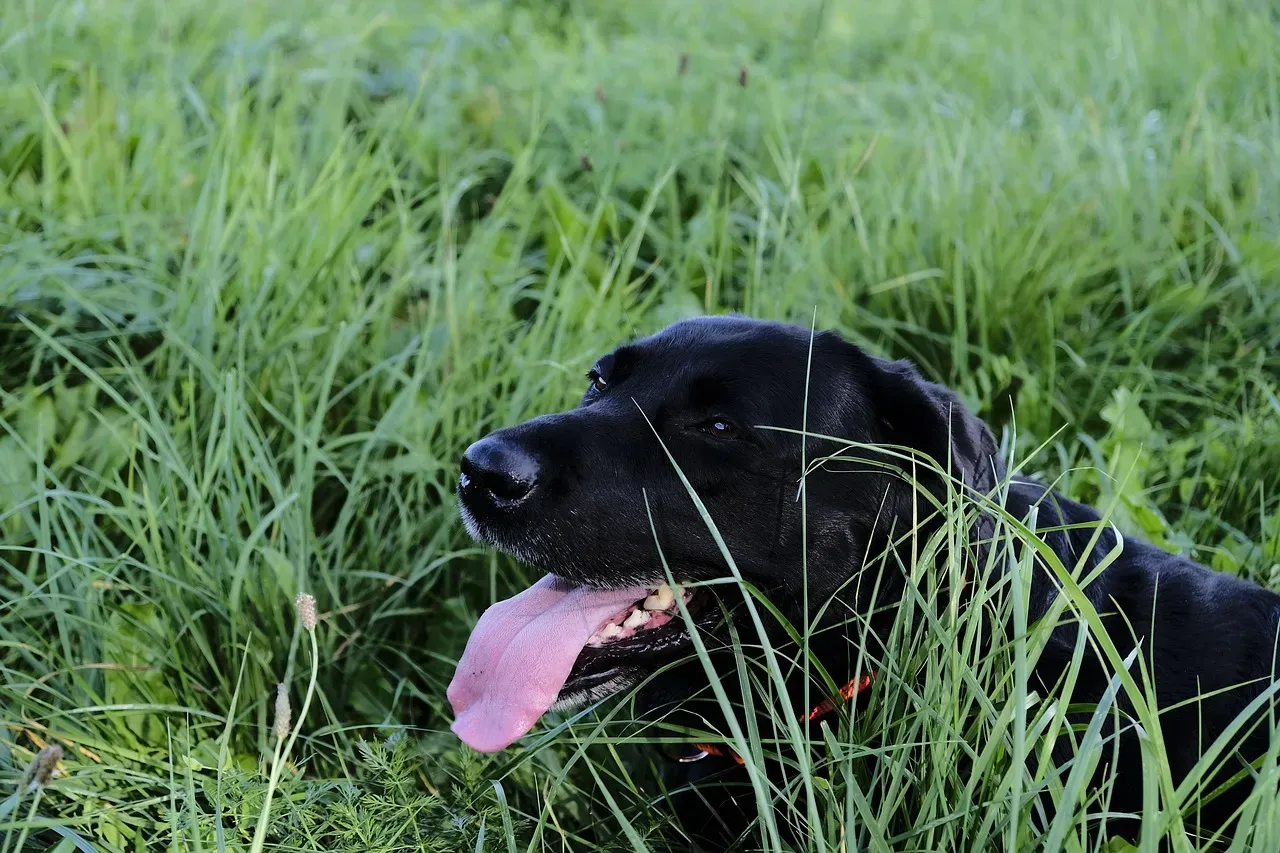
Subtle changes in breathing often accompany rising emotion well before crying starts. A person may take shallower breaths or hold them slightly longer without realizing it. Dogs notice these rhythmic differences through both sound and the slight movements they create in the chest and shoulders.
Because dogs live so closely with their people, they learn the normal breathing baseline of their household. Any deviation stands out immediately. This auditory and visual cue combines with scent information to give a fuller picture of what is coming.
Visual Cues Dogs Pick Up On

Facial muscles begin to tighten or the gaze softens in the moments leading up to tears. Dogs track these micro expressions with surprising accuracy. They also watch posture, noting when shoulders round or hands fidget in ways that signal an emotional turn.
These visual signals reinforce what the nose already detected. A dog may approach or offer comfort based on the combined input rather than any single clue. The layered approach makes their response reliable even when one sense is partially blocked.
Evidence from Research on Canine Responses

Multiple studies have documented dogs reacting to recordings of human crying with increased attention and stress related behaviors. Heart rate variability and cortisol measurements in the dogs themselves rise when they hear or smell signs of distress. Positive emotions like laughter produce far weaker effects in the same tests.
Other work shows dogs can be trained to alert to specific scent changes tied to stress hormones. This ability extends beyond simple conditioning and appears rooted in natural sensitivity. The findings support the idea that dogs register emotional states early through biological channels.
Evolutionary Reasons for This Sensitivity
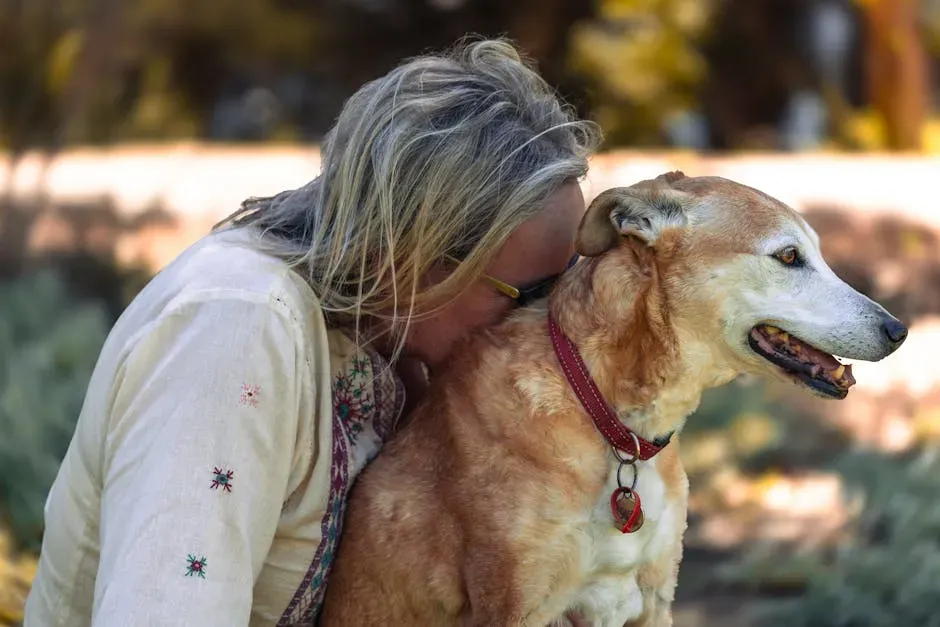
Dogs and humans have lived together for thousands of years, creating strong selective pressure for mutual understanding. Animals that responded quickly to human emotional cues likely received better care and protection. Over generations this trait became more pronounced in domestic dogs.
The partnership benefited both sides. Humans gained loyal companions who could sense trouble, while dogs gained reliable food and shelter. The biological wiring that supports early detection of distress fits neatly into this long shared story.
Implications for Everyday Life with Your Pet
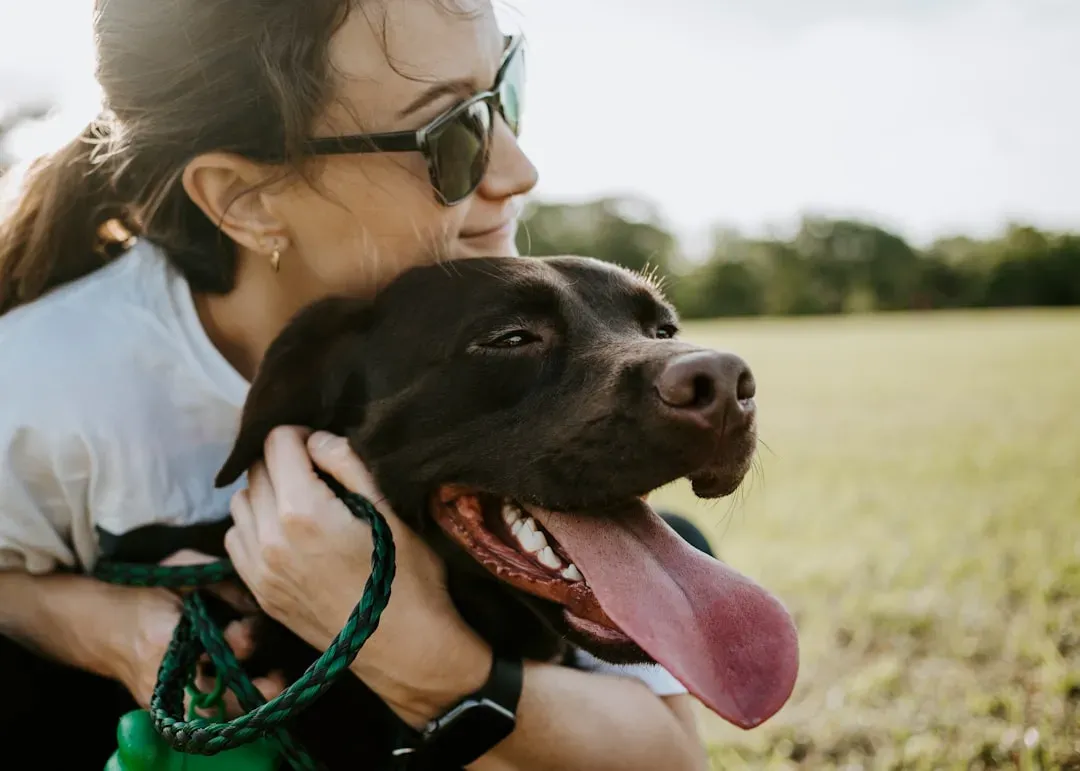
Recognizing how dogs sense these shifts can improve daily interactions. Paying attention to their early signals may help people notice their own rising stress sooner. Simple routines like quiet time together or gentle touch can strengthen the feedback loop that already exists.
Owners who understand the biological basis often feel more connected to their dogs. The relationship moves beyond commands and play into a deeper awareness of each other’s states. This awareness turns ordinary moments into opportunities for mutual support. In the end, the way dogs read us before tears appear highlights a quiet partnership built on biology and time. It invites us to notice their attentiveness and respond in kind, deepening a bond that has lasted across generations.


