

The Roots of Protective Instincts in Dogs

Dogs descend from wolves that relied on group vigilance for survival. In modern homes this ancient wiring still shows up when a dog positions itself between its person and the room entrance. The foot of the bed offers a clear view of the doorway while keeping the owner within reach.
Behaviorists point out that this placement lets the dog monitor movement without crowding the main sleeping area. It creates a buffer zone that feels secure to the animal. Owners often describe their dogs as more alert in this spot, ears twitching at distant sounds that go unnoticed elsewhere in the house.
Pack Dynamics and Territory Marking

Within a household pack the dog may view the bed as shared territory worth guarding. Sleeping at the feet places the animal at the outer edge, a position that echoes how wolves arrange themselves around the den. This arrangement signals loyalty and a willingness to stand watch.
Everyday routines reinforce the habit. Dogs that follow their owners from room to room during the day often extend that closeness into nighttime. The feet become an extension of the person, a place where scent is strong and contact remains light yet constant.
Temperature Preferences and Practical Comfort

Body heat rises toward the head of the bed, so some dogs simply prefer the cooler air near the feet. This choice keeps them comfortable without overheating under blankets or against a warm torso. The position still allows easy access if the owner stirs.
Yet the same spot serves dual purposes. A dog that values both cool air and vigilance finds an ideal compromise at the foot of the bed. The arrangement satisfies physical needs while satisfying the urge to stay close to the family unit.
Reading Subtle Behavioral Cues
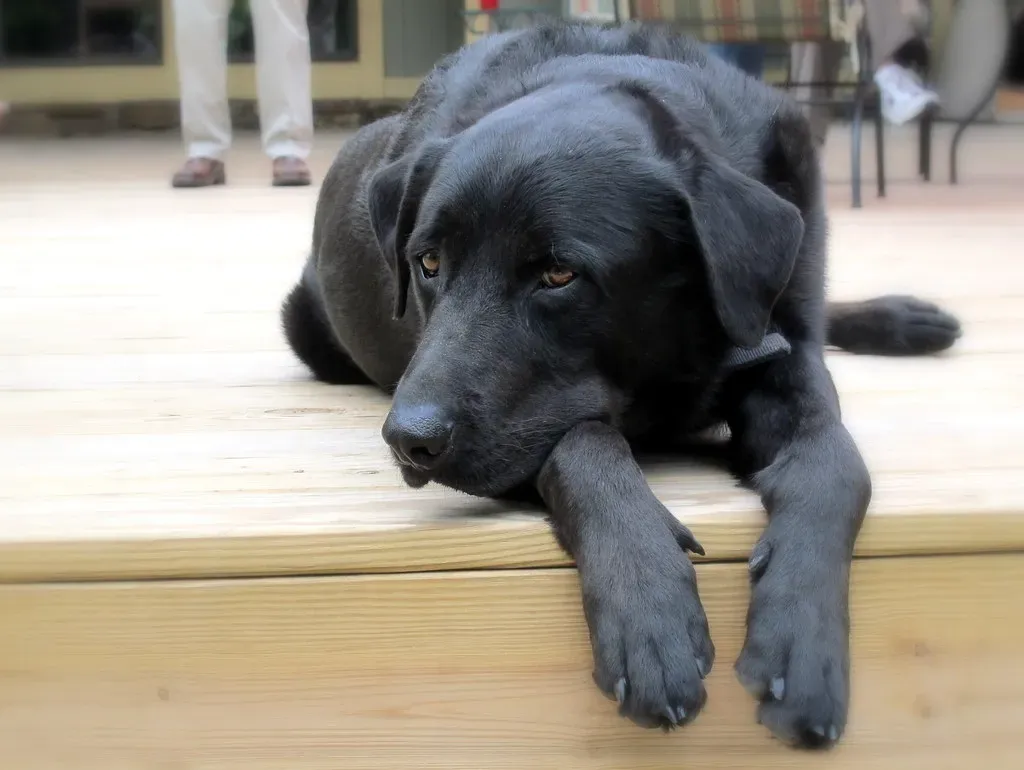
Watch how the dog settles in. A relaxed sigh followed by steady breathing suggests contentment rather than tension. Occasional head lifts or soft growls at unfamiliar noises indicate the protective role remains active even during rest.
Changes in routine can shift the pattern. A new household member or unusual outdoor sounds sometimes prompt the dog to move closer to the feet or even stretch across them. These adjustments reveal how the animal adapts its guarding strategy to the moment.
Breed Tendencies and Individual Personality
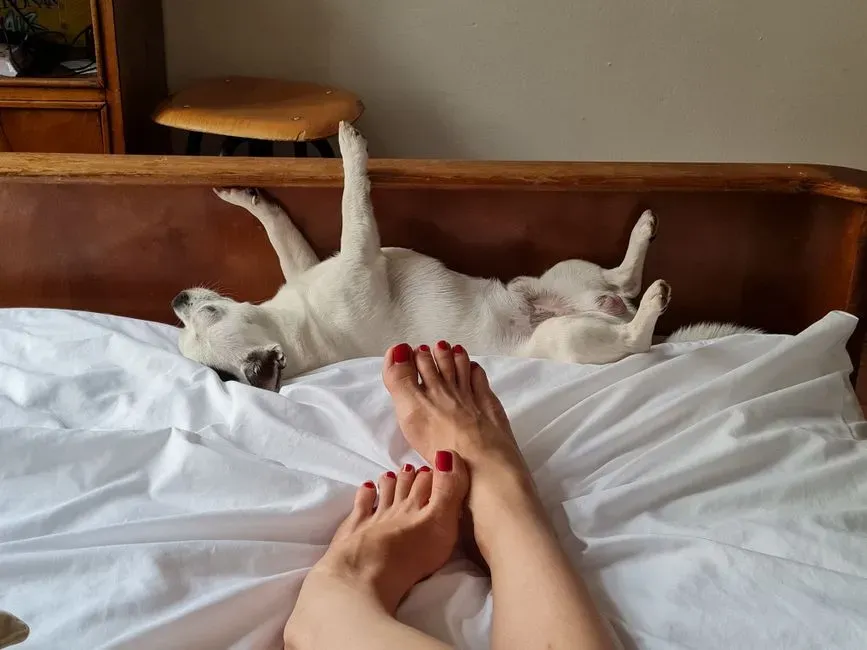
Working breeds with strong herding or guarding backgrounds often favor the foot position more consistently. Their genetics favor boundary awareness and quick response. Smaller companion dogs may choose the same spot simply because it feels safe and familiar.
Personality matters as much as lineage. A confident, independent dog might sprawl at the feet to maintain some personal space while still offering presence. A more anxious dog could seek the same location for reassurance that its person remains nearby and protected.
When the Habit Signals Something More

Most of the time the choice reflects normal bonding and instinct. Sudden shifts, however, deserve attention. A dog that suddenly refuses the bed or becomes restless at night may be reacting to pain, anxiety, or environmental changes worth checking with a veterinarian.
Consistent observation helps separate ordinary preference from genuine concern. Keeping notes on sleep patterns alongside any household changes gives a clearer picture over time. This simple habit supports both the dog’s well-being and the owner’s peace of mind.
Strengthening the Bond Through Understanding

Recognizing the possible protective element deepens appreciation for the quiet ways dogs show care. Allowing the foot position when it suits everyone respects the animal’s natural tendencies without forcing closeness. Small adjustments like a dedicated blanket at the end of the bed can make the arrangement comfortable for all.
The relationship benefits when owners meet these instincts halfway. Mutual trust grows from acknowledging that dogs bring their own logic to shared spaces. That awareness turns an ordinary bedtime routine into a quiet expression of partnership.
A Lasting Reflection on Quiet Loyalty

Dogs offer presence in ways that rarely demand attention yet consistently reassure. Choosing the foot of the bed may represent one small thread in a larger tapestry of loyalty that owners feel every day. The choice reminds us that protection often arrives without fanfare or words.
In the end the real value lies in the steady companionship itself. Whether the motive is instinct, comfort, or something in between, the result is the same: a shared night that feels a little safer because someone else is keeping watch. That simple fact is worth noticing and honoring.


