
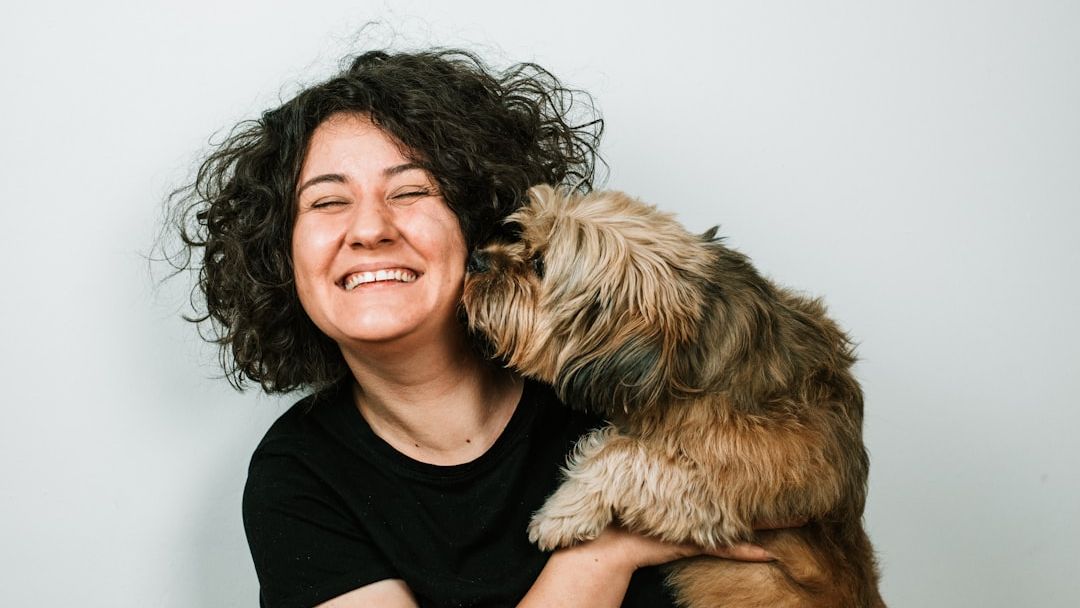
There’s a quiet kind of guilt that settles in when you’ve been away from home for long hours, and you compensate by coming back with a new toy or an extra treat. It feels like the right thing to do. It feels like love made tangible. Most dog owners have been there, and the impulse is genuinely kind. The question is whether your dog sees it the same way.
As it turns out, science has a rather humbling answer. The research building over the past decade or so points in a consistent direction: what dogs want most isn’t found on a pet store shelf. It lives in something far simpler, and far more freely given. What follows is what psychology and behavioral science actually say about the way dogs experience love and connection.
Dogs Form Attachments the Way Infants Do
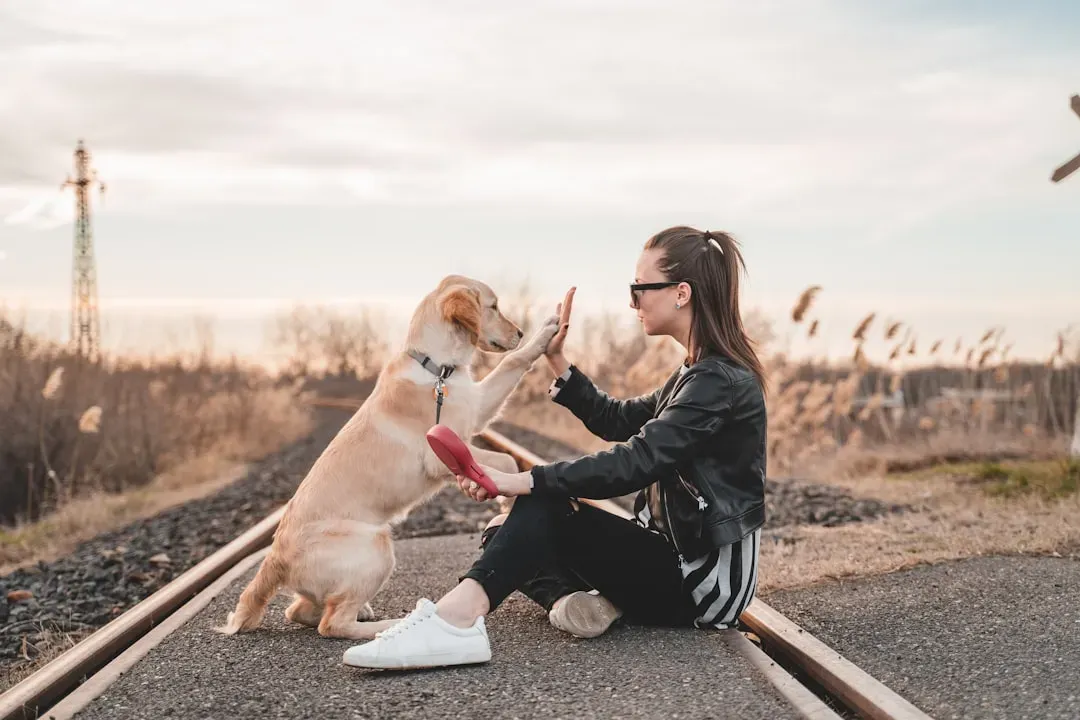
Several studies have revealed that human-dog relationships are based on a well-established and complex bond, with evidence now suggesting that the dog-human affectional bond can be characterized as a genuine “attachment.” That word carries real weight in psychology. It doesn’t mean fondness or familiarity. It means a deep, emotionally regulating bond with a specific individual.
The dog-owner attachment is considered a special analogy of the bond between a human infant and their caregiver, and it can be characterized with a similar asymmetry between roles: the attachment figure provides safety and security to the dependent partner in challenging or stressful situations. In other words, your dog isn’t just happy to see you. You are, quite literally, their safe place.
Dogs are the only domesticated animals that have evolved to live in such close proximity to humans, and this bond has been shaped by thousands of years of evolution and mutual adaptation, leading to a profound connection between the two species. No amount of novelty packaging can replicate what that evolutionary history has built.
The Science of the Gaze: Oxytocin and the Love Loop
Looking at your dog triggers measurable brain chemistry changes by releasing oxytocin, the same hormone involved in parent-child bonding. Research shows that mutual gazing between dogs and humans creates a positive feedback loop where both species experience increased oxytocin levels. This isn’t poetic language. It’s measurable biochemistry.
Research published in the journal Science demonstrated that gazing behavior from dogs, but not wolves, increased urinary oxytocin concentrations in owners, which in turn facilitated owners’ affiliation and increased oxytocin concentration in the dogs themselves. The human-dog bond is facilitated by the interaction of oxytocin feedback loops that emerged over the course of domestication. That feedback loop begins not with a treat, but with a look.
The oxytocin response varies based on the strength of the existing relationship. Dogs and owners with stronger bonds showed more dramatic hormone increases during gazing sessions, indicating that the oxytocin brain chemistry deepens over time through repeated positive interactions. The more time you genuinely spend with your dog, the richer that biochemical reward becomes for both of you.
Presence Acts as a Secure Base for Dogs
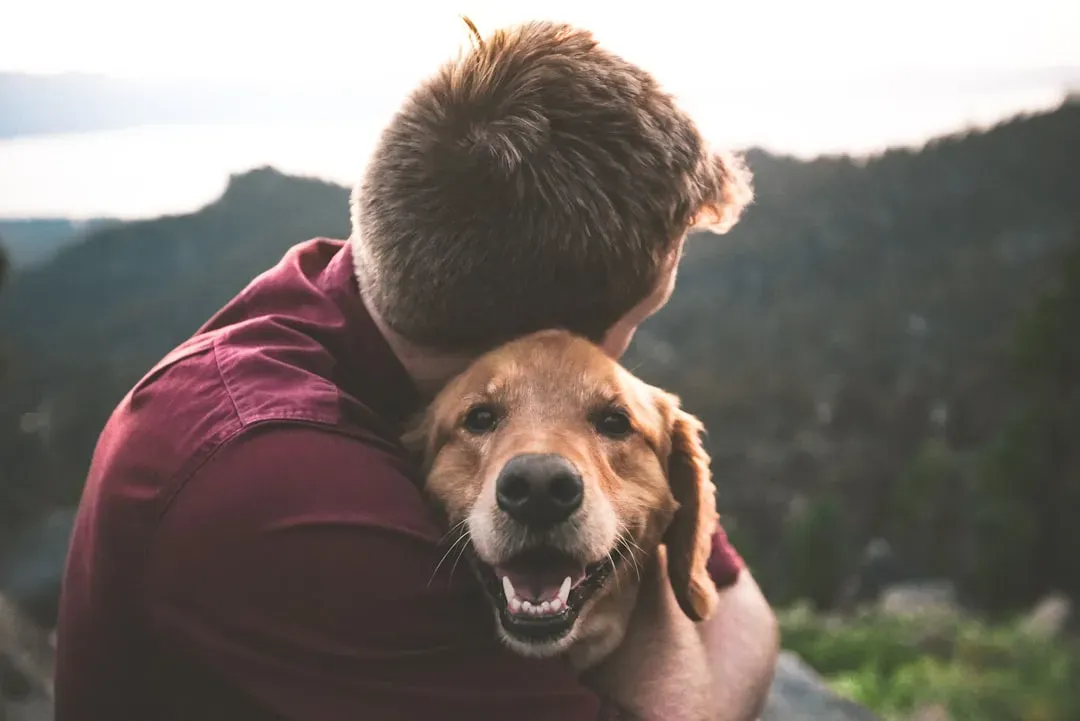
Studies show that dogs exhibit what’s known as a “secure base effect” around their owners: they explore more confidently, show less anxiety, and recover more quickly from stress when their person is present. Remove the owner from the equation, and many dogs show signs of separation anxiety that mirror those seen in young children separated from a parent. This suggests the emotional bond between dogs and humans is a genuine attachment relationship, not merely a conditioned response to food and shelter.
Research has shown that the secure base effect seems to operate regardless of whether the owner is encouraging or passive, meaning that simply being in the room matters. Your dog doesn’t need you to be performing affection. They just need to know you’re there. That quiet, physical presence registers as safety on a neurological level.
Praise Can Matter More Than Treats
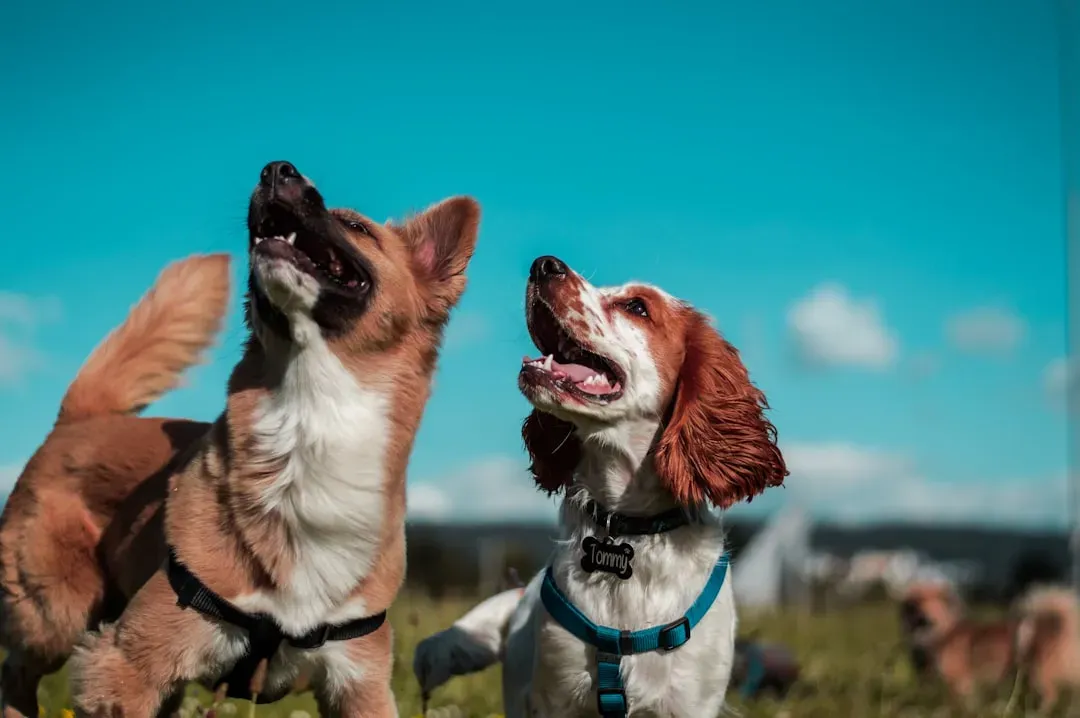
Researchers found that for some dogs, human affection was more compelling than a snack, and aside from reminding us of the deep social origins of the species, this information could prove valuable for training and selecting working dogs. This finding, published through peer-reviewed research, challenged a long-held assumption in dog training culture.
This research illustrates that early socialization and repeated positive reinforcement can have a powerful impact on dogs, and that in some cases, receiving verbal praise was actually more rewarding than getting a snack. Other studies have also shown that dogs might prefer human attention to food. The cumulative picture is fairly clear: the social reward of your engagement often outweighs the caloric one.
What Happens to Dogs When You’re Away
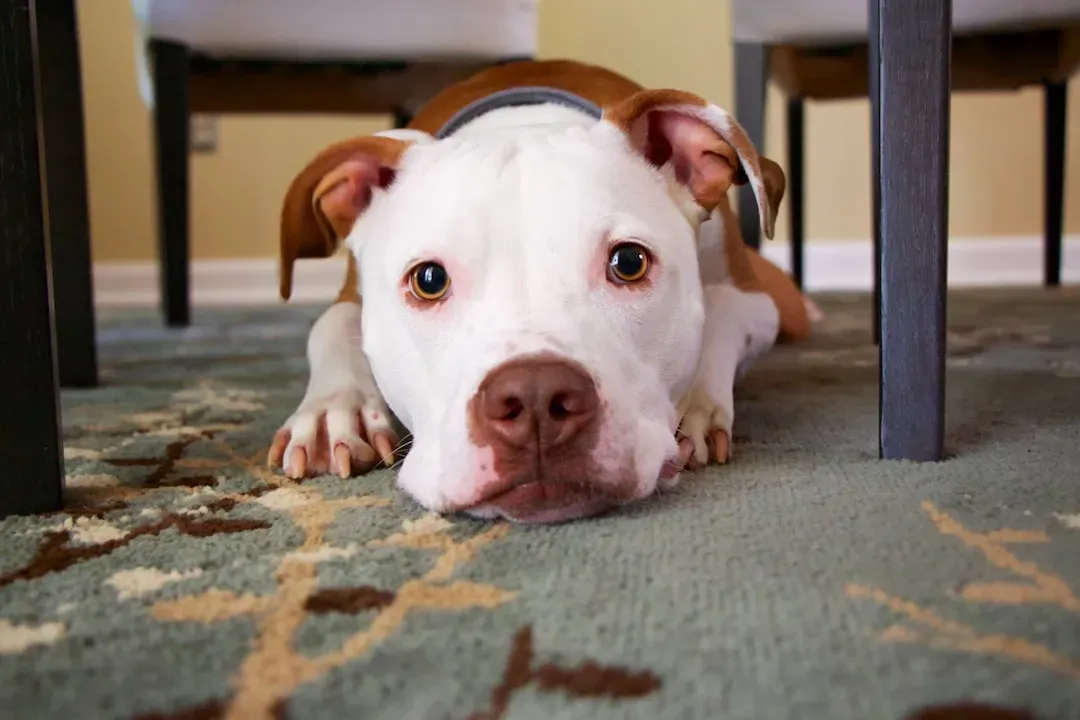
As humans provide resources to the dog in the same way parents provide them to their offspring, the dog is dependent on humans and motivated to stay close to its owner. This motivation manifests itself as a stress response in the absence of the owner, and these stress-related behaviors can be various in appearance and intensity, including fear, anxiety, panic, and frustration.
Dogs suffering from anxiety-related behaviors are often found to have elevated baseline cortisol levels, and studies showed that anxious dogs tend to exhibit higher salivary cortisol levels, particularly during separation from their owners. A new squeaky toy left in the crate cannot meaningfully counteract what the biology is doing in your absence. It can occupy, but it cannot comfort.
Toys Have Real Value, But Context Is Everything
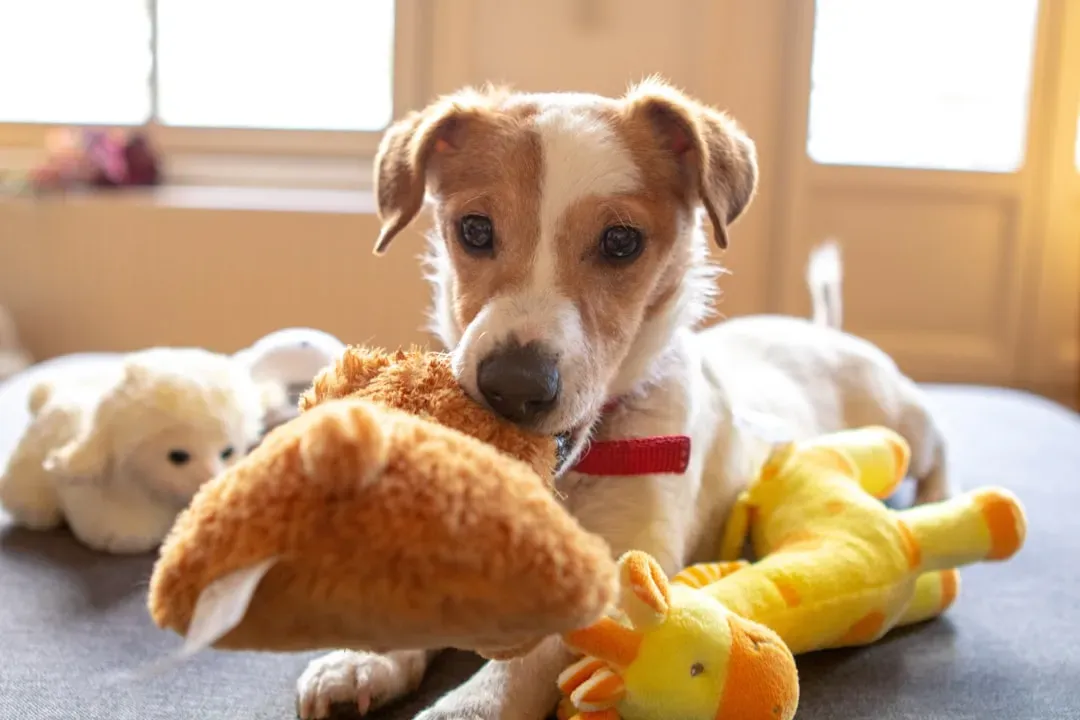
It would be unfair to dismiss toys entirely. Dogs don’t just “like toys” – they use toys to meet real psychological needs like predation practice, stress regulation, social bonding, and problem-solving. Toy preferences can also reveal what a dog is trying to feel, whether calm, confident, connected, or in control, and what they may be missing in daily life. The toy itself, in other words, is a signal worth reading.
Your presence is the most important ingredient. A toy tossed half-heartedly won’t have the same impact as a lively, interactive session where your dog knows you’re fully engaged. Playtime is as much about connection as it is about activity. The price tag on the toy is largely irrelevant. What your dog is responding to is you showing up for the game.
Touch, Routine, and the Daily Architecture of Love
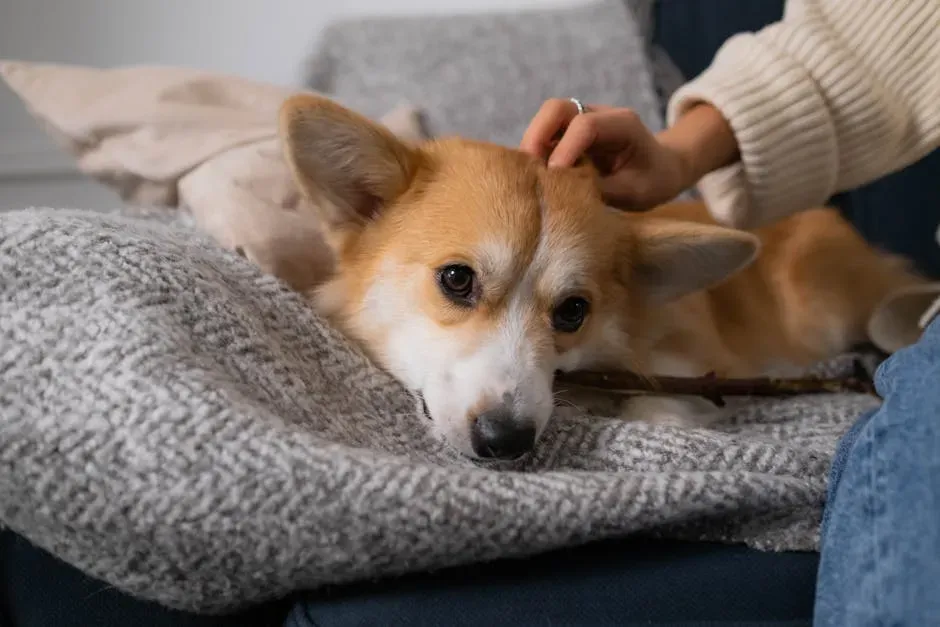
When dogs were petted before a brief separation from their owner, they displayed behaviors indicative of calmness for a longer period while waiting for the owner’s return, and their heart rate showed a marked decrease after the test. This suggests that petting a dog before a brief separation may have a positive effect, making the dog calmer during the separation itself. Physical touch, unhurried and intentional, leaves a physiological trace.
Dogs are incredibly skilled at reading human body language, gestures, and even emotions. Research shows they can interpret facial expressions and vocal tones, reacting accordingly. This sensitivity allows them to reciprocate emotional states, offering comfort when we’re sad and excitement when we’re happy. What this means practically is that showing up with genuine presence, not just physical proximity, is felt and registered by your dog in real time.
What Dogs Actually Remember About Your Relationship
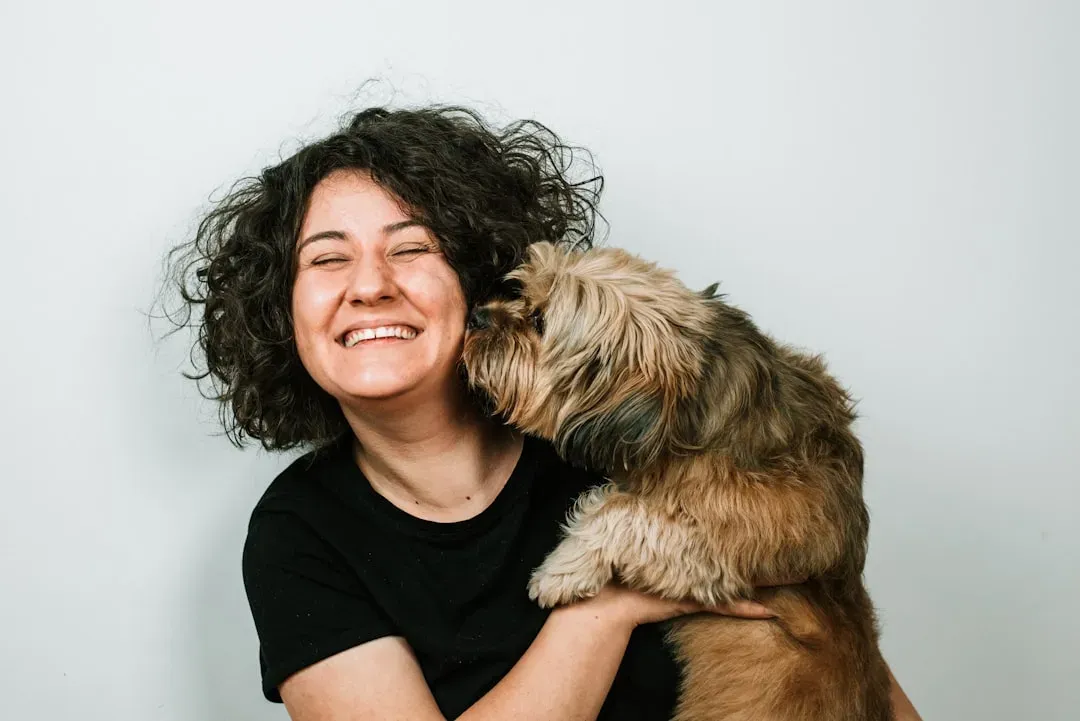
Dogs form an exclusive attachment bond with their owner, which remains unchanged throughout their adulthood as long as they live with the same owner. Even adult dogs can establish attachment with a new owner in the case the previous one is lost. This is a remarkable resilience, one rooted not in material association but in relational history. They remember who stayed.
Dogs choose their favorite people, with whom they form a deeper bond, demonstrating greater trust, joy, and peace in their presence, and they can also miss and experience emotional separations. Although some of their emotions are less complex than those of humans, their depth and authenticity are undeniable. Thanks to neurological and behavioral research, we now know that dogs experience both simple feelings and more complex emotional states, which influence their behavior, health, and relationships with humans. They’re not waiting for the next gift. They’re waiting for you.
Conclusion: Presence Is the Most Honest Currency

The pet industry is worth an extraordinary amount of money, and much of it is built on a quiet anxiety that dog owners carry: the feeling that more spending equals more love. This is understandable. We want to give our dogs the best, and products make that impulse feel actionable. But the research keeps returning to the same uncomfortable truth.
What your dog needs most cannot be ordered online or picked up at a checkout counter. It’s the morning walk where you actually put the phone away. The ten minutes of genuine eye contact on the floor. The ritual of your arrival home, met with a full-body welcome that no toy ever prompted on its own. The bond isn’t built through things. It’s built through time, attention, and the simple, repeated act of being present. That, according to psychology, is what love looks like to a dog.


