
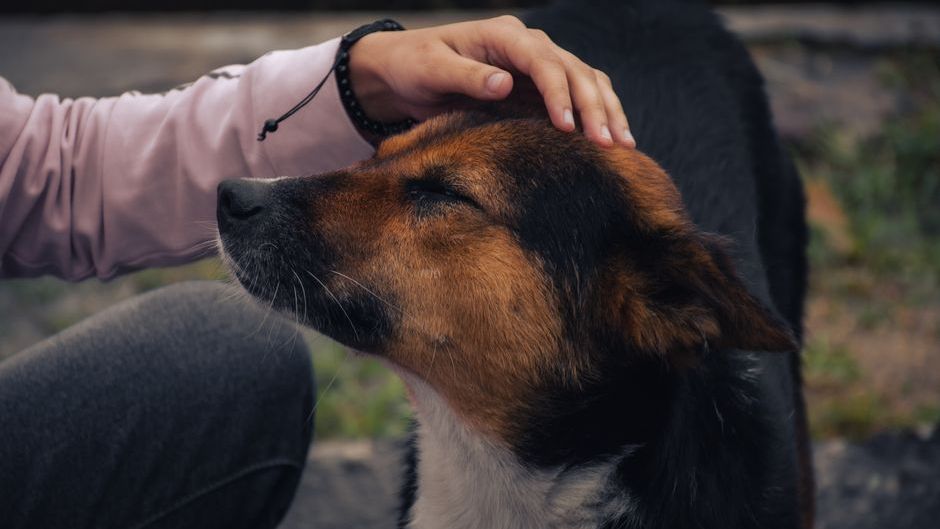
The Psychological Aftermath of Abuse in Dogs

Dogs that have been raised in abusive environments often suffer from severe psychological trauma, developing anxiety, fear, and aggression as a result of the abusive experiences they have endured. These aren’t just behavioral quirks. They are survival adaptations, the mind doing its best to protect a body that was once in genuine danger.
Dogs that have been subjected to abuse often exhibit various psychological effects, such as fear, anxiety, and aggression, and may struggle to trust humans and have difficulty forming healthy attachments. The psychological scar tissue runs deep, shaping how they interpret every new interaction, every outstretched hand.
This has long-term consequences for the animal, even when it is rescued in time. Recovery is not simply a matter of removing the dog from a bad environment. The nervous system has already been rewired by the experience, and that rewiring takes significant time and consistency to undo.
Why the Brain’s Fear Response Makes Trust So Meaningful
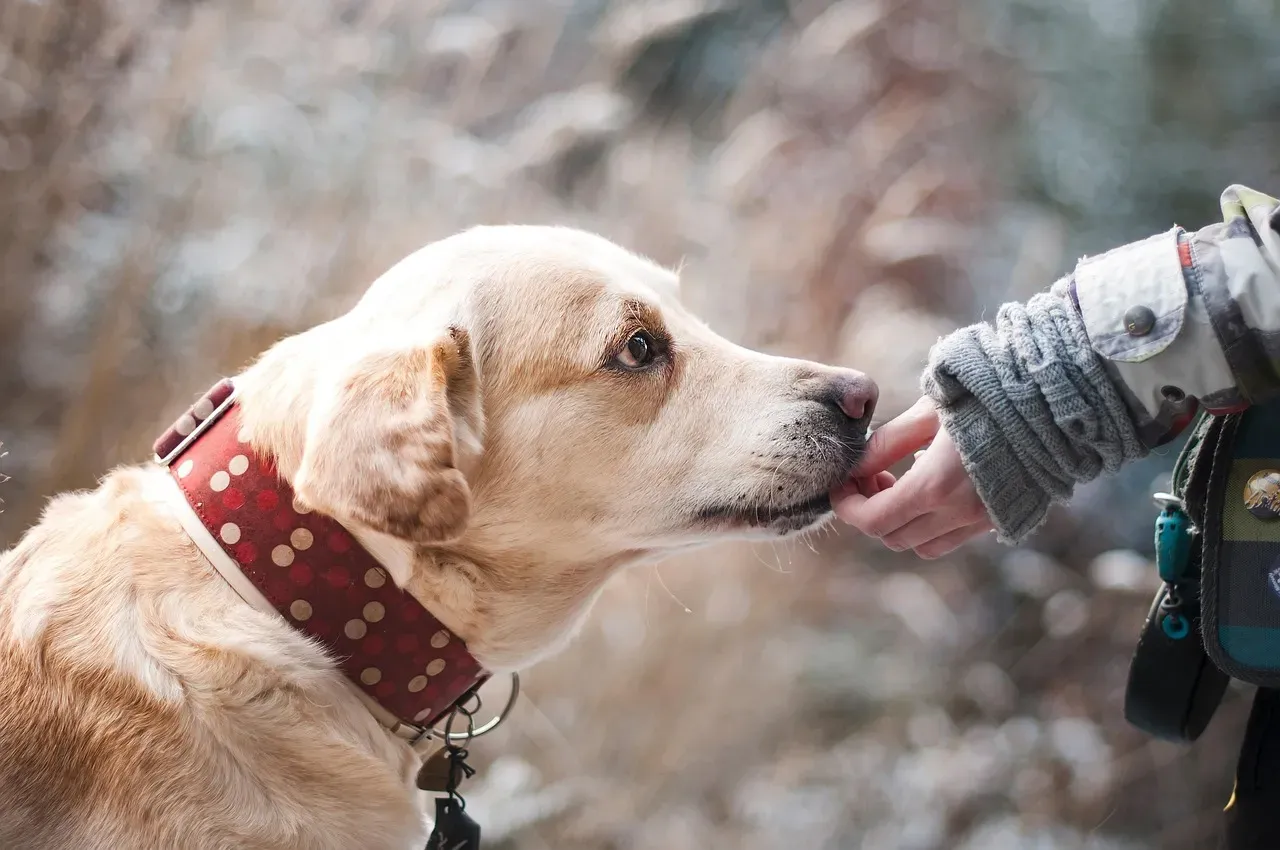
Oxytocin is scientifically well known for its participation in facilitating attachment and trust, and when less of this neurohormone is present, an individual’s fear and anxiety responses are less well-modulated. Studies with rodents have shown that it is successful in inhibiting fear responses by eliciting an inhibitory circuit within the amygdala of the brain. This applies across mammals, dogs very much included.
Research is demonstrating that when oxytocin levels increase, it can help modulate psychological symptoms of trauma. Increased oxytocin levels are directly associated with increased social behavior, decreased anxiety or fear responses, and a heightened sense of personal safety and well-being. For a dog that has learned to associate humans with pain, the gradual rise of this very hormone through safe, positive interaction is nothing short of a neurological transformation.
Bonding with animals safely elevates oxytocin, lowers cortisol, and activates the parasympathetic nervous system. When this shift happens in an abused dog, the relief isn’t just emotional. It’s chemical, measurable, and real. That’s part of why the loyalty it produces carries such unusual intensity.
Memory, Resilience, and the Conscious Choice to Trust Again
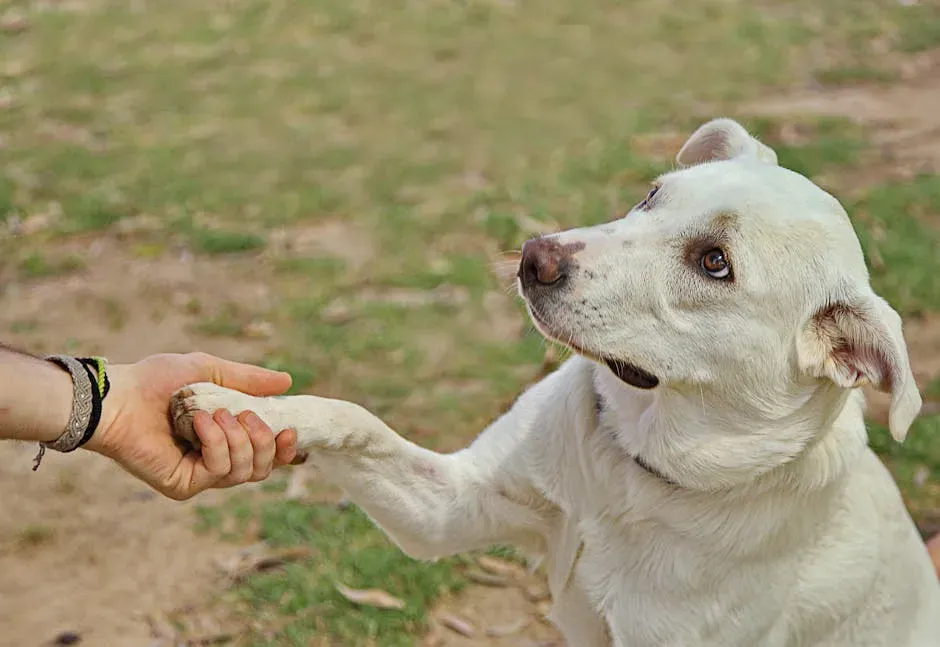
Dogs do not forget when they are abused, but they can learn to trust again in many instances. Despite their fierce loyalty to their humans, dogs are the animals that face the highest percentage of abuse in the United States. The fact that they can rebuild trust at all, given what they remember, speaks to a remarkable psychological resilience.
Even after dealing with horrendous situations, time and again, there are stories of how dogs have learned to trust people again. This is not because dogs forget how they were treated in the past. The memory stays. What changes is the interpretation of new experience. A dog that chooses to trust you despite its memories is making, in its own way, an active decision, and that decision becomes the foundation of something unusually strong.
The Bond That Forms After Trauma Is Different in Character
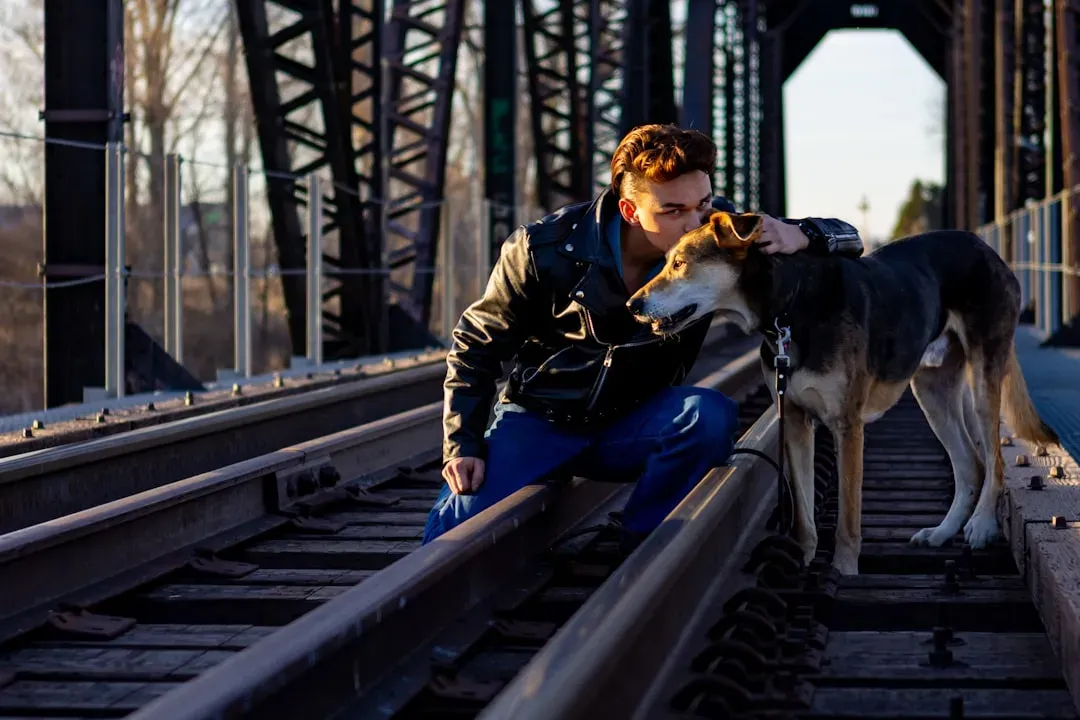
Rescue dogs form strong bonds with their owners through the experience of being saved and cared for. The bond between rescue dogs and their owners is often characterized by loyalty, gratitude, and a deep emotional connection. This is different from what develops with a dog who has never experienced contrast. The rescue dog knows the difference between cruelty and kindness in a way that a sheltered dog simply doesn’t.
The bond between rescue dogs and their owners often transcends a simple pet-owner relationship, evolving into a deep, emotional connection rooted in gratitude, understanding, and mutual respect. This unique connection is built on the foundation of the dog’s past experiences and the circumstances of their rescue. Many rescue dogs have experienced hardship, neglect, or abandonment, making the love, security, and stability provided by their new owners even more significant. They aren’t simply accepting care. They are recognizing it as something rare and worth clinging to.
The Role of Consistency in Rebuilding Attachment

Building trust with an abused dog requires patience and consistency. Starting by establishing a routine that the dog can rely on, with consistent feeding times, walks, and interaction periods, creates a sense of security. For a dog that once lived in chaos and unpredictability, routine is not just comfort. It’s proof that the world can be reliable.
Trust is not built overnight, especially after past traumas. Celebrating small victories, like when the dog voluntarily comes closer or follows commands, matters. Keeping a consistent pattern makes the dog feel secure and gradually eliminates its fears. Every small act of reliability layers onto the last, until the dog begins to internalize safety as its new normal. That internalized safety is what later expresses itself as deep, steady loyalty.
Positive Reinforcement and the Rewiring of Association
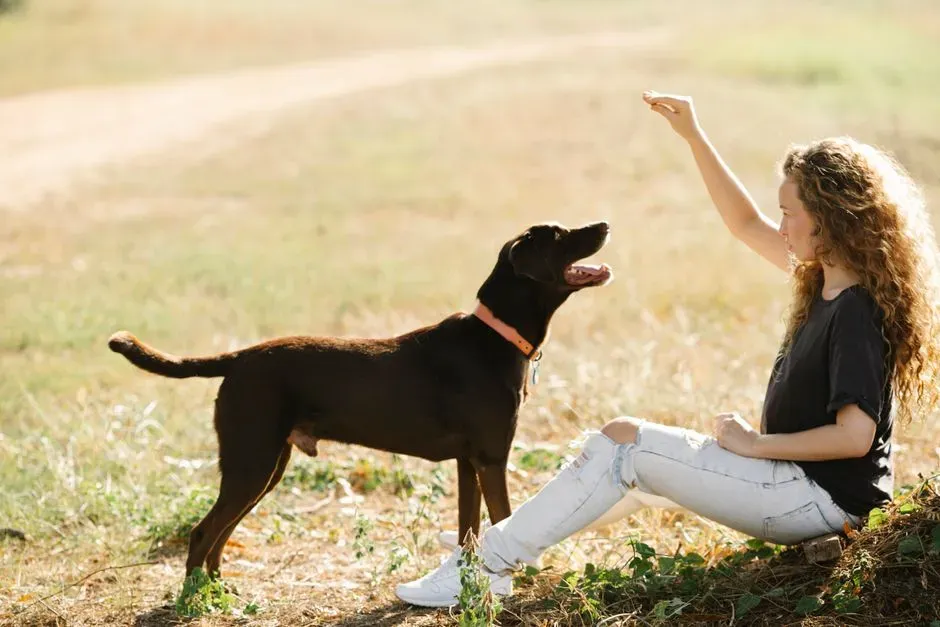
Positive reinforcement and consistency are vital when training an abused dog. Rewarding desirable behavior with treats, praise, or affection helps them associate positivity with specific actions. Avoiding punishments or harsh corrections is critical, as these can worsen their fear and anxiety. The goal isn’t just obedience. It’s the gradual replacement of fearful associations with safe ones.
Abuse and neglect in any form have long-term effects on dogs. They do not respond well to punishment, yelling, or evident frustration. If a dog has suffered abuse and is already anxious and afraid, any signs of negative emotion will cause the dog to withdraw and possibly recoil. Every interaction is either building trust or chipping away at it. There is no neutral ground with a dog that has been hurt before. That acute sensitivity, once channeled toward a safe person, becomes an almost magnetic attentiveness.
How Long the Journey Actually Takes
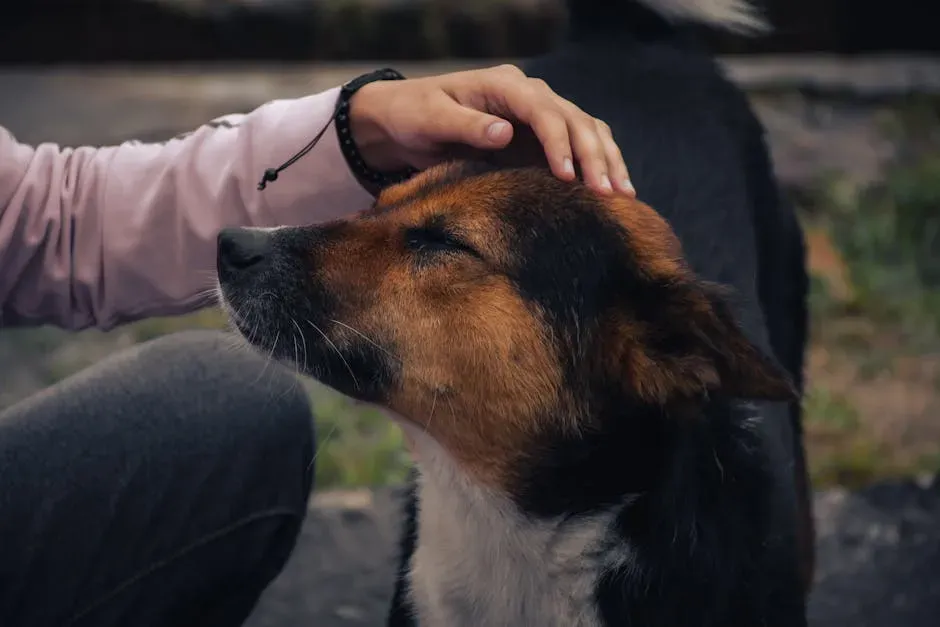
It can take months or even years for formerly abused dogs to recover and go from a reclusive and scared animal to a trusting and loving companion. In most cases, you can never achieve a full resolution of the issues. That isn’t a reason to give up. Even without a complete transformation, with time they will learn to trust and let go of their fears. This is an honest reality, and it’s one that every prospective adopter deserves to hear plainly.
Most owners experience behavioral problems after adoption, but problems like training difficulties and fear-based behaviors tend to improve over time. The arc is long, but it bends consistently toward healing when the environment supports it. While the scars of abuse may never completely disappear, many abused dogs can make significant progress in their recovery with proper care and support, learning to trust again, form strong bonds with their new caregivers, and live happy and fulfilling lives.
What This Means for Anyone Who Has Ever Loved a Rescue Dog
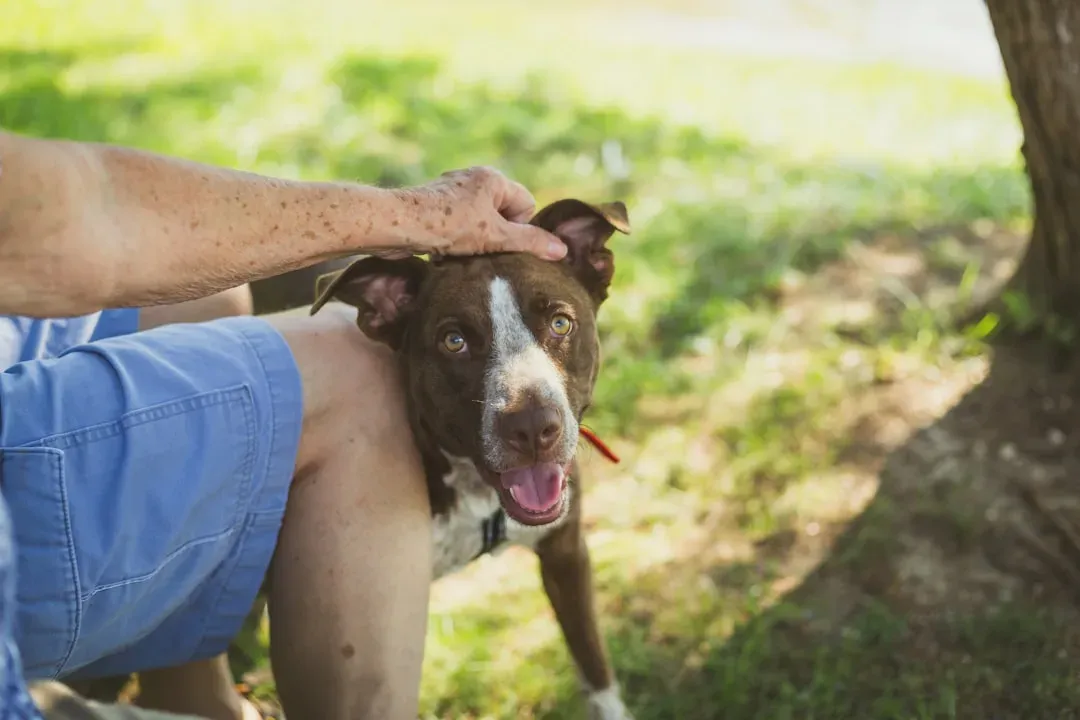
Taking care of a formerly abused rescue can be extremely challenging but also a rewarding experience. That dual truth sits at the heart of this entire subject. The difficulty and the reward are not separate things. They are the same thing, experienced from different angles. The harder the road, the more the arrival means to both the dog and the person who walked it with them.
The process, while sometimes daunting, reinforces the bond between rescue dogs and their owners, as each small breakthrough builds trust and mutual respect. There’s a peculiar tenderness in earning something that didn’t come easily. A dog that once flinched at a raised hand and now brings you its favorite toy has not just healed. It has decided, consciously or not, to extend trust across a gap that most animals would close permanently.
Conclusion
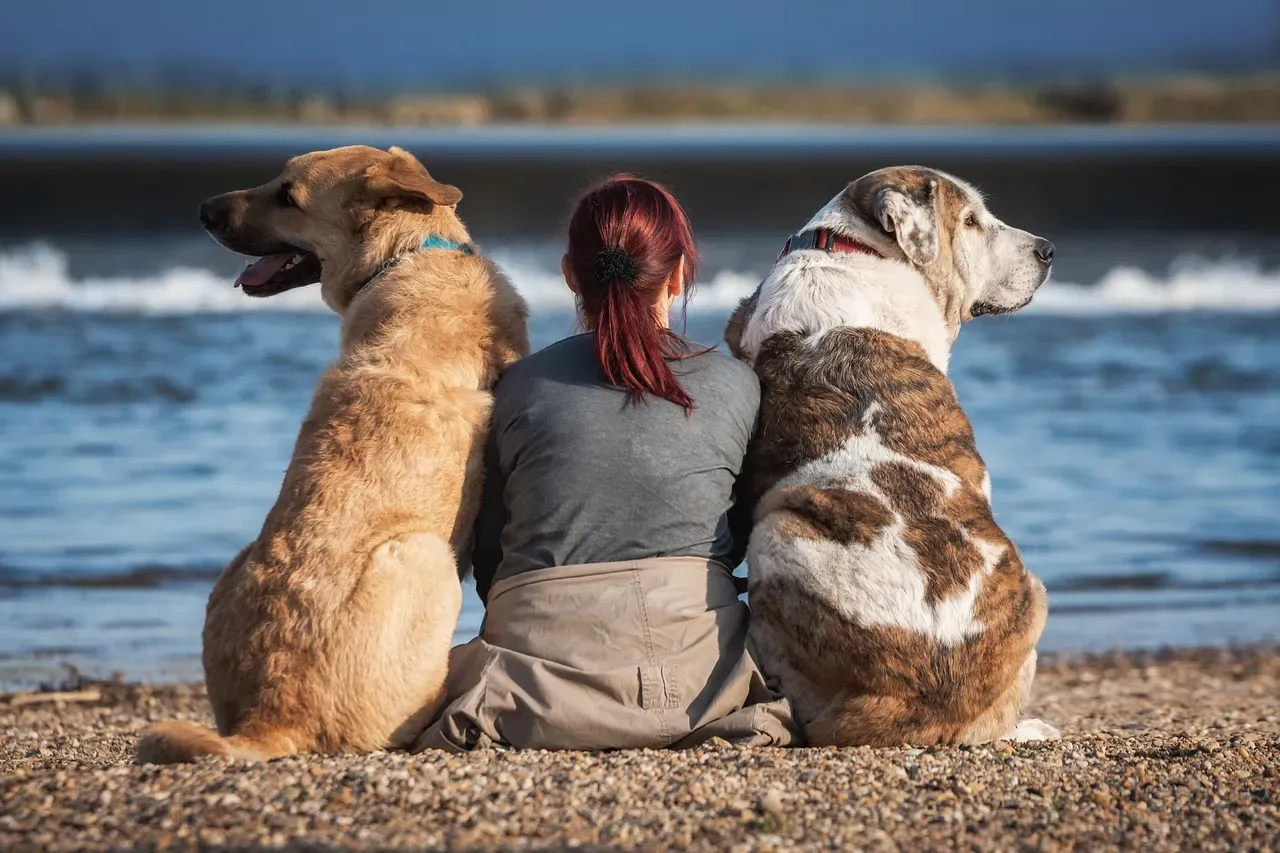
The psychology here isn’t complicated, even if the emotional terrain is. Dogs who were abused carry a heightened awareness of human behavior, an almost forensic sensitivity to tone, movement, and intent. When that sensitivity is finally met with consistent gentleness, the resulting attachment isn’t timid. It’s fierce. It becomes the kind of loyalty that follows you from room to room, that reads your moods before you’ve spoken, that endures through your worst days without complaint or condition.
We should be honest: not every abused dog reaches full recovery, and the process asks real patience from the humans involved. But the idea that suffering cancels out the capacity for deep love, in dogs at least, is plainly wrong. If anything, the evidence points in the opposite direction. The dog that learned the hard way that trust is rare tends to guard it more carefully and offer it more completely once it’s given.
That, perhaps, is the most quietly remarkable thing about them. They have more reason than most to give up on people. They rarely do.


