
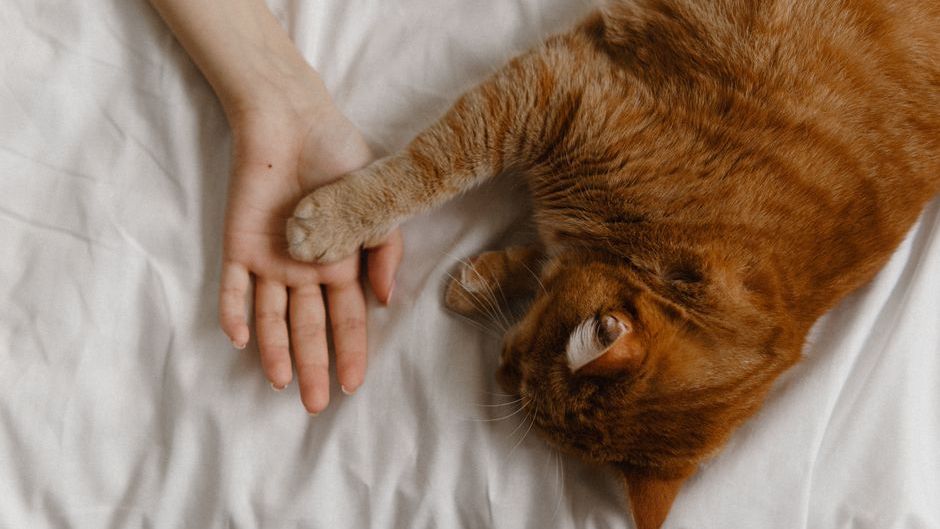
You notice it during those calm evenings when your cat settles nearby. A gentle paw rests on your arm or lap without any obvious demand. The gesture feels deliberate yet understated, sparking quiet curiosity about what your feline companion is really trying to convey.
It Could Be a Gesture of Affection
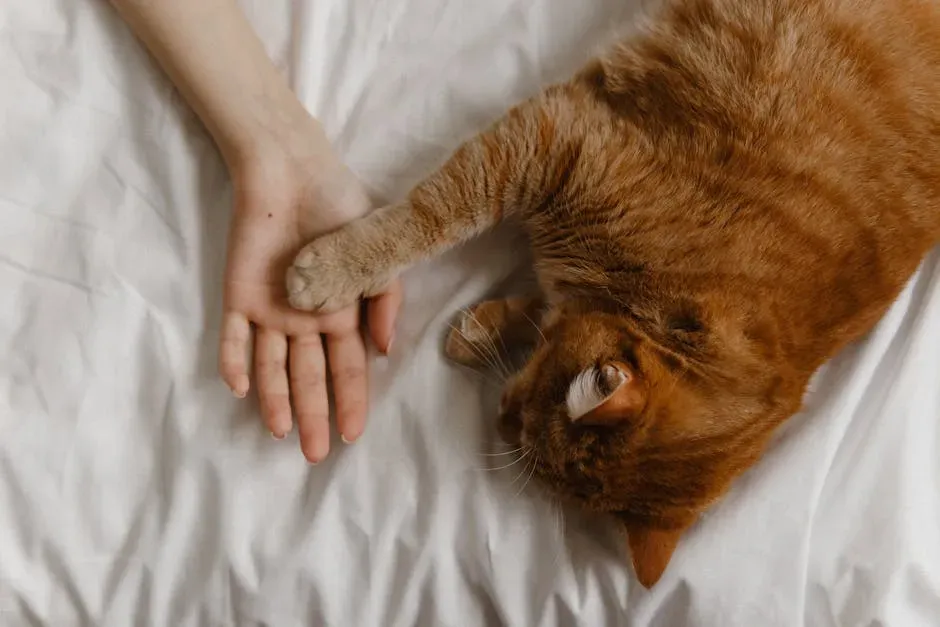
Cats often use physical contact to express closeness once they feel secure with their people. Placing a paw on you mirrors the way they might lean into a trusted companion during rest. This touch tends to come with relaxed body language and sometimes soft purring that reinforces the bond.
Many owners report this happening most often when the cat is already comfortable and settled. The action serves as a quiet confirmation of attachment rather than a loud demand. Over time it becomes one of those small rituals that deepen the daily connection between cat and human.
Your Cat Might Be Marking You as Their Own
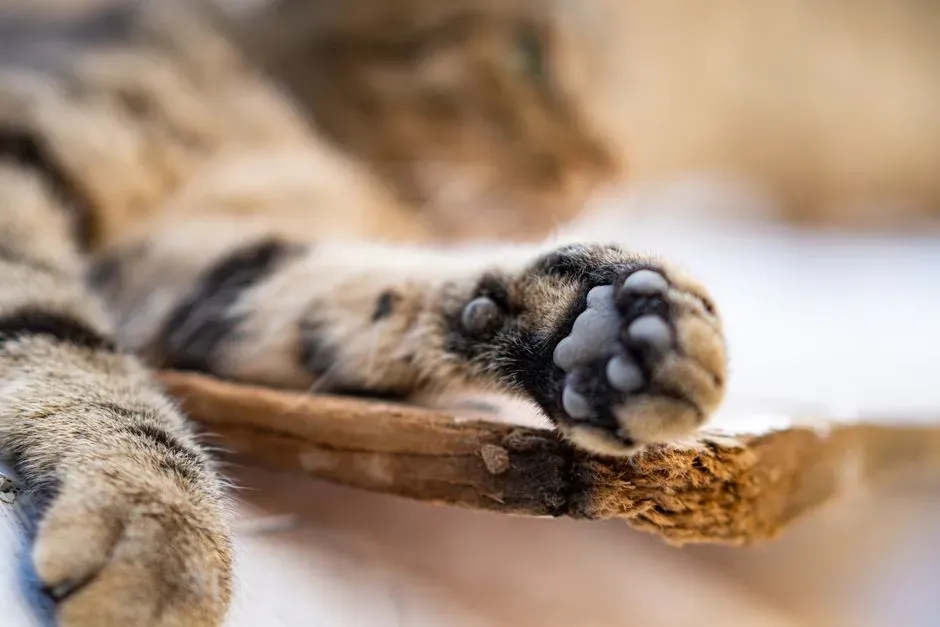
Cats carry scent glands in their paw pads that release pheromones during contact. By resting a paw on you they leave behind a subtle personal signature that marks you as part of their social group. This behavior draws from their natural instinct to claim familiar territory through scent.
The marking is usually gentle and occurs alongside other relaxed signals like slow blinking or kneading motions. It helps the cat feel more at ease in shared spaces. Owners who notice repeated paw placement in the same spots often see it as a sign their cat considers them family.
Attention Seeking Is Often the Simple Answer
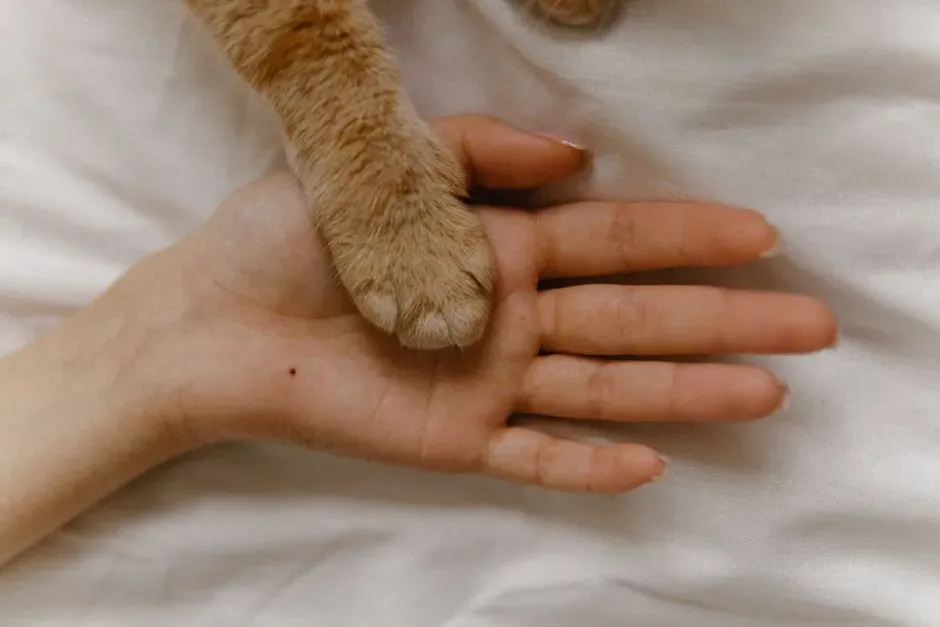
A paw tap frequently serves as a polite request for interaction when your cat wants something specific. This could range from extra petting to a reminder about mealtime or play. The touch stays light because cats learn that gentle persistence works better than more dramatic signals.
Context matters here since the same gesture can appear when the cat feels bored or simply wants company nearby. Watching accompanying cues like ear position or tail movement helps clarify the intent. Many cats refine this method because it reliably draws a response from their person.
A Holdover From Kittenhood Comfort
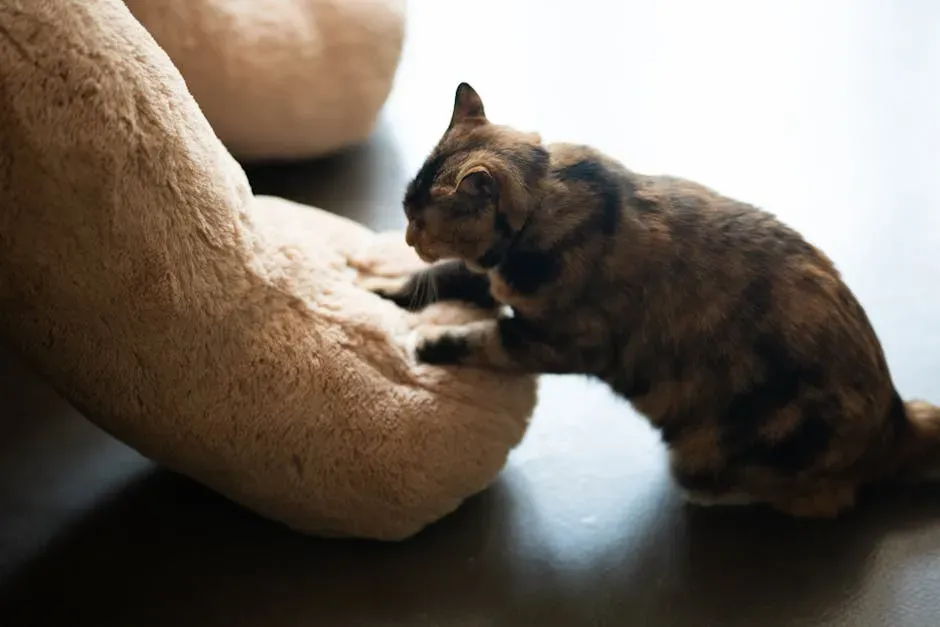
Kittens knead their mothers to stimulate milk flow and create a sense of safety during nursing. Adult cats sometimes carry this motion forward by placing a paw on a trusted human as a way to self soothe. The action brings back that early feeling of warmth and security.
You might notice the paw placement paired with rhythmic pressing or a contented expression. This link to kitten behavior explains why the gesture often appears during quiet or sleepy moments. It offers the cat a familiar way to settle even long after those early weeks have passed.
They Want to Initiate Play or Interaction
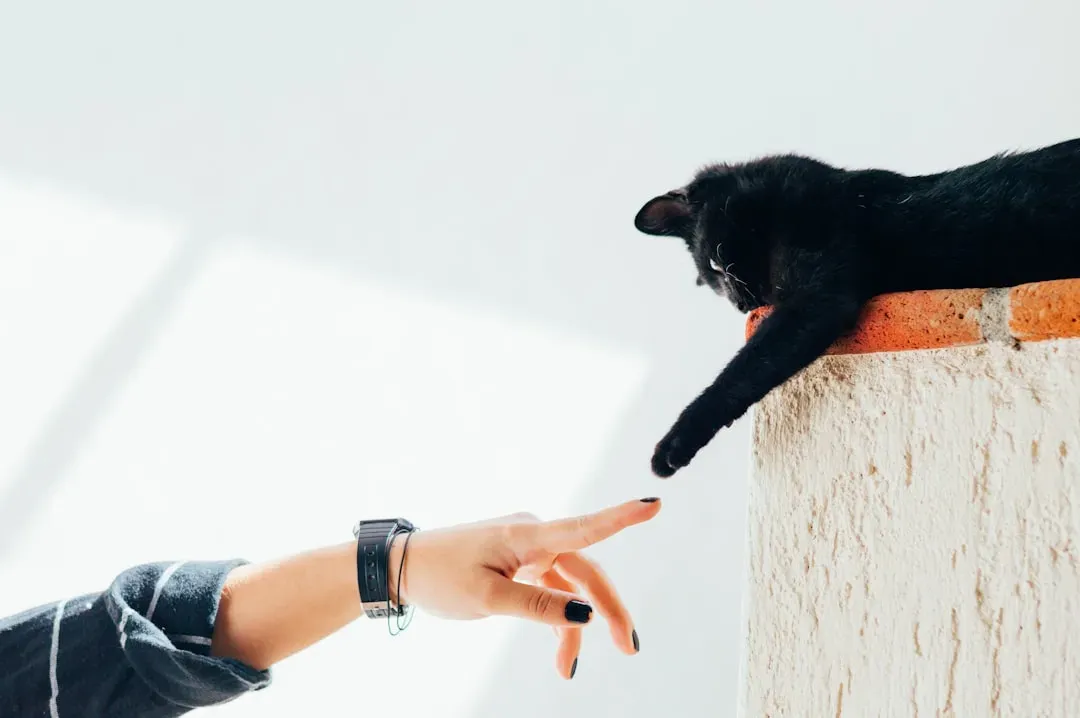
Cats use their paws in play from a young age and sometimes extend that habit toward people they enjoy. A light paw on your hand or leg can act as an invitation to engage without any aggressive intent. The touch stays soft because the cat is testing the waters for a fun response.
This reason shows up more often in younger or highly energetic cats who still carry strong play drives. Owners who respond with a toy or gentle game often see the behavior repeat in similar situations. It becomes another way the cat communicates a desire for shared activity rather than solitary rest.
It Signals Trust and Security
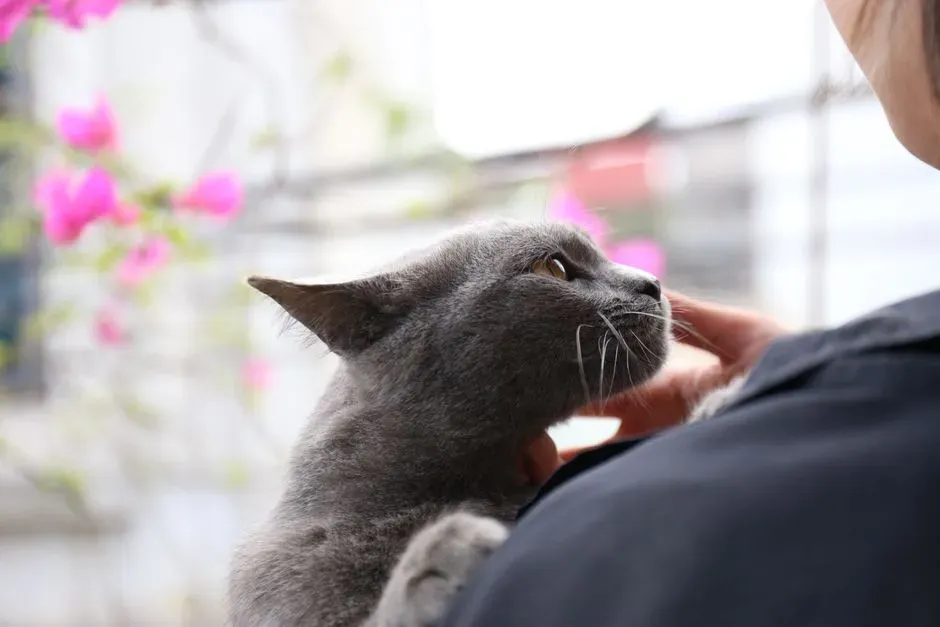
Reaching out with a paw requires the cat to lower its guard in your presence. The gesture indicates the animal feels safe enough to initiate contact rather than keeping distance. Many behavior observers note that this level of comfort develops gradually through consistent positive interactions.
You may see the paw placement increase during times of household calm or after the cat has adjusted to new routines. It reflects a growing sense that you represent a reliable source of comfort. Over months or years this small action becomes a reliable marker of the deepening relationship.
Individual Cats Have Their Own Reasons
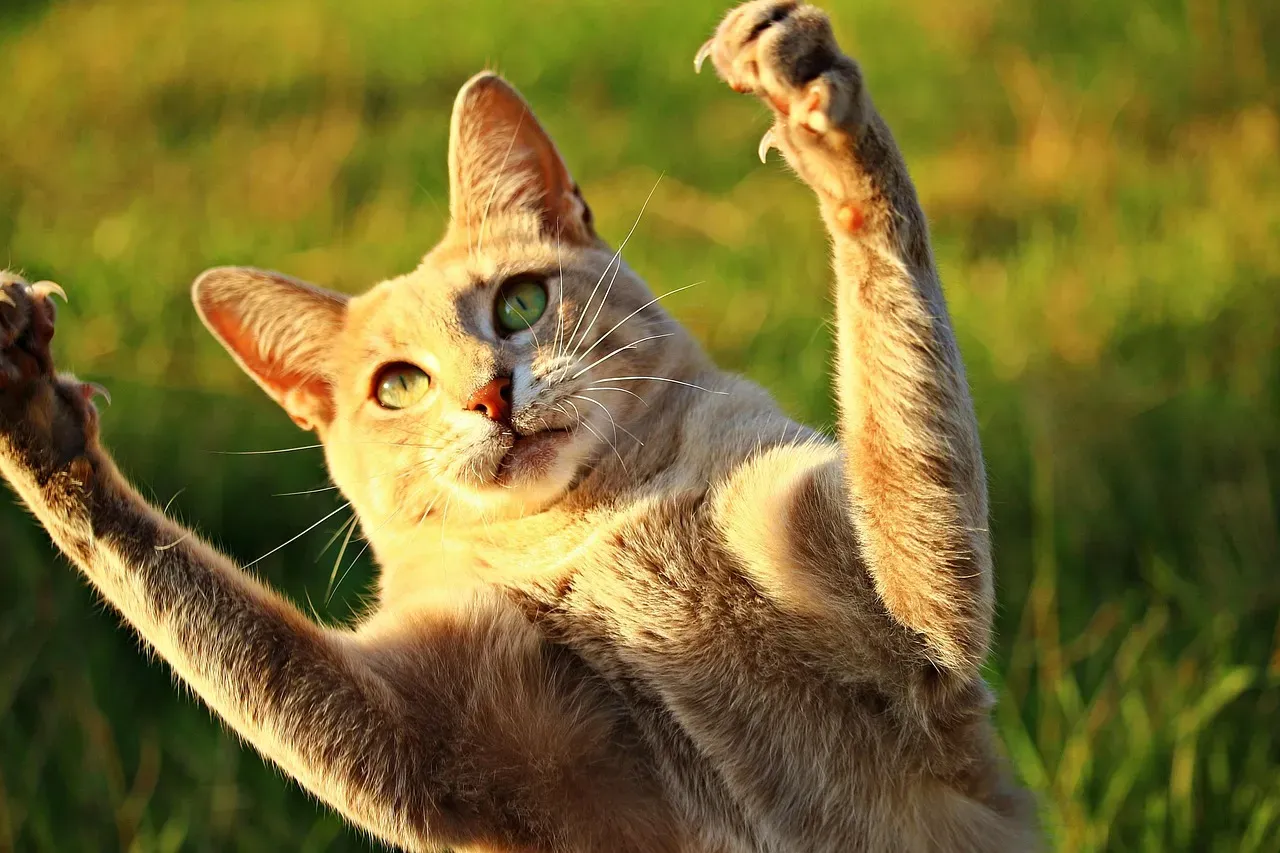
Every cat brings a unique personality shaped by breed tendencies, early experiences, and daily environment. One cat might favor paw contact mainly for affection while another uses it primarily to request food or space adjustments. Paying attention to patterns over several weeks reveals what matters most to your particular companion.
Changes in frequency or intensity can also reflect shifts in health or stress levels that warrant a closer look. Keeping notes on when the behavior occurs helps owners respond thoughtfully. Ultimately the paw on you becomes one thread in the larger story of how your cat chooses to communicate day after day.
Understanding these quiet signals turns ordinary moments into opportunities for stronger connection. Your cat is not just resting a paw but reaching across the species divide in the way that feels most natural. Over time those small touches remind both of you how much the relationship has grown through simple shared presence.


