
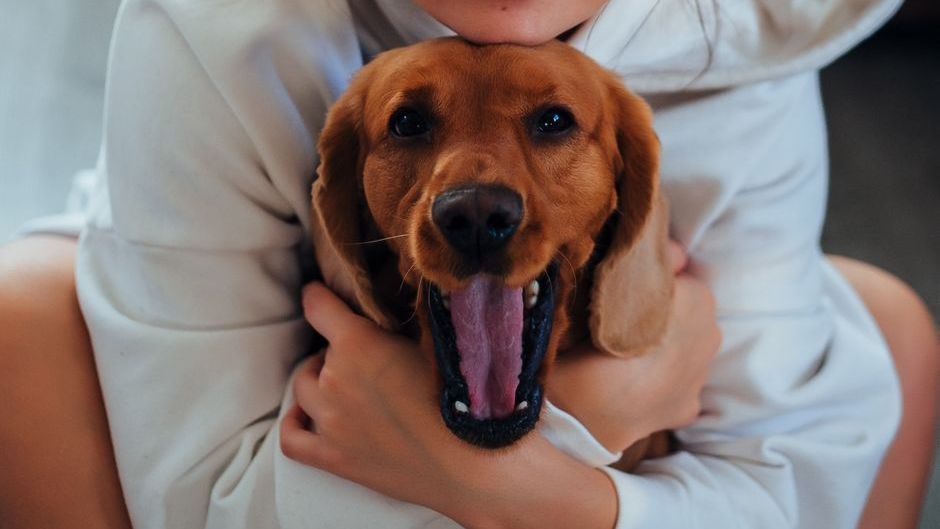
Most people think their dog loves everyone in the house equally. Sweet thought. Wrong. Canine bonding research shows dogs quietly select one primary person – and then spend every single day quietly confirming that choice through small, easy-to-miss actions. The loyalty is already there. You’re probably just not seeing it.
These aren’t dramatic gestures. They’re the blink-and-you’ll-miss-it moments that happen between breakfast and bedtime, hiding in plain sight as “normal dog stuff.” Once you know what you’re actually looking at, you’ll never see your dog the same way again. And the one at the top of this list? Most owners don’t recognize it until someone points it out.
#16 – Room-to-Room Shadowing
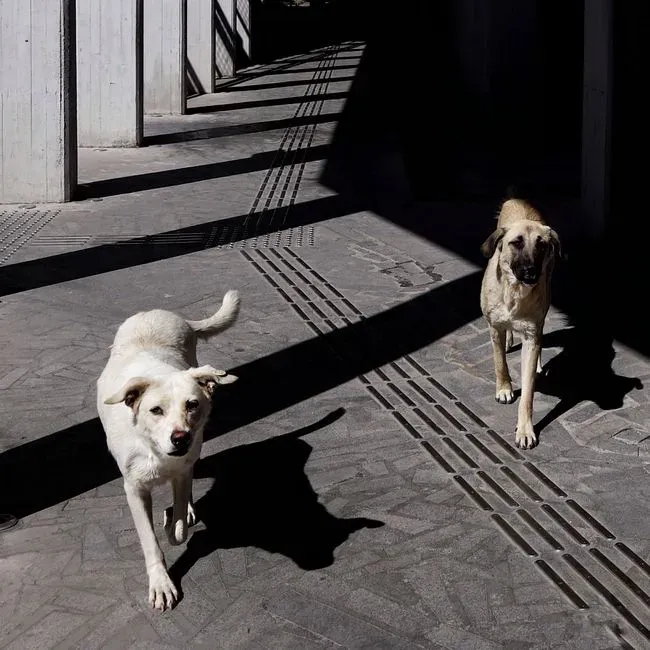
You get up to grab a glass of water and suddenly there are four paws on the kitchen floor behind you. You move to the home office and a warm body appears in the doorway. You close the bathroom door and something sits down right on the other side. This isn’t clinginess – it’s a deliberate daily investment in keeping you in range.
Dogs that shadow one specific person show measurably lower stress hormones when that person is nearby, and the trailing happens multiple times a day without any reward attached to it. They’re not following you because you have food. They’re following you because you’re the destination. Every single time.
Fast Facts
- Shadowing behavior is distinct from separation anxiety – it’s calm, purposeful proximity-seeking, not distress.
- Research confirms dogs direct most of their attention toward the person primarily responsible for their care compared to others in the home.
- The behavior repeats throughout the day with no food or play reward triggering it.
- Other household members typically don’t receive the same consistent follow pattern.
#15 – The Targeted Stare
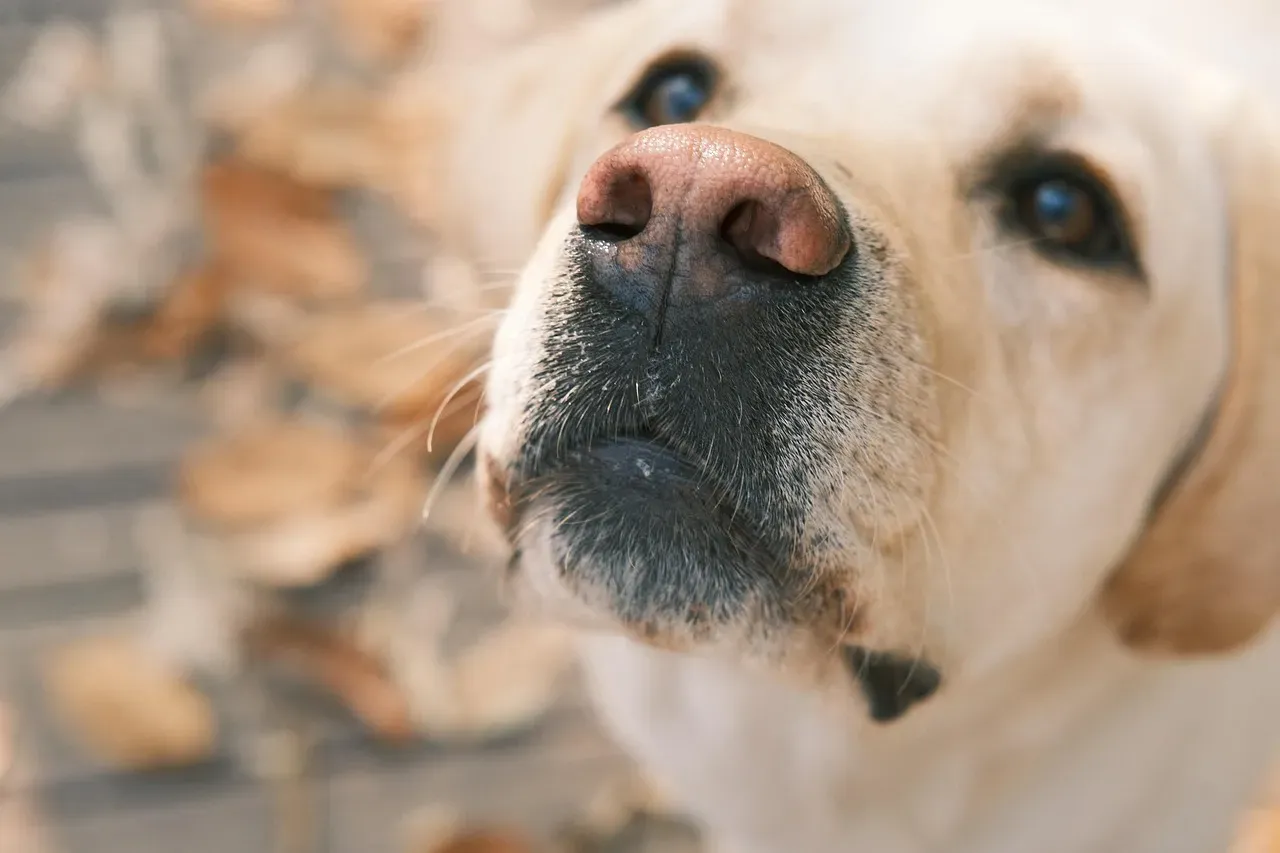
There’s a difference between a dog looking at you and a dog seeing you. The chosen person gets the second kind – a slow, sustained lock-on that can last several seconds at a time and happens during the quietest, most unremarkable moments of the day. Most owners assume it means the dog wants something. It does. It wants you to look back.
That mutual gaze triggers an oxytocin release in both the dog and the human – the same bonding hormone involved in parent-child attachment. It’s a daily loop of trust that gets reinforced every time it happens. The dog isn’t staring at your sandwich. It’s staring at its person.
The dog has got more fun out of Man than Man has got out of the dog, for the clearly demonstrable reason that Man is the more laughable of the two animals.
James Thurber
#14 – Arrival-Specific Tail Work
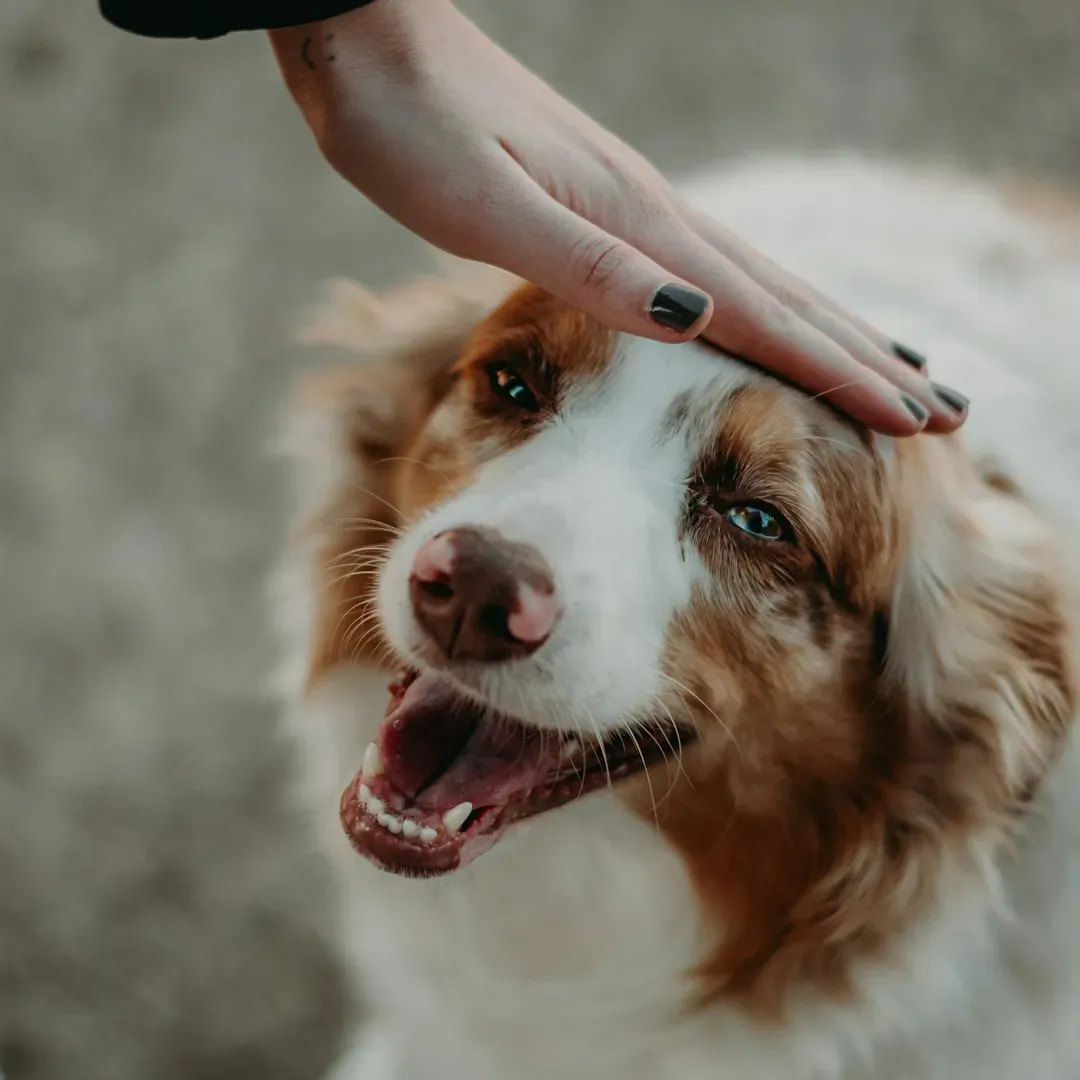
Watch carefully the next time you walk through your own front door. The tail wag your dog gives you is not the same tail wag the delivery driver gets. When the chosen person arrives, the whole rear end gets involved – a wide, high-amplitude sweep that starts before the door is even fully open, triggered by nothing more than the sound of your footsteps or your key in the lock.
Other household members get a polite greeting. You get a full-body celebration. Trainers use this distinction as one of the most reliable daily indicators of primary attachment. The dog doesn’t decide to do it. It just happens, automatically, every single time you come home – because coming home is the event worth celebrating.
At a Glance: What the Wag Is Actually Saying
- Wide, full-body sweep: Excitement and deep positive attachment – the greeting reserved for the chosen person.
- Right-biased wag: Research links rightward tail wags to positive emotions and approach motivation – exactly what your arrival triggers.
- High-speed, whole-rear wag: A broad, hip-involved wag is a clear sign of friendliness and excitement toward a favorite person.
- Polite single-beat wag: What everyone else gets. Notice the difference next time.
#13 – Bed or Spot Claiming
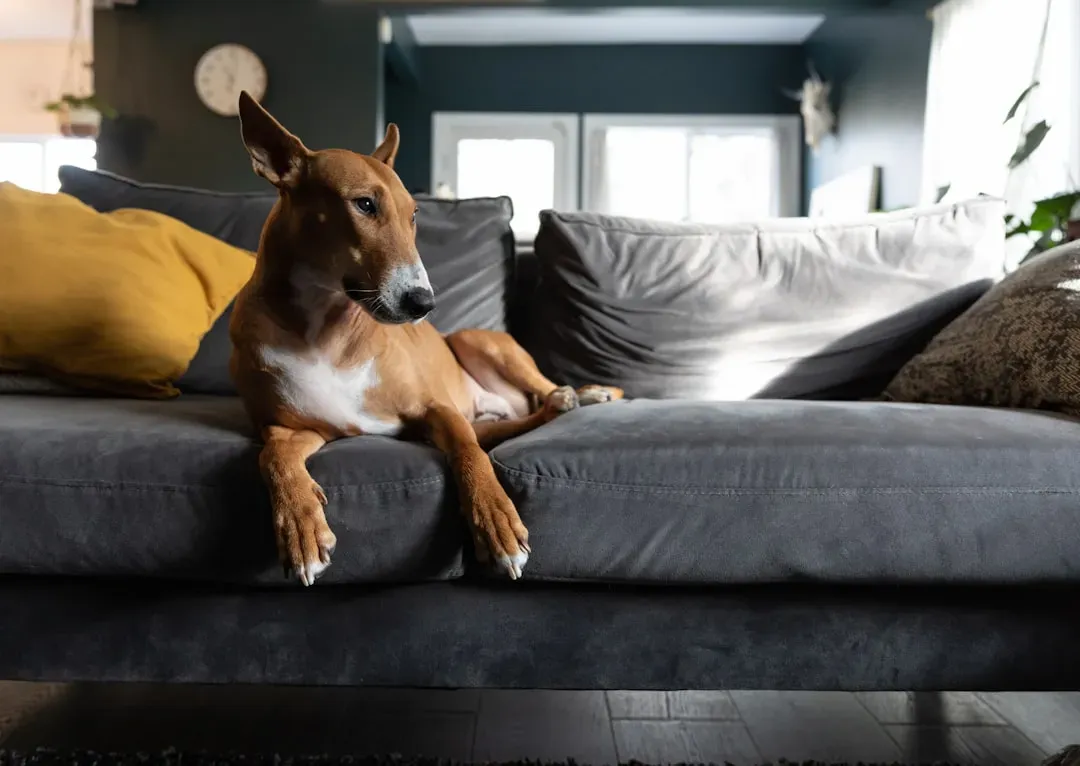
You get up from the couch and come back two minutes later to find your dog occupying the exact warm indentation you left behind. You toss your hoodie over the chair and wake up to find it has been thoroughly slept on. This isn’t random comfort-seeking – it’s a repeated, nightly claim on your scent and your space. The dog is essentially keeping your seat warm and marking it as taken.
The pattern repeats every night and during daytime naps, and it correlates with stronger pair bonds in observational studies. Owners sometimes call it needy behavior. What it actually is: your dog’s version of sleeping close. You’re not there, but everything that smells like you is – and that’s the next best thing.
#12 – Toy Delivery Service
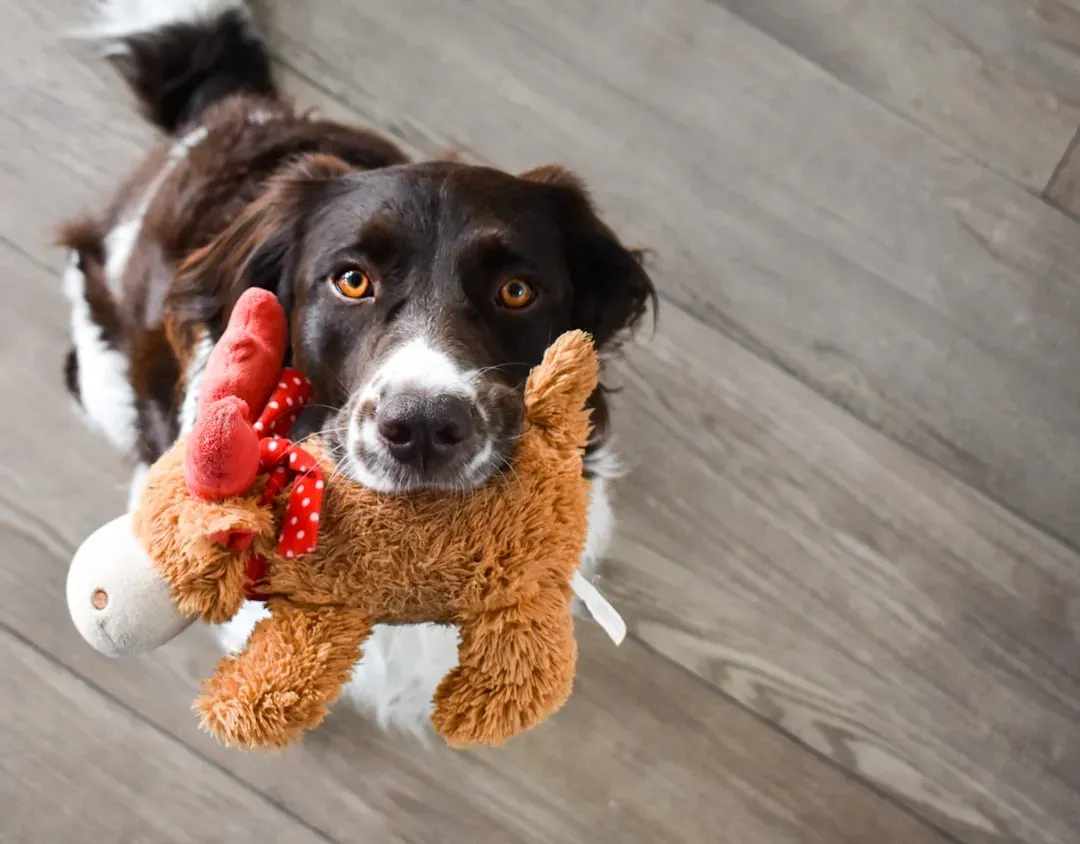
The toy arrives at your feet even when you weren’t paying attention, didn’t ask, and weren’t doing anything remotely play-adjacent. Sometimes the dog drops it and walks away. Sometimes it just sits there staring at you holding a soggy tennis ball like it’s presenting credentials. Either way, the toy went to you and not to the other three people in the room.
This daily ritual functions as both a gift and a bid for connection. The same prized toy gets offered to the chosen person with a frequency that nobody else in the house can come close to matching. It’s not about the ball. It’s about who the dog trusts to receive it.
#11 – The Lean-In
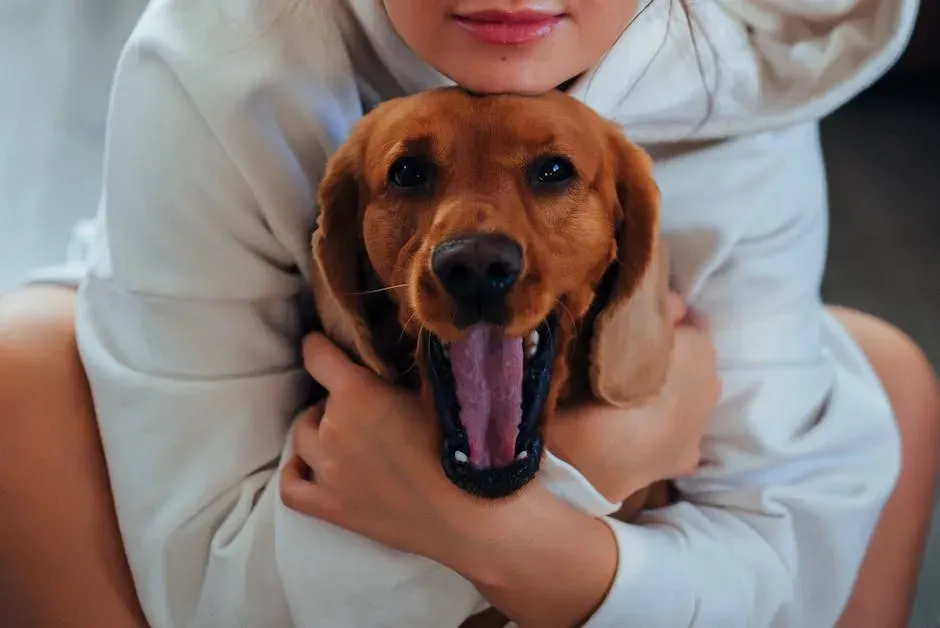
It starts as a light pressure against your leg and slowly becomes your dog’s entire body weight redistributed onto you like you’re a piece of furniture they’ve fully committed to. It happens during phone calls, while you’re watching TV, while you’re standing at the kitchen counter doing absolutely nothing interesting. The dog just needs contact – specifically, contact with you.
Trainers view this as a low-energy, high-frequency confirmation that the bond is still intact. It requires nothing from you and costs the dog nothing either. It’s just presence pressed against presence, happening several times a day, because physical closeness with the chosen person is its own reward.
#10 – Hand and Face Licking
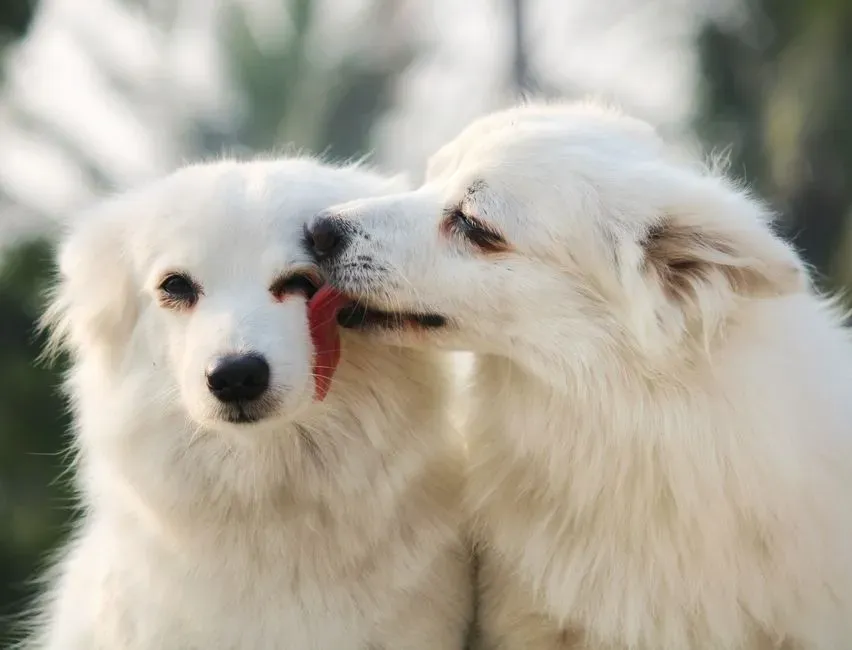
There’s a version of licking that’s frantic and indiscriminate – the kind a dog gives every stranger at the dog park. And then there’s the slow, methodical lick your dog gives your hand at 9pm when you’re both settling in for the night. Those are not the same behavior. The second kind is deliberate. It’s grooming. It’s the dog doing what wolves and wild canids do for the members of their inner circle.
This daily ritual happens at predictable times – after meals, first thing in the morning, during quiet evenings – and it’s rarely directed at visitors or even secondary household members with the same patience or care. It’s a scent exchange and an act of affection happening in slow motion. Your dog is telling you something. It just doesn’t have words for it.
Worth Knowing
- Slow, deliberate licking is mutual grooming behavior – the same social bonding ritual wild canids perform within their closest relationships.
- The timing is telling: it clusters around morning wake-ups, post-meal quiet time, and evening wind-down – your dog’s most emotionally regulated moments.
- Oxytocin levels rise in both dog and owner during calm, reciprocated affiliation – including touch-based interactions like this one.
- Frantic, indiscriminate licking and slow intentional grooming are entirely different behaviors. One is stimulus-response. The other is relationship maintenance.
#9 – Protective Alerting
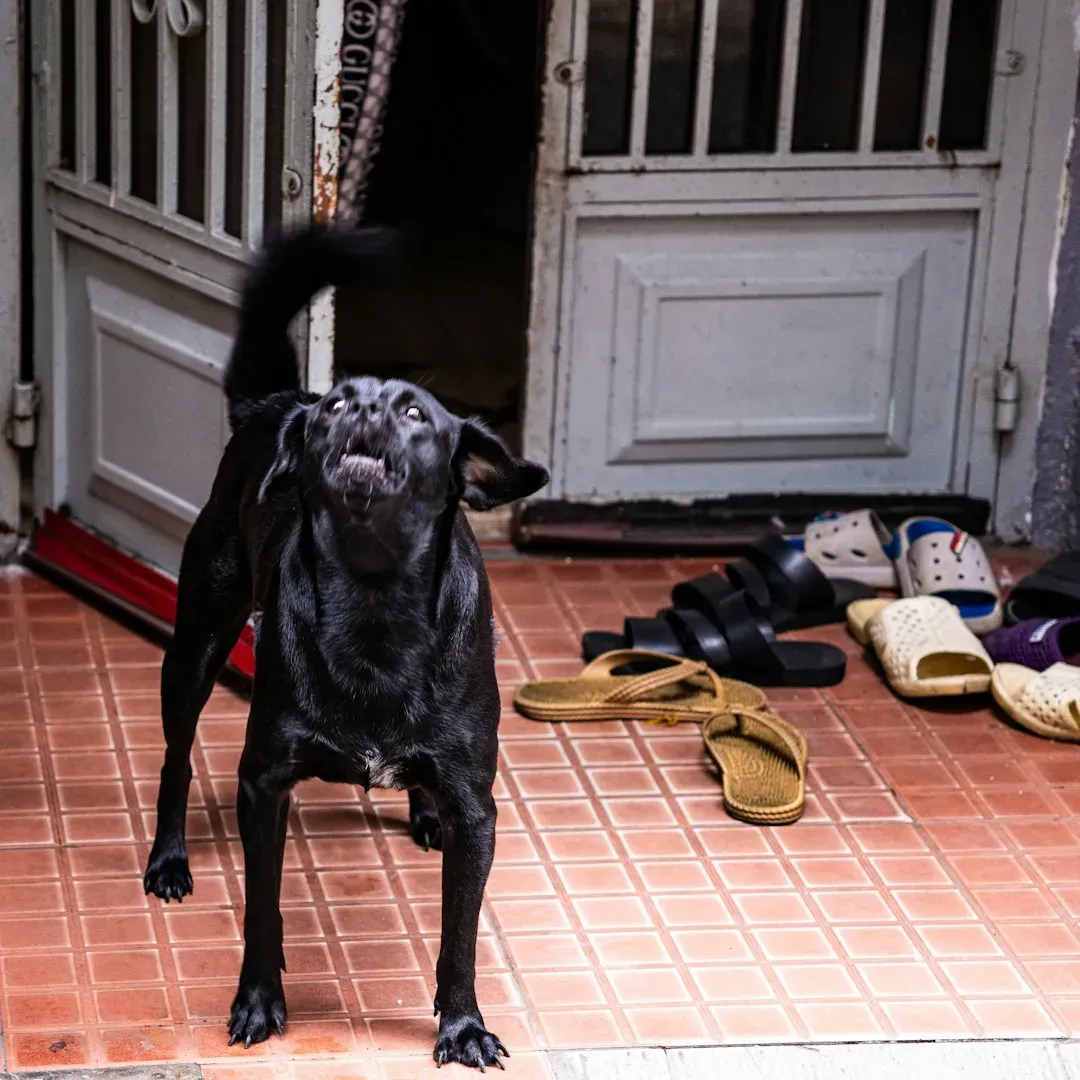
On a walk, when a stranger approaches a little too fast, your dog doesn’t drift toward whoever is closest. It moves toward you – placing its body between you and whatever it’s decided is a potential problem. At the front door, the same positioning happens. The low bark or the planted stance isn’t general territorial behavior. It’s personal. You specifically are what’s being protected.
Other family members don’t trigger the same response. The dog doesn’t step in front of them the same way. In its mental hierarchy, you’re the one worth guarding, and this plays out in small daily moments that most people chalk up to the dog “just being protective.” It is – but it’s not protecting the house. It’s protecting you.
#8 – Meal Timing Sync
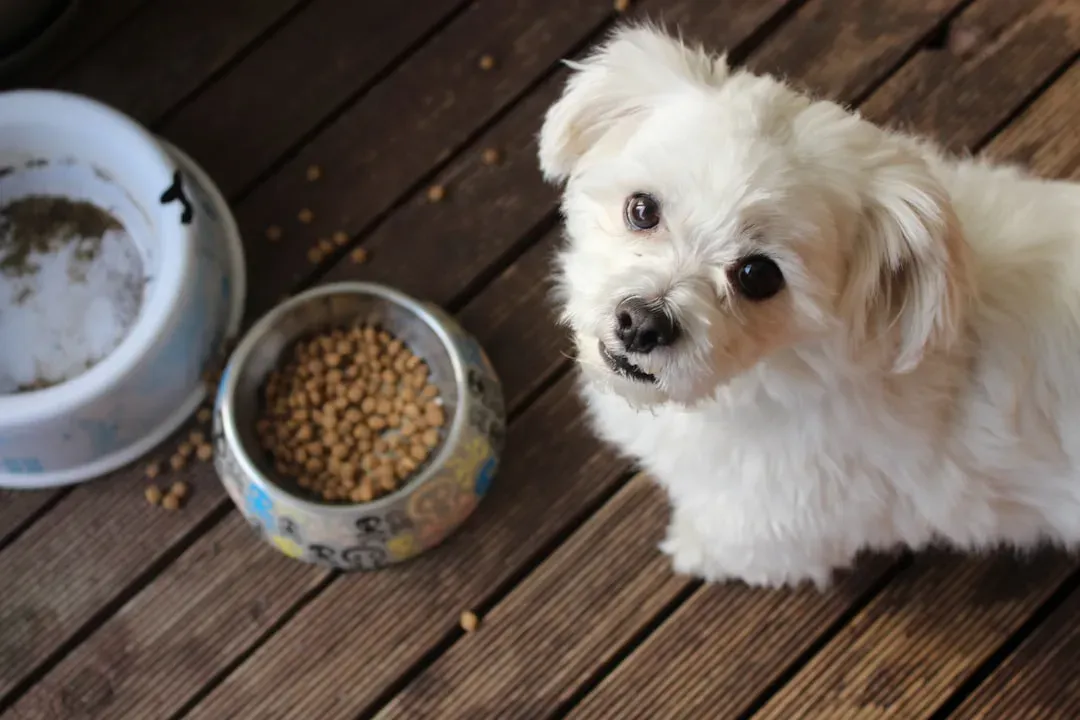
Some dogs will stand at their food bowl, perfectly aware the food is already there, and simply wait. Not for a command from just anyone – for one from the specific person they’ve chosen. Once that person starts eating or gives a nod or says the word, the dog digs in. Other household members offering the same cue get ignored or at best tolerated. The permission only counts from one source.
This daily synchronization at breakfast and dinner is easy to dismiss as quirky dog behavior, but what it really shows is trust and deference concentrated in one direction. The dog has decided whose judgment matters. It demonstrates that every single meal.
#7 – Mood Mirroring
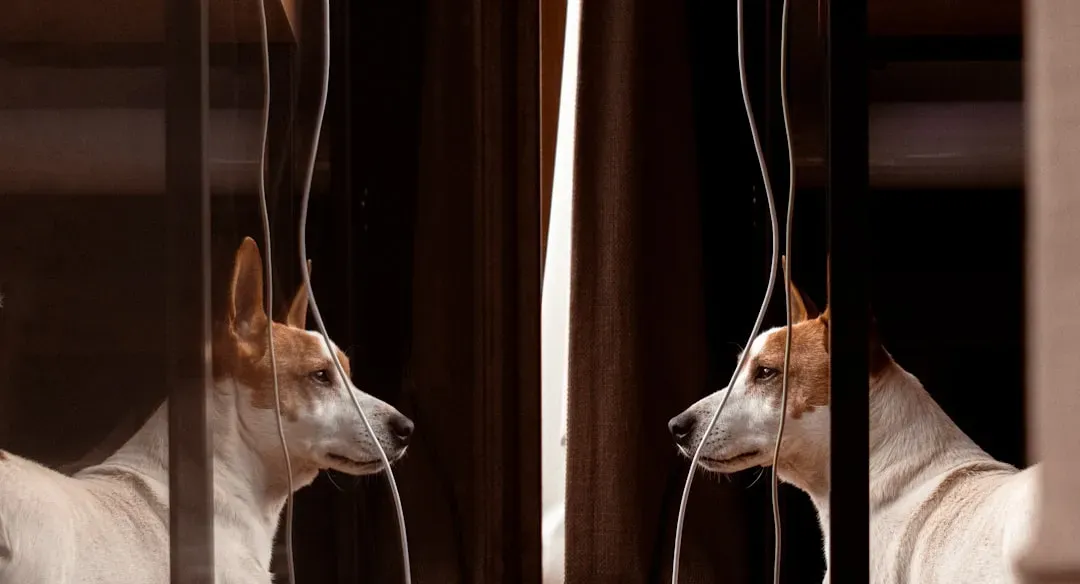
Come home tense after a brutal day and within minutes, your dog is quieter. Slower. Watchful. Come home relaxed and the energy in the room shifts to match – the dog settles, sprawls out, exhales. This emotional attunement happens daily and it’s precise in a way that can feel almost uncanny. The dog isn’t reading the room. It’s reading you.
This mirroring is far more pronounced with the chosen person than with anyone else in the home. Other family members don’t move the needle the same way. You do, in both directions, every single day. Your dog has been studying you long enough to know the difference between a tired sigh and a defeated one – and it adjusts accordingly.
#6 – Door Vigil
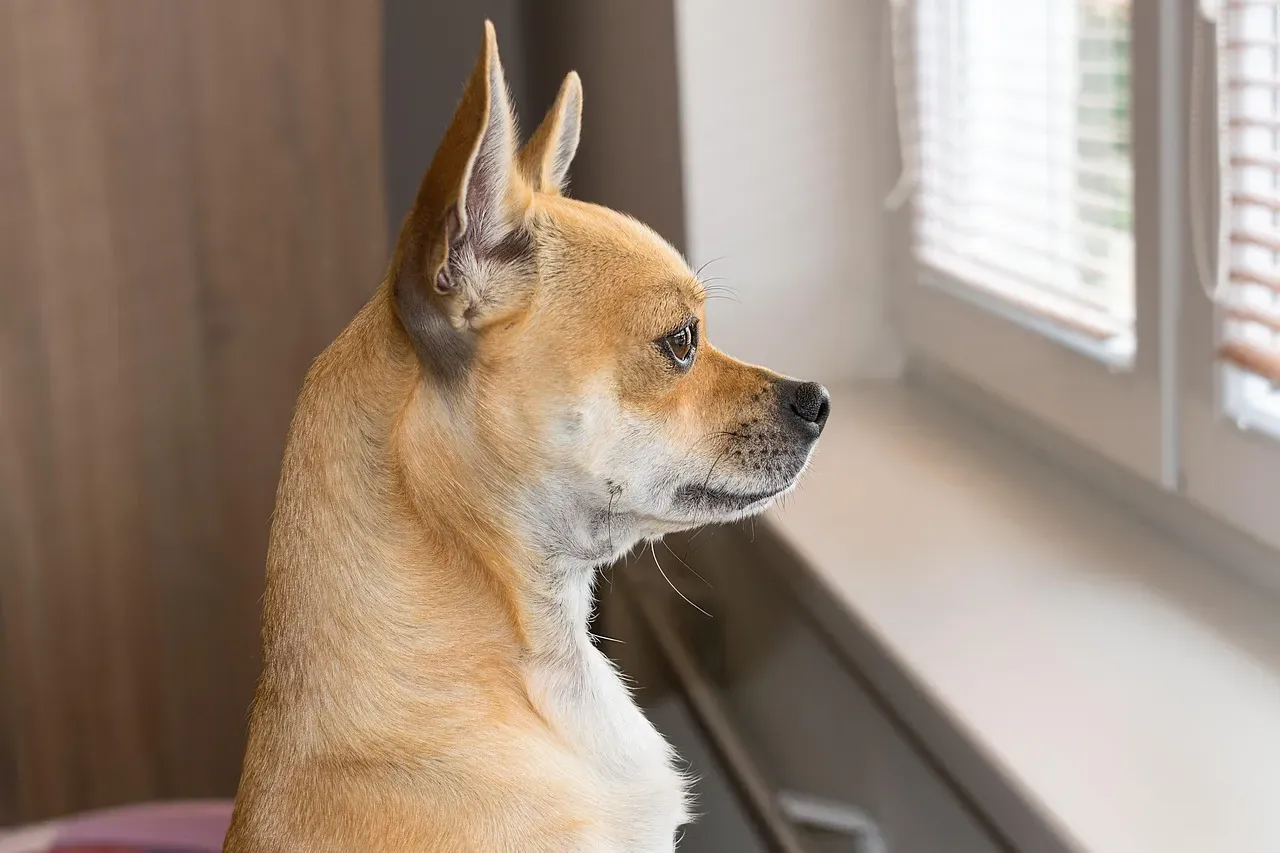
Ask anyone in your household what time you usually get home. Chances are, your dog already knows – and starts waiting before anyone’s checked a clock. The door vigil can begin an hour or more before your arrival: a dog stationed at the window or the front door, tracking something invisible, abandoning the post only when you actually walk in.
Other arrivals don’t trigger it. The mail carrier walks up every day. The neighbor comes by. None of them get the vigil. Just you. The dog has internalized your schedule at a level that borders on obsessive, and it plays out in the same quiet, faithful ritual every single day that you’re away.
Quick Compare: How Dogs Track Your Return
- Scent fading: Swedish researchers proposed dogs learn to associate a certain level of scent reduction in the home with the moment their owner is due back – essentially using your smell as a countdown clock.
- Circadian rhythm: Dogs have an internal biological clock that helps them anticipate events tied to specific times, especially when your schedule is consistent.
- Sound recognition: A dog’s acute hearing can detect the distant sound of your specific vehicle or footsteps long before you reach the door.
- Pattern memory: Dogs memorize chains of environmental cues – traffic noise, elevator movement, neighborhood sounds – that reliably signal your approach.
#5 – Exclusive Play Initiation
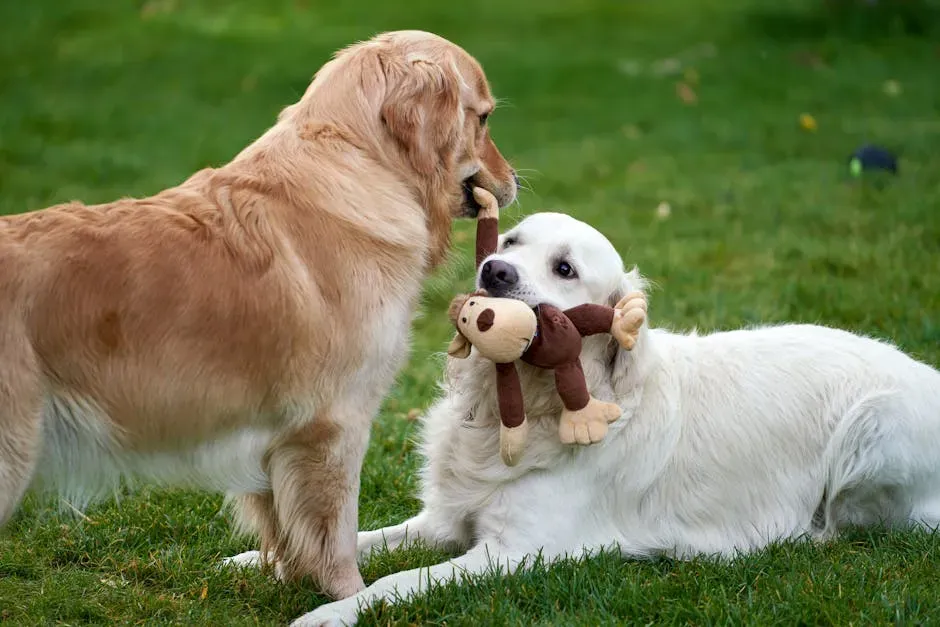
The toy has been lying on the floor all afternoon. Other people have walked past it. The dog walked past it too. Then you sit down, and suddenly that toy appears in front of you with a dog attached to it radiating barely-contained excitement. The same offer to someone else in the room would have been a formality. With you, it’s an event.
The body language difference is dramatic enough that trainers note it immediately. The play sessions initiated toward the chosen person are more persistent, more energetic, and harder to redirect. It’s not that the dog won’t play with others. It’s that playing with you means something different – and the dog makes that clear several times a day.
#4 – Contented Sighing
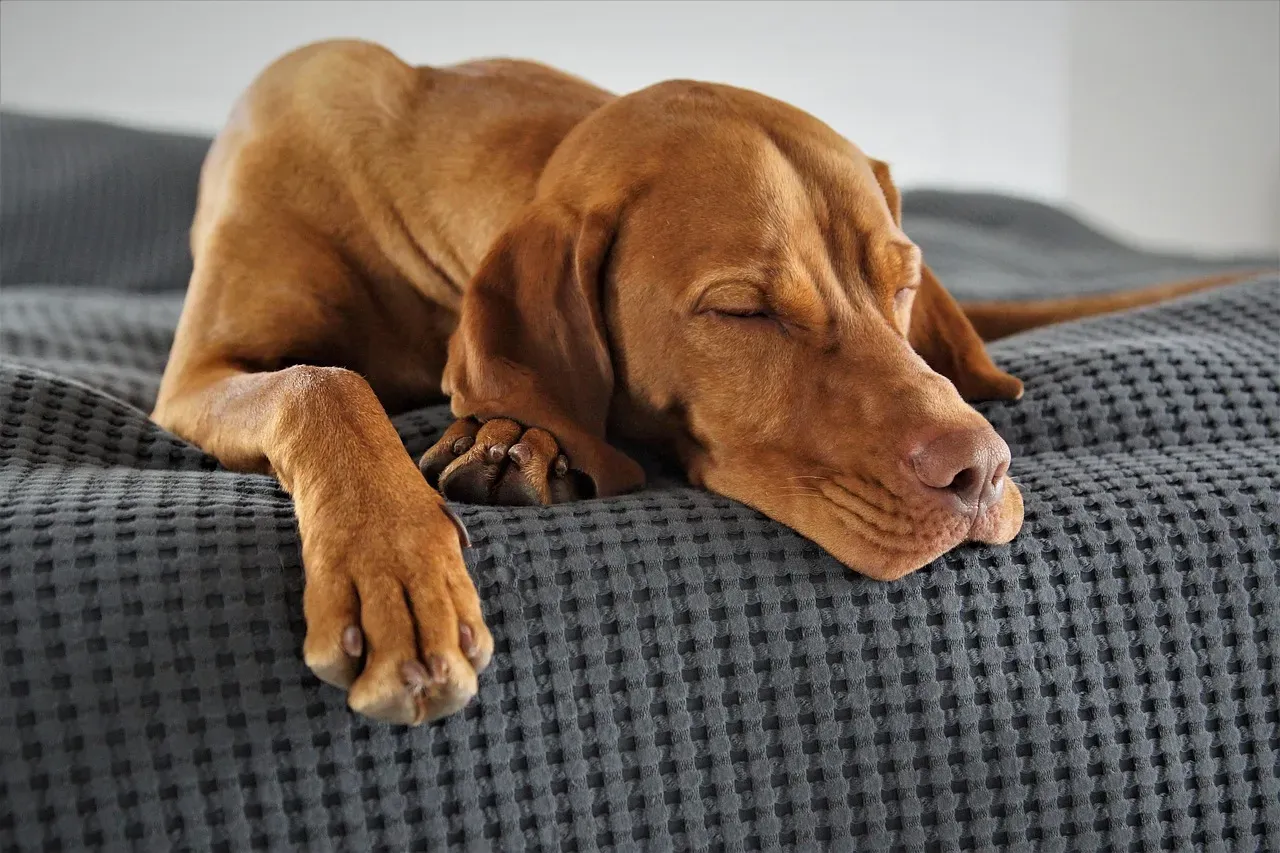
It’s one of the most intimate sounds a dog makes, and most owners hear it so often they stop registering it. Your dog settles in next to you at the end of the day, adjusts its weight once or twice, and then releases a long, slow, audible exhale that says everything words can’t. The body relaxes all at once. The tension just goes. They’re done for the day – because you’re here.
The sigh occurs daily, almost always during evening wind-down, and it’s rarely heard when the dog is near other people in the same way. Owners who pay attention start to recognize it as something almost ritualistic – the dog’s version of arriving home, even if they’ve been in the same house all day. You being present is what makes it finally feel safe to rest.
#3 – Reciprocal Grooming
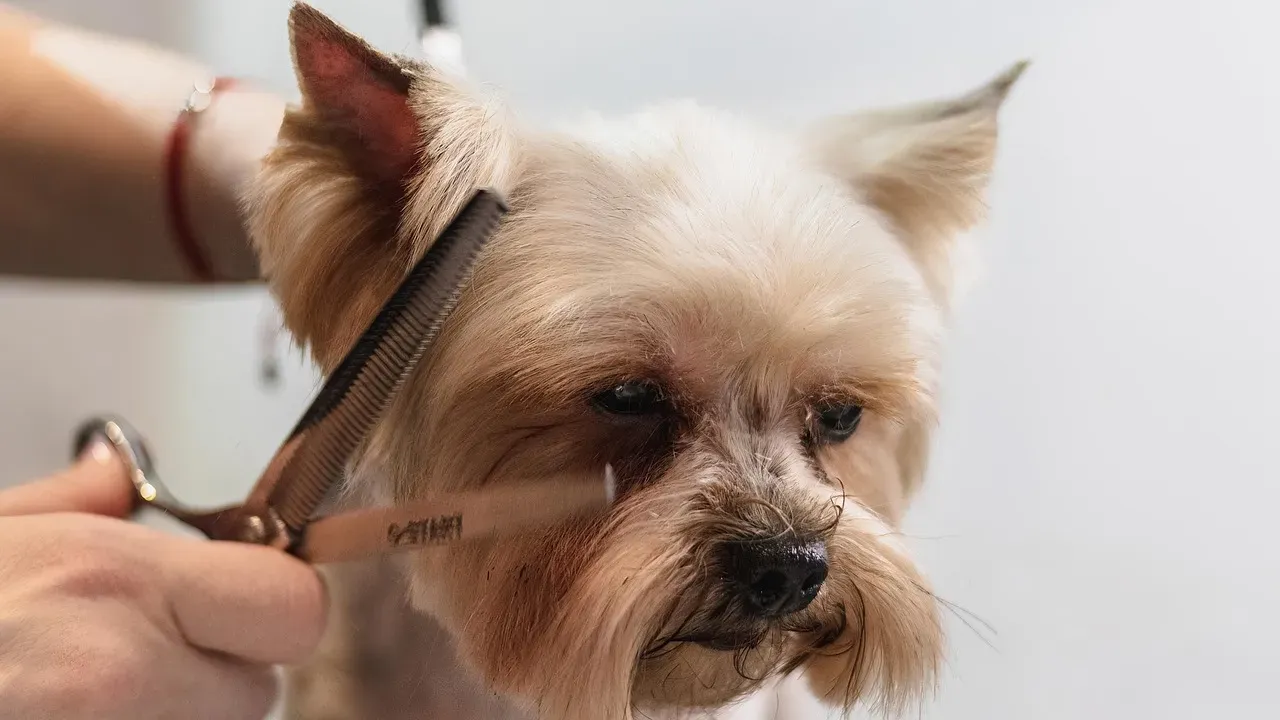
This one surprises people because it doesn’t look like what it is. The slow, deliberate licking of your hands, your arms, sometimes even your hair – long strokes, not frantic ones – is mutual grooming behavior, the same thing wild canids do for the members of their closest social bonds. Your dog is treating you like pack. Like family in the most biological sense of the word.
It happens during quiet moments, almost ritualistically, and it’s directed at the chosen person with a patience and consistency that other household members simply don’t receive. It reinforces a shared scent between the two of you. Your dog isn’t just licking you. It’s maintaining the bond the only way it knows how – through touch, through closeness, through the same actions its ancestors used to say you’re mine and I’m yours.
#2 – Faster Command Response
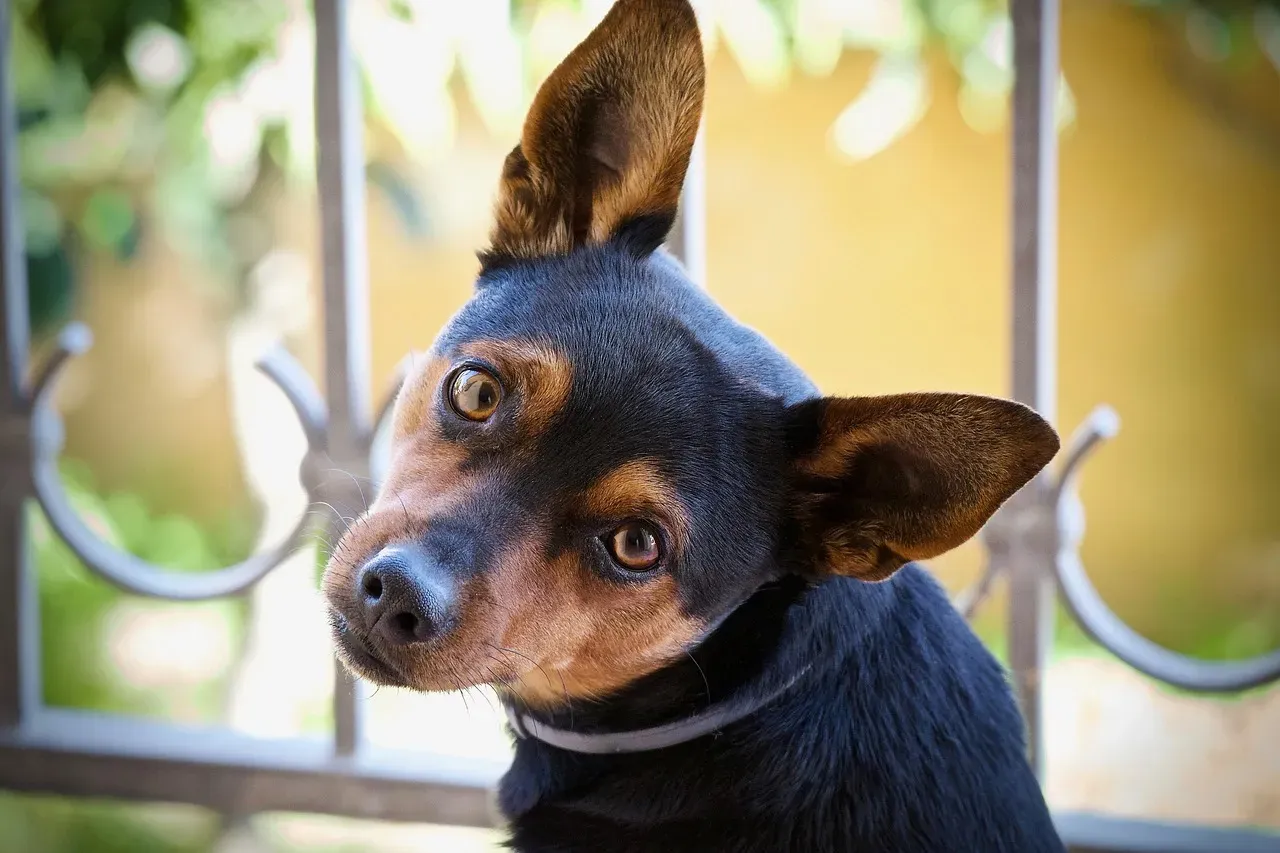
Everyone in the house can say “come” and get varying results. You say it and the dog is already moving before the word is finished. This isn’t about training or volume or tone – other household members use the same commands, sometimes more firmly, and still get the slow blink and the long pause before compliance. With you, the response is almost immediate. Your voice has been elevated to a different category.
This selective attentiveness plays out every single day during the most routine interactions – a sit before a meal, a recall from the yard, a name called from the other room. The dog has simply decided that your voice is the one worth listening to first. Every other voice operates on a slight delay. Yours doesn’t. That gap is the bond, made audible.
#1 – Lap or Proximity Choice
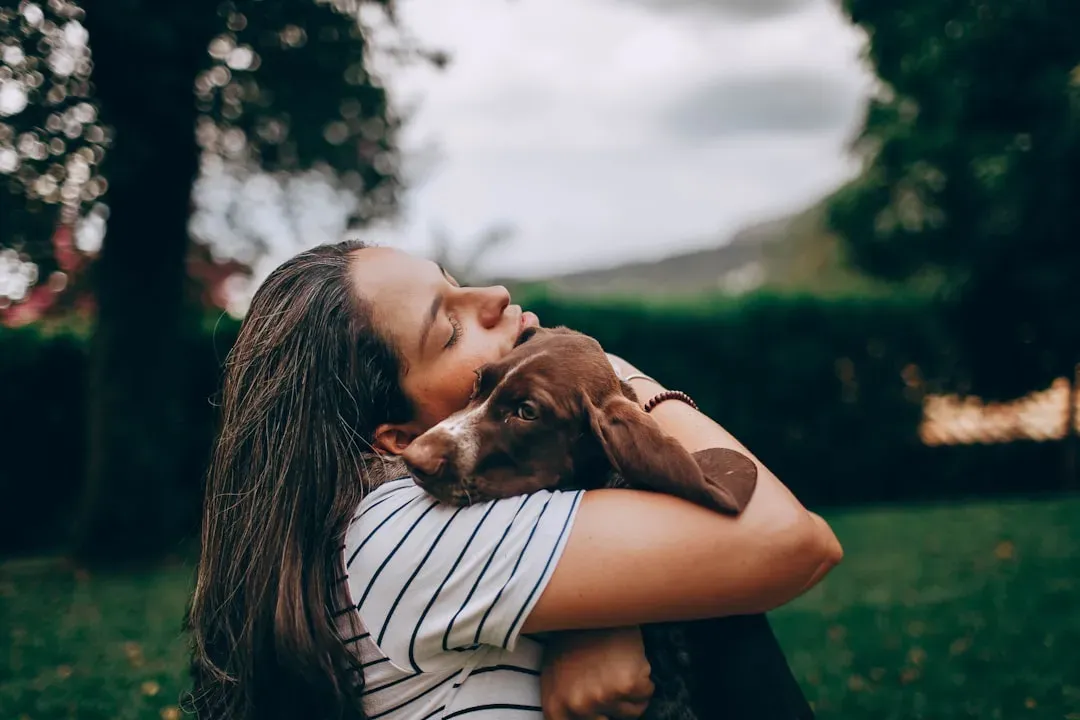
Three people on the couch. Plenty of room. Your dog makes a slow survey of available options and then walks directly to you, every time, without hesitation. Treats are offered from the other side of the room. Petting, attention, baby talk – none of it overrides the original choice. The dog simply wants to be next to you, and the preference holds steady whether it’s movie night or a Tuesday afternoon with nothing happening at all.
This is the clearest daily vote your dog casts. It doesn’t need to be dramatic to be significant. It happens during family time, in quiet moments, when you’re working, when you’re barely paying attention. The choice is always the same. You. Not because you’re the one with the treats or the leash or the loudest voice – but because somewhere along the way, you became the person. And every single day, without fail, your dog makes sure you still are.
Why It Stands Out
- The proximity choice holds even when competing offers – treats, attention, affection from others – are actively being made.
- It happens across all settings: high-energy family evenings and completely unremarkable Tuesday afternoons alike.
- Research confirms a positive correlation between the strength of the human-dog bond and elevated oxytocin levels in dogs – meaning this choice is biochemically reinforced, not just habitual.
- It requires no trigger, no reward, and no special occasion. The person is the reason.
Dogs don’t spread devotion like a thin layer of butter across everyone they meet. They pick someone – sometimes slowly, sometimes the moment you walk in the door – and then they spend every ordinary day quietly doubling down on that decision. Most of us miss it entirely because it looks too much like just being a dog. But it isn’t. It’s a daily confirmation of something that doesn’t need words, doesn’t need a special occasion, and doesn’t waver when you’re in a bad mood or haven’t taken them on a walk yet. Your dog chose you on purpose. And if several things on this list sound familiar, you already know exactly who you are to them.


