
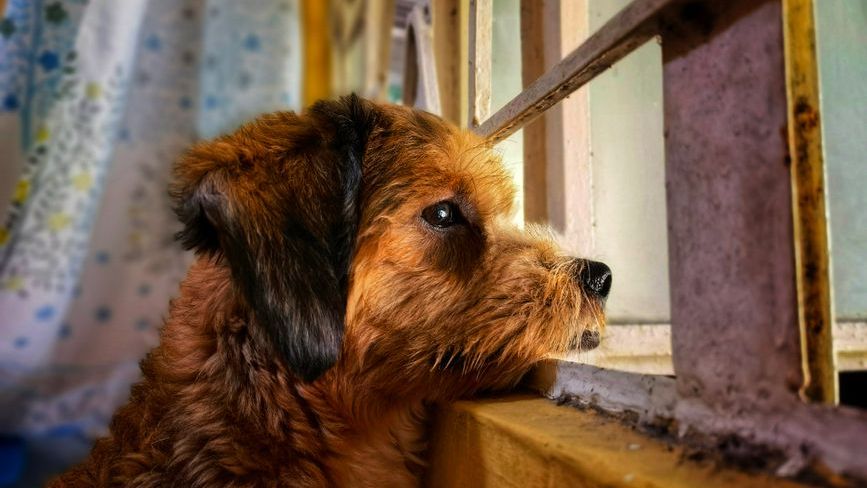
Most people picture their dog the moment the door closes – maybe curled up on the couch, chewing a toy, completely unbothered. That image is almost certainly wrong. Researchers who’ve placed cameras in homes and monitored dogs with heart rate sensors have found something much more emotionally complicated going on. Your dog isn’t just waiting. In many cases, they’re actively, almost desperately, thinking about you.
What’s striking isn’t the big dramatic behaviors – it’s the small, easy-to-miss ones. The quiet whine at 5:15pm. The way they sleep on your side of the bed but only when you’re gone. The paw-licking that stops the second you walk in. These aren’t quirks or bad habits. They’re a window into what’s happening in your dog’s head while you’re out living your life. Some of what’s on this list will make you feel guilty. Some of it will genuinely move you.
#17 – They Curl Up on Your Dirty Laundry Pile
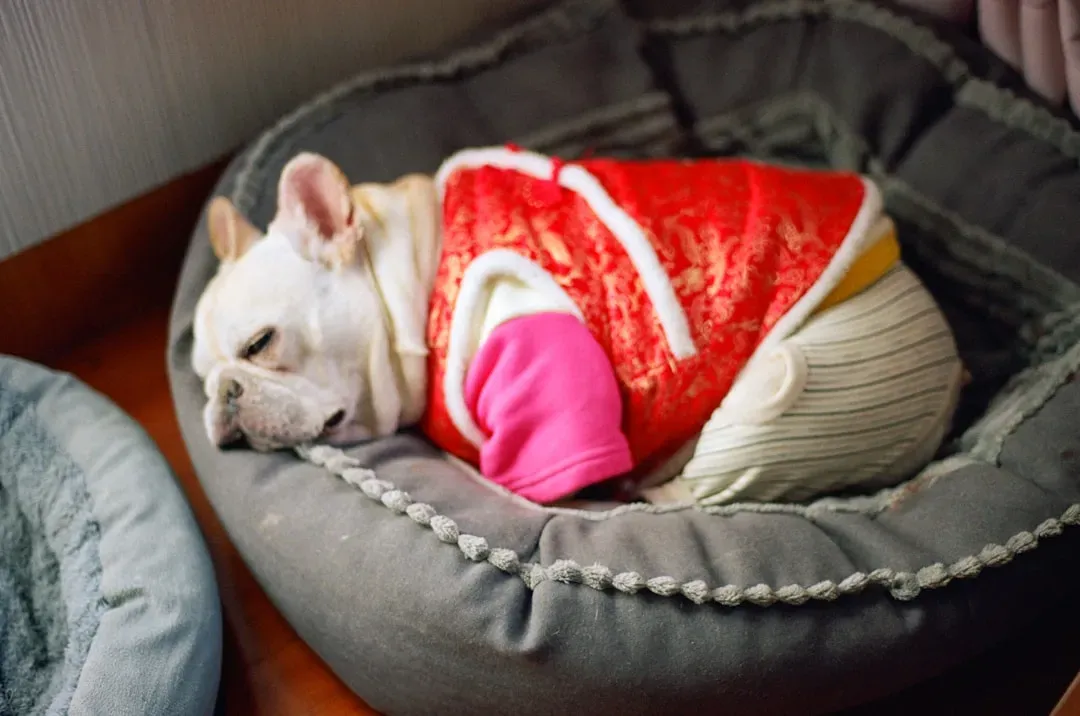
It looks like lazy napping, but watch where your dog chooses to lie down when you’re gone and you’ll notice something specific: they go straight for the clothes you wore yesterday, not their own bed, not the clean blanket on the couch. Your scent is the draw. Research using MRI imaging has shown that a dog’s brain reward centers light up when they smell their owner’s odor – the same regions that activate for food or play. Finding your smell isn’t comfort-seeking in the vague sense. It’s the closest thing they have to actually being near you.
What makes this behavior genuinely touching is the deliberateness of it. Some dogs will nose through a pile to get to the shirt with the strongest smell, or reposition themselves multiple times to stay close to it. They’re not randomly settling onto something soft. They’re choosing you, over and over, in the only way available to them. It’s one of the quietest signs on this list – and one of the most revealing.
Fast Facts
- In fMRI studies led by Emory University neuroscientist Gregory Berns, only the “familiar human” scent activated the caudate nucleus – the brain’s reward and pleasure center – more than any other smell, including food.
- The caudate response fired even when the owner was not physically present, meaning the brain was reacting to memory and association, not just proximity.
- Dogs distinguish their owner’s scent from a stranger’s scent, a familiar dog’s scent, and their own scent – placing you in a category entirely your own in their mind.
- Separation anxiety is diagnosed in an estimated 20–40% of dogs referred to animal behavior practices in North America.
#16 – They Howl or Whine Right After You Leave
That long, mournful howl you sometimes hear fading as you walk to your car isn’t your dog being dramatic. It starts within minutes of your departure – sometimes within seconds – and in dogs with strong bonds, it tracks almost exactly to your routine. Separation studies have captured this pattern consistently: the vocalization isn’t random noise triggered by the mail carrier or a passing dog. It’s timed to your exit, and it stops long before any new external trigger appears.
Behaviorists describe it as a form of targeted communication – an attempt to call you back. Some owners find it flattering, others feel crushing guilt about it, but either way the message is the same. Your dog noticed the moment you left, registered it as significant, and responded with the only long-distance signal they have. The howl isn’t a tantrum. It’s a declaration that someone is missing.
#15 – They Chew Your Shoes or Belongings Near the Door
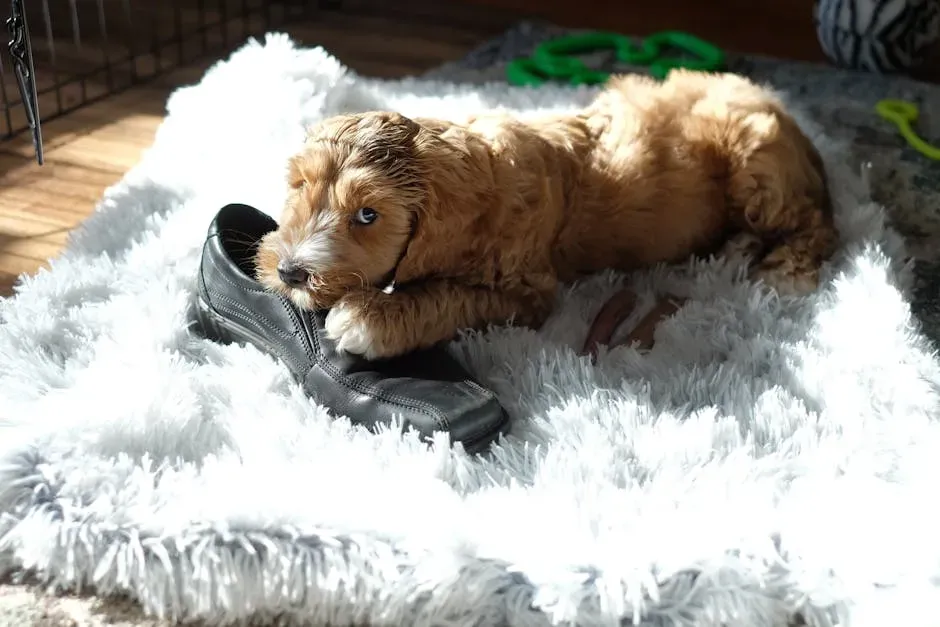
Chewed shoes get blamed on bad behavior, but look at which shoes and where they end up. Dogs almost always target items near the door – the exit point – and they overwhelmingly choose things that carry your scent heavily: worn sneakers, a jacket left on the hook, a glove that fell on the floor. It’s not spite. Spite requires a cognitive planning process dogs simply don’t have. What they do have is anxiety, and chewing is one of the most effective self-soothing tools available to them.
The destructive element tends to cluster in the first hour of alone time, which is when separation distress peaks. By focusing on objects that smell like you, sitting in the place where you disappeared, the dog is essentially trying to manage an emotional state that has no clean resolution until you walk back through that door. Understanding the motivation doesn’t fix the chewed leather, but it does reframe what you’re actually dealing with.
#14 – They Stare Out the Window for Hours
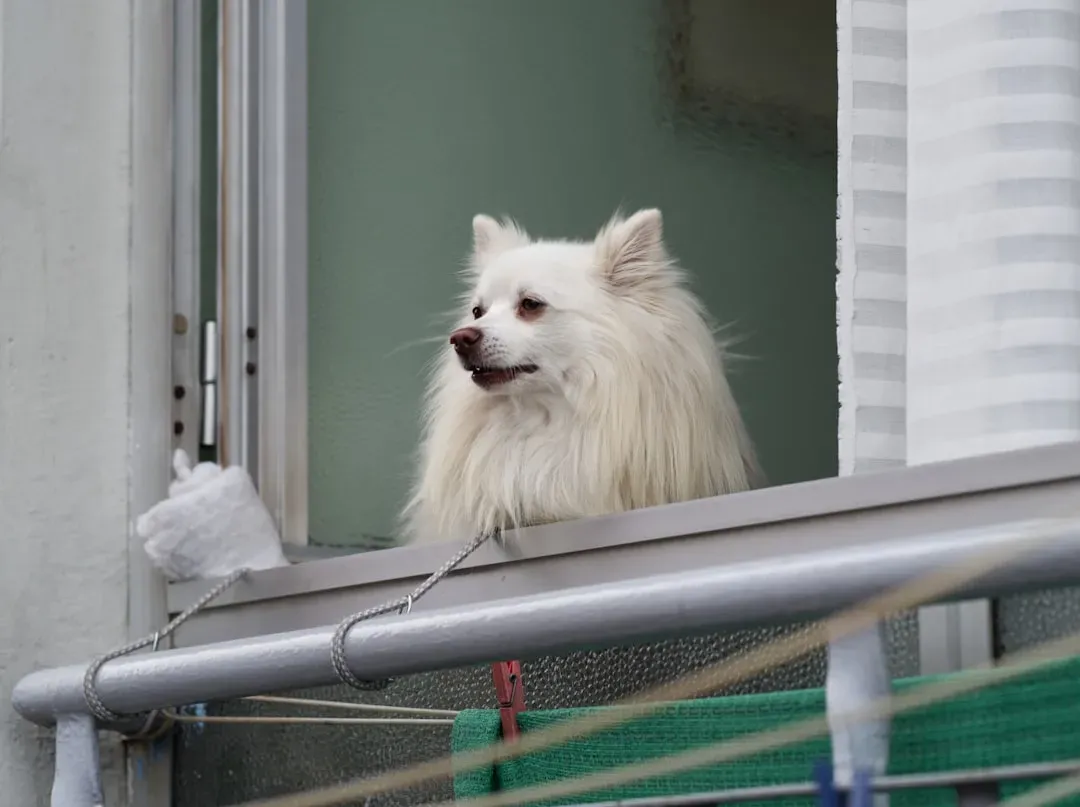
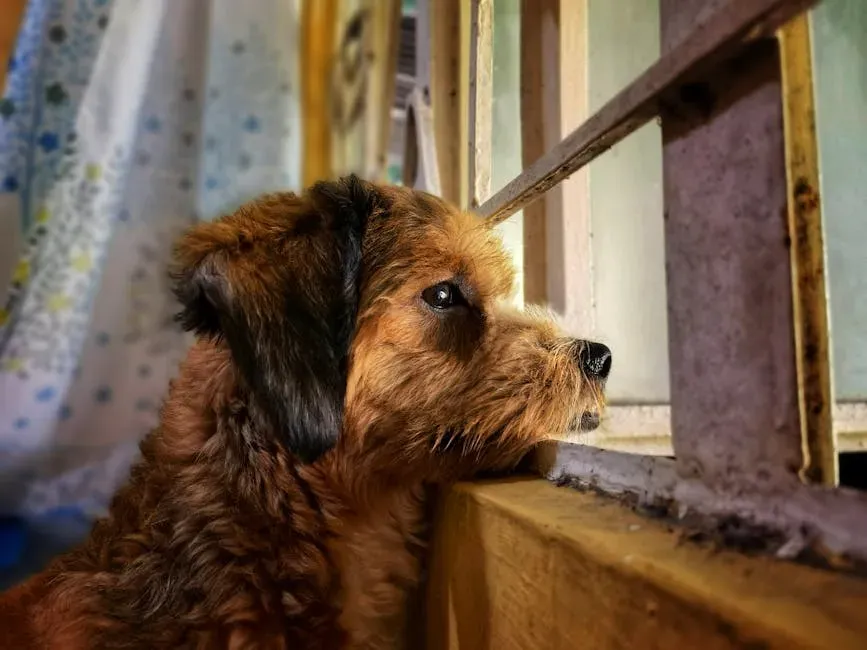
Home cameras have produced some of the most unexpectedly emotional footage in canine behavior research – dogs planted at the same window for hours, barely shifting position, eyes tracking every passing car. Most owners assume window-watching is about the squirrels or the general entertainment of the street. But the pattern tells a different story: the vigil starts almost immediately after departure and intensifies in the window of time when you typically return.
Dogs learn your schedule. They learn the sound of your specific engine, the rhythm of your footsteps on the path, the particular jingle of your keys. The window becomes a monitoring station, not a pastime. Some dogs reportedly get it wrong – stationing themselves early when you’re running late – which, if anything, makes the behavior more poignant. They’re not passively waiting. They’re actively watching for you.
#13 – They Pace the Same Path Repeatedly
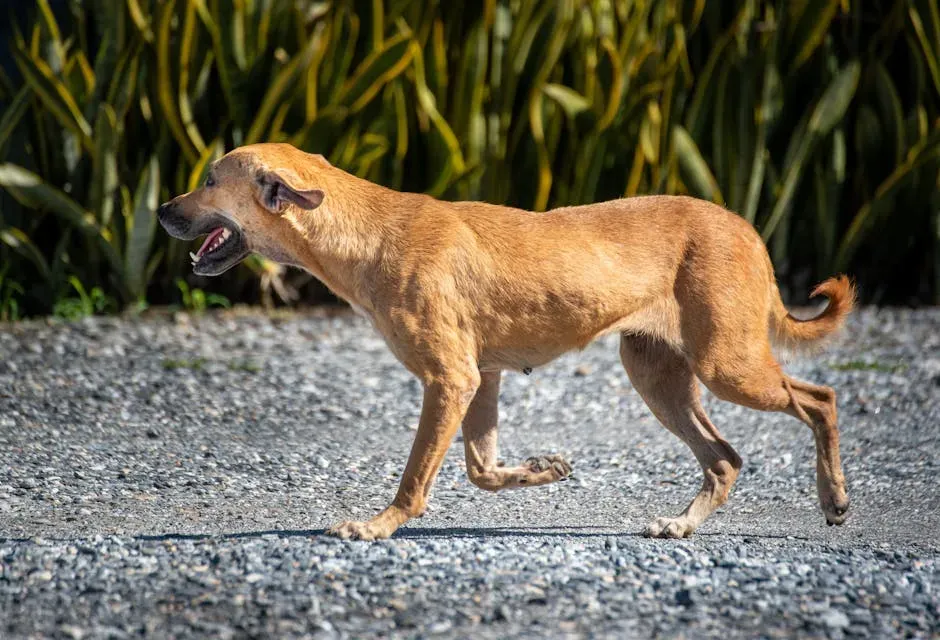
Restless pacing in a fixed loop through the house – hallway to kitchen to living room and back again – is one of the more visually distressing things to see on a pet cam. It’s not exploration; dogs exploring a space move differently, stopping to sniff, veering off course. This is a tight, repetitive circuit that can last for stretches of an hour or more. It signals a mind that can’t land anywhere because the thing anchoring it isn’t there.
What’s particularly telling is where the path leads. In the majority of documented cases, the loop brings the dog back through your usual spaces – your side of the bed, your favorite chair, the spot on the rug where you sit to watch TV. They’re not just burning nervous energy. They’re circling the outline of your presence, returning to each checkpoint as if checking whether you’ve reappeared yet.
#12 – They Bark at Every Small Sound
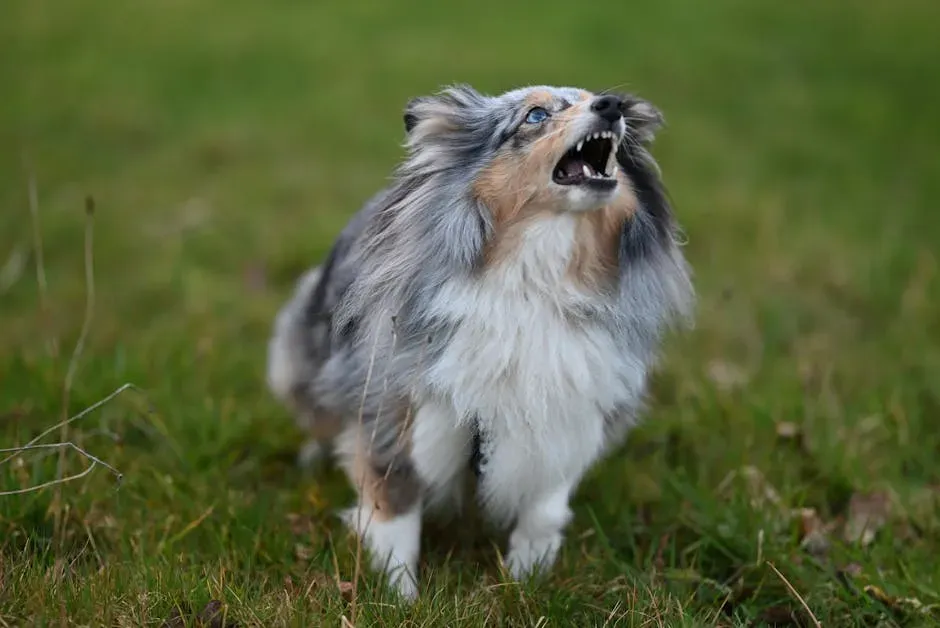
A dog who barely reacts to street noise when you’re home can become a hyper-vigilant alarm system the moment you leave. Every car door, every footstep on the stairs, every creak of a floorboard gets a response. It reads like anxiety or poor training, but the real driver is often acute attention: your dog has tuned every sense toward the possibility of your return and can’t turn that dial back down.
The most revealing detail is timing. Owners who’ve tracked this report that barking spikes noticeably during the window when they usually arrive home – even on days when they’re running late. The dog isn’t reacting randomly. They’re monitoring with a specific outcome in mind. Every sound is a potential signal that the wait is over. Most of them are false alarms, and your dog registers that too, cycling back into vigilance until the real thing arrives.
At a Glance: When Distress Behaviors Peak
- First 30 minutes: Highest intensity – vocalization, pacing, door-scratching, and destructive chewing cluster here.
- Mid-absence: Many dogs shift into a quieter, low-energy slump – reduced movement, chin-on-floor posture, disengagement.
- Pre-return window: Barking and vigilance spike again as the dog’s internal clock anticipates your usual arrival time.
- Within 10 minutes of reunion: Most distress behaviors resolve rapidly once the owner is back – underscoring that you, specifically, are the trigger and the cure.
#11 – They Skip Meals Until You Get Home
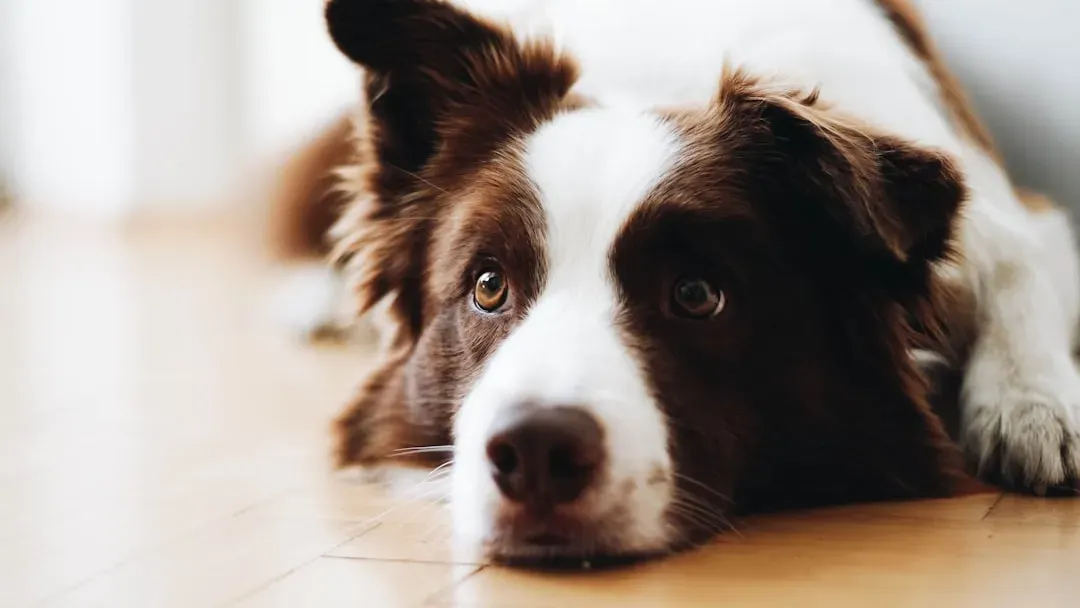
Food refusal in an otherwise healthy dog is one of the clearest physiological signs that something emotional is overriding basic drives. Leave a bowl of a dog’s absolute favorite food out while you’re gone and a strongly bonded dog may not touch it until you walk through the door. It’s not pickiness. It’s preoccupation so complete that appetite – one of the most reliable motivators in animal behavior – gets pushed aside entirely.
Veterinarians who work with separation anxiety cases see this pattern consistently. The dog isn’t staging a protest. They’re simply not present enough to eat; their mental energy is absorbed elsewhere. The moment you return, appetite typically snaps back to normal. That pivot – from refusal to normal eating within minutes of your arrival – is one of the cleaner pieces of evidence that the absence itself was the cause.
#10 – They Sleep in Your Exact Spot on the Bed
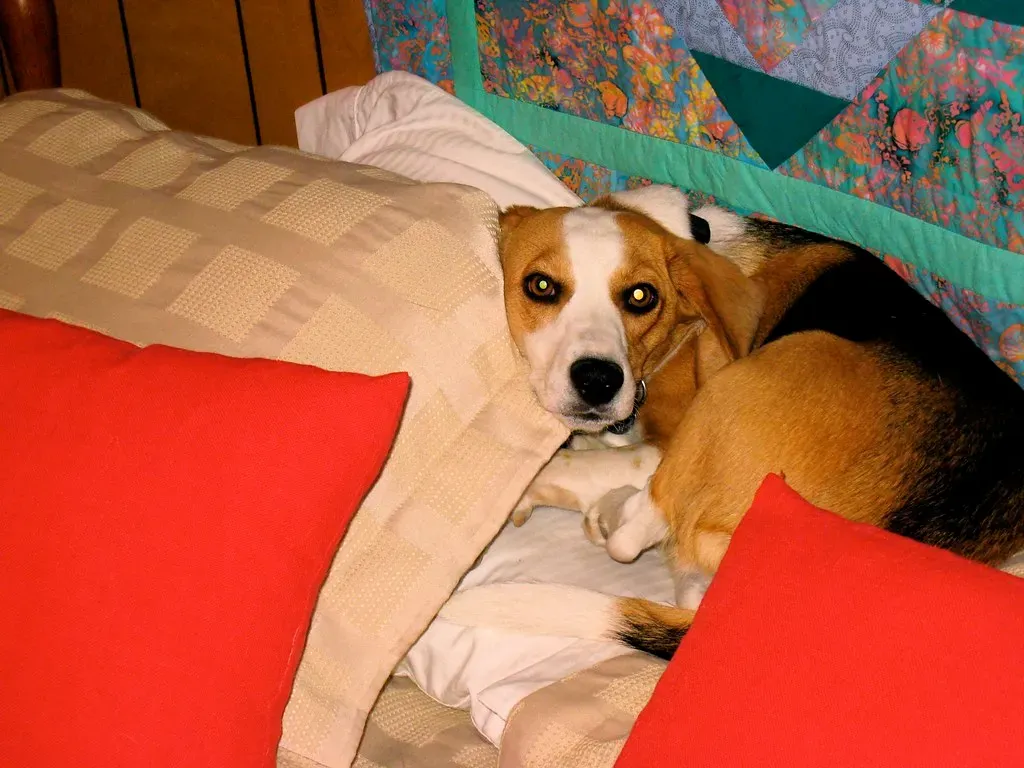
This one has a detail that most owners miss: many dogs only take over your side of the bed when you’re gone, and move off it when you come home. It’s not a comfort preference they’ve developed independently. It’s a behavior specifically tied to your absence. Your spot holds your smell most intensely, and settling into it is the closest available substitute for being near you.
There’s something almost heartbreaking about the selectivity of it. The dog isn’t sprawling across the whole bed for the extra space. They’re choosing the exact shape of where you were. Some owners have reported finding their dog curled tightly into a ball on their pillow – the smallest possible footprint, as if trying not to disturb something. Whether that’s projection or behavioral reality, the choice of location is consistent and intentional.
#9 – They Pant Heavily Without Exercise
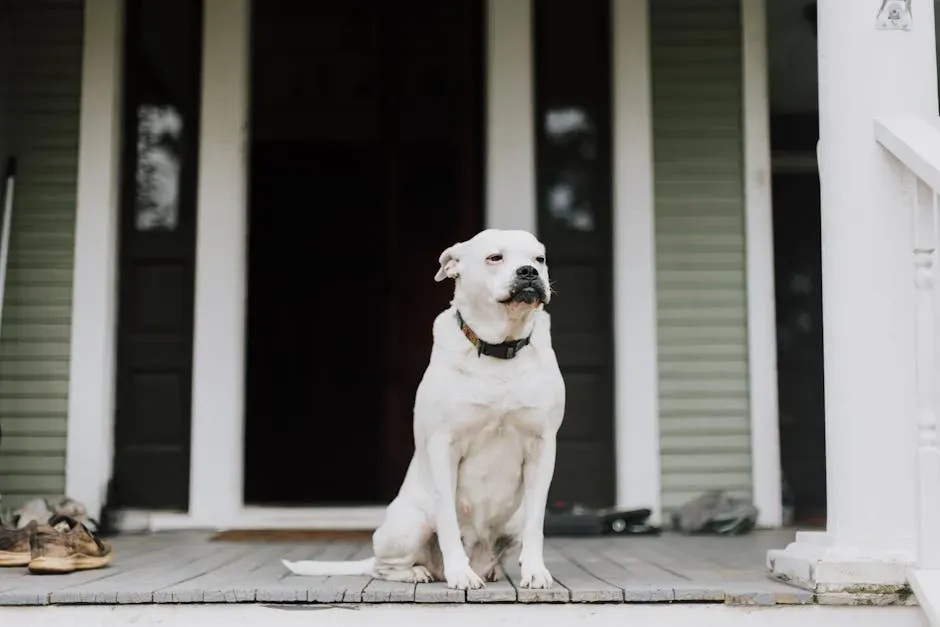
Heavy panting in a cool, quiet room with no physical exertion is a stress signal, and in dogs with strong attachment to their owners it’s one of the more reliable ones. It starts shortly after departure, when the physical reality of being alone sets in, and it tends to ease only when you return – not when they’ve been distracted by a toy or visited by a neighbor. The trigger is specific.
This is the autonomic nervous system doing what it does under emotional arousal: elevating heart rate, increasing respiration, preparing the body for a response to a perceived threat. The threat, in this case, is your absence. That framing might sound extreme, but for a highly social animal whose survival instincts are still deeply tied to group membership, losing track of their primary person registers as a genuine alarm state – not a mild preference.
#8 – They Follow You to the Door Every Time
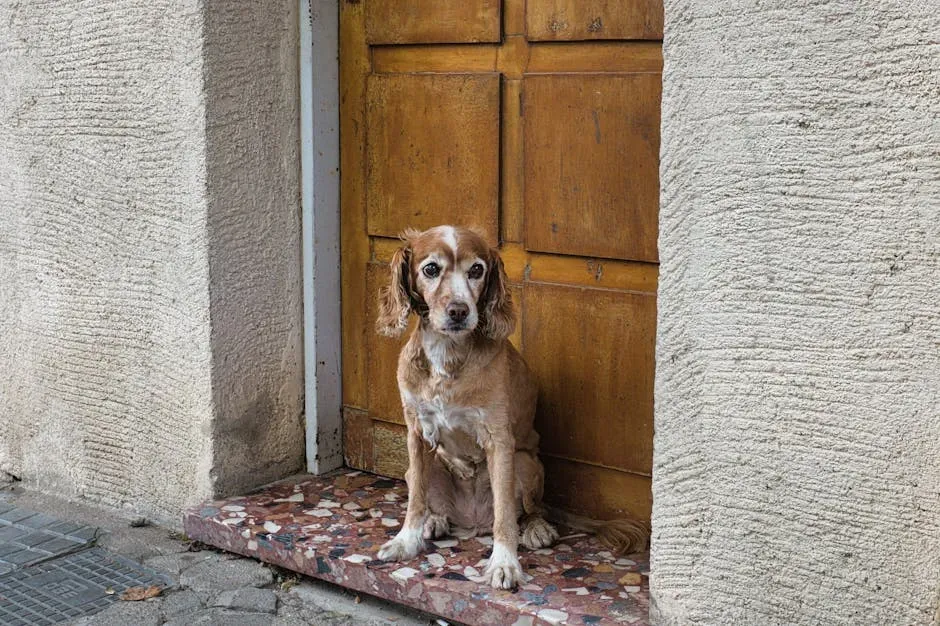
The ritual is probably familiar: you pick up your keys, and your dog appears. You put on your shoes, and they’re right there. You grab your bag, and they’re already sitting by the door with an expression that communicates something between hope and dread. This pre-departure shadowing is a well-documented marker of attachment, and it shows up in dogs who have learned to read your routine with impressive precision.
What it actually represents is anticipatory anxiety – the stress of the separation beginning before you’ve even left. The dog isn’t just seeing you off. They’re tracking every cue that means you’re about to disappear and trying to stay close for as long as possible. Some dogs will push their nose against the door after it closes. Others will sit exactly where you were standing. The behavior reveals how much cognitive space your comings and goings occupy in their daily world.
Worth Knowing
- Dogs with separation-related problems often begin showing signs before departure – whining, pacing, or freezing as the owner’s exit routine begins.
- A PetMeds survey of 2,000 pet owners found 44% worry about their dog experiencing separation anxiety while they’re away.
- In the same survey, 40% of owners said they’d take a pay cut to work from home and be closer to their pet.
- Dogs without another dog in the household are significantly more likely to show separation anxiety – reinforcing how central the human bond truly is.
#7 – They Lick Their Paws Raw in Your Absence
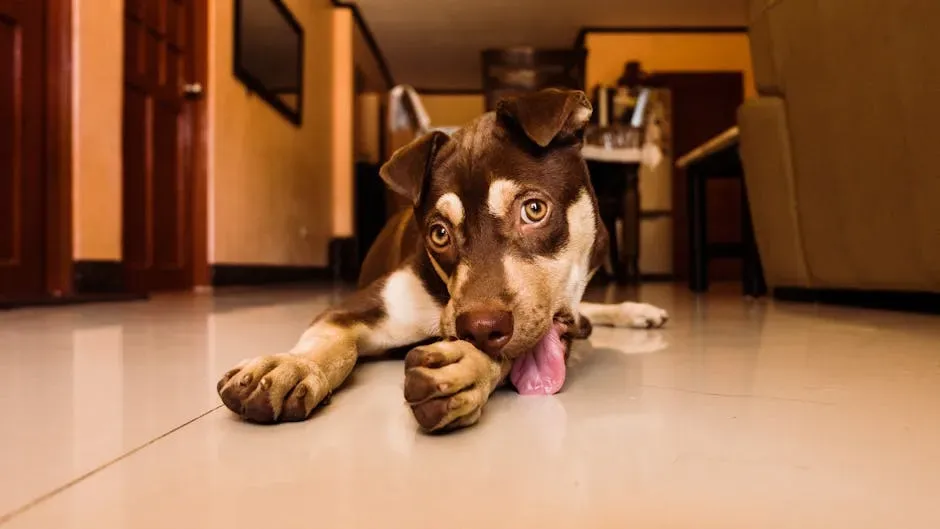
Compulsive paw licking that has no medical explanation – no allergies, no injury, no skin condition – and that eases noticeably when you’re home is one of the more physical manifestations of separation distress. The repetitive motion is soothing in the same way nervous habits are soothing in humans: it provides a sensory rhythm that partially overrides an uncomfortable emotional state. The problem is that it works just well enough to become a compulsion.
Veterinarians and behaviorists flag this specifically because the evidence is visible. You can see the redness, the moisture, the worn patches of fur. It’s one of the few separation behaviors that leaves a physical record. And the timing detail is the key: owners who’ve set up cameras confirm the licking begins after departure and stops or reduces significantly after reunification. The paws aren’t itchy. Your dog is coping – and doing it the only way they know how when you’re not there.
#6 – They Rearrange Your Belongings
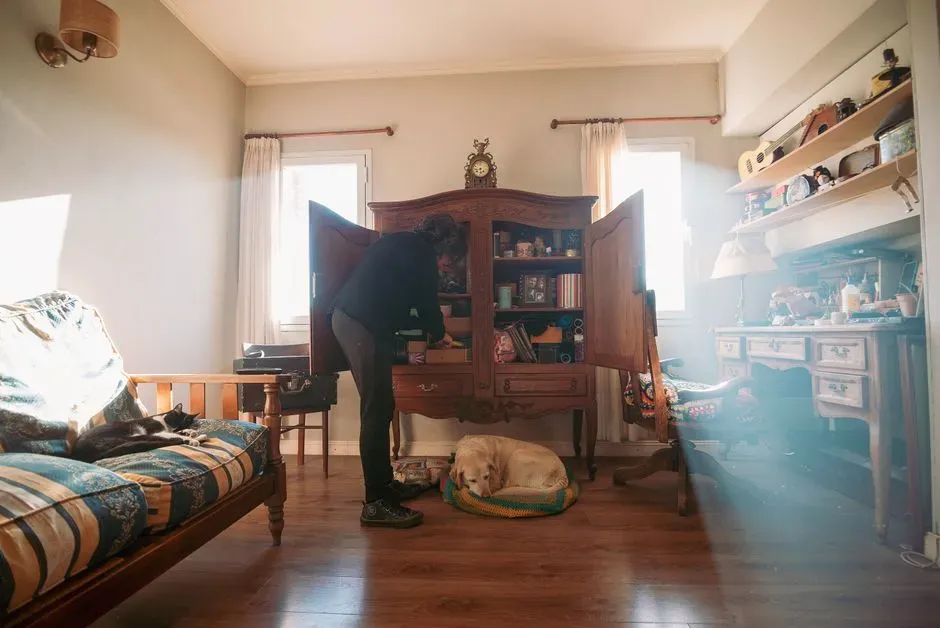
Finding your scarf moved to the middle of the living room floor, or your slippers gathered near the water bowl, or your running shoes nudged away from the door into a pile – this is not random mischief. Dogs who do this are engaging in what some researchers describe as nest-building behavior using the items most associated with your scent. They’re constructing the closest possible approximation of your presence from available materials.
The deliberateness shows up clearly on video: the dog selects specific items, carries or pushes them to a central location, and often lies near the result. They’re not playing. They’re arranging. The behavior requires intentional engagement with objects tied to you, which means your absence is actively occupying their attention in a problem-solving kind of way. They can’t bring you back, so they do the next available thing: build a version of you out of what you left behind.
#5 – They Whine Softly at Random Intervals
Unlike the dramatic post-departure howl, the soft intermittent whine throughout the day is easy to miss on a recording if you’re not listening for it. It emerges without any external trigger – no sound from outside, no movement in the house – and it fades just as quietly. It’s the sound of ongoing emotional processing, the audible version of a thought that keeps returning.
What makes this particularly telling is when it happens. Dog owners who’ve analyzed their pet cam footage have noticed the whining often clusters around times of day when they’d normally be interacting – feeding time, the usual walk window, the hour they typically come home. The dog isn’t reacting to the environment. They’re running a mental schedule of where you should be right now and registering your absence against it. That’s not instinct. That’s memory.
#4 – They Dig at Exit Points
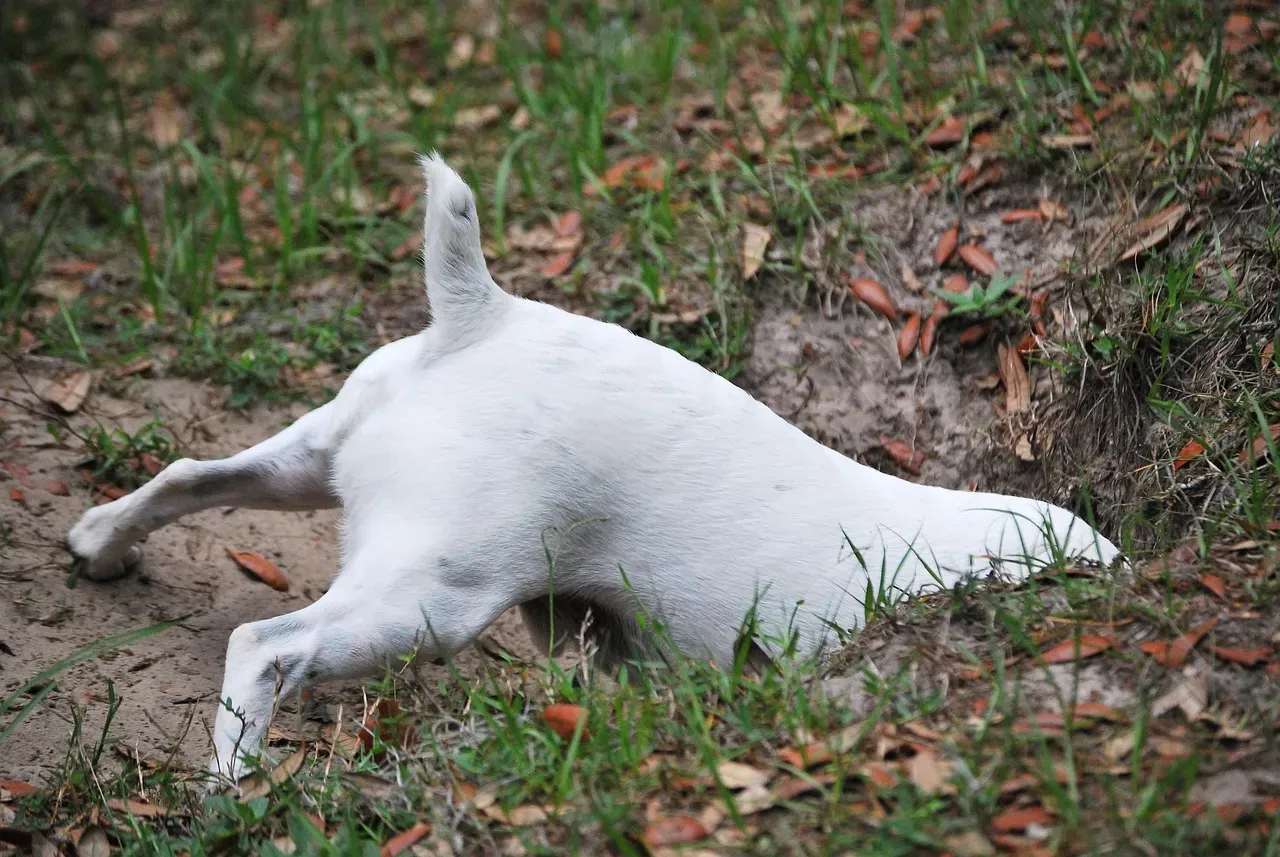
Scratching and digging at doors or low windows is one of the more physically destructive separation behaviors, and it’s also one of the most spatially specific. The damage doesn’t appear in the middle of the room or on the couch. It appears at the exact points of departure – the door you left through, the gate you closed behind you. The dog has correctly identified the boundary between themselves and you, and they’re trying to breach it.
What’s striking to behaviorists is that this often appears in dogs with no history of digging in the yard or destroying furniture. The behavior is contextual, not temperamental. It surfaces specifically in response to separation, at specific locations, and tends to diminish once the dog hears signals of your return. The digging isn’t misbehavior looking for an outlet. It’s a direct, if hopeless, attempt to get to you.
#3 – They Become Extra Clingy the Moment You Return
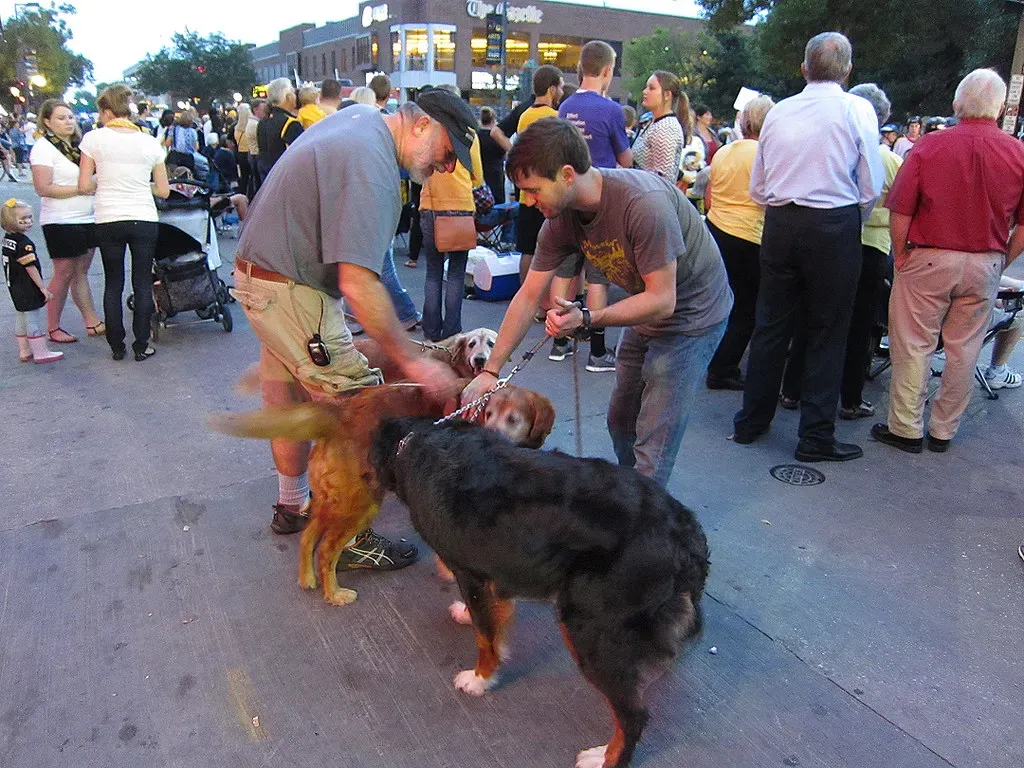
The homecoming routine – the jumping, the spinning, the shoving their face into your legs, the refusal to let you walk more than three feet before checking in again – is so common that most owners stop really seeing it. But the intensity of the greeting scales with how long you were gone and how strongly attached the dog is. It’s not generic happiness at stimulation. It’s the specific relief of a specific absence ending.
The most behaviorally interesting part comes a few minutes later: how fast they settle. A dog who was pacing and whining and refusing food for six hours often becomes completely calm within ten minutes of your return. That rapid normalization is the emotional contrast made visible. The distress was real and sustained; the resolution is immediate. Your presence is, quite literally, the only thing that fixes it.
#2 – They Ignore Other People or Pets When Alone
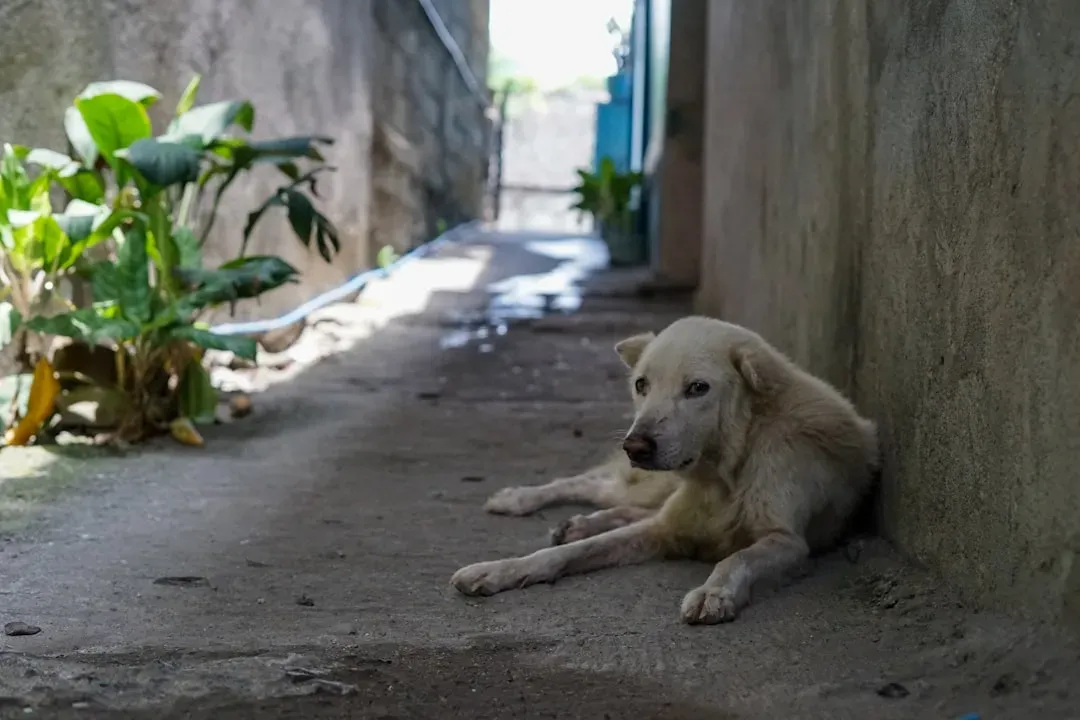
In homes with multiple people or other animals, you might expect a dog to seek out social contact while their primary person is away. Many don’t. They withdraw. They avoid the other dog. They move away when the kids try to engage them. They find a corner and wait. This selective social withdrawal is one of the clearest markers of singular attachment – the signal that there is one person whose absence changes everything, and no available substitute closes that gap.
Some dogs take this further, showing mild indifference to family members they’re ordinarily warm toward – until the primary owner returns, at which point normal social behavior resumes. It’s not hostility. It’s absence of motivation. Without you there, the social calculus doesn’t compute the same way. You’re not just part of their world. For a strongly bonded dog, you’re the organizing principle of it.
#1 – They Show Visible Depression-Like Slouching

The most quietly devastating thing captured on pet cameras is the posture. A dog who greets you with full-body excitement, who bounces and wriggles and can barely contain themselves – that same dog, forty-five minutes after your departure, is often found lying flat with their chin on the floor, tail still, eyes open but unfocused. The physical deflation is complete. Veterinary behaviorists describe it as a state that mirrors the outward signs of low mood: reduced movement, lowered body carriage, disengagement from the environment.
And then you pull into the driveway. Some dogs register the sound of your specific engine from over a hundred meters away. The posture changes before the door opens – tail beginning to move, head lifting, body reorienting toward the entrance. The slump wasn’t boredom or tiredness. It was the shape of missing you, held in their body for however long you were gone. That moment of re-animation, before you’ve even walked in, is the whole story told in a single gesture.
Quick Compare: What These Behaviors Actually Signal
| Behavior | What It Looks Like | What It Means |
|---|---|---|
| Laundry nesting / scent-seeking | Sleeping on your worn clothes | Neurological reward response to your scent |
| Posture collapse | Flat, motionless, unfocused | Low-mood state tied directly to your absence |
| Door digging / exit scratching | Clawing at the door you left through | Targeted attempt to close the gap to you |
| Meal skipping | Full bowl left untouched | Emotional preoccupation overriding appetite |
| Social withdrawal | Ignoring housemates and family | Singular attachment – no substitute exists |
What This Actually Means for You and Your Dog
Taken together, these 17 behaviors aren’t a checklist of problems to fix. They’re a portrait of what deep attachment looks like in an animal who has no language for it. Your dog can’t text you to say they miss you. They can’t distract themselves with a podcast or call a friend. What they can do is curl up on your jacket, watch the window, and wait – with a focus and fidelity that most humans would find humbling.
That said, when several of these behaviors appear together in severe form, they’re worth addressing – not because the love behind them is wrong, but because chronic anxiety isn’t good for any creature to live inside. A dog who can’t eat, can’t settle, and licks their paws raw for eight hours a day is suffering, even if the cause is love. The goal isn’t to make your dog care less. It’s to help them carry the caring without it becoming the only thing they can do. The bond that drives all of this? That part is worth every single scratch on the door.


