
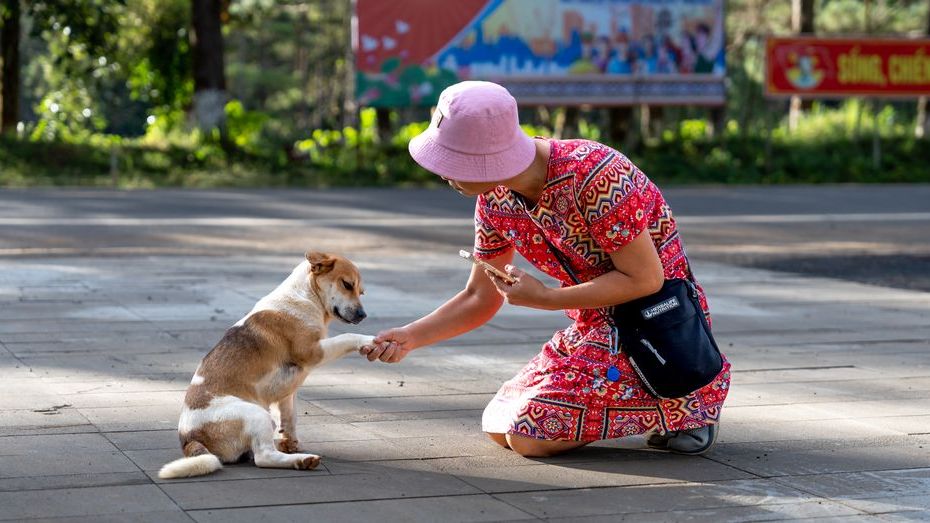
Most people assume their dog loves everyone in the house equally, or that the whole relationship basically runs on kibble and scheduled walks. But canine behavior research tells a quietly stunning different story: dogs form deep, selective, attachment-style bonds with one primary person – and they signal it constantly through behaviors so subtle that most owners genuinely never connect the dots.
The signs aren’t loud. They’re not the obvious tail wag or the excited jump at the door. They’re the specific behaviors your dog reserves only for you – the ones that look like generic “dog stuff” until you start noticing how differently they treat you versus literally everyone else in the room. Some of what’s on this list will stop you mid-scroll and make you think: wait, mine does that all the time.
#14 – They Shadow You Into the Bathroom
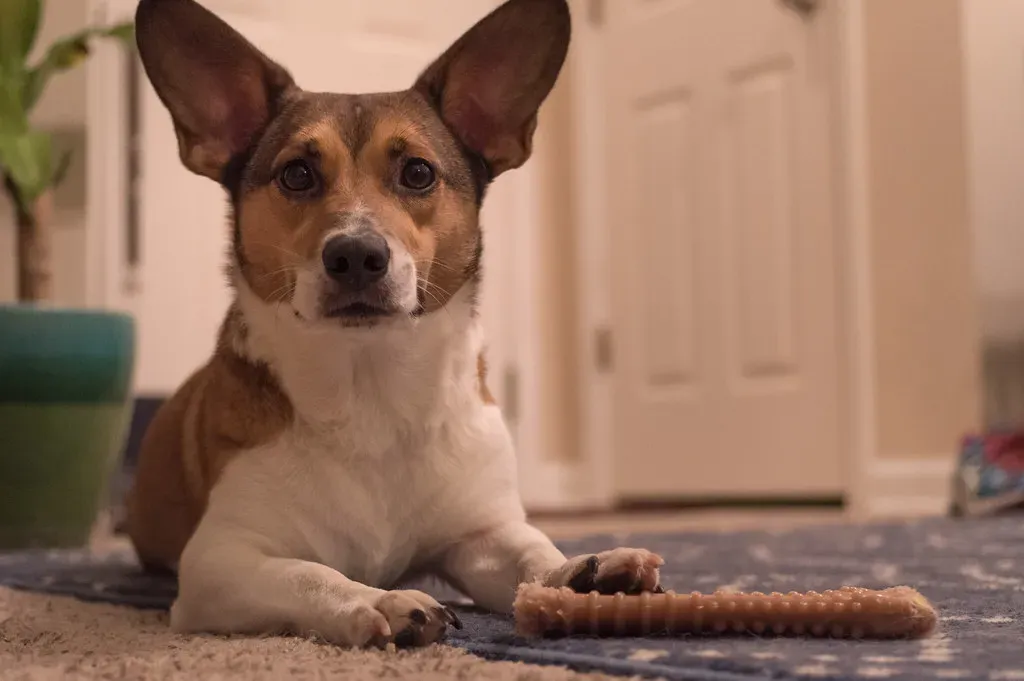
Your dog does not need to relieve themselves every time you head to the toilet. They simply cannot let you disappear behind a closed door – even for three minutes. This proximity-seeking behavior mirrors what attachment researchers call the “secure base effect,” where a bonded dog treats their chosen person as a living anchor they need to stay close to in order to feel calm.
Most owners laugh it off as quirkiness or chalk it up to separation anxiety, but the distinction matters: a dog with true separation anxiety panics when everyone leaves. A dog who’s chosen you panics specifically when you leave. They’ll follow you room to room, hover outside the shower, and press a paw under the door – not because something is wrong with them, but because something is very, very right between you two.
Fast Facts
- Research published in PLOS ONE confirmed dogs show an owner-specific secure base effect – a stranger in the room provides almost no equivalent comfort.
- Dogs are unique among adult animals in retaining this caregiver-proximity drive well past puppyhood.
- Shelter dogs have been shown to form human attachment preferences after only brief positive interactions.
- Proximity-seeking and separation distress are two of four recognized behavioral markers of a true attachment bond.
#13 – They Insist on Physical Contact While Sleeping
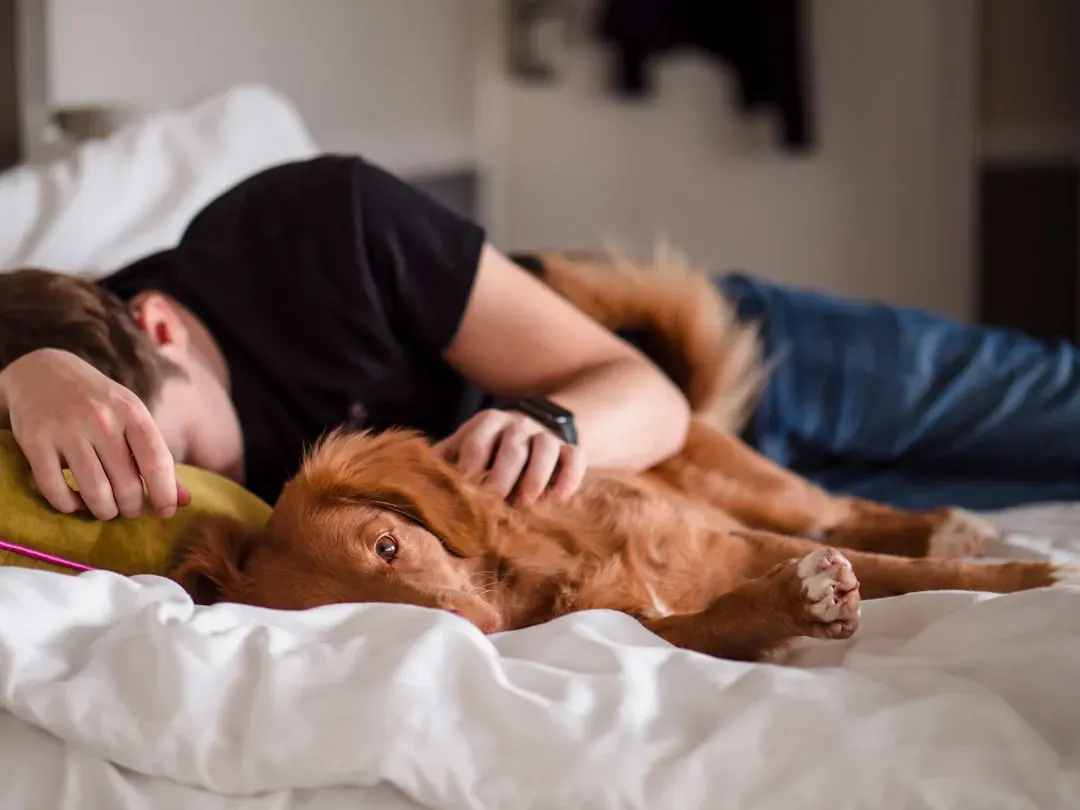
A dog that has chosen you will deliberately maintain contact during rest – a paw draped across your shin, a back pressed firmly against your leg, a chin resting on your foot. It looks casual. It is anything but. Sleep is a dog’s most vulnerable state, and the fact that they choose to be touching you specifically while unconscious is about as clear a declaration of trust as the animal kingdom offers.
This mirrors what researchers describe as the safe-haven effect in dog-human bonding – you are the place they feel protected enough to fully let their guard down. Other family members might share the bed and still get the cold shoulder. If your dog finds a way to stay connected to your body all night, the decision has already been made. You’re it.
#12 – They Bring You “Gifts” No One Else Receives
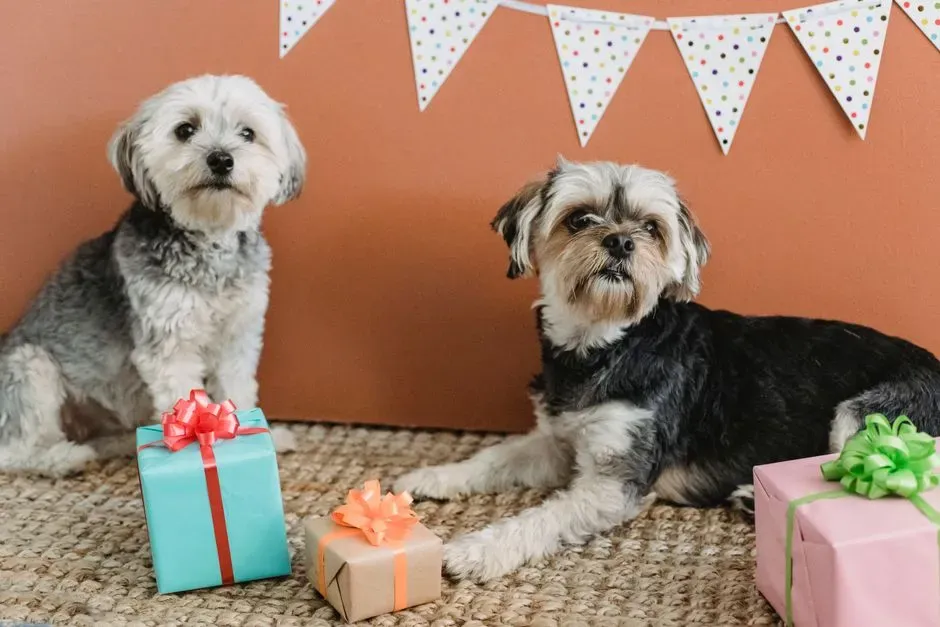
The sock dropped at your feet. The squeaky toy carried over specifically to you while everyone else sits ignored. Dogs that bring objects to one person – and only that person – are doing something more intentional than begging for playtime. They’ve mentally categorized you as the one worth engaging, the one whose reaction matters, the one the offering is for.
Watch closely and you’ll notice the selectivity is almost eerie. The dog will walk past three other people in the room to drop a tennis ball directly in your lap. Some trainers wave this away as attention-seeking, and sure – but attention-seeking directed exclusively at you is still the dog voting with their paws. They’re not confused about who their person is.
#11 – They Hold Soft, Prolonged Eye Contact Only With You
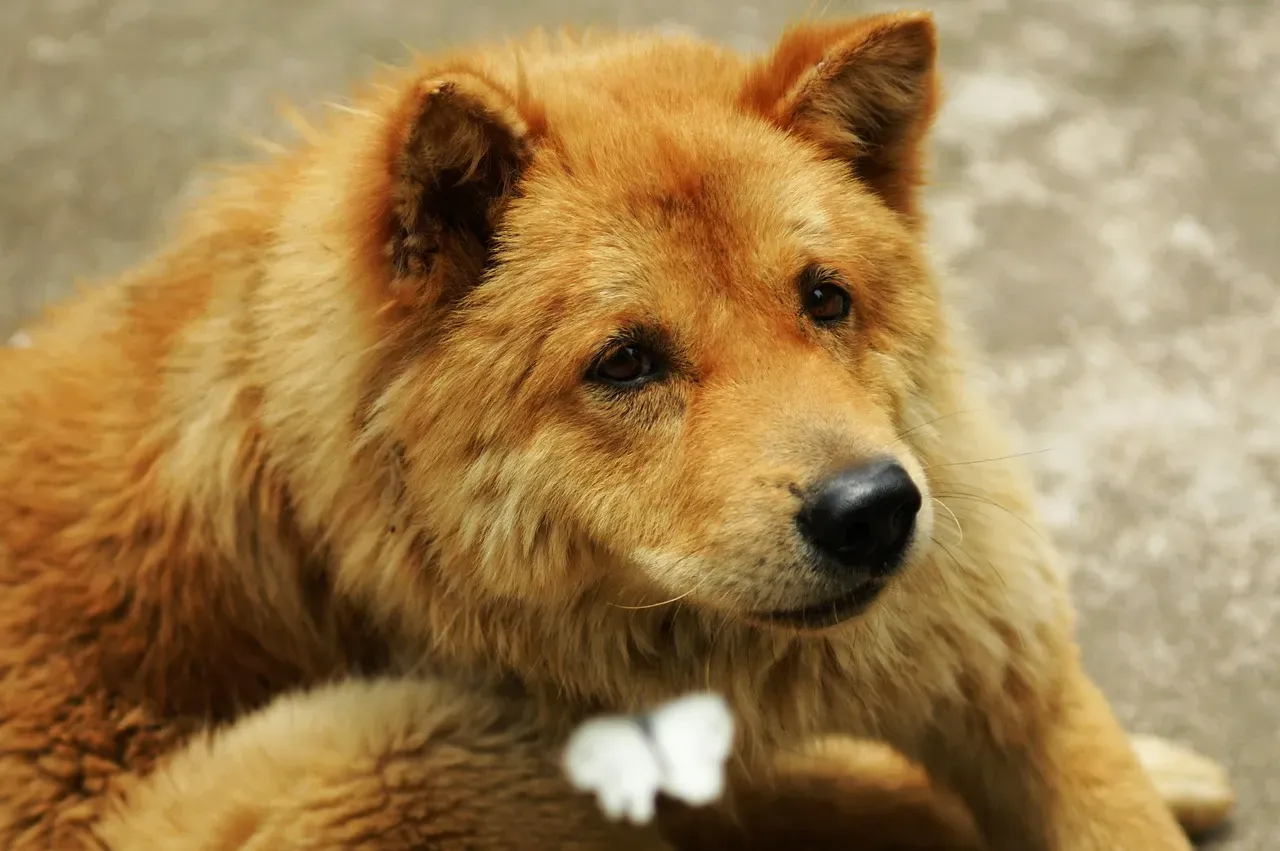
When a dog locks eyes with you softly and lingers – not the alert, hard stare of a dog watching a squirrel, but the warm, relaxed gaze of a dog who just… wants to look at you – something biochemical is actually happening. Mutual gazing between a dog and their bonded person triggers an oxytocin release in both of them. It’s the same bonding hormone that fires between human parents and newborn infants.
“Dogs have hijacked the human oxytocin bonding pathway. It’s not a coincidence – it’s coevolution.”
Brian Hare, Duke University Canine Cognition Center
Strangers rarely get that gaze. Secondary family members get functional eye contact – “where’s my food, where are we going.” But the soft, lingering look your dog gives you across a quiet room? That one is different, and somewhere in you, you already knew it.
At a Glance: The Gaze-Oxytocin Loop
- Mutual gazing triggers oxytocin release in both the dog and the human – a feedback loop unique to dogs among all non-human animals.
- A landmark study in Science found that wolves – even hand-raised ones – did not show the same oxytocin response to mutual gaze with humans.
- Oxytocin enhances a dog’s motivation to approach and affiliate with their bonded person, reinforcing the loop every time you make eye contact.
- The response is strongest with the primary attachment figure – not equally distributed across everyone the dog knows.
#10 – They Lean Their Full Weight Against You
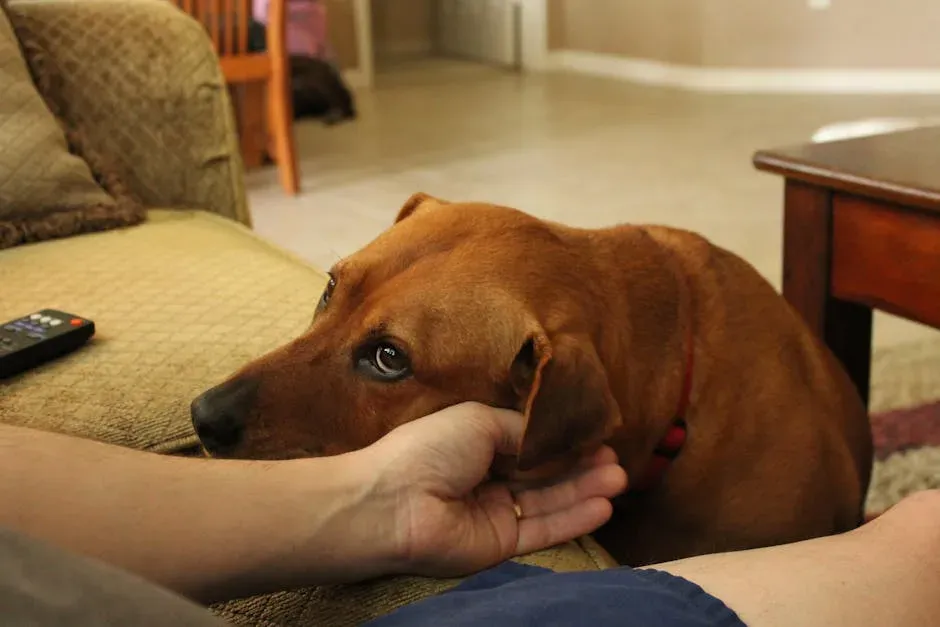
Leaning looks small. It isn’t. When a dog presses their entire body weight against your leg while you’re standing at the kitchen counter or sitting on the couch, they are putting themselves in a physically vulnerable position – off-balance, relying on you to keep them steady. That only happens when they’ve fully decided you are safe.
Owners constantly misread this as clinginess or neediness, but it’s actually the opposite signal: complete, settled security in your presence. A nervous or uncertain dog braces themselves. A dog who has chosen you lets go of that tension entirely and just… leans. Feel the difference next time it happens. That weight is trust made physical.
#9 – Their Greeting Intensity Spikes Exclusively for You
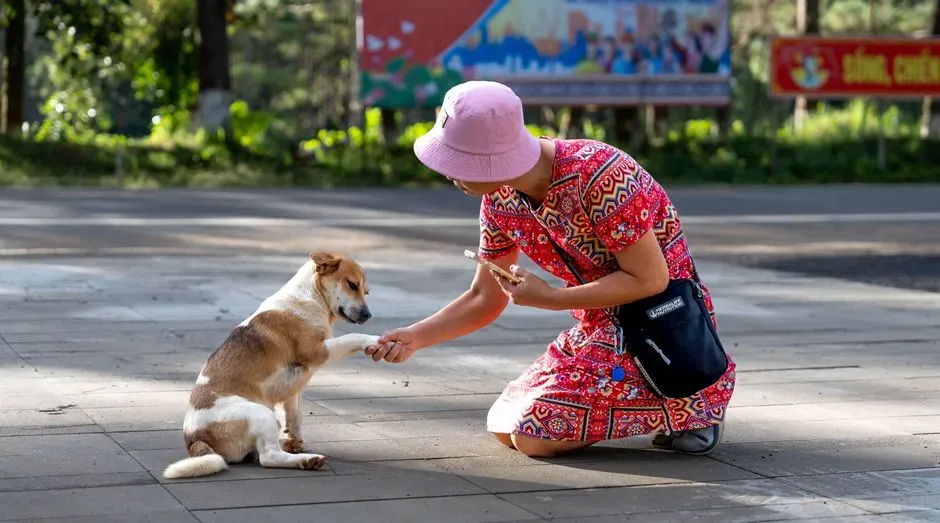
Every dog greets people who come through the door. But watch the specifics – the full-body wiggle that starts at the nose and ends at the tail, the vocalizations that border on unbearable, the frantic circling that happens the moment you specifically walk in. Other household members get a polite tail wag and maybe a sniff. You get a near-breakdown of joy.
The duration alone gives it away. A dog greeting a familiar-but-secondary person settles within seconds. A dog greeting their person keeps going – checking your face, jumping, running back and forth – as if they need to confirm the reunion is real. You’ve seen it a hundred times. It’s not generic excitement. It’s relief that you’re back.
#8 – They Seek You First When Something Scares Them
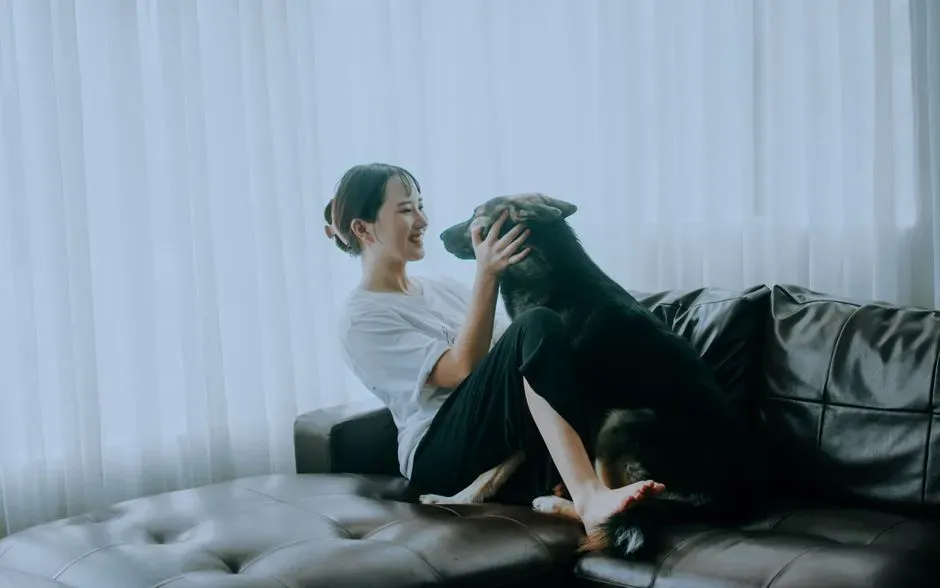
Thunder rolls in. A stranger knocks. A car backfires outside. Most people watch where their dog runs and assume it means the dog is scared. What they miss is who the dog runs to. A dog that has bonded to you doesn’t bolt under the bed – they bolt to your side, pressing close, looking up at your face for information about whether the world is okay.
This help-seeking behavior is a textbook marker of true attachment. The dog isn’t just seeking shelter – they’re seeking you. In a house full of people, they made a split-second decision about whose presence would make the threat feel smaller. If that’s you, consistently, the dog made their choice a long time ago. You’re their home base.
Worth Knowing
- Dogs exhibiting fear-based proximity-seeking to one specific person are showing attachment behavior – not generalized anxiety.
- Research confirms dogs actively scan their bonded person’s face during stress to read whether a situation is safe – a behavior called social referencing.
- Studies show a dog’s blood pressure and heart rate drop more in the presence of their bonded owner than with a familiar friend or even a spouse.
- If your dog seeks you in fear but not others in the house, that selectivity is the signal – not the fear itself.
#7 – They Lick You More Than Anyone Else
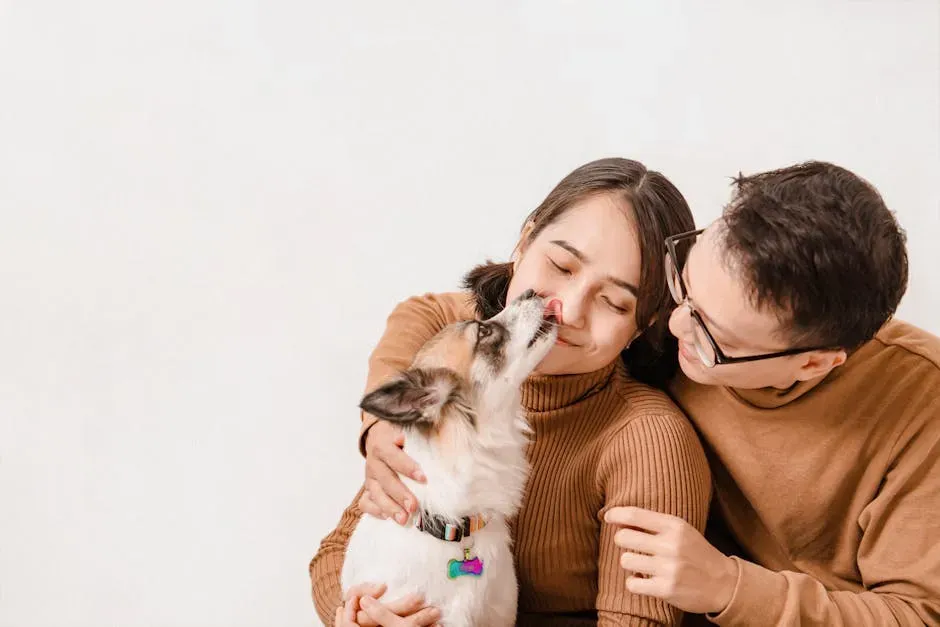
Licking in dogs isn’t just slobbery affection – it’s social grooming, the same behavior dogs use to reinforce bonds within a pack. When your dog directs it disproportionately at one person, it functions as an affiliative signal: you are the relationship worth maintaining and strengthening. Every lick is essentially a small act of loyalty repeated on a loop.
The selectivity is the tell. A dog that licks everyone equally is being friendly. A dog that seeks out your hands, your face, your arms specifically – especially during calm, quiet moments when no treat is involved – is expressing something more deliberate. They decided you were worth that attention. They just keep confirming it.
#6 – They Roll Onto Their Back Only Around You
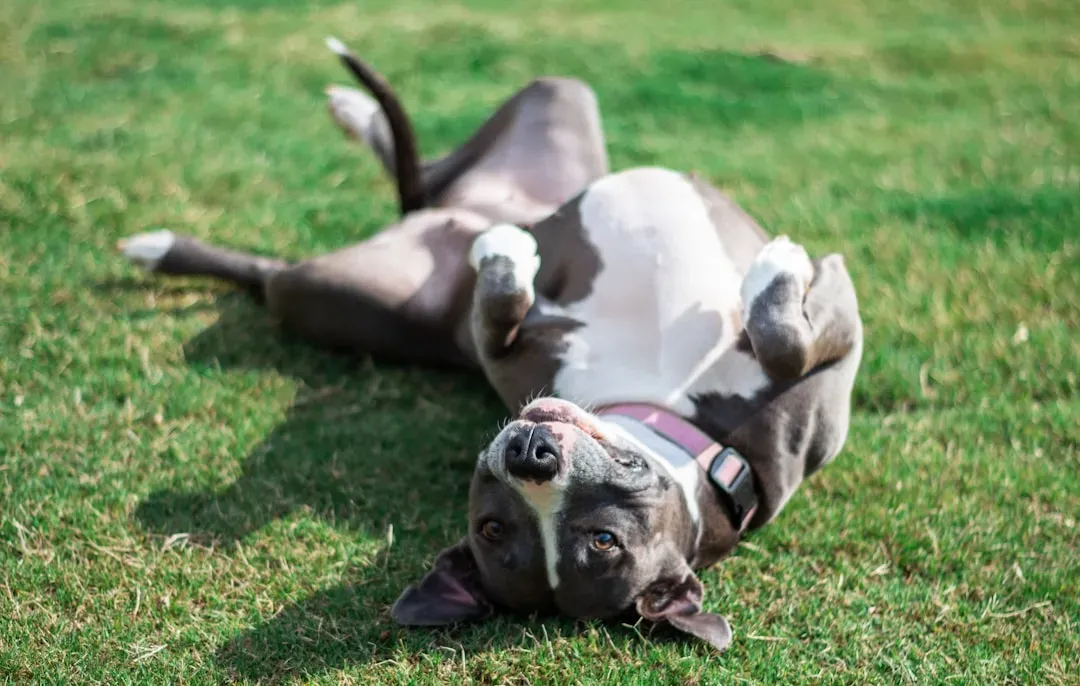
The belly expose is one of the highest-trust postures a dog can offer. It leaves every vulnerable organ unprotected and requires complete confidence that the person nearby isn’t a threat. Around strangers or even secondary family members, most dogs stay upright, readable, alert. Around their person, the belly comes out and everything relaxes.
This one gets missed constantly because it tends to happen in quiet, undramatic moments – you’re reading on the couch, the dog flops over next to you, and you absently scratch their belly without registering what just happened. But what just happened was the dog making themselves entirely defenseless because you’re around. A relaxed belly-up invite looks specific: loose limbs, open mouth, soft eyes, and a gently wagging tail. That’s not submission. That’s not nothing. That’s everything.
Quick Compare: Belly-Up Trust vs. Belly-Up Appeasement
- Trust signal: Wiggly body, eye contact, open mouth, wagging tail – dog rolls toward you
- Appeasement signal: Ears back, gaze averted, tail tucked or stiff, lip licking
- The key difference: A dog inviting a belly rub from their chosen person looks relaxed; a dog submitting looks frozen
- Why it matters: The bonded belly-up only appears around the person the dog has already decided is fully safe
#5 – They Search for Your Scent When You’re Not in Sight
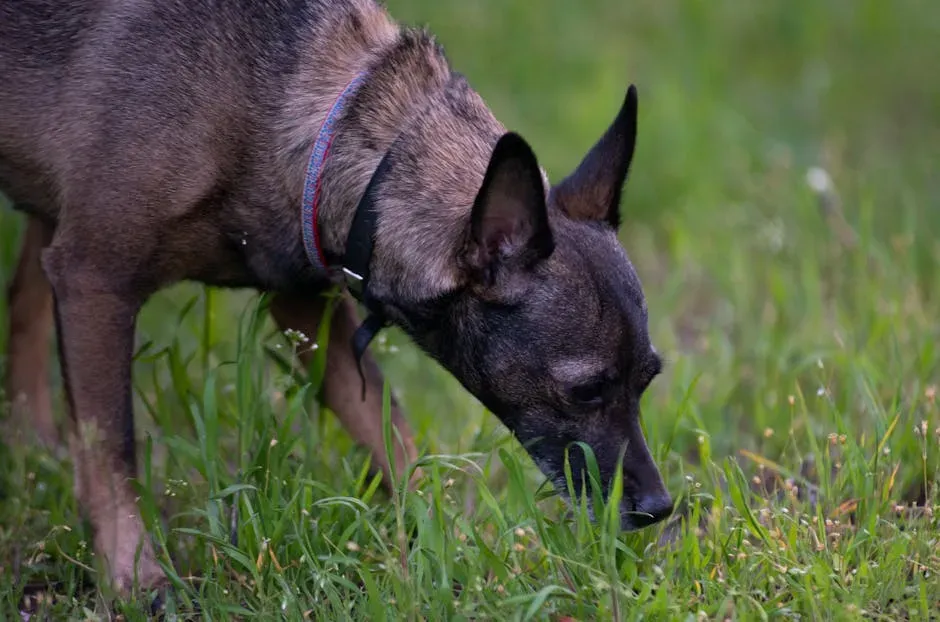
Dogs experience the world nose-first, which means their emotional attachment also lives in scent. When a dog is separated from their chosen person – even just in another room – they will seek out clothes, pillows, chairs, or blankets that carry that person’s smell. It’s a self-soothing behavior, a way of staying connected when physical proximity isn’t possible.
Watch for it in the small moments: your dog curling up on a shirt you left on the floor, pressing their nose into the cushion you just stood up from, or carrying one of your socks around the house. Research using fMRI brain imaging found that a dog’s brain reward center activates specifically in response to their owner’s scent – even when the owner isn’t physically present. They’re not being destructive. They’re looking for you the only way they can when you’re not there. You are, quite literally, their comfort scent.
#4 – They Obey Your Commands Faster and More Reliably
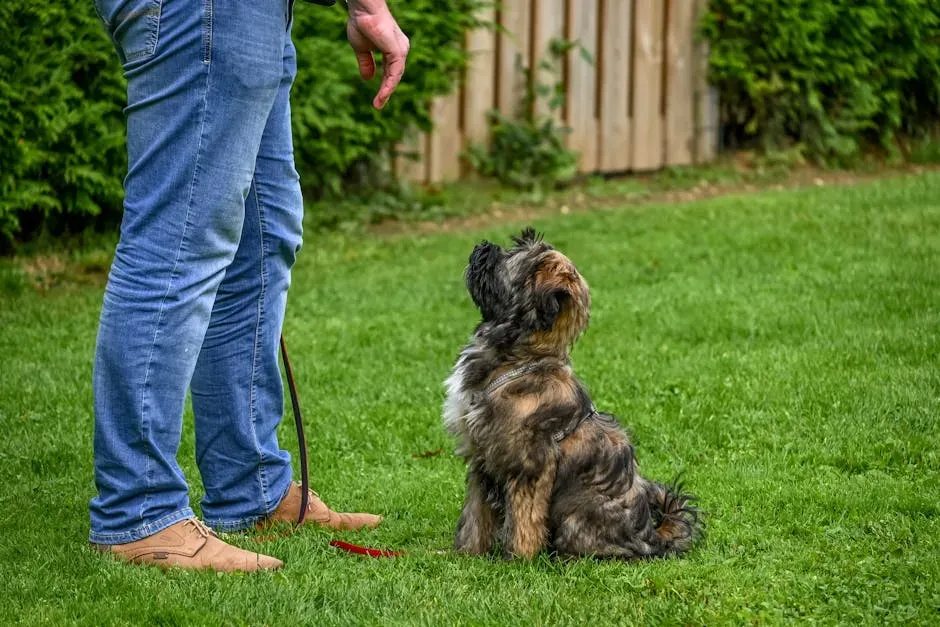
In multi-person households, it’s not rare to hear someone complain: “The dog listens to you but never listens to me.” Most people assume it’s about training skill or tone of voice. Those matter – but they don’t explain the full gap. The dog’s responsiveness is also tied directly to motivation, and motivation is tied directly to the attachment bond.
A dog will work harder, respond faster, and hold focus longer for the person whose approval means the most to them. It’s not disobedience when they drag their feet for someone else – it’s a behavioral ranking the dog established internally. Research confirms that dogs manipulate objects and perform tasks significantly longer and more persistently when their bonded owner is present versus when a stranger is. You earned top billing. The commands just reflect who they’ve already decided is worth listening to.
#3 – They Position Themselves Between You and Perceived Threats
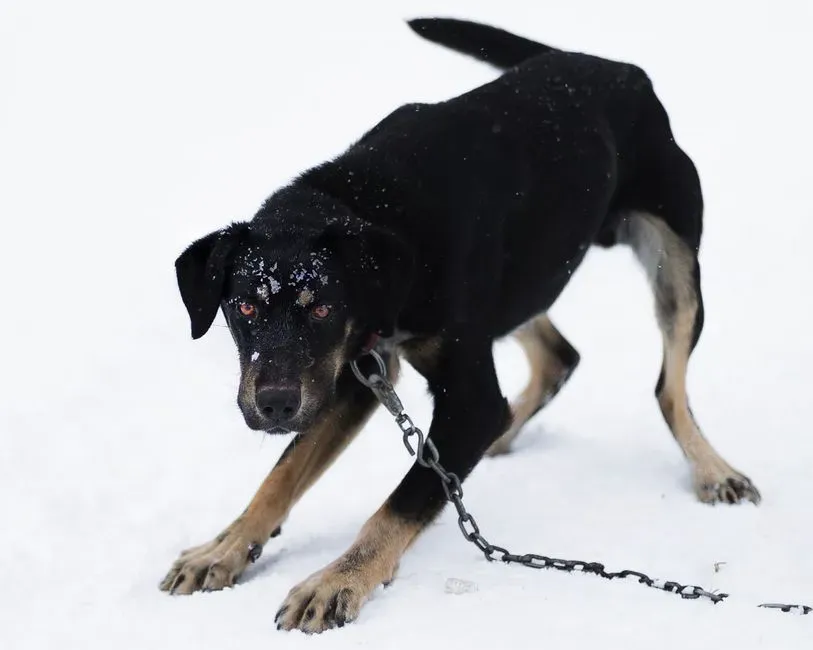
This one is easy to miss because it’s subtle – a quiet body block when a stranger approaches, a slow step-in-front when someone gets too close, a low bark directed outward while the dog keeps their back toward you. The dog isn’t being randomly territorial. They’ve decided you are their responsibility, and they are physically organizing themselves around that decision.
Protective positioning only appears after the bond is fully formed. The dog has to have already decided you’re their person before they feel any investment in keeping you safe. What looks like possessiveness to an outsider is actually the end product of a very deliberate choice your dog made – probably weeks or months ago – that you likely didn’t even notice happening.
#2 – They Choose Your Lap or Spot Over Everyone Else’s
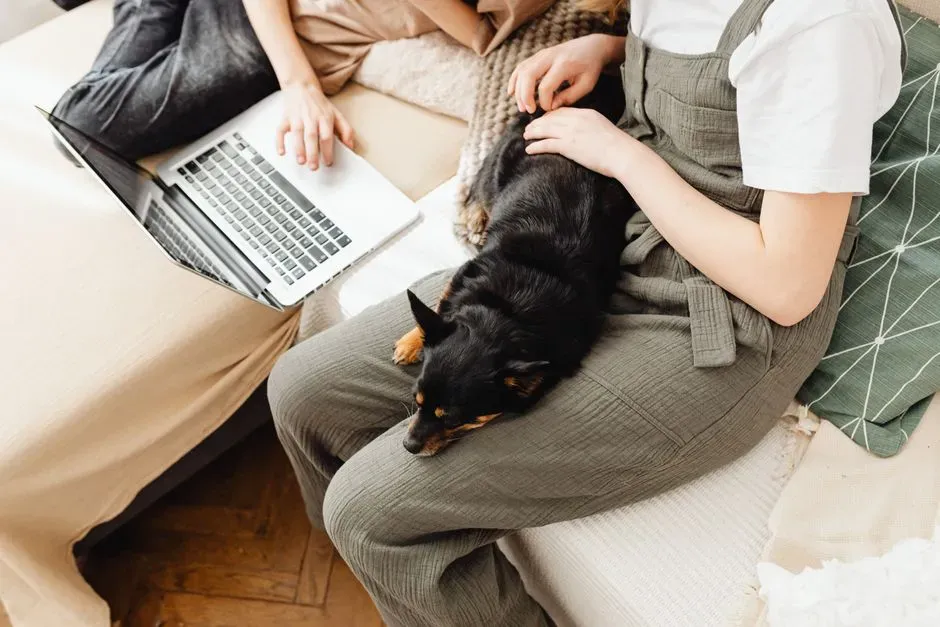
Put five people in a room with open laps and open seats. Watch where the dog goes. If there’s a bonded person in that room, the dog’s internal compass will pull them there – not every time by pure chance, but consistently, repeatedly, and without prompting. The preference shows up at family gatherings, on movie nights, in quiet afternoons when no one is competing for the dog’s attention.
The choice is the message. The dog is not distributing affection fairly or rotating through everyone out of politeness. They are going where they want to be, with who they want to be with, because they’ve already ranked you highest for comfort, closeness, and safety. Most households write this off as habit. It’s not habit. It’s preference, expressed over and over until you finally notice it.
#1 – They Mirror Your Emotional Shifts in Real Time
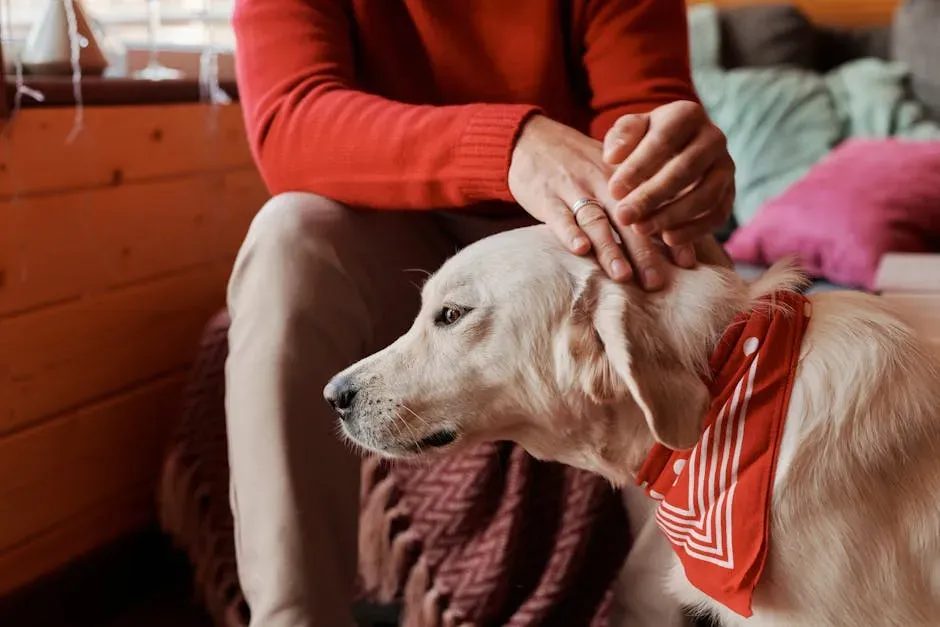
This is the one that tends to hit owners hardest when they finally see it clearly. When you’re anxious, your dog becomes unsettled – not because of a sound or a smell, but because of you. When you exhale and go calm, they soften too. When you cry, they come. When you laugh, something in them lifts. This emotional mirroring – what researchers call emotional contagion – runs strongest between a dog and their primary attachment figure.
It means your dog is not just living in the same house as you. They are actively tracking your internal state, reading microexpressions and body language and scent shifts you don’t even know you’re producing, and adjusting their own emotional temperature accordingly. They are synchronized with you in a way they are not synchronized with anyone else. That’s not training. That’s not conditioning. That is a dog who decided, somewhere along the way, that your world is their world – and they’ve never looked back.
Why It Stands Out
- Emotional contagion in dogs is strongest with their primary attachment figure – not all humans equally.
- Dogs read microexpressions, posture shifts, and even hormonal scent changes to track your emotional state in real time.
- The oxytocin bond between a chosen person and their dog functions like the parent-infant bond – a self-reinforcing loop that deepens every interaction.
- Dogs that mirror one person’s emotions most closely are demonstrating the deepest form of selective bonding – the bond they chose, not the one they were given.
The quietest truth in all of this is that your dog probably made this decision before you even realized there was a decision being made. Not because of one big moment, but because of a thousand small ones – the mornings you showed up, the afternoons you stayed close, the nights they felt safe enough to sleep pressed against your side. They noticed. They always do. Most owners just don’t notice back. Now you will.


