
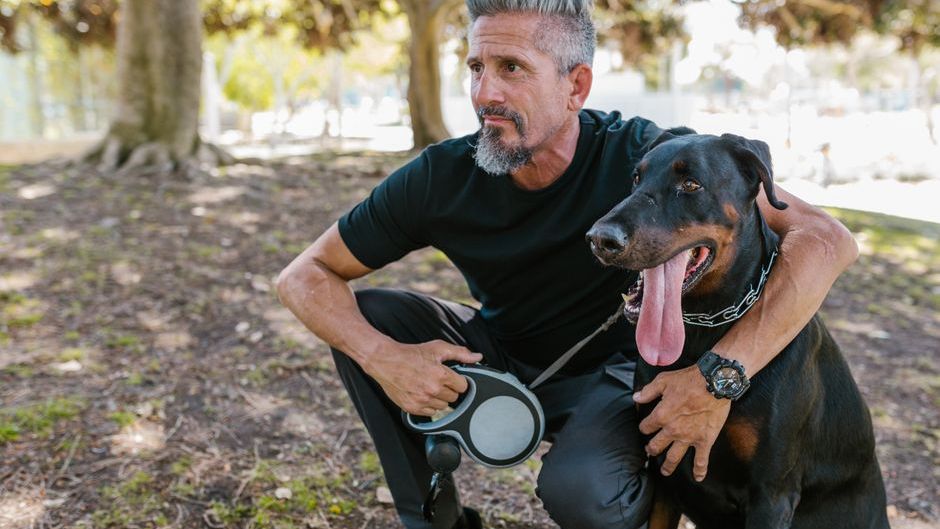
Dogs have a way of inserting themselves into moments that feel off, even when nothing obvious has happened yet. Watch them closely in a room full of people, and patterns start to emerge that go beyond simple affection or play.
Their choices often seem tied to subtle shifts in the air, the kind that humans might overlook until later. This quiet vigilance raises questions about how deeply they read the emotional landscape around their favorite person.
Understanding Canine Intuition
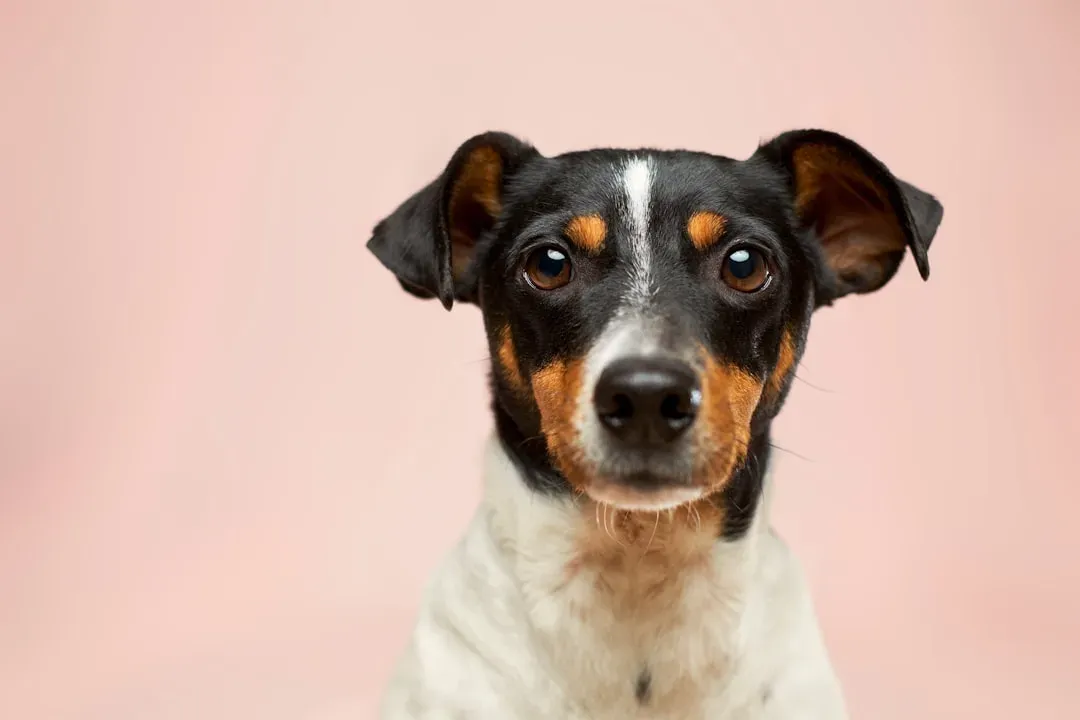
Dogs have shared living spaces with humans for thousands of years, which has shaped their ability to pick up on cues that go far beyond basic commands. They notice changes in breathing patterns, posture, and even the faint chemical signals released during moments of tension. This sensitivity allows them to respond in ways that feel almost anticipatory rather than reactive.
Over time, these instincts have become finely tuned through generations of companionship. A dog might shift its body without any visible command, creating a small barrier that aligns with its owner’s comfort level. Such actions reflect an evolved capacity to monitor the social environment closely.
The Role of Scent in Emotional Detection
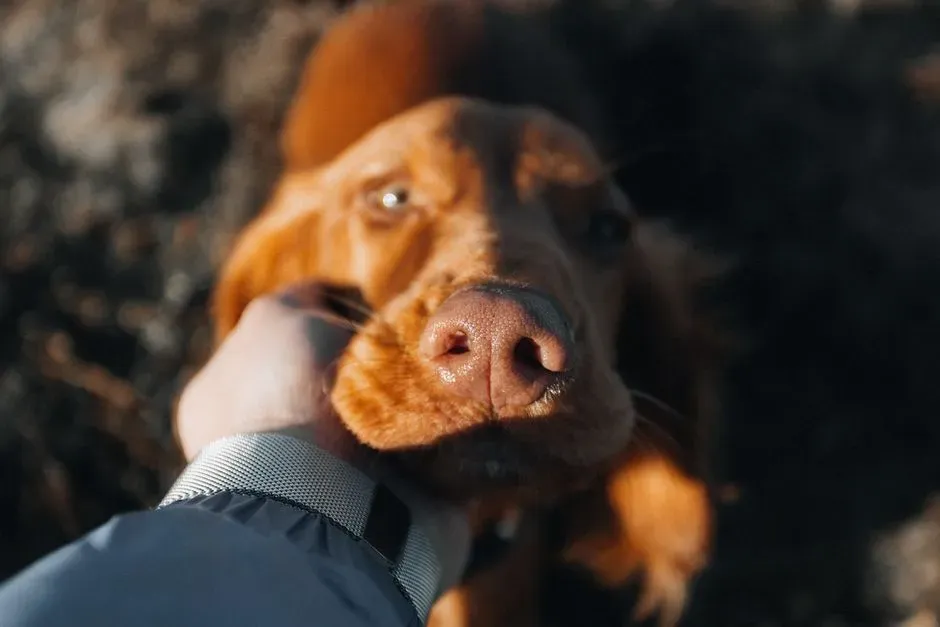
A dog’s nose operates at a level of precision that lets it distinguish between ordinary scents and those linked to heightened stress. Research shows untrained dogs can identify differences in sweat and breath samples taken during calm versus stressful activities with high accuracy. These olfactory signals carry information about cortisol, the hormone that rises when people feel threatened or anxious.
Once detected, this information seems to prompt dogs to adjust their position relative to their owner. They may move closer or angle their body in a protective manner without any training involved. The behavior appears rooted in their natural drive to stay attuned to the pack’s well being.
Cortisol Spikes and Human Stress Signals
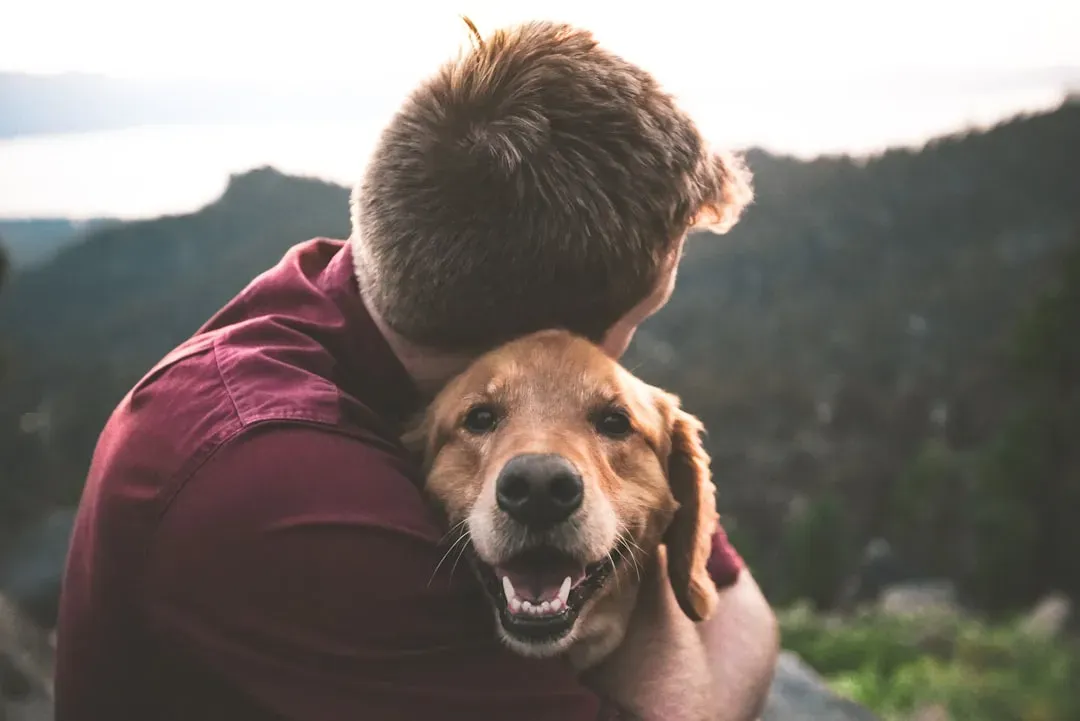
Cortisol plays a central part in the body’s response to perceived challenges, flooding the system during social encounters that feel uneasy. Humans release it in response to unfamiliar faces or tense interactions, and the changes become detectable through multiple channels. Dogs appear especially responsive to these shifts when they involve their primary caregiver.
Studies tracking long term hormone levels reveal that dogs often mirror the stress patterns of their owners over time. This synchronization suggests a shared emotional rhythm rather than isolated reactions. When a particular person enters the space and elevates those levels, the dog’s positioning can serve as an instinctive buffer.
Attachment and Protective Instincts
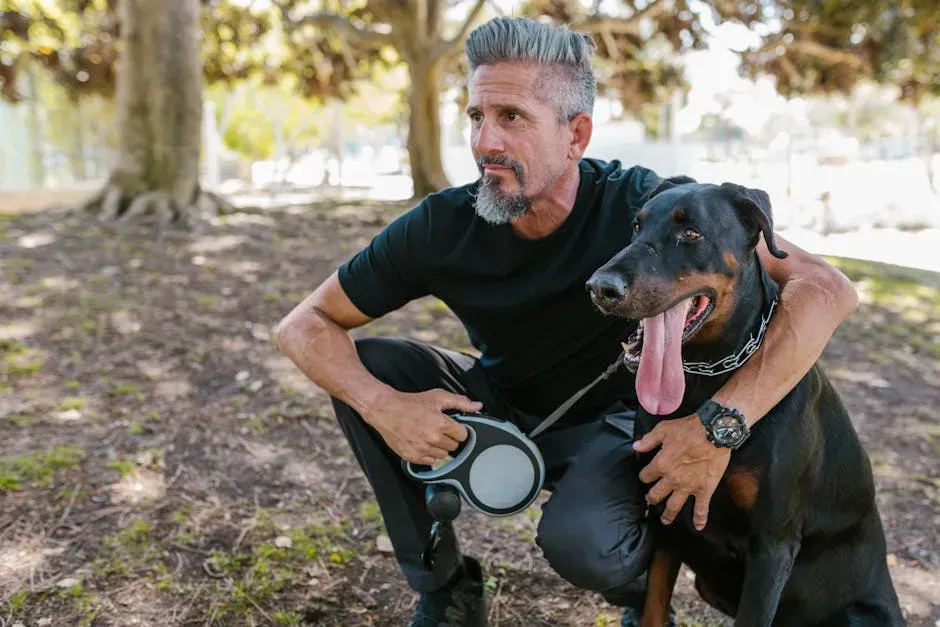
The bond between a dog and its owner often mirrors secure attachment patterns seen in other species. In situations involving an approaching stranger or unfamiliar presence, many dogs seek proximity to their person as a source of safety. This can translate into physical placement that places the dog between the owner and the source of unease.
Warm and consistent interactions strengthen this tendency, encouraging dogs to rely on their owner while also offering support in return. The result is a dynamic where the dog acts as both companion and subtle guardian. Such positioning emerges naturally from daily life rather than formal instruction.
Evidence from Behavioral Research
Experiments involving threatening approaches show dogs frequently hide behind or stay near their owners when tension rises. Owners who display warmer engagement styles tend to have dogs that seek this closeness more readily during stressful tests. These patterns hold across different breeds and living situations.
Additional work on scent detection confirms that dogs react emotionally to stress odors, becoming more cautious or pessimistic in uncertain scenarios afterward. The combination of smell and visual cues creates a layered response that includes strategic body placement. Findings remain consistent enough to suggest a reliable instinct at work.
How Dogs Respond in Real Situations
In everyday settings like gatherings or walks, dogs often insert themselves when a new arrival coincides with subtle tension. They may stand or sit in a way that creates separation without aggression, simply occupying the space between. This response can happen quickly, before the owner registers any discomfort.
Owners sometimes notice their dog becoming unusually still or attentive during these moments. The behavior serves as an early indicator that something in the environment has shifted. Over repeated observations, it becomes clear this is not random but tied to the owner’s internal state.
Benefits of This Behavior for Owners
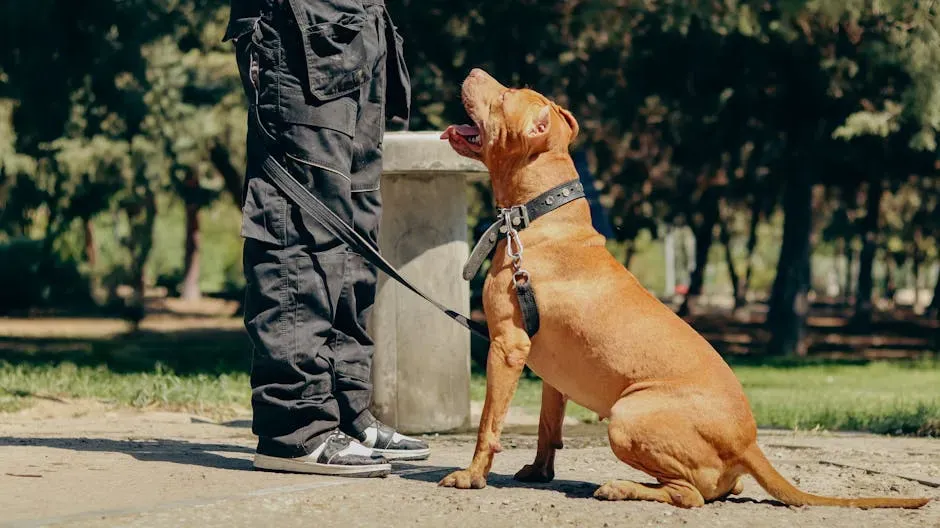
Having a dog that positions itself this way can provide a sense of security during uncertain social encounters. It offers a living reminder that the animal is monitoring the surroundings on the owner’s behalf. Many people report feeling calmer simply because their dog has taken up that spot.
The action also reinforces the mutual reliance that defines strong human dog relationships. It turns ordinary moments into opportunities for quiet reassurance. Owners who recognize this pattern often feel more connected to their pet’s perspective on the world.
Reflecting on the Human Dog Connection
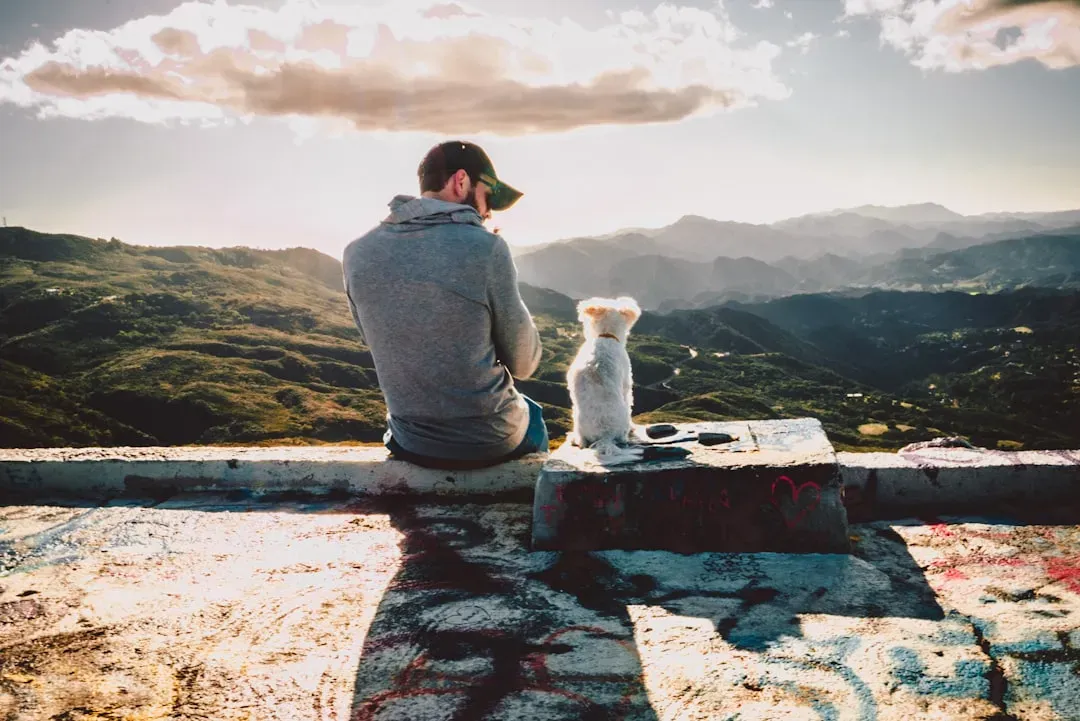
This instinctive positioning highlights how deeply dogs have adapted to human emotional lives. It points to a partnership built on mutual awareness rather than one sided care. The more we notice these small acts, the more we appreciate the complexity of what dogs bring to daily existence.
Ultimately, such behaviors remind us that companionship involves shared vigilance as much as affection. Dogs continue to surprise with their quiet attentiveness, shaping how we move through the world together. That ongoing exchange remains one of the most enduring aspects of living with them.


