
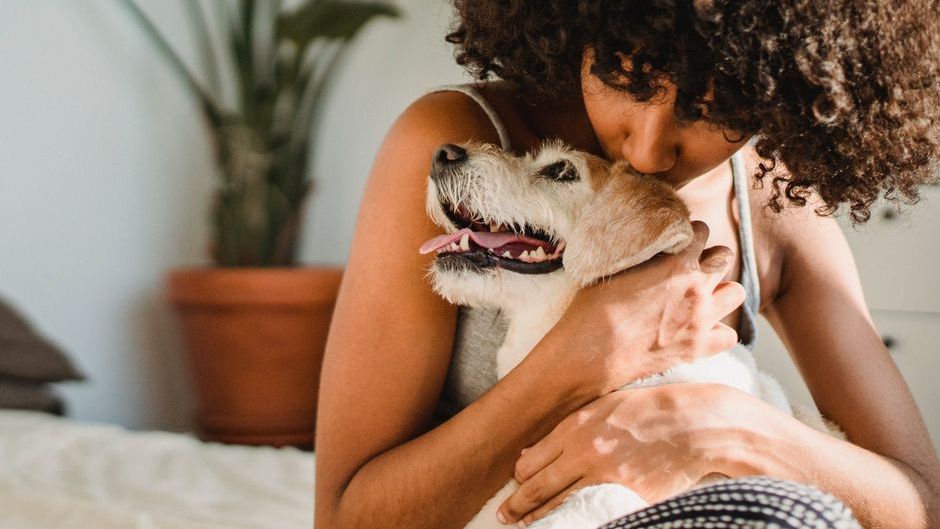
Most people assume dogs live entirely in the present – that the second the door closes, you’re gone from their minds like a dream they can’t quite hold. But that’s not what the science says. Research into canine cognition shows that dogs form deep, lasting associations through scent, emotion, sound, and routine that can persist for years – sometimes a lifetime. They don’t replay memories like a film reel. What they carry is something more primal, and honestly, more moving than that.
What’s remarkable is how much of you survives in them – not just the good days, but the quiet ones, the hard ones, the moments you barely remember yourself. The fifteen things below aren’t sentimental guesses. They’re grounded in what we actually know about how dogs remember, and a few of them will genuinely surprise you. The last one hits differently than you’d expect.
#15 – Your Predictable Daily Schedule
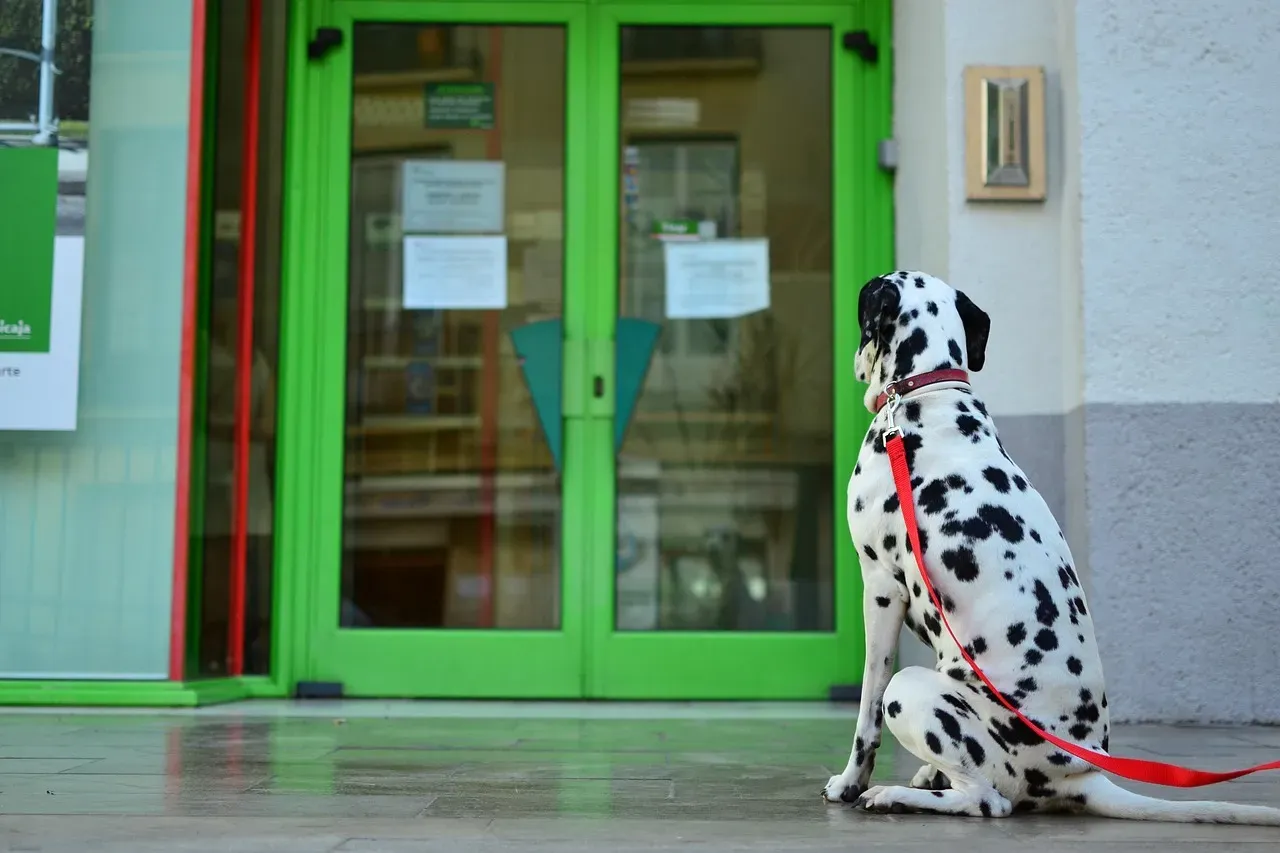
Dogs don’t own clocks, but they track time in a way that is quietly stunning. As your scent gradually fades from furniture and the air throughout the day, their brains register that fading like a countdown. Many dogs begin positioning themselves by the front door minutes before their owner arrives home – not because they heard the car, but because your smell has dissipated to a specific, familiar threshold that means you’re close.
Owners who disrupted routines during stressful periods – job loss, illness, upheaval – often noticed their dogs acting unsettled, then recalibrating. But here’s the thing: the original expectation never fully erased. It just waited. That internal timeline you built together, through hundreds of ordinary mornings and evenings, becomes part of how your dog understands the world. Routine isn’t boring to them. It’s the architecture of safety.
Fast Facts
- Dogs use scent dissipation – not sound alone – to anticipate your arrival home
- Canine long-term memory can persist for years and is anchored in sensory and emotional cues
- Routine disruptions cause measurable anxiety responses, but the original pattern remains stored
- Dogs possess multiple memory systems: short-term, long-term, procedural, spatial, and social
#14 – The Unique Scent of Your Skin and Clothes
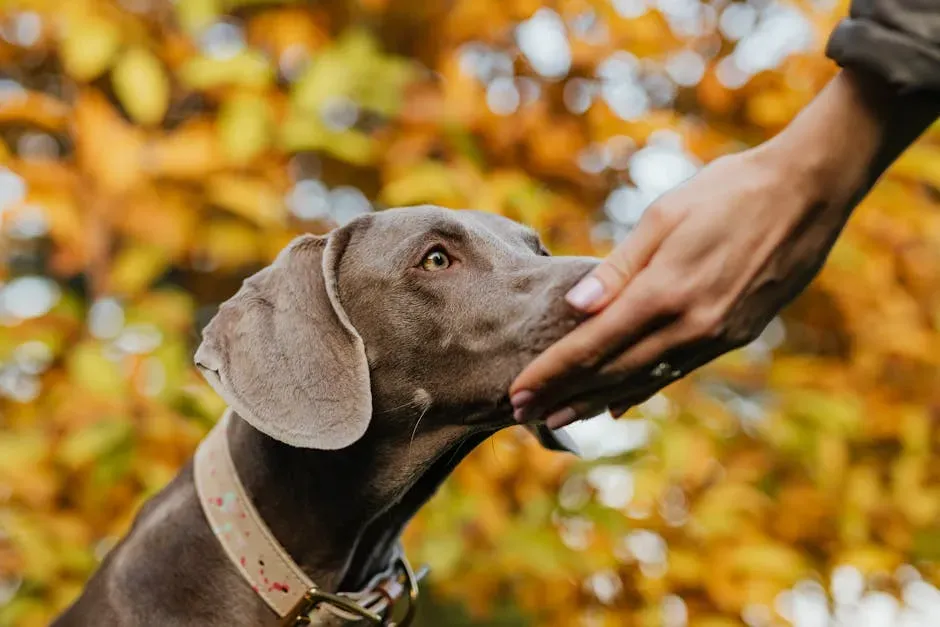
If a dog had to pick you out of a crowd blindfolded, they would win every time. Dogs have roughly 125 million to nearly 300 million olfactory receptors depending on the breed – compared to around 5 to 6 million in humans – and their olfactory epithelium spreads across an area roughly the size of a pocket handkerchief versus a postage stamp in us. Your individual scent is as distinct to them as a fingerprint, and it imprints early and deep. Shelter workers have reported dogs visibly brightening the moment a long-lost owner’s scent drifts through the door, even before the person is seen or heard.
What’s sobering is that this works in both directions. Positive scent associations create comfort that lasts years. But negative experiences – fear, pain, conflict – can attach to a person’s smell just as permanently, creating avoidance responses that resist easy rewriting. Your scent isn’t just how your dog finds you. It’s how they file everything they know about you.
#13 – The Sound and Tone of Your Voice
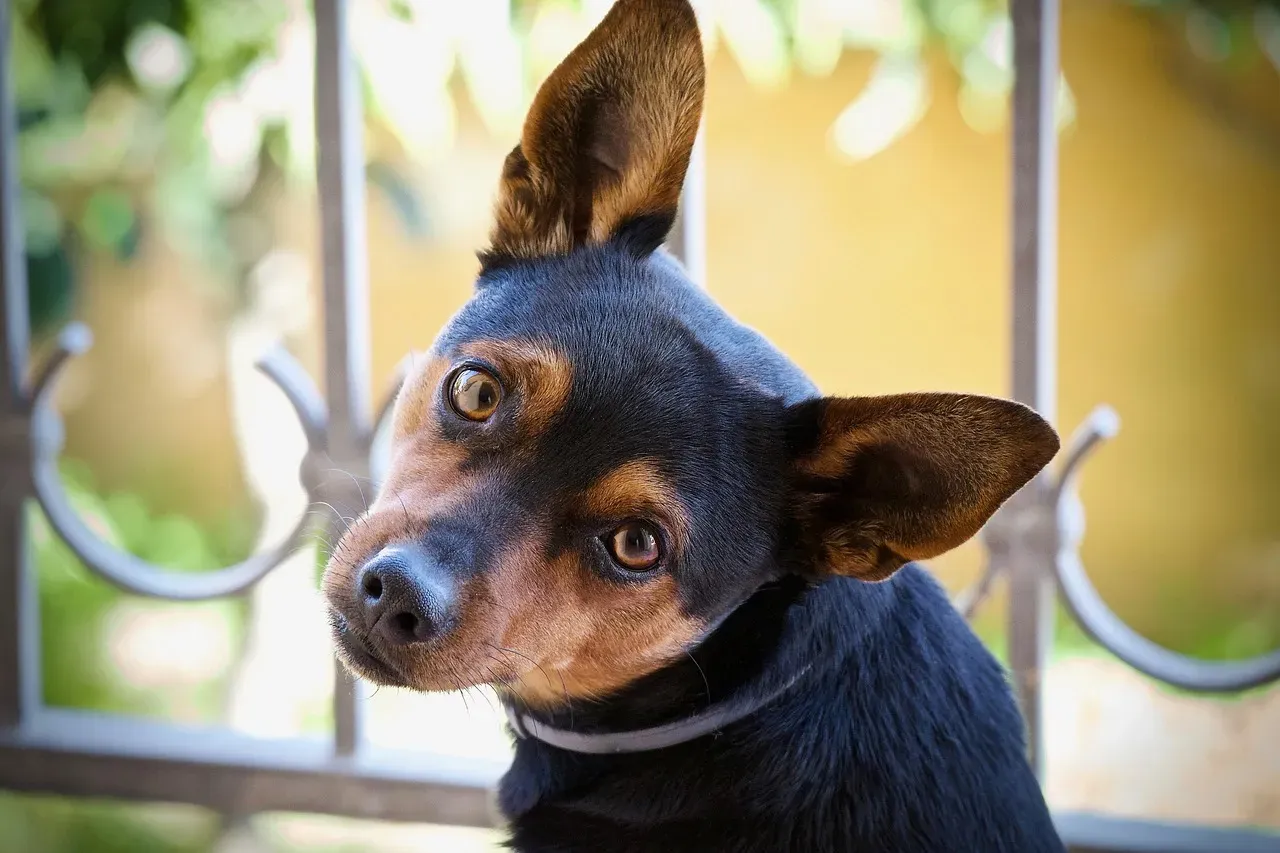
Dogs don’t just hear words – they process voice, tone, and face together in a way that creates something like a full sensory portrait of you. Research has shown that dogs actually expect to see your face when they hear your voice, suggesting they hold a mental image of you tied directly to your sound. Your specific pitch and cadence become a signature they recognize with striking accuracy, even across years.
The tone you used during hard days matters more than most owners realize. A calm, low voice during a crisis registers as a safety signal that dogs carry forward. Harsh or erratic tones create avoidance memories that some behaviorists argue can be harder to overwrite than the positive ones. The good news: your voice, used with patience, is one of the most powerful bonding tools you have – and one of the longest-lasting.
#12 – Those Specific Play Sessions and Games
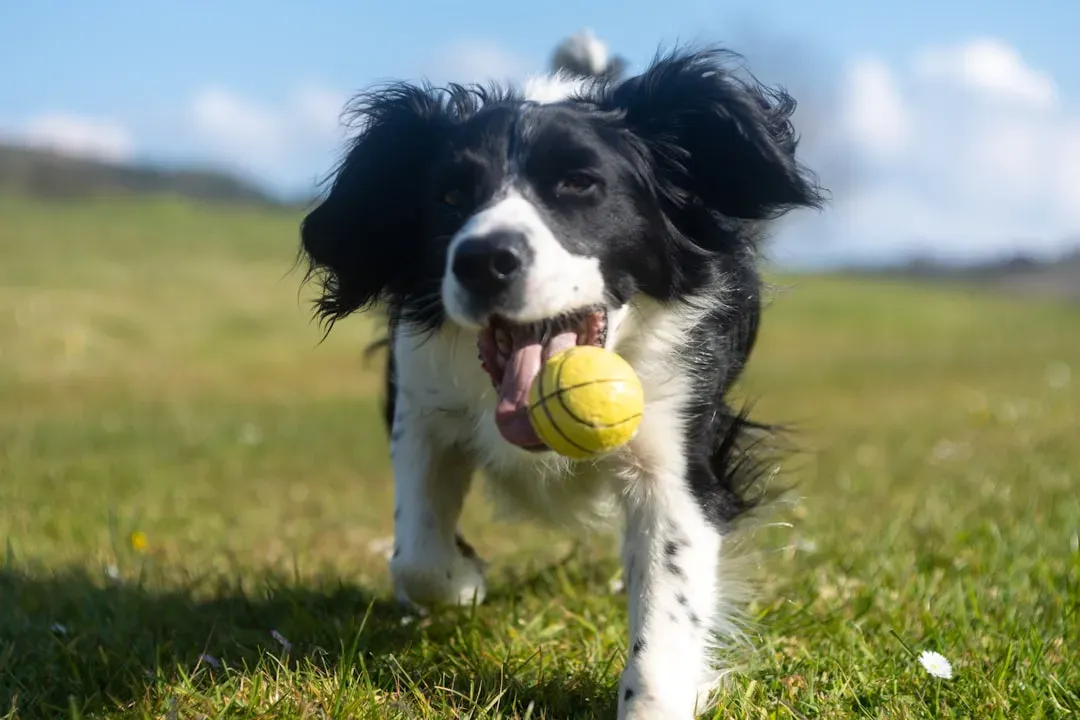
The goofy, invented games that belong only to the two of you – the specific way you fake out your dog with a tennis ball, the tug-of-war rules only you two understand – those aren’t forgotten. Dogs demonstrate episodic-like memory, meaning they can recall specific one-time events and interactions with their owners, not just repeated habits. A landmark study published in Current Biology found that dogs succeeded in recalling and repeating a human demonstrator’s actions in 33 out of 35 trials – and that this memory shows the same decay pattern as human episodic memory. Play sessions release bonding hormones in both species, which essentially tags the memory as important.
During hard times, play is usually the first thing to go. Life gets heavy, routines collapse, and the fun disappears for a while. But the remarkable thing is that earlier play memories don’t fade during that gap – they wait. Owners consistently report that dogs light up for a favorite game even after months without it, responding with the same enthusiasm as the very first time. That joy got stored, and it stayed stored.
#11 – The Routes and Adventures You Shared on Walks
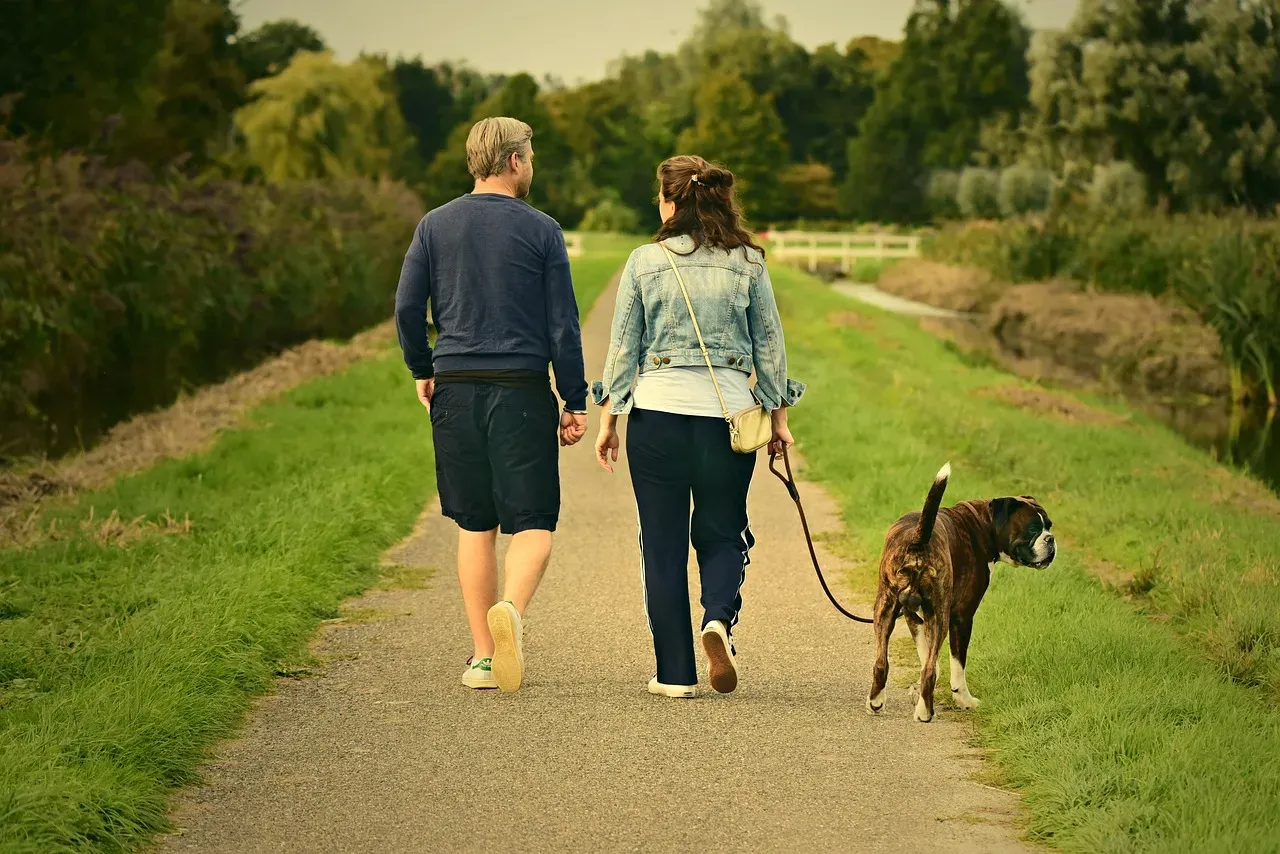
Every walk you took together built something invisible: a shared spatial and emotional map. Dogs remember specific routes, turns, and scent landmarks with impressive precision. More than that, they remember the feeling of those paths – the freedom, the togetherness, the particular rhythm of moving through the world beside you. Owners frequently describe dogs pulling hard toward old favorite trails years after they stopped going there regularly.
The memories that seem to anchor most deeply are the ones that broke from ordinary routine – the longer-than-usual ramble on a bad afternoon, the impromptu detour to somewhere new. Those stood out then, and they stand out still. Your dog didn’t just walk those paths. They lived them with you, and that distinction matters to whatever part of their brain holds onto things worth keeping.
#10 – The Exact Treats and Feeding Rituals
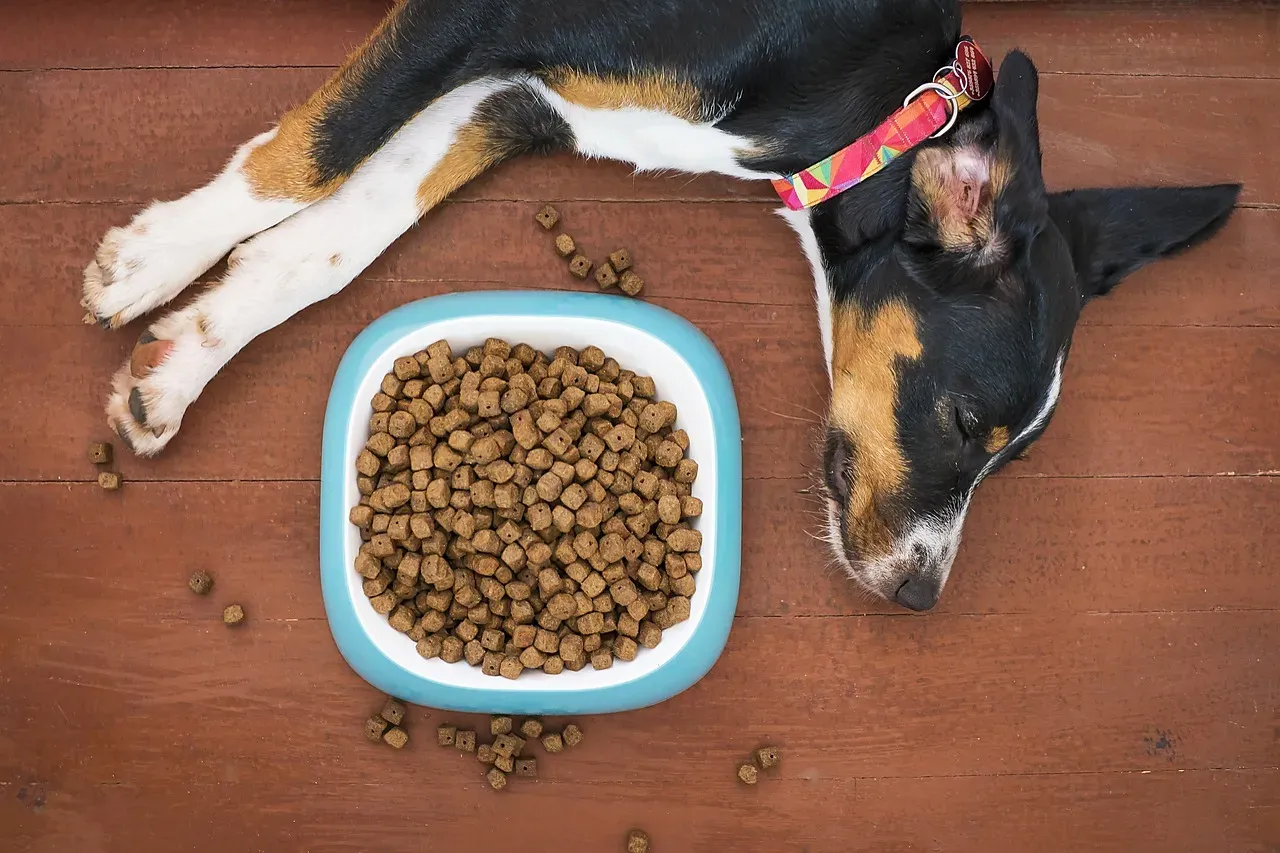
It’s easy to dismiss this one as purely appetite-driven, but the research tells a more layered story. Dogs don’t just remember their favorite treats – they remember the entire ceremony around receiving them. The hand that offered the treat, the words said before it, the pause and the eye contact. The human element of the exchange creates the lasting bond; the food is almost secondary. Mealtime, done with any consistency, becomes a ritual of trust as much as nutrition.
What’s striking is that dogs can recall preferred feeding styles and specific treats from years prior without any reinforcement in between. During periods when routines fell apart – when meals happened at odd hours or the usual rituals got skipped – most dogs adjusted without catastrophe. But return to the original pattern later and watch their body language. They remember exactly how this was supposed to go.
At a Glance: How Dogs Store Memories
- Associative memory – links scents, sounds, and actions to emotional outcomes
- Procedural memory – stores trained behaviors and motor skills for years, possibly permanently
- Episodic-like memory – recalls specific events including what happened, where, and the sequence
- Spatial memory – maps routes, locations, and scent landmarks in the environment
- Social memory – tracks individual people, their roles, and emotional histories
#9 – Quiet Moments of Affection and Touch
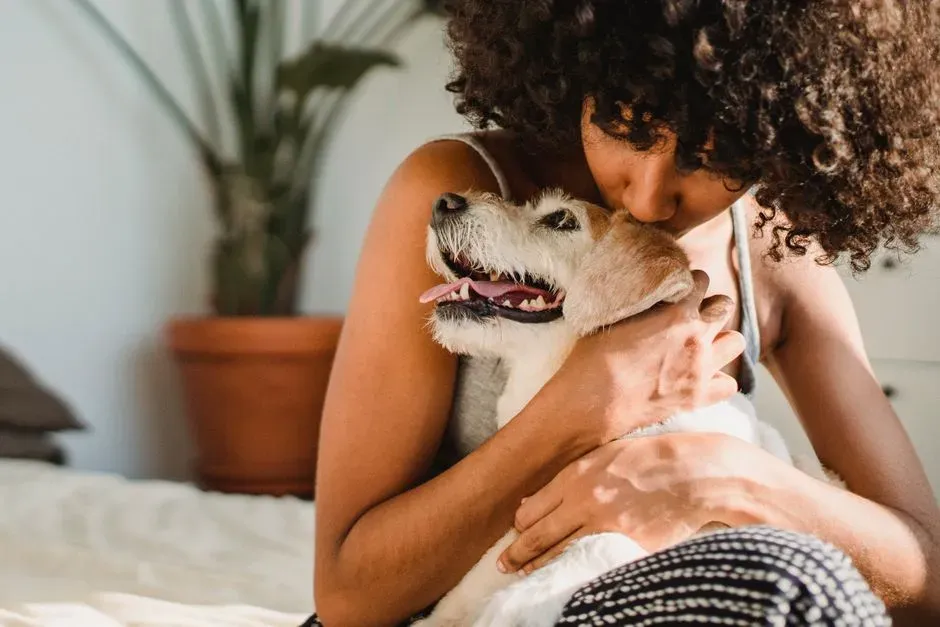
The way you scratch behind their ears, the specific spot on their chest they always guided your hand toward, the weight of your arm around them on the couch – these aren’t small things in a dog’s emotional memory. Research published in Science found that mutual gaze between dogs and owners triggers oxytocin release in both species, creating a self-perpetuating bonding loop similar to the one seen between human mothers and infants. Your particular way of showing physical affection becomes a comfort signature that dogs seek out again and again.
One thing that often goes undiscussed: inconsistent affection can leave stronger negative traces than people expect. Dogs that received warmth unpredictably sometimes show more anxiety than those who had steady, predictable contact. This doesn’t mean you need to be perfect – but it does mean that the gentle, reliable moments of connection you offered your dog weren’t lost on them. They became a baseline for what safety feels like.
#8 – Commands and Training Lessons You Taught
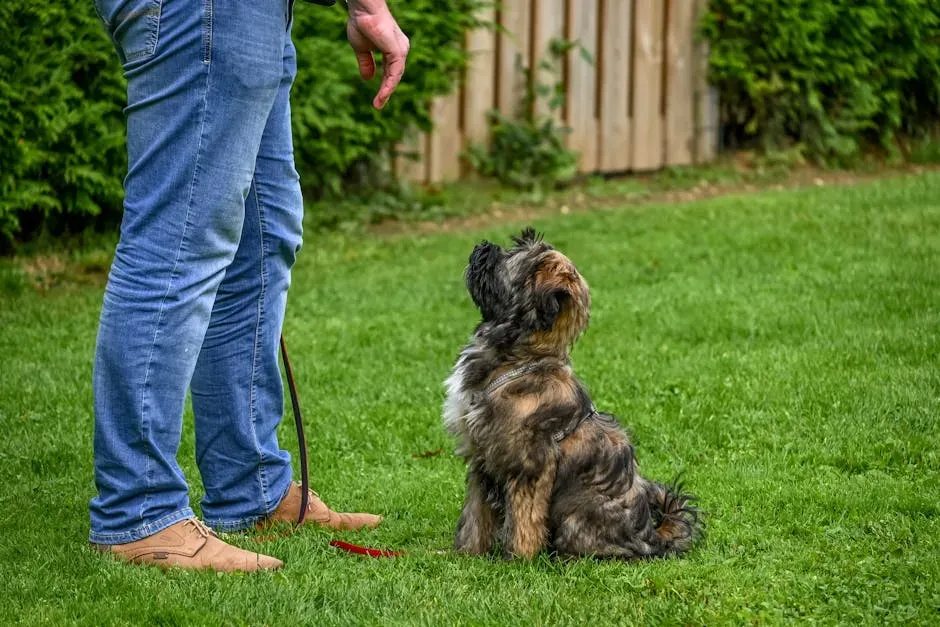
Procedural memory – the “how to do something” kind – is remarkably durable in dogs. Trained behaviors don’t require constant reinforcement to survive. Studies show that certain actions a dog does not practice regularly can still be retained and repeated over ten years later, and a dog’s ability to respond to verbal commands may even represent a permanent memory. Your voice paired with a specific gesture or command creates a linked memory that can hold for a decade or longer.
During hard stretches when training lapsed entirely, most owners assumed their dog had lost ground. Often, they hadn’t. The foundation was still there, just waiting to be called on. What makes this more than a party trick is what it represents: your dog remembers not just the behavior, but who taught them. The command and the relationship are stored together. When you ask, you’re not just giving an instruction – you’re pulling on a thread connected to your entire shared history.
#7 – Your Emotional State and Stress Signals
Dogs are extraordinarily tuned to human emotional states – not just in the moment, but across time. They read micro-shifts in body language, the chemical changes in your sweat when you’re anxious, the way your breathing changes under stress. Research on emotional contagion shows they don’t just detect these signals; they absorb and mirror them. A household running on chronic stress leaves marks on a dog’s nervous system that behavioral researchers increasingly take seriously.
The flip side is genuinely beautiful. Dogs also remember the moments when tension broke – when you finally exhaled, when you laughed after a long dark stretch, when you sat on the floor and let them climb all over you because nothing else mattered. Those moments of mutual relief get stored too. They remember you carried something heavy, and they remember the times you set it down long enough to just be present with them.
Worth Knowing
- Dogs detect chemical stress signals in human sweat and mirror emotional states back to their owners
- Oxytocin levels in both dogs and owners rise during mutual gaze and reciprocated affection – not just one-way touch
- Emotional memories tied to relief and safety are stored just as durably as memories tied to fear
- Dogs’ brains process human voice, tone, and facial expression together as a unified emotional portrait
#6 – Interactions With Other Family Members or Pets
Your dog isn’t just building a memory of you – they’re building a social map of everyone connected to you. Kids, partners, other animals, frequent visitors – dogs track these relationships over time, noting alliances, tensions, and shifts in dynamic with quiet attentiveness. They remember which humans in the group made them feel safe, which ones were unpredictable, and crucially, how you fit into all of it.
The memories that tend to anchor most strongly involve moments where you were protective or playful – where your role in the social group was clearly defined and positive. Dogs that lived through family changes, separations, or the arrival of new people often use their established memory of you as a reference point for how to feel about what comes next. You are, in some meaningful sense, their compass for navigating everyone else.
#5 – Special Events Like Holidays or Trips

Novelty amplifies memory – that’s true for humans, and it appears to be true for dogs as well. One-off celebrations, holiday gatherings, road trips, or visits to unusual places create standout episodic memories precisely because they contrast so sharply with ordinary life. The collective energy of an excited household, the disruption of normal rhythms, the sensory overload of new smells and sounds – these experiences get flagged as significant and held differently than a regular Tuesday.
During hard periods when everything felt gray and repetitive, those brighter memories appear to act as emotional anchors. Owner accounts and limited behavioral studies both suggest dogs can recall the atmosphere of unique events years later, showing distinct recognition responses to cues associated with those occasions. The extraordinary days didn’t just pass. They left something behind in both of you.
#4 – How You Comforted Them Through Their Own Struggles
Think about the last time your dog was truly frightened – a thunderstorm, a vet visit, a painful recovery. Who they turned to in that moment, and whether that person came through, gets recorded at a deep level. Emotional memory research shows dogs retain strong associations around who helped them feel safe during distress. These moments often outweigh hundreds of ordinary pleasant interactions in terms of their impact on long-term attachment.
The most quietly powerful evidence of this: dogs separated for long periods from a specific person – sometimes years – will often seek out that same person immediately upon reunion, bypassing others who have been consistently present in the meantime. Some claim dogs forget pain quickly and don’t hold grudges or gratitude the way humans do. But your role in their recovery, your presence during the hard moments that were theirs, lingers in ways that pure pain-forgetting doesn’t erase.
The dog lives in the present, but the heart of a dog holds its history.
Jeffrey Moussaieff Masson, Dogs Never Lie About Love
#3 – Your Personal Quirks and Habits
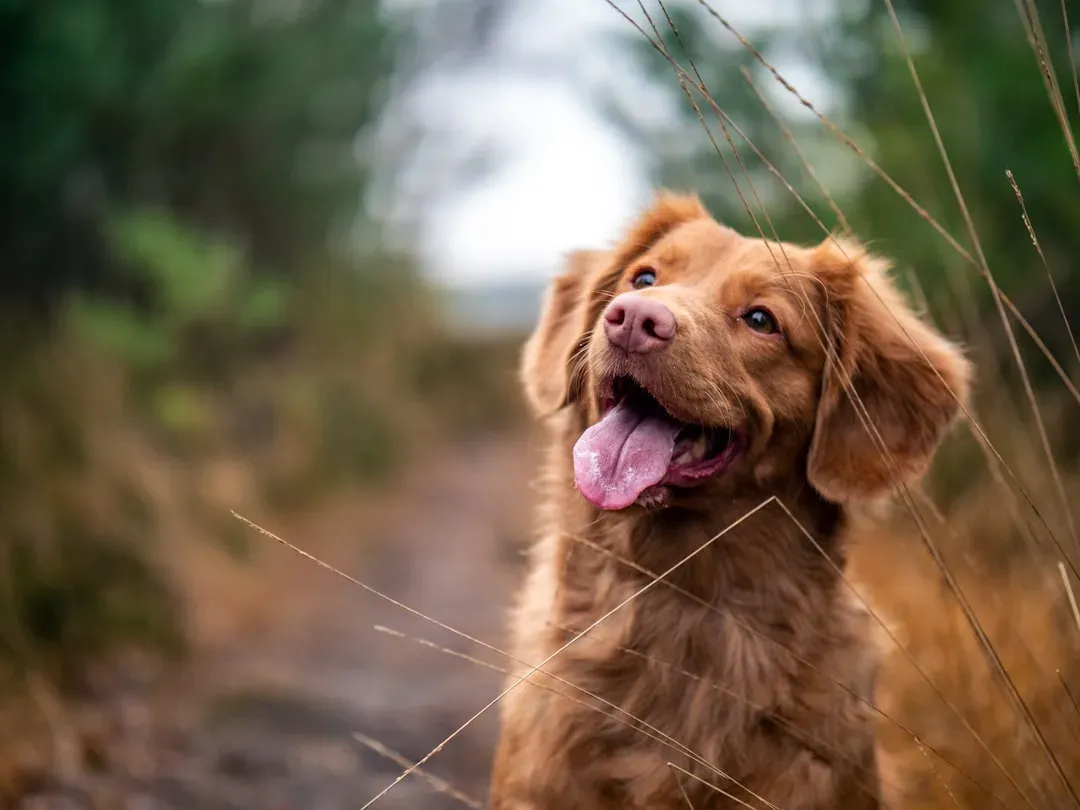
Your specific laugh. The particular whistle you use before walks. The way you talk to yourself in the kitchen. The odd little ritual you have before bed. To you, these are just the background noise of being you. To your dog, they are a detailed identity portrait, refined over thousands of small observations. Recognition studies show dogs notice and remember subtle human mannerisms with a specificity that goes far beyond simply knowing “this is my owner.”
These micro-details matter most during reunions after long absences or hard separations. Dogs don’t just recognize your face or your smell in isolation – they recognize the whole constellation of small behaviors that make you distinctly you. That recognition visibly moves them in ways that are hard to explain away as simple appetite or habit. They didn’t just know you. They studied you, without you ever realizing it.
Quick Compare: What Dogs Remember vs. What Most People Assume
- Most people assume: Dogs forget quickly when routines break
What research shows: Original patterns remain stored and re-activate when cues return - Most people assume: Dogs only recognize owners by sight
What research shows: Scent, voice, gait, and personal quirks all form a unified recognition portrait - Most people assume: Training fades without constant reinforcement
What research shows: Procedural memories can persist 10+ years with minimal repetition - Most people assume: Dogs don’t recall specific one-time events
What research shows: Episodic-like memory for unique experiences is well-documented in canines
#2 – The Feeling of Unconditional Acceptance From You
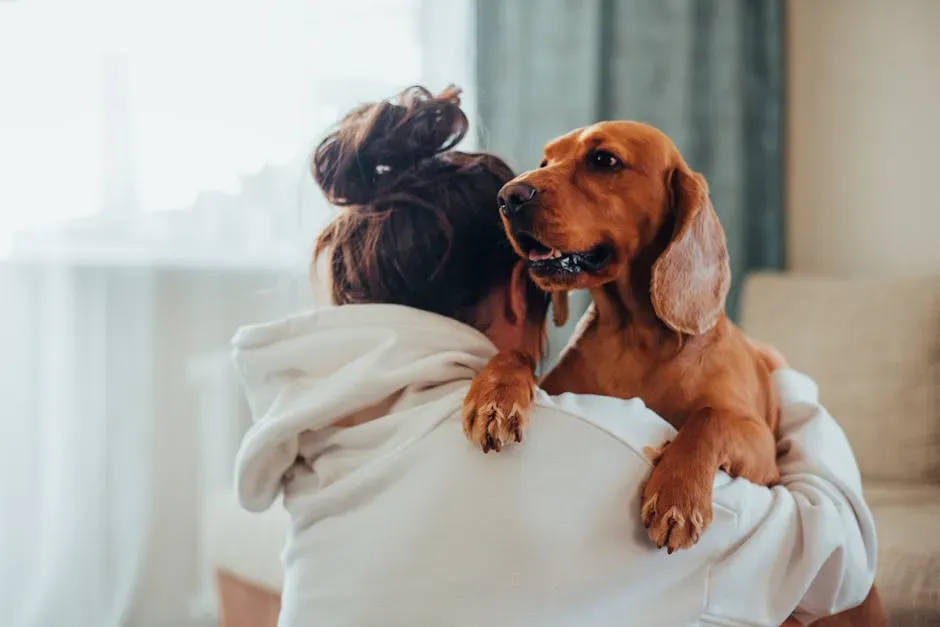
Dogs make mistakes. They chew things they shouldn’t. They bolt when they were supposed to stay. They bark at the wrong moment and knock over the wrong thing. And most of the time, you loved them anyway – not strategically, not conditionally, just anyway. That experience of being fully known, fully seen, and still chosen creates a core emotional memory that bonding research ties directly to oxytocin pathways reinforcing long-term attachment.
Years later, this memory surfaces not as a specific recalled moment but as a body state – the deep, physical relaxation that your dog only achieves around you. The slowing breath, the limp and trusting lean, the eyes that close completely because there is nothing to guard against here. Some owners believe dogs move on easily and don’t carry emotional histories the way humans do. The evidence suggests otherwise. What they carry is exactly this: the memory of what it felt like to be safe with you.
#1 – The Profound Sense of Home and Belonging You Created
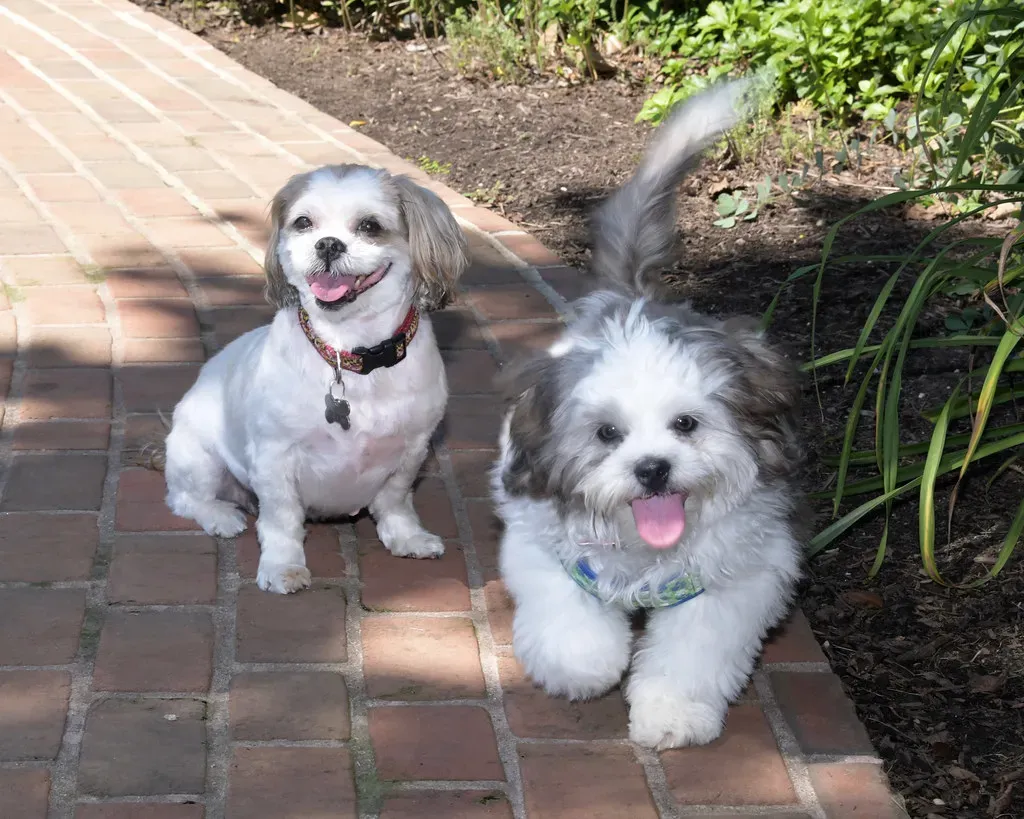
Everything else on this list feeds into this one. Your scent, your voice, your routines, your touch, your laugh, your presence during the worst nights – all of it combines into something a dog holds as the most important fact of their emotional life: you made the world feel like home. Not a place. A person. Long-term memory in dogs prioritizes emotional security above specific events, and the association of you with that security is among the most durable things their minds can hold.
This is why reunion videos wreck people. A dog that hasn’t seen their person in two years, three years, sometimes longer – and the recognition is immediate, overwhelming, and completely unambiguous. It’s not just excitement. It’s the relief of something returning that was never really forgotten. And it’s why dogs adopted after loss or abandonment can eventually rebuild that same feeling with someone new – because what they’re searching for was never just a person. It was the belonging that person represented. You gave that to them. They kept it.
What Your Dog Is Actually Telling You
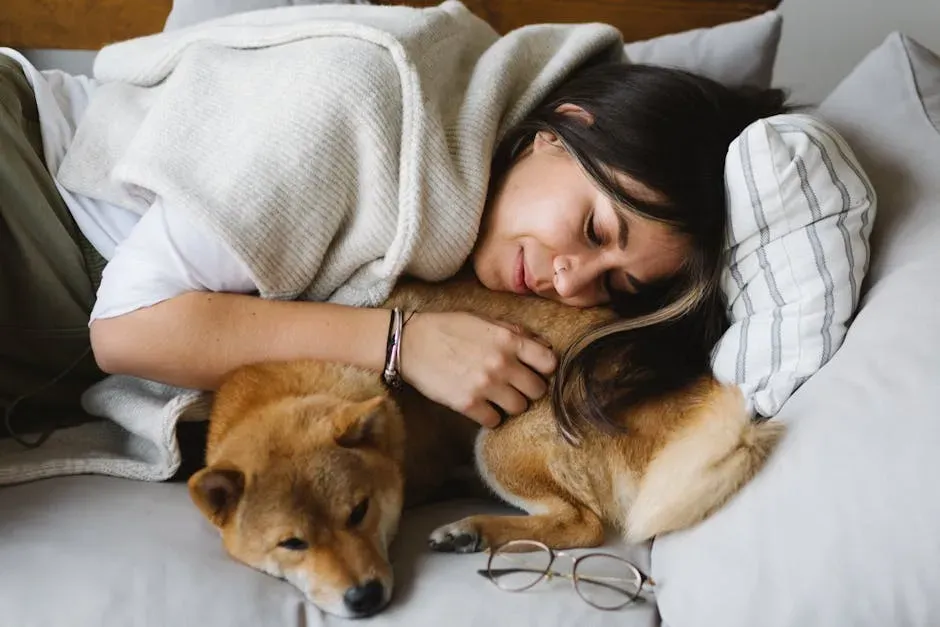
Here’s the honest conclusion: your dog is a better keeper of your story than you probably give them credit for. They don’t hold grudges the way people do, but they don’t forget the way people fear they do, either. What they carry is a precise emotional and sensory record – your smell, your sound, your warmth, your presence on the hard nights – filed away in a memory system that doesn’t need photos or journals to stay intact.
The hard days you’ve been through together didn’t disappear from their minds. Neither did the good ones. Neither did you. If anything, the science suggests that what dogs remember most reliably is exactly what most humans most want to leave behind: the realest version of who you were when things weren’t easy, and the fact that you showed up for them anyway. That’s not a small thing to be remembered for. That might be the best thing.


