
Your dog is not waiting for a grand gesture. They’re not holding out for the expensive bed, the long weekend hike, or the extra-fancy treat. What they’re actually doing, every single day, is watching you. The way you walk in the door. The tone of your voice. Whether the bowl is full at the usual time. Dogs are built to read their humans for signs of stability, and the smallest habits – the ones you barely notice – are quietly writing a story that either says you are safe here or something is off.
Most owners who struggle with anxious, clingy, or unpredictable dogs aren’t doing anything dramatically wrong. They’re just missing the micro-layer where real canine trust is built. The 16 habits below are so ordinary you probably already do some of them without realizing how much they matter. A few of the entries – especially toward the top of the list – might completely reframe how you think about your dog’s behavior.
#16 – Greeting Them the Same Way Every Time You Walk In
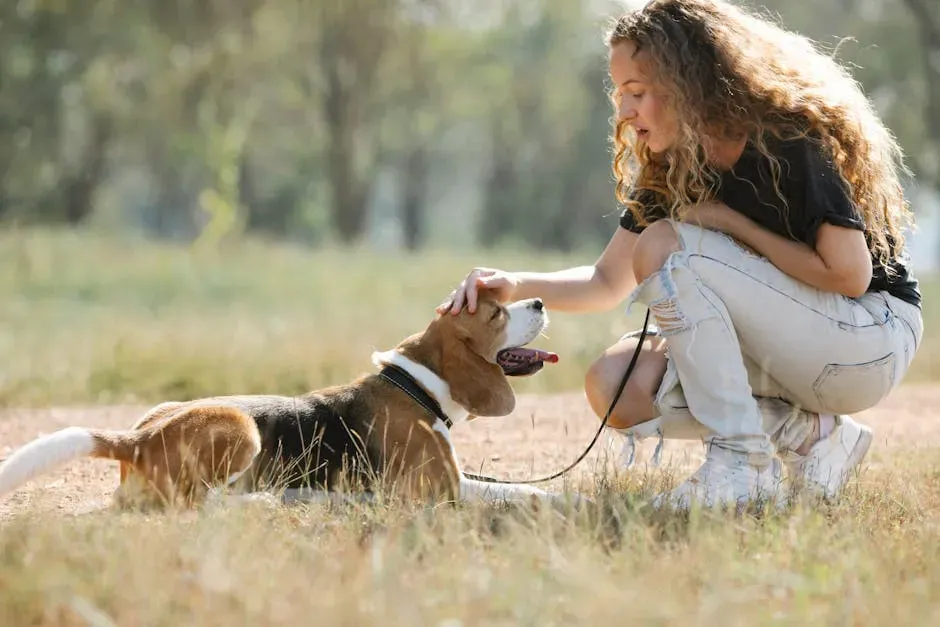
Walk in frantic and rushed one day, distracted and silent the next, and your dog’s brain has to recalibrate every single time. That inconsistency isn’t just annoying to them – it’s genuinely unsettling. Dogs don’t separate your mood from the safety of the environment. When your energy at the door keeps shifting, their nervous system keeps asking: is everything okay?
A calm, low-tone hello followed by a brief, unhurried acknowledgment is all it takes. You don’t need to make it a production – in fact, the less theatrical the better. Trainers consistently find that dogs whose owners come home with steady, predictable energy settle faster, breathe slower, and stop escalating greetings into full-body collisions of desperation. That 10-second ritual at the door carries more weight than most people ever give it credit for.
#15 – Feeding at the Exact Same Time Every Day
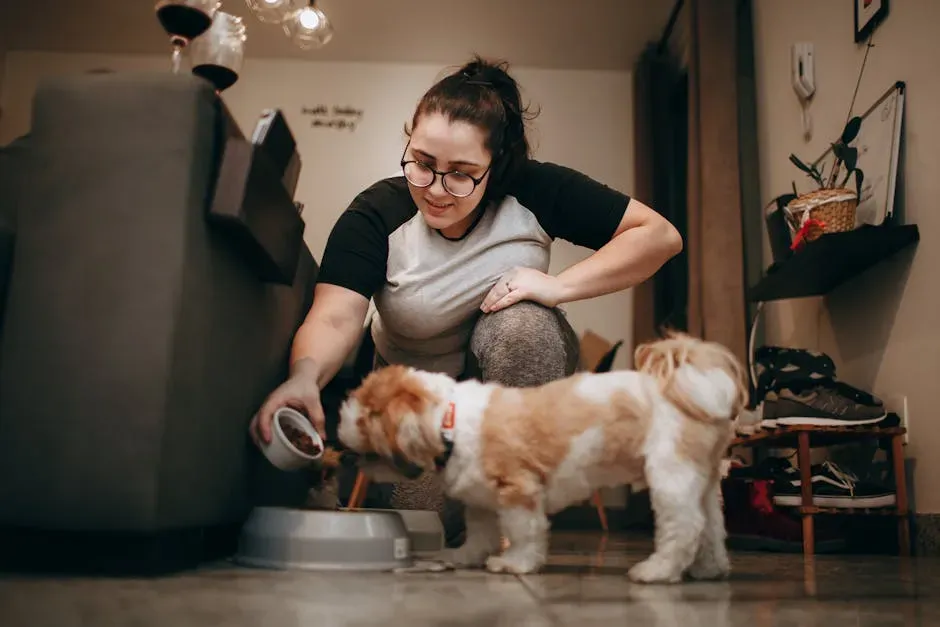
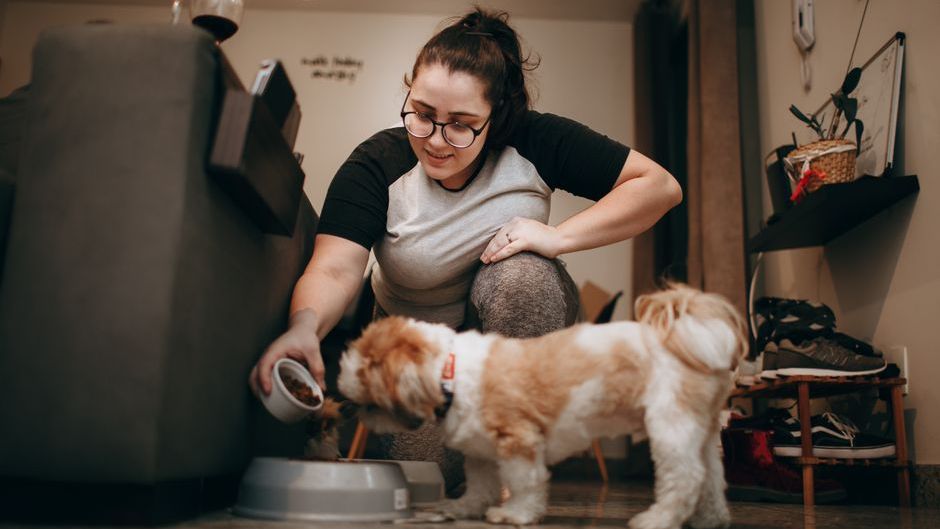
Most owners figure an hour or so of flexibility is harmless – and honestly, it seems reasonable. But dogs don’t measure time in human approximations. They track it in body rhythms, light shifts, and pattern recognition, and when the bowl arrives at wildly different times each day, their system sits in a low-grade holding pattern of anticipation that quietly chips away at their baseline calm.
A dog fed on a precise, reliable schedule learns something profound: my needs will be met, right on time, without me having to worry about it. Vets report fewer pacing behaviors and less food-guarding in dogs on strict routines. Some owners who locked in consistent feeding times noticed a surprising side effect within weeks – a visible drop in separation anxiety. The meal wasn’t just nutrition. It was a daily confirmation that the world runs on a trustworthy clock.
#14 – Using Their Name Only in Positive Contexts
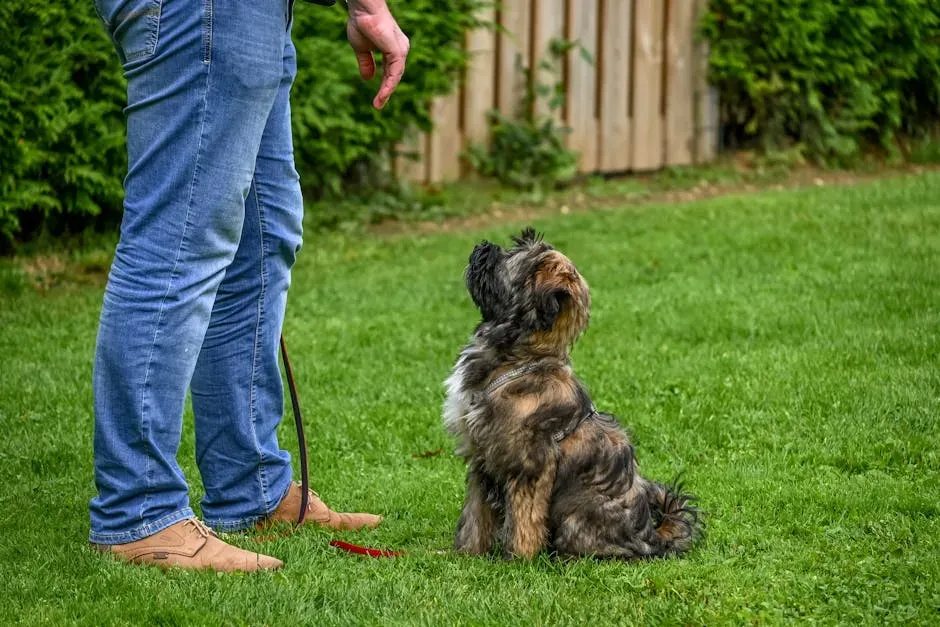
Say your dog’s name while you’re frustrated and they’ll learn to associate that word with bracing for impact. Do it enough times and you’ll notice something quietly devastating: they stop looking up when you call. They don’t ignore you out of stubbornness. They ignore you because their name stopped feeling safe to respond to.
Behaviorists are firm on this one. Reserve the name for good things – a treat appearing, a walk starting, a moment of genuine connection – and it stays a word that means something good is happening and it involves you. That daily habit compounds fast. Within a short time, just hearing their name becomes a small, reliable rush of safety instead of a reason to look for an exit.
#13 – Letting Them Sniff on Walks Without Rushing
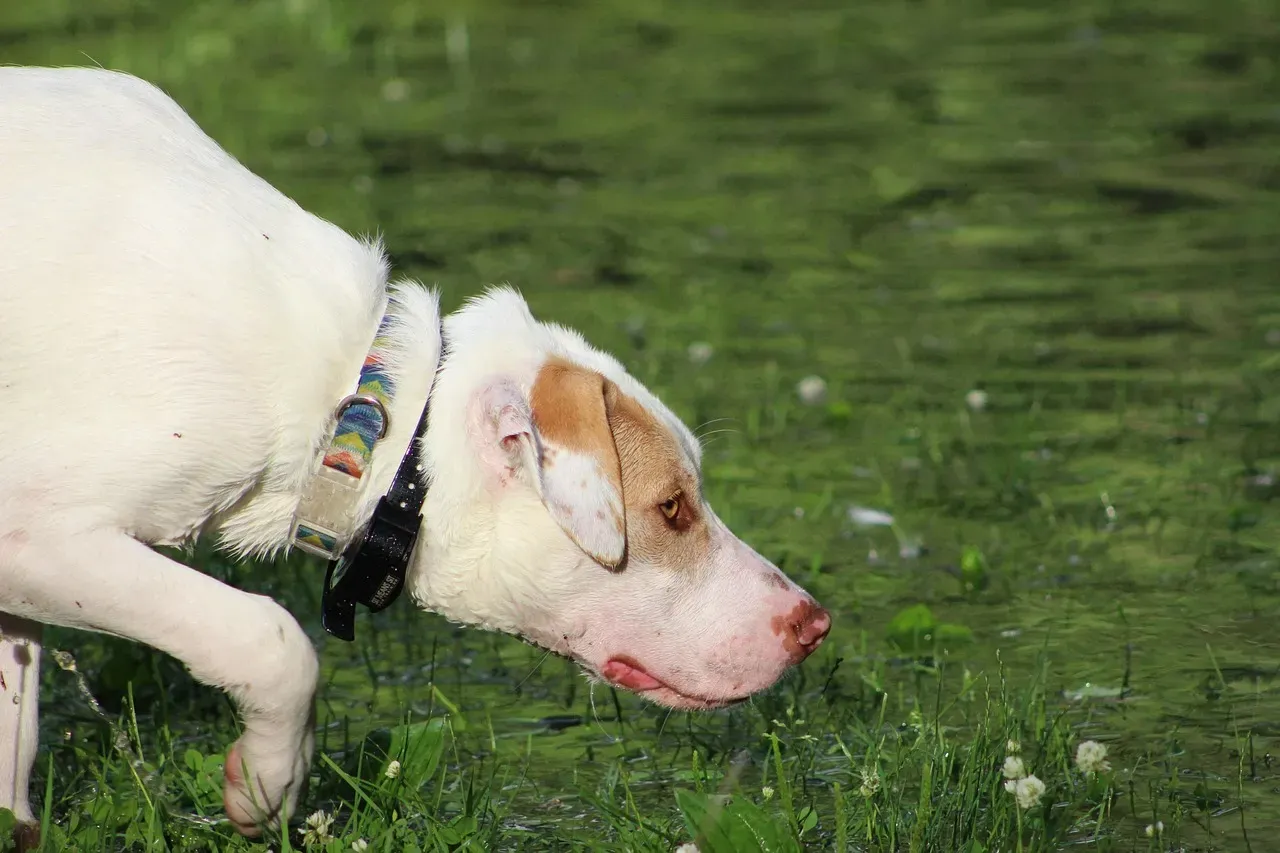
The walk isn’t the point. The sniffing is. For a dog, dragging their nose along a fire hydrant or a patch of grass is the equivalent of scrolling through a newsfeed – it’s information, stimulation, and social connection all at once. When you yank the leash the moment they stop to investigate, you’re not just interrupting a smell. You’re telling them their natural instincts are inconvenient to you.
Experts in canine enrichment consistently find that mental stimulation from sniffing calms many dogs more effectively than extra physical exercise. A 20-minute slow, sniff-heavy walk can leave a dog more settled than a 45-minute power walk on a tight leash. Letting them linger communicates something bigger than you might expect: your world is worth exploring, and I’m not in a hurry to take it from you. That’s not a small thing. That’s the foundation of shared trust.
#12 – Keeping Your Voice Volume Steady During Corrections
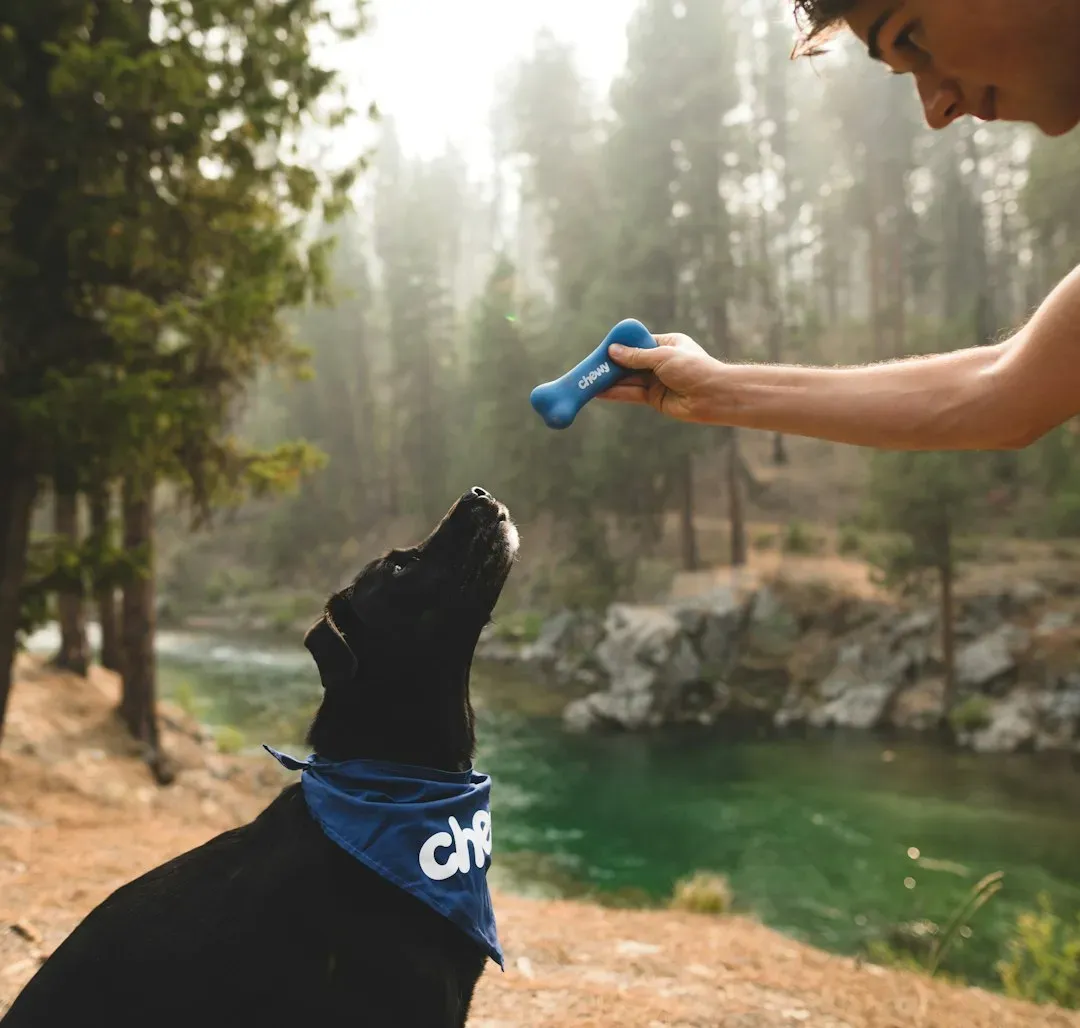
Even a small spike in volume – not yelling, just a sharp edge – can shift a sensitive dog’s experience of correction from “information” to “threat.” And once a dog decides corrections feel dangerous, they stop learning from them and start just surviving them. You’ll see it as stubbornness or shutdown. What’s actually happening is a nervous system in damage-control mode.
Trainers who commit to level, quiet voices during redirection consistently report faster learning and fewer “problem behaviors” that were never really problems to begin with. The dog isn’t confused about the rule. They’re confused about whether the person enforcing it is safe to be around. A calm voice keeps you on the same team. It says: I’m correcting the behavior, not rejecting you.
#11 – Placing Their Bed in the Same Spot Every Night
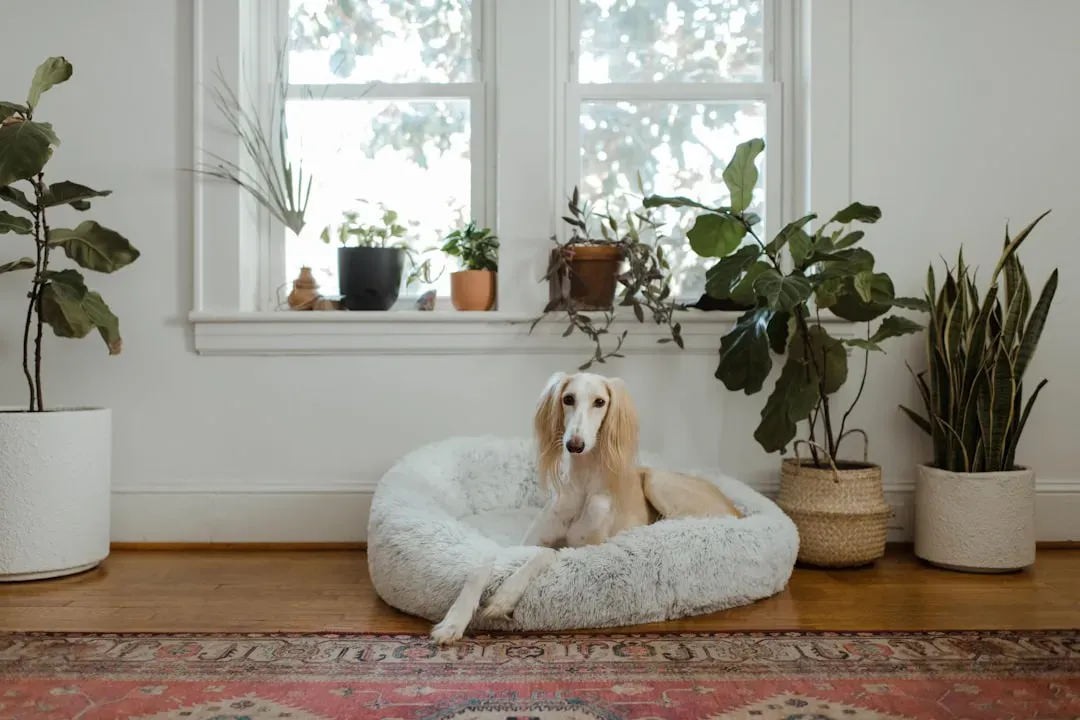
Dogs are den animals at their core. A fixed, reliable sleep spot isn’t just comfortable – it’s a psychological anchor. When you rotate the bed around the house, even with good intentions like following the warmth or rearranging furniture, you remove the one place your dog has claimed as unconditionally theirs. That matters more than it sounds.
Owners who stop moving the bed around often notice their dog starts choosing it more frequently – not just at night, but during the day when they need to decompress. Some research on canine stress indicators suggests dogs with permanent sleeping spots show lower physiological arousal at rest. The bed becomes a signal: this is where I am always safe, no matter what happened today. That kind of reliability is worth more than the fanciest mattress filling.
#10 – Touching Them Only When They Initiate
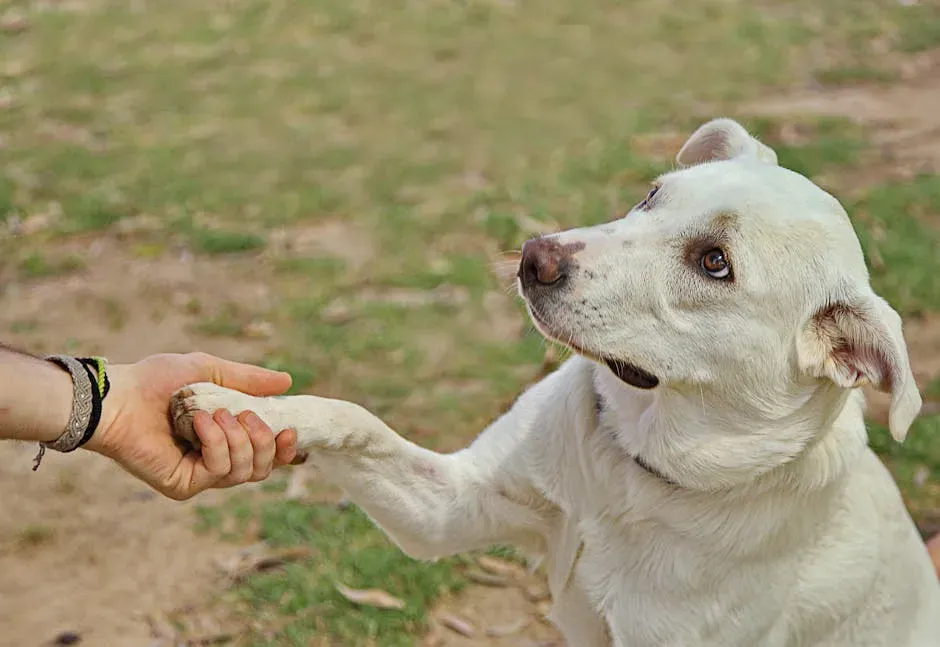
Reaching out to pet a resting dog feels like love from your side of things. From their side, it can feel like an ambush – an unpredictable interruption from a large creature who didn’t ask if now was a good time. Most dogs tolerate it. Tolerating isn’t the same as feeling safe. And the difference between the two shows up slowly, in subtle avoidance you eventually start calling “aloofness.”
Waiting for your dog to come to you, to lean in, to nudge your hand – that small act of patience is one of the most trust-building things you can offer. Studies on consent-based handling consistently show dogs relax faster and stay relaxed longer around people who wait for approach rather than initiating contact. Affection becomes a choice they’re making, not a thing being done to them. That distinction is everything.
#9 – Leaving a Light or Radio on When You Leave

Total silence and darkness in an empty house doesn’t feel neutral to a dog who already struggles with your absence. It feels like the world has been switched off. A low radio – ideally something calm, like classical music or an audiobook – provides background noise that resembles the familiar hum of human activity. It’s not a perfect substitute, but it’s remarkably effective at blunting the sharp edge of isolation.
Trainers who recommend this single change often hear back from owners within days, surprised that neighbors stopped complaining about barking or that their dog seemed calmer at the door when they returned. The house stops feeling like an absence and starts feeling like a continuation of normal. You haven’t solved every separation anxiety challenge, but you’ve turned the empty space into something that says: the world didn’t disappear, it just got quieter for a while.
#8 – Ending Every Training Session on a Success
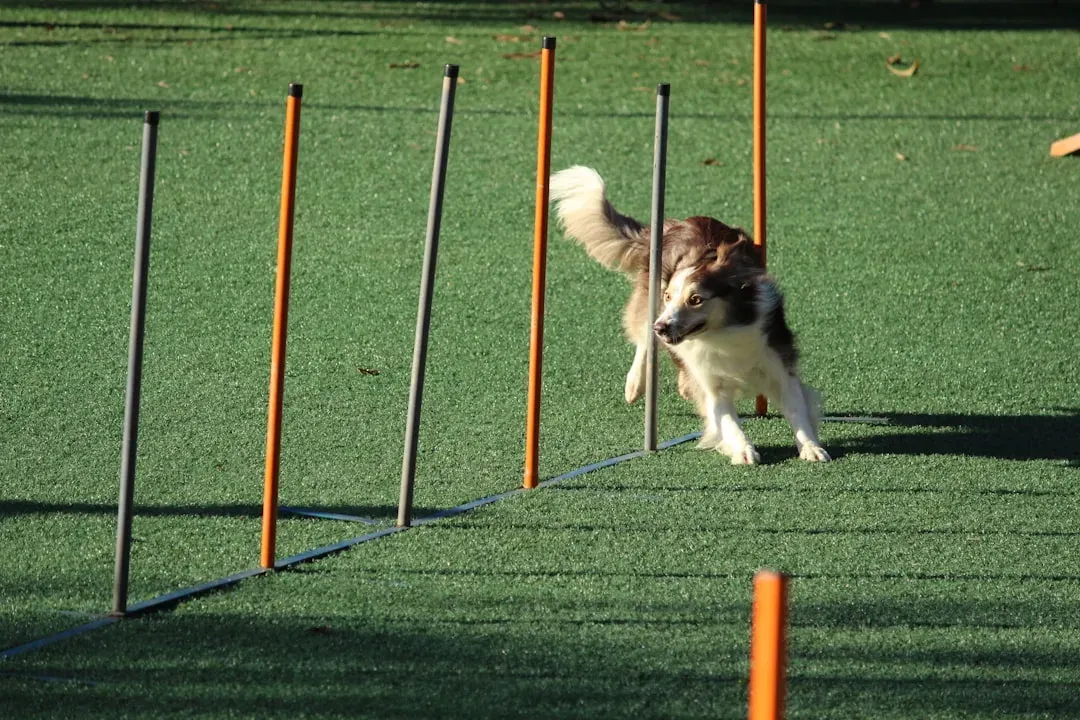
Stopping a training session after a string of failures doesn’t just leave the moment on a sour note – it leaves your dog carrying the quiet conclusion that they couldn’t figure it out. Repeat that enough times and something shifts in how they approach new learning. They stop trying boldly and start hedging, waiting to see if they’re about to get it wrong again. Behaviorists call it learned helplessness, and it creeps in gradually and invisibly.
The fix is almost embarrassingly simple: always end on something they can do. Drop back to an easy command, get a clean response, and call it there. The session ends with your dog feeling competent. That small victory becomes the emotional context they carry into the next interaction with you – and the one after that. Most trainers agree the final rep of any session matters more for long-term confidence than the total number of reps combined.
#7 – Refreshing Their Water Bowl at the Same Time Daily
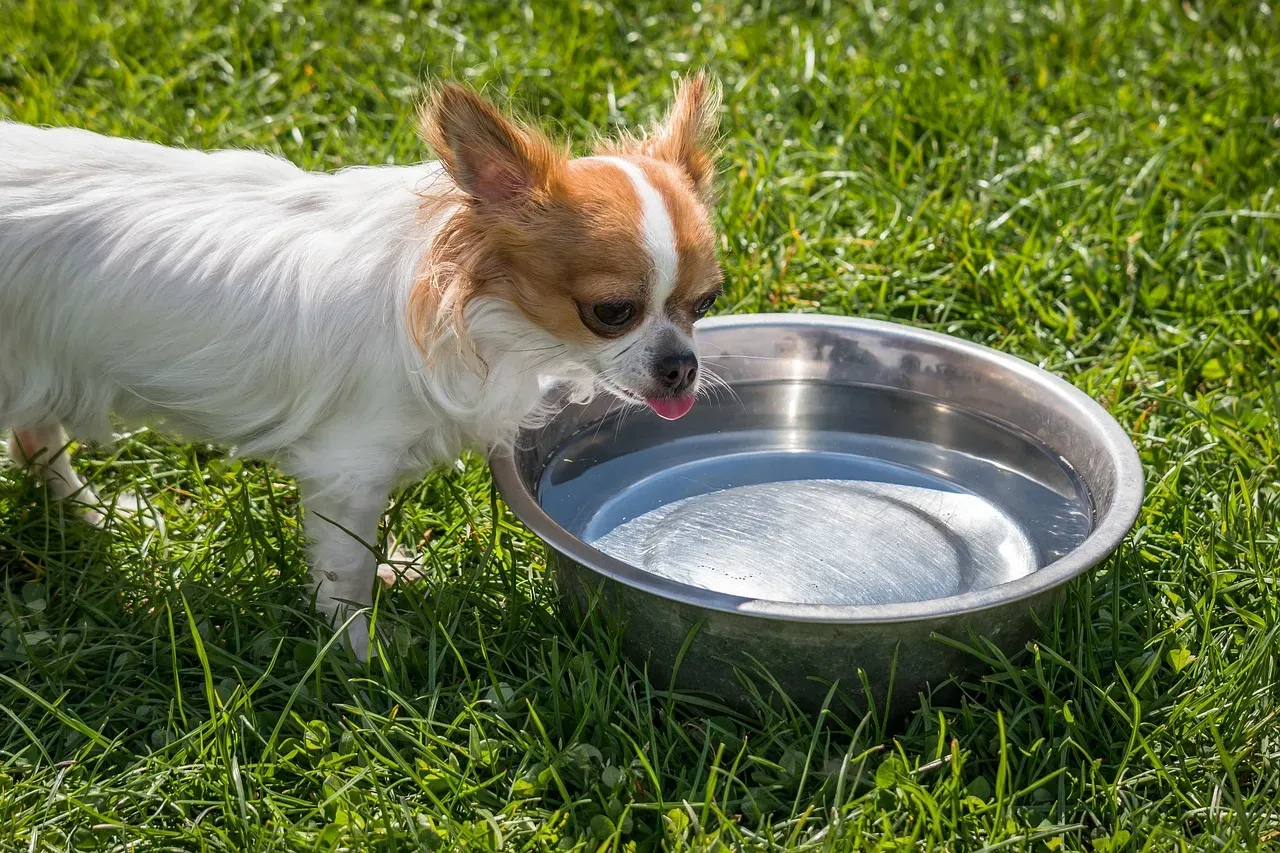
It seems almost too small to mention. But for a dog, a consistently clean, full bowl isn’t just hydration – it’s evidence. Evidence that someone is paying attention, that care arrives on a schedule, that their most basic need doesn’t require them to hope or wait or worry. Stale water or a bowl that appears randomly tells a very different story, even when you don’t realize you’re telling it.
Vets who track digestive and behavioral patterns often note that dogs on reliable hydration routines tend to drink more consistently – which in turn supports everything from joint health to emotional regulation. Something as humble as walking over with fresh water at the same time each day becomes a silent daily contract. I see you. I’ve got you. Same as yesterday, same as tomorrow. Dogs believe what they experience repeatedly, and this is one of the easiest promises to keep.
#6 – Moving Slowly and Deliberately Around Them

You reach down quickly to grab something off the floor. You spin around fast in the kitchen. You clap your hands suddenly to make a point. None of it is directed at your dog, but none of it goes unnoticed either. Quick, unpredictable movements are processed as potential threats before the brain has time to evaluate intent – that’s true for most dogs, and even more so for rescues carrying old uncertainty.
Deliberately slowing your movements around your dog – especially in close quarters – is one of those habits that sounds minor until you actually try it and watch what happens. Many dogs described by their owners as “nervous” or “skittish” visibly shift once the humans around them become more predictable in their physical presence. The body language message is clear: I am not a source of surprises. You always know what I’m about to do. That predictability is safety made physical.
#5 – Sharing Quiet Time Without Demanding Interaction
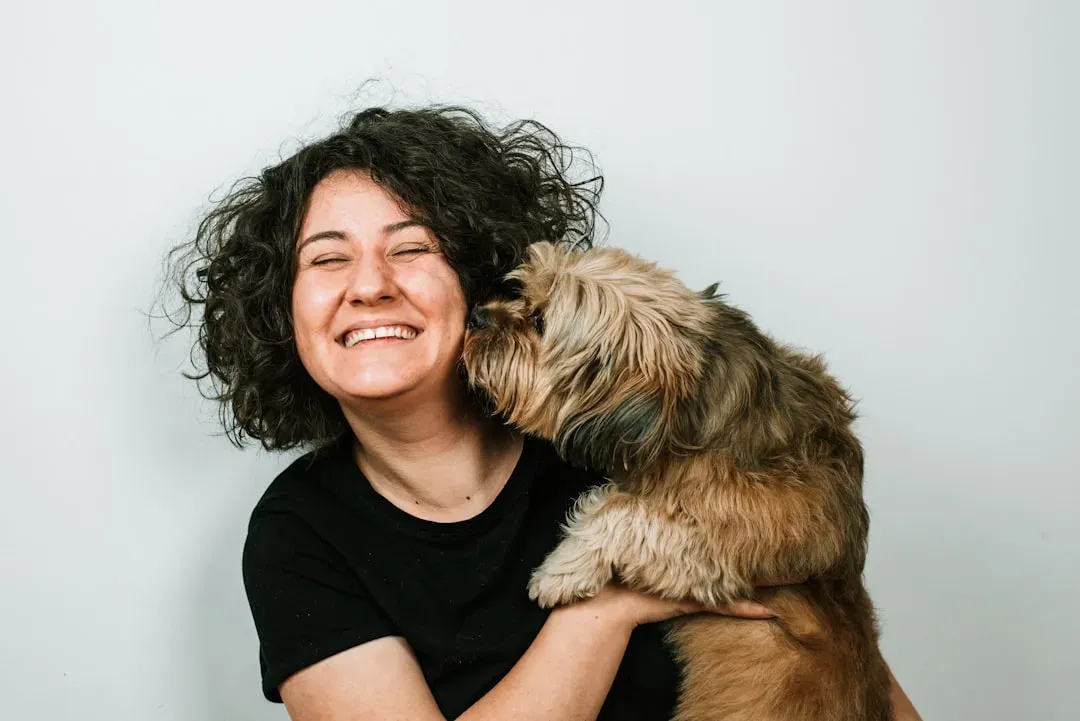
Some of the most well-meaning dog owners are also the most exhausting ones to live with – from the dog’s perspective. Constantly initiating play, nudging for eye contact, calling them over when they’ve just settled down. It comes from love, but it communicates something unintentional: there is no such thing as rest here, because I might need something from you at any moment.
Behaviorists call the alternative “parallel companionship” – existing in the same room without agenda, without reaching, without performing togetherness. You’re reading. Your dog is on their bed. Nobody needs anything. That shared stillness is more bonding than most owners realize, and it’s genuinely rare for dogs in highly stimulating households. When your presence consistently equals peace rather than expectation, your dog stops bracing when you sit down beside them. That ease is what safety actually feels like from the inside.
The greatest fear dogs know is the fear that you will not come back when you go out the door in the morning.
Stanley Coren, canine psychologist and author
#4 – Using the Same Leash and Collar for Every Walk
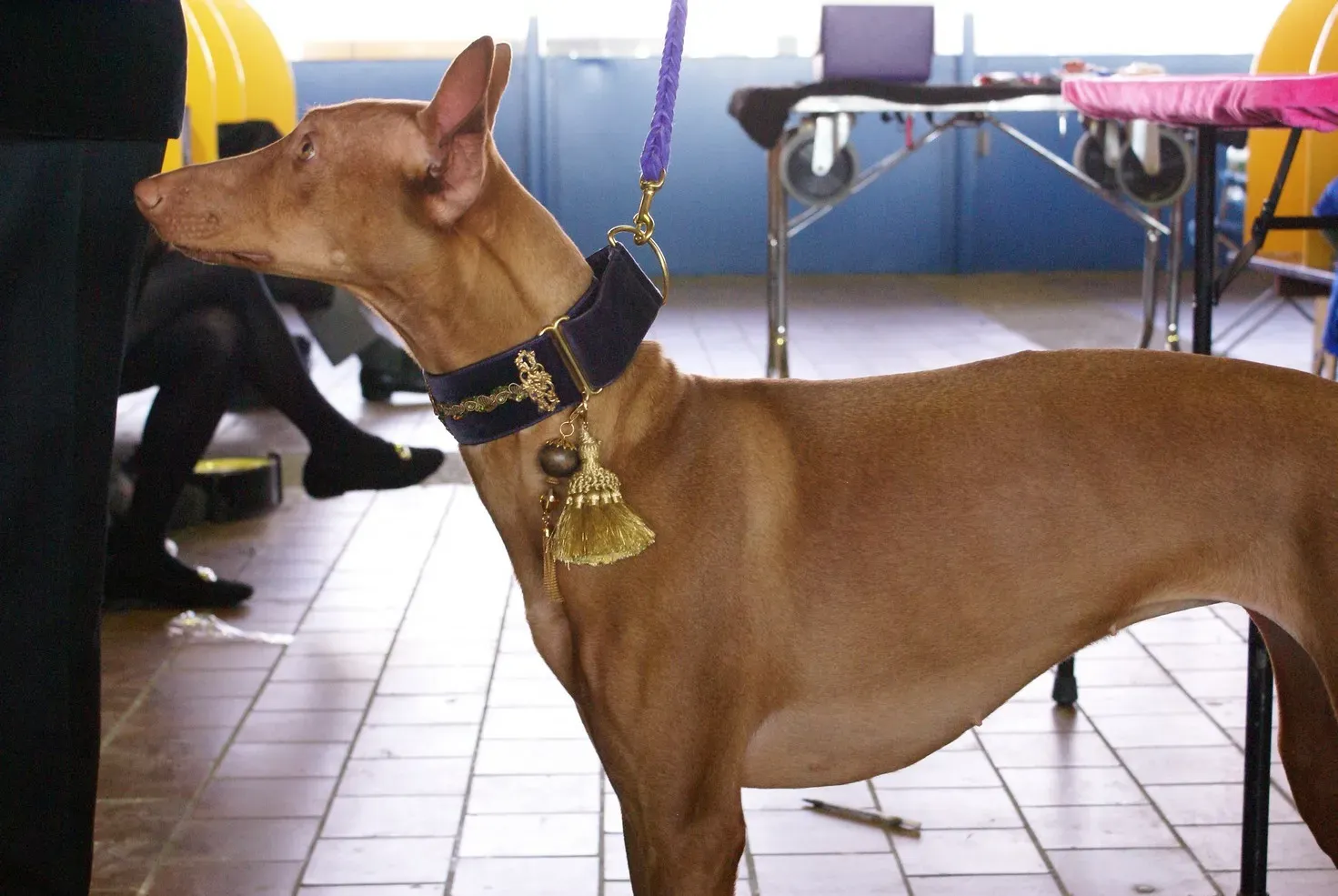
Gear has a scent. It has a texture, a sound when it moves, a weight they’ve felt a hundred times before. When you clip that familiar collar and reach for that specific leash, your dog’s body often relaxes before you’ve even opened the door – because their nervous system recognizes the cue and knows what comes next. Swap the equipment regularly, and you remove that layer of sensory familiarity without realizing it.
Owners who standardize their walking gear often report a quieter, calmer pre-walk experience within days. Less spinning, less frantic energy, less launching at the door. The equipment isn’t magic. What it carries is recognition – the smell and feel of a thing that has always meant we’re doing the safe, familiar thing we always do together. That’s more powerful than any harness brand or leash material.
#3 – Acknowledging Their Alerts Without Dismissing Them
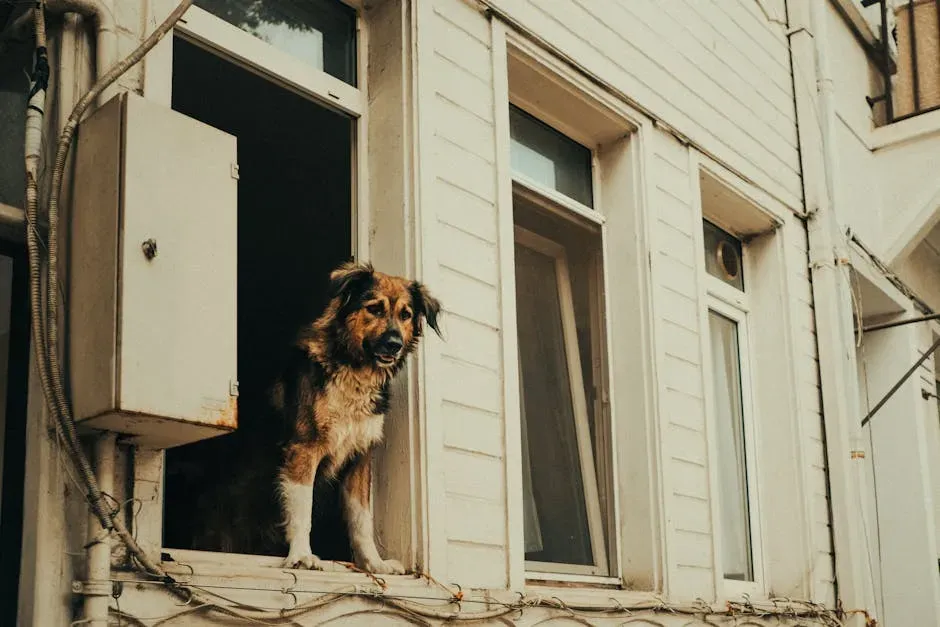
When your dog barks at something outside and you say “stop it, there’s nothing there” without even looking up – what they hear is that their warning went nowhere. Their job is to notice things. When their notice is ignored, they don’t conclude they were wrong. They conclude they need to be louder, more insistent, more persistent next time. That’s not nuisance barking. That’s a dog trying desperately to be heard.
A brief, calm acknowledgment – even just walking to the window, taking a look, and saying “I see it, we’re good” in a relaxed tone – validates their role without amplifying the alert. It tells them the household communication system works. Their input matters, the leader received it, and the situation is handled. Dogs who feel heard in their protective role tend to bark less overall, not more. The acknowledgment doesn’t encourage the behavior – it closes the loop that was keeping it open.
#2 – Keeping One Piece of Your Clothing in Their Bed
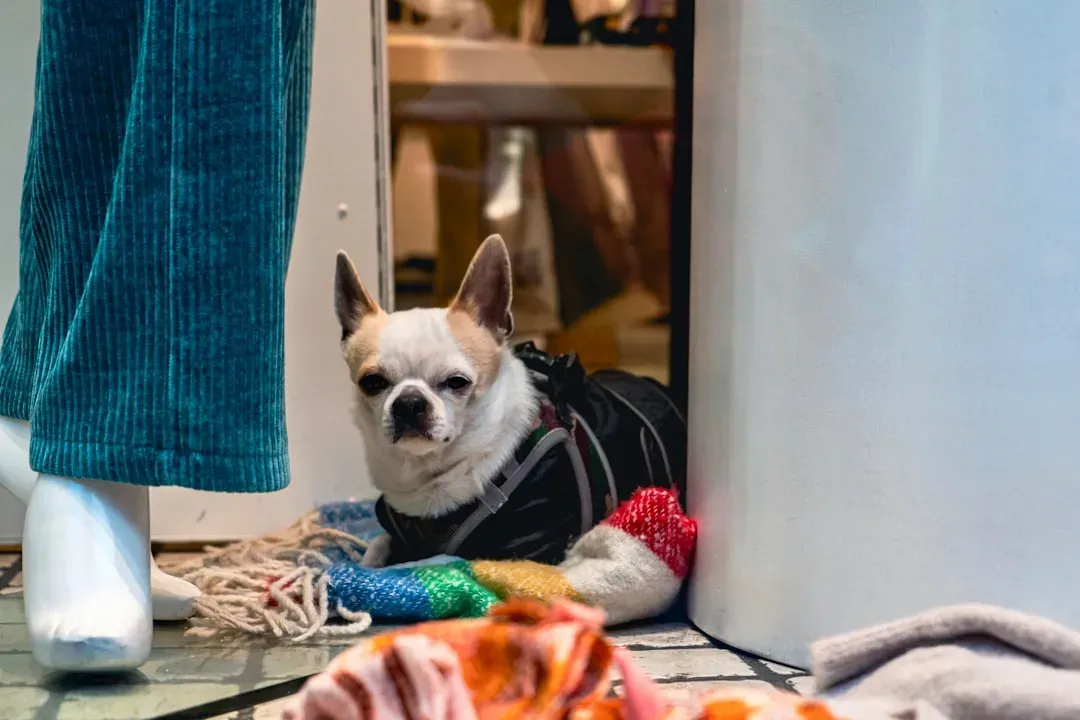
Your scent is the most powerful reassurance you can leave behind when you walk out the door. It doesn’t matter that it’s an old t-shirt or a worn sock that you were about to retire – to your dog, it is you, distilled into something tangible they can curl against. The absence of your body becomes less absolute when something that smells entirely like you is still present in their space.
Owners who try this are often caught off guard by how specifically their dog seeks out that item during the hardest moments – a thunderstorm, a night of fireworks, an unusually long day alone. They’re not just lying on it. They’re using it the way people use photographs or voicemails from someone they love. It bridges the emotional gap between your presence and your absence in a way no toy or treat can replicate. It says, without words: I was here, and I’m coming back.
#1 – Ending Every Night With the Same Good-Night Ritual

The last signal of the day carries disproportionate weight. A brief, calm good-night check-in – a soft word, a gentle hand on their side, whatever fits your natural rhythm – closes the day the same way every time. It’s not sentimental ceremony. It’s information. The day is done, the household is secure, and everything will be the same again tomorrow. For an anxious dog, that final confirmation can be the difference between a restful night and one spent on alert.
Trainers who work with anxious dogs often name this as the single highest-impact micro-habit they recommend – not because it’s complicated, but because it works on the exact frequency that canine anxiety operates on: predictability, presence, and closure. Nighttime restlessness, pacing, and whining frequently soften once this ritual becomes consistent. Your dog isn’t just settling into sleep. They’re settling into the knowledge that their person showed up at the end of the day, the same as always, and the world is exactly where they left it.
The Bottom Line
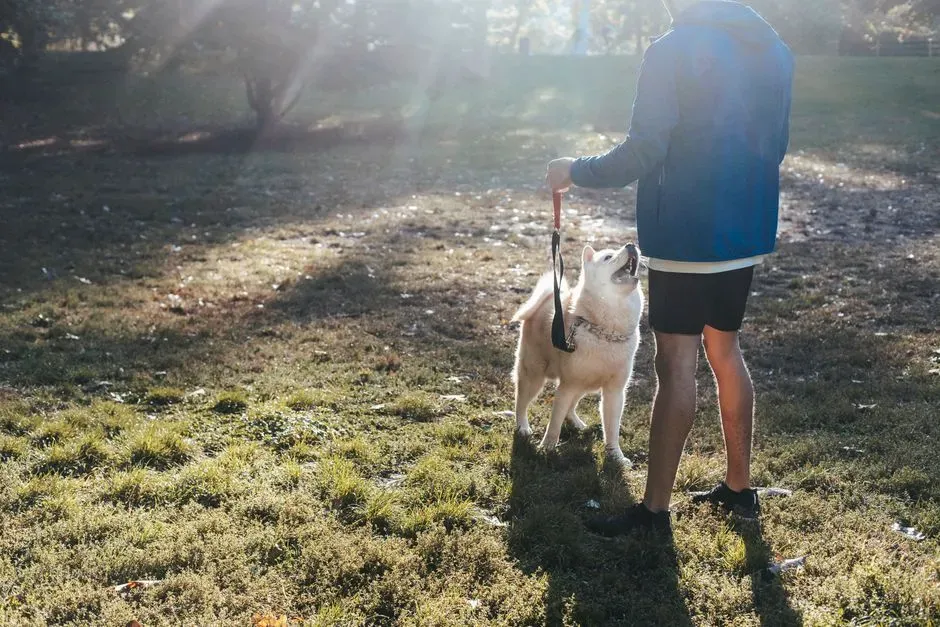
None of these habits require training classes, expensive products, or dramatic lifestyle changes. They require something harder and more honest: consistency. The kind that doesn’t slip when you’re tired or distracted or running late. Dogs don’t grade you on your best days – they build their sense of safety on your average ones. And the owners who understand that tend to have dogs that aren’t just well-behaved. They’re genuinely at peace.
Here’s the opinion worth stating plainly: the dog behavior industry spends enormous energy on commands, corrections, and equipment, and not nearly enough on the quiet architecture of daily life that makes all of that training actually stick. These 16 micro-habits are that architecture. You’re probably already doing some of them. The ones you’re not doing are worth starting tonight – not next month, not after you buy something new. Tonight. Your dog is already watching to see what you’ll do.


