
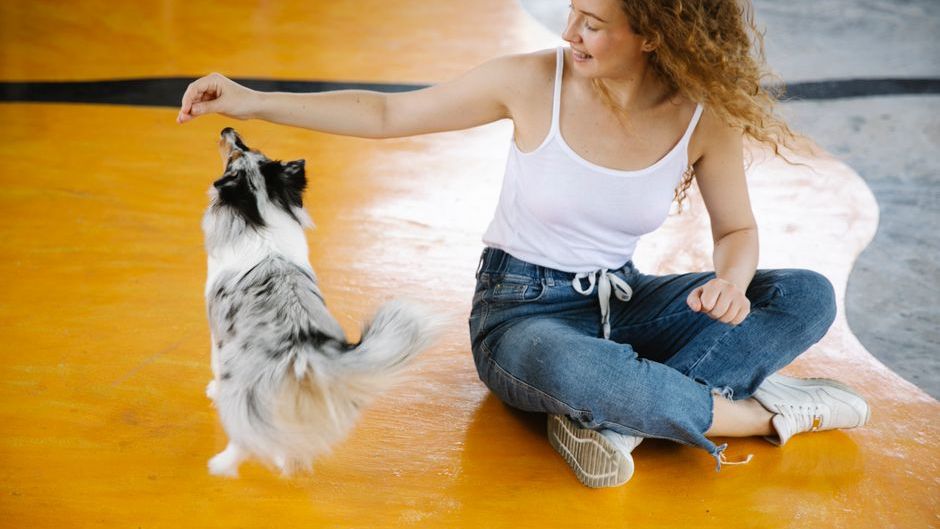
You feed them. You walk them. You let them sleep at the foot of the bed. By every visible measure, you’re a loving dog owner. So why does your dog still pace, bark at nothing, or follow you from room to room like something is always slightly wrong? The answer isn’t what most people expect – and it almost certainly isn’t about buying better food or a bigger crate.
The gap between what dogs actually need to feel safe and loved, and what their owners think they’re already providing, is wider and more surprising than most of us want to admit. Some of the biggest ones cost nothing. A few take less than five minutes a day. And at least one will probably make you rethink every walk you’ve ever taken.
#13 – A Rock-Solid Daily Routine
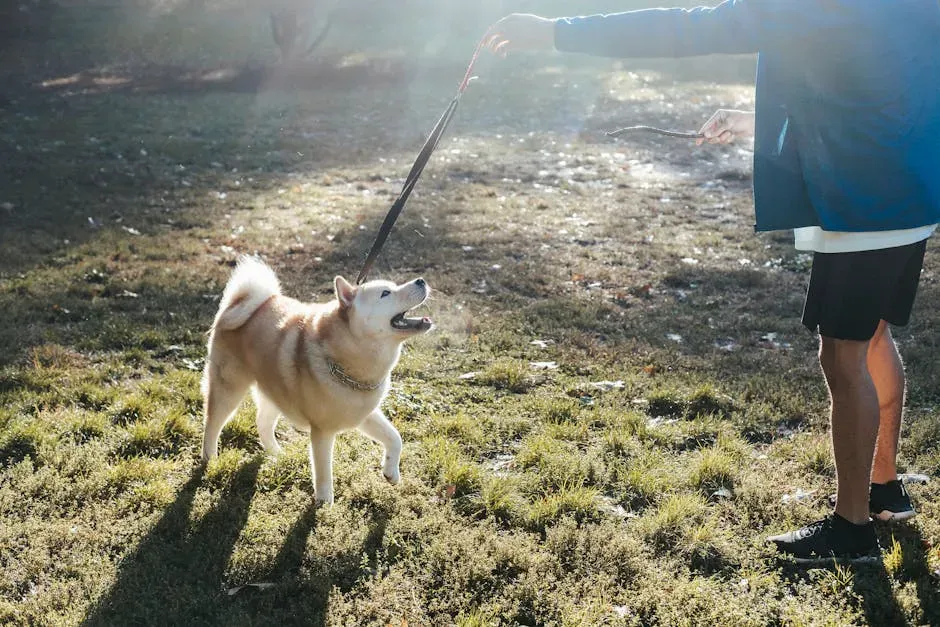
Most people assume dogs are adaptable, easygoing companions who roll with whatever the day brings. The reality is nearly the opposite. Inconsistent feeding times, unpredictable alone periods, and shifting walk schedules create a low-grade, chronic anxiety that owners almost never notice – until it shows up as destructive chewing, obsessive barking, or a dog that never fully settles down.
Dogs with predictable daily routines show measurably lower stress hormone levels than those living in households where every day runs differently. Veterinarians report that something as simple as locking in consistent meal and walk times cuts separation-related problems significantly for many families. The hard truth? What owners often describe as their “relaxed, flexible lifestyle” is the exact thing quietly unraveling their dog’s sense of security.
Fast Facts
- Research published in Animals (2024) confirms that consistent routines and positive interactions are directly linked to lower baseline cortisol levels in dogs.
- A landmark study found that long-term stress levels are actually synchronized between dogs and their owners — your anxiety is contagious to your pet.
- Predictable structure includes regular feeding times, exercise schedules, and rest periods — all three matter.
- Dogs don’t need a perfect schedule — they need a consistent one. Even small daily anchors make a measurable difference.
#12 – Daily Mental Stimulation Beyond Basic Walks
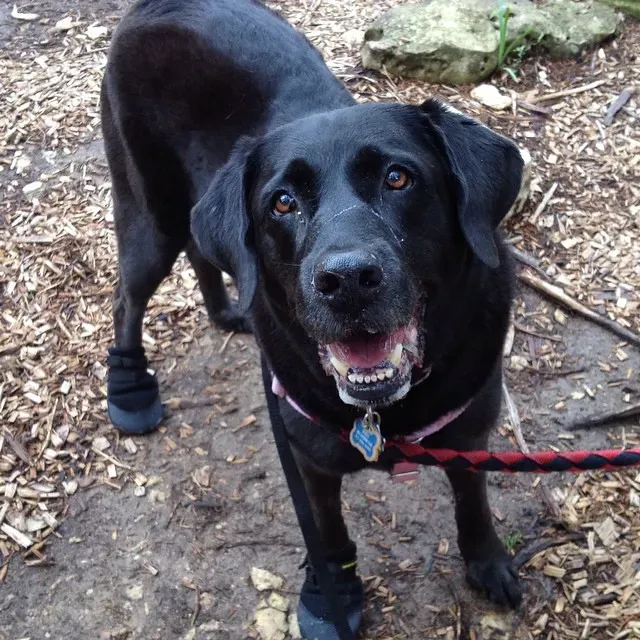
A physically tired dog is not the same as a mentally satisfied one – and confusing the two is one of the most common mistakes owners make. When a dog’s brain doesn’t get enough to do, it finds its own entertainment: counter-surfing, digging, barking at shadows, chewing furniture. These behaviors look like misbehavior but are really just a clever brain running on empty.
Fifteen minutes of nose-work or a simple puzzle feeder can outperform an extra hour of leash walking when it comes to calming problem behaviors. Scent games, short training sessions, or even hiding kibble around the yard engage the parts of the brain that a brisk neighborhood stroll simply doesn’t reach. Owners who add one small enrichment activity to their daily routine consistently report calmer evenings within the first week.
#11 – Breed-Appropriate Exercise, Not Generic Walks
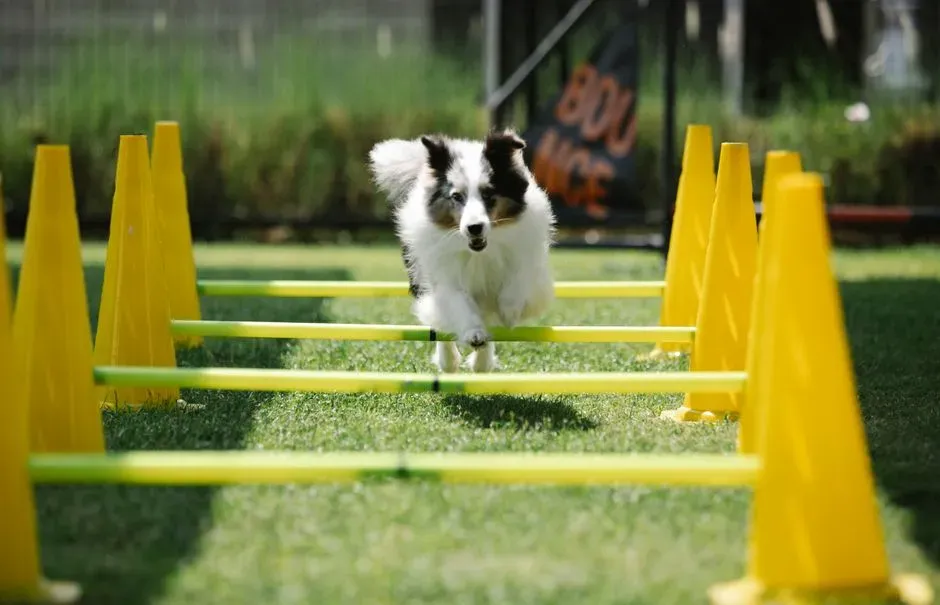
A 20-minute loop around the block is often more about relieving owner guilt than genuinely satisfying the dog. Different breeds were shaped over generations to do very specific things – herd, track, retrieve, guard – and those instincts don’t disappear because a dog now lives in a suburb. A Border Collie that never gets structured movement, a Beagle that never gets time to follow its nose, a Labrador that never gets to swim or carry things – these are dogs quietly running out of purpose.
Veterinary behaviorists point to mismatched activity as one of the leading reasons energetic dogs get labeled “too much” and surrendered to shelters. The fix is rarely more miles on the leash. It’s choosing the right kind of activity for that specific animal. A herding breed that gets to weave through cones, a scent hound that gets a 10-minute “sniff safari” in the woods, a retriever that gets to carry the mail – these small adjustments can transform a wired dog into a genuinely content one.
Quick Compare
- Herding breeds (Border Collie, Aussie): structured movement, agility drills, or treibball
- Scent hounds (Beagle, Bloodhound): nose-work games, trail walks, “find it” exercises
- Retrievers & spaniels (Lab, Golden): fetch, swimming, carrying objects on walks
- Terriers (Jack Russell, Rat Terrier): digging boxes, flirt poles, fast-paced chase games
- Guardian breeds (Rottweiler, Malinois): obedience work, weighted pulls, structured patrol walks
#10 – Consistent Grooming That Feels Like Care, Not Chore

Brushing and nail trims are easy to treat as maintenance tasks – something you squeeze in when things get out of hand. But dogs that receive gentle, predictable grooming from an early age learn something far more important than tolerating a brush: they learn that being handled by their person means safety, not stress. That lesson carries into vet visits, travel, and every unfamiliar situation where the dog needs to trust that being touched is okay.
Dogs who grow up with rushed or skipped grooming sessions often become the ones that panic on the exam table, flinch at unexpected contact, or turn simple nail trims into full household events. The difference isn’t temperament – it’s repetition and tone. Owners who approach grooming calmly and consistently, even for just a few minutes at a time, build a dog that associates being touched with relaxation rather than restraint.
#9 – Training Built on Clear, Positive Signals
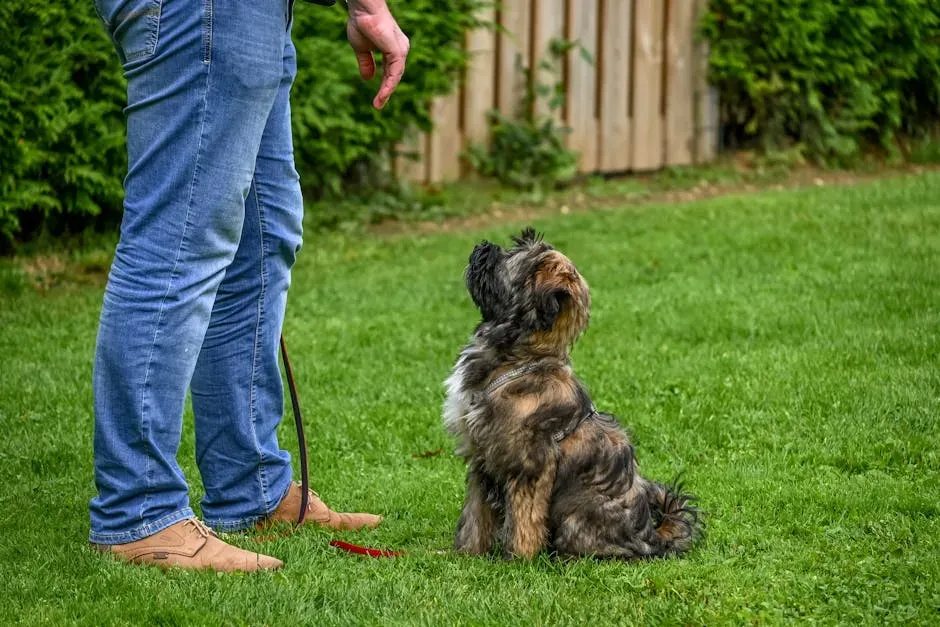
Many owners still rely on corrections, repeating commands louder, or vague “no” responses – then quietly assume their dog is stubborn or slow. But dogs are not being defiant when they fail to respond; they’re usually just confused. A dog that doesn’t know exactly what earns a reward and what doesn’t is essentially trying to solve a puzzle with half the pieces missing. That uncertainty is exhausting for them.
Dogs trained with clear marker words, consistent hand signals, and immediate rewards don’t just learn commands faster – they develop a kind of confidence that bleeds into their entire personality. Fewer fear-based reactions. More eye contact. A dog that actually looks to its person for guidance rather than checking out. The so-called “stubborn” dog is often the one whose owner switched methods three times this month. Precision and consistency matter more than intensity.
#8 – Uninterrupted, Owner-Led Play Sessions
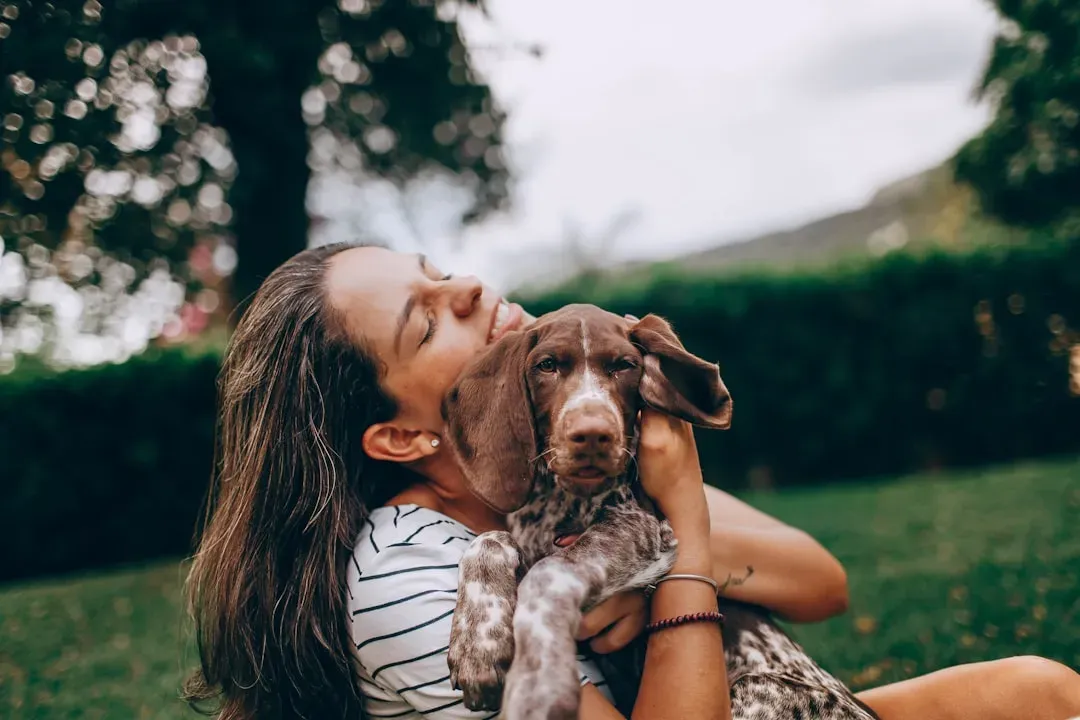
Phone in hand during fetch does not count – and dogs know it. They read human attention the way we read tone of voice: instantly, accurately, and without a second chance to correct the impression. A person who is physically present but mentally somewhere else registers to a dog as a companion who’s only half there. The play might be happening, but the bond isn’t being built.
Short, fully present play sessions – genuine eye contact, real laughter, varied games – outperform long distracted ones every single time when it comes to building trust and deepening attachment. The owners who complain their dog seems “needy” or restless at home are often the same ones who haven’t had five minutes of actual engaged play with them in weeks. The dog isn’t asking for more time. It’s asking for you to actually show up during the time you’re already there.
#7 – Permission to Have Personal Space
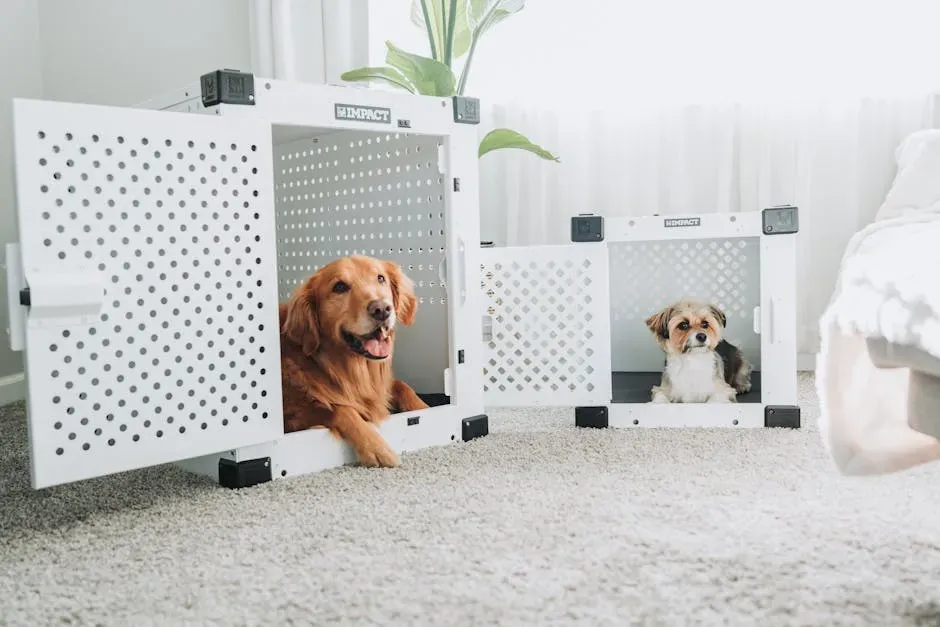
The image of the perfect dog-and-owner relationship involves constant closeness – cuddling on the couch, following each other from room to room, nonstop contact. For some dogs, that’s genuinely comforting. For others, it feels more like pressure than love. A dog that can’t settle in a separate room, that gets followed every time it walks away, that gets called back every time it disengages – that dog never gets the chance to simply decompress.
Allowing a dog to walk away, settle on its own, or take a break without being coaxed back actually reduces overall anxiety more reliably than extra affection does. And here’s the counterintuitive part: owners who respect this boundary consistently find their dog seeks them out more voluntarily. The choice is what matters. A dog that comes to you because it wants to is a far more bonded animal than one that stays close because it never learned it was allowed to leave.
Worth Knowing
- A dog retreating to another room or turning away is not rejection — it’s healthy self-regulation.
- Forcing closeness on a dog that signals it needs space is one of the leading triggers for “random” growling.
- Giving your dog a designated safe spot (a crate, a specific bed, a corner) with a clear “that’s yours” rule dramatically reduces ambient anxiety.
- Dogs that are allowed to disengage freely tend to re-engage with their owners more enthusiastically and more often.
#6 – Affection Delivered on the Dog’s Terms
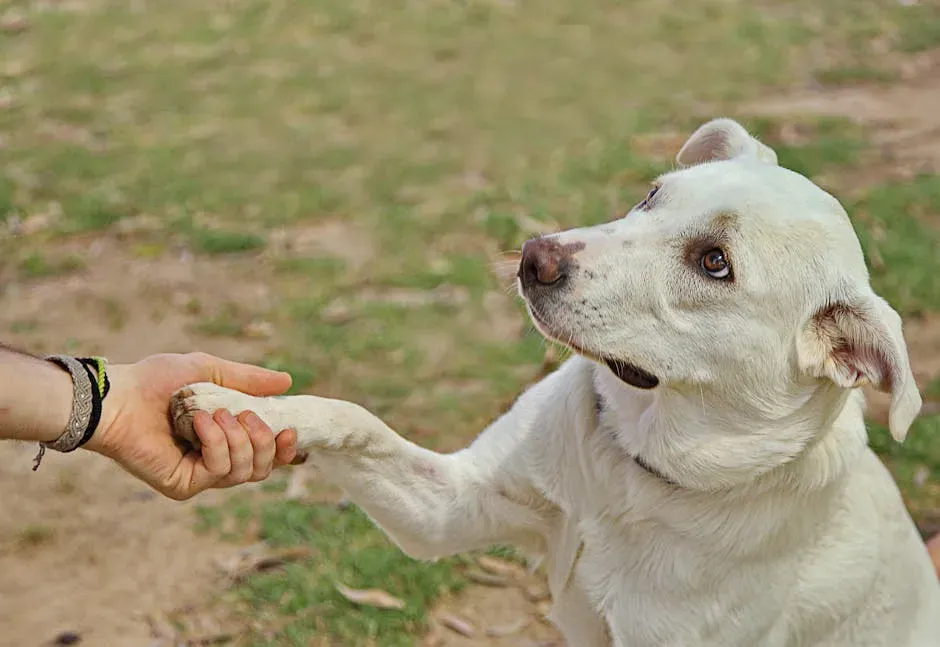
Not every dog enjoys being hugged. Not every dog wants a face pressed against theirs or vigorous pats on top of the head. Most dogs tolerate these things from people they love – but tolerance is not enjoyment, and it slowly accumulates into something that looks like distrust. The subtle signals are there: a slight lean away, a lip lick, a stiffening of the shoulders, a tail that drops when the hand reaches down. Most owners never learn to read them.
Dogs that are given real choice in how they receive affection – where to be touched, when to engage, how long contact lasts – show noticeably stronger attachment to their person. Fewer tense moments during quiet evenings. Fewer “random” growls that catch everyone off guard. The shift is small: pay attention to what your dog moves toward versus what it just endures. That distinction changes the entire texture of the relationship.
#5 – Focused Eye Contact Without Distraction
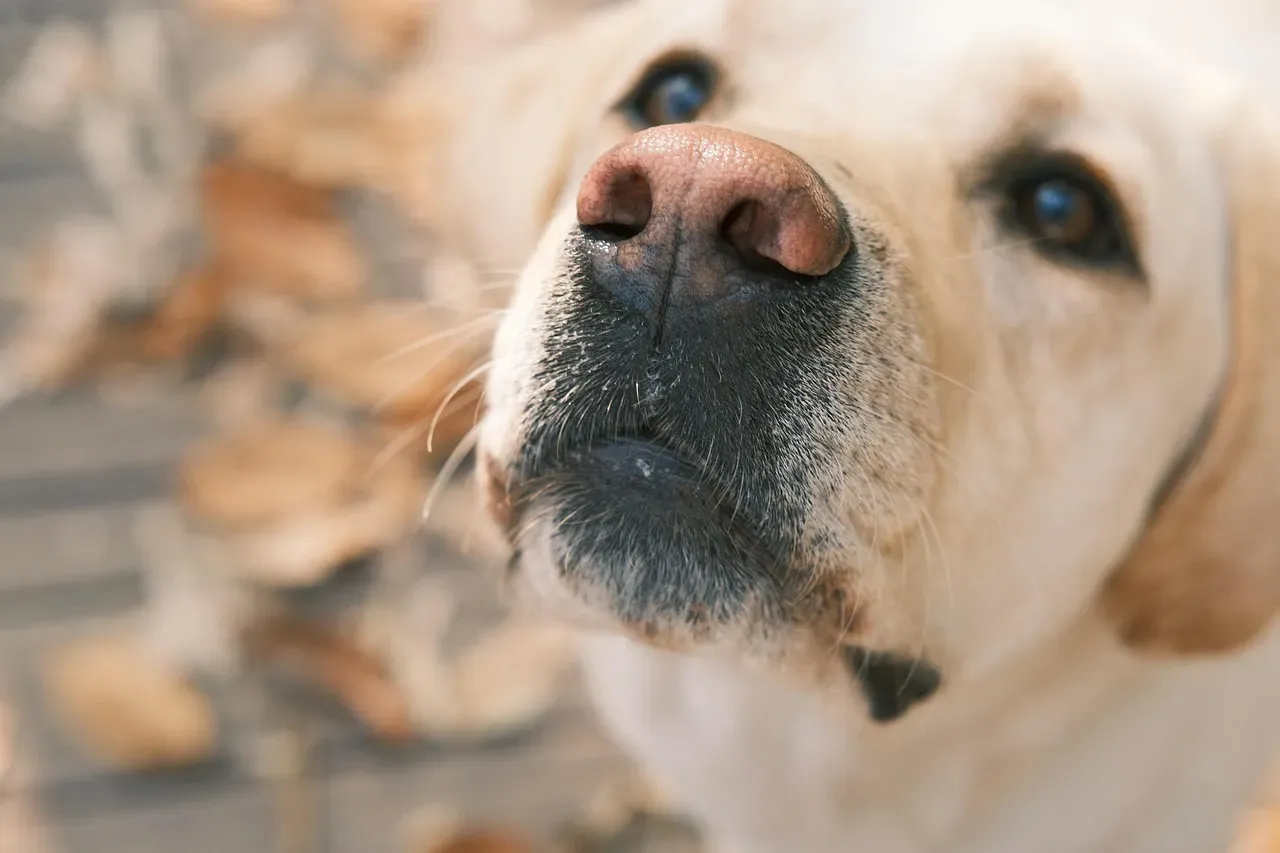
Brief, calm eye contact between a dog and its person triggers the release of oxytocin – the same bonding hormone that fires between parents and infants. This isn’t metaphor; it’s documented biology. Yet most owners spend hours physically near their dog while barely making direct, intentional eye contact at all. The TV is on. The phone is out. The gaze never really lands.
Just a few minutes of mutual, unhurried eye contact each day measurably increases oxytocin levels on both sides of the leash. Dogs whose owners practice this tend to come when called more reliably, greet with less frantic energy, and settle faster in new environments. It costs nothing. It takes almost no time. And it might be the single most underused bonding tool available to every dog owner alive.
At a Glance
- Researchers at Azabu University in Japan found that mutual gazing between dogs and owners raised oxytocin levels in both species — the same biological loop seen in parent-infant bonding.
- The longer the shared gaze, the greater the oxytocin increase on both sides of the leash.
- This oxytocin response is unique to dogs — hand-raised wolves did not show the same effect during eye contact with humans.
- Dogs and owners with stronger existing bonds showed the most dramatic hormone increases during gazing sessions, meaning the effect compounds over time.
The greatest fear dogs know is the fear that you will not come back when you go out the door without them.
Stanley Coren
#4 – Calm, Predictable Voice Tone
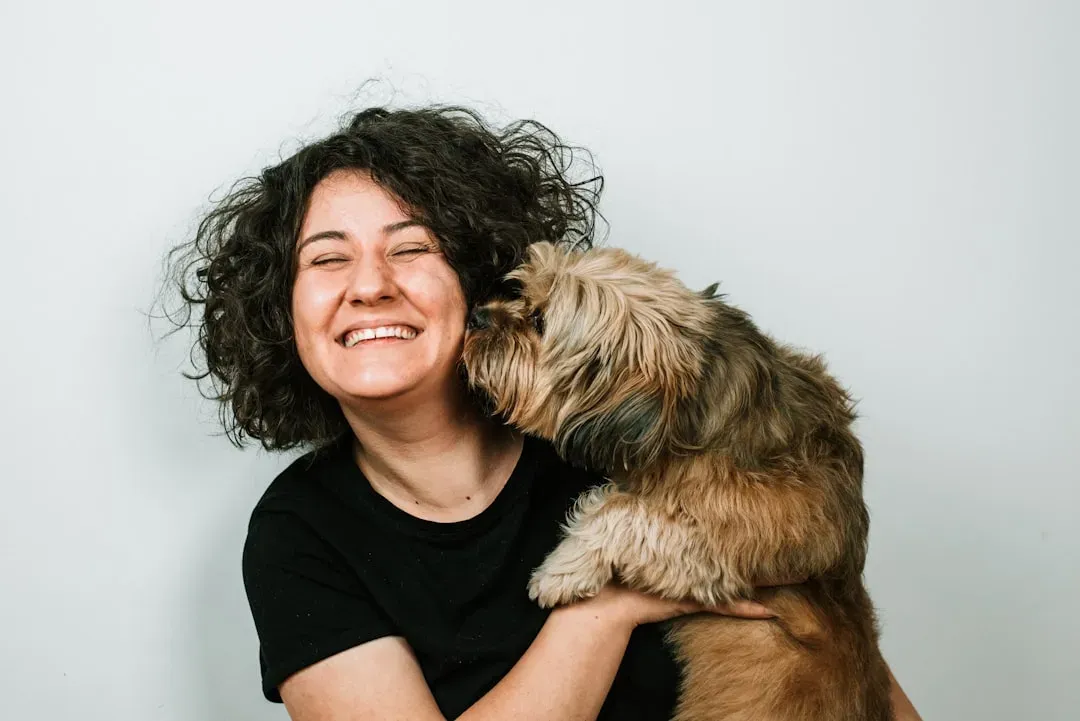
Dogs don’t process language the way we do – they process music. Pitch, rhythm, consistency, and emotional energy tell them far more than the actual words being spoken. An owner who coos in a high voice for praise and then snaps sharply out of frustration thirty seconds later isn’t giving commands; they’re broadcasting static. The dog isn’t ignoring you – it’s trying to decode a signal that keeps changing frequencies.
Dogs respond with less hesitation and more confidence when their person maintains a steady vocal energy across commands, praise, and everyday interaction. The tone doesn’t have to be monotone or robotic – warmth works beautifully. What doesn’t work is whiplash: excited squeaking followed by clipped irritation followed by over-the-top apology. Pick a register and stay in it. The dog will relax in ways that look almost immediate.
#3 – Undistracted One-on-One Time
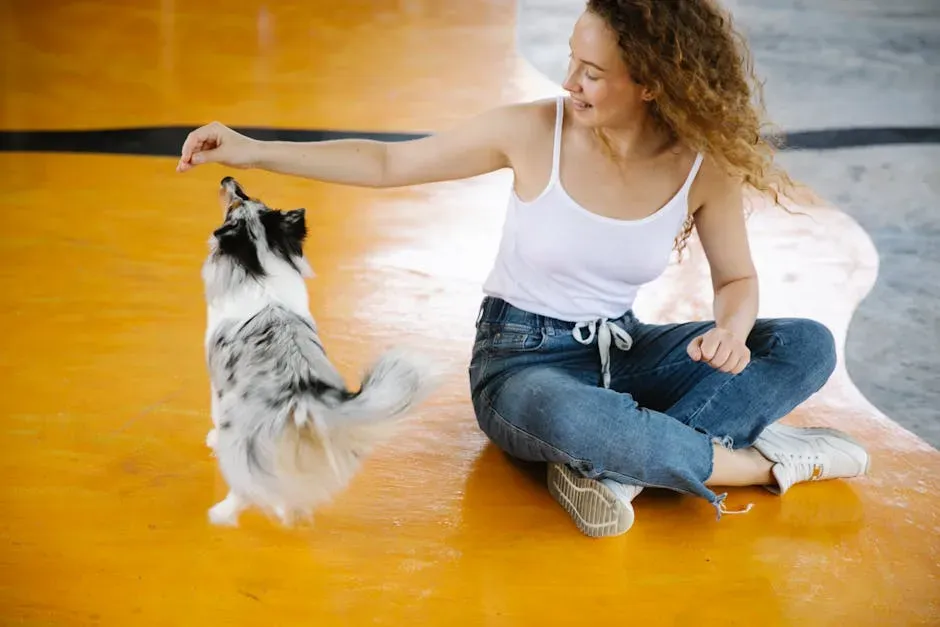
There is a real difference between being in the same room as your dog and actually being with your dog. Dogs notice divided attention the same way children notice a parent who keeps glancing at their phone during a conversation – they feel it, even if they can’t name it. An owner who sits beside their dog while answering emails, half-watching TV, and mentally running through tomorrow’s to-do list is not giving their dog company. They’re giving them a warm body in the room.
Ten fully focused minutes – no screens, no multitasking, just presence – often satisfies a dog more deeply than an hour of distracted coexistence. Owners who protect that window, even once a day, consistently report reduced attention-seeking behavior within just a few days. The dog stops nudging the hand that’s holding a phone. It stops pacing. It exhales. It finally has what it was looking for the whole time.
#2 – Learning and Honoring Their Body Language

Dogs are communicating constantly – through ear position, tail carriage, weight shifts, subtle changes in eye shape, and dozens of other signals most owners have never been taught to read. By the time a dog growls, snaps, or bites, it has almost always already sent a long sequence of quieter, clearer messages that went completely unnoticed. Every “out of nowhere” bite has a before. It just happened in a language nobody bothered to learn.
Shelter incident reports consistently show that owners who understand basic canine body language prevent the overwhelming majority of bite incidents simply by responding earlier in the communication chain. More than that, a person who actually listens – who backs off when the dog stiffens, who gives space when the ears go flat – becomes someone the dog trusts at a different level. Treating every stress signal as misbehavior is the fastest way to damage that trust permanently. The dog was never being random. It was being ignored.
Why It Stands Out
- Yawning — often a calming signal, not tiredness; your dog may be trying to de-escalate tension.
- Lip licking (when not near food) — a stress indicator that frequently precedes a growl if ignored.
- “Whale eye” (whites of the eyes visible) — a clear sign of discomfort; back off and give space immediately.
- Stiff, slow tail wag — not always friendly; a high, rigid wag can signal arousal or warning rather than happiness.
- Turning away or showing the side of the body — a deliberate appeasement gesture meaning “I need this to calm down.”
#1 – Freedom to Sniff and Explore on Walks
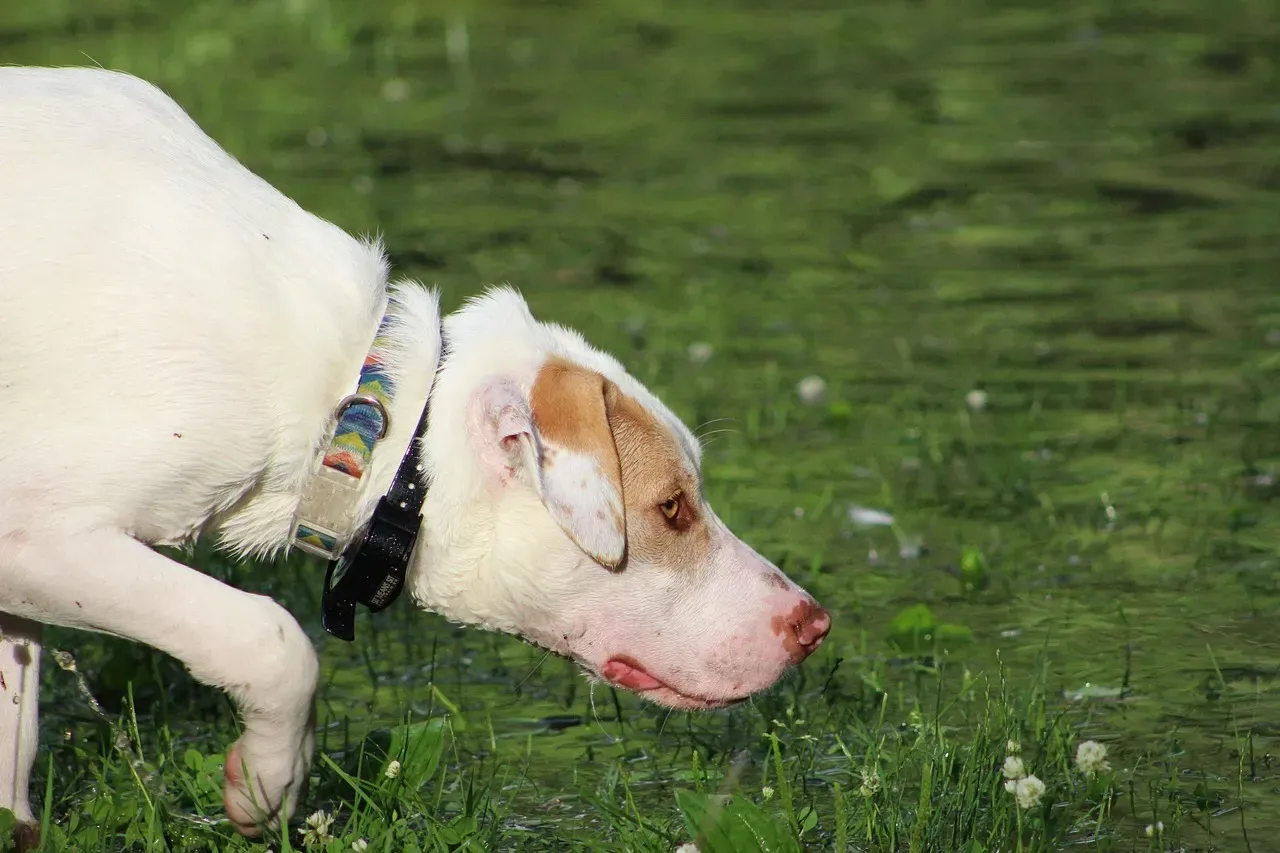
The walk looks like exercise from the outside. From the dog’s perspective, it is something much richer: a full sensory download of the neighborhood, a record of who passed by, what they ate, how they felt, and whether anything has changed since yesterday. The nose is the dog’s primary sense – exponentially more powerful than ours – and a walk where the dog is constantly corrected for stopping to sniff is a walk where the most important part keeps getting taken away.
Allowing even 20 to 30 percent of walk time for genuine, unhurried sniffing reduces anxiety behaviors more effectively than most toys, treats, or training tools. The leash goes slack. The pace slows. The dog works. Owners who make this shift – one simple, zero-cost change – regularly describe it as getting an entirely different animal at home: calmer, more trusting, and oddly easier to redirect when it actually matters. The walk was never just about the miles.
Fast Facts
- Dogs have up to 300 million scent receptors depending on breed — compared to roughly 6 million in humans.
- Sniffing triggers a dopamine release in the canine brain, acting as a natural calming and mood-boosting mechanism.
- Studies show that freely sniffing on walks is linked to lower heart rate and reduced cortisol levels in dogs.
- Even 5–10 minutes of uninterrupted sniffing provides meaningful mental enrichment — equivalent to far more miles of structured walking.
- Dogs that are rushed or corrected for sniffing often pull harder and walk with more frustration, not less.
The Bottom Line
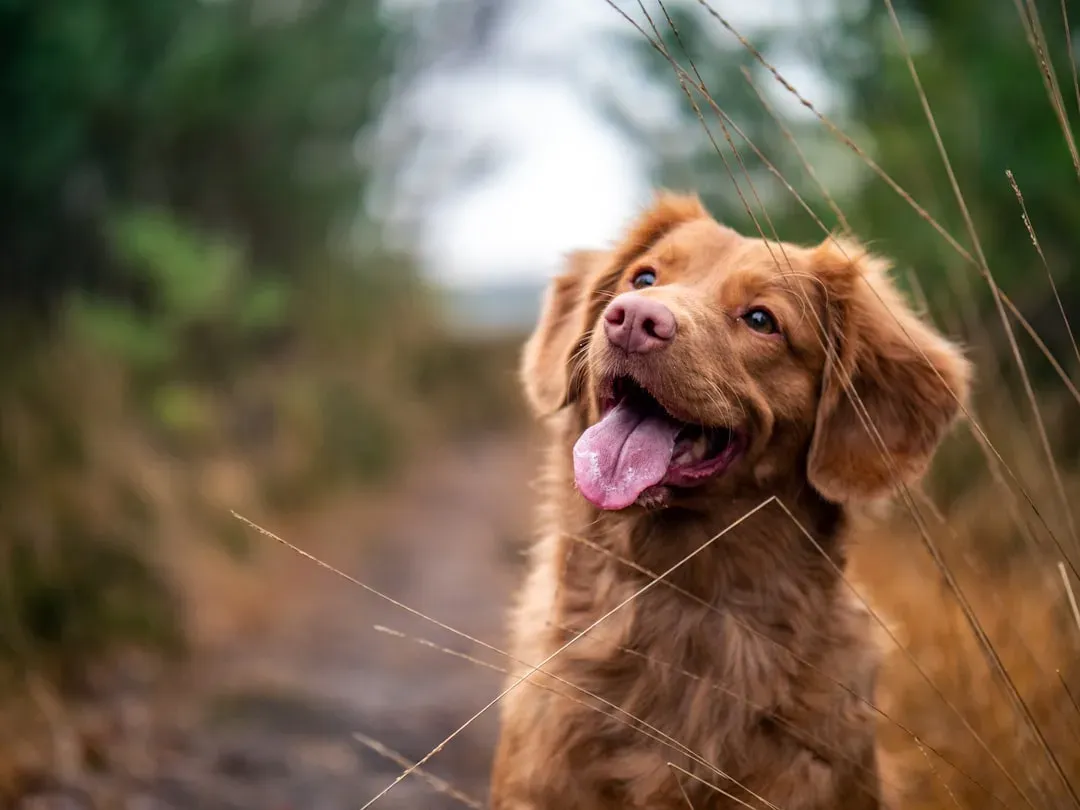
None of the 13 things on this list require a bigger budget, a larger yard, or a complete lifestyle overhaul. Most of them are small, daily, almost invisible choices – the kind that quietly accumulate into either a dog that feels deeply secure with its person, or one that’s perpetually waiting for something it can’t quite name.
Here’s the honest part: most owners are already doing several of these well without realizing it. The ones that tend to get skipped aren’t the obvious ones. They’re the pauses – the moment you put the phone down, slow down on the walk, back off instead of reaching in, or simply sit still long enough that your dog finally exhales. Dogs don’t need perfection. They need presence. And the ones who get it show up in a way that makes everything else about owning a dog feel completely worth it.


