
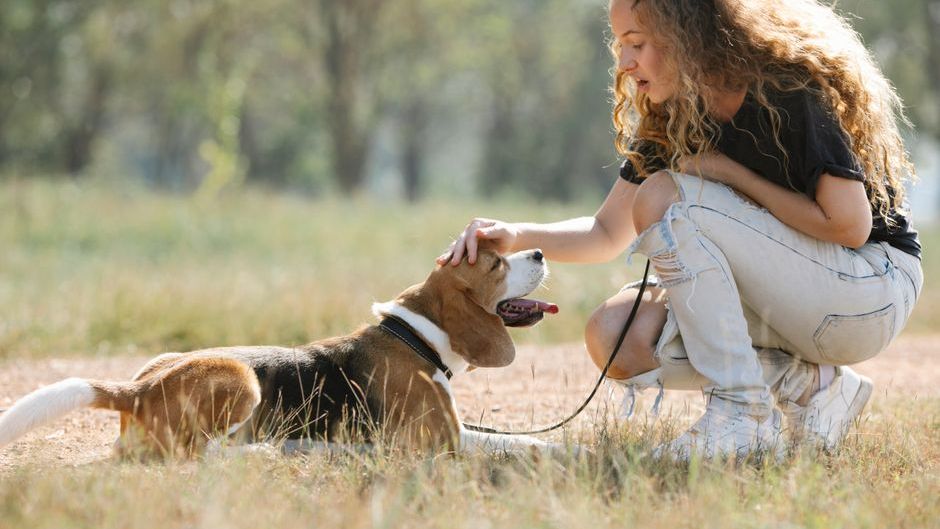
Most dog owners assume loyalty is built with treats, toys, and endless belly rubs. And while none of that hurts, the dogs who practically velcro themselves to their person aren’t usually the most spoiled ones in the room. They belong to the owners doing something quieter, something most people overlook entirely. The habits that create genuine, unshakeable canine attachment aren’t dramatic. They’re almost boring. And that’s exactly the point.
What follows isn’t a list of tricks or training milestones. It’s a breakdown of the small, repeatable daily signals that tell a dog’s nervous system: you are safe here, and I am not going anywhere. Some of these will feel obvious. A few will genuinely surprise you. And at least one will make you rethink something you’ve been doing for years.
#15 – Consistent Morning Wake-Up Routines
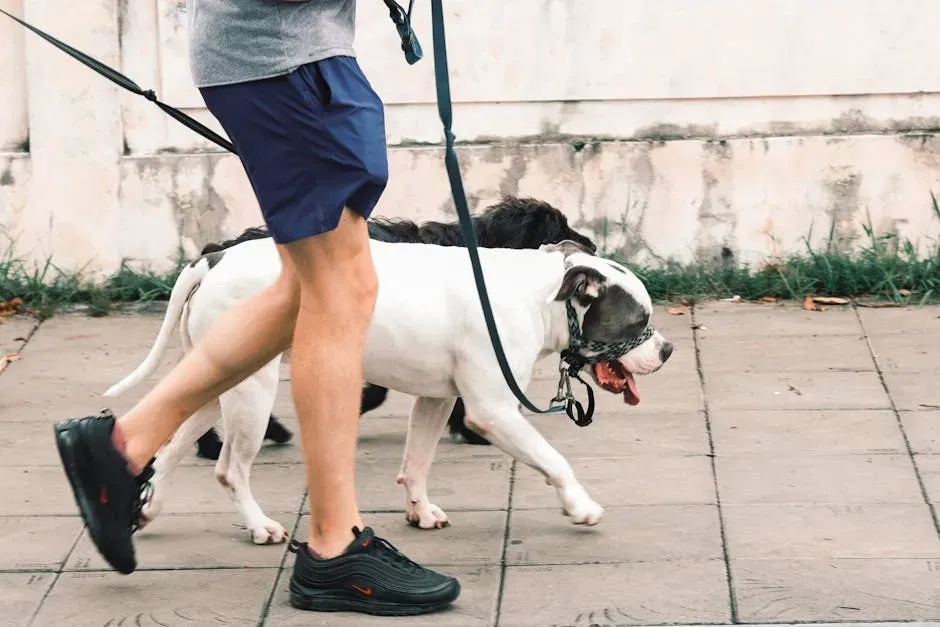
Most people think dogs just “go with the flow,” but their internal clocks are shockingly precise. A fixed wake-up time every single day lowers cortisol and tells your dog’s nervous system that the household runs on a rhythm it can trust. Dogs with erratic schedules carry measurably higher anxiety – and not just in the morning. That low-grade stress follows them through the whole day.
The most surprising part? Even a 30-minute shift from the usual time can trigger pacing or whining for hours afterward. The fix is simple: rise at the same hour, offer a calm, unhurried greeting, then move straight into a short walk or meal. You’re not just starting a morning – you’re laying the first brick of a structure your dog will rely on every single day.
Fast Facts
- A 2021 study published in Animals found shelter dogs on consistent schedules had significantly lower cortisol levels than those without a routine.
- Cortisol – the primary stress hormone – affects a dog’s appetite, sleep quality, and immune function, not just their mood.
- Routine regulates the hypothalamus, the part of the brain that controls a dog’s instincts and emotional responses.
- Even small predictable cues – like always putting shoes on before a walk – create positive anticipation instead of sudden stress.
- A landmark study of 58 dog-owner pairs found long-term stress levels are actually synchronized between dogs and their humans.
#14 – Designated Safe Space Creation

It feels counterintuitive. You want your dog close, so you let them follow you everywhere. But giving your dog one unchanging retreat spot – a quiet corner with familiar bedding that belongs entirely to them – actually builds deeper security than constant togetherness. Dogs feel safest when they can choose contact, not when it’s always thrust upon them.
The rule is simple and non-negotiable: never disturb that space during the day. No moving the bed, no kids playing near it, no chasing them out of it. Dogs given a truly respected safe zone end up spending more time voluntarily near their owners – not less. Place it away from foot traffic, add their favorite blanket, and let them decide when to use it. That choice is the whole point.
#13 – Predictable Feeding Windows
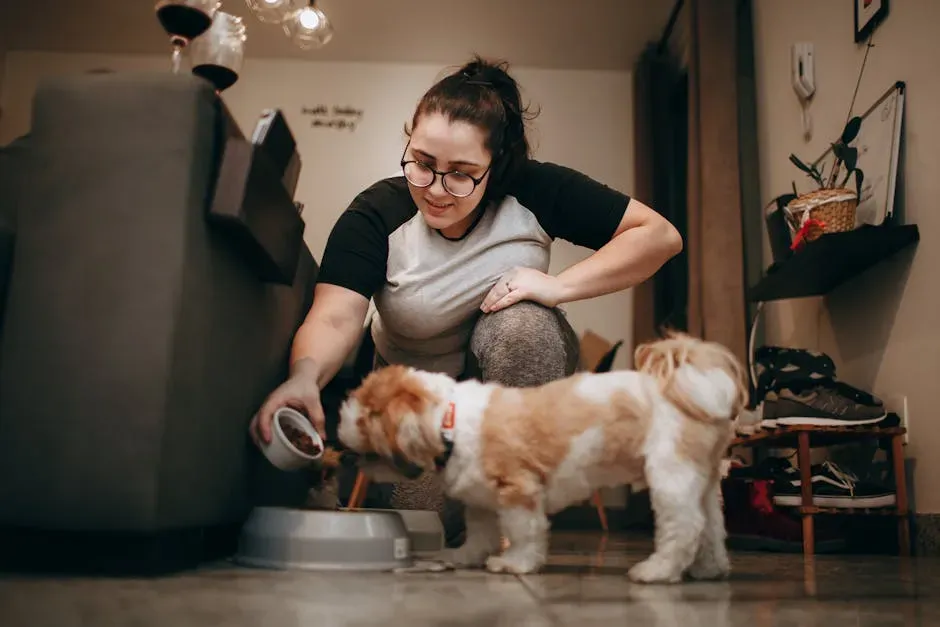
Free-feeding feels generous, but it quietly works against the bond you’re trying to build. When a dog doesn’t know when food is coming, some part of their brain stays on alert – scanning, waiting, never fully relaxing. Scheduled meals remove that low-grade vigilance. The dog stops guarding resources and starts trusting the human who reliably makes things appear.
The detail that surprises most people: dogs fed within the same 15-minute window daily form stronger bonds than those on unpredictable schedules. It has nothing to do with the food itself. It’s about the signal that someone dependable is managing their world. Measure portions, serve in the same spot, stay calm and present during the meal. That’s it. That’s the whole habit.
#12 – Short Daily Training Sessions
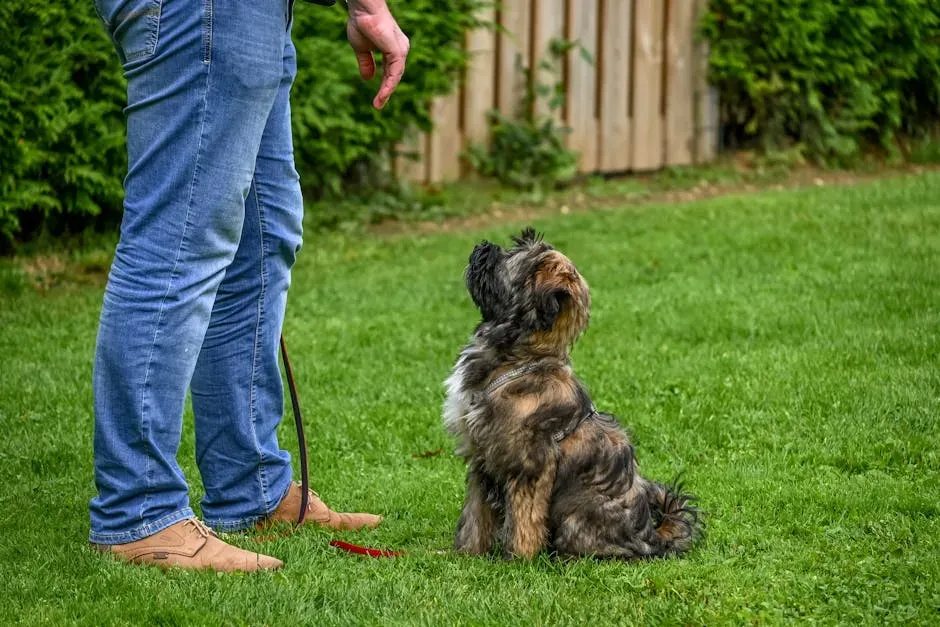
Training isn’t just about commands. Five minutes of positive reinforcement every day keeps a dog’s confidence calibrated and reminds them that interacting with you pays off. It’s not the complexity of the exercise that matters – a simple sit, a stay, a recall. What matters is that it happens consistently, ends on a win, and never involves pressure or punishment.
Dogs in daily micro-training sessions show fewer fear responses to new sounds than those who only trained as puppies. The ongoing practice signals something deeper than “my human wants me to sit.” It signals: my human is reliable, readable, and worth staying close to. Keep sessions upbeat, keep them short, and always, always end before the dog loses interest.
At a Glance
- Ideal session length: 3–5 minutes – short enough to always end on a win.
- Best frequency: Once daily, same general time if possible.
- What to practice: Sit, stay, recall, or a fun new trick – complexity is secondary to consistency.
- What to avoid: Pressure, repetition past the dog’s interest, or ending on a failed attempt.
- The real payoff: A dog whose confidence rises daily is far less likely to develop fear-based behaviors.
#11 – Calm Voice During Minor Setbacks
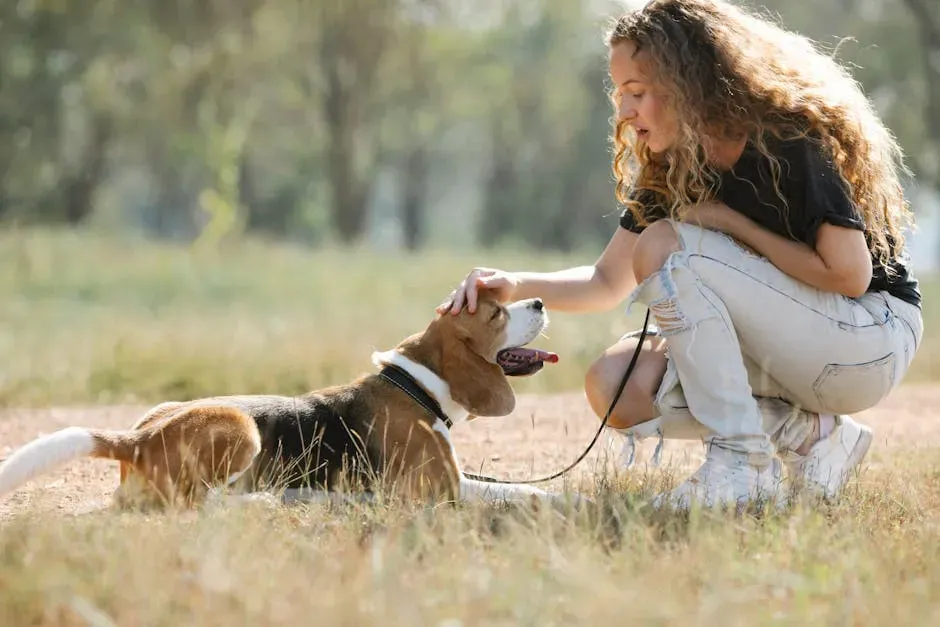
A chewed shoe, spilled water, muddy paws on the couch – small stuff. But the way you respond in those moments matters more than you’d think. Raising your voice, even briefly, spikes a dog’s stress hormones in a way that takes longer to settle than most owners realize. A low, steady tone during setbacks teaches something powerful: mistakes don’t equal danger here.
Trainers who track recovery time from startling events consistently find that dogs exposed to calm voices bounce back significantly faster. The habit is uncomfortable at first, especially when you’re genuinely frustrated. One practical trick: narrate what you’re doing in an even tone, even when you’re annoyed. “Okay, that’s a mess, let’s clean it up.” The dog doesn’t understand the words. They understand the tone completely.
#10 – Gentle Daily Handling Practice
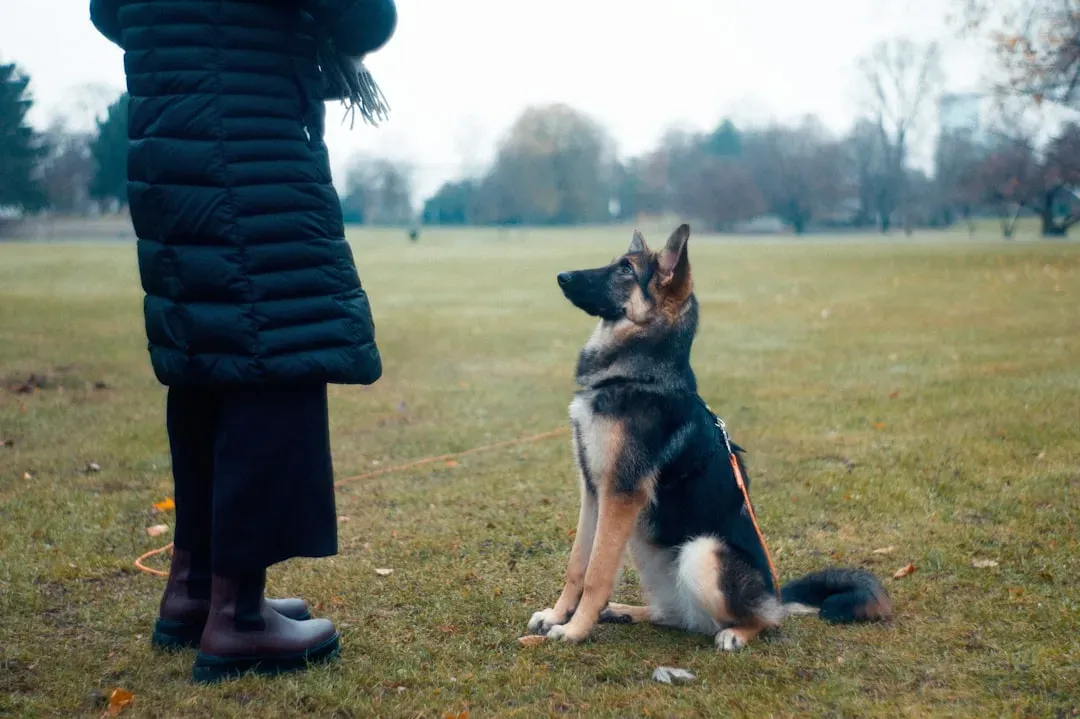
Touching your dog’s paws, ears, gums, and belly every day isn’t just vet prep – it rewires what human hands mean to them. Dogs who are touched gently and consistently in calm moments stop bracing when hands approach. They’ve learned through repetition that contact brings comfort, not surprises. That shift is profound.
Two minutes of gentle handling daily produces measurably lower heart rates during veterinary exams, which is remarkable when you think about it. But the emotional payoff at home is just as real. Start slow. Pair every touch with something good. Stop before the dog pulls away – ending on their terms is the whole lesson. Over time, they stop pulling away at all.
#9 – Post-Walk Decompression Time
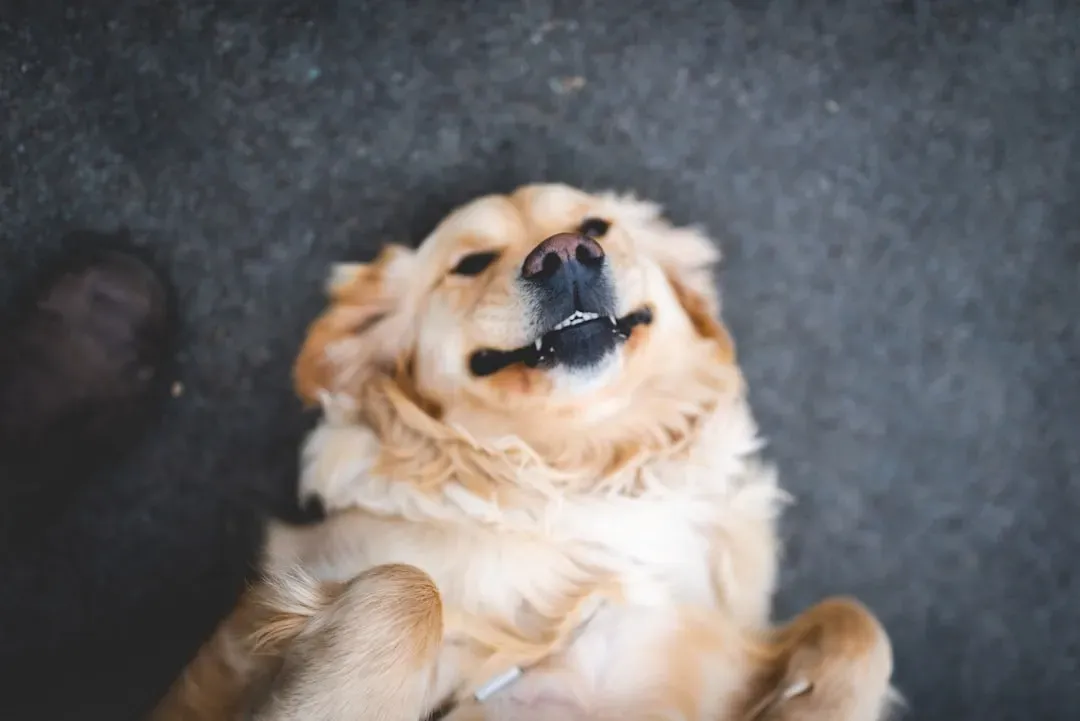
You come home from a walk, unclip the leash, and immediately start answering emails or making coffee. The dog circles, sniffs the air, can’t settle. What’s missing is a transition. A simple five-minute sit together after exercise gives the nervous system time to downshift – especially for high-energy breeds who need a clear signal that the stimulation portion of the day is over.
Dogs given real decompression time choose to stay closer to their owners for the rest of the day. Sit on the floor. Offer light contact only if they lean in first. Put the phone down. It’s five minutes that costs nothing and changes the entire texture of the afternoon. The dog learns that calm follows activity, and that you’ll be there for both.
Worth Knowing
- High-energy breeds (Border Collies, Huskies, Jack Russell Terriers) need decompression most – their nervous systems take longer to downshift after stimulation.
- Forcing play or affection immediately after a walk can actually extend arousal rather than reduce it.
- Letting the dog sniff freely during a post-walk cool-down engages the parasympathetic nervous system – the body’s natural “rest” mode.
- Even five minutes of quiet floor time together after exercise is enough to shift a dog’s baseline energy for hours.
#8 – Evening Scent-Soothing Rituals
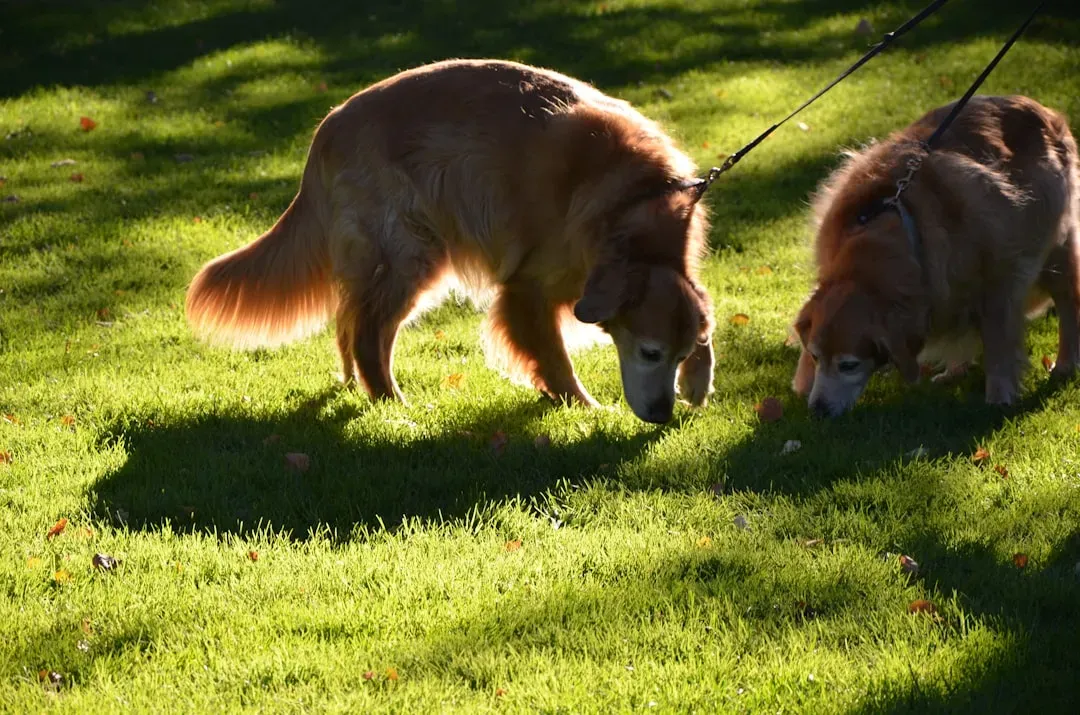
Scent is a dog’s dominant sense – more dominant than most owners fully appreciate. A short scent-based wind-down before bed works with that biology instead of ignoring it. Something as simple as rubbing a familiar cloth on your hands and letting your dog investigate it creates a portable, repeatable safety cue tied directly to you.
Consistent evening scent exposure has been shown to reduce midnight barking and restlessness more effectively than white noise machines in many cases – because it targets the sense the dog actually prioritizes. Keep the same cloth by your bed. Use it the same way each night. The ritual doesn’t need to be elaborate. It needs to be the same. That sameness is what makes it work.
#7 – Boundary-Respecting Play
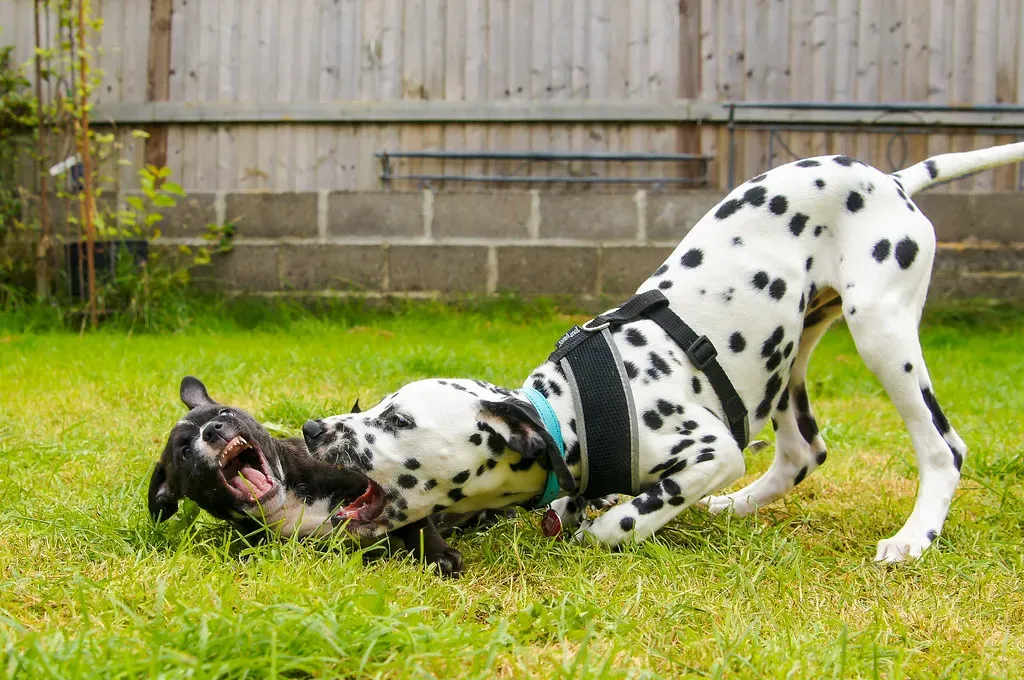
This one costs owners something real: the urge to keep going when the dog is having fun, even when the dog’s body language is quietly asking for a pause. A lip lick. A head turn. Suddenly moving toward the water bowl. These are soft signals, and most people override them without thinking. That override chips away at trust in ways that compound quietly over time.
The counterintuitive payoff is significant: dogs whose play boundaries are consistently respected initiate far more contact on their own terms. They come back. They nudge your hand. They drop the toy at your feet instead of retreating to another room. Honoring the “enough” signal doesn’t end the relationship – it deepens it. The dog learns that you listen, and that learning changes everything.
The dog lives in the present. When you’re with him, be with him.
Gene Hill
#6 – Shared Calm Breathing Moments
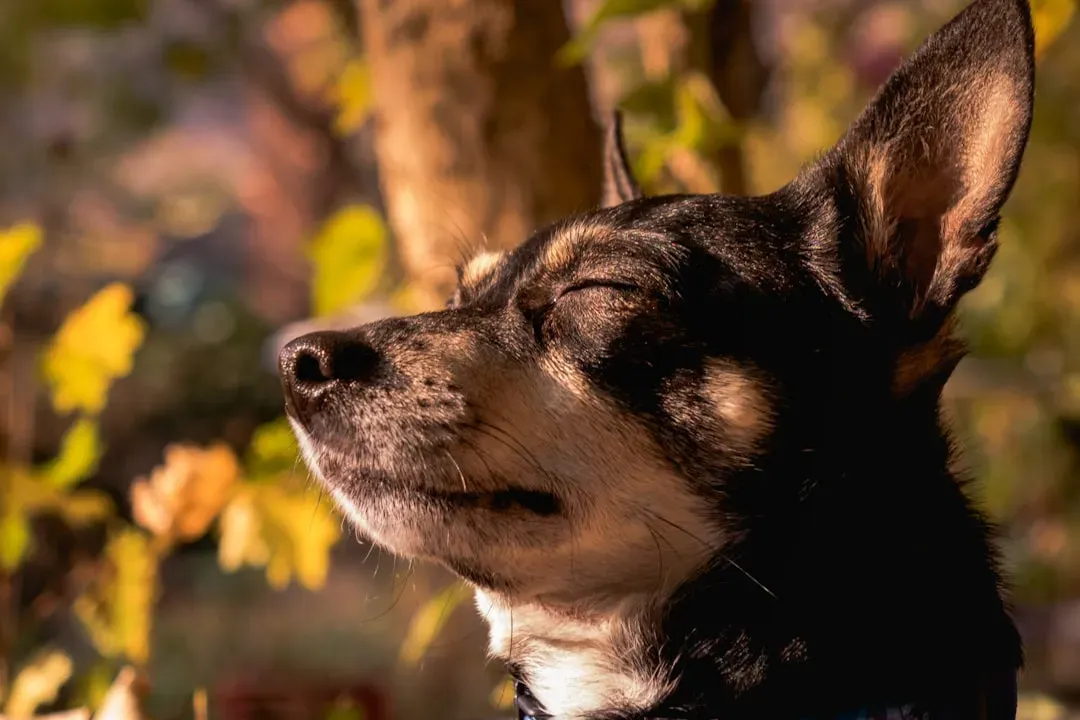
This habit sounds almost too simple to bother with, which is probably why so few people do it deliberately. Sitting quietly near your dog and breathing slowly – visibly, deeply – for two minutes activates something real. Dogs are wired to read the physiological state of those around them, and they mirror calm the same way they mirror anxiety. It goes both directions.
Dogs will typically match a human’s calm breathing within 90 seconds when the person is genuinely settled – not scrolling, not talking, not fidgeting. No touch required. No words. Just presence and slow breath. Owners who build this habit report faster settling during thunderstorms and fireworks, not because the dog stops noticing the noise, but because they’ve learned that their person’s body says “we’re okay.”
#5 – Daily Mental Puzzle Time
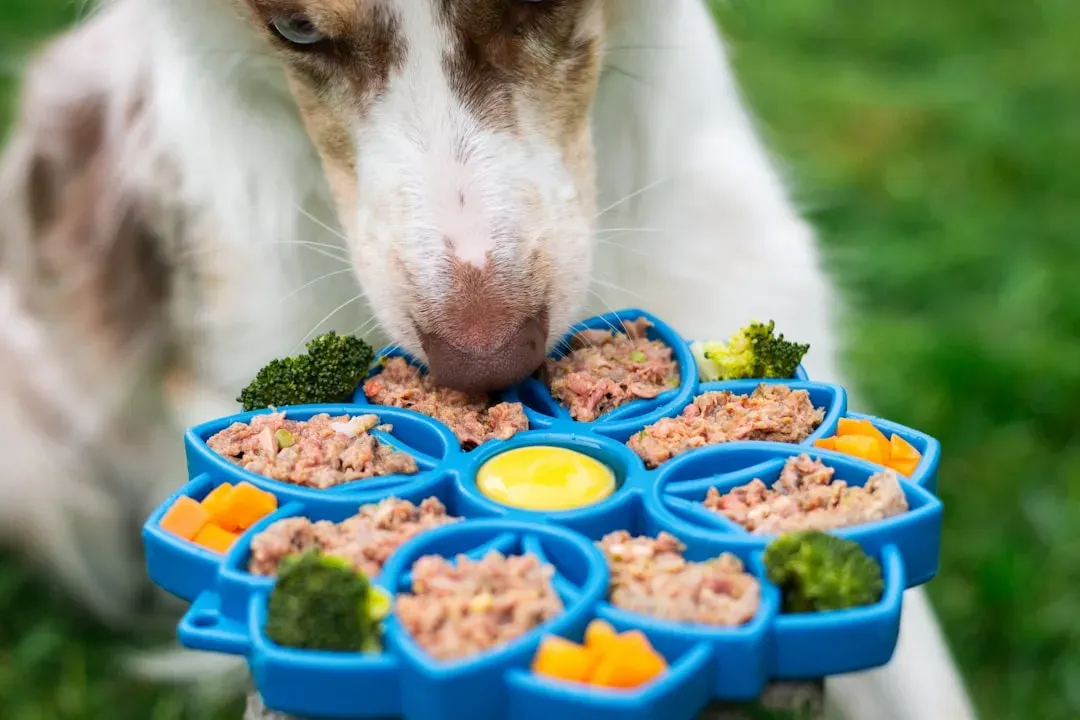
A tired dog isn’t always a calm dog. Physical exercise burns energy but leaves a sharp, curious brain underemployed – and an underemployed brain finds its own entertainment, usually in ways you won’t enjoy. Five minutes of nose-work, a snuffle mat, or a puzzle feeder channels that intelligence toward problem-solving instead of anxiety. More importantly, it builds confidence. The dog learns that effort leads to reward, and that lesson generalizes.
The outcome that surprises most owners: mentally stimulated dogs consistently choose proximity over independent roaming. Once the puzzle is done, they drift toward you. The working theory is that successful problem-solving reduces the background tension that drives dogs to patrol, dig, or pace. Offer the puzzle at the same time each day – after a walk works well – and watch what the last hour before bed starts to look like.
#4 – Predictable Goodbye Rituals
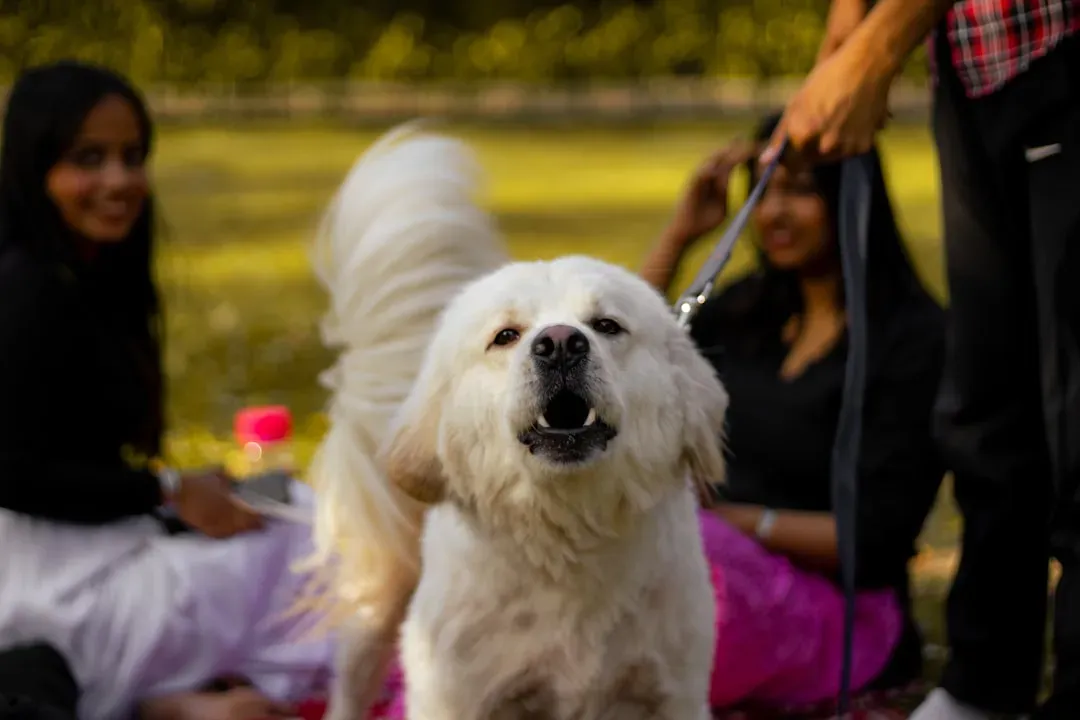
Long, emotional goodbyes feel loving. To a dog, they feel like a warning. Lingering at the door, repeatedly saying “it’s okay,” or giving one last hug that turns into three actually amplifies the anxiety they’re designed to prevent. The dog reads the heightened energy and concludes that whatever comes next must be significant enough to worry about.
A short, neutral exit cue – the same phrase, the same gesture, under 10 seconds, every single time – signals that leaving is routine and safe. Behaviorists now recommend this approach for mild separation anxiety before considering medication, and the results are striking. Dogs with consistent exit rituals show significantly less destructive behavior when left alone. The cue itself becomes a comfort. “Be back soon” stops being a goodbye and starts being a promise they believe.
Quick Compare
| What Most Owners Do | What Actually Helps |
|---|---|
| Long, emotional goodbye at the door | Short, calm exit cue – under 10 seconds |
| Repeated “it’s okay” reassurances | One consistent phrase, same tone every time |
| Multiple last hugs before leaving | Say the cue, walk out – no looking back |
| Different routine every departure | Identical sequence so the dog learns “this is normal” |
#3 – Midday Check-In Touch
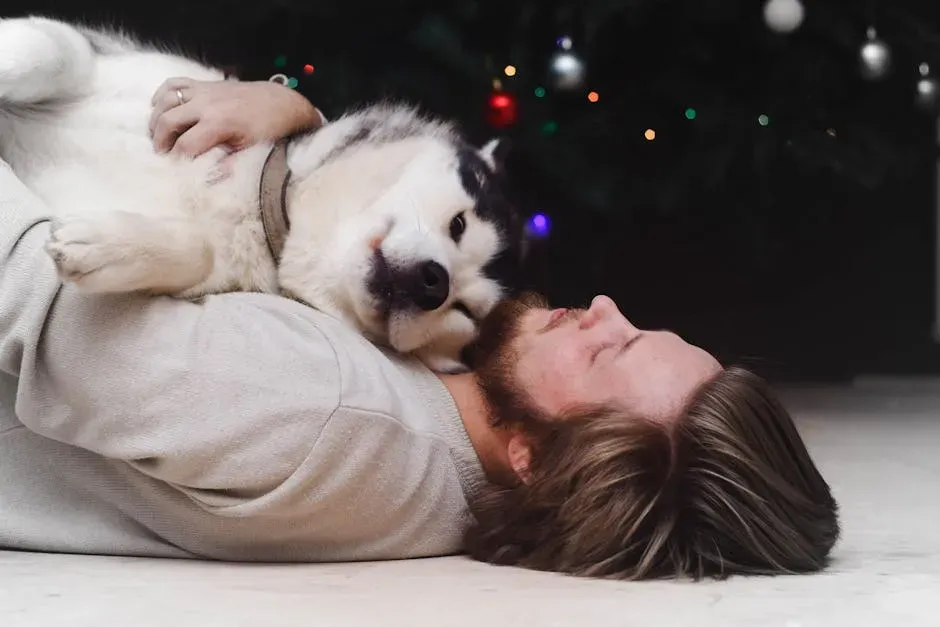
If you work from home or have any natural break in your day, this micro-habit might be the easiest high-value investment on the entire list. Walk over to your dog during a pause. Place a calm hand on their shoulder or side for 30 seconds. No words necessary. Just steady, unhurried contact that says: the pack is still here, nothing has changed, you haven’t been forgotten.
What catches owners off guard is how quickly dogs start seeking these moments themselves. Within a few weeks of consistency, they’ll appear at your elbow around the usual time – not demanding, just arriving. That’s not coincidence. That’s a dog who has learned that the rhythm of your day includes them, and who trusts it enough to show up for it. You can’t manufacture that with a Saturday afternoon of extra cuddles. You build it in 30-second increments, day after day.
#2 – Nighttime Body Language Scan

Before you turn off the light, spend 30 seconds actually looking at your dog. Not a glance – a real look. Are they settled? Is something in the environment making them tense: a light left on, a fan aimed at their bed, noise from outside? Adjusting small things based on what you observe communicates something that no amount of talking can: I notice you. Your comfort is part of how I end my day.
Dogs whose owners perform this nightly scan sleep through more disturbances. The likely reason isn’t mystical – it’s practical. Small sources of discomfort that compound over weeks get caught and corrected before they become chronic stress. But there’s something else happening too. The dog begins to associate your last waking movements with safety and attention. By the time you’re asleep, they already feel looked after. That’s a powerful place to spend a night.
#1 – Uninterrupted Eye Contact Windows
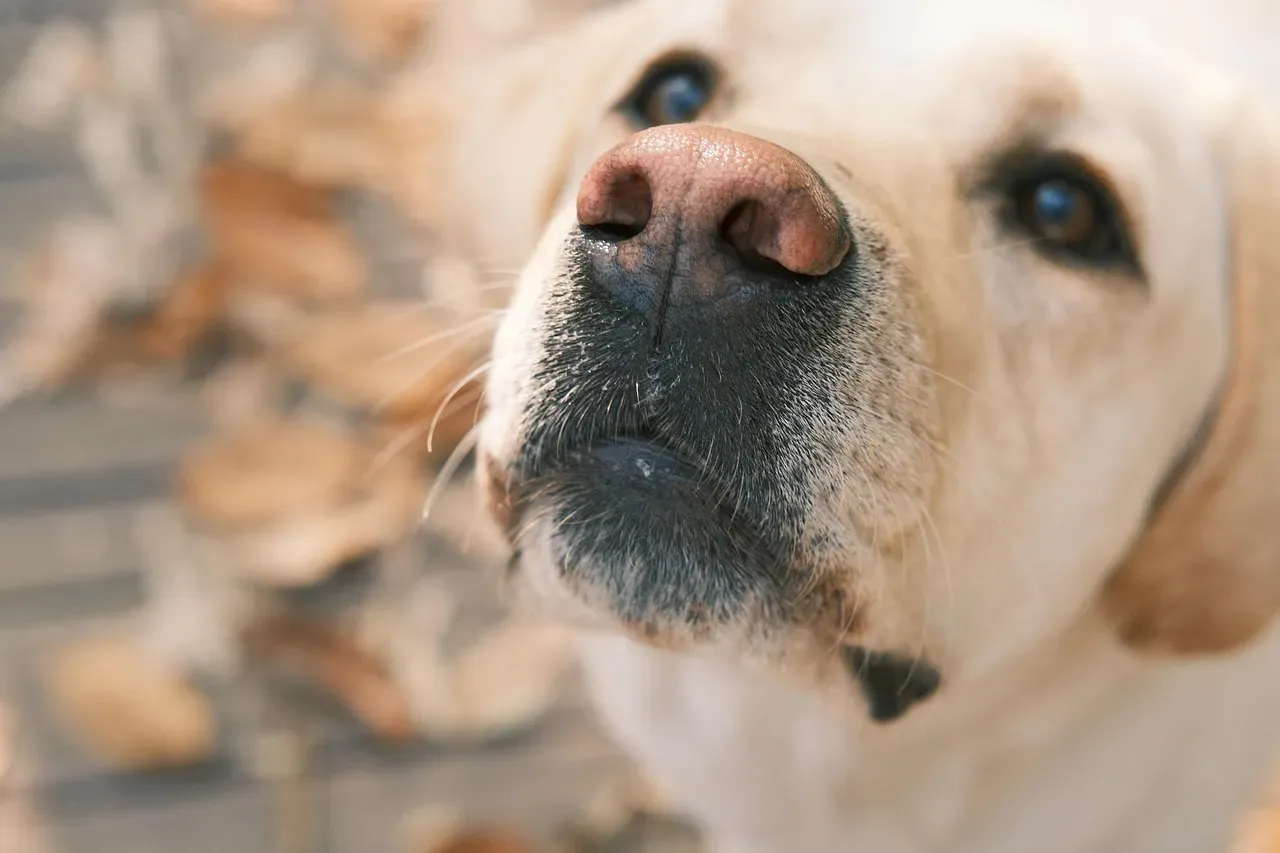
Put the phone down. Sit at their level. Look at them – soft eyes, relaxed face – for two full minutes. No multitasking, no half-attention. This single habit, practiced daily, does something measurable in both bodies: mutual eye contact between dogs and their owners triggers a release of oxytocin, the same bonding hormone that connects human parents to their children. It is not a metaphor. It is biology.
The finding that tends to stop people cold: dogs who receive daily, uninterrupted eye contact from their owners choose those owners over food rewards in controlled choice tests. Over food. That’s the depth of the bond this habit builds. Most people rush past it because sustained eye contact feels strange at first, even with an animal. Sit with the strangeness. Let them look away first. Do it again tomorrow. It’s two minutes. It might be the most important two minutes in your dog’s day.
Why It Stands Out
- Groundbreaking 2015 research by Dr. Takefumi Kikusui at Azabu University confirmed that mutual gazing between dogs and owners causes measurable oxytocin spikes in both species.
- The effect is unique to domesticated dogs – wolves raised by humans do not show the same oxytocin response to human eye contact.
- Dogs and owners with stronger existing bonds show even more dramatic hormone increases during gazing sessions – meaning the habit compounds over time.
- The oxytocin pathway activated is the same biological loop involved in human parent-infant bonding – not a loose analogy, but the same hormonal mechanism.
- Breeds more genetically distant from wolves tend to make spontaneous eye contact with humans more readily – it is a trait shaped by thousands of years of domestication.
The Honest Conclusion
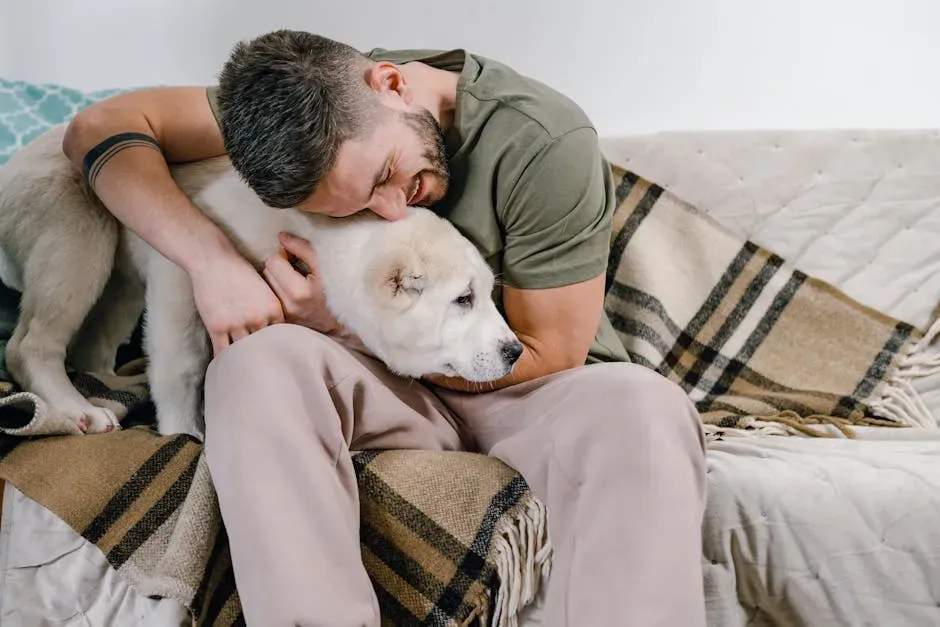
Here’s the opinion worth stating plainly: most of what the pet industry sells as “bonding” is noise. The expensive calming diffusers, the elaborate treat puzzles, the designer beds – none of it matters if the dog can’t predict what their human is going to do next. Safety isn’t a product. It’s a pattern. And patterns are built in five-minute increments, morning and night, seven days a week, without fanfare.
The dogs who never want to leave their person’s side aren’t the most pampered. They’re the most certain. Certain that the morning will look like yesterday’s morning. That the hands that reach for them will be gentle. That “goodbye” means “I’ll be back” and not “anything could happen.” If you want that kind of loyalty – the kind that follows you from room to room and waits outside the bathroom door – stop trying to impress your dog and start trying to be predictable for them. The closeness you’re looking for is already waiting on the other side of consistency.


