
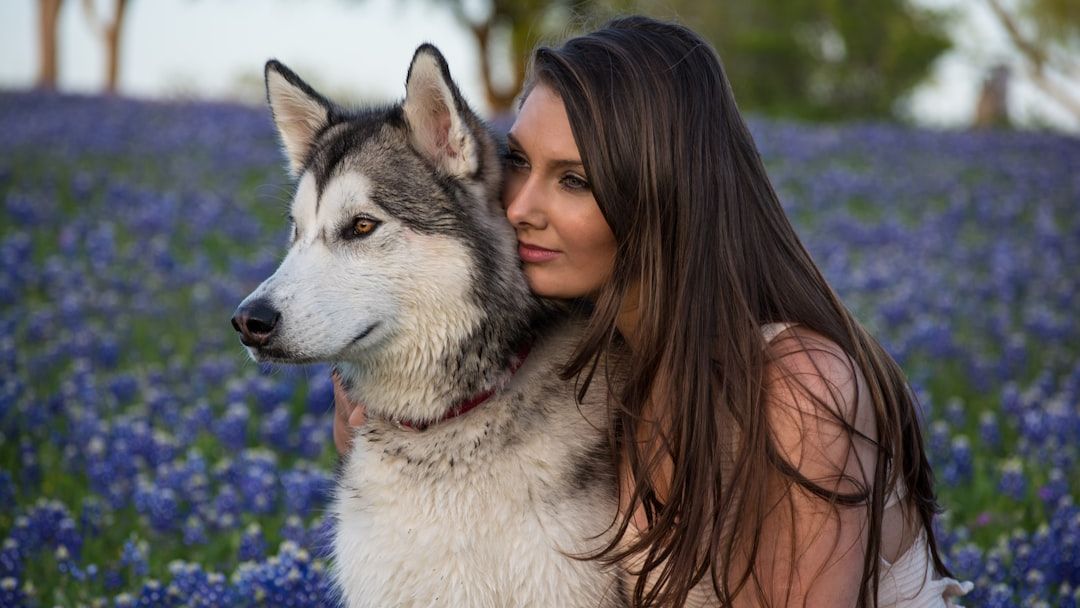
Many dog owners notice subtle shifts in their pet’s behavior that seem to align with personal milestones. One that often surprises people involves the transition into menopause, where a once steady companion might grow more attentive or oddly distant.
These changes spark curiosity because dogs pick up on cues humans overlook. The reasons tie into their remarkable senses and the quiet ways bodies communicate through chemistry.
The Remarkable Sensitivity of Canine Senses
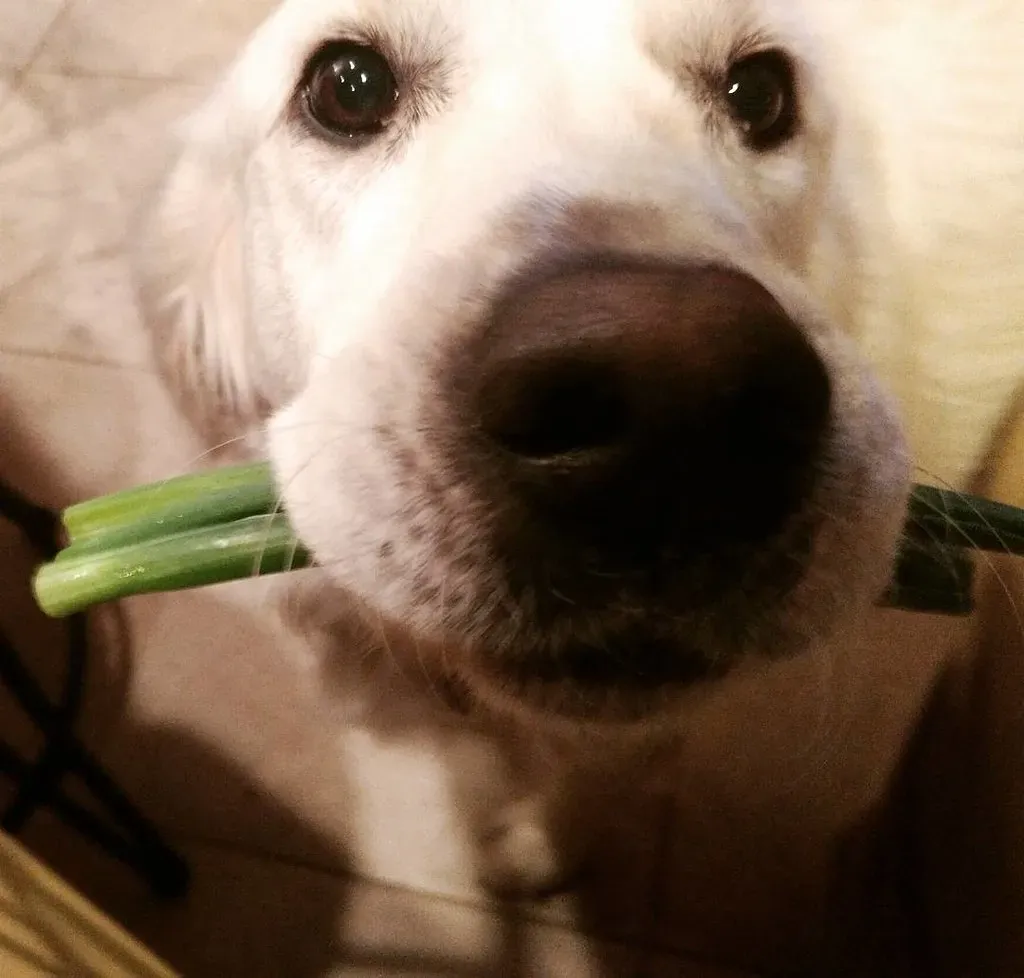
Dogs rely heavily on smell to navigate their world. Their noses contain hundreds of millions of scent receptors that allow them to detect tiny variations in the air around them. This ability extends to picking up on shifts in human body chemistry over time.
Owners sometimes describe their dogs reacting before any obvious signs appear. The animals may linger nearby or watch more closely during periods of hormonal fluctuation. Such responses highlight how attuned pets can become to their people.
How Hormonal Changes Alter Body Scent

Menopause brings fluctuations in estrogen and other hormones that influence natural odors. Dogs notice these alterations because scent serves as a primary form of information for them. Similar patterns appear in other life stages like pregnancy where pets react to new chemical signals.
The change does not require training or special conditions. Everyday dogs respond to these cues through instinct alone. This explains why behavior adjustments can seem sudden or unexplained at first glance.
Anecdotal Patterns Reported by Owners
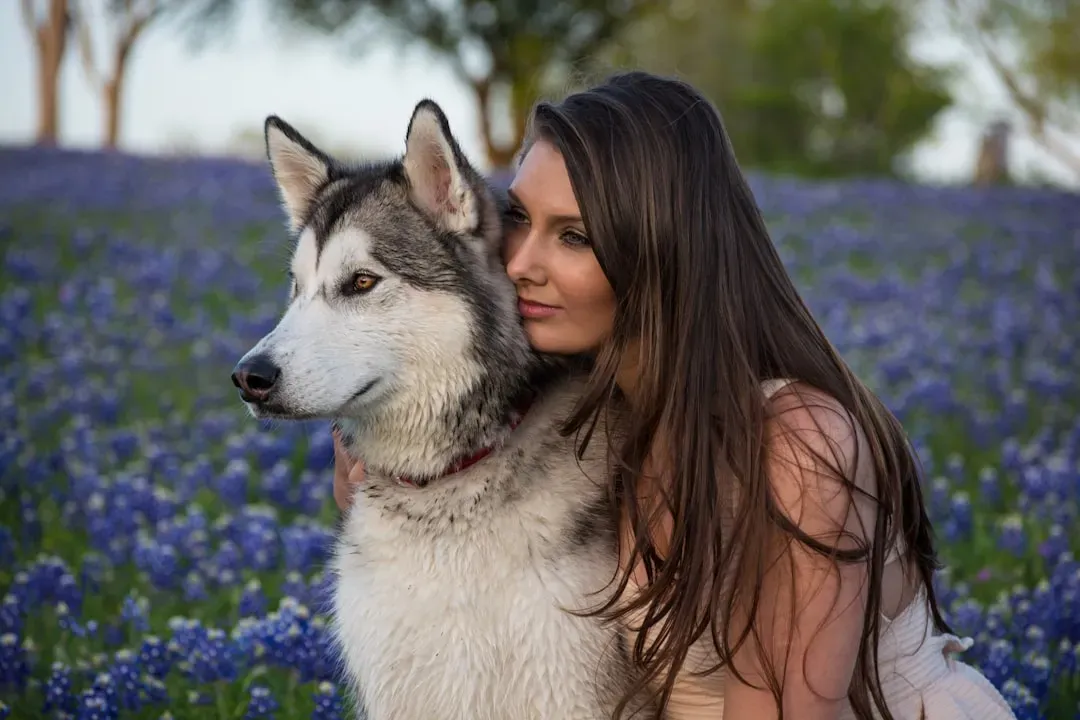
Stories from women in this stage often mention dogs seeking extra closeness or becoming protective. Some pets follow their owners more persistently around the house. Others show increased alertness to mood shifts or physical discomfort.
These observations remain personal accounts rather than controlled findings. Still they appear consistently enough across different households to suggest a real connection. Individual dogs vary in how strongly they react based on personality and prior experiences.
Emotional Awareness Beyond Physical Cues

Dogs read human emotions through a combination of scent, body language, and routine changes. During menopause stress levels or sleep patterns may shift which affects daily interactions. Pets often mirror or respond to these adjustments in their own ways.
This awareness helps explain clinginess or withdrawal without any single cause. The bond between dog and owner creates a feedback loop where one influences the other. Small adjustments in attention can feel significant to both sides.
Distinguishing Menopause Effects From Other Factors
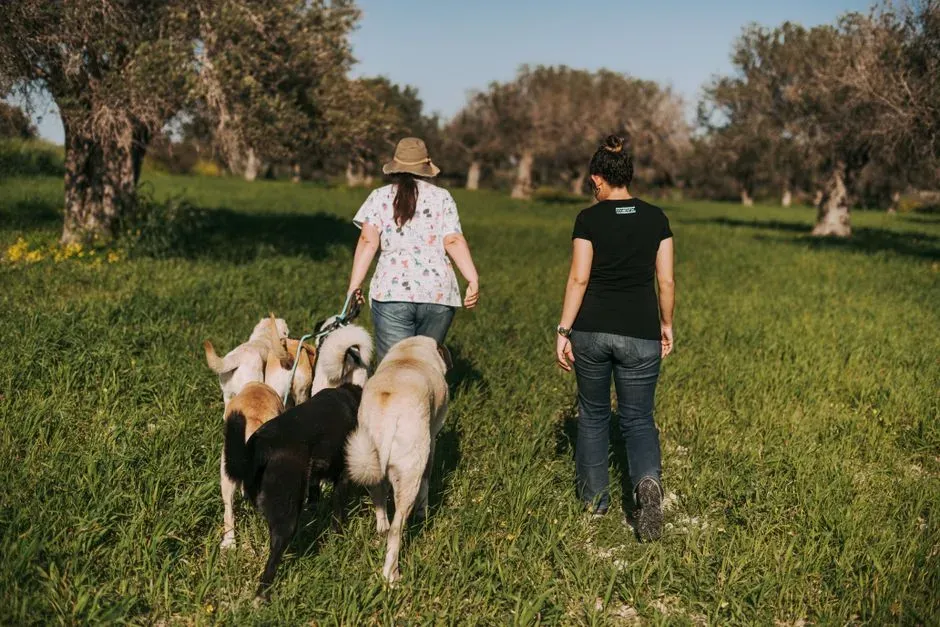
Age related changes in the owner or the dog itself can overlap with menopause timing. Arthritis or vision loss in older pets might alter how they seek comfort. Household routines disrupted by symptoms like hot flashes also play a role in behavior shifts.
Sorting these influences requires patience and observation. Veterinary checks help rule out medical issues in the dog. Tracking patterns over weeks provides clearer insight into what drives the differences.
Practical Ways to Support the Relationship
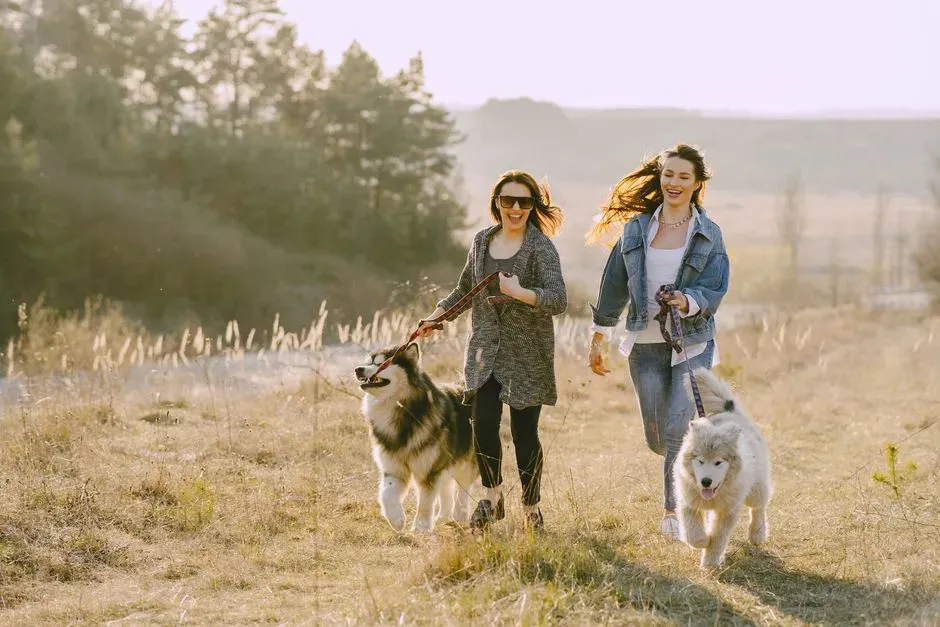
Maintaining consistent routines helps dogs feel secure amid changes. Extra gentle play or quiet time together can ease any tension from altered dynamics. Paying attention to the dog’s signals allows owners to respond thoughtfully.
Professional trainers or behaviorists offer guidance when adjustments feel challenging. Simple environmental tweaks like comfortable resting spots near the owner make a difference. These steps strengthen the connection without forcing unnatural behaviors.
Embracing the Evolving Bond With Perspective
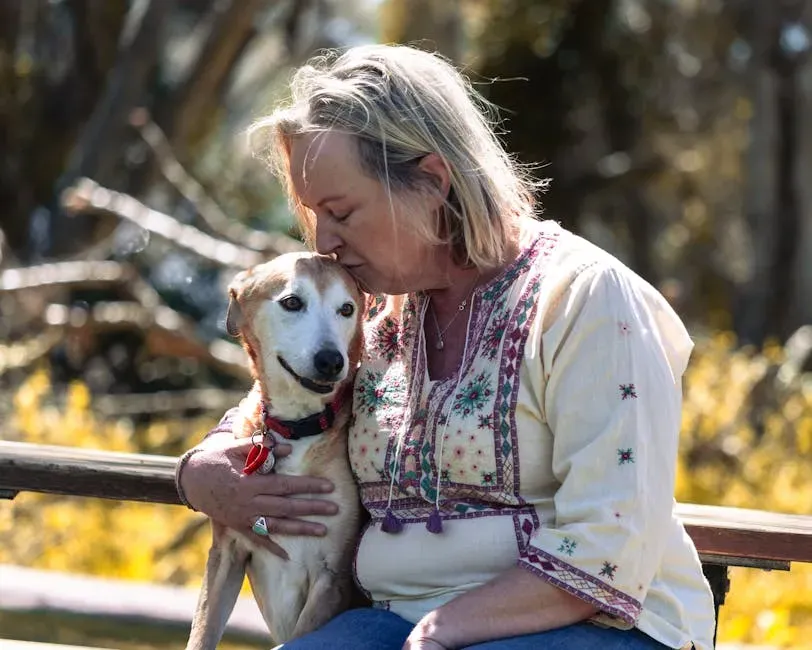
The shifts in behavior during menopause reflect the depth of the human dog relationship rather than any problem to fix. Dogs adapt alongside their people in ways that reveal their loyalty and perception. This phase can ultimately deepen mutual understanding when met with patience.
Recognizing these moments as part of a shared journey encourages owners to value the quiet support pets provide. The connection evolves naturally and often grows stronger through such transitions. In the end the differences serve as reminders of how closely lives intertwine.


