
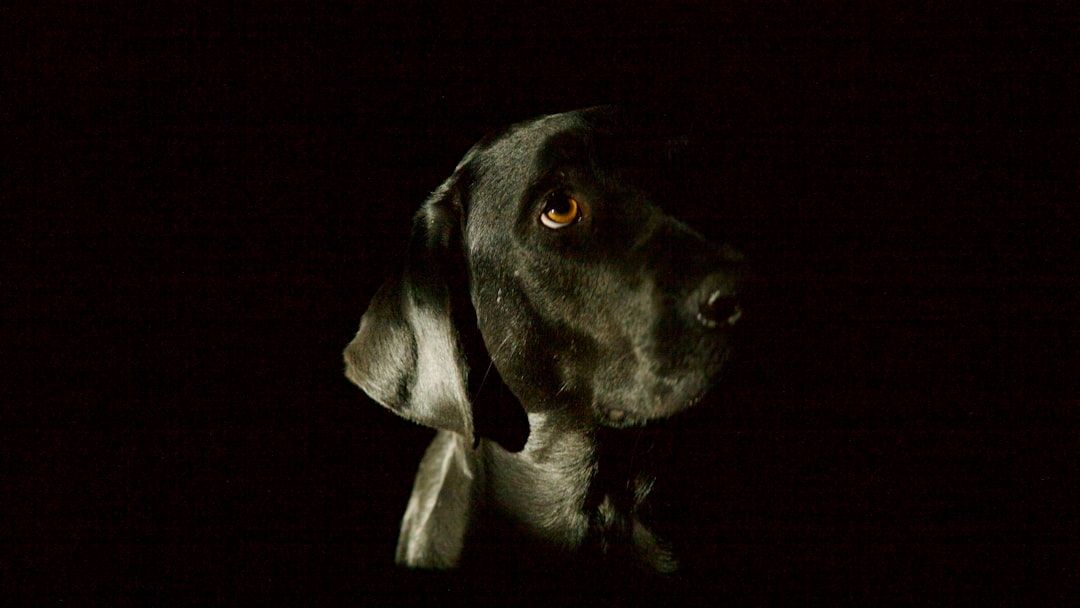
You settle in for the evening, the house quieting down, when you catch your dog locked in a steady gaze toward one particular corner. The room looks empty to you, yet something holds their attention completely.
Many owners notice this habit and wonder what draws their pet there night after night. The behavior often stems from a mix of natural instincts and subtle surroundings that humans simply miss.
The Role of Superior Hearing

Dogs pick up frequencies and distant sounds that pass right by human ears. A faint creak in the walls or the hum of an appliance settling can pull their focus to one spot. This sensitivity helps them stay alert to changes in their environment even when everything seems still.
At night the background noise drops, making those small sounds stand out more clearly. Your dog may turn toward the corner simply because that is where the noise appears to originate. Over time the pattern becomes familiar, and the corner turns into a regular point of interest.
Visual Cues in Low Light
Canine eyes handle dim conditions better than ours, picking up faint movements or reflections. A tiny insect crawling along the baseboard or a glint from a window can catch their attention in the dark. What looks like nothing to you might register as something worth watching.
Shadows shift as lights from outside move across the room. Your dog follows those changes because their vision stays sharper in low light. The corner becomes a natural place to monitor for any small activity that unfolds there.
Possible Signs of Discomfort

Sometimes the stare signals mild physical unease rather than curiosity alone. Joint stiffness or an upset stomach can make a dog seek out a quiet spot to focus. They may hold still while trying to work through the feeling.
Owners often notice the behavior increases after a long day of activity or changes in routine. The corner offers a fixed point that feels steady when the dog feels off balance. Watching for other clues like changes in appetite or energy helps put the staring in context.
Age and Cognitive Factors
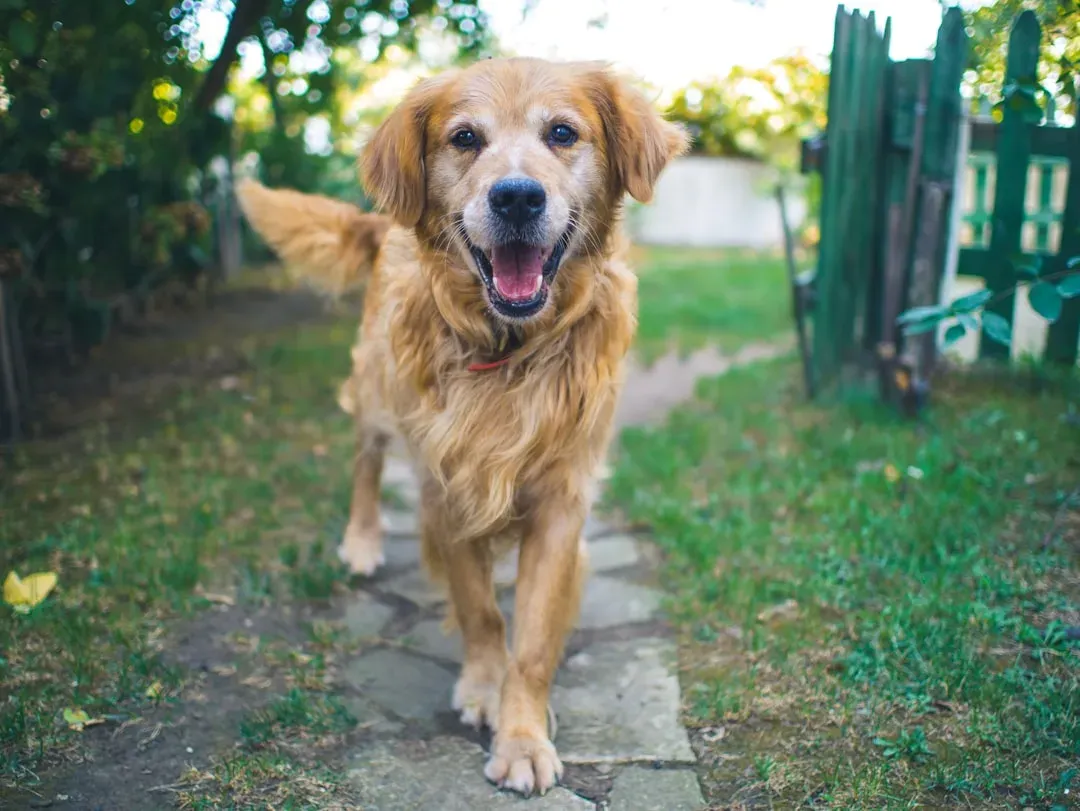
Older dogs sometimes develop habits tied to gradual changes in how they process their surroundings. A familiar corner can become a default place to pause and gather their bearings. This pattern appears more often as pets move into their senior years.
Cognitive shifts can make certain areas of the home feel more secure or interesting. Your dog may return to the same spot because it provides a sense of order. Regular checkups help track whether the behavior ties to normal aging or needs extra attention.
Anxiety or Stress Responses
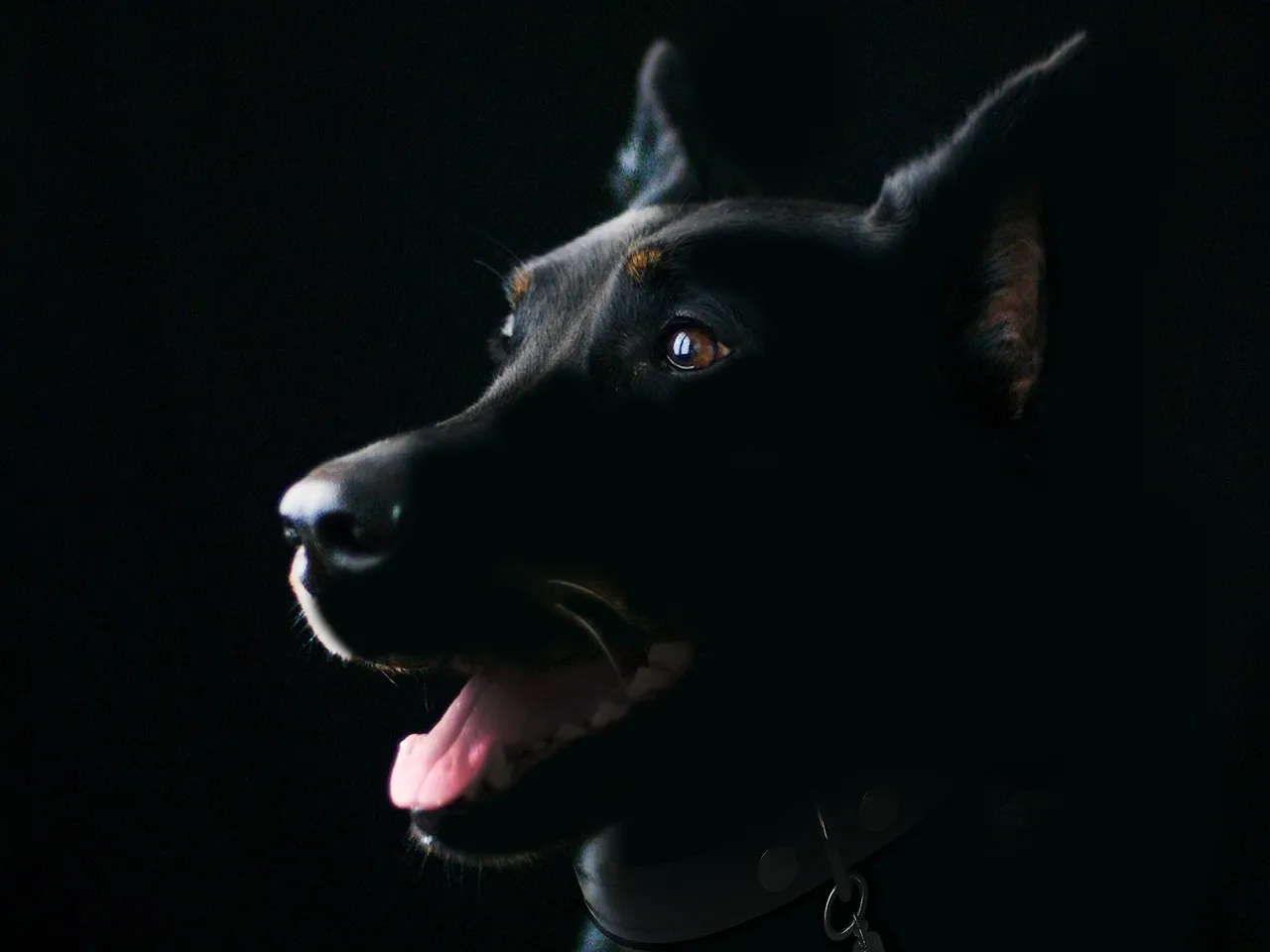
Some dogs stare because the quiet of night brings up low level worry. Unfamiliar sounds from outside or changes in the household schedule can heighten that feeling. The corner offers a contained space where they can stay alert without moving around.
Thunder, fireworks, or even a new piece of furniture nearby can trigger the response. Your dog learns that watching one area helps them feel more in control. Gentle reassurance and a consistent bedtime routine often ease the intensity over time.
Everyday Household Mysteries

Small details around the home can turn an ordinary corner into a point of fascination. Drafts from vents, settling floors, or even the reflection of a clock light create tiny movements worth investigating. Dogs notice these details because their world includes layers humans overlook.
A new plant, rearranged furniture, or seasonal change in light patterns can shift what draws their gaze. The behavior stays harmless in most cases and simply reflects how dogs explore their space. Paying attention to recent adjustments around the house often explains the sudden focus.
Practical Steps for Peaceful Nights
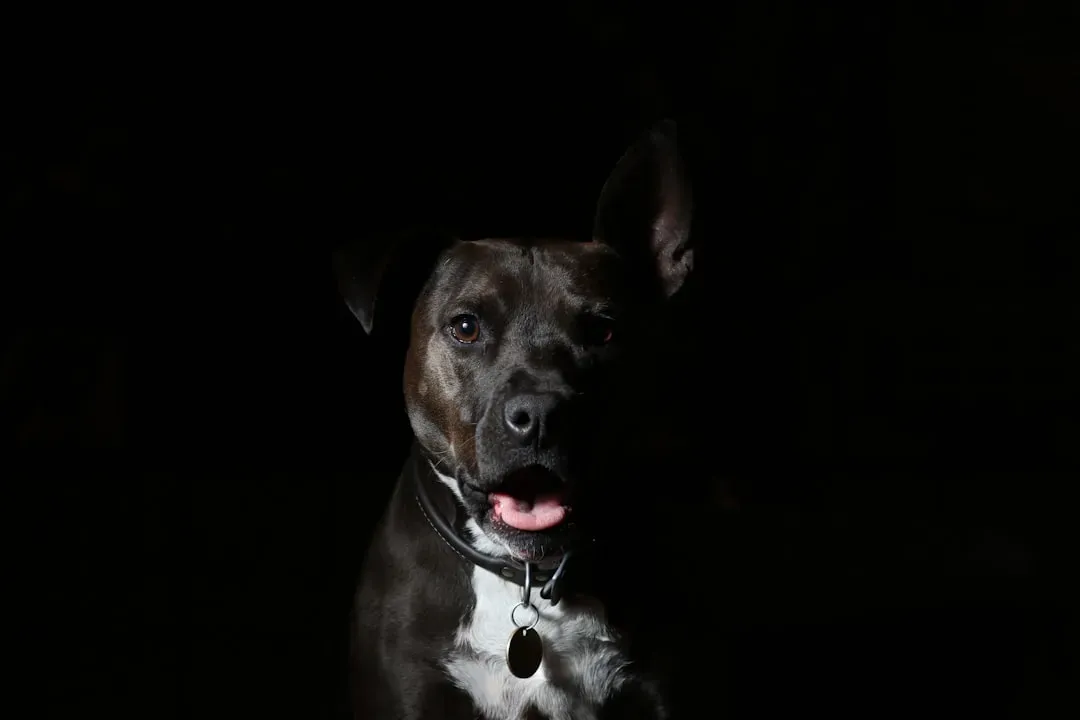
Simple changes can reduce the staring without removing your dog natural alertness. Adding a night light or white noise machine softens the contrast between day and evening sounds. A comfortable bed placed away from the corner gives them another place to settle.
Short daytime play sessions and steady meal times help lower overall restlessness. If the behavior comes with other signs like pacing or whining, a quick visit to the veterinarian rules out underlying issues. Most dogs settle into calmer evenings once their surroundings feel predictable and safe.
Understanding these quiet moments helps strengthen the bond you share with your dog. Small adjustments often bring more restful nights for everyone in the house. Over time the corner may lose its hold as new routines take shape.


