
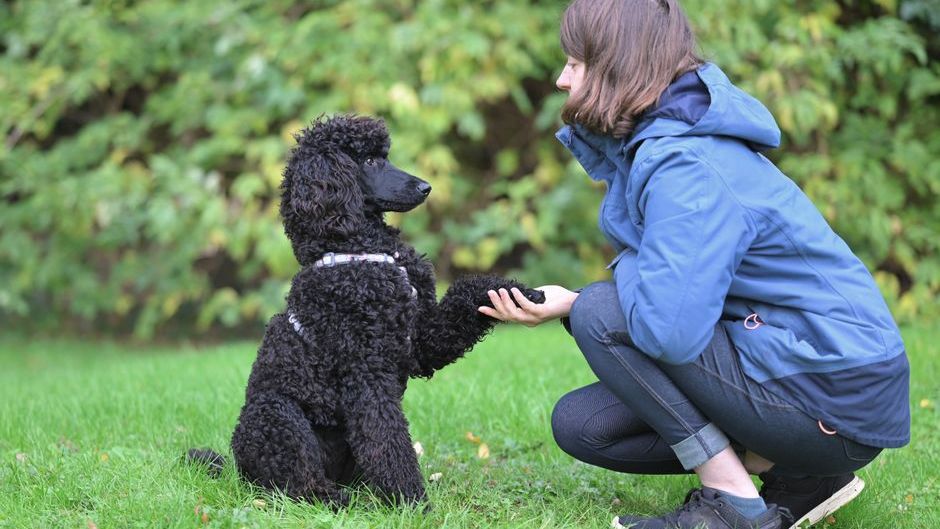
Most parents notice it without quite naming it. A child who once rushed through chores now lingers by the food bowl, checking water levels twice. The same kid who used to bolt past feelings now pauses when the dog’s tail drops. Something shifts in the daily rhythm that no worksheet or classroom discussion quite captures.
That shift comes from living alongside another creature who needs care, reads moods, and offers steady company without lectures. Over time the lessons stack up in quiet ways. They shape how children move through the world long after the dog is gone.
Responsibility That Sticks Beyond Chore Charts
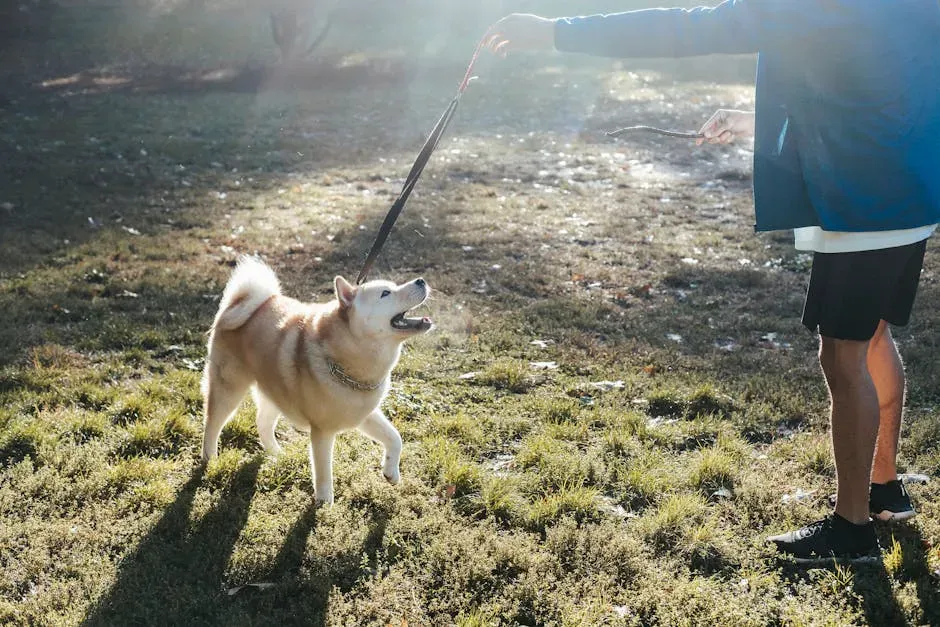
Feeding, walking, and brushing become non negotiable parts of the day. Children learn that skipping a walk means a restless pet and a mess on the floor later. The routine builds because the dog cannot wait or remind them with words.
Over months this turns into an internal clock rather than an external reminder. Kids start noticing when the bowl is low without being asked. That habit of noticing carries into other areas of life where no one keeps score.
Reading Emotions Without a Single Word Spoken
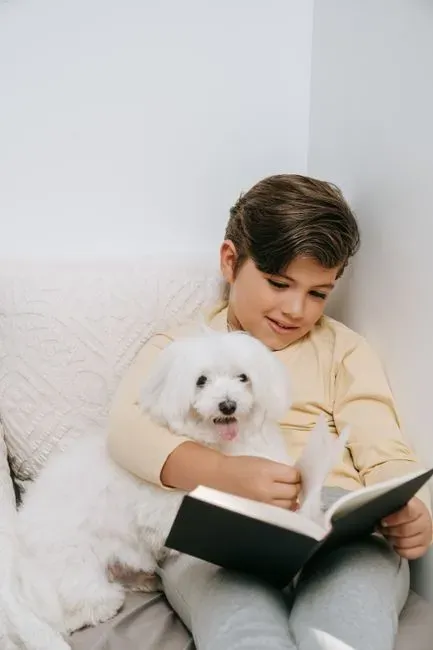
Dogs react to tone, posture, and energy long before children learn to label those cues in people. A child quickly sees that a raised voice makes the dog shrink or that a calm lap invites closeness. The feedback loop is immediate and honest.
Through daily interactions kids practice adjusting their own energy to match what the dog needs. They notice when excitement helps and when quiet presence matters more. That sensitivity often shows up later in friendships and family moments where words fall short.
Patience That Grows One Walk at a Time
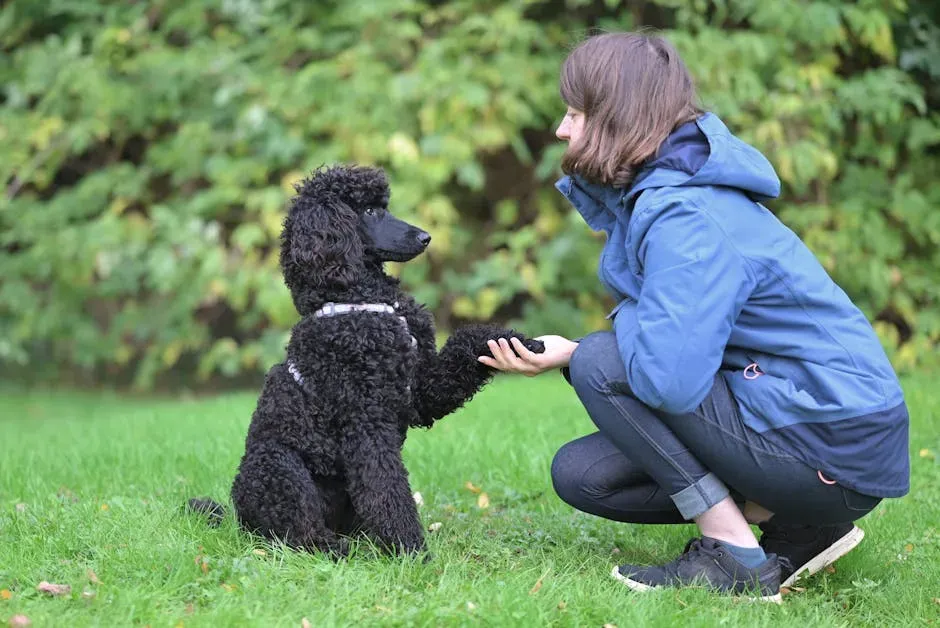
Puppies chew shoes, ignore commands, and need repeated practice on the same basic skills. Children discover that progress happens in small increments rather than sudden breakthroughs. Frustration gives way to steady repetition because the dog keeps showing up.
Waiting for the right moment to reward good behavior teaches timing and restraint. Kids learn that forcing results usually backfires. The same patience later helps with homework struggles or learning a new sport where quick wins are rare.
The Simple Power of Moving Together
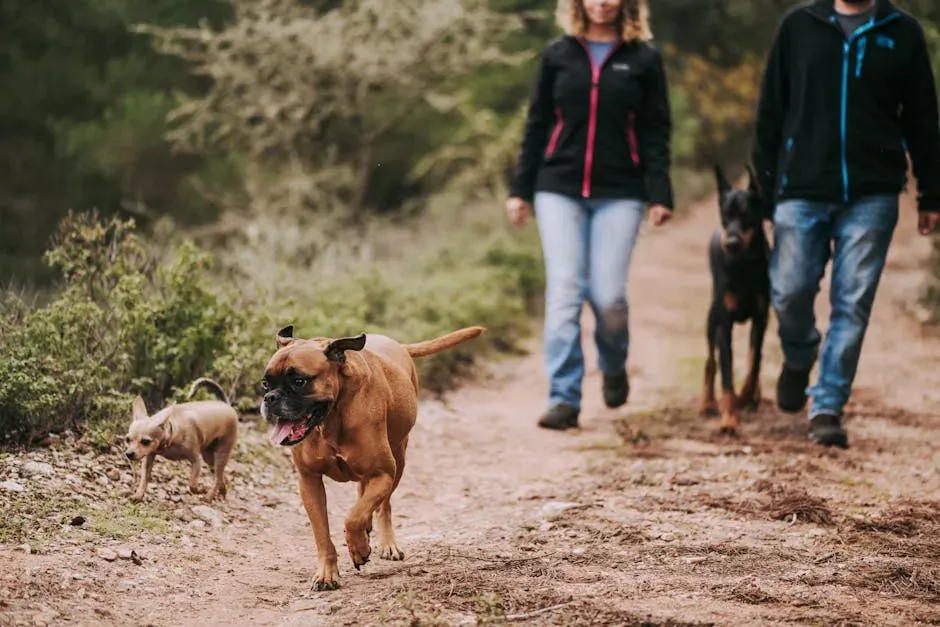
Daily walks turn into shared adventures that get both child and dog outside regardless of weather or mood. Children experience how movement lifts low energy and clears a crowded mind. The dog provides the consistent reason to step away from screens.
Over time the habit becomes joint rather than forced. Kids start suggesting routes or noticing neighborhood changes during those outings. Physical activity stops feeling like an obligation and starts feeling like a shared rhythm that improves the whole day.
Loyalty That Does Not Depend on Performance
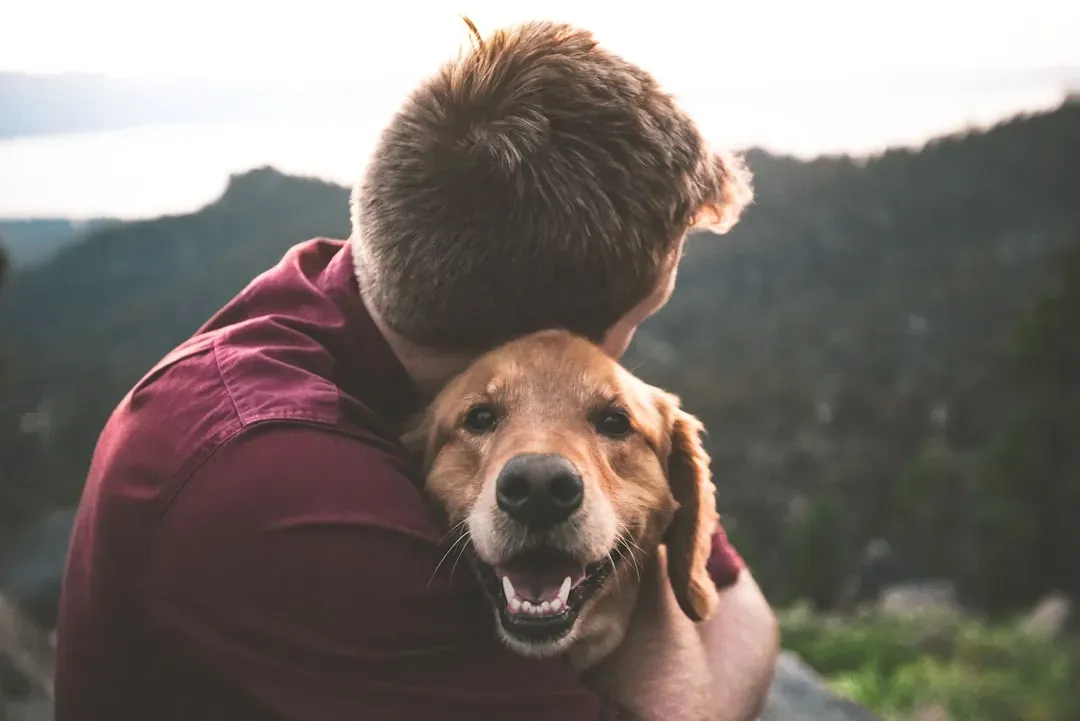
A dog greets the child after a bad test or a lost game with the same enthusiasm as after a win. That steady welcome shows affection is not earned through grades or trophies. Children absorb the difference between conditional praise and unconditional presence.
The bond grows stronger precisely because it survives ordinary disappointments. Kids learn they can return to that steady connection even on off days. The experience quietly counters the pressure to perform that fills so much of school life.
Handling Change Without Falling Apart
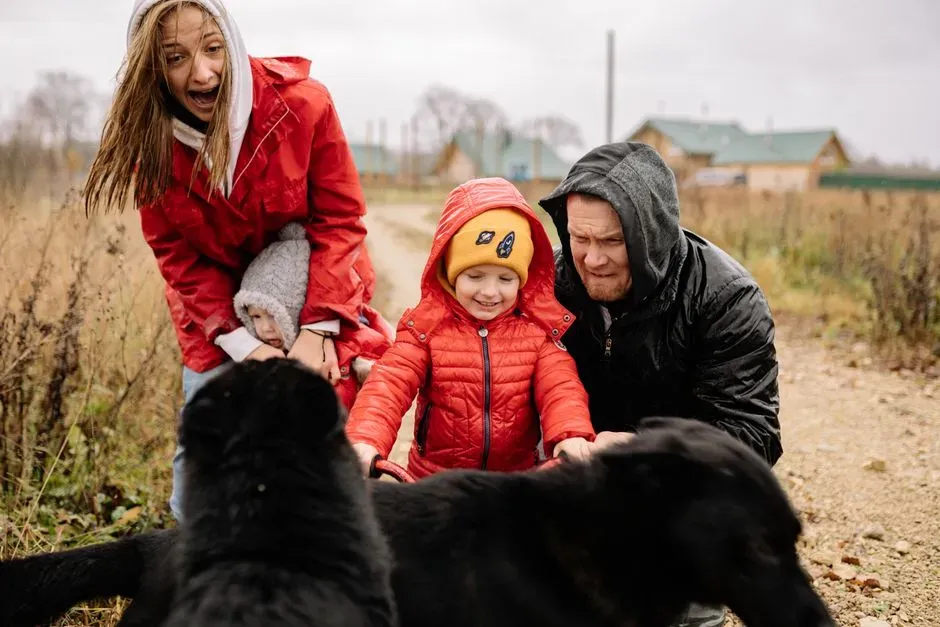
Moves, new siblings, or schedule shifts affect the dog as much as the family. Children watch how the pet adjusts to new smells, new people, and new routines. The process models flexibility without dramatic resistance.
When the dog settles into the new normal, kids see that adaptation is possible even when everything feels unsettled. They practice small adjustments themselves, like changing walking times or introducing new toys. That lived example of rolling with change builds quiet resilience.
Communicating Across Different Languages

Body language, eye contact, and simple sounds become the main tools for connection. Children learn to notice tail position, ear angle, and breathing patterns as clear signals. The practice sharpens attention to detail that spoken words sometimes hide.
Over time kids translate those signals into their own responses, whether offering space or inviting closeness. The skill transfers to reading classmates or siblings who may not always say what they feel. Nonverbal fluency becomes a practical advantage in daily life.
Living Fully in the Present Moment

A dog rarely lingers on yesterday’s scolding or tomorrow’s plans. Each greeting, meal, and walk receives full attention in the moment it happens. Children absorb that focused presence simply by sharing the same space.
The contrast with busy schedules and future worries becomes obvious over time. Kids start pausing during ordinary moments, like watching the dog chase a ball or settle into a sunny patch. Those pauses offer a model for balance that no lecture on mindfulness quite matches.
These eight lessons do not replace school. They fill the spaces between lessons with lived experience that stays with children long after report cards are filed away. A dog turns ordinary days into a steady classroom where the curriculum is presence, care, and connection. Families who welcome one often find the benefits reach everyone in the house, not just the youngest members. The real measure shows up years later in how those children treat the people and animals around them.


