
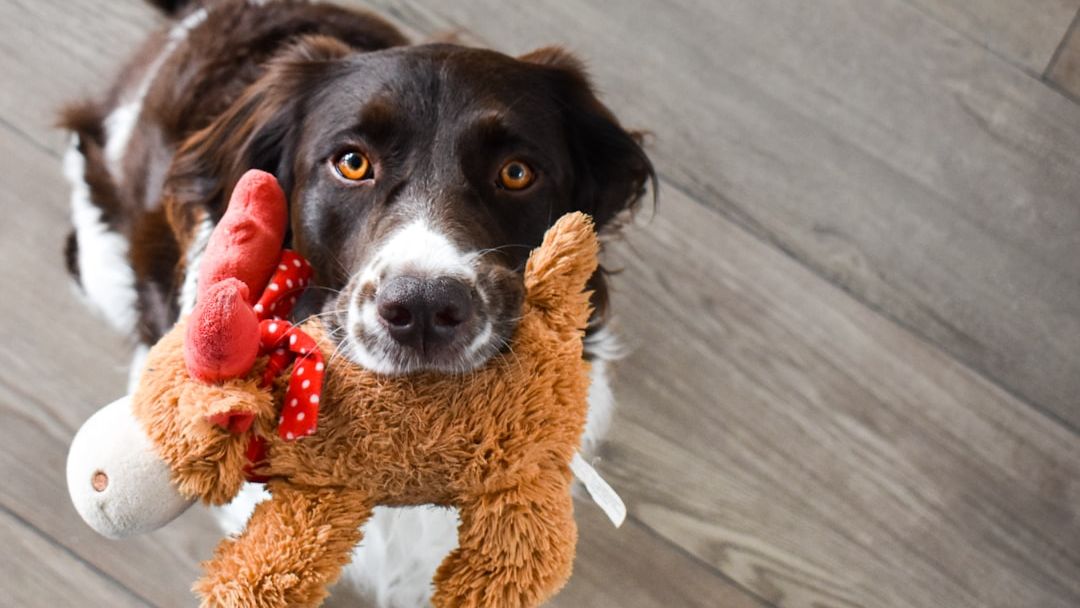
Most people assume a dog trotting over with a slobbery toy is just asking for a game. Yet the timing often lines up exactly with moments of quiet distress, turning an ordinary habit into something more layered.
This small act can shift how you understand the connection you share, revealing layers of awareness that go beyond simple play.
Dogs Read Emotions Better Than We Think
Dogs have evolved alongside humans for thousands of years, sharpening their ability to notice subtle changes in our posture, breathing, and tone. They pick up on these cues quickly and respond in ways that feel intentional rather than random.
Research into canine cognition shows they can distinguish between happy and sad expressions, often adjusting their behavior accordingly. This sensitivity helps explain why the toy appears precisely when your mood dips.
Toys Carry Personal Meaning for Them
A favorite toy holds strong positive associations for a dog, linked to fun, attention, and relief from boredom. When they bring it over, they may be extending that same source of comfort to you.
The gesture treats the object as a shared resource rather than something they hoard. It reflects how dogs often view their belongings in relation to their favorite people.
A Gesture Rooted in Empathy
Many owners report their dogs approaching with a toy right after tears or arguments, suggesting an attempt to ease distress. This pattern appears across different breeds and living situations, pointing to a common instinct.
While not every instance proves deep understanding, the consistency hints at emotional attunement. Dogs seem motivated to restore a lighter atmosphere in the home they share with you.
Playtime as Emotional Rescue
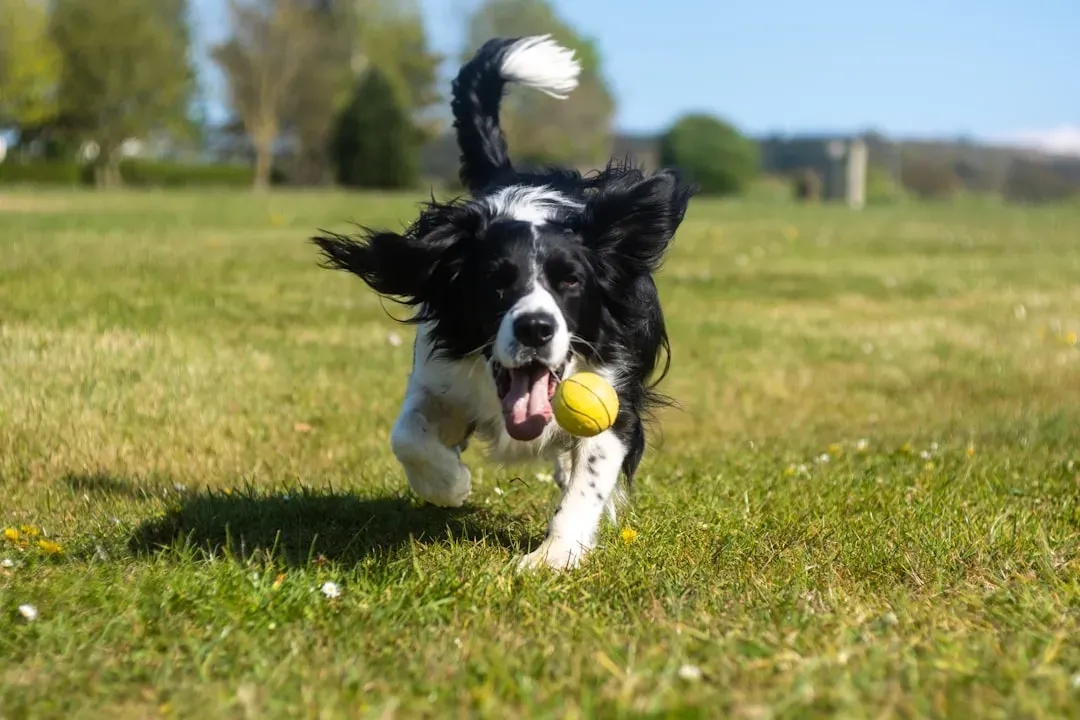
Bringing a toy often serves as an invitation to engage, shifting focus away from whatever feels heavy. The physical act of tossing or tugging can release tension for both of you in the moment.
This approach mirrors how dogs use play among themselves to defuse tension or reconnect after separation. Your sadness triggers a familiar strategy they already know works within their social world.
Reinforcement Through Your Reactions
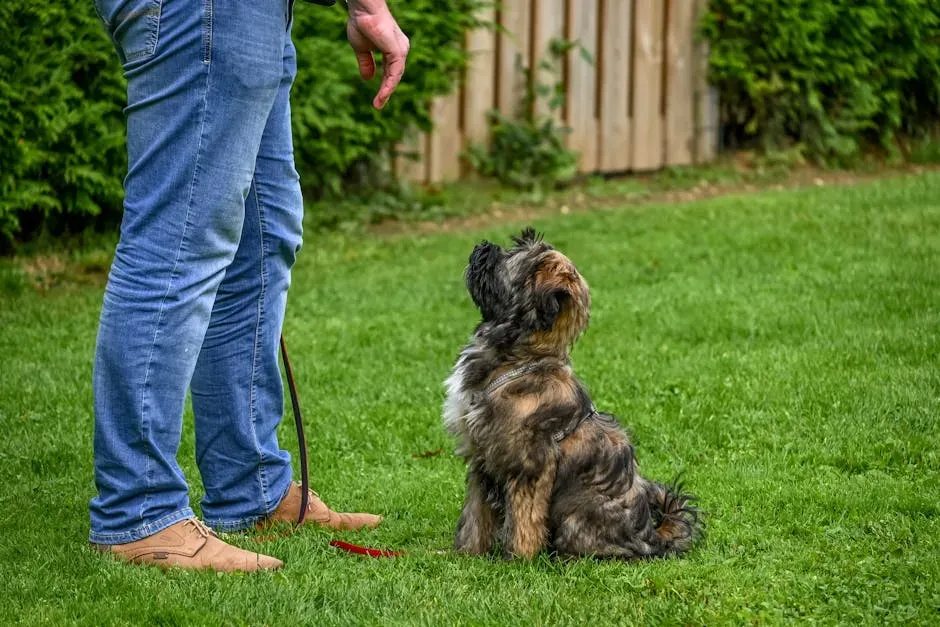
When you accept the toy or smile in response, the behavior gets rewarded with attention and affection. Over time, this feedback loop encourages the dog to repeat the action whenever similar cues appear.
The pattern strengthens because it reliably produces a positive outcome. Your dog learns that offering the toy leads to connection, making it a reliable tool in their social toolkit.
Not All Dogs Do It the Same Way
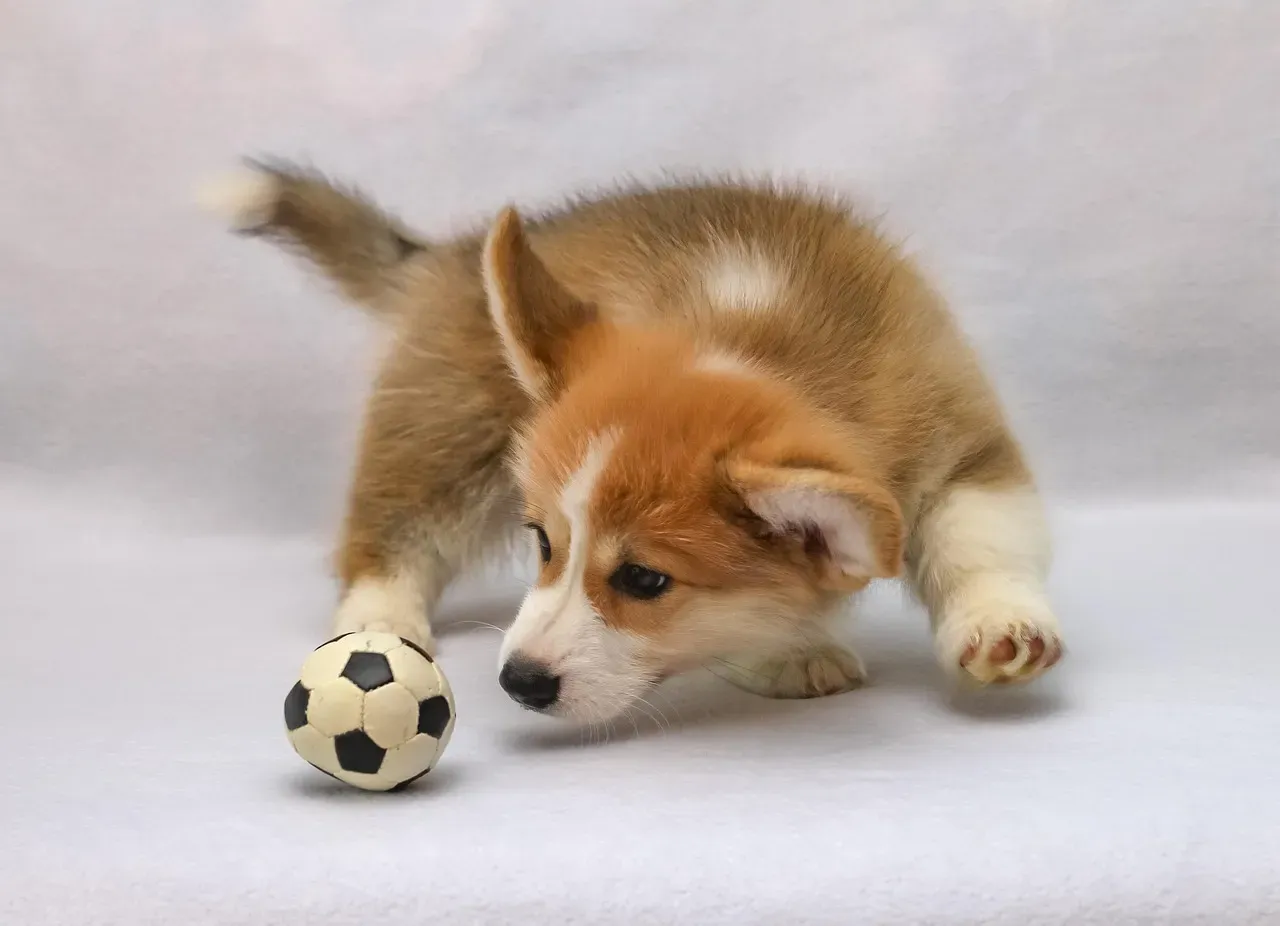
Some pups default to this behavior more than others, influenced by personality, past training, and how much play has been part of daily life. Individual history shapes whether a toy becomes the go to comfort item.
Breed tendencies and early socialization also play roles, yet the core impulse to offer something valued remains widespread. Observing your own dog reveals the unique blend of factors at work.
Why This Changes How We View Our Pets
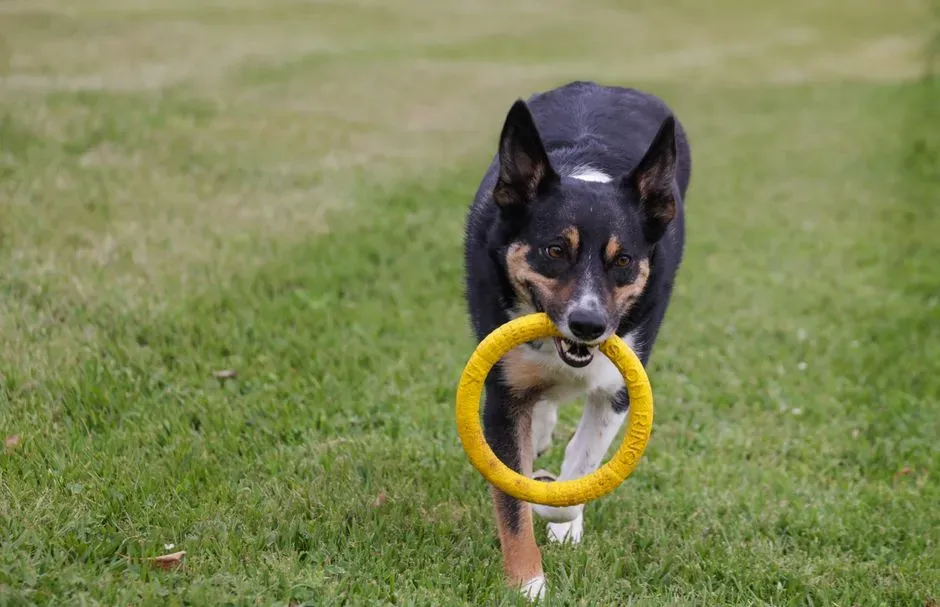
Recognizing the intent behind the toy shifts the relationship from one of simple ownership to mutual care. It highlights dogs as active participants in emotional exchanges rather than passive companions.
This perspective encourages more thoughtful responses, whether through gentle play or quiet acknowledgment. In the end, these moments underscore how dogs quietly shape the emotional texture of our lives, turning ordinary objects into bridges of understanding.


