

Dogs notice shifts in a home long before most people do. Their ears pick up frequencies we cannot hear, and their noses register changes in the air that feel off to them. Owners often describe moments when their pet suddenly behaves as if something unseen has arrived, creating a quiet curiosity about what exactly triggers the reaction.
Sudden Barking at Empty Spaces
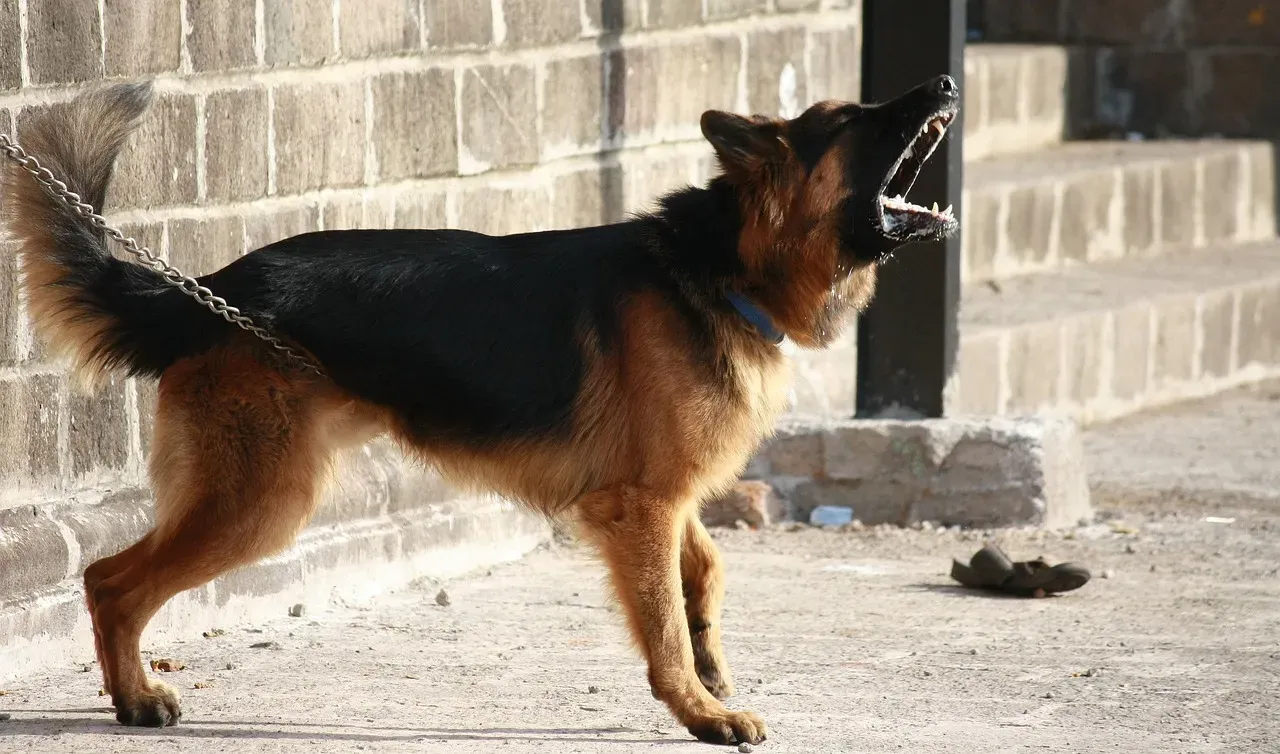
Many dogs will direct sharp barks toward a corner or an open doorway where nothing appears to stand. The sound carries a different tone than their usual alert for visitors or squirrels outside. Owners report that the barking stops as abruptly as it starts, leaving the room feeling heavier afterward.
This behavior often repeats at the same spot over several evenings. The dog may circle back to the area even after being called away. Such patterns suggest the animal tracks something moving through the space in ways humans simply miss.
Intense Staring at Walls or Ceilings
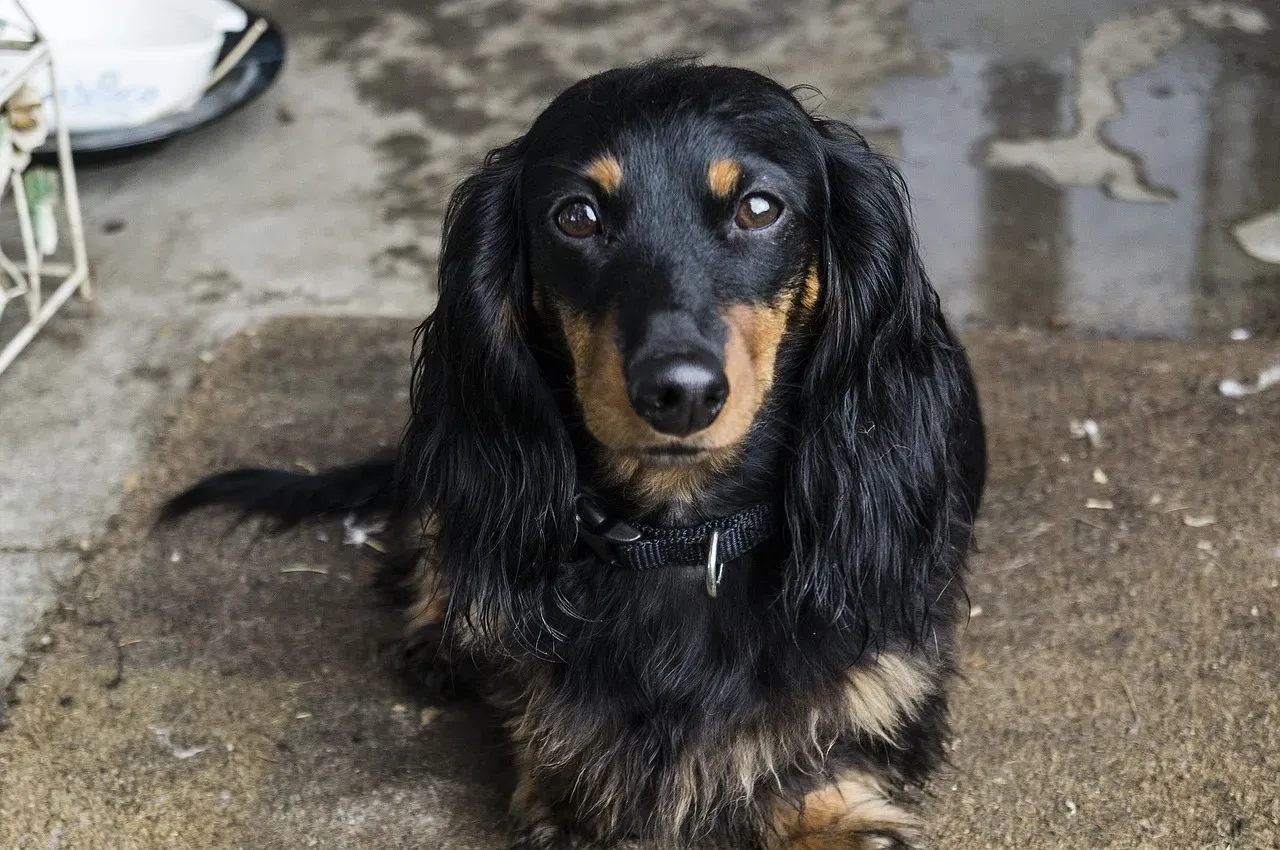
A dog may fix its gaze on a blank wall for minutes at a time without blinking much. The head tilts slightly as if following a slow movement across the surface. People notice the eyes track upward or sideways in smooth motions that do not match any visible object.
The stare can shift to another wall without warning. The dog remains still during these episodes, breathing evenly yet focused. Over time the pattern becomes familiar enough that owners learn to check the same locations themselves.
Pacing Restlessly Through Rooms
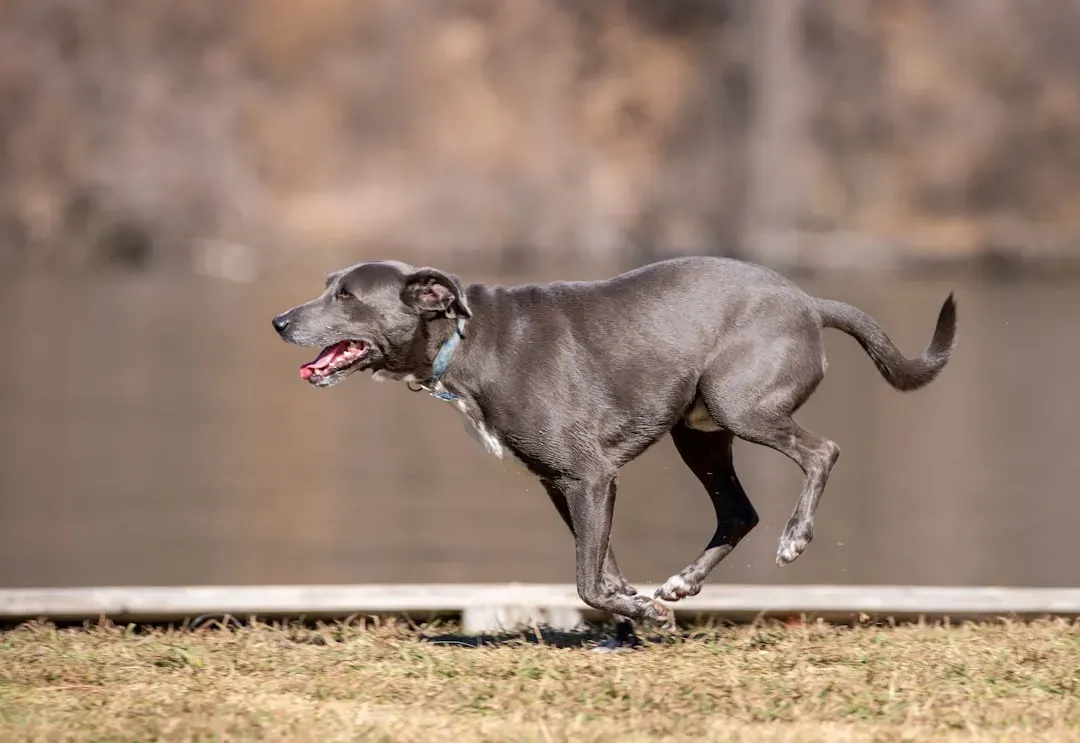
Restless pacing appears when a dog moves from one room to another in a steady loop. The steps lack the usual purpose of heading toward food or a favorite toy. Instead the motion feels driven by an urge to monitor every area in quick succession.
The pace quickens near certain doorways and slows in others. Owners sometimes find the dog pausing mid stride as if listening. This constant movement can last longer than typical restlessness before the animal settles again.
Seeking Extra Comfort From Family Members
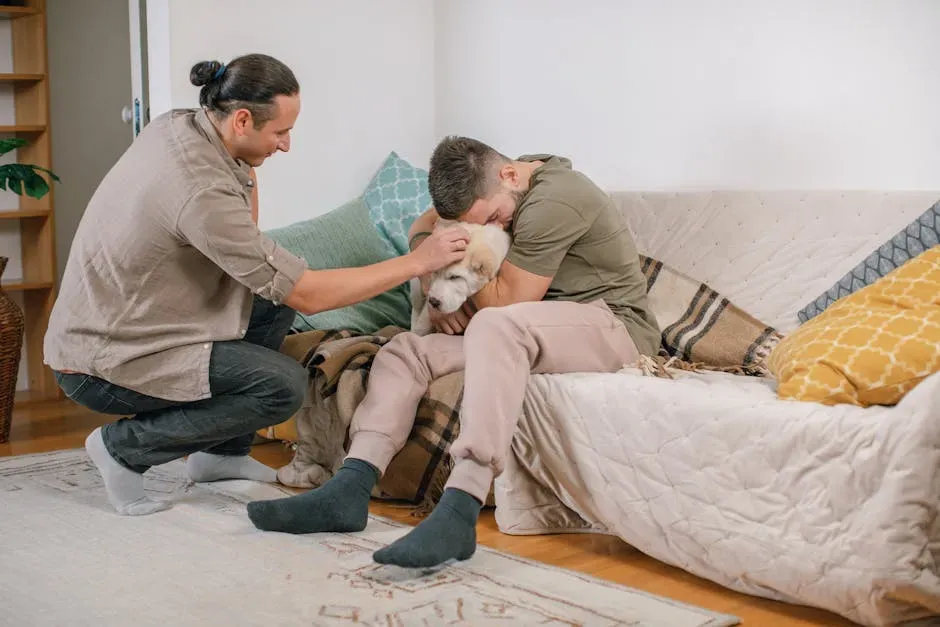
Dogs often press closer to their people during these periods, leaning against legs or curling up in laps more than usual. The contact seems to provide reassurance rather than simple affection. Some dogs will follow their owner from room to room instead of staying in their own spot.
The need for closeness can appear suddenly after a quiet evening. Gentle nudges or soft whines accompany the behavior. Owners describe the dog appearing calmer once physical contact is made.
Growling Without an Obvious Target
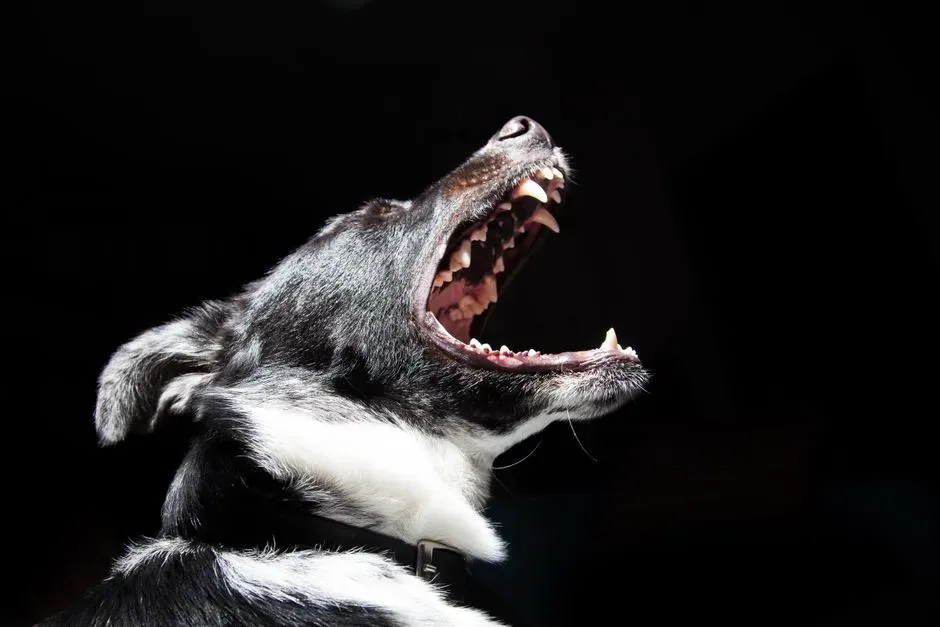
A low growl may rumble from the dog while it faces an empty hallway or a closed door. The sound stays steady and directed rather than playful or excited. No person or animal stands in the line of sight to explain the reaction.
The growl sometimes fades when the owner speaks or enters the space. It can return minutes later at the same location. This vocalization tends to occur more often after dark when the house grows quieter.
Avoiding Certain Rooms or Corners
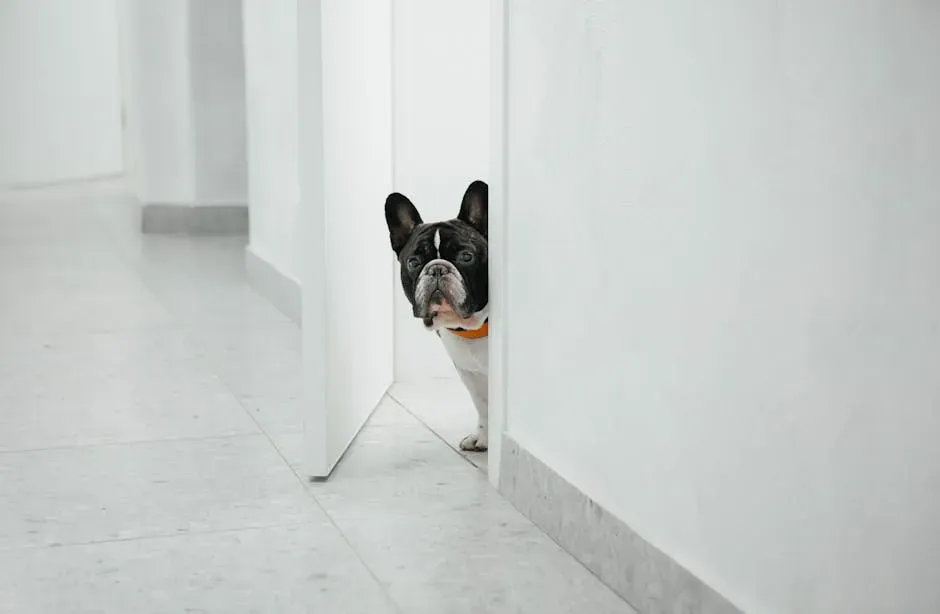
A dog may refuse to enter a particular room even when coaxed with treats or familiar toys. The hesitation shows in lowered posture and quick glances toward the threshold. Once inside, the animal often exits again within moments.
The avoidance can extend to specific corners or furniture pieces. Owners notice the dog choosing alternate routes through the house to bypass the area. Over repeated days the pattern becomes consistent enough to map.
Soft Whimpering at Odd Hours

Quiet whimpers sometimes rise from the dog during the middle of the night or early morning. The sound carries a worried quality rather than the usual request for water or a walk. It stops when the owner approaches yet may resume after the person leaves the room.
The whimpering often pairs with ears held slightly back. The dog may glance toward the same empty space each time. Such episodes tend to cluster over a few consecutive nights before easing.
Following an Unseen Path With Their Eyes

Eyes track across a room in a line that suggests something passes by at dog height. The head turns smoothly without the jerky motions typical of chasing a fly or dust mote. The movement continues for several seconds before the gaze drops or shifts elsewhere.
This tracking repeats in different rooms on the same evening. The dog shows no interest in toys or food during these moments. Owners who watch closely sometimes feel the temperature in the space drop slightly.
Changes in Usual Sleep Positions
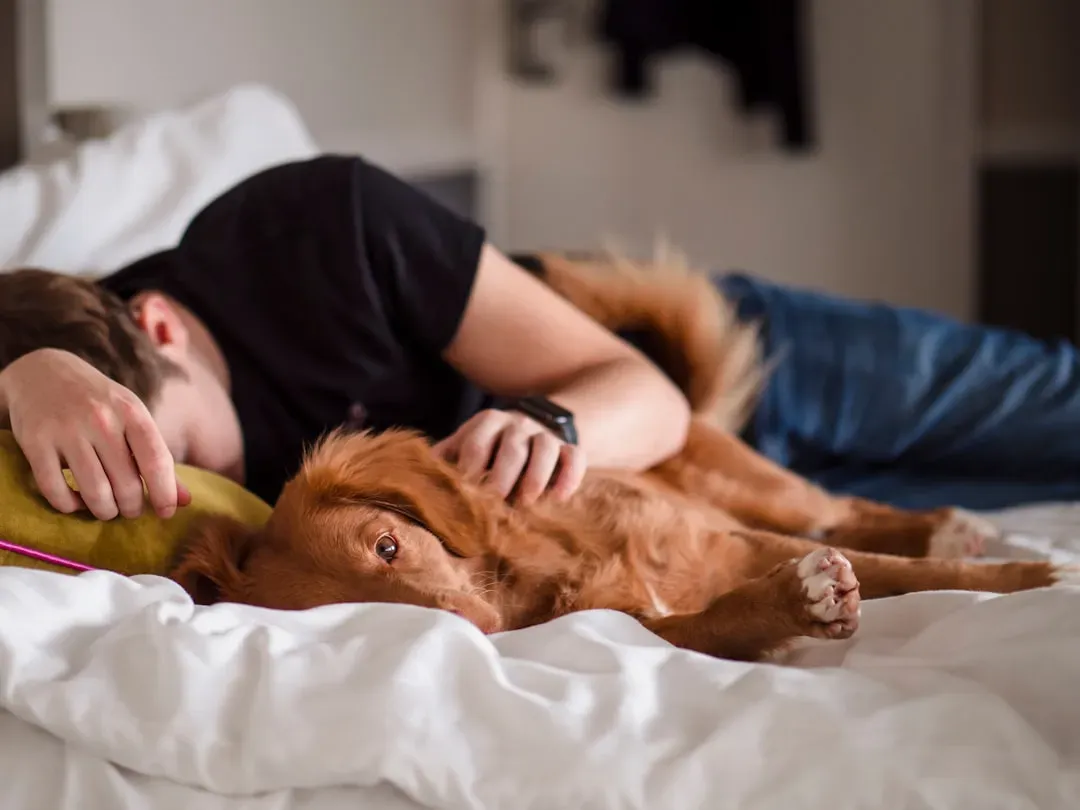
A dog may abandon its favorite sleeping spot and choose a new location closer to the owner. The new position often faces the doorway or a window. Rest appears lighter, with more frequent position shifts throughout the night.
The change can last several days before the dog returns to its original bed. During this time the animal wakes more easily to small sounds. Owners notice the dog scanning the room upon waking rather than stretching immediately.
Excessive Vigilance During Evening Hours
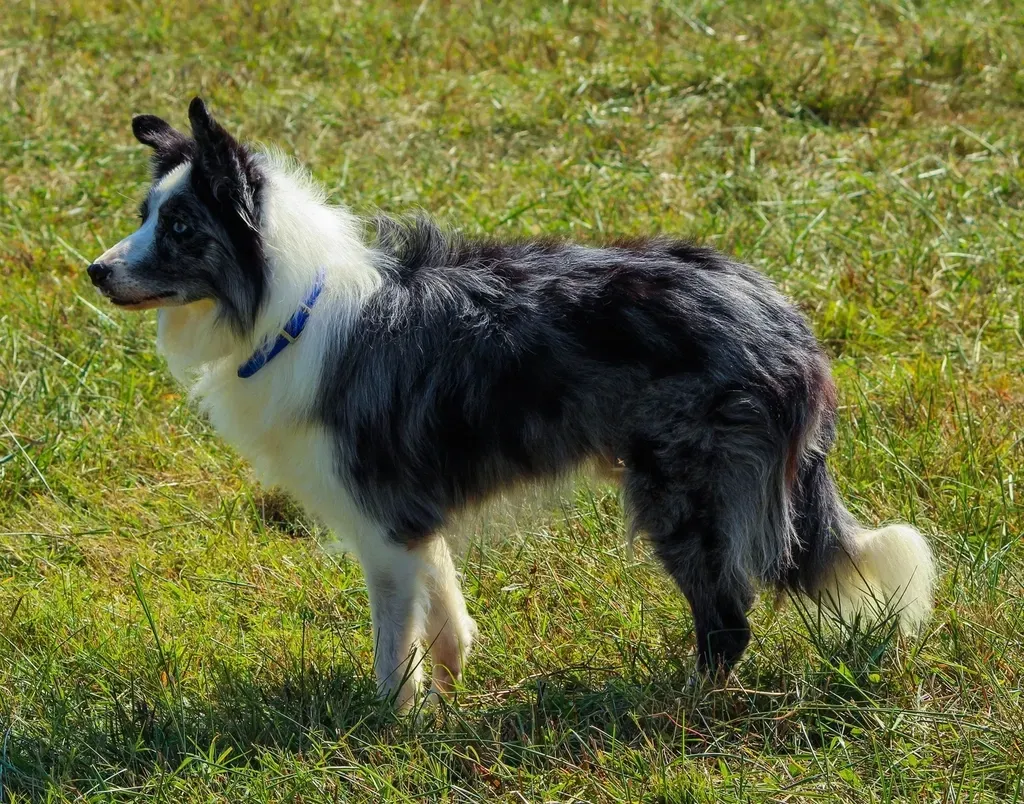
Evening hours bring heightened alertness where the dog sits upright instead of relaxing. Ears stay forward and swivel toward distant corners. The body remains tense even when no visitors arrive and no storms approach.
This state can persist until the household settles for bed. The dog may ignore favorite evening routines like playtime. Once the feeling passes the animal returns to normal relaxed behavior.
Leading Owners Away From Specific Areas
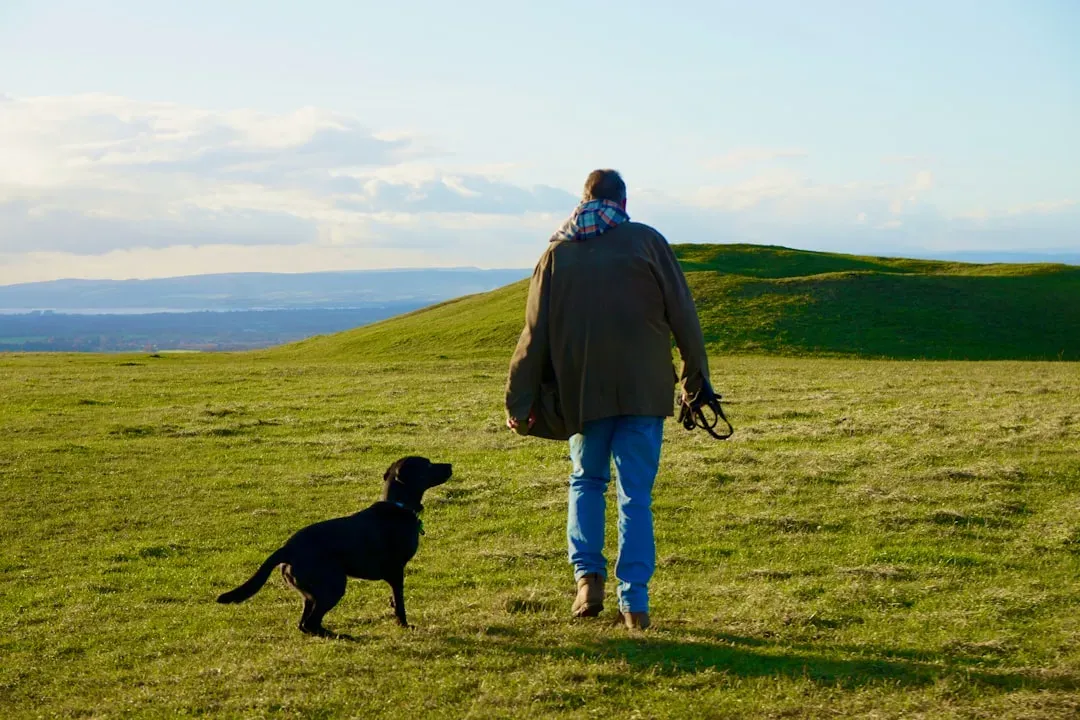
Some dogs gently herd their people toward other rooms using body pressure or soft nudges. The guidance feels purposeful rather than random play. The dog often looks back at the avoided spot while moving the owner along.
The behavior repeats when the person tries to return to the original area. It eases once the household gathers in a different part of the home. Owners describe the action as protective rather than demanding.
Paying attention to these signals can strengthen the quiet partnership between a dog and its home. The animal offers an early warning system rooted in senses we do not fully share. Noticing the patterns invites a deeper respect for what our companions perceive around us every day.


