
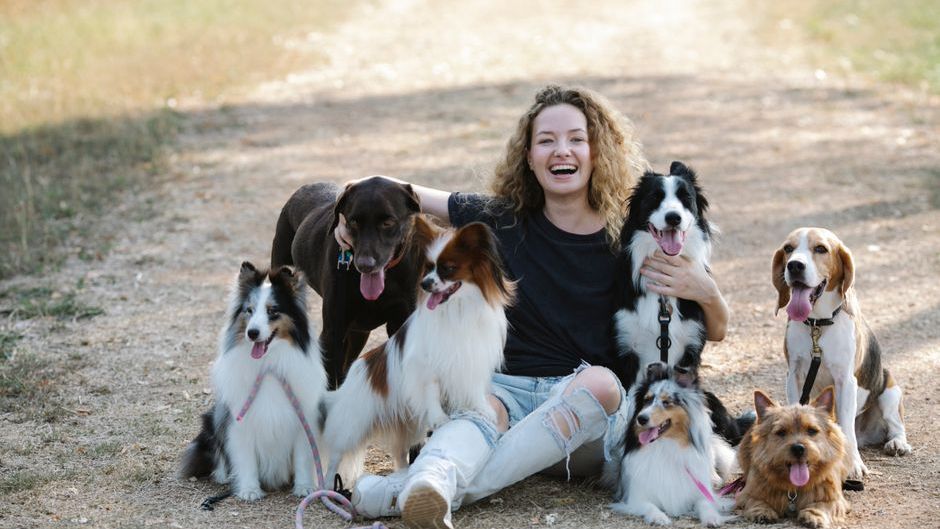
The Foundations of Canine Episodic Memory
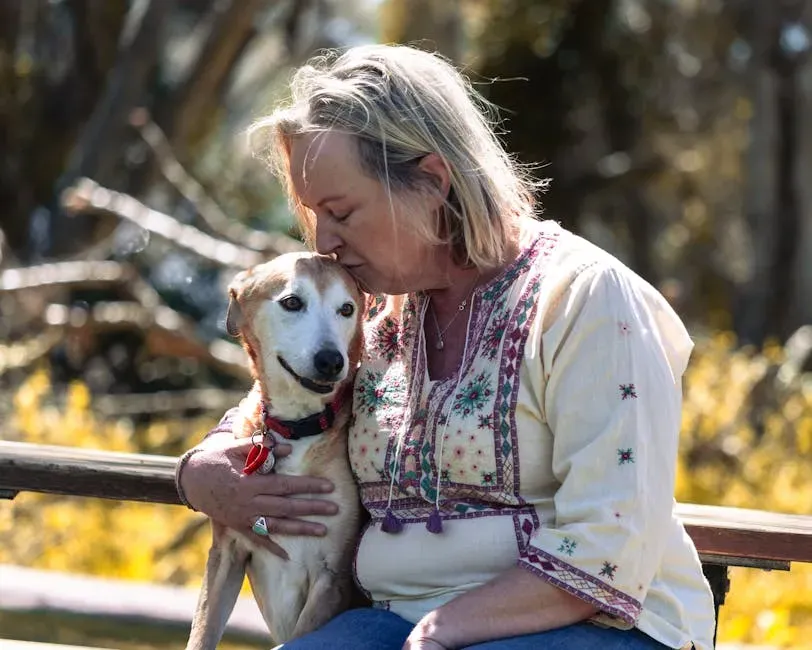
Dogs possess a form of memory that allows them to recall specific past events rather than just general associations. Studies have shown they can remember actions performed by their owners even after short delays, pointing to something similar to episodic memory in humans. This capacity means separations are not just blank periods but events that register emotionally and behaviorally.
Over repeated instances, these recollections build a pattern. A dog learns through experience that departures happen and returns follow, yet the emotional tone of each separation can color the overall relationship. Longer absences tend to produce more intense reunion responses, hinting that duration itself becomes part of the stored impression.
Attachment Theory Applied to Dogs
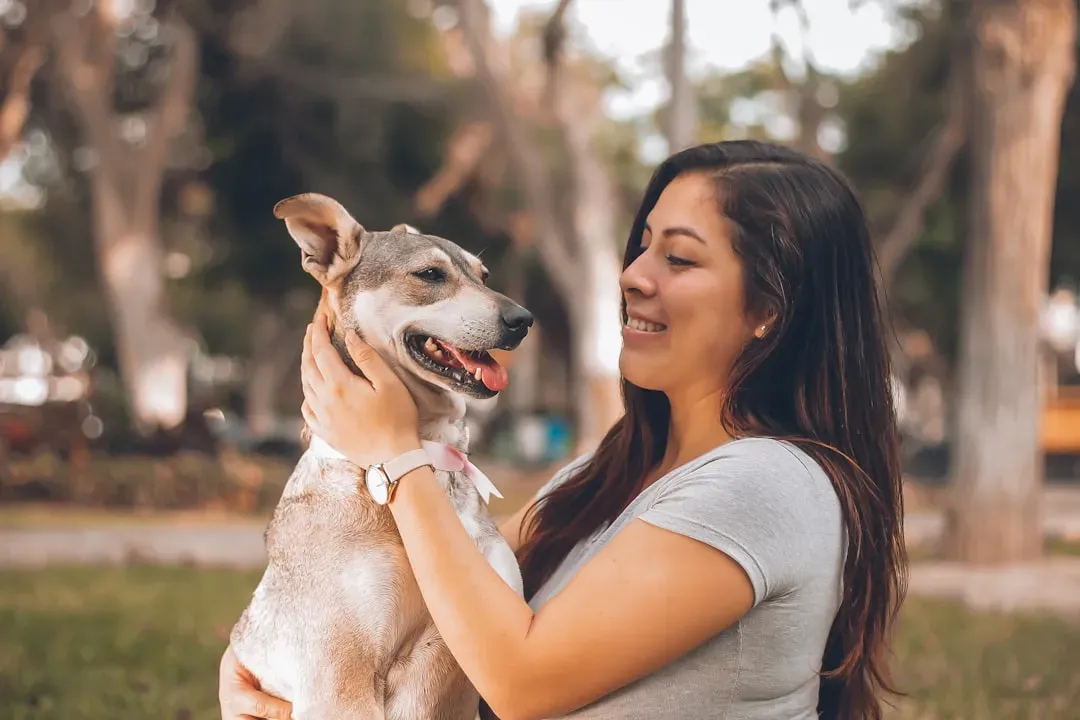
Psychologists have adapted human attachment concepts to explain dog owner bonds. Dogs often display secure base behaviors, exploring confidently when their person is present and showing distress during separations. Insecure patterns appear too, where some dogs become overly vigilant or withdrawn depending on how absences have played out in the past.
These styles develop through consistent interactions. Frequent or unpredictable departures without clear signals of return can heighten anxiety responses. The result is a relationship shaped by accumulated experiences rather than a single dramatic event.
Separation Distress and Its Lingering Effects

Many dogs exhibit clear signs of stress when left alone, from pacing and vocalizing to more subtle physiological changes like elevated heart rates. Research indicates that even dogs without full blown separation anxiety still react to the length of time apart, greeting owners more vigorously after longer intervals. These reactions suggest the absence registers as meaningful.
Over months or years, repeated separations contribute to a dog’s overall sense of security. Positive reunions help reinforce trust, while unresolved distress can lead to clingier or more cautious behaviors in daily life. The pattern becomes part of how the dog anticipates and responds to the owner’s presence.
Reunion Moments as Windows Into Memory

The enthusiastic welcome many dogs offer upon return serves as visible evidence of emotional memory at work. Increased activity, tail wagging, and proximity seeking intensify with longer separations, showing that dogs track time in their own way. These behaviors strengthen the mutual bond through shared relief and affection.
Owners often notice subtle shifts over time. A dog that once seemed indifferent might grow more attentive after periods of consistent care following absences. The memory of past departures influences current expectations and deepens the emotional exchange.
Individual Differences in How Dogs Process Absence
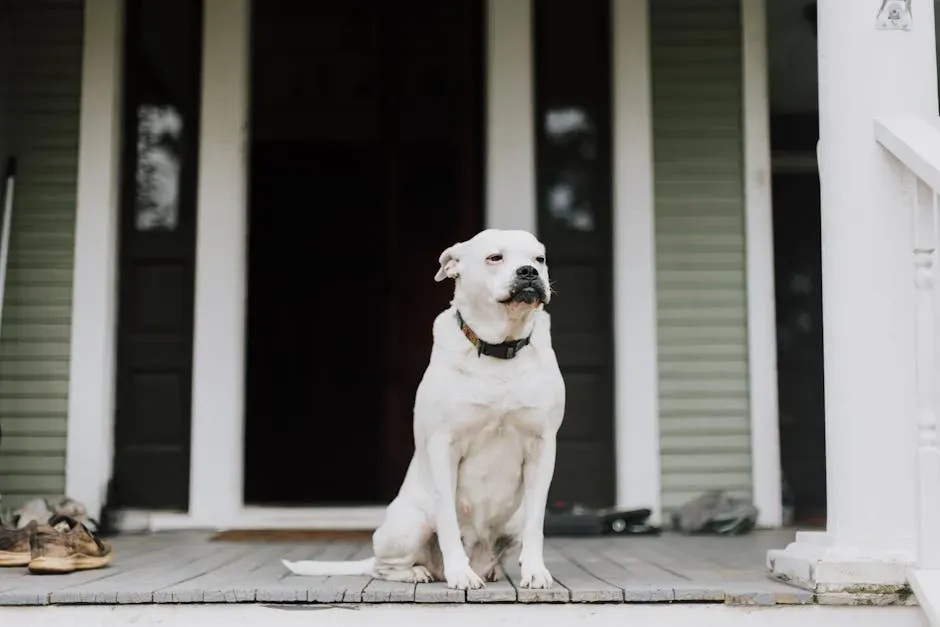
Not every dog responds the same way to being left alone. Breed tendencies, early life experiences, and the owner’s own attachment style all play roles in shaping reactions. Some dogs appear resilient while others carry forward more pronounced sensitivity to routine changes.
Age and health also factor in. Older dogs or those with prior trauma may show stronger links between past separations and present behaviors. Understanding these variations helps explain why the same pattern of leaving affects different dogs in distinct ways.
Practical Ways to Support a Positive Bond

Owners can ease the impact of necessary absences through predictable routines and gradual desensitization training. Providing engaging toys or calming aids during alone time helps create neutral or even positive associations. Consistent, calm departures and arrivals further support a sense of reliability.
Quality time upon return matters too. Short periods of focused interaction reinforce that the relationship remains steady despite time apart. These small habits accumulate into a stronger foundation of trust over the years.
The Enduring Nature of the Human Dog Connection

The memories dogs hold of separations contribute to a relationship that evolves rather than stays static. Each departure and return adds a layer to the emotional history they carry. This ongoing process explains why the bond often feels uniquely deep and personal.
Recognizing this dynamic encourages more thoughtful interactions. It shifts focus from simply managing behavior to nurturing the shared history that makes the connection last.
Dogs carry the weight of every goodbye in ways that quietly shape their loyalty and affection. Paying attention to those patterns turns ordinary days into opportunities for a richer partnership that stands the test of time.


