
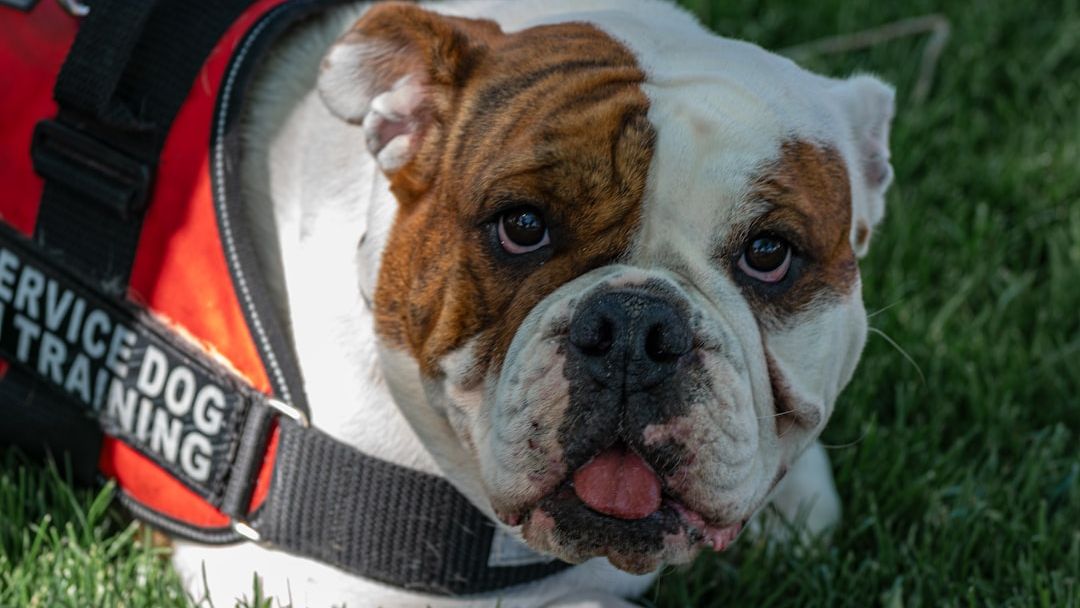
The Remarkable Sense of Smell in Dogs

Dogs possess an extraordinary olfactory system that far surpasses human capabilities. Their noses contain hundreds of millions of scent receptors, allowing them to pick up on subtle chemical shifts in the air around them. This ability extends beyond simple smells like food or other animals.
Everyday experiences show dogs reacting to changes in their environment long before people do. They can distinguish between different human odors with precision that seems almost intuitive. Such sensitivity forms the foundation for more complex detections in daily life.
Evidence from Scientific Studies on Stress Detection

Research published in 2022 demonstrated that dogs can reliably identify odors associated with psychological stress. In controlled tests, four dogs distinguished between baseline and stressed human samples with accuracy rates ranging from 90 to 96 percent. The study focused on volatile organic compounds in breath and sweat.
These findings build on earlier observations about dogs responding to human emotional states. Additional work has explored how dogs react to trauma related scents in breath samples. Such evidence points to a biological basis rather than coincidence alone.
How Panic Attacks Alter Body Chemistry

When stress escalates toward a panic attack, the body releases hormones like adrenaline and cortisol. These changes produce distinct scents that dogs appear equipped to notice. The process happens rapidly, often before the person fully registers the shift.
Physiological responses also include increased heart rate and subtle sweat variations. Dogs may detect these markers through their heightened senses. This early warning window can span several minutes in some cases.
Service Dogs and Their Alerting Abilities
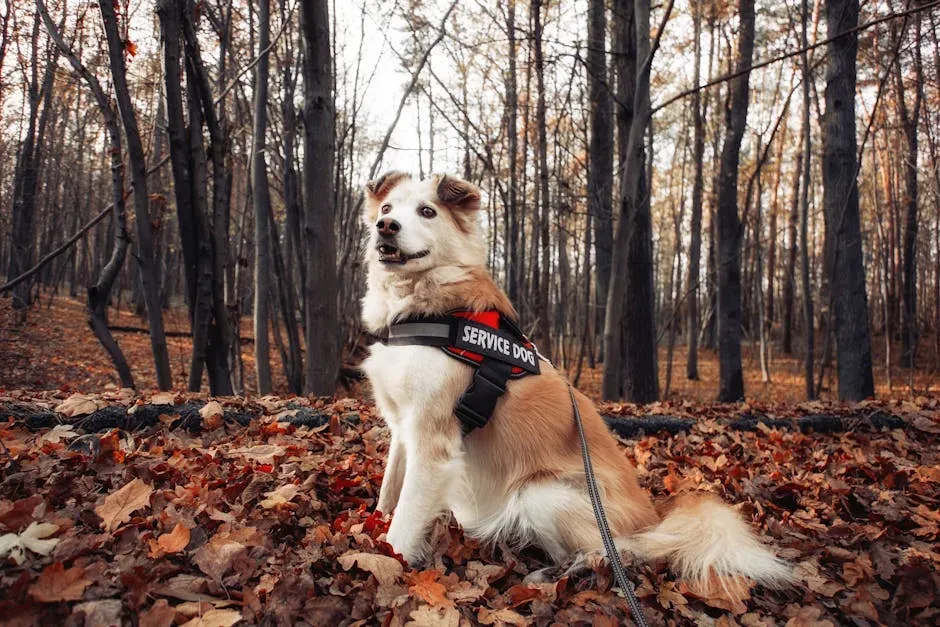
Trained psychiatric service dogs sometimes intervene during rising anxiety episodes. They learn to recognize patterns in their handler’s scent and behavior. This training allows them to provide support before symptoms intensify.
Handlers report dogs offering comfort or signaling for help in advance. The dogs respond to both chemical cues and visible signs like tension. Their presence alone can interrupt the cycle for some individuals.
Training Methods for Psychiatric Assistance
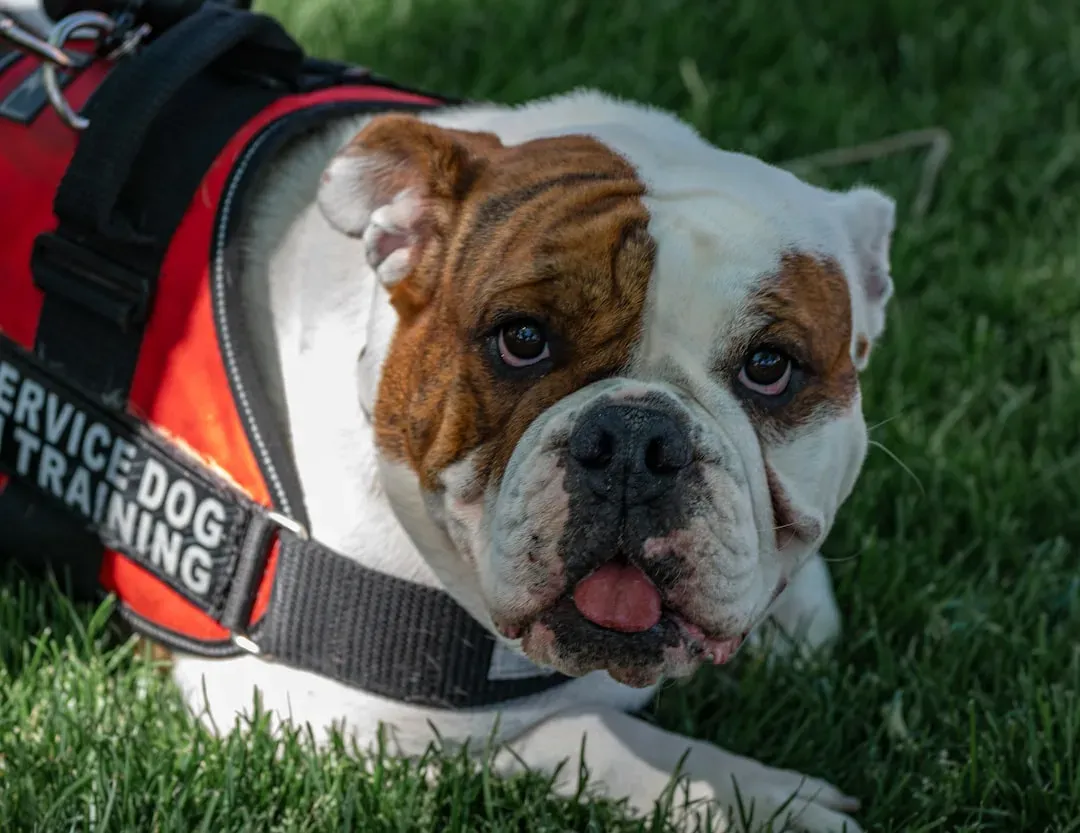
Service dog programs use positive reinforcement to teach scent discrimination tasks. Dogs practice identifying stress samples in controlled settings before moving to real world scenarios. Consistency and repetition help solidify the skill.
Handlers work closely with trainers to refine alerts specific to panic symptoms. The process emphasizes safety and reliability over time. Not every dog succeeds at this level of specialization.
Potential Impacts on Mental Health Management
Early alerts from a dog can give people time to use coping strategies or seek a safe space. This proactive element may reduce the overall severity of an episode. Integration with therapy or medication plans offers additional layers of support.
Communities focused on anxiety disorders have begun exploring these partnerships more widely. The bond between dog and owner strengthens through shared routines. Outcomes vary based on individual circumstances and training quality.
Looking Ahead at Human Canine Bonds

The connection between dogs and their owners continues to reveal layers of mutual awareness. Ongoing research may uncover even more ways these animals contribute to emotional well being. Everyday pet owners might notice similar subtle cues without formal training.
In my view, embracing this natural sensitivity could transform how we approach anxiety support. Dogs already offer companionship that eases daily pressures. Their potential as early detectors adds a practical dimension worth exploring thoughtfully. This partnership reminds us that some of the best help comes from those who simply stay close.


